- Follow us:


Thursday, December 15th, 2016
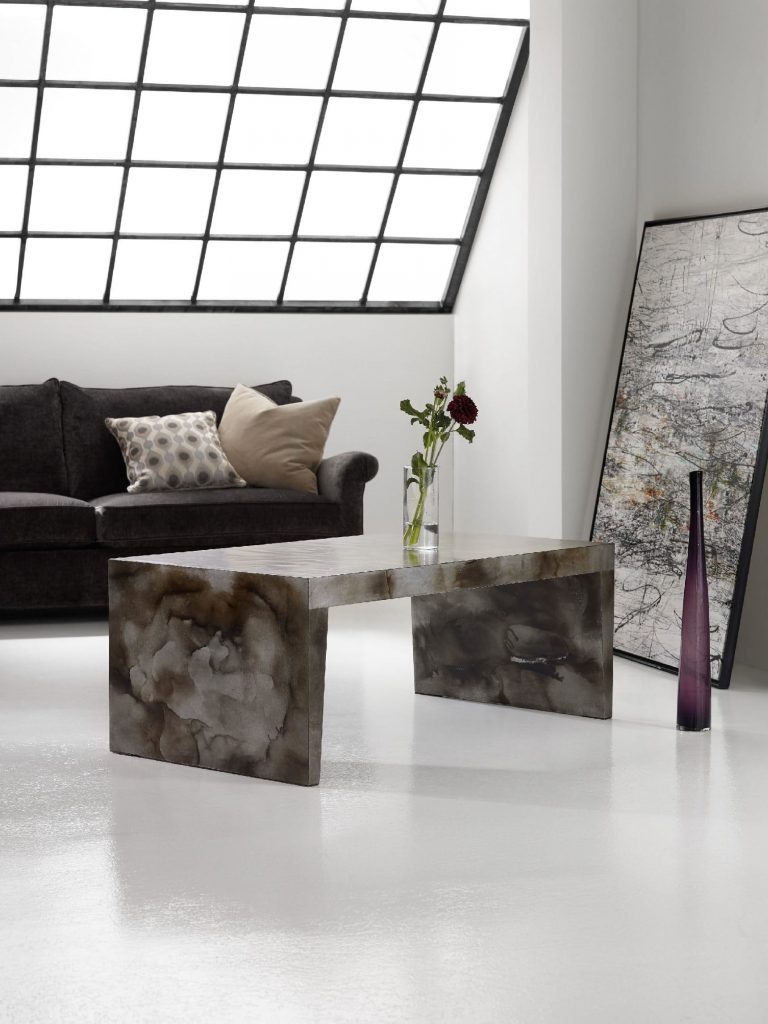
The smooth, sturdy surface of the Hooker Furniture Living Room Melange Lincoln Cocktail Table is the epitome of smooth surface that’s perfect for modern homes.
Have you ever looked in a room and felt that there’s something missing? And yet, you couldn’t quite put your finger on so you dismiss what’s missing on the design and head on with your life. Yet, more often than not, that feeling was there because there was something that’s lacking whether on the color scheme, decorative stuff or the furniture.
A room that feels dull or flat often lacks one common thing – texture.
Defining Texture
Texture becomes an afterthought in many homes. It’s about time to change this notion since texture can make a room pop. This is the very element that brings up the level of design to fine design.
In the world of design, texture is known as the sensation brought about by the external surfaces of objects by using your sense of touch. Texture is basically how things feel when you run your hand through their surface.
For a more vivid description of texture, try thinking of the sensation that you feel when you walk through a plush carpet or when you sit on a velvet couch. Perhaps a better interpretation of texture for interior design is how one perceives what he touches. You might have seen a lot of interior design websites and magazines and you’d know as you go from one page to another that you don’t need your hands to know how the elements in the room would feel.
Many times, texture plays second fiddle to the room’s function but this doesn’t equate to it being unimportant to the design’s triumph.
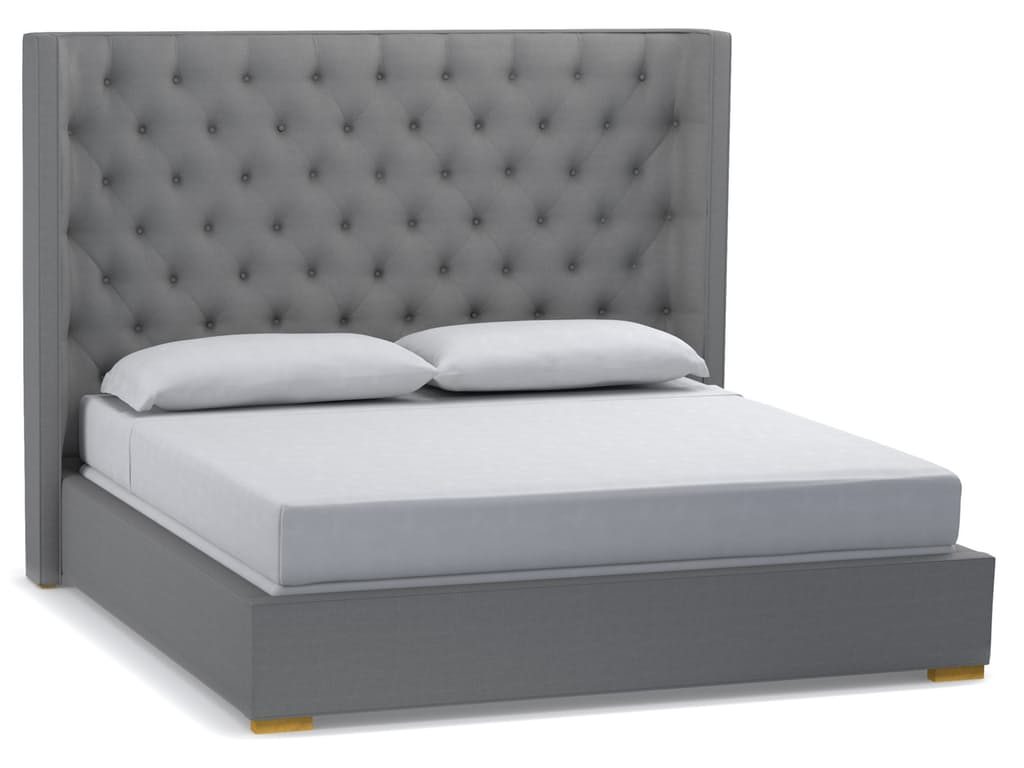
CYNTHIA ROWLEY FOR HOOKER FURNITURE ASTOR QUEEN BED COMPLETE
Texture and Visual Weight
Odds are, if you’ve read the blogs here at www.mccreerys.com, then you know what visual weight actually means. This means that an object or a group of design elements have the power to draw attention.
Having an ample dose of texture means you won’t have to worry about visual weight. If you already know how warm or cool colors affect the human psyche, then you should also be able to comprehend how textures work in the same manner. Rough textures, for instance, tend to make spaces look and feel more intimate while smoother textures look sleek.
Consider also how you would place the textures throughout the room. Putting a smooth and rough textures right next to each other will make the latter stand out. It will seem like the rougher object is weightier but only if you keep them together. Put a space between them and there’s a notable visual effect.
Texture and Balance
Since contrast is crucial when it comes to interior design, then it only shows how important texture is. Texture can provide the visual balance by adding something that’s not similar to all the other design elements. When all the design pieces are alike, then your eyes would have trouble concentrating on what to look at. This is where texture should come in since it can make things leap from the backdrop.
It is also important that you practice restraint in using texture. Going texture crazy means chaos so just stick with the 2-3 distinct textures in one space. Pick three if you want people to drink in the space as a whole concept. Just stick with two if you want to emphasize a focal point.
Texture in Homes
Effectively bringing texture to your home means knowing which elements to work on. Architectural parts that are interesting to the eyes such as crown molding or tray ceilings can be emphasized as a focal point. Wooden benches, marble tabletops and satin chairs have a unique feel when placed inside any space.
As for the decorative items, you can use your collections, some flowers or shadow boxes. The use of interesting textiles is also common in bringing texture to your home.
Tags: design textures, McCreerys, McCreerys Home Furnishings, texture, texture in interior design, textures
Posted in Interior Design 101, Interior Design Elements | No Comments »
Saturday, September 3rd, 2016
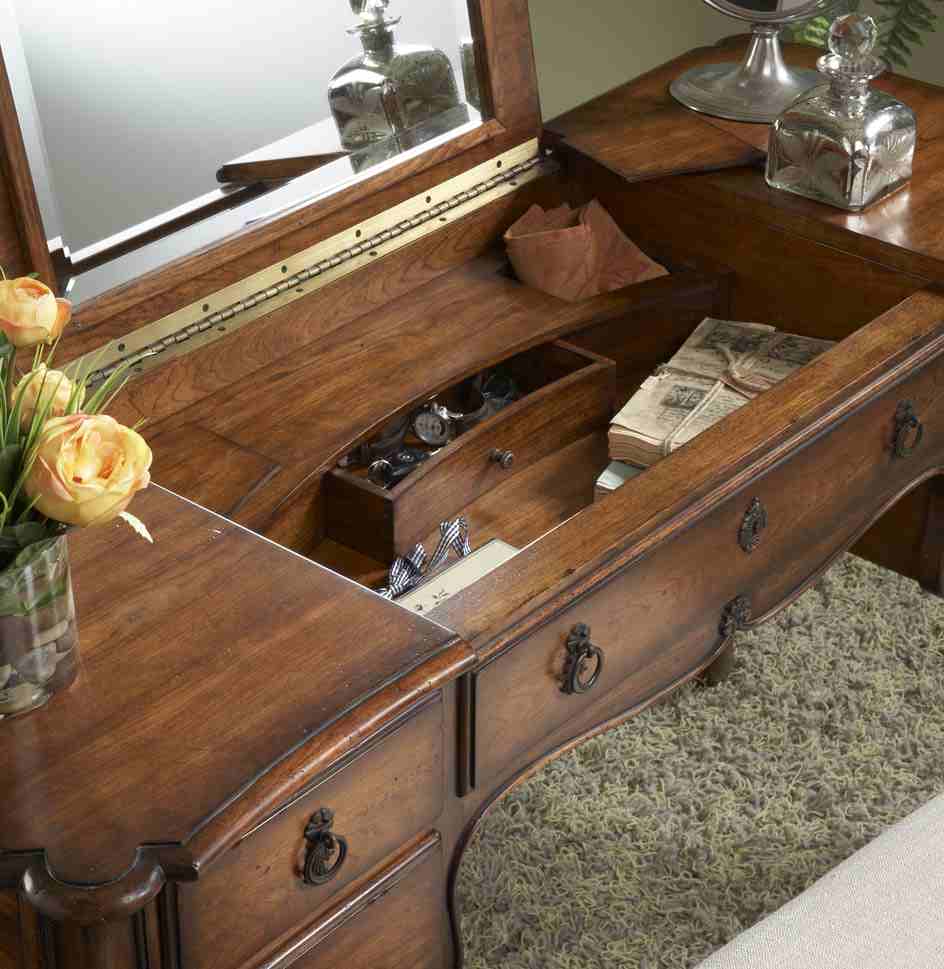
FFDM Vintage Classics provides just the right amount of traditional charm.
Traditional theme is often characterized by classic European décor. Furnishings come from the 18th to the 19th centuries in Neoclassical, English or Colonial Revival styles. French countryside, 18th century England, even the exotic lands from the East also work. These often include wood tones, beautiful architectural details, and chic lines. It is a posh style that may still be complemented with personal elements. This can be the perfect style for your home but are you ready to learn what elements you need to work on?
Essential Elements
The fundamental elements of traditional design are symmetry and classic styling. Both can create orderly, calm and elegant décor. Traditional style also means using soft, curvy lines and wing-backed chairs for furnishings. Talk of the Queen Anne design. The more antique-looking the piece is, the more that it would work for your traditional setup.
If you love furnishings made of dark woods like maple, cherry or mahogany, then you are the perfect candidate for a traditional style enthusiast. Tables, chairs and other furniture pieces that offer a luxurious appeal with carving and lacquer are the right pieces to look for.
While it is an elegant style, traditional design highlights symmetry when it comes to furniture layout. This means that you can use a pair of armchairs right in front of the traditional fireplace. You can also place a candlestick duo on the mantle or a huge wall art that would balance a neutral room.
The Best Traditional Color Palette
Neutral and muted mid-tone walls should be a part of the traditional style. Use different fabrics in solids, florals, plaids or stripes. The neutral walls will serve as the perfect backdrop for those upholstered chairs and sofas that come in rich shades of navy, brown or burgundy.
Green and peach tones will balance the marriage of tan and aubergine. This is an unfussy palette that would work for anyone who is on the lookout for sheer elegance.
The traditional palette can also be rich and deep and the home for anything that is regal yet muted. These colors also offer a timeworn effect which is typical in Old World pieces. Dramatic colors include forest green, cream, ochre and just about any dark-stained surface.
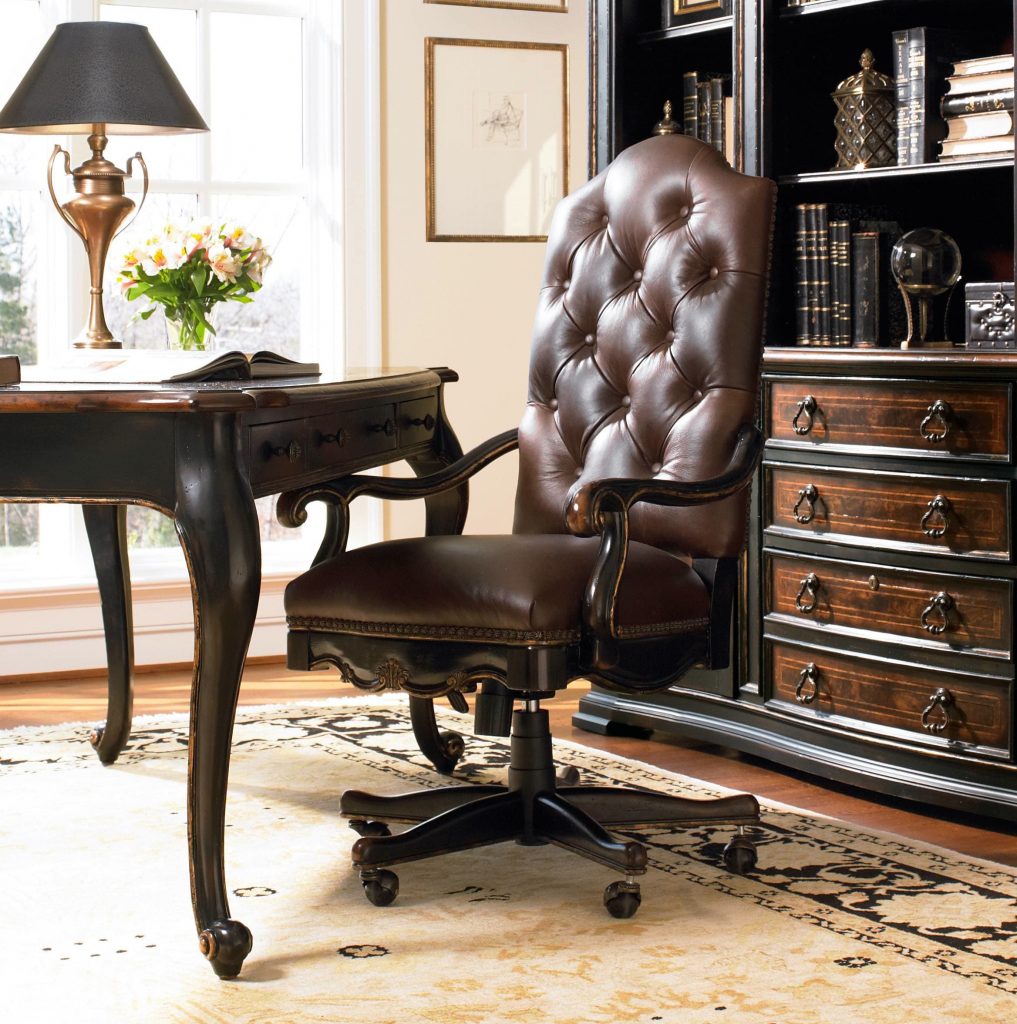
Hooker Furniture Home Office Grandover Tilt Swivel Chair fits perfectly in a traditional home office.
Textures and Shapes for Traditional Design
Though elegant, traditional design can also emphasize comfort and simplicity. Fabrics can come in damask, floral or paisley patterns. You are likely to see luxurious fabrics such as velvet, silk and cashmere. You can also use fabrics that are easy-to-care-for such as linen and cotton.
Go ahead and use luxurious accents such as throws and pillows. Small print on pillows can pair beautifully with floral-patterned sofas. Damask is the best choice for traditional design enthusiasts who want to achieve both a shiny and dull textures.
Another way that texture can be used in your traditional home is to have some still life paintings hung. To highlight this artwork further, invest in a chandelier or some silver candelabra. Polished ceramic jar surfaces as well as rustic wrought iron pieces will also render the perfect traditional look. Add some silk or fresh flowers in a vase and the look is complete.
The Traditional Window
Traditional design spells tailored windows with that formal swag and panel combo. Panels can be gathered using tasseled cords. The fringe can accent the swag treatments. These can add design details to scalloped edges.
Traditional Architecture
If you want to take the traditional look all the way to your home’s architectural features then have rough-hewn beams line a ceiling. These can easily balance the more chic elements inside the room. Other notable features include arched windows and doorways. Feminine curves can be used to balance a mainly masculine design.
Tags: 18th century, 19th century, design textures, McCreerys, McCreerys Home Furnishings, Old World interior design, textures, traditional interior design, traditional interiors, traditional style, traditional theme
Posted in Architectural Elements, Interior Design 101, Interior Design Themes | No Comments »
Monday, August 29th, 2016
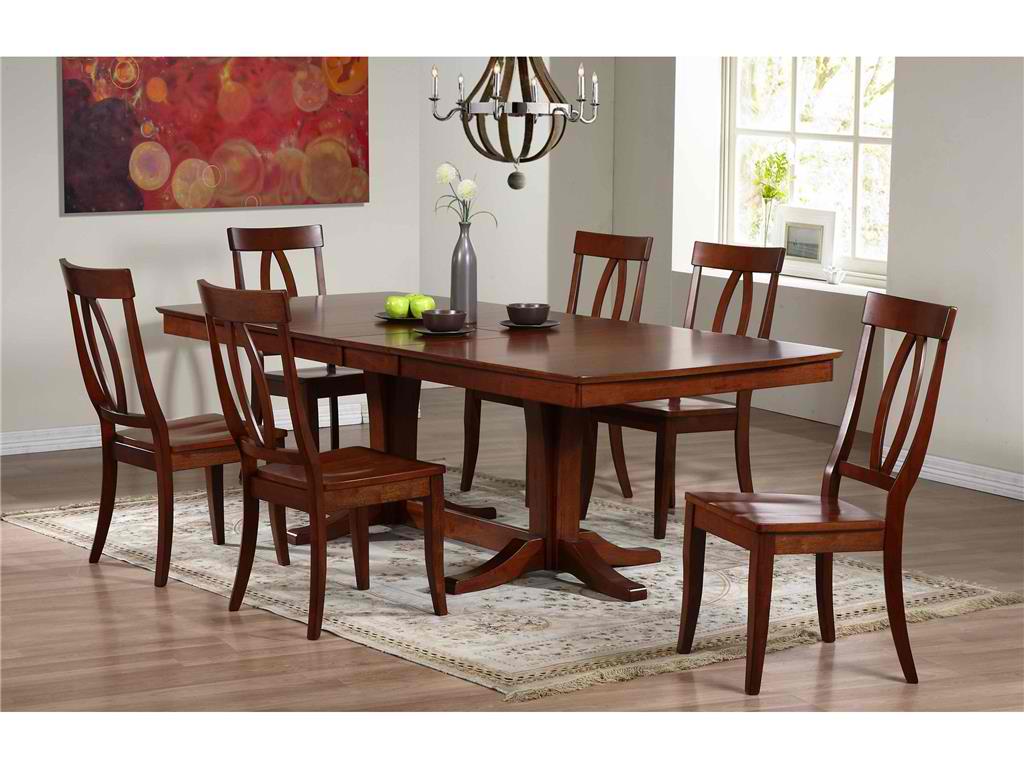
Winners Only Dining Room Dining Table DSB14296C offers the warm brown colors of fall.
People use art to express themselves. These can be framed paintings or photos, it could be a bust, but all are aimed at making your home look more interesting. The art that you display tells a lot about your personality. Don’t be afraid, though, to add large pieces on those big, blank walls. If you are feeling more creative, then make your own art. There are many ways that you can hang some stylish art especially this fall.
Display Gorgeous Harvests
Now that summer is saying farewell, it’s time to embrace the gorgeous style that the fall season has to offer. There are many fall elements that you can use in designing your home. Think of pumpkins, falling leaves, spices and earthy hues. You can bring in these elements to the porch, right into the living room and all the way to the bedroom.
Impress with Metals
Metallics are quite in during fall. These are great accent pieces since they shimmer – they are practically begging for attention. Use anything from silver, bronze to gold on table lamps, candlesticks, or side tables. A great thing about metallics is that they can stylize without even trying.
It’s All About Geometry and Texture
Fall is also rich on geometric patterns. Beautiful shapes can amp the look in your home. Use diamond shapes, stripes, even chevrons. Your favorite shape should be the star of the design.
This season is also the perfect time to add a little texture to your design. Use rich velvet, chunky knits, rustic woods, etc.
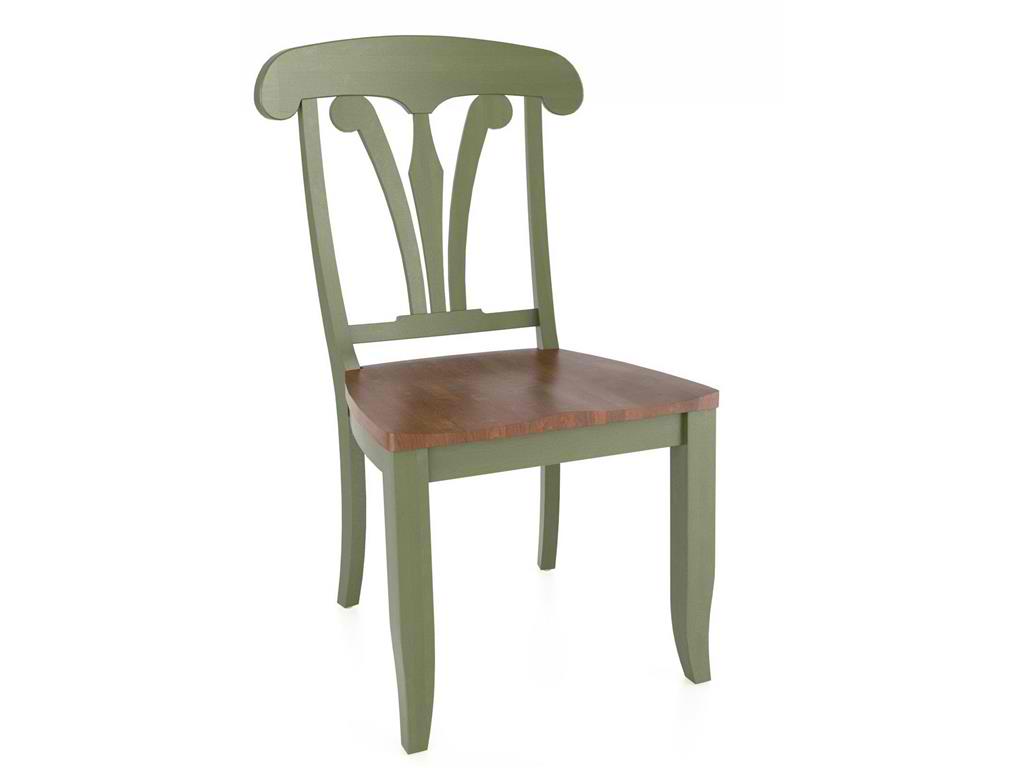
Canadel Dining Room Side Chair CHA1261 has both green and brown; both colors of Mother Nature.
Seasonal Colors
You can never go wrong with the autumn palette during fall. Check the colors that are trending such as jewel tones, spicy hues, classic neutrals, white, black and certain shades of blue.
Look all around you and see where you can add fall décor. Add a table to the foyer, put a tall vase of colorful flowers in the living room, hang a wreath right on the front door, and welcome all your guests with the orange pumpkins in your front yard.
Make the Fireplace Useful
With the weather turning cooler each month, you can now look at decorating your fireplace and mantel. Right before lighting up the fireplace, though, make sure that it has been inspected and properly cleaned. Once it’s okay to use, have it decorated with garlands made from fall leaves, pumpkin and other hearth décor.
That Room with the View
This is also the season to refresh the windows with some new window covering. This should complement the current season, palette-wise and pattern-wise. Keep the sheers but you may trade out the curtain panels with something that is more appropriate for fall. Look outside of your home for inspiration. Mother Nature has a lot to offer.
Change up the florals from the sunny summer look to the autumn flowers with richer colors. Redecorate with red, orange or brown area rugs in the living room, bedroom, or the kitchen. Bird feathers and leaves are huge design inspirations.
Garden Wagon Decorating
Your garden will serve more purpose this upcoming season so go ahead and lay down the straw at the bottom of a garden wagon. Place a few pumpkins in the wagon but make sure they show through the sides. Put two huge pumpkins in the middle then stack the little ones all around.
Have a pot of mums in the hay that are all around the pumpkins. Use LED lights to add sparkle during dark nights.
You can also add a fall table display for your upcoming dinner parties. An orange, yellow or red table runner should complete the autumn look.
Tags: design geometry, design textures, designing for fall, fall, fall color palette, fall color scheme, fall colors, fall design, fall interior design, geometric, geometric design, geometric elements, McCreerys, McCreerys Home Furnishings, metal, metallic, metallic design, metallics, texture in interior design, textures, tips
Posted in Color Schemes, Fall Season, Interior Design 101, Interior Design Themes | No Comments »
Thursday, July 21st, 2016
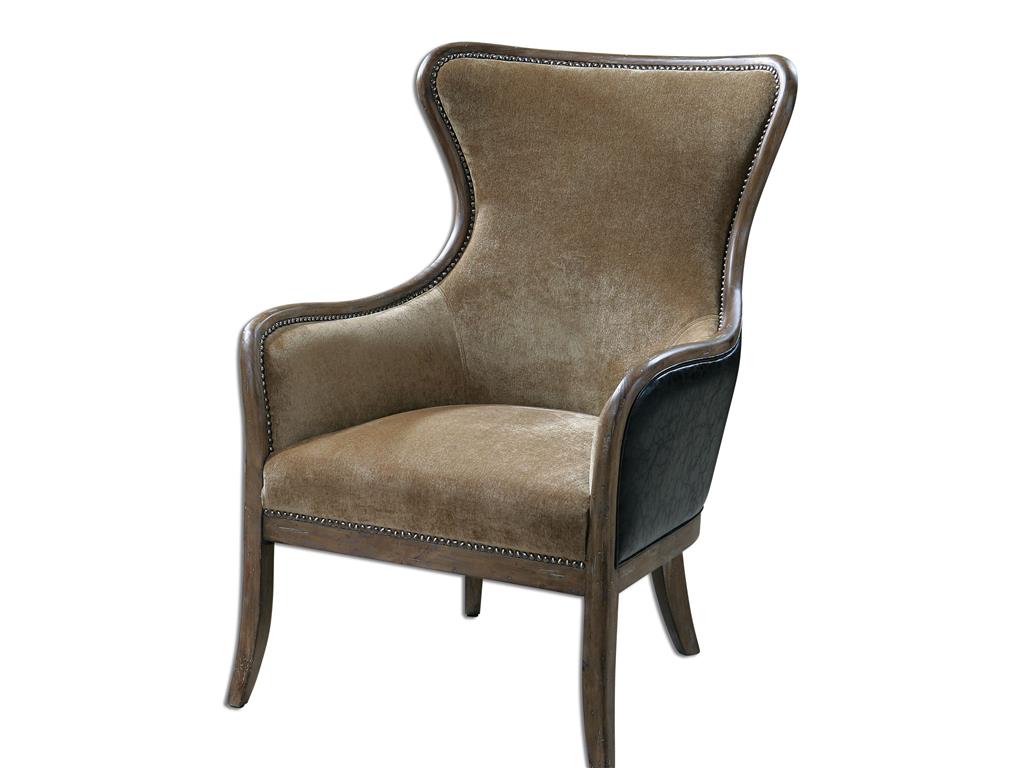
Living Room Uttermost Snowden Tan Wing Chair 23158
There is an ever-growing trend on velvet interiors lately. There are many beautifully-designed places – some are even featured in interior design magazines – where this lovely material is used. Using velvet as a replacement for any other material can surely be considered an upgrade. Before you set out and find furniture pieces clothes in this classy material, you might as well learn its history to appreciate it more.
Velvet and Its Rich History
Velvet, believe it or not, has been around for thousands of years. Different nations have used it for different cultural reasons, through the centuries. Velvet is a highly-valued material that was equated to power, wealth and royalty.
The modern world now has manufacturing methods that made velvet available to everyone. Thanks to the expertise of Englishman Edmund Cartwright who made the power loom in 1785. In our day, velvet is known to be more versatile than the type that ancient people used.
What’s great about this textile is that it will never go out of style. Imagine this material lasting through the early Renaissance, to the early Asian palace dwellers, all the way to Belgium which became a major producer of velvet during the 1500s.
Silk Velvet
This kind of velvet has a signature sheen and it is also soft to touch. One touch and you know you’re feeling a luxurious material. Use this material in areas that have light traffic only. Take note of this as it is keen on revealing the pressures that it goes through. Highly-exposed silk velvet will end up with a lot of marks and creases so limit it to rooms such as the bedroom.
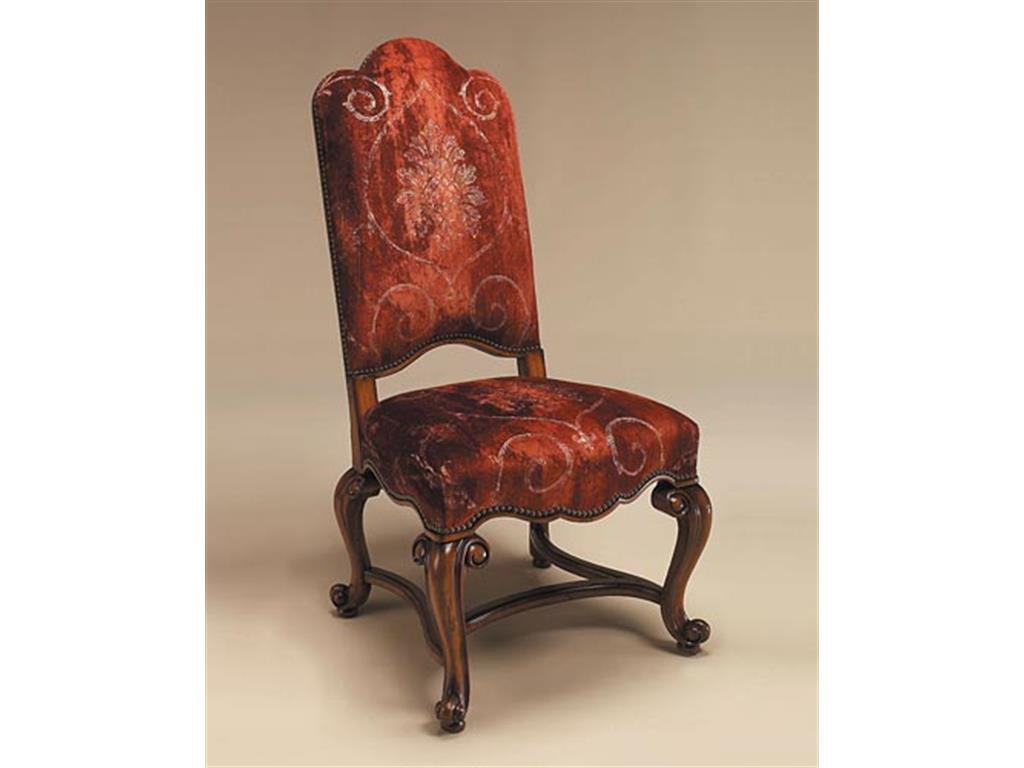
Maitland-Smith Dining Room Hand Carved Side Chair 4030-621
Linen Velvet
In contrast to the first type, linen velvet is more matte, hence, it has a shorter pile. It even feels drier when you touch it. It is easy to detect this kind of velvet; just look for that subtle strie and you know you’ve found one. This is not a defect, rather, a natural result of not being able to spin uniform-gauge yarn.
Here’s a tip, if you want to know the fiber content of a fabric, then be sure to read the showroom tags. The first item is often the face fiber while the second one is the ground fiber.
Cotton Velvet
This is considered as a tufted fabric. It is plain-woven with the pile and has about three millimeters of surface fiber length.
Cotton velvet may not be easy to clean, it even absorbs dyes well, but it is a thing of beauty if you know how to take care of it.
Nowadays, modern cotton velvet contains polyester fibers which make the fabric more resistant to wearing and tearing.
There may be dye-lot issues so ask for the showroom staff to order you swatches of the present dye lot. You would be surprised that velvet color may look different in the store than when you bring the actual swatches in your home.
Wool Velvet
Coziness and warmth are two of the elements that make velvet stunning. Wool velvet is a durable upholstery for those wintry months. This will feel hot during the summer season, though, so use a slipcover during the warmer seasons. Just make sure that the slipcover is loose, though, as it may ruin the nap if it’s too tight.
Mohair Velvet
This is a kind of wooly, soft fabric made from the silky hair of an Angora goat. And, nope, this is not the same as the Angora rabbit wool. If you want to cover your headboard or sofa with mohair, then be sure that you are really decided. This material could last for a very, very long time.
Tags: design textures, history, McCreerys, McCreerys Home Furnishings, texture in interior design, textures, tips, velvet, velvet design, velvet designs, velvet furniture, velvet history, velvet in interior design, velvet pieces, velvet styles
Posted in Accents, Interior Design 101, Interior Design Elements | No Comments »
Saturday, April 30th, 2016
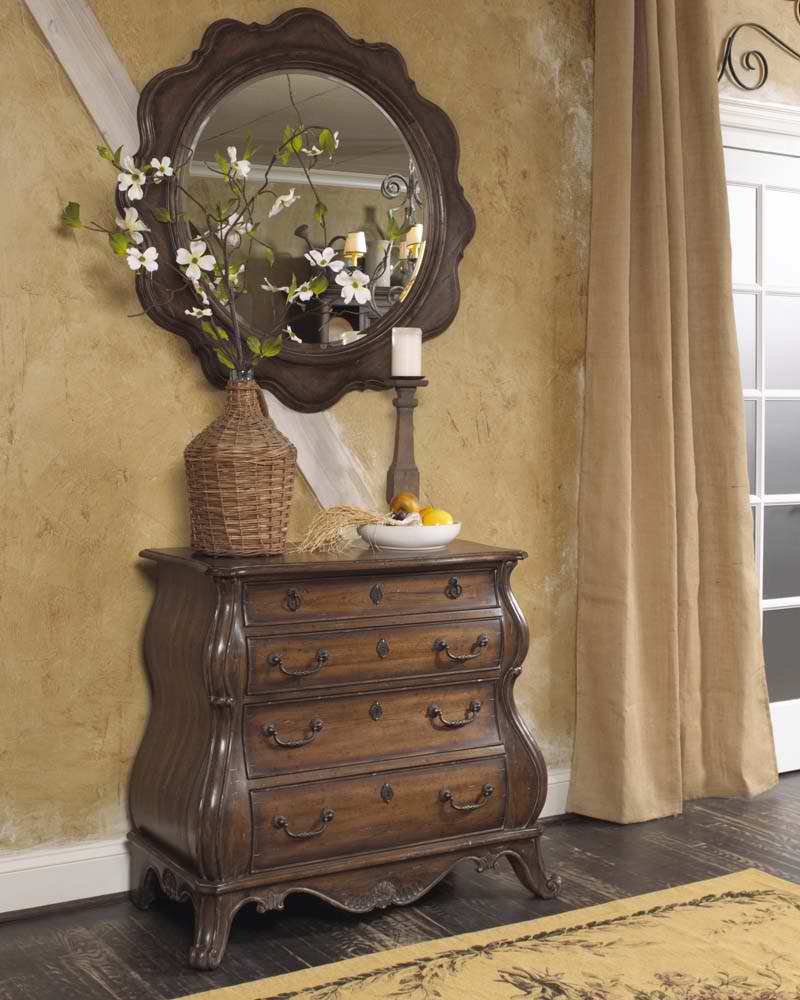
FFDM Vintage Classics features this wooden piece complete with mirror and other interesting accessories to welcome your guests.
Do you believe that you’ve only got one chance to make a good lasting impression? This means you have to make the entry way as welcoming as possible to all of your guests. The entry way reflects who you are as a person. This should be a place where comfort and happiness fuse as people walk through the first door of your home.
Here are ways to set the tone for the rest of your place –
Layer the Light
A beautiful lantern can make a huge difference in a relatively small place. The entry way can also be the perfect place for a table lamp or a beautiful wall sconce. There are various lighting options for different moods.
Iron sconces can add a unique sense of style in a place where an added glow is much welcome.
A fabulous pendant lighting fixture can also make a huge difference. Actually, it can make or break the look offered by beautiful doors and carvings. This is not a usual fix that homeowners do to their entry ways, however, this is a spot that you need to spend more time and money on.
Vintage lighting will give the area a distinctive appeal. If you have an old home with equally old wiring, make sure that you commission a competent electrician to update the wiring systems for you. After the rewiring project, you can already spruce up the place with a new paint job or by adding interesting accessories and furnishings.
Highlight the Art
In many apartments, entry ways are quite small but this does not automatically mean that you can no longer make a statement. Your home’s entry way can still be chic if you hang the correct kind of artworks.
Install a statement mirror or a geometric rug to warmly welcome guests. Let them feel that they are welcome in your home and that they are about to see a stylish dwelling.
Your statement piece can be one unique piece that is an heirloom. Or it can be a piece of furniture that is newly-bought yet has the features of a would-be heirloom.
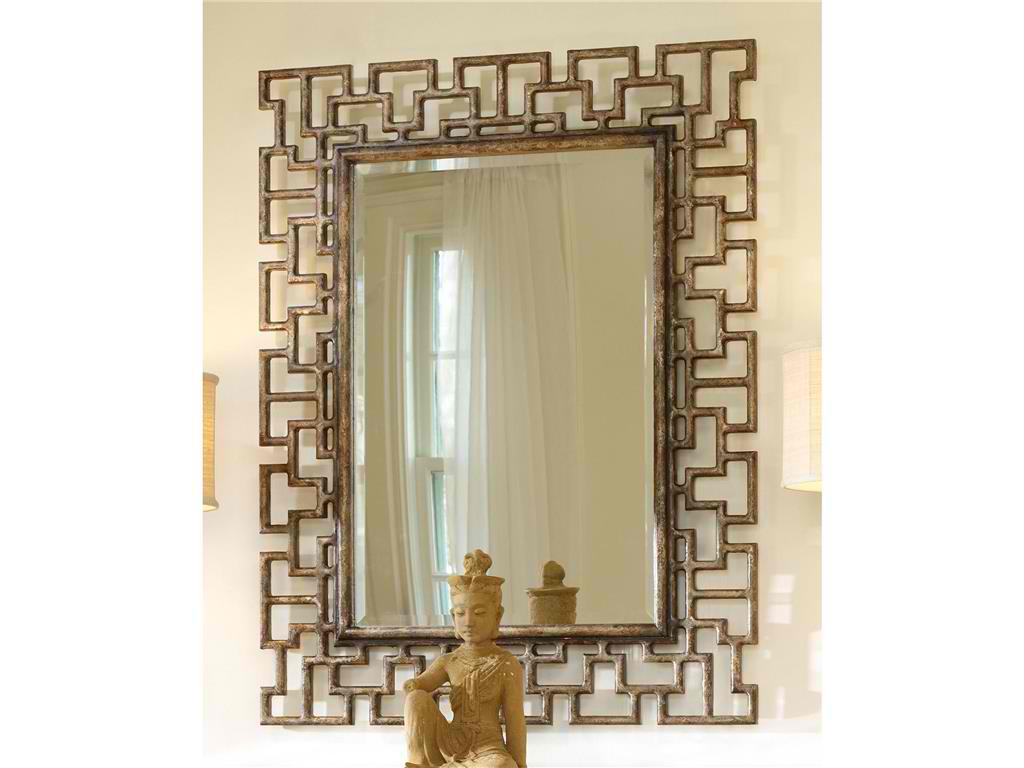
Hooker Furniture Accents Fretwork Mirror spells rustic especially when paired with the wooden Asian sculpture.
Correct Scaling
That grand foyer with a small table is a rather saddening state to be in. A beautiful, spacious entry way must have a fabulously large console table, a huge mirror, and a bench. Sconces should be present not just to welcome guests but more to highlight the beautiful architectural structures and beautiful furniture pieces.
Accents such as bins of flowers, an umbrella stand, and throw pillows will add a dash of personality to a usually regular-looking entry way.
Style Extension
The entry way must show your visitors what they would see inside your home. If you used rustic textures in your entry way, then these must also be seen in other rooms.
Set the tone at the entry way.
A Rug Is a Must
Sometimes, the entry way dimensions can be a tad trickier for rug placement. The floor is a wonderful place to put color, pattern and softness. Since the entry way has high foot traffic, find a rug that can sustain this kind of traffic.
Be Bold, Dazzle ‘Em
Primary colors can offer an awesome entry way to any home. Nautical style can be started with a basket of oars right by the entry way. Geometric rug in bright colors spells playful and unique.
Architecture needs to be respected. You can still show your personality through wall covering. Wallpapering is a classical take on beautifying the walls yet it comes with a modern twist. You might also have an art collection that can be highlighted by the right wallpaper.
Tags: adding colors to a home, area rug, art, artwork on walls, bold, decorating the entry way, decorating with area rugs, designing the entry way, displaying art, displaying artwork, entry way, entry way design, entry way style, geometric, geometric concept, geometric patterns, geometric style, layering, layering lights, McCreery's Furnishings, McCreerys, McCreerys Home Furnishings, textures, tips
Posted in Interior Design 101, Interior Design Elements, Special Rooms In Your Home | No Comments »
Thursday, April 28th, 2016
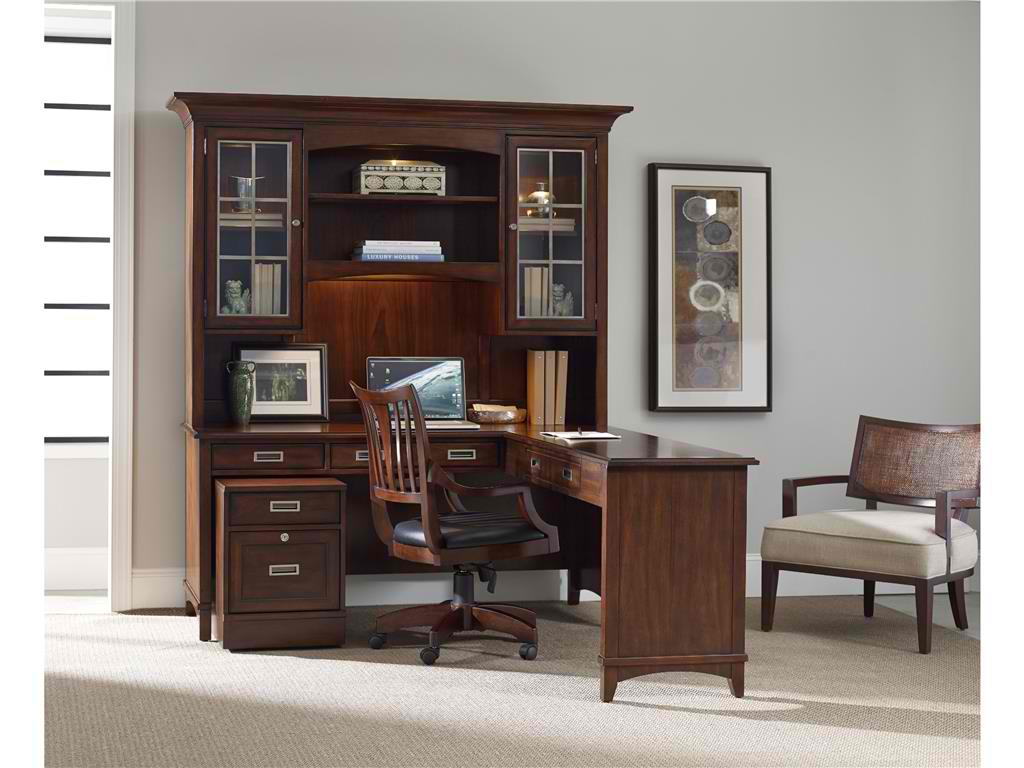
Hooker Furniture Home Office. Latitude Modular Group
What is transitional design? This is known as a design that is just right. It is not too formal, yet not too casual. It is also comfortable even while offering clean profiles. Transitional design also spells understated colors and the modern look. The result is a streamlined yet gracious space that’s right about in the middle.
Transitional design works because it is a look that’s familiar. If you try to browse home design magazines, you would be surprised that more than half of the featured homes there are transitional.
Transitional design is much like a world that lies between two dimensions. You have the leeway to find something fresh yet not straying from the proverbial.
Transitional also means being able to balance the traditional with the modern. The beauty of it is that you can mix a dash of other styles so long as they do not stray from the tailored setup.
If you love everything that is natural, then you will love the look that transitional design offers.
Defining Tone-on-Tone
Transitional design isn’t for color junkies, though. The palette that rules is – warm neutrals. So it’s time to use a lot of taupe, cream, khaki, tan, and gray. You can have a hint of espresso or chocolate here and there.
In essence, the brown palette reigns supreme. Keep patterns to a bare minimum. Say no to the punchy look of florals and Pucci prints.
If you think that you can’t live without bright colors, then be strategic in using transitional palette. Use bright turquoise, for instance, with coral in an interesting piece of artwork.
Use a pair of lamps or some throw pillows to add a bit of color inside a transitional home.
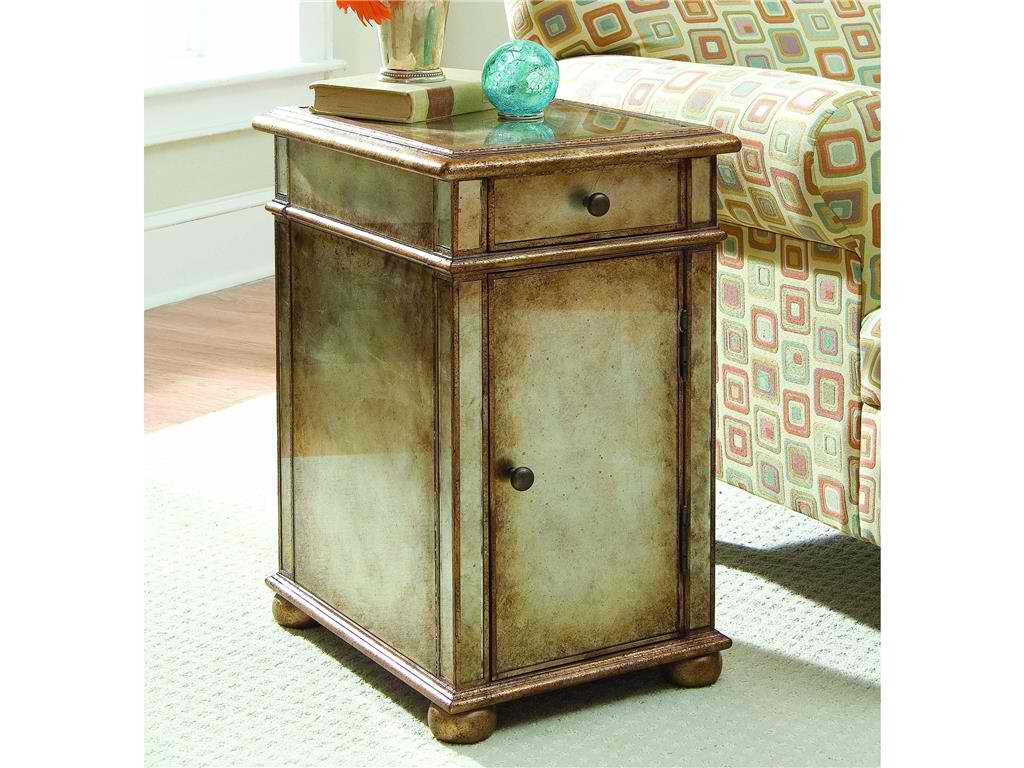
Hooker Furniture Living Room One-Door One-Drawer Antique Mirror Chest is a transitional chest with gold/silver metallic paint.
Monochrome Is In
The living area can be monochromatic though not boring. The furniture that you choose should be able to carry the space. There must be some patterns on the curtains and the coffee table’s grain can break the monotony of neutrals.
Wide windows also provide a bright source of light. If you want shading, then use light shades on the rug, walls and upholstery.
Neutral flooring plays a huge role in transitional rooms. Don’t think too much about the materials that you would use but more of the colors. Go with natural woods, tiles, stone, and carpeting. Transitional palette is a subtle palette. You can combine various floor surfaces, though.
A muted stone tile can be used in bathrooms. Carrying it up the walls can give it a more noticeable presence.
Basic Silhouettes
Furnishings for transitional homes offer crisp looks. They should be pretty straightforward. You will never be able to see a hint of baroque in any of the design elements. Rigid lines and the gentlest curves create energy.
Older furniture styles don’t have to be completely snubbed, though. You can use the more updated versions like a modern chair. Use large scales to make the place more inviting and comfortable. You would want the guests to feel relaxed.
Add Textures
You cannot rely on colors to create the needed punch in a transitional home. Texture can rise to the challenge. Fabrics that you use are coarse, made of natural fibers, shiny or matte finishes. You can also combine these elements for layering.
Think of burlap, leather, sisal, rattan, chenille, and others. Any materials that are tactile would be suitable for a transitional home.
Add some beaded board right up the ceiling and place a rattan chair right by a wooden desk to complete the look. Limit your accessories while still creating some impact. This is especially useful in a style that says no to frills.
Tags: McCreerys, McCreerys Home Furnishings, mixing and matching furniture, mixing designs, mixing style, monochromatic color palette, monochromatic color scheme, monochrome, monochrome color palette, monochrome design, monochrome interiors, monochrome palette, texture in interior design, textures, transitional design, transitional interior design, transitional style, transitional theme
Posted in Interior Design 101, Interior Design Elements, Interior Design Themes | No Comments »
Friday, January 29th, 2016
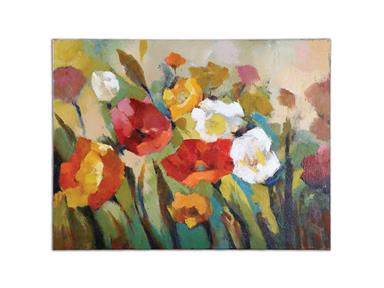
Accessories Uttermost Spring Has Sprung Floral Art 34268.
There is nothing more expressive when it comes to designing a home than the use of art. Art accessory comes in many forms but one of its most beautiful forms is a painting. Vibrant colors and rich textures can be infused with other design elements.
There are many media and styles featured in famous paintings, even repros. It is easy to find some pieces that can match your chosen theme and also your personality.
Watercolor paintings work best in achieving a softer look. This medium shows multiple layers of color ranging from abstract to life-like. For added contrast and detailed shading, find oil or acrylic paintings. These, on the other hand, feature mixed colors in various textures.
Painting History
The history of this art medium goes back a long way. Every style is born from the one that came ahead of it. Each artist also adds to the achievements of the early painters and is able to influence the next generation of painters.
Paintings can be enjoyed for their sheer beauty alone. But for the keen eye, their colors, forms, lines and composition appeal to every sense. Paintings can even leave lasting impressions.
The enjoyment of paintings is not the sole purpose of this kind of art. It can be used to convey a deeper message than mere beauty. It can express the artist’s impression of persons and scenes, even events. Feelings can also be described with the use of paintings. Viewers may or may not feel that emotions that are being conveyed by the artist. One needs a discerning eye for art in order to appreciate such things.
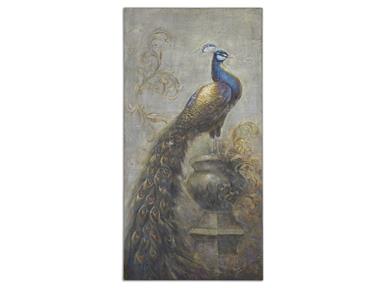
Accessories Uttermost Surveying The Kingdom Canvas Art 34283
Painting history can be encapsulated in these periods –
Man has gone a long way from the time when paintings were colored animal drawings inside caves. Cave dwellers were the first known painters, with their work found inside the caves of Spain and southern France.
Even back then, these cave artists knew that they needed vibrant colors to depict their lives back then. The famous painting of the wounded bison is still in the cave of Altamira in Spain today. While basic tools were used in the beginning, eventually, man learned to accumulate more materials and even learned techniques that improved his artwork.
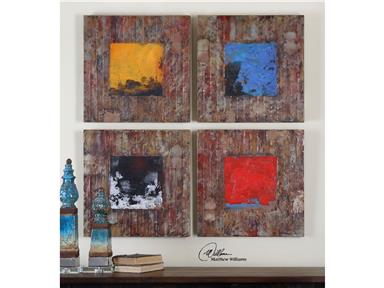
Accessories Uttermost Primary Blocks Wall Art S4 31303
You may not be able to take home an original Picasso, Monet or Michelangelo but there are still a lot of amazing paintings to go around. These days, the canvas can be the home for odd shapes, mere triangles, circles or rectangles in your sight but their bright colors and geometric patterns definitely mean something. It may even be difficult to distinguish between sculptures and paintings these days but the purity of hues and the shapes’ relationships are still there.
Artwork, as previously mentioned, comes in many forms. Clients are most familiar with the type that they can hang on walls inside their homes or offices. The next renowned pieces are tabletop artwork and sculptures.
Don’t get confused in choosing which medium you’d bring to your home or office. Just remember to show your personality through your chosen painting. Regardless of form, your taste and style should be reflected throughout the medium.
If you were a born optimist then it shouldn’t be a surprise to find brightly-colored paintings in your home. Black and white is for the stoic ones. What you have chosen based on your personality is a surefire validation that you have selected the right piece. Your art accessory is a representation of you so kudos!
Tags: 18th century, 19th century, 20th century, accent wall, art, art decor, artwork, choosing wall art, decorative painting, displaying artwork, history, McCreerys, McCreerys Home Furnishings, painting, paintings, Renaissance, rich hues, Rococo, shape, shapes, texture, textures, tips, wall decor
Posted in Accents, Decorative Elements, Interior Design Elements | No Comments »
Tuesday, January 26th, 2016
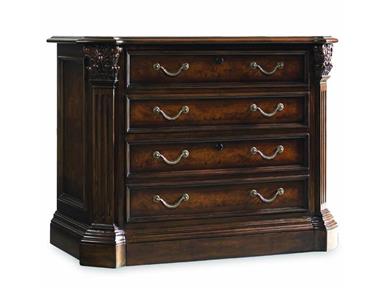
ITALIAN RENAISSANCE. Hooker Furniture Home Office European Renaissance II 39.5 Lateral File 374-10-466.
Renaissance style came into existence because of the emergence of architecture and art in ancient Rome. Though people think of the greatness of Rome when it comes to the beauty of this style, it goes without saying that it was truly born in Italy during the 14th century.
English designers embraced the motifs that they read in Renaissance books. Artisans who were in London were also influenced by this style.
Grotesque, Moresque, Myths, etc.
Grotesque is a kind of decor which has its foundations in Ancient Rome’s wall paintings. In the 15th century, many of these works of art were discovered; they featured scrolling plants, mystical creatures, figures, vases and masks.
Strapwork, on the other hand, is like the leather strips. These are daring shapes that come in three dimensions. English designs, especially during the 16th century, are laden with this style. This style is especially useful in framing motifs and architectural forms.
Moresque, on the other hand, is called such because of its link to the North African and Spanish Moors. If you see those interwoven leaves, stems or tendril patterns, then you have a pretty good idea of what moresque is.
Romans and Greeks are known for their busts. The Renaissance style is also quite popular with what’s known as the roundrel. This is a decorative motif which originated from the Roman coins.
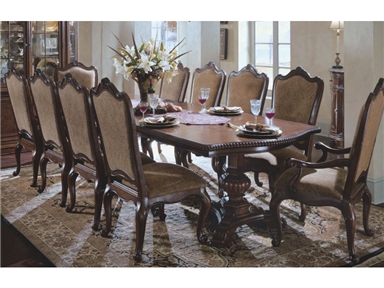
This Universal Furniture Dining Room Double Pedestal Table 409658-C spells royalty.
But what are Greeks and Romans without their myths? The Renaissance culture in England spurred a revitalized interest in classical mythology. Paintings and prints featured these mythical characters as the motifs.
The beauty of the Renaissance style does not end with the Romans. When Henry VIII became king, he inspired the rest of Europe as he became a patron of the arts. People marvelled at his court and the many luxurious objects in his kingdom. It was because of his love for the arts why he also commissioned foreign artists to design more than 50 of his royal palaces. The beauty and splendour of his court proved just how powerful and intimidating looks can be.
One of Henry’s favorite palaces is the Hampton Court Palace located in Surrey. He did not spare any expense in developing this traditional style palace. The ornaments that were used here are indicative o the strong influence of the Renaissance. This building’s Great Hall still stands today.
Going back to its home, Renaissance style was further developed with the help of Italian architect Sebastiano Serlio. Serlio published a series of books discussing architecture and the Renaissance. Buildings of antiquity were recorded in those books, thus, promoting classical style for both the interior and exterior features.
Fireplaces and ceilings became canvasses of sorts to many patterns, textures and works of art.
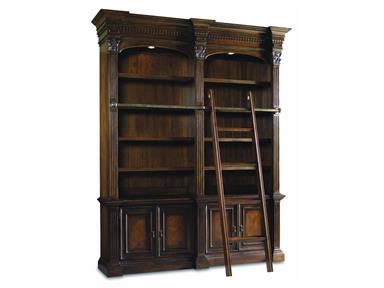
Hooker Furniture Home Office European Renaissance II Double Bookcase with ladder & rail 374 10 225. Learning was also a huge part of the Renaissance so to depict this on your style, take home this bookcase and start displaying your most treasured books.
Styles that are related to the Renaissance is the Neo classical style. It was during the 16th century that books containing decorative motifs offered inspiration to many British designers and artists. The Classical as well as Renaissance Revival during the 19th century became quite popular as archaeological discoveries were being made in Greece and Italy.
Renaissance and Your Home
You do not need to have a degree in interior design just to use this classic style in your home. Do not feel intimidated. Just remember as you start putting the elements together that the chairs, tables, cabinets and drawers have to be ornate, luxurious yet still comfortable. Choose oak, Remember to overlay but not overdo. Say yes to a lot of brocades, candelabra, tapestries, Oriental rugs, embroidered items, and velvet.
There is still a huge difference between mess and a concoction of different arts, elaborate walls, decorative pieces and the most inspiring furniture so take it easy in designing a Renaissance-inspired home.
Tags: African, art, artwork, classic, classic design, classic interior design, classic interiors, classical design, classicism, displaying works of art, fireplace, Grotesque, history, McCreerys, McCreerys Home Furnishings, Moresque, patterns, Renaissance, Renaissance design, Renaissance interior design, Renaissance Revival, Renaissance style, Spanish, textures, timeless, timeless design, timeless interior design, timeless interiors, tips
Posted in Interior Design 101, Interior Design Themes | No Comments »
Thursday, January 14th, 2016
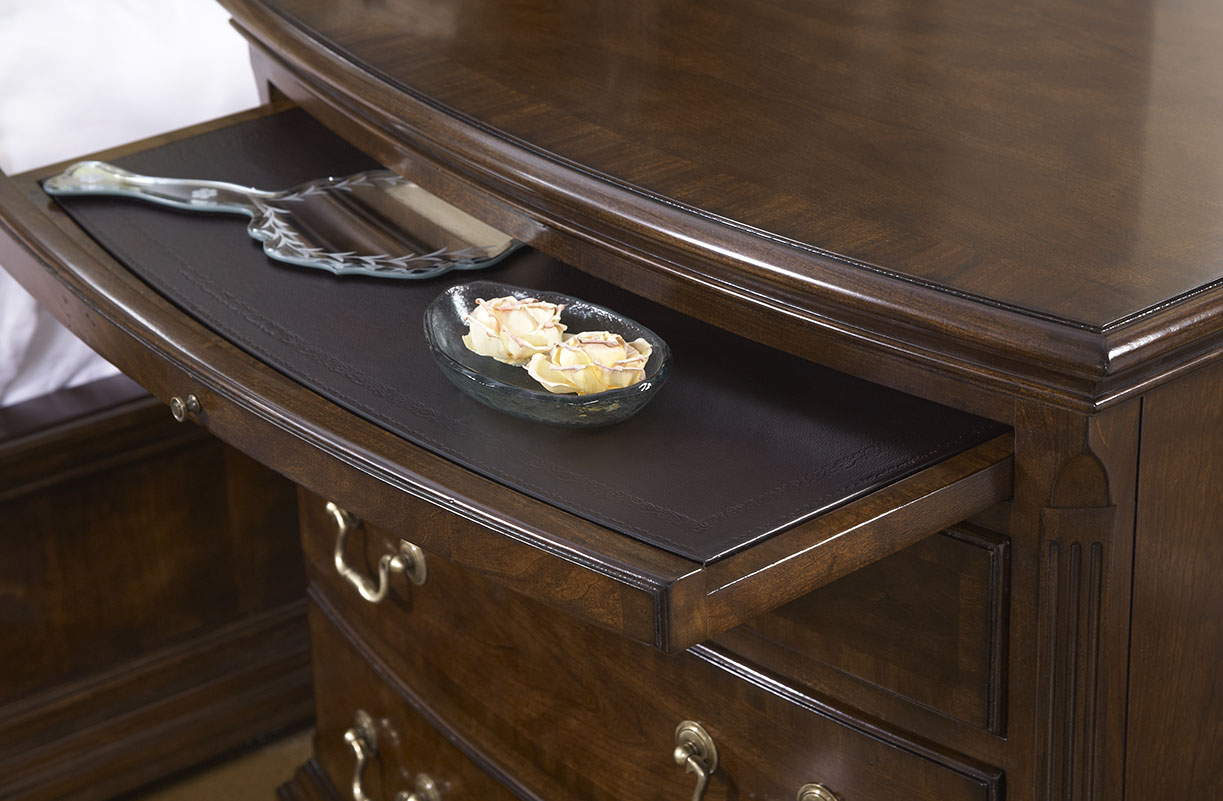
This classic wooden drawer is from FFDM’s American Cherry Collection.
Southwestern design is defined with earth colors and the richest textures. This means that you should use more of orange, yellow, turquoise, and red clay. Clay tile roofs, terracotta and handcrafted stuff are all welcome in a southwestern home.
Upholstery for this design is chiefly woven fabrics, suede, animal hides or leather. Blankets could be made of traditional native clothing. Do not limit the use for these beautiful pieces inside the bedroom because they can also be great wall decor.
Wood furniture is a must and could also feature metal accents or a distressed finish. The accents used in southwestern environments can be anything from painted ceramics to hand-painted tiles. If you can find early pieces dating all the way back to 16th century Mexico, the better.
Tribal Design Elements
You will see a lot of Native American pieces inside a southwestern home. Elements such as latillas, vigas and other artwork are design themes that are commonly used in architecture. This style is quite earthy as well as organic as it captures the heritage of Arizona and New Mexico areas. Natural accents, colors and other elements look and feel a lot like Mexican, Spaniard, and Native American designs; open floor plans, flat roofs and courtyards, even gardens can become a part of your home.
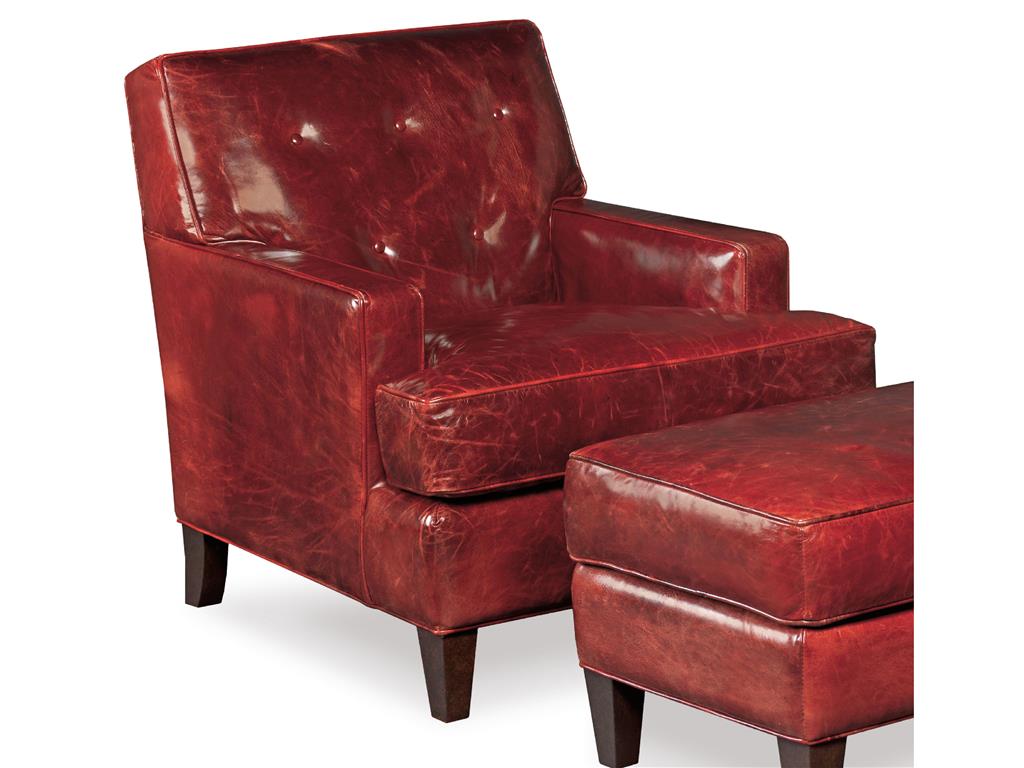
This Hooker Furniture Living Room Covington Bogue Club Chair has the right color to give life to a southwestern habitat.
Southwestern design makes use of subdued earthy tones like tan, cream, brown, terracotta, and white. These colors are great as backdrop for American Indian-inspired textiles and accents. Azure is a famous color for windows and doors. Any color found in nature such as forest green, salmon, sunny yellow and slate blue can fit perfectly in southwestern interiors.
Southwestern furniture should be unpretentious. Say no to anything intricate. Cherry, walnut, pine, and just about any mid-tone wood would do. It should have soft leather or natural textiles as coverings. Make use of huge pillows right on the floor as well as hammocks in your courtyard. These can be alternative seats for your guests. Always remember that the rooms must be spacious or have a natural flow.
As for the walls, they are often made with the same materials as the exteriors. Mostly adobe, interior walls are roughly plastered. Others use smooth stone or stucco. If you want to add warmth and color onto a boring wall, then use hand-painted tiles. They can also be used in covering kitchen backsplash. If not, use the tiles as individual accents.
Murals are also a huge depiction of southwestern culture. Have spiritual stories or rituals painted on murals then have them installed as a statement wall.
You can also try stucco plaster then add builder’s sand to the paint. You may also use special paint effects such as suede, color washing, or faux paint.
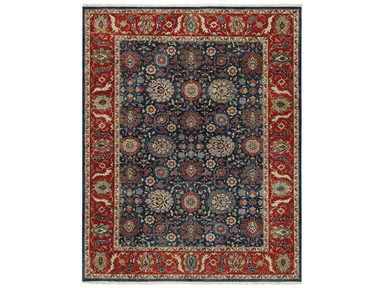
Capel Incorporated Floor Coverings Biltmore Select Bidjar Rug 1773RS02000300450 at McCreerys Home Furnishings
Southwestern floors are often honey-colored. Other homeowners prefer terracotta tiles. Adding visual interest on your floors is easy. Just arrange the tiles in patterns and layouts.
Parquet or light wood flooring is widely used. You can color this kind of flooring with cobalt blue or any other earthy color to make it more exciting. Carpets and rugs are valuable pieces but if you do not want these in your home, then be sure to opt for hardwood flooring.
Use brick or stones throughout your home without letting the style suffer. Use lovely rugs with traditional patterns and colors brighten up the room.
Southwestern accents are mostly paintings, candles, wrought-iron stuff, dried flowers, sculptures, pottery (the hand-painted type), and animal skins.
Learn these Southwestern design tips and begin bringing rustic beauty into your lovely home.
Tags: animal print, brick, earthy, guidelines, leather, McCreerys, McCreerys Home Furnishings, Mexican, Mexican interior design, Mexican interiors, Mexican style, Native American, Native American design, natural stone, neutral, neutrals, paint, rustic, rustic decor, rustic design, rustic elements, rustic home, rustic interior design, rustic look, rustic style, rustic theme, southwestern interior design, southwestern interiors, Spanish, stone, textures, tips, tribal, warm colors, wood elements, wood furniture, wooden elements, wrought iron, wrought iron furniture
Posted in Interior Design 101, Interior Design Elements, Interior Design Themes | No Comments »
Follow us on our social media


© McCreery's Home Furnishings | All Rights Reserved | Privacy Policy
