- Follow us:


Sunday, April 15th, 2018
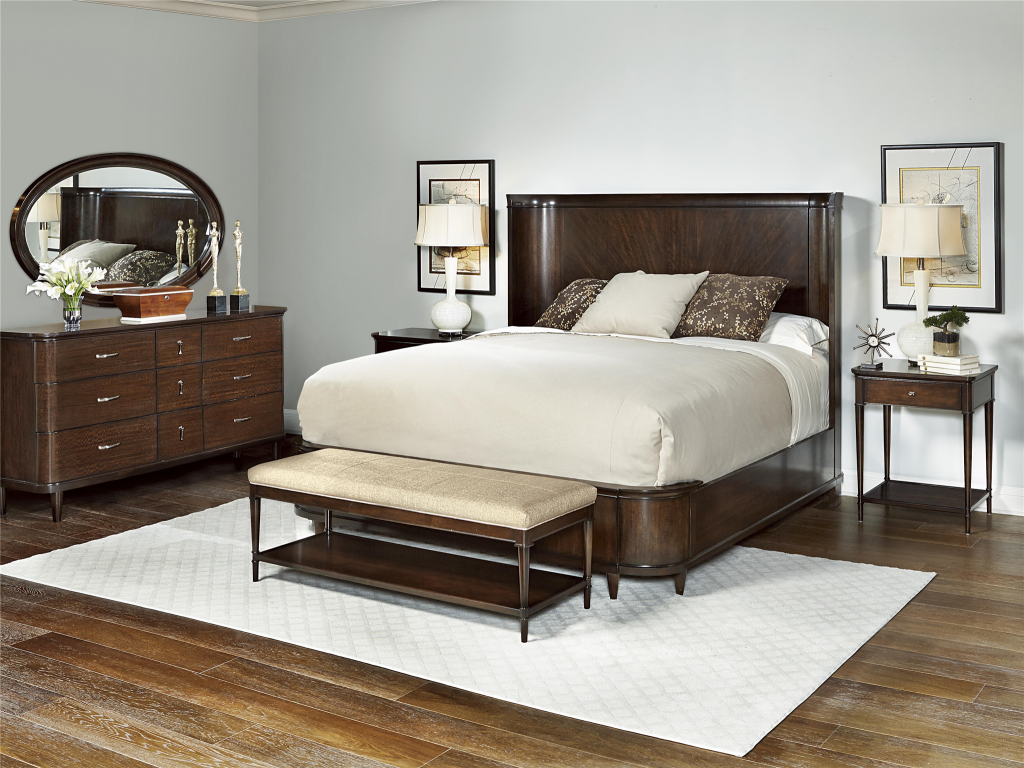
Featured here is the Cadence Collection’s Vivi King Panel Bed. Notice how this piece stands out because of the neutral paint shade that was used.
Face it – choosing the right color for the walls or ceilings of your home is important but it is a task that can be daunting. That shade which you eventually pick to paint your walls with is a huge part of the interior design. This is the color that can also become the anchor element throughout the design.
Choosing the right shade is not easy, though. There are many options to begin with and each one is unique. For a lot of homeowners, this dilemma on color choice is what hampers their design project.
No worries, your design problem is about to end. Here are some tips –
Begin with Textile Purchase
People often think of textiles as the finishing touch of an interior design. You may also think that it is counterintuitive to follow this tip but one of the best ways to ascertain that the paint will fuse with the rest of the design is to buy fabrics and use them as the design inspiration.
Just think of it this way, if you buy the paint first, you could end up with just a few fabric options in the end. Yet if you base the color palette on a fabric, then you are likelier to find coordinating shades to go with it. If you’d take the time, you could even ask home improvement shops to mix a distinctive shade especially for your home.
Begin your design project by building from one piece which can easily catch people’s attention. One of the best options is to use patterned items. These already use different shades which can also become the basis for your eventual color palette.
Anchor on Nearby Spaces
Have you ever walked into a house and felt that the wall color is simply out of place? And when you moved from one room to the next, did it feel like you’re still in the same house or it’s like going from one different dimension to another?
Be able to set up your home in such a way where there is a place where your eyes rest now and then. Don’t be overwhelmed with the need to design. Give every room a distinct look and color but do not forget the element of cohesion.
Paint is your unifying element so before you pick a specific shade, think of how it would look with the current interiors. Every hue must work in harmony but you must also remember how to effectively transition from one room to the next.
Use Correct Lighting
Whether you agree or not, lighting has a huge impact on the way a room generally looks. Every light temperature uses a color undertone, the very reason why rooms look different during the day than during the night.
Since light is so important, be sure to pick a fixture that can help illuminate the room at any time of the day. It would be more helpful if you can have windows or a skylight set up so that more natural light could come in during the day.
Test the color by having a sample made for you at an improvement store. As you go home, paint just some small sections on the walls. Be sure to check the color as the day progresses. If the color makes you happy on both natural and artificial lighting, then that’s the color that you must pick for your wall color.
Consider the Finish
Do not make the mistake of overlooking the finish. Just as important as picking the shade itself, you also need to think how the finished product would eventually look like. Take this into account as you decide.
Your options include eggshell finish, flat, stain, semi-gloss, and high-gloss finish.
Tags: choosing paint, McCreerys, McCreerys Home Furnishings, paint, picking paint color, shopping for paint
Posted in Color Schemes, Interior Design 101, Interior Design Elements | Comments Off on Perfecting Paint Shopping
Wednesday, March 1st, 2017
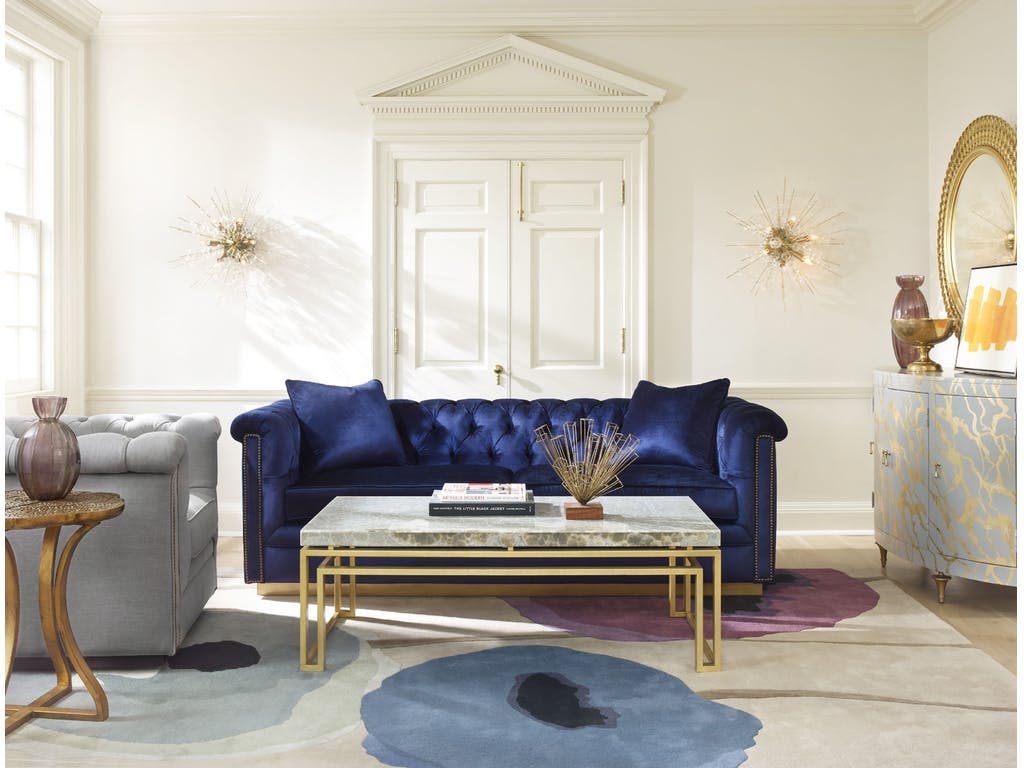
Cynthia Rowley for Hooker Furniture Wallis 2 Cushion Sofa: Here’s that blue couch example with whitewashed walls perfectly framing it.
A lot of people love a good burst of color. Colors are powerful in creating emotions and setting up the right ambience. Yet the idea of being left to pick a paint for the accent wall – let alone the entire house – could be a little too much for some.
Whether you are going to paint an urban space, suburban or a country habitat, the methods are quite the same. When picking colors using paint chips, be sure to choose your favorite. Choose a darker and a lighter shade as well.
Colors can look brighter on walls but not so much when still on a tiny chip. You could get overwhelmed by what your eventual choice would be so be careful in making your decision.
Colors You Wear
If you live in an urban area, it would be wrong to have a wardrobe that does not have white, black and other neutrals. So take a careful look in your closet and find out what colors dominate. If you have loads of denims, then a blue palette would be great in your urbanized home.
If you’re a diverse dresser, then create a palette that equally diverse. Have a color for each occasion or season, even for each mood.
Have a Color Backbone
Just like any sturdy framework, your color palette must also have a backbone. The colors that you choose will support the rest of the design elements. For instance, you can have cream walls framing your pink couch. Or you can have orange accents in a mainly black ambience.
Keep in mind that you can always repaint. You can play with colors and repaint as often as you like. You can have a lovely accent wall one time or have all four walls painted in one hue.
This year, lime green, emerald green, and turquoise are piping hot.
Strategize
When picking a color palette, it pays that you also employ some strategy. Get inspired by stuff that you see in the city. If you live in a rural area, be sure to check out the meadows and landscapes. Let the skies inspire you. Find a photo or a work of art that will help narrow down your color options.
Take a careful look at the paintings that are now hanging on your walls – you will soon notice that there is a particular hue that you have been naturally drawn to.
Cool, light and pale colors regress to make a room appear larger. Deeper and darker colors expand so they tend to make rooms appear smaller. A lot of spaces ask for rich, dark colors so find out what your room requires.
Even huge swatches of paint cannot compare to an actual paint test. Before committing, be sure that you paint on the actual work or you end up doing a lot of guesswork.
Lighting conditions will also affect the color’s eventual appearance. Test the color in shadowy areas as well as under direct light. Observe also how the paint looks like during the day and also at night. Switch to artificial light if natural light does not complement the color of paint that you are going to pick.
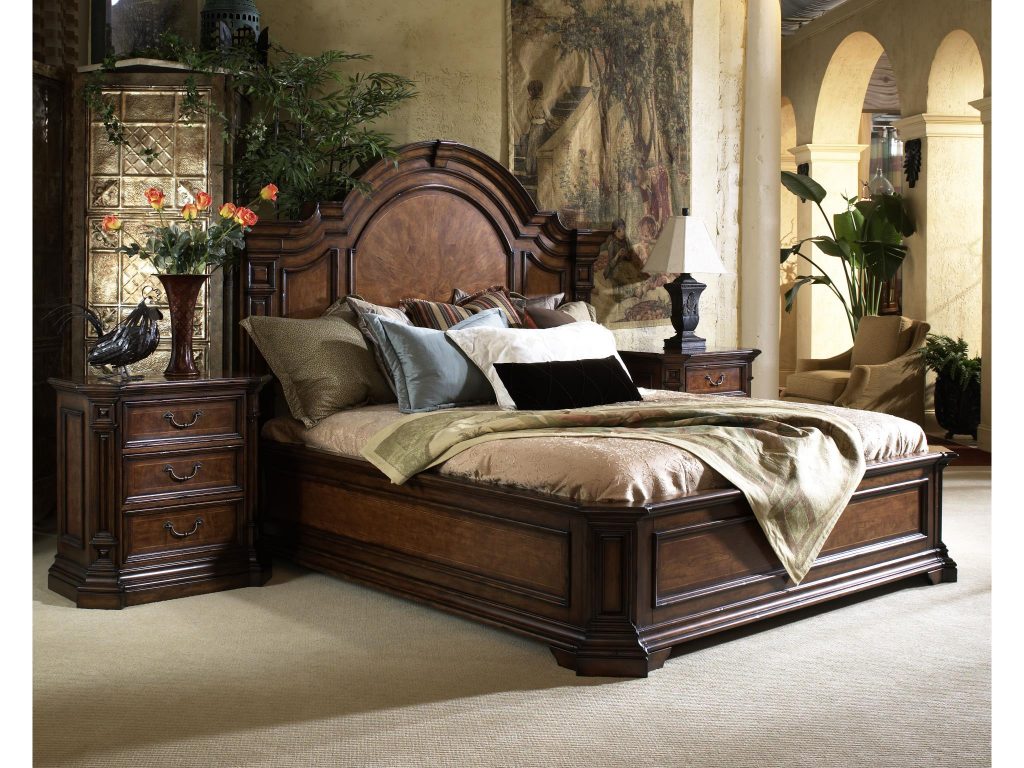
FFDM’s Viniterra Collection shows this King Mantle Bed perfectly nestled in equally neutral walls. You won’t see colors clashing in this lovely bedroom photograph.
Visualize
Another essential step to picking the right color of paint is to plan the color that you want for the rest of your home. Never ever choose a wall color after picking your furnishings. So, if you have fallen in love with a navy blue sofa, there’s no longer any point in painting the room red, is there?
Don’t be anxious that you would be left with zero options because of the many factors that you need to consider. Remember that you have almost every color of the spectrum at your disposal.
Tags: choosing paint, home painting, McCreerys, McCreerys Home Furnishings, paint, painting a home, painting project, painting task, picking paint
Posted in Color Schemes, Interior Design 101, Interior Design Elements | Comments Off on Paint-Picking, Experimenting, and Liking It
Friday, December 30th, 2016
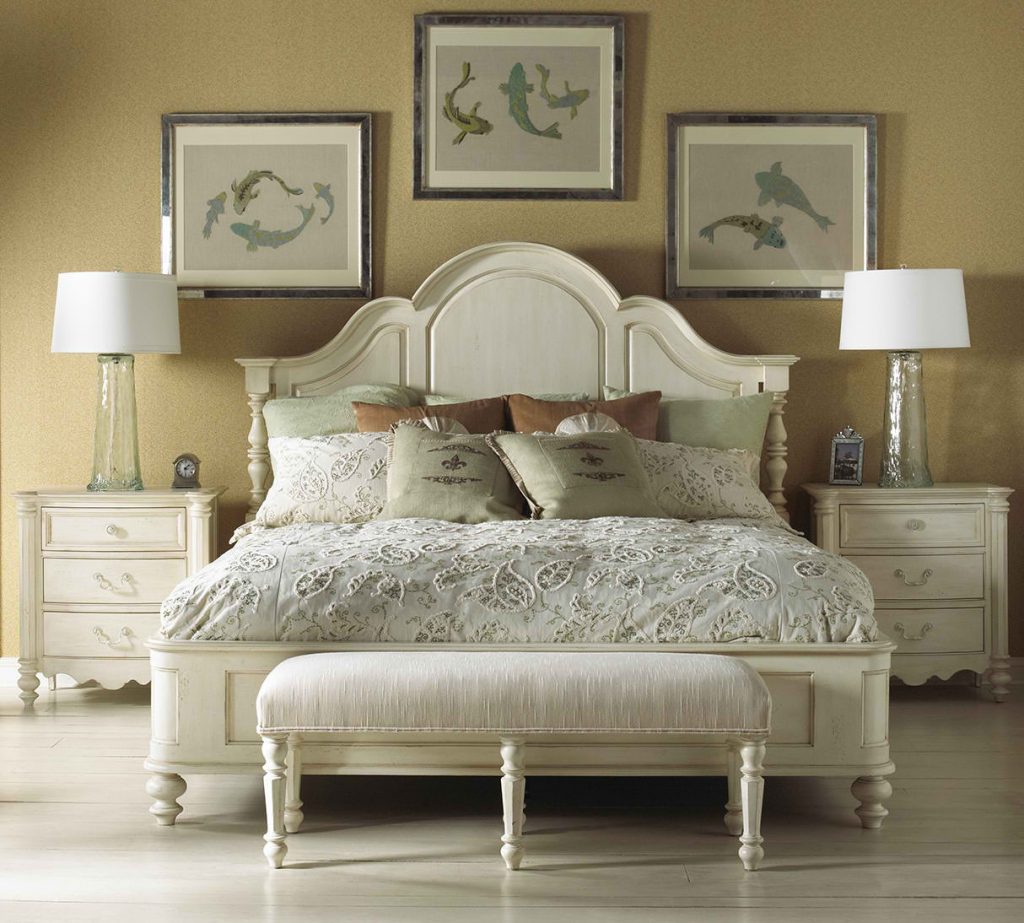
FFDM Summer Home Collection
There are very few feelings that can compete with the joys of home ownership. To some, what could have been a joyful experience becomes a harrowing one when they realize the expenses that come with painting, maintenance and such. Deferring such a substantial cost means you have to learn how to maintain design elements of your home without spending too much.
Paint Repairs
Begin looking for areas that have sustained some damage like scratches, holes or gouges. Repair these before you proceed on doing any maintenance project. Depending on how you categorize yourself in terms of being a paint expert, you can make these repairs on your own or you could just hire a professional to do the job.
There are different techniques to use in painting walls. There are factors that affect the end result such as the texture of walls, orange peel, how smooth the surfaces are or if you’re ready to just splatter the color.
The simplest task that you can take on is that of a smooth wall. This wall just needs a putty knife plus a single can of spackle. Use the knife to distribute the putty and fill up the minor scratches and dings on walls. After this, just sand the surface and paint over. Extensive damages require patching that’s a bit more complicated since the surface is textured.
Aerosol spray can offer fairly satisfactory paint results even when you’re not experienced in painting. Just remember to mask off amply in order to protect nearby areas.
Matching
Another critical step in painting is to match the surface that you want to touch up. If you have the original paint still on, then you will just have an easy task ahead. If, however, the surface has been soiled or has faded, then you might need to completely repaint certain areas.
If you ever kept a can or two of the original paint and would still want to keep the same color, then you can go ahead and begin painting. The batch number of the paint as well as its brand name will help you shop for the same hue should you wish to repaint.
If both choices are not available, then you can cut a tiny section of the wall board and take this to the paint store. If this is also not doable, then the best that you can do is to match. As best as you can, try matching the paint that you previously or currently have with the hues that you find in the paint shop.
Is there a drawback to this technique? Well, yes, since you might end up not getting an exact match. You could end up repainting walls upon walls if you end up with the wrong tone or shade.
Let’s presume that you’re using water-based paint. To touch up, use polyester or nylon brush, one that’s no less than three inches wide. If you’re painting with an oil-based paint, then use a china bristle. To clean china bristle later, be sure to use mineral spirits, never water.
Use ample masks for protection. Just get a small amount of paint onto your brush then spread it over the areas that need touching up. Use consistent, even strokes. With darker marks, be sure to use several applications for a more even coverage. This is also the case with stubborn stains and marks. In fact, these might even require using a stain sealer.
If you are already satisfied with the paint coverage, cap your repainting project with light and side-to-side strokes. This is to lay off or even out the coats. This is also an effective way to blend the new paint to the surrounding areas.
Expect to see some imperfections with high gloss paint and when the walls are illuminated by external light sources.
Tags: maintaining paint, McCreerys, McCreerys Home Furnishings, paint, paint preservation, preserving paint
Posted in Interior Design 101, Interior Design Elements | Comments Off on Extending the Life of Paint through Repainting
Saturday, December 10th, 2016
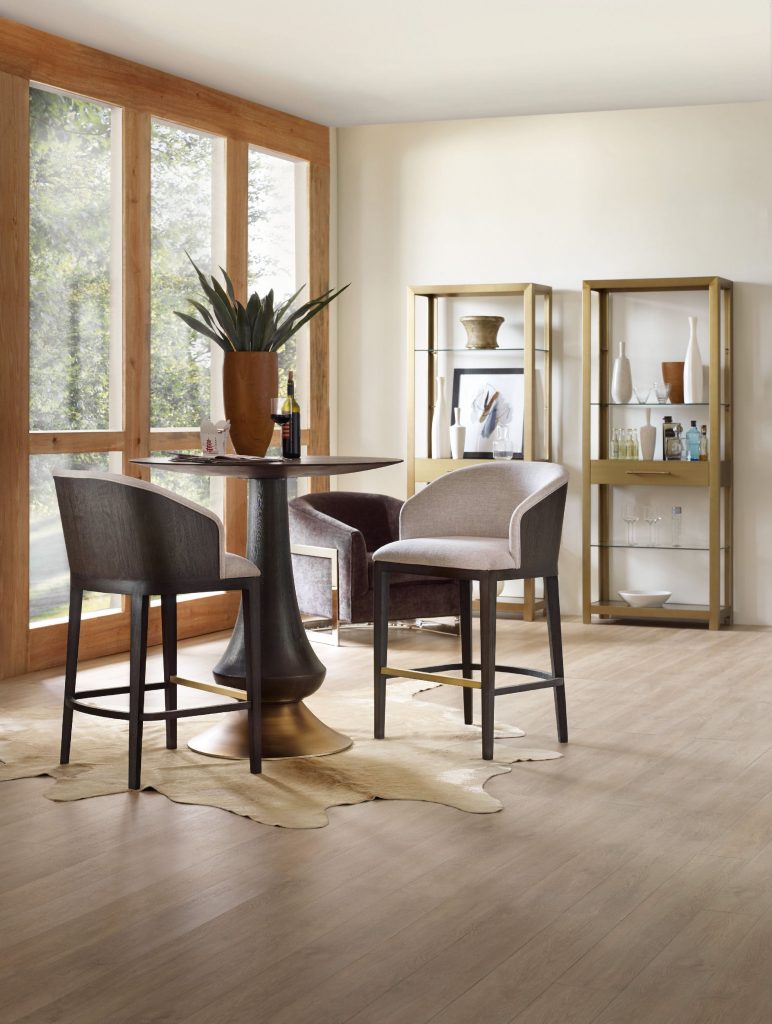
The Hooker Furniture Dining Room Curata Pub Table is beautifully highlighted by its neutral background.
Natural wood and paint finishes are effective ways to protect as well as beautify any surface. Plan how you would tackle a huge painting project. Plan before you begin and make sure that you prepare the surfaces prior to buying cans of paint and brushes.
Majority of paints fall under the flat, semi-gloss or gloss; it is also advisable that you apply a first coat called the primer. This depends on the kind of surface that is about to be painted, though. The basic paints have the capacity to answer your painting needs but it would also be nice to search for formulas that would be most suitable under certain conditions.
Be sure to apply paint as recommended by the paint manufacturer.
Base Coats
For a decorative coat that would last, you have to use the right base coats. For your home’s interiors, apply the primer then follow-up with the coat.
Primers are used on uncoated, new surfaces. These preserve the materials that are underneath the coats that you will eventually apply. Traditional painters choose to use oil-based primers before they apply the oil-based paints.
Plaster and masonry should be primed with latex paint that’s been diluted with 10% water. This is referred to as the mist coat though a stabilizing solution might be needed should the surface become powdery or flaky.
Special primers can be used for other surfaces like melamine or tiles. These can then be painted over with regular paints.
First Coat
Paints with special formulas were used to build opacity right beneath the finish coats. A coat or two of first coat paint may be required prior to the decorative finish application. Have a pale first coat underneath the pale finish coat and the dark first coat. All these are underneath the dark finish coats.
Use oil-based paints in your home’s interiors. As for the exteriors, this kind of paint is also acceptable but be sure that it will last when exposed to the elements. Water based paints require multiple applications or coats in order to provide an even coverage.
Finish Coats
After applying the base coats, you should proceed to the application of the decorative finish.
Types of Paint
Flat: This is a latex-based paint type. This is often used on ceilings and walls. Some formulations have vinyl so that they become longer-lasting. Exterior flat is also available in smooth or rough textures.
Eggshell: This is tougher than flat and it also offers a slight luster. The degrees of sheen vary depending on the manufacturer. This is commonly used on wooden surfaces or as an alternative to semi-gloss paint.
Gloss and Satin: This is the most durable kind of paint used mostly on metal and wooden surfaces. Satin can be used just like gloss but it is less shiny. Both latex-based and solvent-based versions of satin and gloss paints are now available. The first type is easier to apply and not that prone to yellowing.
Latex-based paint does not provide high shine or a hardwearing finish when compared to solvent-based paints. Both satin and gloss paints can be used indoors or outdoors.
Specialty Paints
Quality paints perform well in any domestic situation. This is as long as the right primer is used. There are paints, though, that are used on special surfaces. For instance, kitchen and bathroom paints need to be able to resist mold and mildew growth. Moisture is also an issue in these rooms so it is best to use special flat paint.
Floor painting on floorboards or concrete need solvent-based solutions. Find the hardwearing solutions with sheen or gloss finish. New concrete flooring should cure completely before any kind of paint is applied to it. Use a moisture meter to know if the floor is already dry.
High gloss, textured and smooth metal paints are also available. These can be used indoors or outdoors. There are even special paints that can be applied over rust.
Tags: McCreerys, McCreerys Home Furnishings, paint, paint choices, paint finishes, paints
Posted in Interior Design 101, Interior Design Elements | No Comments »
Wednesday, October 19th, 2016

FFDM Collectors Room: One of the oft-used functions for a revamped basement is as a wine storage room.
Basements can be quite complicated to work on. They are spaces that are literally begging to be used for a different purpose. The sad thing is, they often end up being the dumping ground for things that are unused or stored for future use. Are you wondering how you can convert this extra space and turn it into something useful?
There is no point in leaving the basement unused. It is a spacious part of your home that can offer a variety of functions. It can be that extra storage room, a place of relaxation or a place where your guests can have their privacy. Basement floor painting would be a simple way to begin your remodeling project. This can be done by beginners or experts, with only a day or two needed for completion.
So go ahead and gather your painting supplies and set out for an adventurous painting job –
Choosing the Basement Floor Paint
Apart from the actual painting job, it is also important to choose the right floor paint for your basement transformation. Find one that is great for concrete such as epoxy paint. This paint comes in many different colors so it is easy to find one that matches your taste.
Beige or green can easily warm up any basement. If, however, you plan to use the remodeled basement as a laundry or storage room, then soft ivory would be the perfect hue.
Find paint calculators online if you want to know how much paint you would need for the remodeling project.
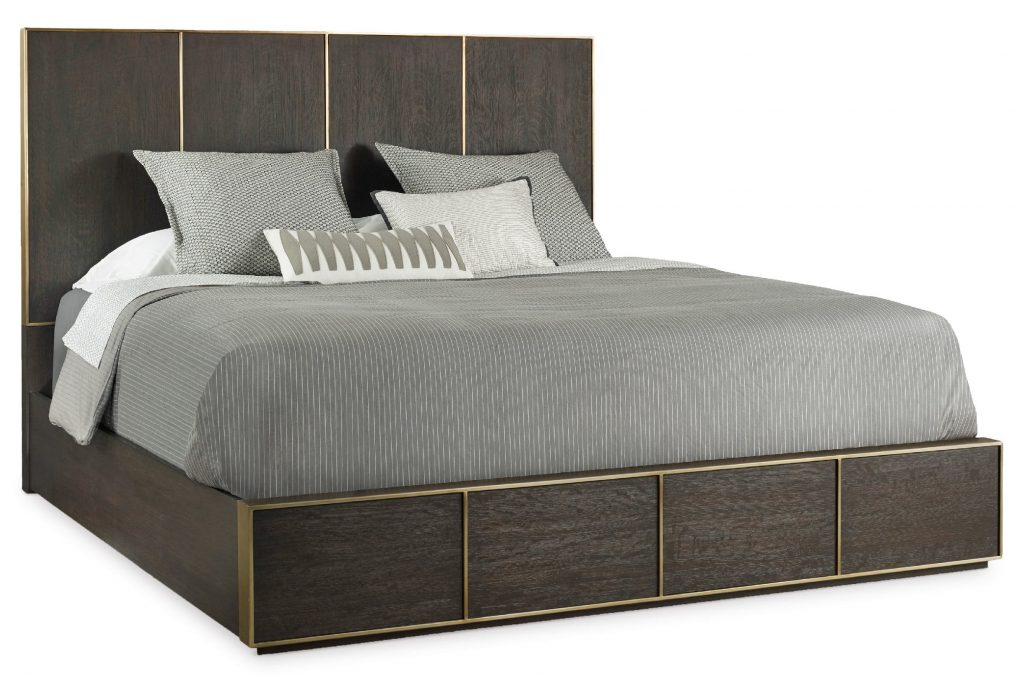
Hooker Furniture Bedroom Curata King Low Bed: A guest room in what used to be a basement? Why not?
Caution
While painting the basement floor is the easiest way to brighten or freshen up this dark space, you still need to be aware of some things prior to the painting job. Cracks and moisture should be sealed before you start. When left unsealed, these could cause the paint to peel off or crack eventually.
Another thing that you need to check is the plumbing. Find out whether the main drain for the entire house is found underground or is aboveground. If it is the former, then you can freely construct a bathroom right beside it.
The area also needs to be properly ventilated when working on this project. You might want to check paints that have less or zero VOCs (volatile organic compounds). Paint fumes can be very dangerous especially in enclosed spaces.
Materials for Painting
Check the Concrete
Check if the basement floor is made of concrete or any other material that can be painted. Be sure all areas are smooth, sealed and dried. Use sandpaper on areas that are still rough.
Prep the Basement Floor
Remove all the items off the basement floor before you begin. Wash and dry the floor; repair any damages and seal any cracks or holes; tape off areas where you don’t want paint to get splashed on.
Prime the floor using the paint roller. Be sure that this is dry before you begin applying the top coat.
As the primer has dried, you should apply the epoxy floor paint opposite the basement door. Paint around the supports and edges. Make sure that all areas are evenly painted throughout the room. Keep the strokes at the same direction.
Allow the coat to dry before applying the second coat. As soon as you’re done, be sure to take a step back to admire what you have done.
Let the paint dry for no less than a week before you replace the stuff on the floor or before you bring in the new things.
Tags: basement flooring, basement makeover, basement remodel, basement remodeling, buying painting, floor choices, floor color, floor options, floor painting, flooring, flooring finishes, McCreerys, McCreerys Home Furnishings, paint, paint choices, painting basement floor, painting the floors
Posted in Basement Design, Interior Design 101, Interior Design Elements | No Comments »
Tuesday, May 31st, 2016
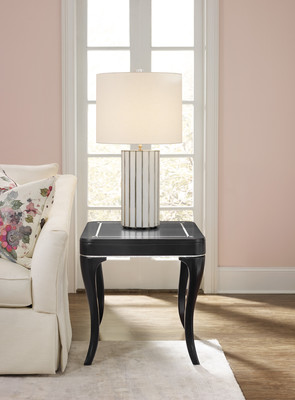
Cynthia Rowley 1586-80113-BLK1 Flirt End Table: The pastel pink walls offer this black table and floral throws a wonderful backdrop.
Have you seen people selecting color swatches before? This sight could go both ways – it could be a lovely sight if the homeowner is having fun choosing the colors or it could be a depressing one for those who do not know what they are looking for. If you don’t want to become the latter, then read through these tips and find out how you should correctly test paint colors –
Paint the Wall
The first step is to just directly paint the wall. This guideline is applicable both for interior and exterior walls. The best way to get a sense of how the color would turn out in your home is to brush a portion of your inner or outer wall with the color that you have chosen.
Some experts say that choosing a board just won’t saturate in the same manner so it is best to paint it directly then find out how the color would really affect the overall look. Boards do not offer the same texture as walls and this could really affect the look eventually.
Should You Hire Painters…
If you have decided to delegate the painting project, see that you will be able to provide sample cans of your preferred colors. A lot of painting contractors prefer it that way. Paints that have been tinted (or mixed) means you will have to take the colors no matter what the result. Sample cans, on the contrary, cost only $3 to $8 so you can experiment with smaller cans at first rather than wasting gallons of tinted paint that you won’t use in the end.
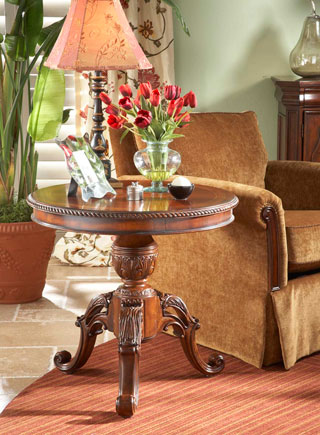
FFDM Antebellum Collection: The burst of colors inside this room renders a lovely rustic yet homey appeal.
Two-Coat Painting
Two coats are the minimum amount of coverage that a wall typically needs. The first coat is often the primer while the second coat makes a huge difference in the way the paint color would register.
The primer is often used for richer or deeper paint colors. There is a small selection of such paint that can be made in connection with specific primers. Make sure that you also paint in large swaths (no less than 1 foot by 1 foot) so you would have a good sense of what the end-result would be.
Paint More Than One Wall
The paint colors that you are testing will register differently also depending on the amount of light that hits the walls. Paint a wall that does not get directly hit with sunlight and one that does. You will soon notice that darker rooms tend to make paint appear darker, too. In essence, the pink paint that you chose for your daughter’s bedroom may not necessarily work with the master bedroom or the bathroom.
Colorful landscaping may also affect the paint color on your walls. Light coming from the garden or front yard could stream through, giving your walls a much different color than you originally imagined. The green trees could cast a different glow in a room that is already painted orange.
Consider also what time of day you would be spending inside the rooms. You would, of course, want the colors to look great when you are inside the room.
Test with Light
This is the simplest way to test how a paint color would look in a room. Have the artificial lighting turned on once you test paint a wall. Make sure that your room’s lighting will complement the colors that you have chosen. Pick a bulb or lamp that will not just look good with the paint color but also be useful. For example, it would be pointless to have a lamp that makes the paint look amazing but won’t allow you to read inside that room.
This makes it necessary to have the lighting already in place when considering your paint colors. Different bulbs offer a different kind of glow at different times of the day and with different kinds of paint colors.
Tags: choosing paint, McCreerys, McCreerys Home Furnishings, paint, paint color search, painting a home, painting advice, painting tips, testing paint
Posted in Color Schemes, Interior Design 101, Interior Design Themes | No Comments »
Saturday, May 28th, 2016

1586-90016A-GLD1 Bewitch Mirrored Octagonal Nightstand
As you moved into your new home, isn’t it your first desire to create your personal stamp on the new space? But if you are buying a pre-loved home, then the finishes, paint colors and fixtures have all been chosen according to the previous owner’s preference.
Here are some guidelines that you can follow to personalize your home –
A Painted Front Door
One good way to make your home look and feel like you is to paint it. This has far less obligation than when you have to repaint your entire home.
When you’re out to choose the paint color, consider if you would also like to update the hardware such as the locks. Of course, if you are buying a house with existing locks, it is always a great idea to change them.
Personalize with Photos
It’s time to get some of your favorite pictures up on your walls. This is a great and effective way to feel at home right away. So never put off this project. Hang those beautiful family pictures or those travel photos that you have long kept.
Swap for a New Kitchen Faucet
One of the most used things inside a home is the faucet. See if you could swap the old kitchen faucet for a newer, sleeker one. This may seem like a menial task but it is something that can have a huge impact on the overall look of your kitchen (or bathroom).
Just make sure that you coordinate with every existing hardware; or you would be left with an unbalanced room design.
Paint the Walls
It can be a daunting task to pick colors that you will use for the entire house. Don’t go through this difficult phase, save yourself some trouble and just paint a wall or two.
Painting the walls will make you be able to determine the theme or palette that you will use for your entire home.
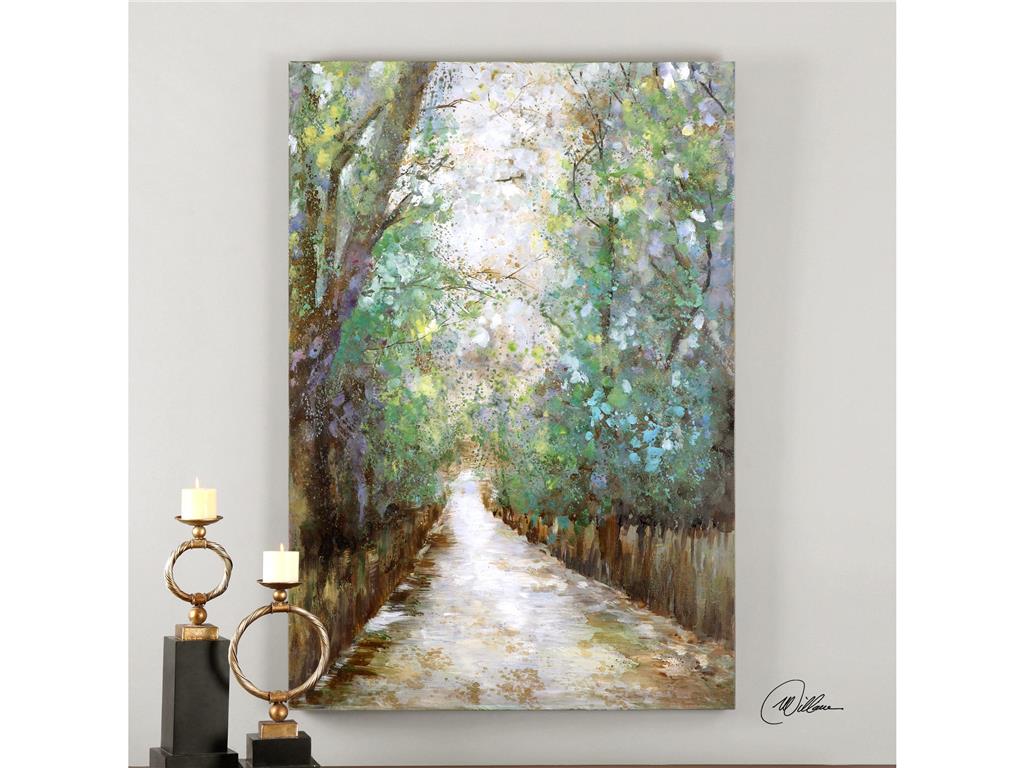
Accessories Uttermost Greenway Hand Painted Art 31315: Artworks are a great way to personalize any space.
Bring In Mother Nature
One of the best and most effortless ways to personalize your home is to bring in fresh flowers or potted plants. A room will definitely look a lot friendlier with a touch of nature in a vase or a pot.
Wallpaper ‘Em
If you are in for a bigger project, then you can buy a set of wallpapers. This is also a time-tested way of altering the look inside your home. Put your personal stamp by wallpapering. Use bold patterns if you dare to do so. Neutrals and simpler patterns are for the simpler people.
Clean Up
Use great-smelling products to make your home more appealing. Have a familiar scent, one that you would soon associate with your home.
It also pays to keep clutter from becoming a huge mound. Buy cabinets and drawers where you can store stuff that you don’t use at the moment.
Make it a point to designate a place for your keys and other small items. Have a row of hooks lined up for the special purpose of holding your keys.
Stairs and Window Treatments
The stairs needn’t be boring parts of your home. Paint it white then add shades to the treads. Install a runner if you have a carpeted staircase. Place a runner that is in the color that you most love. A fluffy carpet is great especially for areas with less foot traffic.
You can also upgrade the window treatments. You can go for tailored textured bamboo, Roman blinds, or the basic roller shades. Create a layered look using curtains. Find a window treatment that describes you best. Choose the same fabric for your curtains or draperies so you’ll have a more consistent look on the outside.
Tags: customization, customized home, customizing interior design, decluttering, decluttering tips, design customization, home paint, home painting, McCreerys, McCreerys Home Furnishings, nature, nature in interior design, nature-inspired design, nature-inspired home, paint, personalized design, personalized style, personalizing your home, tips, wall paint, wall painting
Posted in Interior Design 101, Interior Design Elements, Interior Design Themes | No Comments »
Sunday, January 17th, 2016
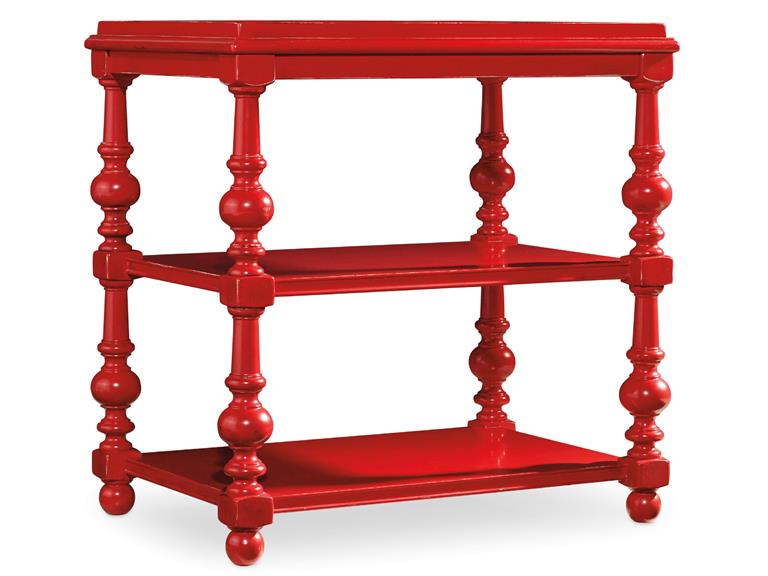
The Hooker Furniture Living Room Sanctuary Chairside Table will catch your guests’ attention if you let it stand against white or any neutral background.
You have probably seen those painting sequences on home TV shopping shows and thought that the people there looked like they were having fun. In reality, painting a home (or even just a portion of it) is far from being glamorous. You can actually exercise your organization skills and patience as you go about with this activity but, in the end, you will feel a level of satisfaction that will make you say – it’s all worth it.
The fundamentals of painting all begin with planning. As what’s always been said, always begin with the end in mind. Try to visualize your space down to the minutest details like what furniture would go with what color, what sort of accessories would blend with your chosen walls, would you use carpets or tiles, and many such details.
After planning and visualizing these things, it’s time to translate your vision into reality. You will surely be surprised to find out that your room or your entire home turned out to be quite like your visualized, ideal space.
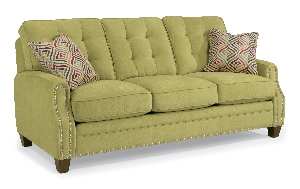
Sloan-Sofa-with-Nails-in-Fabric-917-22 is perfect for any colorful interior design theme.
Consider the Available Space
Many interior designers would agree that one of the first considerations that you have to make before you would start an interior design project is space and how much of it you can work with. The space that you’ll be able to work with validates the colors (paint) that you end up using.
Keep in mind that smaller spaces need light colors such as sand, white and cream. These light hues will give the small space an illusion of being more expansive. On the other hand, bigger spaces are like canvases for the homeowner’s imagination. You can use different hues depending on what needs to be expressed. Colors such as dark brown, navy blue, and black can lend a romantic look and feel.
Consider the Ceilings, Floors and Walls
As soon as you know how much space you can get your hands on, you also need to consider other parts of your home such as your floors, walls and ceiling. These are also parts of your huge masterpiece so they also need to be given some serious planning.
Just think of yourself as the liberal artist. Make a shortlist of all the colors that you think would make these parts of your home come to life. Do not go too crazy on the hues so that your residence remains tasteful. As much as you can, limit your color choices to just five hues.
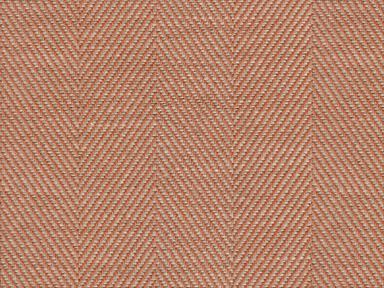
Just as you would the paint, it pays to ask for swatches when looking for the right fabric for your sofas. This orange/rust fabric comes from the Lexington cover collection available at McCreery’s Home Furnishings.
Get Color Samples
It is best to get paint swatches or samples from different paint centers. As soon as you have mixed the shades, wipe the paint swatch on a sheet of paper.
Test your chosen colors by taping the paint test swatches to the wall. See how the colors work for you visually.
At the moment, the top five designer colors are –
Light gray or ash can work as a substitute for the usual shades of white. It can effectively tone down the mood in any space while not neglecting on modernity and being sleek. Charcoal gray, meanwhile, can draw attention easily which is why it can be an effective paint on your focal wall.
White is timeless and it can efficiently frame any interior. Just make sure that you choose white carefully because it can become glaring.
Orange is a warm color that works best with metallic hues such as gold and copper. It is also the perfect color for autumn-inspired interiors.
Green reminds us of nature, freshness and going organic. This hue can make any space feel more fresh and relaxing. It can also blend well with other neutral colors.
Lastly, neutral paints can suit any style. They are easy to maintain and can become the primary color to an exciting accent color which you would later add.
Tags: accent color, adding colors to a home, colors, designer colors, designer paint, floor color, guidelines, home paint, McCreerys, McCreerys Home Furnishings, neutral paint, neutrals, paint, paint colors, painting, tips, wall color, wall paint
Posted in Color Schemes, Interior Design 101, Interior Design Elements, Interior Design Themes | No Comments »
Thursday, January 14th, 2016
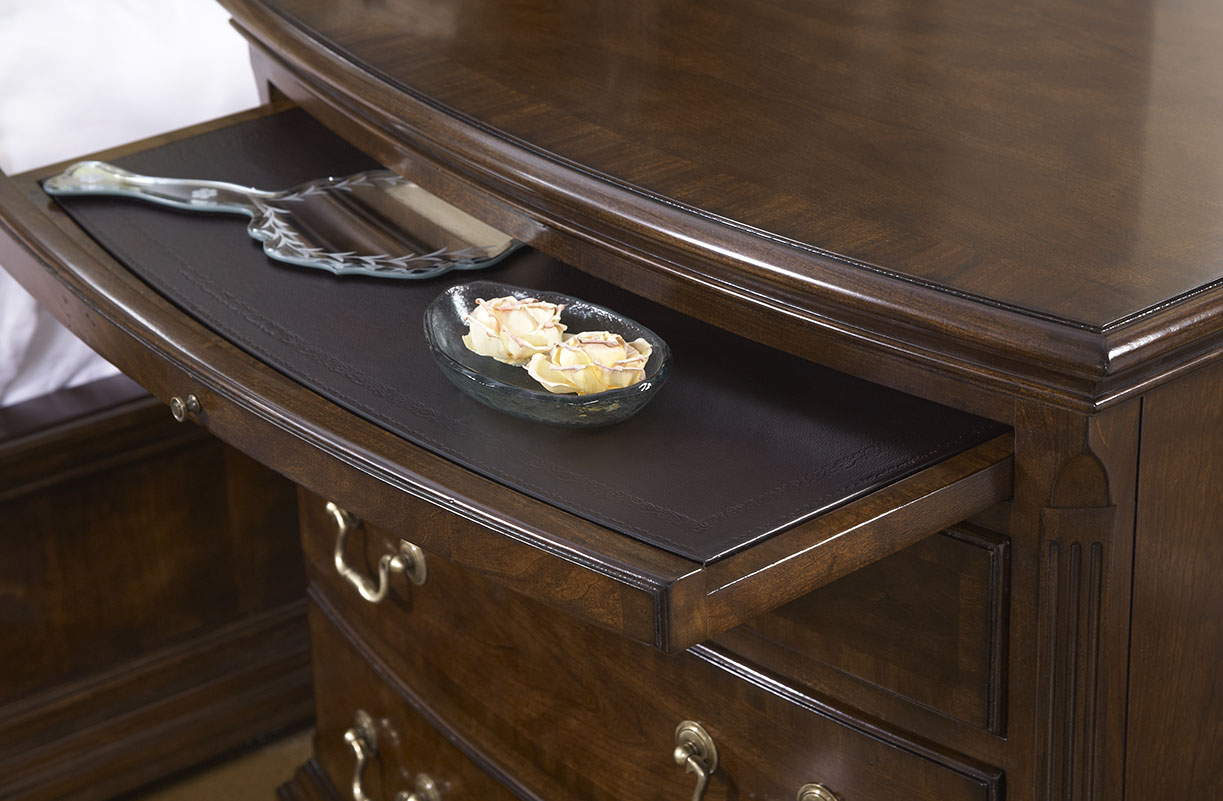
This classic wooden drawer is from FFDM’s American Cherry Collection.
Southwestern design is defined with earth colors and the richest textures. This means that you should use more of orange, yellow, turquoise, and red clay. Clay tile roofs, terracotta and handcrafted stuff are all welcome in a southwestern home.
Upholstery for this design is chiefly woven fabrics, suede, animal hides or leather. Blankets could be made of traditional native clothing. Do not limit the use for these beautiful pieces inside the bedroom because they can also be great wall decor.
Wood furniture is a must and could also feature metal accents or a distressed finish. The accents used in southwestern environments can be anything from painted ceramics to hand-painted tiles. If you can find early pieces dating all the way back to 16th century Mexico, the better.
Tribal Design Elements
You will see a lot of Native American pieces inside a southwestern home. Elements such as latillas, vigas and other artwork are design themes that are commonly used in architecture. This style is quite earthy as well as organic as it captures the heritage of Arizona and New Mexico areas. Natural accents, colors and other elements look and feel a lot like Mexican, Spaniard, and Native American designs; open floor plans, flat roofs and courtyards, even gardens can become a part of your home.
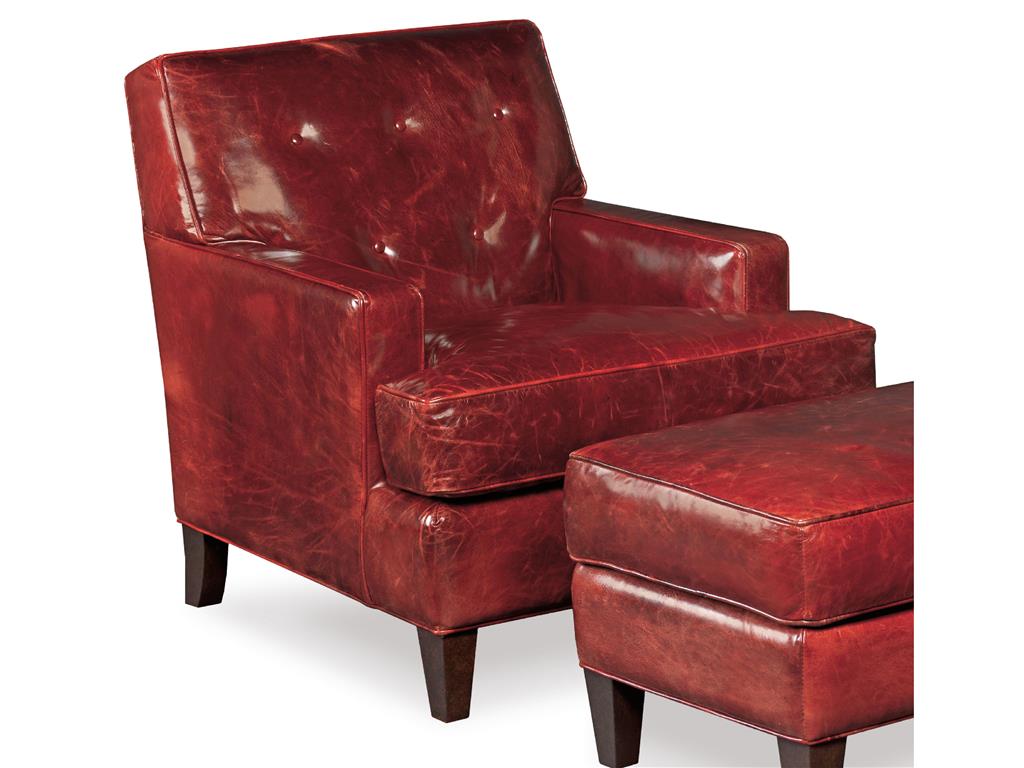
This Hooker Furniture Living Room Covington Bogue Club Chair has the right color to give life to a southwestern habitat.
Southwestern design makes use of subdued earthy tones like tan, cream, brown, terracotta, and white. These colors are great as backdrop for American Indian-inspired textiles and accents. Azure is a famous color for windows and doors. Any color found in nature such as forest green, salmon, sunny yellow and slate blue can fit perfectly in southwestern interiors.
Southwestern furniture should be unpretentious. Say no to anything intricate. Cherry, walnut, pine, and just about any mid-tone wood would do. It should have soft leather or natural textiles as coverings. Make use of huge pillows right on the floor as well as hammocks in your courtyard. These can be alternative seats for your guests. Always remember that the rooms must be spacious or have a natural flow.
As for the walls, they are often made with the same materials as the exteriors. Mostly adobe, interior walls are roughly plastered. Others use smooth stone or stucco. If you want to add warmth and color onto a boring wall, then use hand-painted tiles. They can also be used in covering kitchen backsplash. If not, use the tiles as individual accents.
Murals are also a huge depiction of southwestern culture. Have spiritual stories or rituals painted on murals then have them installed as a statement wall.
You can also try stucco plaster then add builder’s sand to the paint. You may also use special paint effects such as suede, color washing, or faux paint.

Capel Incorporated Floor Coverings Biltmore Select Bidjar Rug 1773RS02000300450 at McCreerys Home Furnishings
Southwestern floors are often honey-colored. Other homeowners prefer terracotta tiles. Adding visual interest on your floors is easy. Just arrange the tiles in patterns and layouts.
Parquet or light wood flooring is widely used. You can color this kind of flooring with cobalt blue or any other earthy color to make it more exciting. Carpets and rugs are valuable pieces but if you do not want these in your home, then be sure to opt for hardwood flooring.
Use brick or stones throughout your home without letting the style suffer. Use lovely rugs with traditional patterns and colors brighten up the room.
Southwestern accents are mostly paintings, candles, wrought-iron stuff, dried flowers, sculptures, pottery (the hand-painted type), and animal skins.
Learn these Southwestern design tips and begin bringing rustic beauty into your lovely home.
Tags: animal print, brick, earthy, guidelines, leather, McCreerys, McCreerys Home Furnishings, Mexican, Mexican interior design, Mexican interiors, Mexican style, Native American, Native American design, natural stone, neutral, neutrals, paint, rustic, rustic decor, rustic design, rustic elements, rustic home, rustic interior design, rustic look, rustic style, rustic theme, southwestern interior design, southwestern interiors, Spanish, stone, textures, tips, tribal, warm colors, wood elements, wood furniture, wooden elements, wrought iron, wrought iron furniture
Posted in Interior Design 101, Interior Design Elements, Interior Design Themes | No Comments »
Follow us on our social media


© McCreery's Home Furnishings | All Rights Reserved | Privacy Policy
