- Follow us:


Saturday, April 14th, 2018
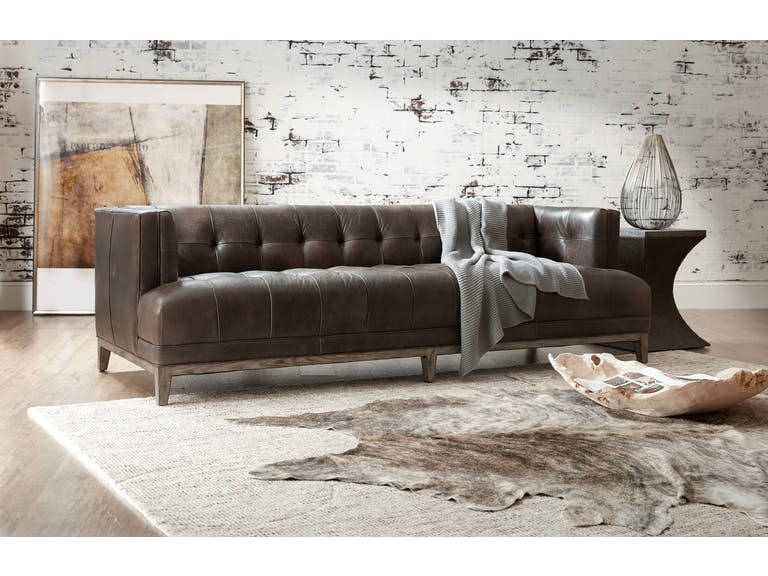
Hooker Furniture Living Room Citizen Stationary Sofa: Can you identify the layered elements in this room?
The success of interior design is all about getting every element right. Each piece must be able to work with the other pieces while still being able to stand on its own. This entire process is what’s known in the design world as layering. You might wonder why it is not included in the principles of design since it plays a huge role in making a room stand out.
Bringing your home to the next level in terms of design is all about incorporating the correct layers. This is a process that can be learned and followed.
It’s Not All About Clothing
People have a tendency to think about clothing when the word layering is brought up. The world of fashion design considers layering as a dynamic step. The mere addition of a scarf or a necklace can make a huge difference in the ensemble. Clothing is no longer merely utilitarian.
Interior design is no different. Make time to consider the different elements that are used to pull a room together. Each of these design elements plays a distinctive role but altogether, they also need to work to establish harmony.
Layering is the very act of building a room from the flooring all the way up to the ceiling. It is all about taking every design element and putting them to form cohesion. Layering is no less than the secret ingredient to adding depth to spaces.
Design Elements to be Layered
Now that you know what layering means, your next step is to use it to your advantage. To layer effectively means you need to know the function and value of every component that is placed in every room.
The wall covering, for instance, has the wallpaper or the paint as a means to layer. Flooring options include vinyl, wood, and carpet. Tables, chairs, and beds are examples of furniture that can be layered (e.g. the bed can be dressed up using bedding, pillows, pillowcases, duvet, etc.
You can also layer with textiles such as area rugs, blankets, bedding, and pillows. Go ahead and layer the table lamps, overhead lights, and ambient features. As for decorative items, use coffee table books, photos, mirrors, artwork, and flowers.
Consider each of these elements as a separate layer. Every single one of them is a crucial part of the design and, thus, must be taken as a part of the room. Remember to build the room by carefully adding layers at a time.
Use Contrast
Layering is seen to be more effective when it is accomplished with different materials. The beholder must be able to differentiate the key pieces. To effectively separate each piece, you have to learn to use contrast.
Contrasting helps in making your design stand out. This is not a one-size-fits-all type of thing, though. There are also several elements that you need to use to make it happen.
First, you can use colors. Pick opposite shades using your color wheel. As for patterns, be sure to pair the bold designs with a block color. You can also contrast metals with some natural materials. Also be able to juxtapose soft and hard stuff or rough and smooth ones. As for the size, group the small and big items together.
Use Common Threads
Contrast is important but it is only successful when you know the common elements that tie them. Without these things, the room would feel cluttered rather than busy. Layers should be similar enough so that they feel purposeful and deliberate.
As you create each unique layer, think about contrast and commonality. All the others elements should be harmonized. That’s all there is to it.
Tags: layering, layering in interior design, layers, McCreerys, McCreerys Home Furnishings
Posted in Interior Design 101, Interior Design Elements | Comments Off on What Is Interior Design Layering?
Monday, September 19th, 2016
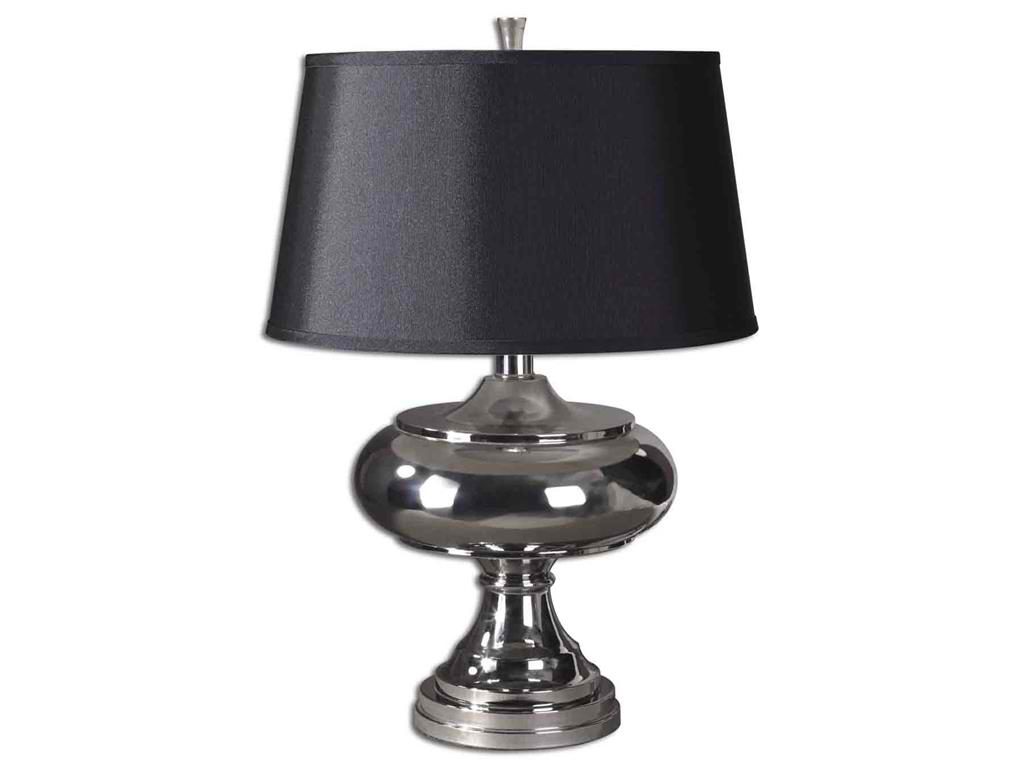
Uttermost Lamps and Lighting Jelani, Table Lamp 26987 provides accent lighting for your living room.
You may think that light is the least essential design element when the days are at their longest yet this is the best time to buy quality lighting and select fixtures that would properly light your home. The first step that you need to undertake is to know the three kinds of lighting.
Ambient Lighting
Ambient lighting can also be referred to as general lighting since it provides an overall glow. In essence, it does the role of sunlight during the night. Full ambient lighting can be achieved by properly spacing recessed downlights. This can also be achieved by a single central ceiling fixture.
Ambient lighting is often chosen for its decorative feature. Be sure to check the wattage when you want to know how much light the ambient fixture can offer.
One problem that you might have encountered in older homes is that homeowners only used task lighting. This gets the job done, sure, but it can leave a lot of dark corners or make rooms appear smaller.
Minus ambient lights, you are likelier to trip over stuff, this is why this kind of light is now the most common light used in many modern homes. The unfortunate news is that people tend to stop at ambient lighting, not even bothering to layer with another kind of lighting.
Accent Lighting
This kind of lighting, on the other hand, provides any room with a more polished look. Of course, it is important to make the room more visually interesting which is why you should carefully choose accent lights.
Just like any beautiful painting, accent light has the power to draw the eyes to it. This visual piece can be that attractive lighting fixture or some directional lights.
One of the most natural accent lights is the chandelier which can highlight the dining table. Downlights are able to illuminate a piece of art or an interesting decorative cabinet.
Task Lighting
The last type of light is task lighting. This is that focused light that can create a spotlight on a task. This is important in the prevention of eye strain, therefore, to eye health.
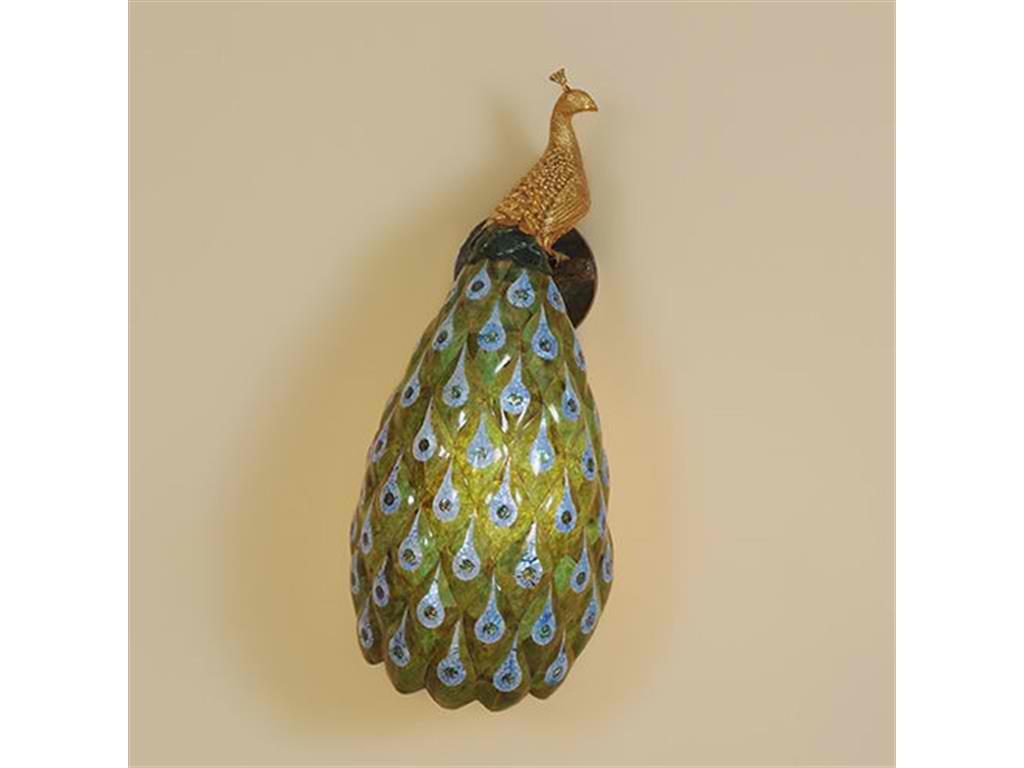
What could be more fun than a glowing peacock? Featured here is the Maitland-Smith Lamps and Lighting Cast Brass Peacock Wall Sconce 1900-111
Relax, Have Fun
A lot of designers rely on lighting designers when taking on a remodeling project. The latter make sure the rooms are properly lit for the crucial tasks. They also know that mood can be easily created with light. If you want to ascertain that your home is correctly lit, then you should begin by knowing the three kinds of lighting and to know how and where to use them.
Apply accent, ambient and task lighting – these are the three kinds of light. Don’t force them, though. It would be unwise to cram them into one space. Layered lighting is only considered successful if the entire room has a flattering glow to it. There shouldn’t be any daunting shadows anywhere. The most interesting parts of the home must also pop because of proper lighting.
The three kinds of light can be layered but don’t get confused by them. A family room, for instance, can have recessed lighting which could provide a casting glow. A ceiling chandelier can double as ambient and decorative lighting. A white table lamp (still in the same room) is a great decorative piece when placed against dark walls. While it is decorative, this lamp can also offer task lighting for anyone who wants to read a good book.
Alright, here’s the simple secret –
Begin with ambient light as the first layer. The task light follows as the second layer and the accent lights finish the job. If you can commit that to memory, then all you have to do now is to find the fixture styles that would match your home’s theme.
Tags: accent light, accent lighting, ambient light, ambient lighting, general lighting, interior lighting, layering, layering in interior design, layering lights, lighting fixture, lighting interiors, lighting layers, McCreerys, McCreerys Home Furnishings, task light, task lighting, tips, types of light, types of lighting
Posted in Accents, Interior Design 101, Interior Design Elements, Lighting | No Comments »
Sunday, July 3rd, 2016
FFDM Collector’s Room: Daylight is the most effective source of light but you have to learn to put proper lighting when dusk sets in.
Homeowners often talk of the creation of layers of light but did you ever wonder what that even means? The use of multiple light sources can provide maximum effect on any space. Ambient lighting, for instance, can be fused with task lighting if you want to create a shadow-free work. Accent lighting, on the other hand, can add a dramatic depth while decorative lighting can show your personality. Mixing different fittings can create different themes or stage a much richer home environment.
Multiple Lighting to Break Rooms
Homeowners who embraced the open-plan concept can understand the difficulties of establishing boundaries. Furniture pieces can do this trick but lighting can also do offer the same effect. Light can divide larger rooms into zones such as what happens when you use high-output downlighting on work areas while infill downlighting can be used as ambient lighting. Dining areas can be softened by pendant lights as well as concealed cove lighting.
Different Lights, Different Tasks
When downlights take care of ambient lighting for the dining area, there is no longer a need for decorative lights to provide a high output. Keep in mind that not all lighting fixtures should provide like levels of light.
When it comes to downlighting, make sure that you plan their placement so that they can add to the richness of the surroundings. The wrong use of downlighting can lead to a shapeless and soulless room and, of course, you don’t want that.
You can alter the focus of attention by increasing or even lowering the different lighting fixtures placed in different areas. Remember to group lights into small circuits so you could be more flexible. You can always have separate circuits set at same levels but it is not easy to split 20 or more lights wired together to act as one light.

Maitland-Smith Lamps and Lighting Verdigris Bronze Patina Monkey Lamp 1753-570
Accent Lighting in Bathrooms
Bathrooms can be a challenging project to take on when it comes to lighting. Ideal lighting in this room should have a controlled color temperature. This temperature is how warm or cool lighting should appear.
Bathrooms should have cool lighting, one that would make you feel alert in the morning. In the evening, it should have warmer glow so that sleep would easily come.
LED is often fixed when it comes to color temperature. It is still possible, though, to layer the light when using different circuits for different tasks.
The area where you usually apply make-up should be a well-lit one. Combine low-level accent lights with accurate lighting fixtures with the first to be used at night and the other during the day. They key here is to separate the circuits so you achieve flexibility.
Adding Intimacy
Accent lighting means you have to know which features matter to you. You can also use this type of lighting to make the eyes focus on a beautiful feature. So the next time you want to bring something to life, just focus an accent light on it.
LED has many choices for accent lighting. Find whether you would want a downlight, uplight, or linear fitting.
Consistency Is Key
The use of multiple light sources can better unify any space than having a blanket of downlights with the light source coming from just one direction. Now remember that even the subtlest variation in light can be accentuated so take the time to test the different fittings. See if you can compare them side by side.
Achieve Maximum Effect
Use several kinds of lighting and make them work together to your advantage. Downlighting can provide the light when you’re at work while the decorative lights soften the ambience. Add glamour and personality by having ambient lights set up.
Tags: how to layer lights, improving home lighting, interior lighting, layered lighting, layering, layering lights, lighting fixture, lighting layers, lighting plan, McCreerys, McCreerys Home Furnishings
Posted in Interior Design 101, Interior Design Elements, Lighting | No Comments »
Saturday, April 30th, 2016
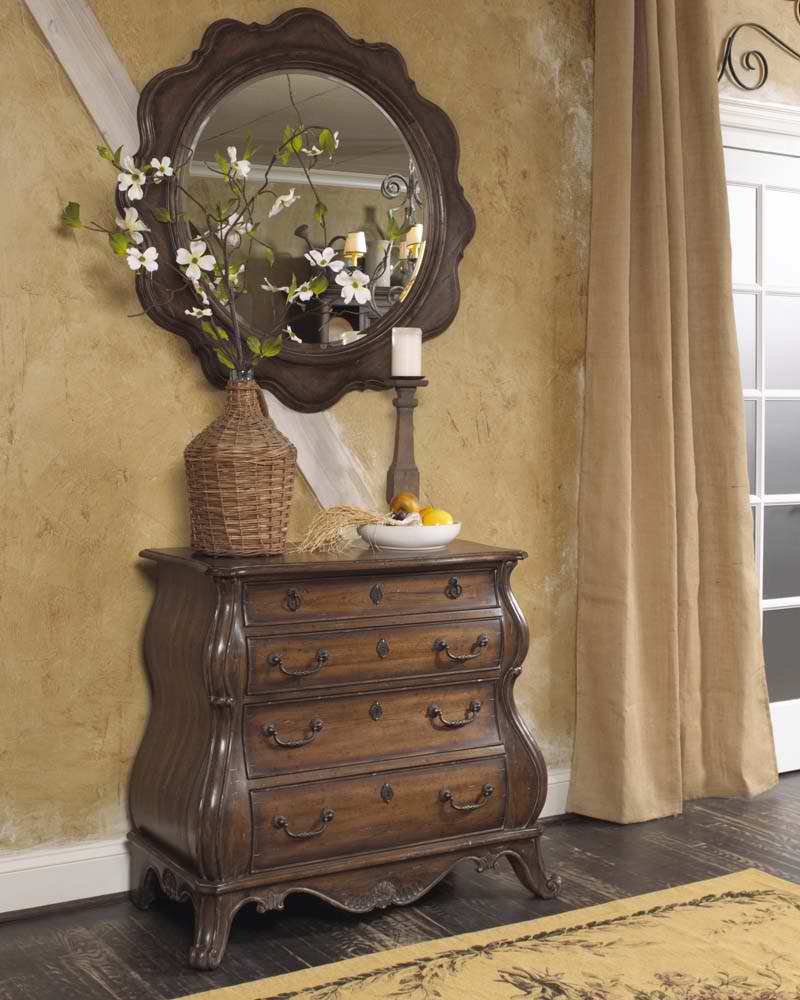
FFDM Vintage Classics features this wooden piece complete with mirror and other interesting accessories to welcome your guests.
Do you believe that you’ve only got one chance to make a good lasting impression? This means you have to make the entry way as welcoming as possible to all of your guests. The entry way reflects who you are as a person. This should be a place where comfort and happiness fuse as people walk through the first door of your home.
Here are ways to set the tone for the rest of your place –
Layer the Light
A beautiful lantern can make a huge difference in a relatively small place. The entry way can also be the perfect place for a table lamp or a beautiful wall sconce. There are various lighting options for different moods.
Iron sconces can add a unique sense of style in a place where an added glow is much welcome.
A fabulous pendant lighting fixture can also make a huge difference. Actually, it can make or break the look offered by beautiful doors and carvings. This is not a usual fix that homeowners do to their entry ways, however, this is a spot that you need to spend more time and money on.
Vintage lighting will give the area a distinctive appeal. If you have an old home with equally old wiring, make sure that you commission a competent electrician to update the wiring systems for you. After the rewiring project, you can already spruce up the place with a new paint job or by adding interesting accessories and furnishings.
Highlight the Art
In many apartments, entry ways are quite small but this does not automatically mean that you can no longer make a statement. Your home’s entry way can still be chic if you hang the correct kind of artworks.
Install a statement mirror or a geometric rug to warmly welcome guests. Let them feel that they are welcome in your home and that they are about to see a stylish dwelling.
Your statement piece can be one unique piece that is an heirloom. Or it can be a piece of furniture that is newly-bought yet has the features of a would-be heirloom.
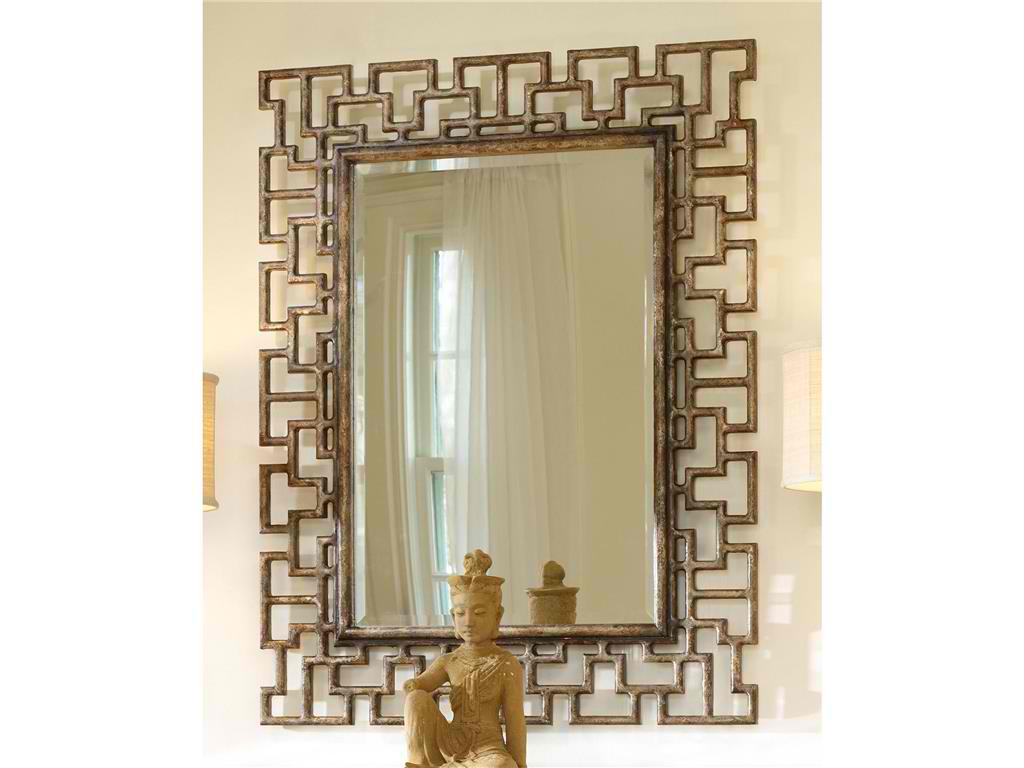
Hooker Furniture Accents Fretwork Mirror spells rustic especially when paired with the wooden Asian sculpture.
Correct Scaling
That grand foyer with a small table is a rather saddening state to be in. A beautiful, spacious entry way must have a fabulously large console table, a huge mirror, and a bench. Sconces should be present not just to welcome guests but more to highlight the beautiful architectural structures and beautiful furniture pieces.
Accents such as bins of flowers, an umbrella stand, and throw pillows will add a dash of personality to a usually regular-looking entry way.
Style Extension
The entry way must show your visitors what they would see inside your home. If you used rustic textures in your entry way, then these must also be seen in other rooms.
Set the tone at the entry way.
A Rug Is a Must
Sometimes, the entry way dimensions can be a tad trickier for rug placement. The floor is a wonderful place to put color, pattern and softness. Since the entry way has high foot traffic, find a rug that can sustain this kind of traffic.
Be Bold, Dazzle ‘Em
Primary colors can offer an awesome entry way to any home. Nautical style can be started with a basket of oars right by the entry way. Geometric rug in bright colors spells playful and unique.
Architecture needs to be respected. You can still show your personality through wall covering. Wallpapering is a classical take on beautifying the walls yet it comes with a modern twist. You might also have an art collection that can be highlighted by the right wallpaper.
Tags: adding colors to a home, area rug, art, artwork on walls, bold, decorating the entry way, decorating with area rugs, designing the entry way, displaying art, displaying artwork, entry way, entry way design, entry way style, geometric, geometric concept, geometric patterns, geometric style, layering, layering lights, McCreery's Furnishings, McCreerys, McCreerys Home Furnishings, textures, tips
Posted in Interior Design 101, Interior Design Elements, Special Rooms In Your Home | No Comments »
Monday, April 18th, 2016
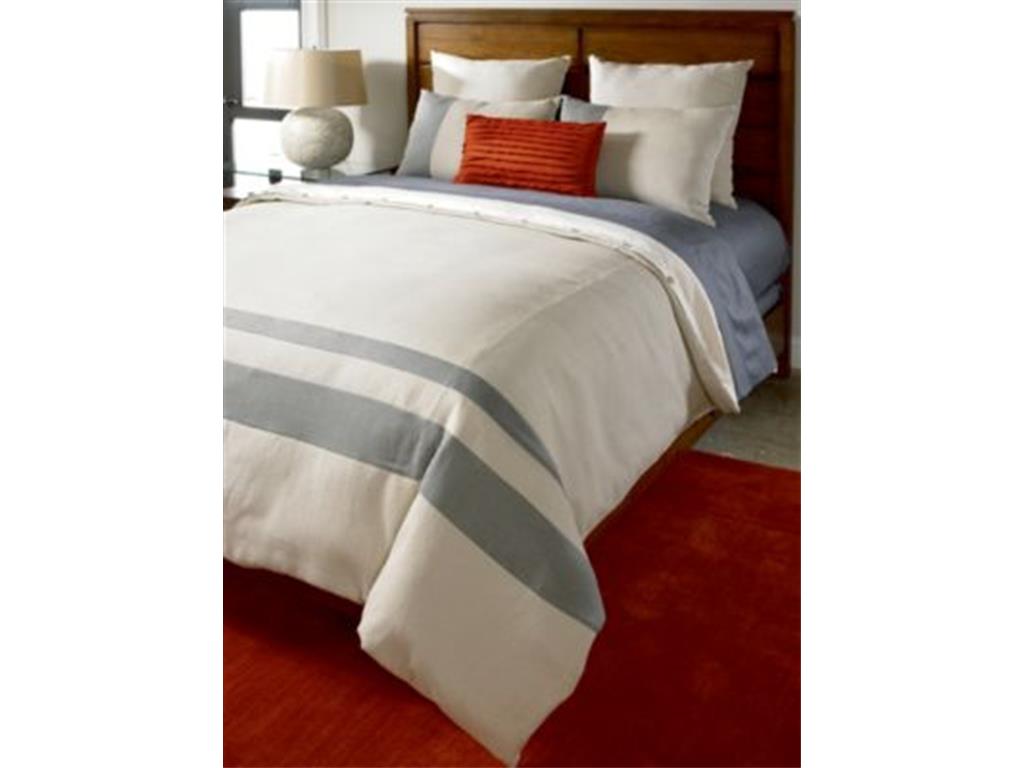
Thomasville Bedroom Slumber Ensemble Set (Super Queen) TV-BD1-40 shows an exciting fusion of bold and neutral colors.
The bedroom, unlike living spaces, can make use of hot hues on walls. Living space walls normally reflect the trendiest artwork and accessories unlike the bedroom where in-the-moment palettes are most in. The 80s bright neon look, for instance, would be an interesting color to splash across the bedroom walls. Pink and dove gray combination, on the other hand, makes for a relaxing room. If you want a more recent color combination, look for them in fashion magazines. What usually appears in clothing stores and on runways are almost always translated to bedding.
For those who have a bit of trouble when it comes to sleep, colors that are serene or restful is the way to go. For those who do not have sleeping issues, then you are the few who can try something bolder. Spending more time inside the bedroom is a lot more fun if the colors are fresh and they match your personality.
Rich Hues
Choose to add color and texture in one go with the grass cloth wall covering. Pick a color (or color combination) that is vibrant so that the rest of the room is left simple. Say, you chose flaming red as the color; then have the bed and the rest of the furniture in a more subdued color. You can, however, carry over the red to your lampshades, pillows, and bedding.
Painting the walls and trim with a bold, bright hue can give the bedroom a cozier, more cocooning effect.
The Hanging Chair
If you have ample room for an extra chair, then you might as well have one that shows a lot of flair. A hanging basket chair will surely catch anyone’s attention.
The One-of-a-Kind Keyhole Arch
If you are jumping into the remodelling bandwagon, then you might as well do something mysterious or unique for this project. Adding a nook or a semi-secret corner can be done in style. Just add a keyhole arch to separate the smaller area. This should still be able to allow the passage of light into the main room.
Use Layering
Try a different sort of style when you are out to change the bedding. Mix and match patterns and colors. Since the bed is the biggest object inside the room, make it a point to think about what you would put there. Any pattern or color that you place there will immediately catch the eye of anyone who visits the bedroom. Use a smaller scale of patterns on the sheet while using a larger scale pattern on your coverlet.
Accent pillows can take the extra large scale prints.
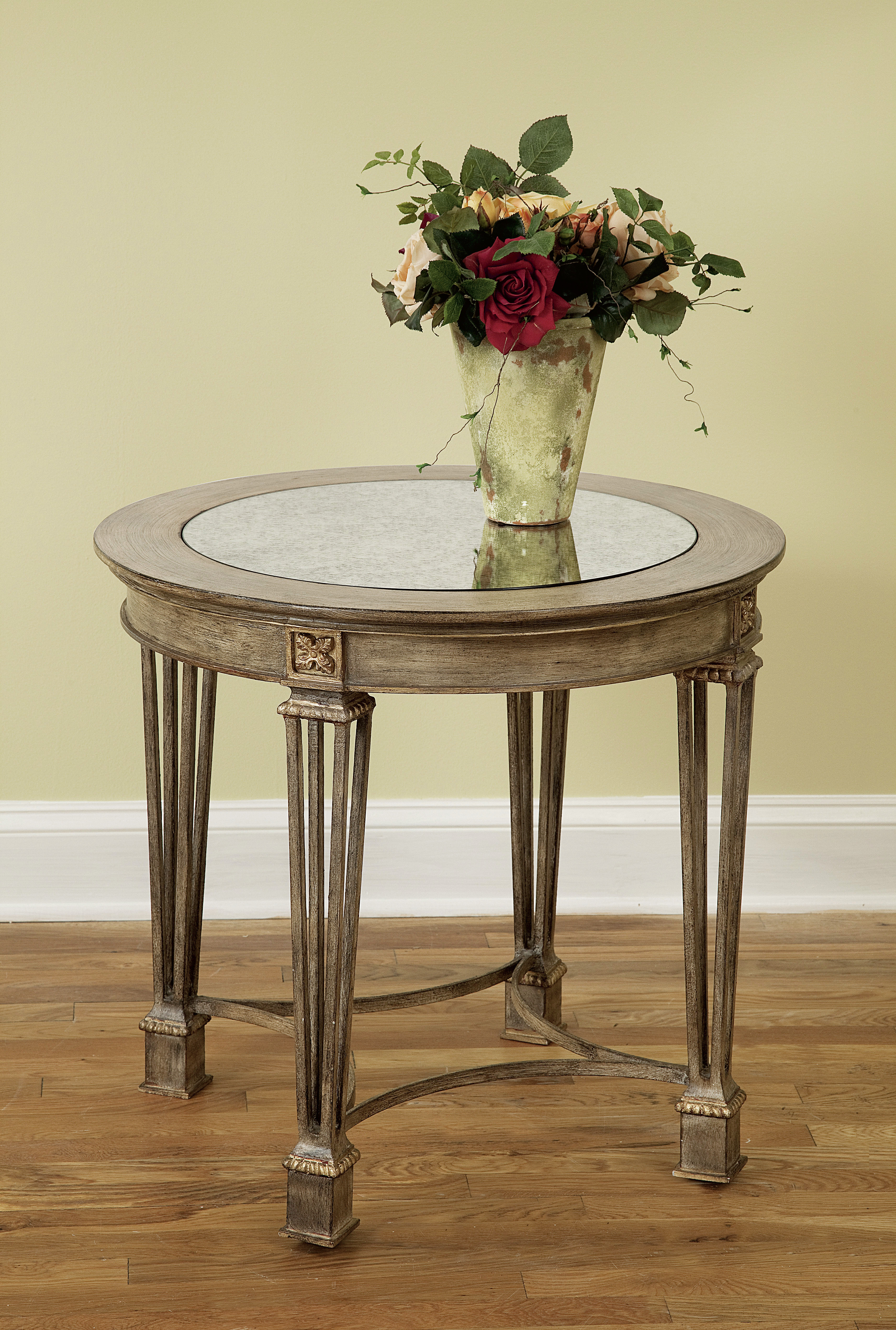
Floral arrangements create an interesting backdrop to an otherwise boring bedroom nook. Featured table is from FFDM’s Biltmore Collection.
Beautify the Windows, Too
Don’t be satisfied with plain blinds for your bedroom. You can afford to be more flamboyant when it comes to your bedroom shade so you might as well choose fun fabrics.
You may begin with the plain, neutral-colored shades then sew on some interesting fabrics. Just be conscious about the layers that you add since these can make the shades opaque. See also that the fabrics won’t make opening and closing the shades a lot more difficult.
Add Some Bedroom Art
It would also be nice if you can commission a wonderful piece of art. You can save up for one artwork or you can create a simple gallery right on your bedroom walls. Most artists work from a single photograph then they develop their theme from there.
You can set up a real headboard, a wallpaper headboard, or you can simply cover a not-so-inspiring part of the wall with curtains.
You see, there is no need to limit your vision with regard to the inspiring
bedroom that you are creating so unleash the artiste in you.
Tags: art, artwork, artwork on walls, bedroom colors, bedroom furniture, colors, displaying artwork, layering, layering in interior design, McCreerys, McCreerys Home Furnishings, patterns
Posted in Bedroom Design, Color Schemes | No Comments »
Follow us on our social media


© McCreery's Home Furnishings | All Rights Reserved | Privacy Policy
