- Follow us:


Wednesday, October 12th, 2016
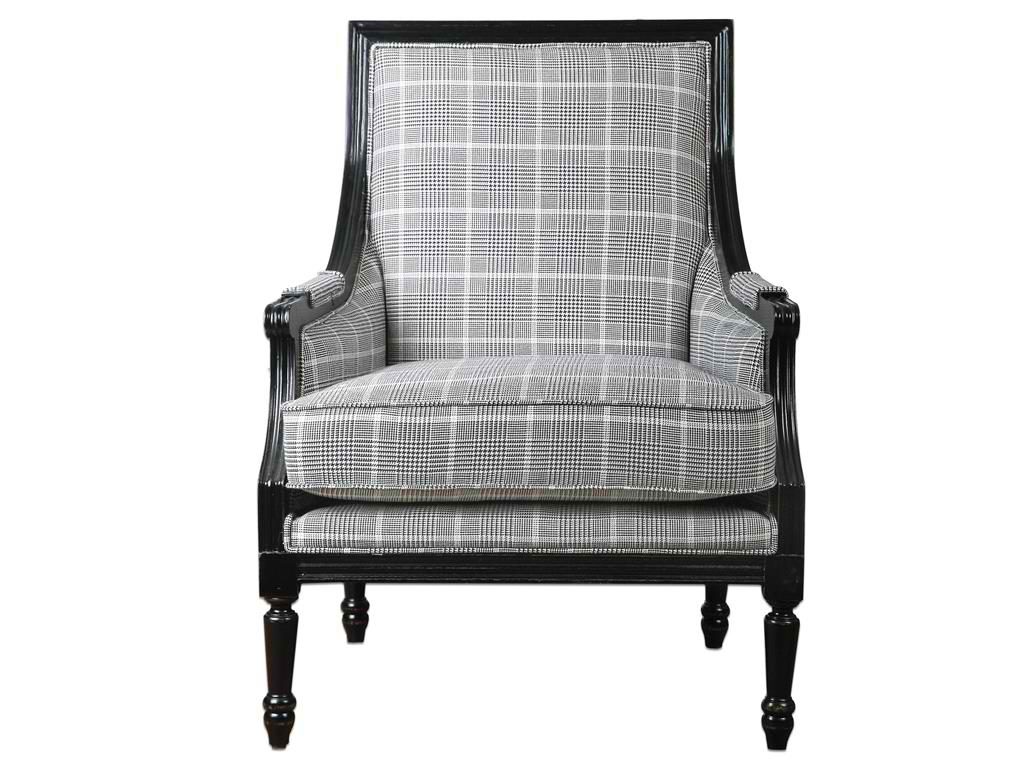
Living Room Uttermost Scott Wood Frame Armchair 23233
Plaid can be one or many things. It is the symbol of fashion or the epitome of pattern. Fashion designers all over the world adore the crossed patterns of plaid. It is preppy, it can also be punk. One thing is certain about plaid – it is popular and it has a rich history that other design materials would be envious of.
Plaid in the 1500s
You could tell the difference between tartan and plaid, right? The former refers to special cloth patterns often seen in Scottish clans. Different patterns represent different geographical regions or clans. Plaid, on the other hand, was mainly a Celtic kilt or a blanket. Eventually, plaid became popular with the British and Americans. They created a pattern that looked pretty much like tartan but is not quite like it.
Records from 1538 showed royalty showing much appreciation for this pattern. King James V even gave plaid gifts to his wife.
Plaid in the 1700s
Tartan was prohibited in Britain in the 18th century because it was associated with the Scottish Rebellion of 1745. This print did not show up till 1782 where plaid became legal. It soon became a staple pattern on some formal occasions.
Plaid and the Lumberjack Tradition
From Europe, plaid became popular in the U.S. Buffalo plaid started in the 1850s with the distinctive red and black checks becoming a staple among lumberjacks.
Plaid shirt then was mass-produced by Pendleton back in 1924. It soon became a casual wear and in 1936, a winter essential.
1970s Plaid
Decades after, plaid enjoyed enormous popularity. It returned to its rebellious origins, though, during the ‘70s. During this era, plaid was used in suits as well as interior design. Queen Elizabeth II popularized the Royal Stewart Tartan and, pretty soon, the pattern became a prevalent monarchial look.
1980s Plaid
This decade showed the most interesting development in plaid. The preppy look began where movie stars and even Princess Diana took notice. Almost all public figures had their own piece or two of this interesting fabric in their closets.
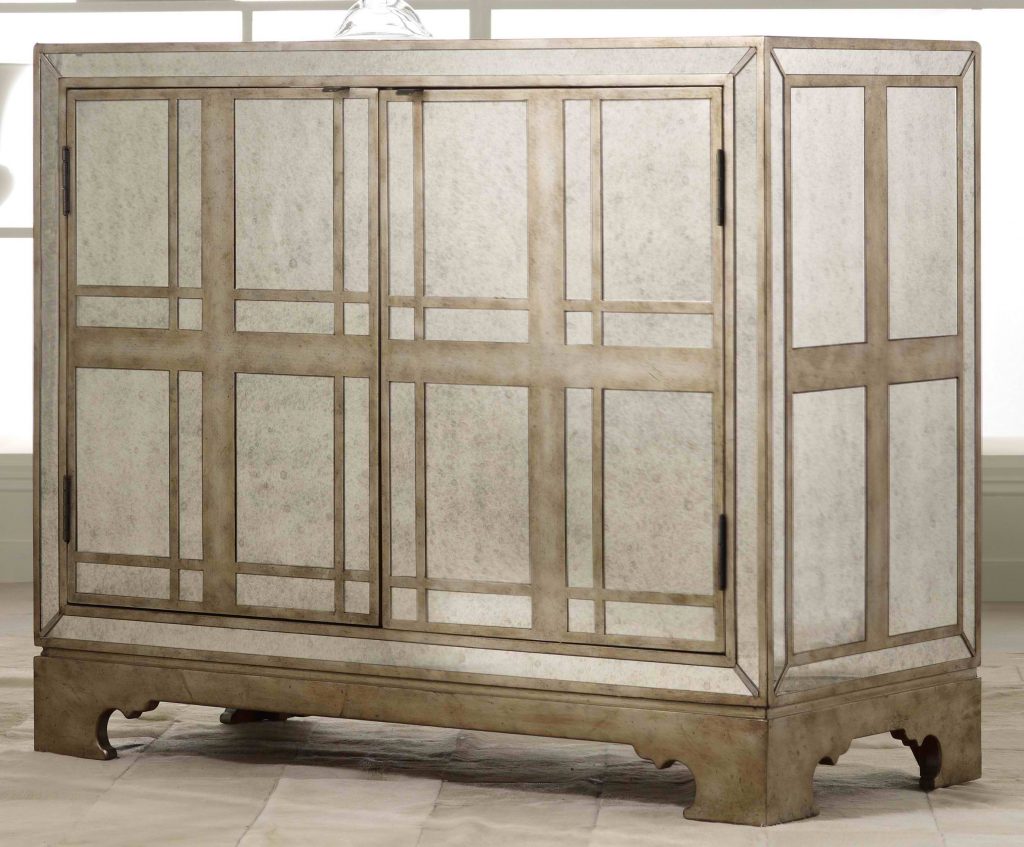
Hooker Furniture Living Room Melange Mirrored Plaid Chest 638-85054: Who says plaid should only be seen on fabrics?
Plaid Furniture
It was no surprise that plaid became a staple piece in furniture, too. The cozy and crisp look of this pattern provided the perfect covering for love seats, sofas, couches, and other living room and bedroom furniture.
Plaid is a strong pattern so it might also present some decorative restrictions. This should not stop you from design possibilities, though. You could begin with paint chips which match all the colors on your plaid-covered furniture. Lay out these chips together with the fabric sample then carefully examine by taking a step back.
Plaid works best with neutrals such as tan, gray, cream, black, brown or white. You can use this combination if you want to be on the safe side. This means putting plaid-upholstered couch right on top of polished wood flooring.
Plaid isn’t just red and black, though. It could also be that blue and white crispiness which can match well with glass lamps, warm tones of wood, sea grass matting, gold, copper, and just about any warm-colored metals.
Plaid can also provide the necessary basis for your color selection. There are two or three-colored plaids in the market. This means you can choose from two or three colors from which your overall color scheme would come.
Plaid could also spell mixed patterns for the rest of your décor. This is a great way to update the look of your home. Don’t just over mix. Use substantial amounts of block colors then just carefully add the plaid patterns.
Tartan-style plaid can present you with challenges if you over-analyze the colors that it offers – black, yellow, ivory, burgundy and dark royal blue. This complex plaid should be balanced with neutral walls or woodwork.
Enjoy plaid. It offers so many design opportunities which you can use in your home.
Tags: 14th century, 16th century, 1970s, fabric, fabric choices, fabric options, history, McCreerys, McCreerys Home Furnishings, plaid, plaid fabric, seating fabrics, sofa fabric, tips, upholstery
Posted in Accents, Interior Design 101, Interior Design Themes | No Comments »
Friday, October 7th, 2016
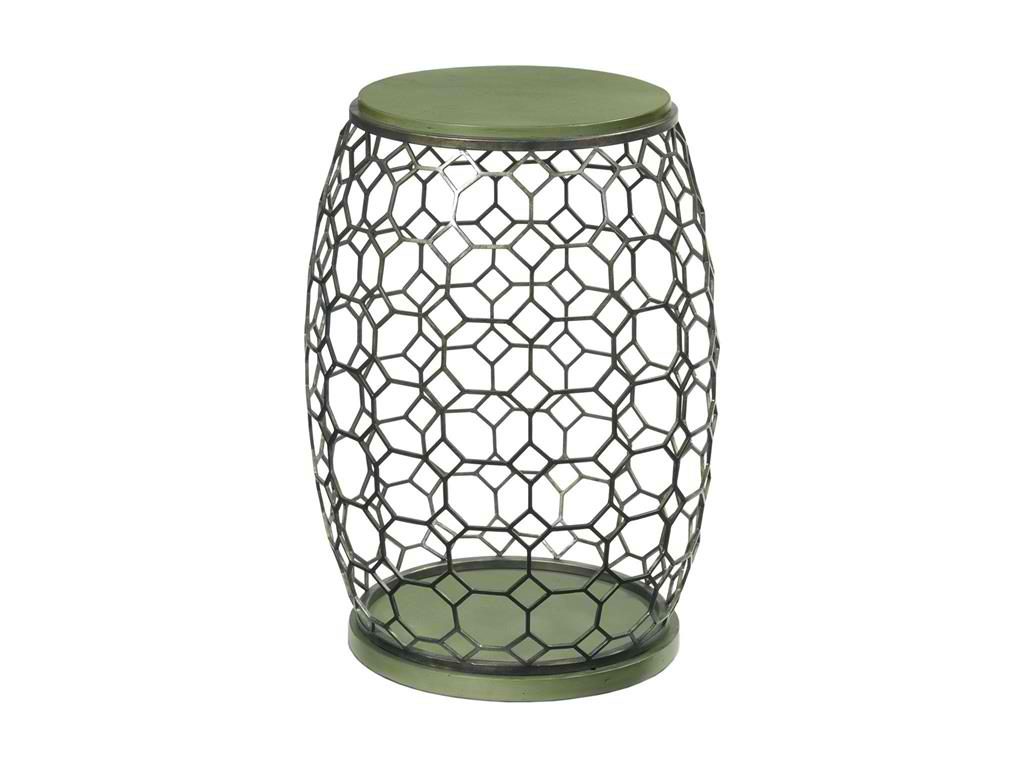
Drexel Heritage Living Room Focal Point Drum Table 640-844
For the past years, there is one decorative accessory that has been creating waves in the world of design. It is a piece that can add luster, texture and color to any space. It can also effectively be used as a room accent or a side table. Say hello to the Chinese garden stool also known as the Chinese drum table.
Chinese Garden Stool History
Very little is known regarding the history of the Chinese drum table. What’s certain is that it came from China and was traditionally used to beautify gardens. This accessory has been used for no less than a thousand years. It is probable that it evolved from the Buddhist tradition wherein natural elements such as rocks or tree stumps were used as seats.
Back in the day, Chinese homes were built around a beautiful courtyard so this emphasis has always been on the landscaping as well as the charming gardens. During the Song Dynasty (960-1279 AD), the Chinese drum table was already being used both indoors and outdoors as casual seats; indoor stools were often portable and made of wood while indoor furniture was made of stone so that it can withstand the harsh elements.
During the Ming Dynasty (starting from the early 17th century), a wide range of decoration was introduced. This included fretwork, pierced motifs and relief décor. A common feature was the simulated nail heads which are often situated on the upper and lower portions of the barrel.
Chinese Garden Stools Today
These days, barrel-shaped ceramic stools adorn both indoors and outdoors. These add a touch of Orient to many living spaces. Some are being used as simple decorative elements while some are quirky additions to an already beautiful place. Some are adorned with glass tops to make the table more of a table.
The uses for this decorative piece are literally almost limitless.
Materials used from the olden days till now are varied – there are stoneware, glazed pieces, wood and stone stools. Porcelain was later used as well as ceramic materials.
Ceramic Chinese garden stools come with simulated nail heads around the barrel’s upper and lower parts. These mimic the ancient wooden drums by the Chinese where the tops and bottoms were fixed and stretched over then affixed by nails.
Here are other ways that you can use a Chinese garden stool –
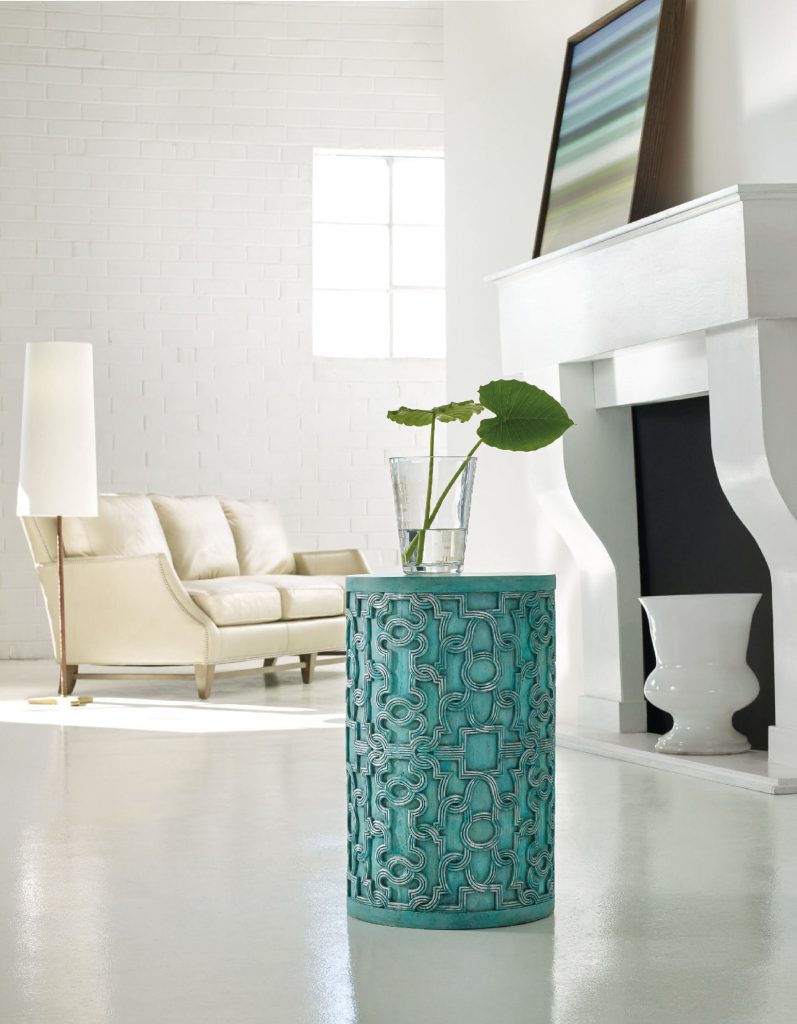
Hooker Furniture Living Room Melange Mia Drum Table
Chinese drum stools are quite stylish and while their name suggests being used in the garden, there are various practical uses for it. Stained and varnished wooden pieces can add an amazing appeal and color inside the living room.
As an end table, the Chinese garden stool is quite common. If you want your setup to be unique, then use metal, slate, glass or wood stools as end tables. Use task lighting for this shorter table. If you love reading, then this is not the correct table to place your reading lamp and stack of books.
Chinese garden stools are best used as chairs because that’s what they are in the first place.
Another interesting way to highlight this decorative item is to use it as an art pedestal. It can rise up the art piece to an ideal viewing height. Of course, take note that there are also art pieces that shouldn’t be viewed at this height. Use the drum stool to showcase ornamental items. Top it with items that create visual interest.
Putting potted plants atop the Chinese garden stool is also a way of showcasing the beautiful, natural element.
Tags: Chinese drum table, Chinese garden stool, history, history of garden stools, McCreerys, tips
Posted in Accents, Accessories, Interior Design 101, Interior Design Elements | No Comments »
Friday, September 16th, 2016
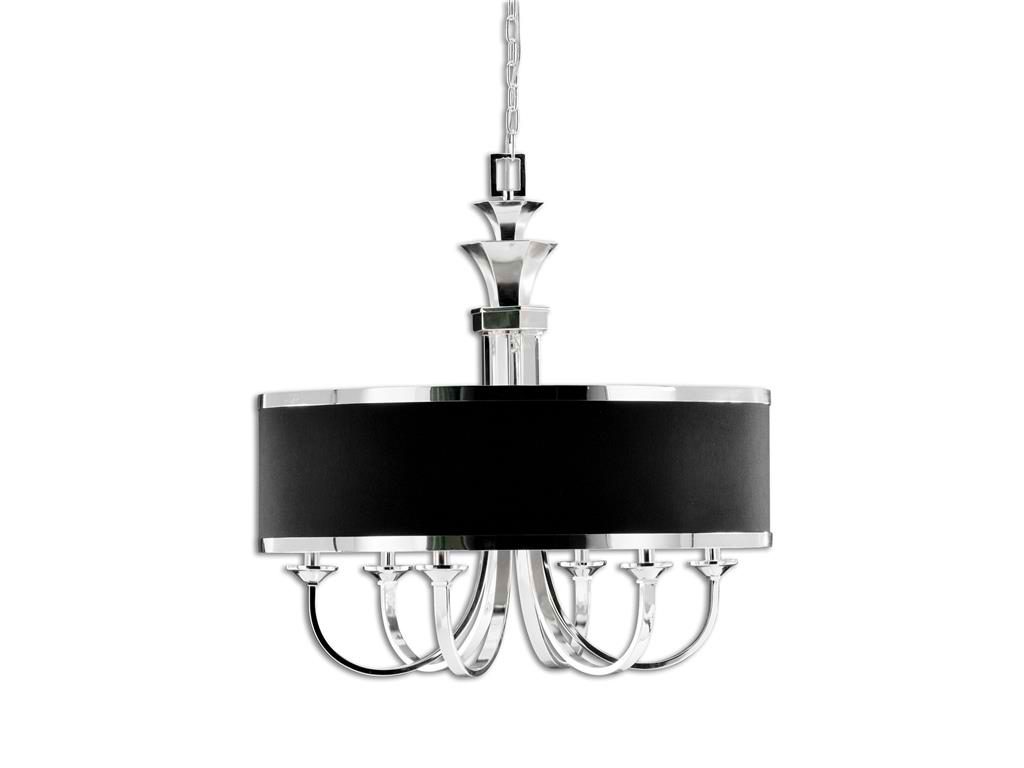
Uttermost Lamps and Lighting Tuxedo, 6-Lt Single Shade Chandelier 21130
The mere mention of the term chandelier makes one think of class and sophistication. This is that ornate lighting fixture which is just as much decoration as it is a lighting source. Most of the ideas from the ancient times still haven’t changed although those that did were marvelously welcomed.
The word chandelier originated from a French term, chandelle, which literally means candle holder. In the beginning that was the original function of this lighting fixture. Historically speaking, the first batch of chandeliers appeared on the 14th century. There were no frills during that time, design-wise. In fact, the chandeliers then were so simple that all it took to design them were two wooden beams that formed a cross. This cross had a spike at its end that held candles.
Structures that needed chandeliers back then were abbeys, churches and other large gathering areas. The cost of chandeliers could only be afforded by the wealthy. These were the only people who were able to buy and maintain such pieces.
After the candle era of the chandelier, it welcomed gas lighting which led to the birth of gasoliers. It was during this time that chandeliers were slowly converted into gas holders rather than candles. This trend continued till the advent of electrical lighting.
But those days are long gone.
Chandelier History Continued
As production and materials greatly improved over time, so did the look and ornate nature of chandeliers. Materials were no longer limited to metal or wood; other options now include glass, crystals, etc. These lighting fixtures are now even considered as art. They are also status symbols; with the more intricate ones seen to be more sophisticated.
Interestingly, chandeliers are now bigger and more extravagant. Most of the time, the emphasis is no longer just on illumination anymore. Lighting designs have become so artistic that form has taken over function many times.
But, once again, those days are slowly coming to an end.
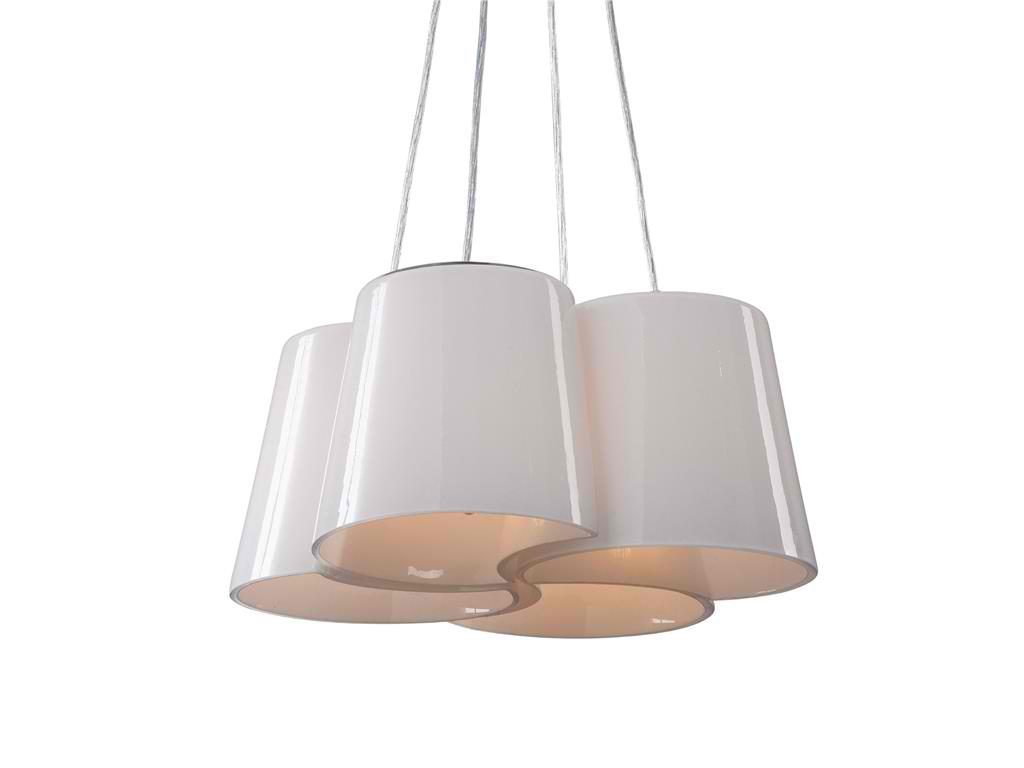
Lamps and Lighting Uttermost Botanic 4 Light Milk Glass Chandelier 21271
Modern Chandeliers
These days, the function over form concept is, once again, being embraced. Rooms are made extra special not solely because of the chandelier’s beauty but more of its achieved function. Modern chandeliers come with the needed lighting for dining rooms, living rooms, even bedrooms. They also still come with that wonderful glow that adds an extra appeal and character in those rooms.
One of the major characteristics of chandeliers these days is versatility. Wherever you place them, they are out to beautify and fulfill their lighting duties.
Modern chandeliers come in different colors, shapes, sizes, styles and patterns. There is also a wide array of materials that you could choose from. Crystals may be the most common design pattern nowadays but one cannot discredit the beauty of glass and metal chandeliers. There are even those that come with faux candles and other such interesting designs.
Home lighting has never been this interesting but just make sure that you get the proper one for your home. Get one that’s too small and it would look like an eye sore there, one that’s totally out of place. Buy a humongous one and you’re left with an overpowering lighting fixture.
Proper sizing is a crucial factor if you don’t want to commit these mistakes. Take the time to measure the height of the ceiling down to the floor. See also if the chandelier is going to be placed above the dining table or the center table in the living room. Make sure that you leave enough room between the furnishings and the chandelier.
Balance is the key to handling the modernized chandelier so be very careful in making your choice.
Tags: accent lighting, ambient lighting, chandelier, designing with chandeliers, general lighting, history, history of chandeliers, home lighting, improving home lighting, interior lighting, lighting types, McCreerys, McCreerys Home Furnishings, tips, types of chandeliers, use of chandeliers
Posted in Interior Design 101, Interior Design Elements, Lighting | No Comments »
Tuesday, September 6th, 2016
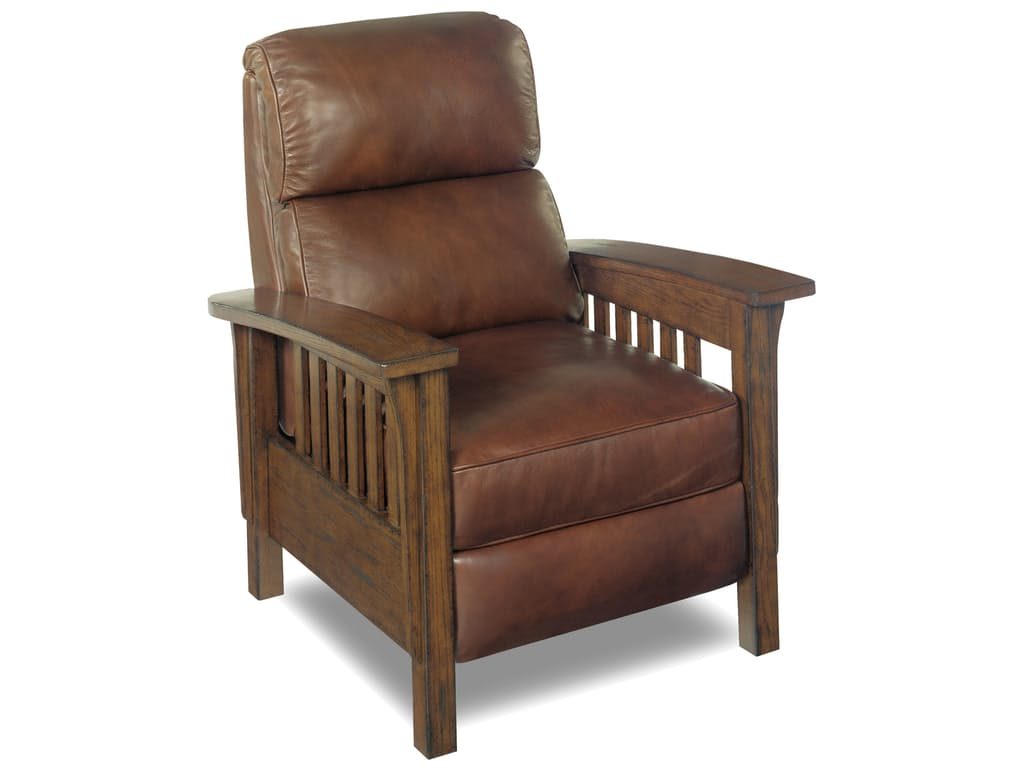
Hooker Furniture Living Room Keepsake Event Recliner features a frame that looks a tad weathered.
Faux finishes are growing more and more popular each year. Exotic and bland finishes have been around for hundreds, even thousands of years. Most of the techniques even date all the way back to the ancient Greek and Egyptian cultures though the best pieces are those crafted by the Renaissance Italians. The Italians were the ones who mastered faux art in the form of stone, wood and metal pieces. Even the most discerning eyes were fooled then. It was in the mid 1900s when European and American craftsmen made the most awesome interior paint effects in both cottage and palatial homes.
The last century and a half didn’t show a lot of new faux art. It was just a few decades ago when specialty paint finishes are being rediscovered. This spelled the availability of faux finishes to everyone. In essence, anyone who can hold a paintbrush can already do the work as there is no limitation to what you can now glaze or paint in your home.
Kinds of Faux Finishes
The first one is known as the antiqued finish. This is the repro of old, weathered look with the use of paint which was specifically manufactured for faux finish purposes. Each mixture of crackle medium, base paint and surface material produces a different result. You can also experiment if you want to achieve a particular color or look.
If you want to achieve this look on a new piece, then try painting the piece with milk paint. This is paint made from clay, natural pigments, lime and milk casein. It is natural so it’s safe to use. It offers a powdery look which can be seen often in many genuine antique pieces.
The next kind is the distressed antique finish. When distressing a piece of furniture, whether a cabinet or a chair, you need to take a good look at the furniture. See how the corners and rungs have been worn or how they have lost their finish. More often than not, repeated handling and touching can wear off the finish. Dings and scuff marks can also happen.
Don’t go shopping for new hardware if you want to achieve this look. You can actually use any tool to mimic the look of a worn out piece. Look for an old canvas bag, fill it up with bolts then beat up your furniture. The bruises and dents you achieve will surely look authentic, you’ll see.
Adding effects is easier if you use a semi-transparent paint glaze right over the base coat. There are different results that you can achieve with the glazing effect. You can have it removed by sponging, ragging or combing.
Apply glaze on base coat using different implements in order to create patterns and textures. You can also let the glaze dry partially before you wipe it off for a rubbed effect. This should resemble a parchment which is great for rustic interiors. Dilute the glaze for color wash then apply with brush.
Another faux finish is called combing. This makes use of the teeth of comb. You can create straight, wavy or zigzag lines according to your preference. All you have to do is to drag the comb through the glaze to achieve a textured effect.
Ragging means using bunched up, lint-free rags. Apply the second coat right over the base.
Sponging makes use of natural sea sponge in applying the glaze on top of the base coat. Other effects like wood graining can be quite challenging. There are also techniques that combine several techniques using brush and different work details.
Lastly, there’s gilding. This is an easy way to add drama or character to accessories in your home. Use metallic colors such as gold, silver or copper leaf and what you achieve is an instant heirloom.
Tags: 18th century, faux finish, finish, finishes 101, furniture finish, history, McCreery's, McCreerys Home Furnishings
Posted in Furniture, Interior Design 101, Interior Design Elements | No Comments »
Friday, August 19th, 2016
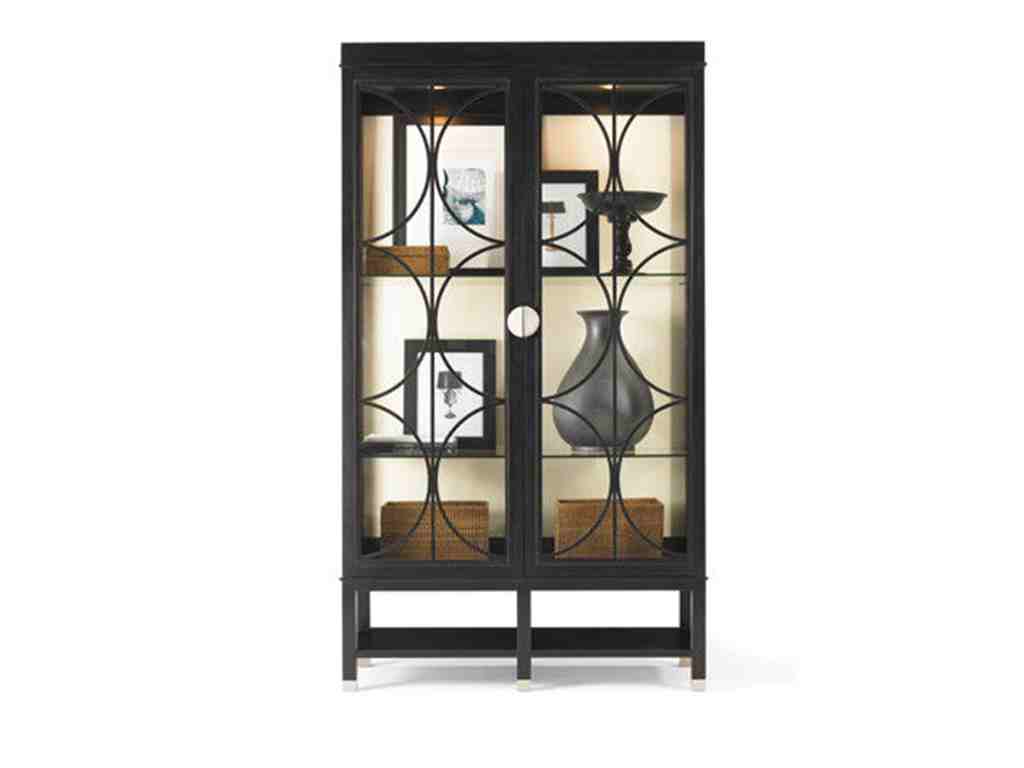
This Hickory White Dining Room Bunching China 650-43 is more decorative as it houses precious collectibles.
China cabinets were initially made by American and European craftsmen. These cabinets are still important creations to this day. These became quite popular that they soon spread roundabout the Atlantic Ocean. If you’re one of those who think that china cabinets came from China, it’s time to seriously reconsider reading this history –
The styles of the china cabinet can be categorized as a new antique. There were first fashioned in England right around the time of William and Mary. This was at the end of the 17th century till the beginning of the 18th century.
The royalties mentioned brought this concept to the Netherlands so they could display the china ware that they so valued. These were dining pieces that were quite popular during that era. Master artisans began their art in Britain and, eventually, shops all over Europe and America opened.
China Cabinet in America
Pretty soon, the china cabinet appeared in New York and in Philadelphia though furniture making was not solely done in those two cities. Historians recorded that Virginia also had a flourishing cabinet industry that even rivaled the Northern cities.
The styles then ranged from Queen Anne, Chippendale to Vernacular. The renowned china cabinets still exist these days. Europeans influenced the U.S. with their own styles, and soon, British, German and French immigrants also brought in their own ideas. Adding more creative European ideas led to a wave of china cabinet styles.
China Cabinet: Today
These days, manufacturers have turned to top brands that are known and respected throughout the world. Majority of these brands have their history rooted in Virginia which was the hub of early furniture craftsmanship. The founding of Stanley Furniture further spurred the growth of china cabinet making.
Learning About China Cabinet
Whether it is referred to as a hutch or china cabinet, the function of this piece of art is the same – it is a stylish organizer for the kitchen or dining areas. With this huge yet lovely piece comes a chance for you to store your chinaware and other collectibles.
Maybe you love edgy or modern or you could be a huge fan of vintage, whatever you wish to prefer, it is crucial that you know how to style, pack and tidy up inside this lovely cabinet. ‘Wanna know what else you can use the china cabinet for?
Marriage Exhibited
Most people just want to show off their chinaware inside the china cabinet. Very few would venture off to other purposes. How about putting all your wedding memorabilia inside this lovely cabinet? You can have them stored for mere safekeeping or to have them displayed for everyone to cherish.
Match and Match Yet Again
At times, the best china cabinet can be used to transform the general look of the room. You can stuff it with lovely décor that matches the rest of the room that the cabinet is in. Doing this will create a sense of liveliness that is difficult to achieve.
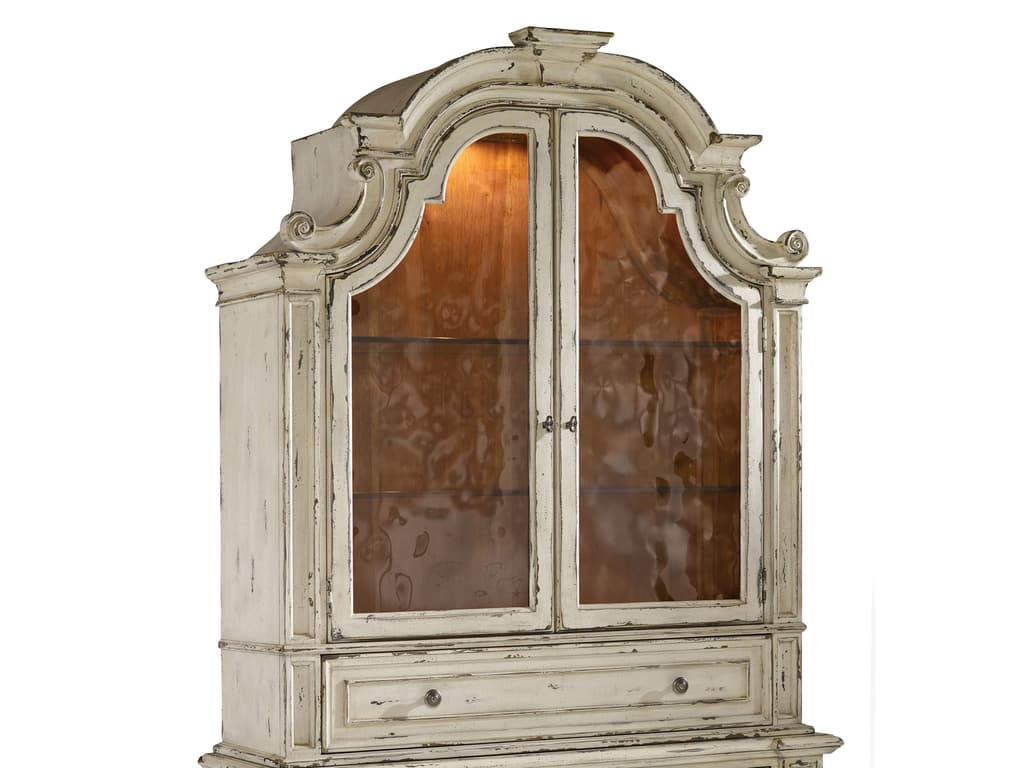
Hooker Furniture Dining Room Sanctuary Dining Cabinet Hutch.
And All Other Extras
At times, there is extra stuff that needs a home while they are not being used. The china cabinet can hide these pieces away till the time that they are going to be used again. You could also create a crafting corner or a unique bar.
Not a lot of people think of the china cabinet as a miniature closet. This can also become a delicate wardrobe for you or a loved one. This is also a fantastic way to store household linens.
‘Tired of having bookshelves used for books? Then rearrange your book collection into its new home – your china cabinet.
Using the china cabinet on all of these occasions is surely a classy way to finish the job of beautifying your home.
Tags: china cabinet, china cabinet history, decorating a china cabinet, history, McCreerys, McCreerys Home Furnishings, mixing and matching furniture
Posted in Dining Room Design, Furniture, Interior Design 101, Interior Design Elements, Kitchen Design | No Comments »
Wednesday, August 17th, 2016
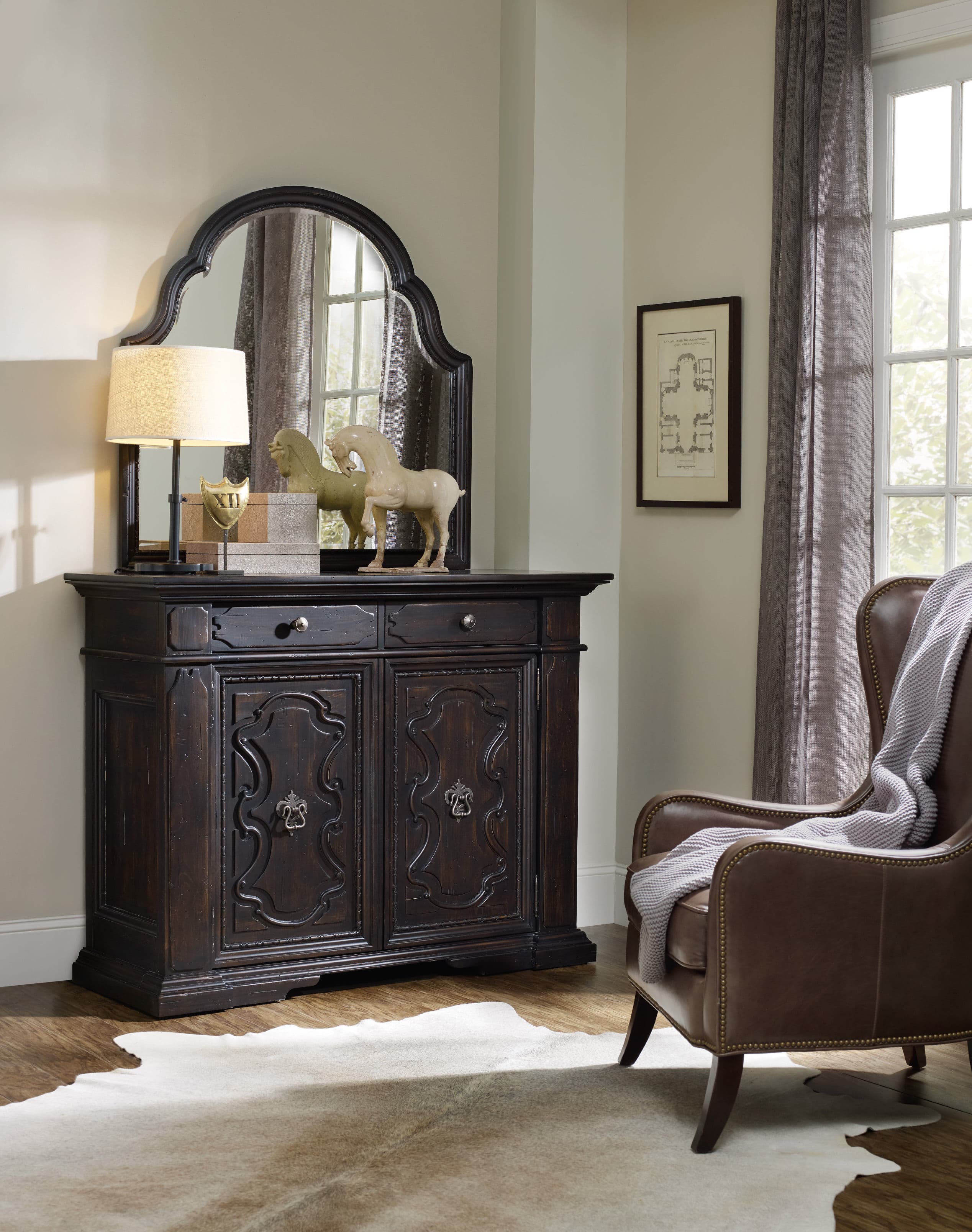
Hooker Furniture Bedroom Treviso Bureau
Wood carving has been around long enough to be considered as old as man. Man has always been fascinated in carving wood. There are records of wooden tools being used by some of the earliest known men.
Wood has been used as a walking stick and even as a club. A rock tied to a wooden stick can already be used as a hammer. Woodcarving probably began as a pastime and so the history of furniture woodcarving was finally born.
Woodcarving – A Glimpse at History
Wood is one of the materials that are guaranteed to withstand the test of time so long as you know how to take care of them. Woodcarvings should be protected if you want them to endure.
When compared with sculptures or stone carvings, woodcarvings need more protection and care. Wood must be protected against insects and the harsh elements. There are regions where conditions are more favorable to furniture with woodcarving. An example of this perfect weather condition is in Egypt.
Wood is plentiful in Egypt. Acacia and Sycamore were both scarcely available there yet the people used them for woodcarving. These two are the most suitable wood that they could use and are even considered sacred. Almost every nation in the world practices woodcarving yet the beauty of preserved carvings were explicitly preserved in Egypt.
The Bible – the most read book in the world – even records woodcarving in many of its accounts.
The Dark Ages recorded woodcarving being both popular and unpopular. European nations confined woodcarving to monasteries. It was believed that the monasteries were the only safe places to practice this work of art.
Barbaric acts have been widely practiced during these times. From 700-900 A.D., the creation of images were forbidden in a few parts of Europe. Such images included paintings and woodcarvings.
Woodcarving was done by artists who copied Roman pagan emblems, symbols and sculptures. Majority of these artists went to other parts of Europe so that they could be employed by monasteries that were looking for craftsmen.
Woodcarving done in monasteries composed of relief carvings found on wooden panels and doors. These were quite similar from one monastery to the next. This only means that the carvers traveled from one monastery to the next as they practiced their trade.
After the Dark Ages, thousands of artists were freed and they began to create more carvings. Woodcarvers were highly influenced by the stone carvings. This was also the case with English carvings though theirs were more on decorative carvings rather than statues. Carvings were also found in Norway and Denmark.
Hundreds of years later, Scandinavian woodcarving artists were also influenced by the stone carvings from England. Visit Old English churches and you would surely find carvings done between 1000-1200 A.D. The carvings were protected from harsh elements which was why they were able to survive to this day.
A lot of wood carvings have been destroyed because of neglect, some intentionally and some by acts against churches and wars. The replacement of old carvings eventually erased what were originally found in those chapels. These improvements now conceal the beauty of the original works.
Centuries have since passed and woodcarvings have undergone a lot of changes. Man is no longer just carving with a single knife but has full access to the best carving tools. While changes have occurred through the centuries, woodcarving hasn’t died. For as long as there is wood, there would always be wood carvings.
Many other records from different nations show how woodcarvings have developed through the years. Look around you; there are also woodcarvings in furniture. Bring home one today!
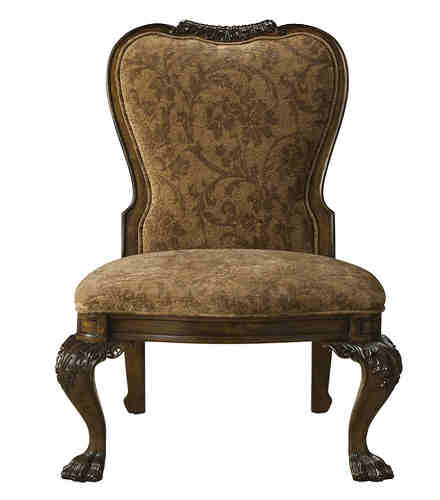
This lovely piece comes from FFDM’s Belvedere Collection.
Tags: carving, furniture woodcarving, history, history of wood carvings, McCreerys, McCreerys Home Furnishings, wood, wood elements, woodcarving, woodcarving on furniture, wooden, wooden elements
Posted in Furniture, Interior Design 101, Interior Design Elements | No Comments »
Thursday, July 21st, 2016
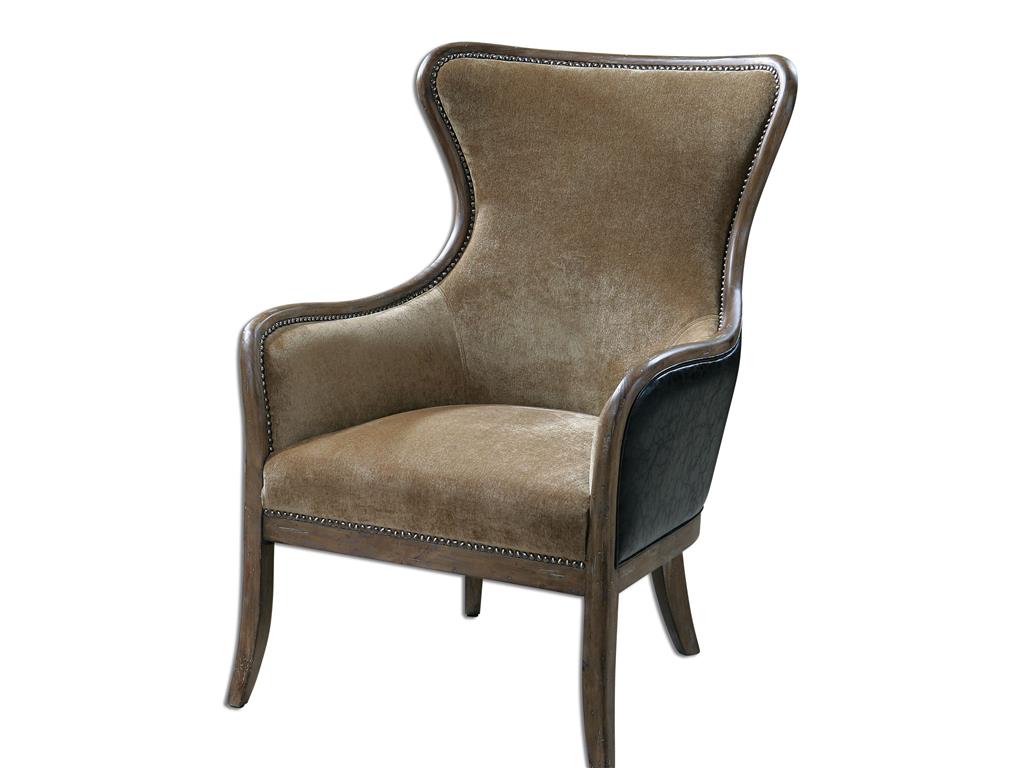
Living Room Uttermost Snowden Tan Wing Chair 23158
There is an ever-growing trend on velvet interiors lately. There are many beautifully-designed places – some are even featured in interior design magazines – where this lovely material is used. Using velvet as a replacement for any other material can surely be considered an upgrade. Before you set out and find furniture pieces clothes in this classy material, you might as well learn its history to appreciate it more.
Velvet and Its Rich History
Velvet, believe it or not, has been around for thousands of years. Different nations have used it for different cultural reasons, through the centuries. Velvet is a highly-valued material that was equated to power, wealth and royalty.
The modern world now has manufacturing methods that made velvet available to everyone. Thanks to the expertise of Englishman Edmund Cartwright who made the power loom in 1785. In our day, velvet is known to be more versatile than the type that ancient people used.
What’s great about this textile is that it will never go out of style. Imagine this material lasting through the early Renaissance, to the early Asian palace dwellers, all the way to Belgium which became a major producer of velvet during the 1500s.
Silk Velvet
This kind of velvet has a signature sheen and it is also soft to touch. One touch and you know you’re feeling a luxurious material. Use this material in areas that have light traffic only. Take note of this as it is keen on revealing the pressures that it goes through. Highly-exposed silk velvet will end up with a lot of marks and creases so limit it to rooms such as the bedroom.
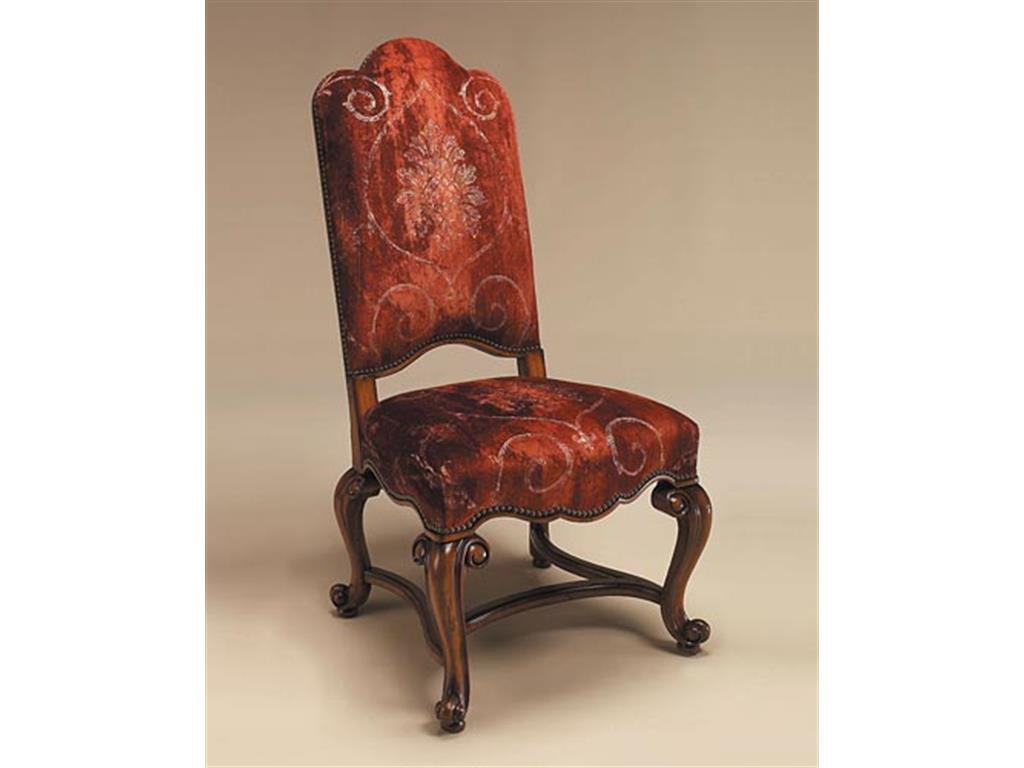
Maitland-Smith Dining Room Hand Carved Side Chair 4030-621
Linen Velvet
In contrast to the first type, linen velvet is more matte, hence, it has a shorter pile. It even feels drier when you touch it. It is easy to detect this kind of velvet; just look for that subtle strie and you know you’ve found one. This is not a defect, rather, a natural result of not being able to spin uniform-gauge yarn.
Here’s a tip, if you want to know the fiber content of a fabric, then be sure to read the showroom tags. The first item is often the face fiber while the second one is the ground fiber.
Cotton Velvet
This is considered as a tufted fabric. It is plain-woven with the pile and has about three millimeters of surface fiber length.
Cotton velvet may not be easy to clean, it even absorbs dyes well, but it is a thing of beauty if you know how to take care of it.
Nowadays, modern cotton velvet contains polyester fibers which make the fabric more resistant to wearing and tearing.
There may be dye-lot issues so ask for the showroom staff to order you swatches of the present dye lot. You would be surprised that velvet color may look different in the store than when you bring the actual swatches in your home.
Wool Velvet
Coziness and warmth are two of the elements that make velvet stunning. Wool velvet is a durable upholstery for those wintry months. This will feel hot during the summer season, though, so use a slipcover during the warmer seasons. Just make sure that the slipcover is loose, though, as it may ruin the nap if it’s too tight.
Mohair Velvet
This is a kind of wooly, soft fabric made from the silky hair of an Angora goat. And, nope, this is not the same as the Angora rabbit wool. If you want to cover your headboard or sofa with mohair, then be sure that you are really decided. This material could last for a very, very long time.
Tags: design textures, history, McCreerys, McCreerys Home Furnishings, texture in interior design, textures, tips, velvet, velvet design, velvet designs, velvet furniture, velvet history, velvet in interior design, velvet pieces, velvet styles
Posted in Accents, Interior Design 101, Interior Design Elements | No Comments »
Thursday, July 14th, 2016
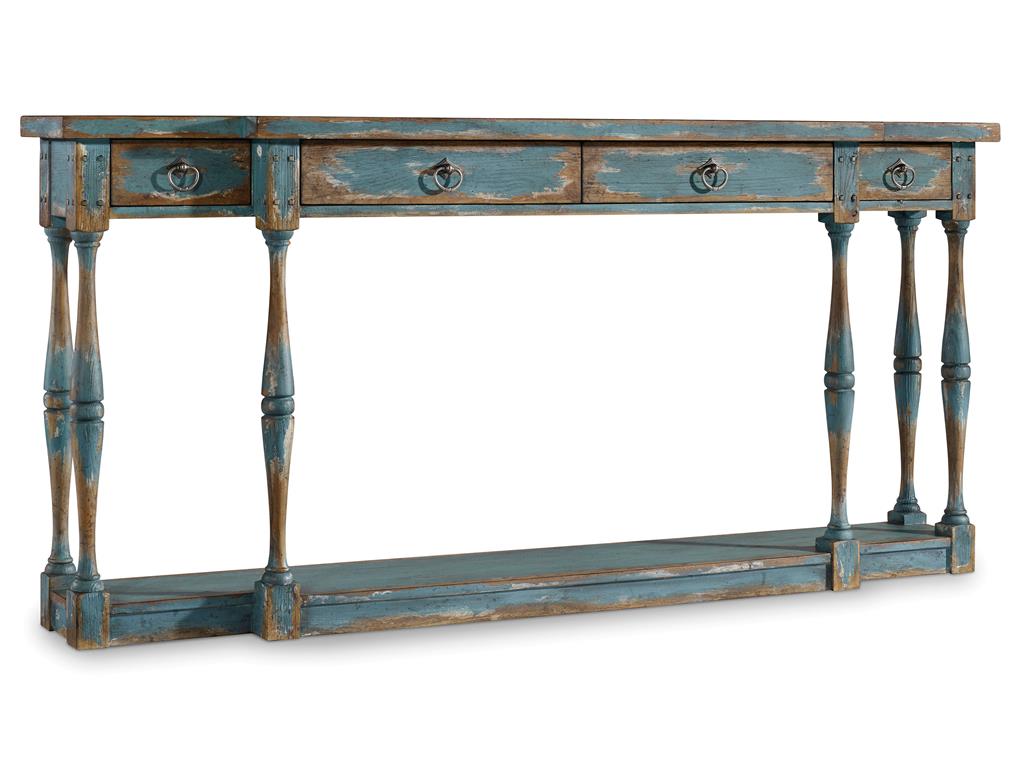
The Hooker Furniture Living Room Sanctuary Four-Drawer Thin Console may appear distressed but it also offers a bluish hint. This makes it unique.
Many designers have been approached by clients and asked if they can create a French style for their house. This may not be the correct term to use but if you ask enough, you would then learn that what clients mean are whitewashed furniture, candleholders, lanterns, chandeliers, white lace and linen towels. Silver trays work, too.
Apparently, French style actually means French provincial or shabby chic. Some can even see elements of this style inside French homes. So, what makes a home essentially French?
A Little Geography Lesson
Each region in France comes with its own identity and style. There are also different decorative materials and building structures. These give the regions their own distinctiveness along with a unique regional culture that is too hard to ignore.
Don’t think of Versailles as the capital of everything that’s French. This could prove to be true if you were living in the time of King Louis XIV. His was an era of royal debauchery and the excesses the monarchs had unsurprisingly led to their downfall.
If you’re thinking of going French then you have to learn to do things in moderation. Being excessive like Louis XV is not going French. In fact, moderation is the very concept of French style. Use deliberate designs but not in such a way that they are no longer discreet. The features must look effortless.
Even children’s bedrooms that are done in French style should be minimalist. The color palette should be simple and the rest of the space, clean.
Aim for Harmony, Not Luxury
Almost all French people don’t like vulgarity and garishness. To them, what’s elegant and beautiful are those that have zero glitz, shine, travertine, gold brocade, polished mahogany or fine silk. The lesson here is, for as long as the design elements feel right to you, then they’re just that – they’re right for you.
Materials that are good for French style are wood, terra cotta, stone, plaster, iron and steel. You should consider using prewashed linen because it is soft but has creases, it’s never perfect but it feels just right.
All’s Not White
French people don’t live in an all-white home. While many people believe that white is the fundamental color of anything French, this isn’t the case at all. French people actually feel that this color is too impersonal.
If you want to do it the authentic way, then you’d have to settle for neutrals. The French palette is all about being subtle so use a lot of gray, beige, light blue, black, taupe, brown, or sage. The patterns have to be discreet just like the rest of the design elements.
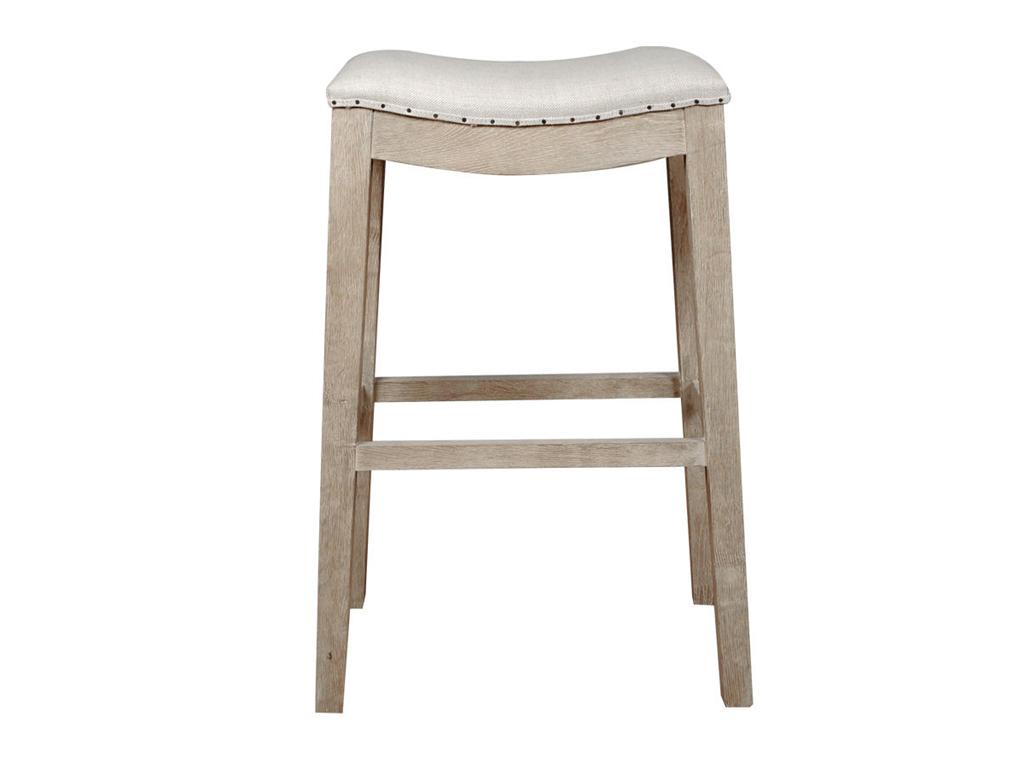
Orient Express Furniture Bar and Game Room Harper Barstool – Stone Wash Bisque French Linen 6415-BSUP.SW BIS
French Can Be Colorful, Too
When you have to use color, then you’ll have to embrace the vibrant hues that tend to make a statement. Make sure that you keep it simple, though. Use no more than dual colors since having too many colors in a room is just wrong.
Since French homes tend to be small, they use color in order to maximize space or to define zones. A one-room apartment, for instance, would do well to reduce its clutter and to have small cabinetry and accent colors in lime green, peacock blue, terracotta orange, red, hot pink or mustard yellow.
French Is Eclectic
If you’re also thinking that going French also means being traditional, then you’re wrong again. Instead, you’d have to embrace eclecticism. This is because the French have undergone evolving civilizations; hence, there isn’t a single French identity. So go ahead and mix styles and eras and you don’t even need to apologize for that.
The French has a complex history so if you try to sum it all up in one box, then you’re going the wrong way. While you can use whitewashed furnishings, you are also welcome to use anything rustic.
Tags: French, French design, French design elements, French furnishings, French interior design, French interiors, history, McCreerys, McCreerys Home Furnishings, tips
Posted in Interior Design 101, Interior Design Themes | No Comments »
Monday, July 4th, 2016
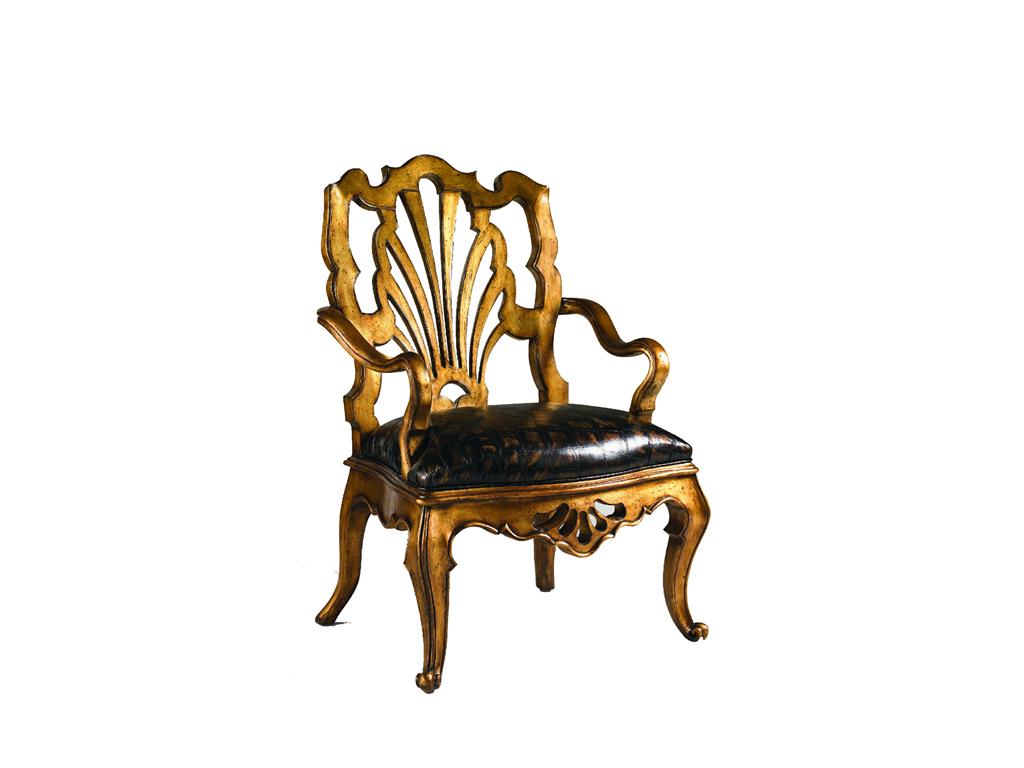
Lexington Living Room Rangoon Chair 4011-1092-956771
Baroque furniture was the latest in furniture fashion in the late 17th century. The likes of Francesco Borromini and Gianlorenzo Bernini were famous architects that made baroque more innovative. It was during the last quarter of that century showed a lot of changes in terms of design. Scroll patterns and caryatids were presented for the world’s perusal. These designs were unique because they made use of the female figure along with spiral and scroll-shaped legs. By the end of that century, baroque architecture showed curved fronts on chests and wardrobes.
French Baroque
One of the most luxurious furniture pieces of baroque was handcrafted for Louis XIV, King of France. These lovely pieces were created by no less than André Charles Boulle. He combined exotic forms embellished with inlays created with tortoise shell, metals, and ebony. These pieces had gilded columnar legs which supported chairs, tables and chests. These gilded carvings seemed like imported Roman fresco.
French baroque means the artist spent a great deal of time on the furniture piece’s workmanship.
English/American Baroque
During the reign of William and Mary, baroque design on furniture also reigned supreme. The pieces there were greatly gilded in order to show the wealth that ancient England had.
In America, master craftsmen used Tudor and Elizabethan basics inspired the designs of the Pilgrim style often made from oak. This style was simple yet exquisitely designed by famous designers. The baroque design jumpstarted the evolution of furniture from ornate carvings to minute-details on the same materials used.
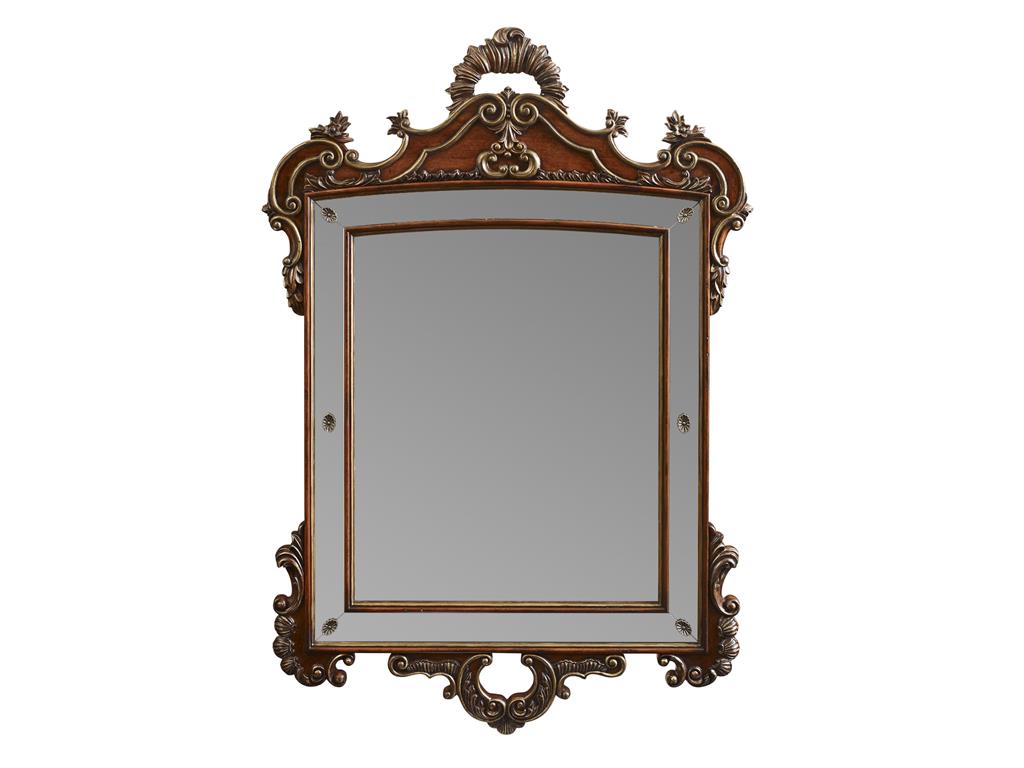
Fine Furniture Design Accessories Mirror 1160-953
Ornamentally Baroque
Baroque style became ornamental by the 17th and 18th centuries. Though this is the case, it has been making a comeback into many modern homes as of late. The baroque of today is less fussy, though. It is so simple that minimalists can even use them.
The designers of today know that baroque style has the following elements – jewel tones ornate mirrors, gilded finishes, opulent moldings, curvy lines, and the most intricate architectural details. The elegance of marble is also often used by pairing it with contemporary elements.
Mixed Baroque
Baroque elements can be combined to create a balance among different time periods. For instance, you can fuse antique Louis XV lantern with ornate console table and curved ironwork.
A home office can also become more interesting if you use metallic wallpaper as a backdrop to an interesting art piece. Italian glass chandelier can also be used to balance a modern desk lamp and a modular credenza.
The Baroque Focal Point and Accents
Use an ornate island chandelier as the central element inside your kitchen. Light cabinetry and backsplash will make this same kitchen look more updated.
If you’re not keen into jumping on the baroque bandwagon, then you can just use baroque inspirations such as crown moldings and cornices. Add gilded touches onto your ceiling right on the areas that you designated as the sitting room. Plush upholstery and soft colors can tone down the intricate elements.
Rococo: Born From Baroque
You can actually play with baroque elements. A rustic bathroom fuses tramp art with baroque. Use a Rococo-form mirror framed in wood and bottle caps.
Rococo was born from the Baroque movement and is also referred to as Late Baroque.
Juxtaposition in Baroque
Light, neutral colors, dark and black woods can all be married to produce a new traditionalist theme. Don’t limit yourself to the usual church exterior mode where baroque’s distinctive elements show complex features. Ceilings are often decorated with images while plant motifs are used on walls.
Use baroque design as an inspiration to your shabby chic, bohemian, traditional and even modern settings.
Tags: baroque, Baroque design, baroque furniture, baroque furniture history, history, McCreerys, McCreerys Home Furnishings
Posted in Furniture, Interior Design 101, Interior Design Themes | No Comments »
Sunday, June 26th, 2016
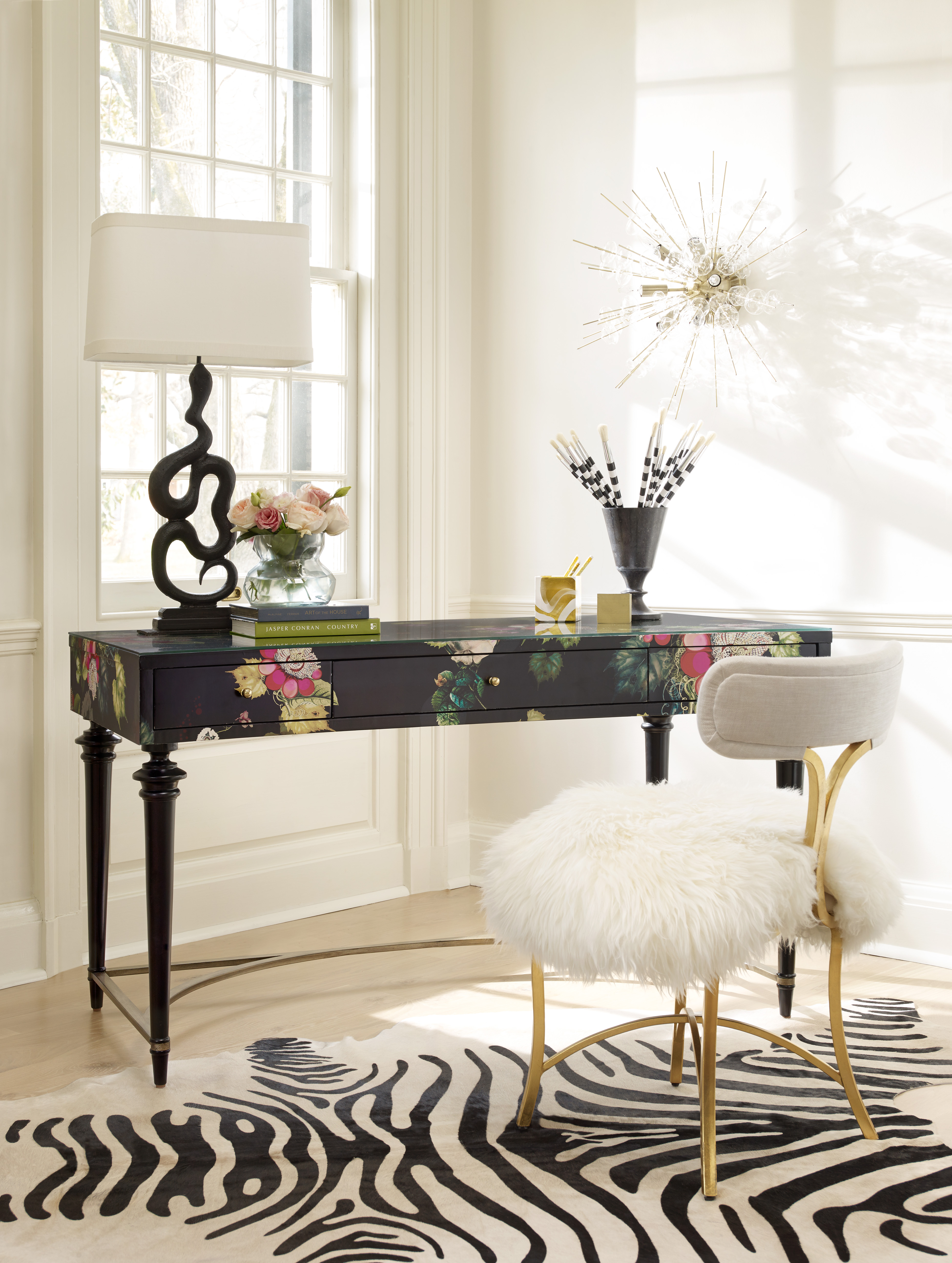
1586-10458A-MULTI2 Fleur de Glee Writing Desk 1586-75410D-GLD6 Swanson Upholstered Metal Side Chair
Did you really think that animal prints are limited to that bear rug on your floor? There is so much more to animal prints that can make your interiors more fabulous. What’s amazing about ‘em is that you don’t even have to alter the entire room. From textiles to furniture, even the simplest accessories, the most vibrant animal prints are sure to make them all leap to life. So it’s time to rethink your everyday, ho-hum décor and start using some animal prints.
Animal Print History
Animal skins and prints are known to convey power and confidence. Fabrics with colors and patterns that imitate the animal skin first became fashionable in the 18th century. The dresses during that time were intertwined with silk and lace in order to evoke wealth and luxury.
By the 1930s, fashion showed a lot of cheetah and leopard prints on coats, blouses and scarves mainly because the Tarzan and Jane sensation was ongoing then.
Animal motif is also considered erotic as it is a kind of fashion that attracts others. This is a kind of fashion that desires to be noticed. Just imagine the head-turning prints that you see on animal designs and you’d know why some people are hesitant to use them.
Animal Prints as the Focal Point
If you find joy in having big and bold décor, then you would surely like having animal prints. Use anything from large zebra stripes, giraffe prints to tiger area rugs. Just make sure that you keep them subdued else they would easily overpower the existing design or could make the eyes overly busy.
Marry the solids and contrasting colors in order to balance the bold nature of animal prints. A great place to start is the pillows, ottomans and side chairs.
Animal Prints and Sophistication
If you’re a bit worried that your living room would begin looking like an African safari, then learn to tie the furnishings with some kind of art. Take a cue from animal print photographs, paintings, even modern sculpture. Find time to visit décor stores that offer a wide selection of arts and craft.
Monochrome…Or Not
Monochrome often comes in boring white and black. If you want to veer away from the usual stark and boring monochromatic scheme, then use zebra prints to give the room a bit more of activity. You can also use cheetah or jaguar prints to envelop the area. These exciting prints can be used on the flooring, walls and also on the window treatments.
Fusion of Prints
Polka dots, stripes, and animal prints can be mixed, too. The trick behind their fusion is to unite them with a base color that’s common to all of them. Small prints are way better to use if you want to combine so as they won’t be too large to disrupt the eyes.
Mix the solids, patterns and prints then unite them on a single color anchor. If you are not that comfortable in matching or mixing many different patterns and colors, then get one piece at a time then grow the room accordingly.
Animal prints can be versatile, just don’t be afraid to use ‘em.
Animal Prints Are Chic
You can also design your home using beautiful touches of animal print styles. If you are a huge fan of zebra prints, then add it as an area rug in your living room. These prints are also now being used on curtains, chairs, bedding, and many others.
Zebra chairs are quite stylish as they pop in a room. Complete the look of your home with zebra cushions, zebra bedding, zebra runner, and many more.
With all these suggestions, aren’t you just aching to start using animal prints soon?
Tags: animal print, cheetah print, history, McCreerys, McCreerys Home Furnishings, patterns, tiger print, tips, zebra print
Posted in Accents, Interior Design 101, Interior Design Elements, Interior Design Themes | No Comments »
Follow us on our social media


© McCreery's Home Furnishings | All Rights Reserved | Privacy Policy
