- Follow us:


Thursday, April 28th, 2016
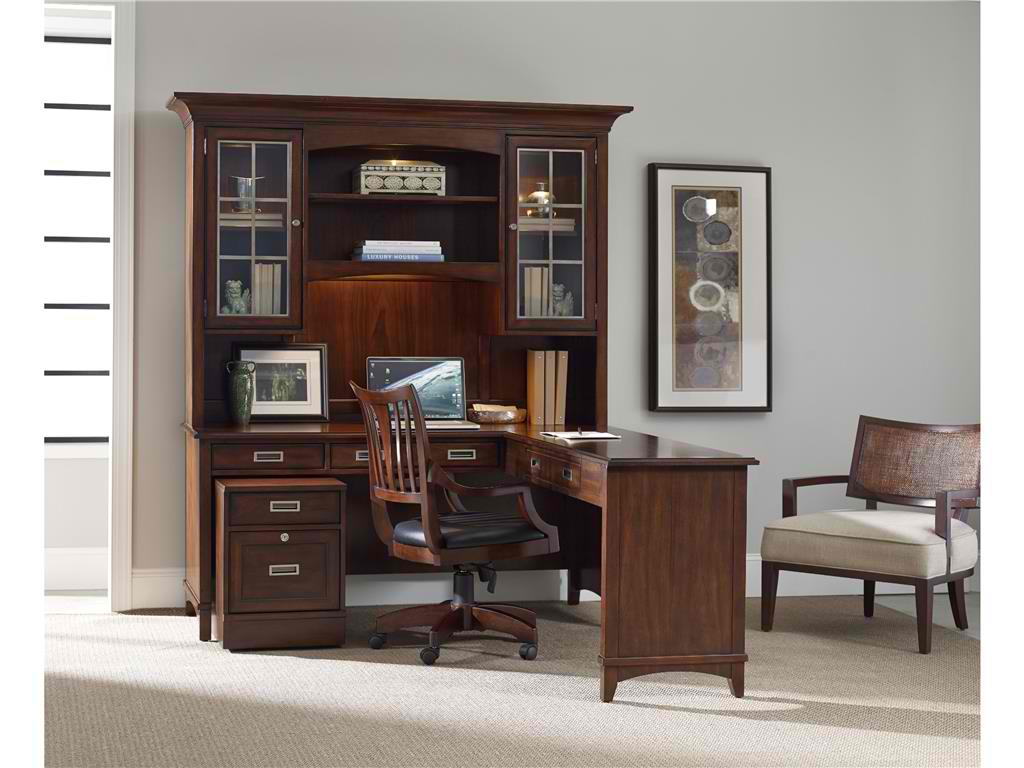
Hooker Furniture Home Office. Latitude Modular Group
What is transitional design? This is known as a design that is just right. It is not too formal, yet not too casual. It is also comfortable even while offering clean profiles. Transitional design also spells understated colors and the modern look. The result is a streamlined yet gracious space that’s right about in the middle.
Transitional design works because it is a look that’s familiar. If you try to browse home design magazines, you would be surprised that more than half of the featured homes there are transitional.
Transitional design is much like a world that lies between two dimensions. You have the leeway to find something fresh yet not straying from the proverbial.
Transitional also means being able to balance the traditional with the modern. The beauty of it is that you can mix a dash of other styles so long as they do not stray from the tailored setup.
If you love everything that is natural, then you will love the look that transitional design offers.
Defining Tone-on-Tone
Transitional design isn’t for color junkies, though. The palette that rules is – warm neutrals. So it’s time to use a lot of taupe, cream, khaki, tan, and gray. You can have a hint of espresso or chocolate here and there.
In essence, the brown palette reigns supreme. Keep patterns to a bare minimum. Say no to the punchy look of florals and Pucci prints.
If you think that you can’t live without bright colors, then be strategic in using transitional palette. Use bright turquoise, for instance, with coral in an interesting piece of artwork.
Use a pair of lamps or some throw pillows to add a bit of color inside a transitional home.
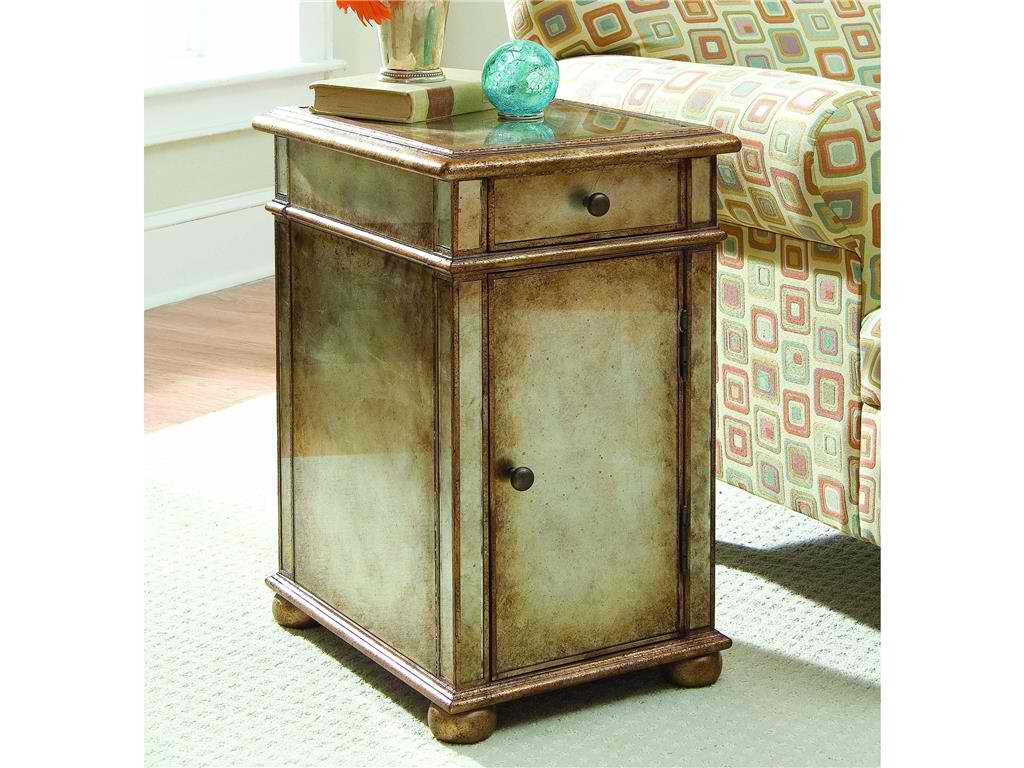
Hooker Furniture Living Room One-Door One-Drawer Antique Mirror Chest is a transitional chest with gold/silver metallic paint.
Monochrome Is In
The living area can be monochromatic though not boring. The furniture that you choose should be able to carry the space. There must be some patterns on the curtains and the coffee table’s grain can break the monotony of neutrals.
Wide windows also provide a bright source of light. If you want shading, then use light shades on the rug, walls and upholstery.
Neutral flooring plays a huge role in transitional rooms. Don’t think too much about the materials that you would use but more of the colors. Go with natural woods, tiles, stone, and carpeting. Transitional palette is a subtle palette. You can combine various floor surfaces, though.
A muted stone tile can be used in bathrooms. Carrying it up the walls can give it a more noticeable presence.
Basic Silhouettes
Furnishings for transitional homes offer crisp looks. They should be pretty straightforward. You will never be able to see a hint of baroque in any of the design elements. Rigid lines and the gentlest curves create energy.
Older furniture styles don’t have to be completely snubbed, though. You can use the more updated versions like a modern chair. Use large scales to make the place more inviting and comfortable. You would want the guests to feel relaxed.
Add Textures
You cannot rely on colors to create the needed punch in a transitional home. Texture can rise to the challenge. Fabrics that you use are coarse, made of natural fibers, shiny or matte finishes. You can also combine these elements for layering.
Think of burlap, leather, sisal, rattan, chenille, and others. Any materials that are tactile would be suitable for a transitional home.
Add some beaded board right up the ceiling and place a rattan chair right by a wooden desk to complete the look. Limit your accessories while still creating some impact. This is especially useful in a style that says no to frills.
Tags: McCreerys, McCreerys Home Furnishings, mixing and matching furniture, mixing designs, mixing style, monochromatic color palette, monochromatic color scheme, monochrome, monochrome color palette, monochrome design, monochrome interiors, monochrome palette, texture in interior design, textures, transitional design, transitional interior design, transitional style, transitional theme
Posted in Interior Design 101, Interior Design Elements, Interior Design Themes | No Comments »
Thursday, February 11th, 2016
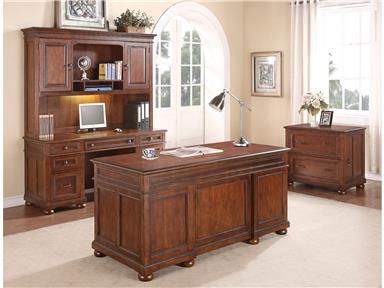
Flexsteel Home Office Lateral File Cabinet W1209-716
Have you been searching for the look that would be most suitable for your home? If you want a look that is just right, one that is not too formal, fussy, warm or comfortable; one that is not traditional or contemporary, then what you want is the transitional look. Transitional interior design is streamlined spaces that harmonize all the design elements.
Transitional interior design works because it is what’s featured in many interior design magazines. Take a closer look at those photos and you will notice how you will get the best of both worlds – the old and the new.
Transitional interiors do not stray from what you have been familiar with. You actually have the leeway to freshen the look of your home according to your tastes. You can also update indefinitely if you want to reflect the interior design trends. As seasons pass, the design will also age, eventually, you will start to enjoy the timelessness that your home offers.
Transitional interior design is all about achieving the balance between traditional and contemporary. Sometimes, this is not the case. You can also mix and match a few pieces coming from other interior design themes. This is as long as they do not detract from the tailored setup.
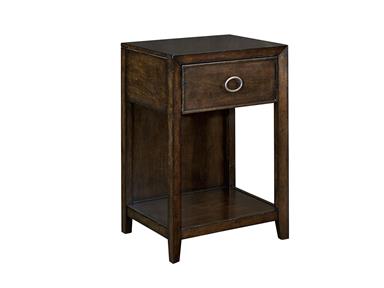
Fine Furniture Design Bedroom Arcadia Nightstand 1520-100
Transitional Is Updated Classic
Also known as updated classic, you are sure to love this theme if you are a diplomat. You can use some statement accessories as the transitional look is one that suits color junkies.
Warm neutrals are the ruling hues for this style so go ahead and use taupe, cream, khaki, tan or gray. A hint of espresso or chocolate is also welcome. There should be an understatement of patterns. Do not use huge florals and bold prints.
If you are one person who cannot imagine a world without bright colors, then make sure that you use these hues strategically. Accents can have bright colors as can lamps, artworks and throw pillows.
Monochrome is never boring when used in a transitional setting. When used, though, make sure that you invest in strong furniture, patterned curtains, and wooden pieces. These are pieces that can effectively break up the neutrality of your chosen color palette.
Wide windows can offer ample lighting. Find lighting fixtures that can highlight special upholstery, walls and rugs. Transitional furnishings come with straightforward designs and crisp profiles. Say no to baroque finish, instead, find gentle curves that offer subtle energy.
Updated versions of furniture can be used together with the older sets. Use scales that are big enough. Make sure the cushions are inviting and comfortable. You would want your guests to relax and just flop down once you invite them over.
Clean lines are your new best friend when trying to embrace the transitional look. Shapely armchairs can balance a simple sofa. Round ottoman or a round table can be the perfect circular motif in a living room.
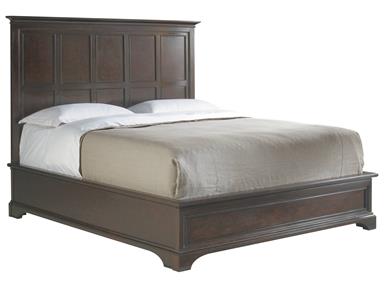
Stanley Furniture Bedroom Panel Bed 042-13-45
Transitional Flooring
Flooring is a crucial backdrop in all transitional rooms. Forget about the materials and concentrate more on the colors. You can use stone, natural wood, tile, or carpeting. You have the freedom to mix different floor surfaces in your home.
Since color cannot be relied upon in punching up the flooring or even the rest of your transitional space, the be sure to take note of the textures that you bring in. Use natural fibers, woven fabrics, shiny and matte finishes. Think also of chenille, burlap, sisal, leather and rattan. These are materials with tactile beauty which will fit just right in. Do not go overboard, though. Layer these materials effectively and you will see your home come to life.
Tags: classic, classic design, classic interior design, classic interiors, McCreerys, McCreerys Home Furnishings, transitional, transitional interior design, transitional interiors
Posted in Interior Design 101, Interior Design Themes | No Comments »
Follow us on our social media


© McCreery's Home Furnishings | All Rights Reserved | Privacy Policy
