- Follow us:


Tuesday, September 6th, 2016
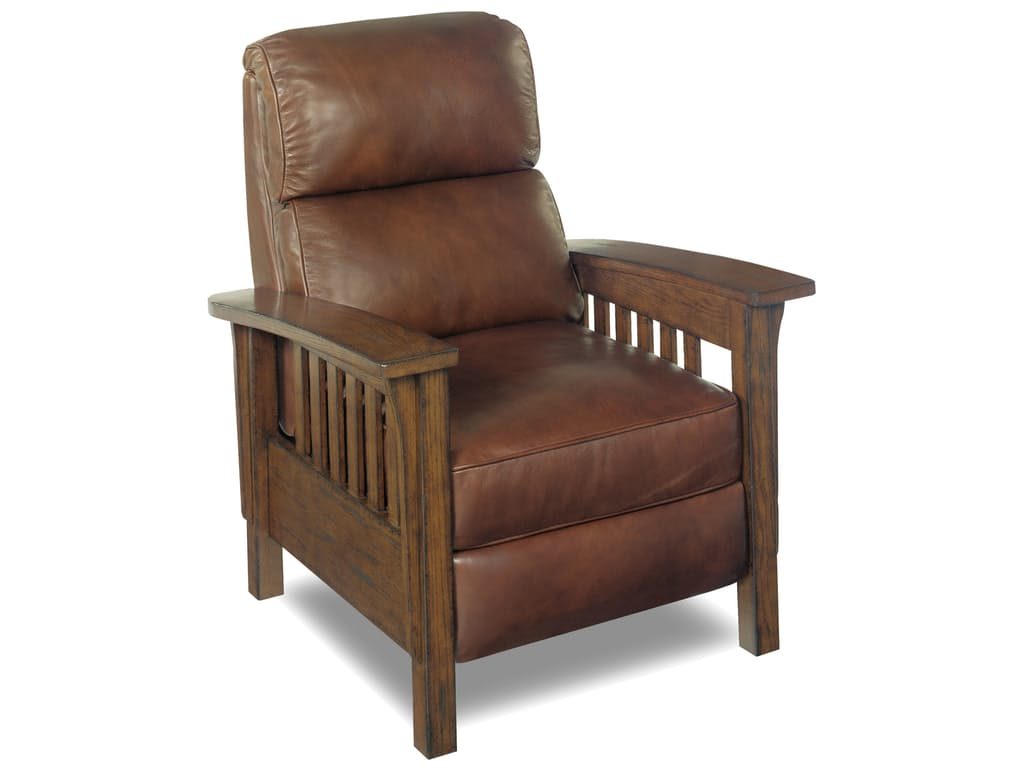
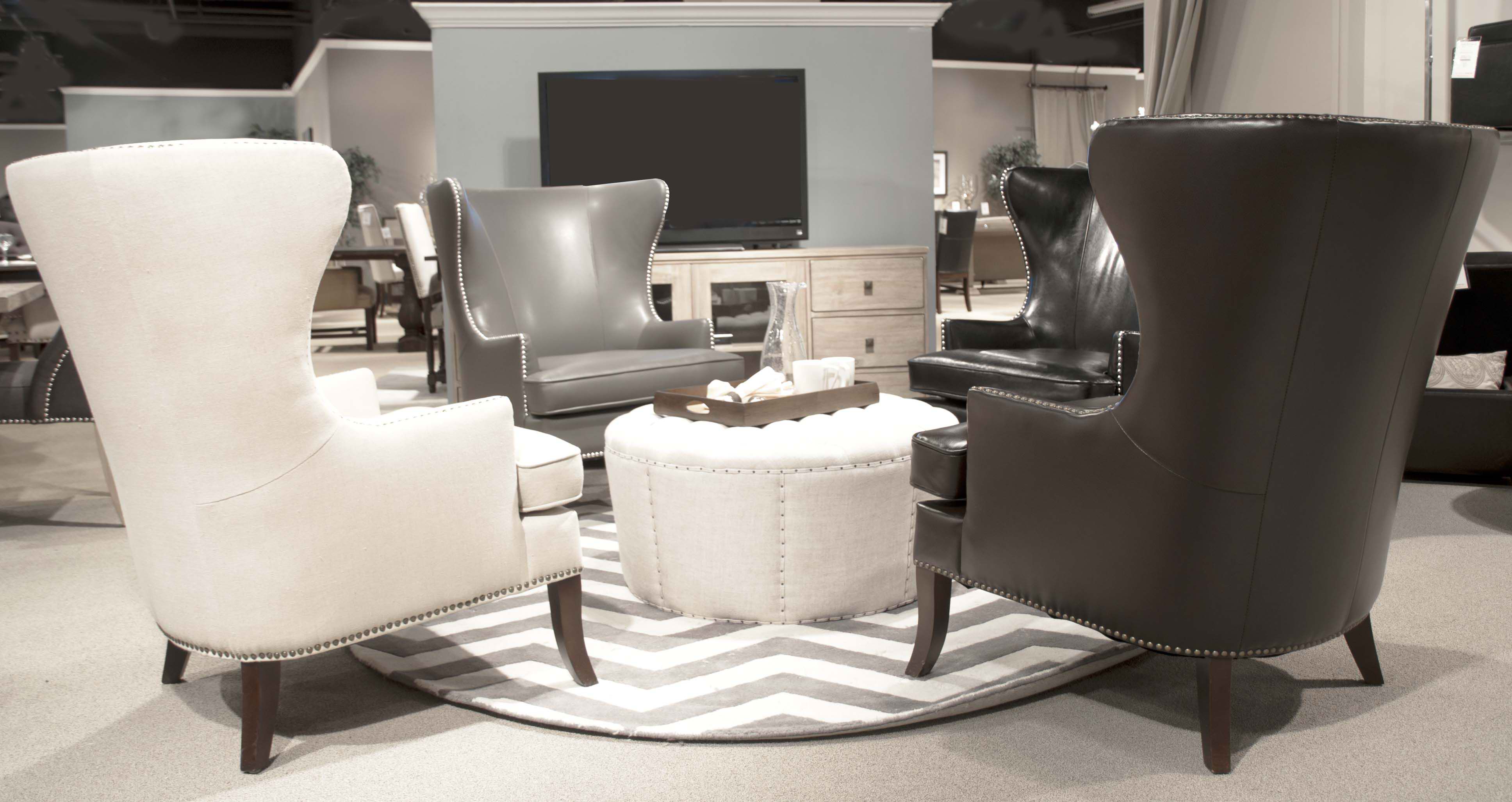
Hooker Furniture Living Room Keepsake Event Recliner features a frame that looks a tad weathered.
Faux finishes are growing more and more popular each year. Exotic and bland finishes have been around for hundreds, even thousands of years. Most of the techniques even date all the way back to the ancient Greek and Egyptian cultures though the best pieces are those crafted by the Renaissance Italians. The Italians were the ones who mastered faux art in the form of stone, wood and metal pieces. Even the most discerning eyes were fooled then. It was in the mid 1900s when European and American craftsmen made the most awesome interior paint effects in both cottage and palatial homes.
The last century and a half didn’t show a lot of new faux art. It was just a few decades ago when specialty paint finishes are being rediscovered. This spelled the availability of faux finishes to everyone. In essence, anyone who can hold a paintbrush can already do the work as there is no limitation to what you can now glaze or paint in your home.
Kinds of Faux Finishes
The first one is known as the antiqued finish. This is the repro of old, weathered look with the use of paint which was specifically manufactured for faux finish purposes. Each mixture of crackle medium, base paint and surface material produces a different result. You can also experiment if you want to achieve a particular color or look.
If you want to achieve this look on a new piece, then try painting the piece with milk paint. This is paint made from clay, natural pigments, lime and milk casein. It is natural so it’s safe to use. It offers a powdery look which can be seen often in many genuine antique pieces.
The next kind is the distressed antique finish. When distressing a piece of furniture, whether a cabinet or a chair, you need to take a good look at the furniture. See how the corners and rungs have been worn or how they have lost their finish. More often than not, repeated handling and touching can wear off the finish. Dings and scuff marks can also happen.
Don’t go shopping for new hardware if you want to achieve this look. You can actually use any tool to mimic the look of a worn out piece. Look for an old canvas bag, fill it up with bolts then beat up your furniture. The bruises and dents you achieve will surely look authentic, you’ll see.
Adding effects is easier if you use a semi-transparent paint glaze right over the base coat. There are different results that you can achieve with the glazing effect. You can have it removed by sponging, ragging or combing.
Apply glaze on base coat using different implements in order to create patterns and textures. You can also let the glaze dry partially before you wipe it off for a rubbed effect. This should resemble a parchment which is great for rustic interiors. Dilute the glaze for color wash then apply with brush.
Another faux finish is called combing. This makes use of the teeth of comb. You can create straight, wavy or zigzag lines according to your preference. All you have to do is to drag the comb through the glaze to achieve a textured effect.
Ragging means using bunched up, lint-free rags. Apply the second coat right over the base.
Sponging makes use of natural sea sponge in applying the glaze on top of the base coat. Other effects like wood graining can be quite challenging. There are also techniques that combine several techniques using brush and different work details.
Lastly, there’s gilding. This is an easy way to add drama or character to accessories in your home. Use metallic colors such as gold, silver or copper leaf and what you achieve is an instant heirloom.
Tags: 18th century, faux finish, finish, finishes 101, furniture finish, history, McCreery's, McCreerys Home Furnishings
Posted in Furniture, Interior Design 101, Interior Design Elements | No Comments »
Saturday, September 3rd, 2016
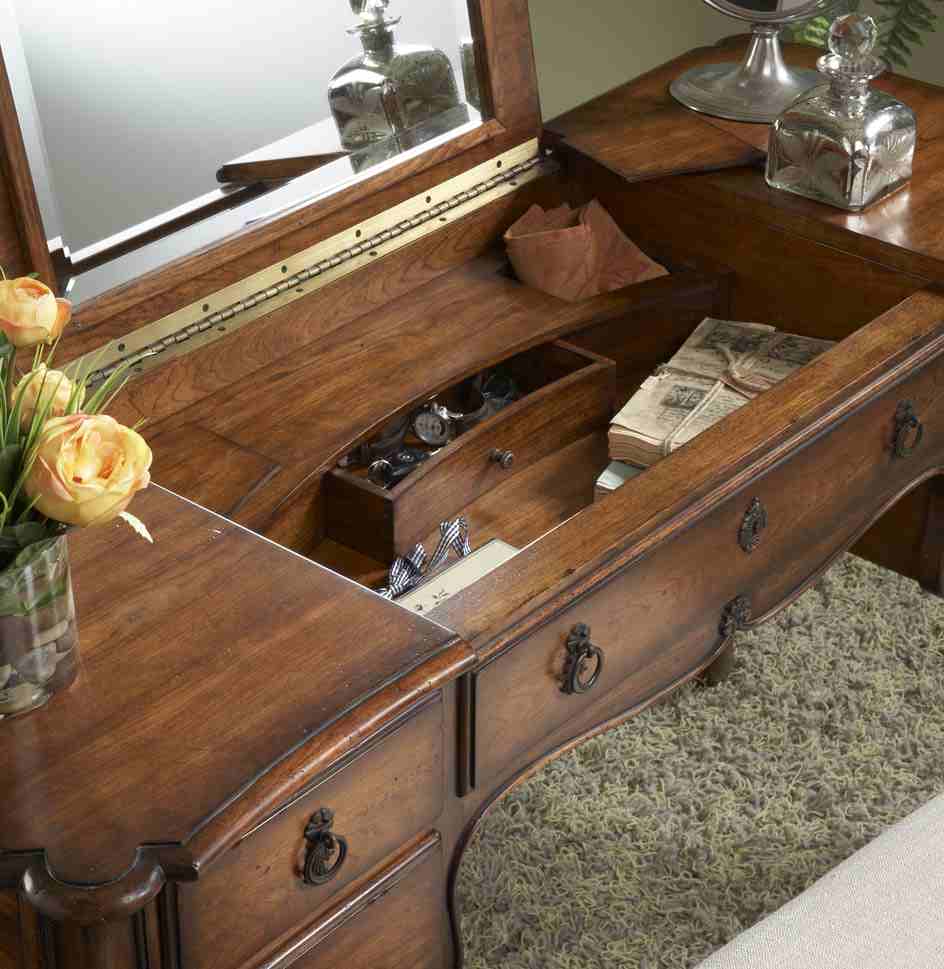
FFDM Vintage Classics provides just the right amount of traditional charm.
Traditional theme is often characterized by classic European décor. Furnishings come from the 18th to the 19th centuries in Neoclassical, English or Colonial Revival styles. French countryside, 18th century England, even the exotic lands from the East also work. These often include wood tones, beautiful architectural details, and chic lines. It is a posh style that may still be complemented with personal elements. This can be the perfect style for your home but are you ready to learn what elements you need to work on?
Essential Elements
The fundamental elements of traditional design are symmetry and classic styling. Both can create orderly, calm and elegant décor. Traditional style also means using soft, curvy lines and wing-backed chairs for furnishings. Talk of the Queen Anne design. The more antique-looking the piece is, the more that it would work for your traditional setup.
If you love furnishings made of dark woods like maple, cherry or mahogany, then you are the perfect candidate for a traditional style enthusiast. Tables, chairs and other furniture pieces that offer a luxurious appeal with carving and lacquer are the right pieces to look for.
While it is an elegant style, traditional design highlights symmetry when it comes to furniture layout. This means that you can use a pair of armchairs right in front of the traditional fireplace. You can also place a candlestick duo on the mantle or a huge wall art that would balance a neutral room.
The Best Traditional Color Palette
Neutral and muted mid-tone walls should be a part of the traditional style. Use different fabrics in solids, florals, plaids or stripes. The neutral walls will serve as the perfect backdrop for those upholstered chairs and sofas that come in rich shades of navy, brown or burgundy.
Green and peach tones will balance the marriage of tan and aubergine. This is an unfussy palette that would work for anyone who is on the lookout for sheer elegance.
The traditional palette can also be rich and deep and the home for anything that is regal yet muted. These colors also offer a timeworn effect which is typical in Old World pieces. Dramatic colors include forest green, cream, ochre and just about any dark-stained surface.
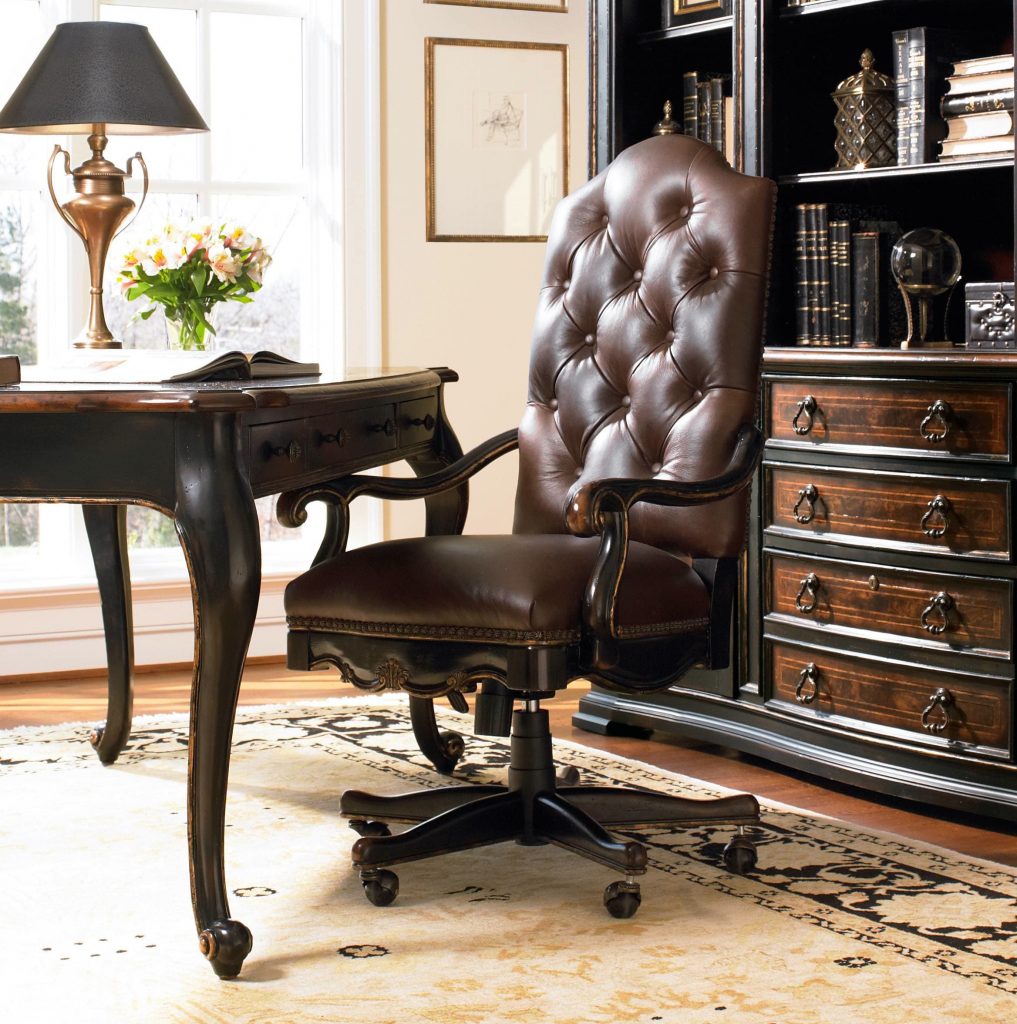
Hooker Furniture Home Office Grandover Tilt Swivel Chair fits perfectly in a traditional home office.
Textures and Shapes for Traditional Design
Though elegant, traditional design can also emphasize comfort and simplicity. Fabrics can come in damask, floral or paisley patterns. You are likely to see luxurious fabrics such as velvet, silk and cashmere. You can also use fabrics that are easy-to-care-for such as linen and cotton.
Go ahead and use luxurious accents such as throws and pillows. Small print on pillows can pair beautifully with floral-patterned sofas. Damask is the best choice for traditional design enthusiasts who want to achieve both a shiny and dull textures.
Another way that texture can be used in your traditional home is to have some still life paintings hung. To highlight this artwork further, invest in a chandelier or some silver candelabra. Polished ceramic jar surfaces as well as rustic wrought iron pieces will also render the perfect traditional look. Add some silk or fresh flowers in a vase and the look is complete.
The Traditional Window
Traditional design spells tailored windows with that formal swag and panel combo. Panels can be gathered using tasseled cords. The fringe can accent the swag treatments. These can add design details to scalloped edges.
Traditional Architecture
If you want to take the traditional look all the way to your home’s architectural features then have rough-hewn beams line a ceiling. These can easily balance the more chic elements inside the room. Other notable features include arched windows and doorways. Feminine curves can be used to balance a mainly masculine design.
Tags: 18th century, 19th century, design textures, McCreerys, McCreerys Home Furnishings, Old World interior design, textures, traditional interior design, traditional interiors, traditional style, traditional theme
Posted in Architectural Elements, Interior Design 101, Interior Design Themes | No Comments »
Thursday, April 28th, 2016
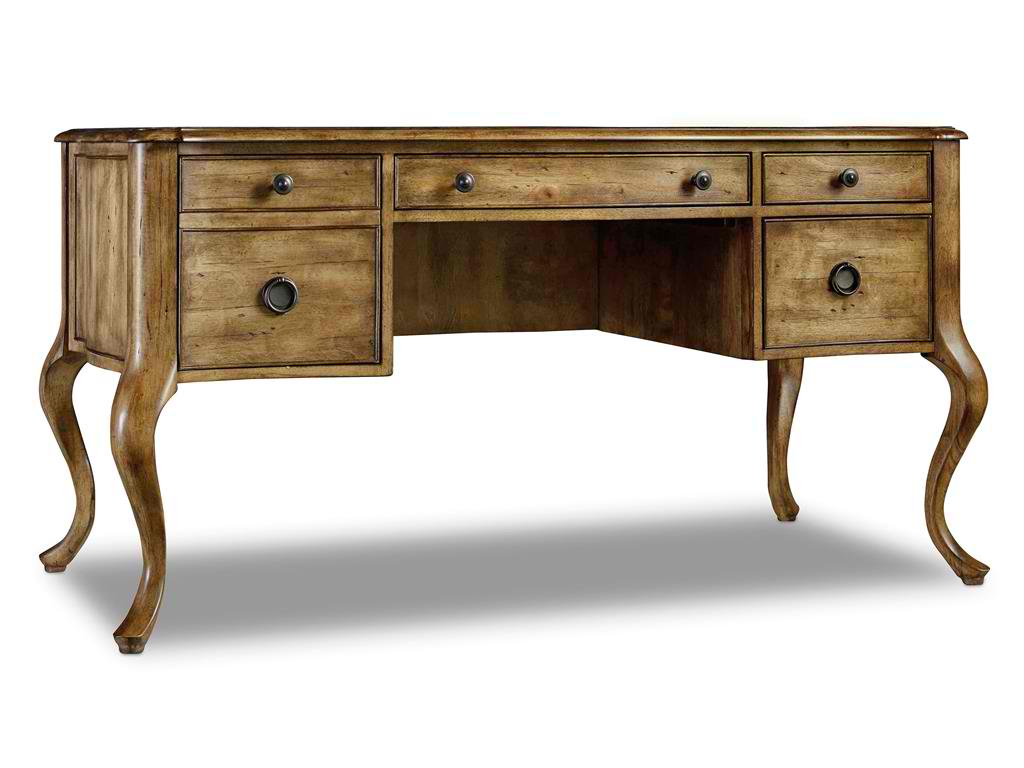
Hooker Furniture Home Office Archivist Writing Desk
Paris is a place that has been made synonymous with elegance and romance. Parisian style is effortless in the incorporation of both traditional and modern aesthetic elements. This is the right style to use when you want to have an air of sophistication in your home.
Use a light color palette as the base for your design while taking the freedom to add vibrant colors in works of art and polished topiaries. Refined elements can be effectively mixed with grandeur. Use velvet pillows as haute statements.
French Furniture History
French monarchy during the 17th and 18th centuries has been partial to the florid surpluses as well as feminine lines. This brought about a revolutionary change in furniture design which we all know of today.
French royalty insisted on having only the highest quality in interior design aspects. They hired the most skilled European craftsmen.
French furniture history can be divided into three time periods. The Sun King, King Louis XIV was first, then the reign of King Louis XV followed, and the reign of King Louis XVI (executed through the guillotine) all featured the most beautiful French furniture.
It is easy to spot French furniture. just look for the cabriole or curvy chair legs. Look also for serpentine lines, swirling scrolls, embellishments, and the most intricate designs.
Boullework surfaces are also common. These are made of brass inlaid to tortoiseshell or ebony. Bronze is also treated to represent gold and pastel silk upholstery with a lot of florals is also common.
The Empire Style
This was a propaganda that Napoleon brought about. He insisted on a tyrannical centralization of the artistic productions back in his day. He declared that furniture production (and other art media) was to be controlled by Paris and then overseen by Fontaine and Percier (both renowned architects). Jacques-Louis David was also commissioned to oversee the projects.
Noble people were then impoverished or were all in exile. The elites who have risen owe their fame and fortune to the partial master who imitated works of art without embarrassment. The resulting style was a huge success and, eventually, there was uniformity in all of France.
The Empire style is dominated by the Greco-Roman models. Their features may be a bit stiff and imposing because of their sharp corners and flat surfaces.
This furniture style lacks moldings thus, offering beauty and grandeur.
George Jacob was king of the Empire style in furniture. Boat beds, decorated only on one side, became widespread. The minister desk and the psyche mirrors also became famous. Characteristic of the Empire table are the numerous versions of gueridon type which were often used as dining tables.
Mahogany seating is quite common with backs that are often upholstered. It was rare to find small pieces which were used for more specific purposes. Console tables appear more solemn and rigid with their rectangular and marble tops.
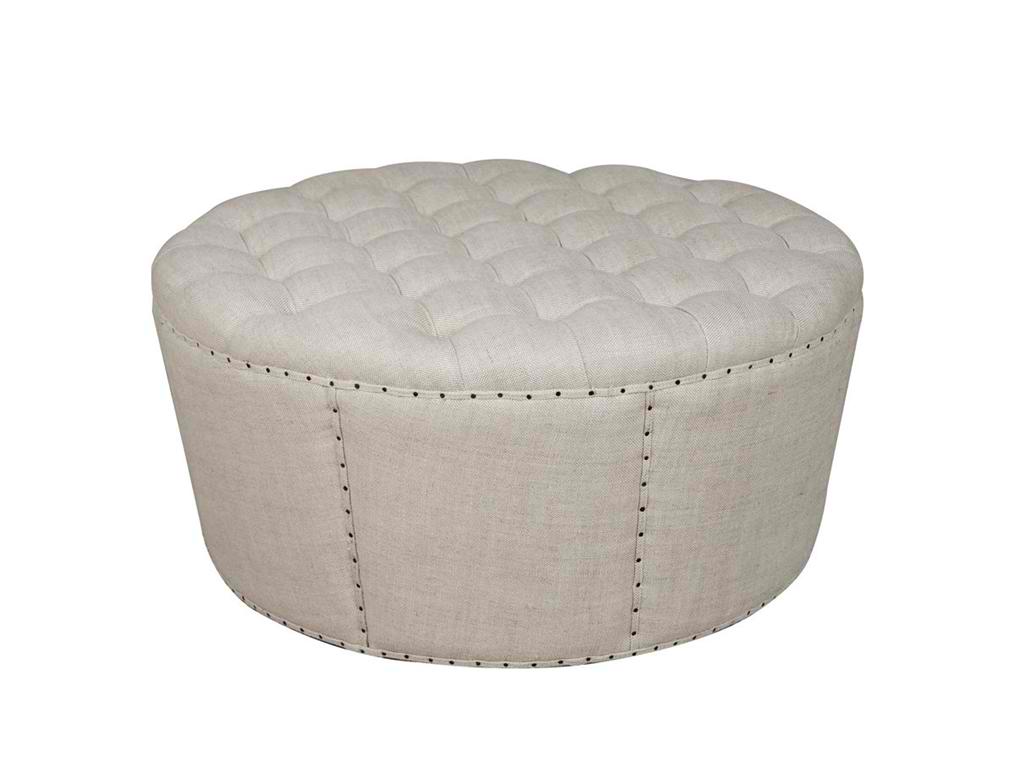
Orient Express Furniture Living Room Humphrey Ottoman – Bisque French Linen 6460
 Materials and Methods
Mahogany was a popular choice in Parisian furniture making. Because of the blockade that took place, this wood became unavailable, and in its place rose the beech, burled elm, walnut, ash yew root, boxwood, maple and olivewood.
Ornamentation
Ornaments are often marked with precise symmetry. Common motifs include the bee, eagle, the initials I and N, and the stars. The imperial laurel crown as well as figures bearing swans, palm branches, rose wreaths, lions, grape vines, etc. were also used. Those who embraced an Egyptian motif used squares, circles, ovals, octagons and squares.
It’s time to bring the magic of Paris right into your home. Mix chic pieces with neutral ones. Use soft yet glamorous colors. Add iconic designs with the contemporary ones in order to capture the combination of traditional and contemporary.
Tags: 17th century, 18th century, French design, French design elements, French furnishing, French furniture, French Romantic, history, luxurious home, luxurious interiors, luxurious living, McCreerys, McCreerys Home Furnishings, Parisian style, Parisian theme
Posted in Furniture, Interior Design 101, Interior Design Elements, Interior Design Themes | No Comments »
Friday, April 15th, 2016
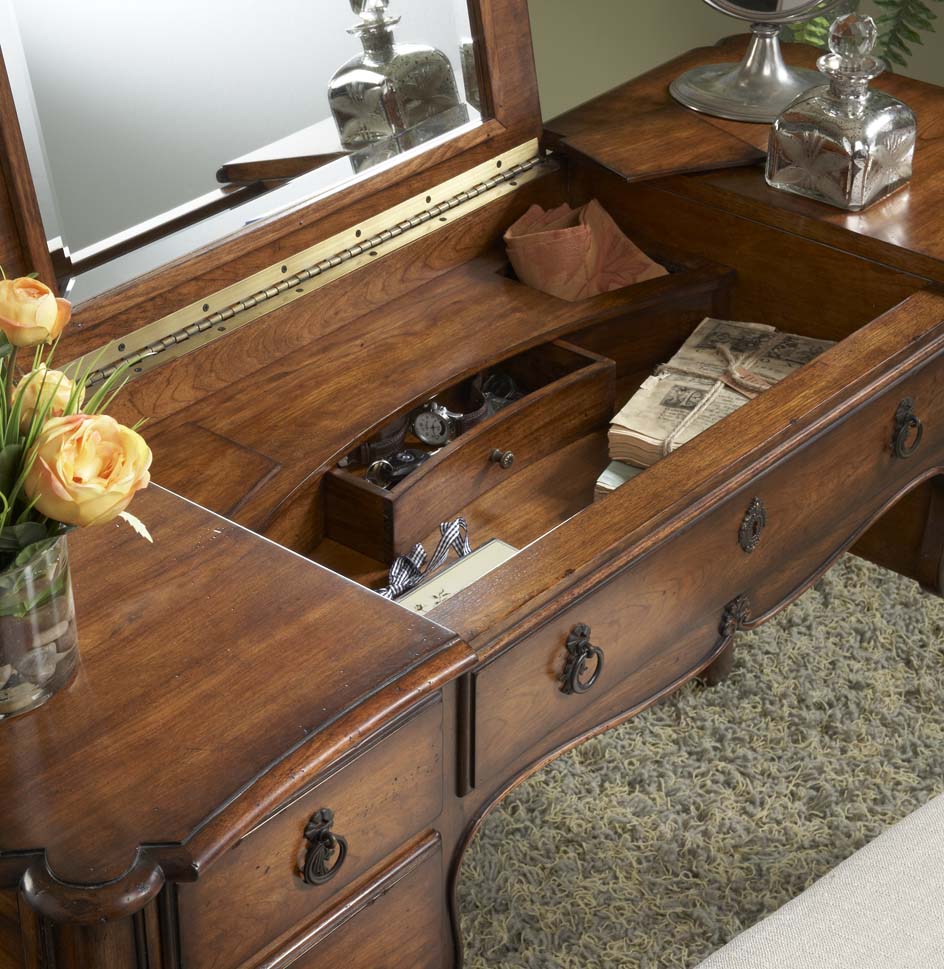
FFDM’s Vintage Classics: Everything about this ensemble spells subdued elegance and style.
When you hear the term Georgian architecture, it literally means the architectural style that originally encompassed the years 1720 till 1830. Its name was derived from the names of four King Georges of Britain (I, II, III, and IV). This kind of architecture deviated from the baroque style of the 18th century characterized by opulent and curvy shapes, rich colors and elaborate ornaments; it offered a much more classical feel as it was influenced by both ancient Roman and Greek architecture.
Georgian theme offers symmetry, harmony, delicate furnishings and clean lines.
Palladium Living
Bringing in the greens is quite common for homes with Georgian architecture. This is especially true during the winter solstice. This tradition was derived from a pagan era where the wintry months were spent inside furnace-lit homes and lots of potted plants and flowers placed in vases.
Georgian architecture speaks a lot about proportion. It was influenced by the likes of Andrea Palladio, an Italian architect who reinterpreted the architectural beauties offered by the Greeks and Romans. Expect buildings with understated elegance and the subtlest decor.
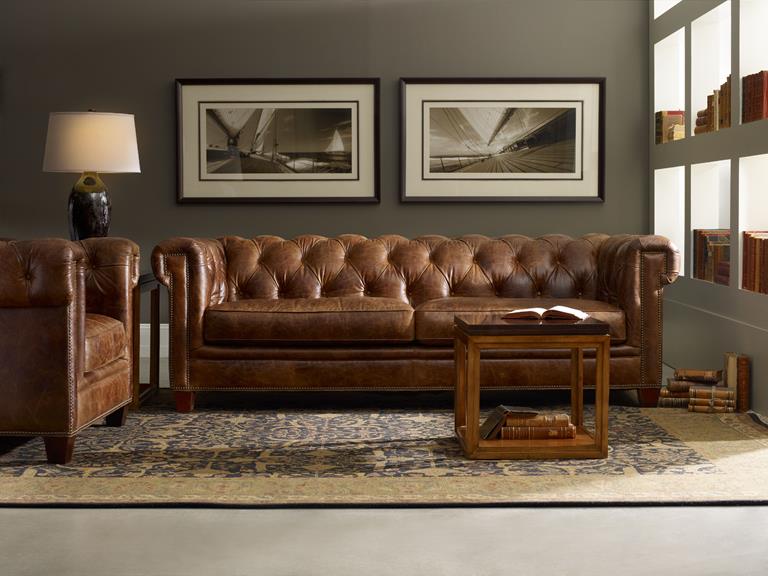
Hooker Furniture Living Room Malawi Tonga Stationary Sofa
Proportioning was quite common during the Georgian times as is evidenced by the high ceilings that the modern world now sees. Everything from the cornices to the height of the baseboard are all calculated with care.
One of the emblems or testaments of Georgian architecture are those beautiful Georgian townhouses. These are prominent in many British towns these days. Most of these homes come with bricks and slated roofing. This is often concealed with a parapet, though, to make them look a tad more rectangular.
In Bath, England; where stones are widely available, the bricks are replaced with these durable materials. What’s notable is that a property developer could build a street facade and the people tend to build their dwelling places right behind it. While the houses seem identical on the outside, most do not look the same on the inside. More often than not, the facade is the only thing that is uniform in their community.
Urban growth was common in the 18th century since this was a time when people rushed to the cities and houses had to be built for them. This was the time when Georgian terrace houses were constructed and dominated the streets. Many people were housed, with each home finding its proper place in lines upon lines of terraced townhouses.
These townhouses were constructed for fairly wealthy people. There were also housing units for the working classes but most of those buildings have already been destroyed. What remains now and is recognized as Georgian architecture are the homes that were built with high quality.
The wealthiest British families had both townhouses and country houses. The difference between the two was this – space.
Townhouses are often terraced while the country house is a detached home. The proportions may be similar but when it comes to the design, there are a lot of differences. Homes for wealthy families during the Georgian times also featured rooms for their cooks, scullery maids and other servants.
Prepare also to think carefully about the kind of lighting fixtures that you would use as most Georgian homes come with high ceilings. Those shockingly high ceilings need to be amply lighted so that the illumination could reach the dwellers below.
Apart from proportion, symmetry is also an element that comes with Georgian architecture. Georgian homes are often 1-3 storeys high and about two rooms deep. All these are symmetrical outdoors and indoors.
Be fabulous but subtle. There is a thin line between garishness and Georgian style and you can distinguish this if you find joy in understatements. Say yes to pea green, soft grays, and shades of white. The wallpapers must only have the simplest patterns, more often than not, an Oriental design is featured.
Don’t downplay the decor yet be careful that you don’t overdo the design project. Georgian architecture is already a beauty on its own so give it a time to shine by dressing it up properly.
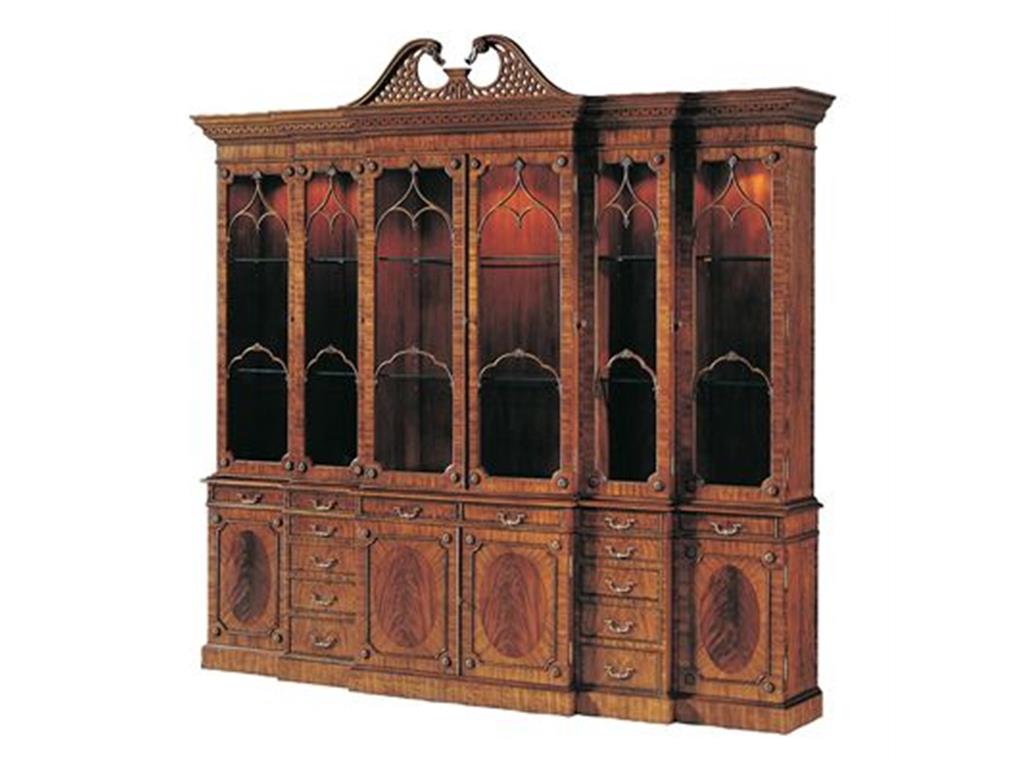
Maitland-Smith Dining Room Georgian Lighted Triple Breakfront China Cabinet 5740-006
Tags: 18th century, Georgian, Georgian concept, Georgian theme, McCreerys, McCreerys Home Furnishings
Posted in Architectural Elements, Interior Design 101, Interior Design Elements, Interior Design Themes | No Comments »
Friday, January 29th, 2016
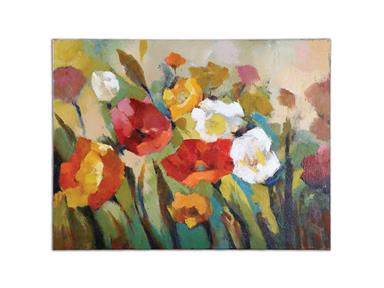
Accessories Uttermost Spring Has Sprung Floral Art 34268.
There is nothing more expressive when it comes to designing a home than the use of art. Art accessory comes in many forms but one of its most beautiful forms is a painting. Vibrant colors and rich textures can be infused with other design elements.
There are many media and styles featured in famous paintings, even repros. It is easy to find some pieces that can match your chosen theme and also your personality.
Watercolor paintings work best in achieving a softer look. This medium shows multiple layers of color ranging from abstract to life-like. For added contrast and detailed shading, find oil or acrylic paintings. These, on the other hand, feature mixed colors in various textures.
Painting History
The history of this art medium goes back a long way. Every style is born from the one that came ahead of it. Each artist also adds to the achievements of the early painters and is able to influence the next generation of painters.
Paintings can be enjoyed for their sheer beauty alone. But for the keen eye, their colors, forms, lines and composition appeal to every sense. Paintings can even leave lasting impressions.
The enjoyment of paintings is not the sole purpose of this kind of art. It can be used to convey a deeper message than mere beauty. It can express the artist’s impression of persons and scenes, even events. Feelings can also be described with the use of paintings. Viewers may or may not feel that emotions that are being conveyed by the artist. One needs a discerning eye for art in order to appreciate such things.
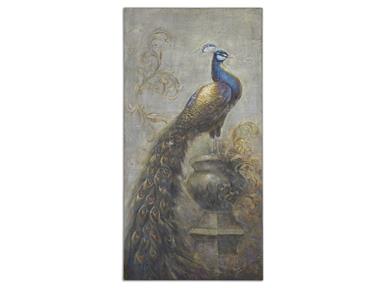
Accessories Uttermost Surveying The Kingdom Canvas Art 34283
Painting history can be encapsulated in these periods –
Man has gone a long way from the time when paintings were colored animal drawings inside caves. Cave dwellers were the first known painters, with their work found inside the caves of Spain and southern France.
Even back then, these cave artists knew that they needed vibrant colors to depict their lives back then. The famous painting of the wounded bison is still in the cave of Altamira in Spain today. While basic tools were used in the beginning, eventually, man learned to accumulate more materials and even learned techniques that improved his artwork.
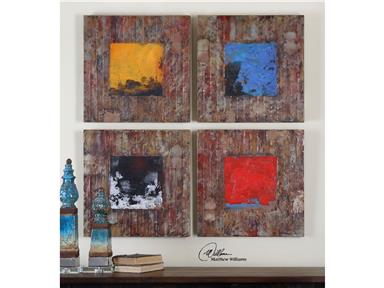
Accessories Uttermost Primary Blocks Wall Art S4 31303
You may not be able to take home an original Picasso, Monet or Michelangelo but there are still a lot of amazing paintings to go around. These days, the canvas can be the home for odd shapes, mere triangles, circles or rectangles in your sight but their bright colors and geometric patterns definitely mean something. It may even be difficult to distinguish between sculptures and paintings these days but the purity of hues and the shapes’ relationships are still there.
Artwork, as previously mentioned, comes in many forms. Clients are most familiar with the type that they can hang on walls inside their homes or offices. The next renowned pieces are tabletop artwork and sculptures.
Don’t get confused in choosing which medium you’d bring to your home or office. Just remember to show your personality through your chosen painting. Regardless of form, your taste and style should be reflected throughout the medium.
If you were a born optimist then it shouldn’t be a surprise to find brightly-colored paintings in your home. Black and white is for the stoic ones. What you have chosen based on your personality is a surefire validation that you have selected the right piece. Your art accessory is a representation of you so kudos!
Tags: 18th century, 19th century, 20th century, accent wall, art, art decor, artwork, choosing wall art, decorative painting, displaying artwork, history, McCreerys, McCreerys Home Furnishings, painting, paintings, Renaissance, rich hues, Rococo, shape, shapes, texture, textures, tips, wall decor
Posted in Accents, Decorative Elements, Interior Design Elements | No Comments »
Follow us on our social media


© McCreery's Home Furnishings | All Rights Reserved | Privacy Policy
