- Follow us:


Monday, November 21st, 2016
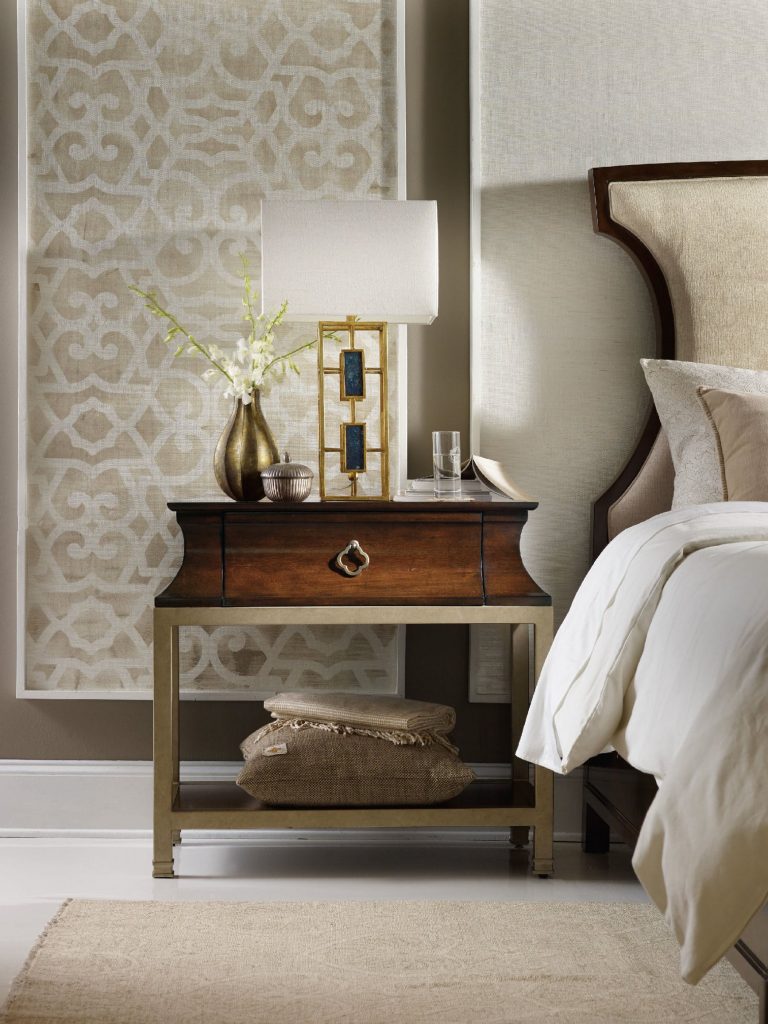
Hooker Furniture Bedroom Skyline Nightstand
If the bedroom is supposed to be your sanctuary, then why does it have to come last when it comes to your design considerations? You would be surprised that just a few tweaks could actually make this room more relaxing.
It is crucial to know what elements you need to bring in so that you increase the restful aura in the bedroom. Apart from the bed which is going to be your focal point, you have to know what will make this anchor a more memorable sight to behold.
The Bedside Table: The Necessary Sidekick
First, the bedside table – you must begin with the right height that would serve as a buddy for your bed. This height should be at the same level or height as the top of your mattress. This should offer an even visual line across your bed. This will make it easier to reach for that page-turner at night.
The bottom of the lampshade should be at your shoulder height when you’re lying down so that it will be able to illuminate the book that you’re reading.
There are some people who prefer their bedside tables to be a tad higher. Find a table that’s higher than the mattress when you’re in bed. You can either have the usual table lamps on the nightstands or have some hanging lamps illuminate from above. Just make sure that they don’t create shadows as you do your reading.
Should the traditional bedside table be too large for your bedroom, then you can make use of pedestals or plant stands to fill in that awkward nook.
Keep ‘Em Out of Sight
If you are having trouble finding stuff in the bedroom then why don’t you utilize that nook right next to the bed? Apart from the bedside table, you can also have some open shelves as storage units in that room.
Find a slim shelf if you don’t have the luxury of space and a bigger one if you have ample square footage to boost.
Let It Bloom
Whether you are planning to use a bunch of flowers or just a single-stemmed rose in a slim glass vase, it really doesn’t matter. What truly matters is that you have added a lovely organic touch to this room for rest not to mention an interesting burst of color in a usually dim space.
If flowers aren’t artistic enough for you, then use a pot of succulent or a small work of art.
Play with Shapes, Patterns, Colors and Sizes
You have to be able to create a unique yet balanced display of accessories such as vases, perfume bottles and some trinkets. These come in different shapes and sizes so you have to group them according to their color or shape.
Work in groupings of three if you want to play safe. A stack of books is the perfect group of objects to use if a little height is needed.
It also pays to overlaps some of the items. Don’t think that a lamp partially covering an interesting painting would ruin the view. Sometimes, these seemingly imperfect placements are what would give character to your design.
As to color, make sure that you create a cohesive look using your preferred hues. Find a base color, though, that would serve as the anchor for the rest of the design. The bedding and furniture must coordinate with the rest of the décor.
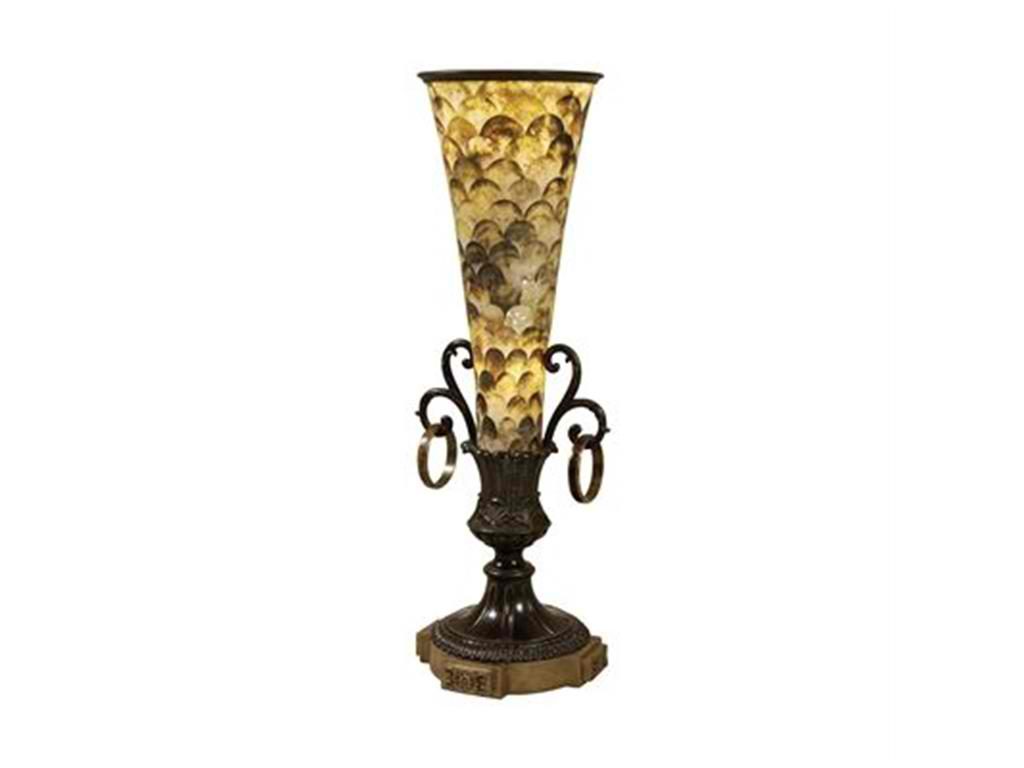
The Maitland-Smith Lamps and Lighting Tabletop Torchiere 1758-271 is a charming way to accentuate your nightstand.
Personalize It
Include items on your design that have special meaning to you and your family. This can be a framed photograph, a travel memento, or a piece of interesting art. Add some lighted candles and scents to make the room define you.
Tags: bedside lamp, bedside table, decorating accent tables, McCreerys, McCreerys Home Furnishings, nightstand, patterns, tips, uses of nightstand
Posted in Accents, Accessories, Bedroom Design, Interior Design 101, Interior Design Elements | No Comments »
Wednesday, October 5th, 2016
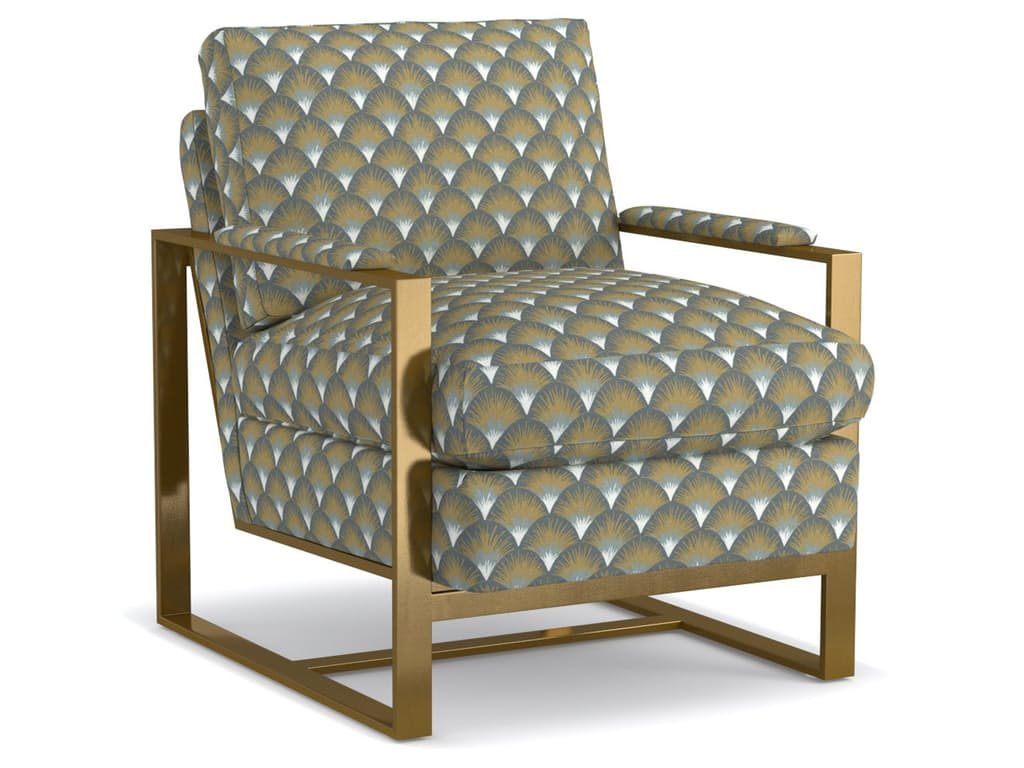
Cynthia Rowley for Hooker Furniture Living Room Winder Metal Chair
Euclid was no less than the Father of geometry. In his 13 books on this subject and numbers in general, many geometric ideas were born including data and phenomena.
Geometry’s role in interior design is to determine proportion and how to place objects at an aesthetic way. Geometric design is all about emphasizing basic to strong geometric patterns and shapes.
A lot of designers look to the golden ratio when it comes to their design. This is a mathematical ratio that puts a numeric value on the ideal proportions of structures and rooms. Approximately, this is at 60:40.
History records that many painters, architects, and designers used this ratio as a guiding principle. This was used by those who built the Parthenon and the Taj Mahal.
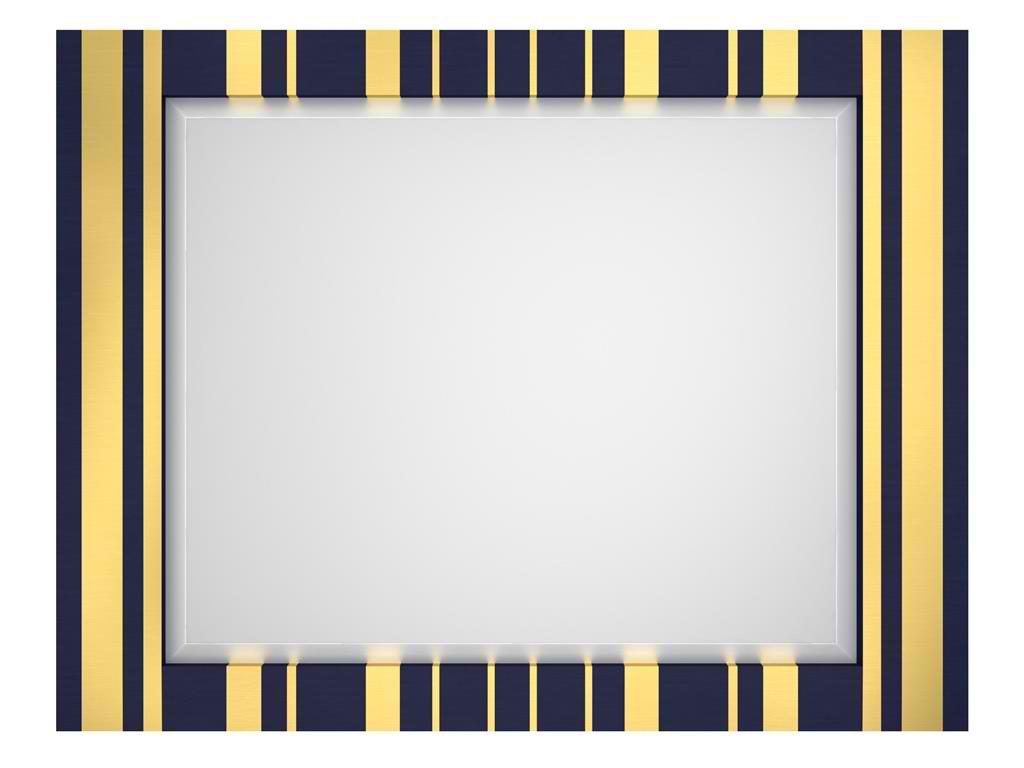
BLOG 6. Cynthia Rowley for Hooker Furniture Accessories Parker Striped Landscape Mirror 1586-90008-BL2
Geometric Interiors
In the field of home design, the golden ratio is also being followed. This can be used in the effective placement of objects as well as the use of color palettes. The ratio is –
-60% neutral color
-30% dark-colored furniture
-10% warm colors (inclusive of bright accents and a touch of cool tones).
The dimensions of a room should point out the shape as well as the size of the furniture, accent pieces, and window coverings. Many interior designers use fundamental dimensions of rooms in creating lines of vision and focal points.
Geometric patterns can be seen in both fashion and furnishings. Housewares and textiles also reflect the hottest geometric trends. Use these interesting elements in repetitive patterns so that you achieve a calmer environment. Just make sure that you don’t use a lot or you end up feeling dizzy.
Mathematically-inclined homeowners use geometric areas in working some home projects. Area problems can aid in their decision on what paint to best buy and the kind of carpet that would blend well with the furniture and the overall color scheme.
Spatial reasoning is also often used in decorating rooms or even an outdoor area. The proper arrangement of shapes can also help beautify.
Calculating volumes is also another daily application for geometry. You can use volume equations in determining how much water goes into that water feature that you are planning to install or how much sand and pebbles would be placed in your nature-inspired swimming pool.
The elements of plane geometry can also be used in calculating the right angle where the entertainment system should be set up so that the best audio experience is achieved.
Furniture design is also another practical application of geometry. It pays to keep an eye on the latest furniture trends. Right now, the modern, geometric pieces designed by Cynthia Rowley and Rachael Ray are quite hot. There isn’t any reason that you shouldn’t invest in these current styles. Correctly following the modern trends can give your home a polished, chic look.
This season, colors and prints are paired once more with metallic finishes. Accessories and furniture pieces feature angular edges to form the most inspiring stuff that you can use in your home.
There are literally endless applications for geometric patterns. You don’t have to be confused, though. The great news is that geometric patterns can be used according to your preference. Common applications include wall décor and accent pieces.
See also how you could use patterned throws or quilts for your sofa. Geometric shades will also look great when they adorn table lamps while an accent chair with interesting patterns could easily become the focal piece of furniture in your living room. If you are a lover of art, then go ahead and find geometric art paintings.
All in all, know that great interior design is all about you and what you want as well as how you use the design elements in a harmonious way.
Tags: geometric design, geometric furniture, geometric interior design, geometric interiors, geometric upholstery, McCreerys, McCreerys Home Furnishings, patterns, tips
Posted in Interior Design 101, Interior Design Elements | No Comments »
Sunday, June 26th, 2016
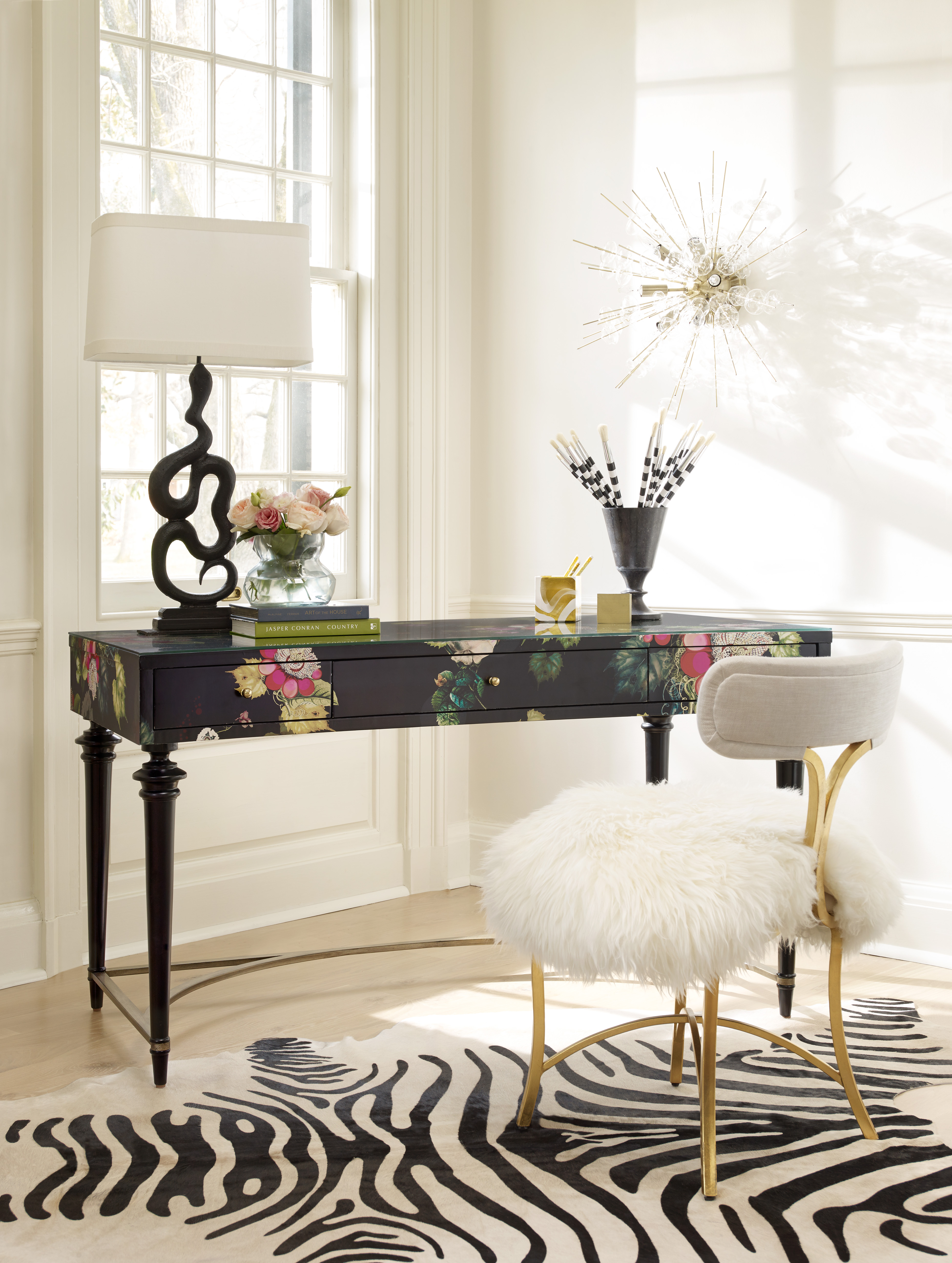
1586-10458A-MULTI2 Fleur de Glee Writing Desk 1586-75410D-GLD6 Swanson Upholstered Metal Side Chair
Did you really think that animal prints are limited to that bear rug on your floor? There is so much more to animal prints that can make your interiors more fabulous. What’s amazing about ‘em is that you don’t even have to alter the entire room. From textiles to furniture, even the simplest accessories, the most vibrant animal prints are sure to make them all leap to life. So it’s time to rethink your everyday, ho-hum décor and start using some animal prints.
Animal Print History
Animal skins and prints are known to convey power and confidence. Fabrics with colors and patterns that imitate the animal skin first became fashionable in the 18th century. The dresses during that time were intertwined with silk and lace in order to evoke wealth and luxury.
By the 1930s, fashion showed a lot of cheetah and leopard prints on coats, blouses and scarves mainly because the Tarzan and Jane sensation was ongoing then.
Animal motif is also considered erotic as it is a kind of fashion that attracts others. This is a kind of fashion that desires to be noticed. Just imagine the head-turning prints that you see on animal designs and you’d know why some people are hesitant to use them.
Animal Prints as the Focal Point
If you find joy in having big and bold décor, then you would surely like having animal prints. Use anything from large zebra stripes, giraffe prints to tiger area rugs. Just make sure that you keep them subdued else they would easily overpower the existing design or could make the eyes overly busy.
Marry the solids and contrasting colors in order to balance the bold nature of animal prints. A great place to start is the pillows, ottomans and side chairs.
Animal Prints and Sophistication
If you’re a bit worried that your living room would begin looking like an African safari, then learn to tie the furnishings with some kind of art. Take a cue from animal print photographs, paintings, even modern sculpture. Find time to visit décor stores that offer a wide selection of arts and craft.
Monochrome…Or Not
Monochrome often comes in boring white and black. If you want to veer away from the usual stark and boring monochromatic scheme, then use zebra prints to give the room a bit more of activity. You can also use cheetah or jaguar prints to envelop the area. These exciting prints can be used on the flooring, walls and also on the window treatments.
Fusion of Prints
Polka dots, stripes, and animal prints can be mixed, too. The trick behind their fusion is to unite them with a base color that’s common to all of them. Small prints are way better to use if you want to combine so as they won’t be too large to disrupt the eyes.
Mix the solids, patterns and prints then unite them on a single color anchor. If you are not that comfortable in matching or mixing many different patterns and colors, then get one piece at a time then grow the room accordingly.
Animal prints can be versatile, just don’t be afraid to use ‘em.
Animal Prints Are Chic
You can also design your home using beautiful touches of animal print styles. If you are a huge fan of zebra prints, then add it as an area rug in your living room. These prints are also now being used on curtains, chairs, bedding, and many others.
Zebra chairs are quite stylish as they pop in a room. Complete the look of your home with zebra cushions, zebra bedding, zebra runner, and many more.
With all these suggestions, aren’t you just aching to start using animal prints soon?
Tags: animal print, cheetah print, history, McCreerys, McCreerys Home Furnishings, patterns, tiger print, tips, zebra print
Posted in Accents, Interior Design 101, Interior Design Elements, Interior Design Themes | No Comments »
Tuesday, May 17th, 2016
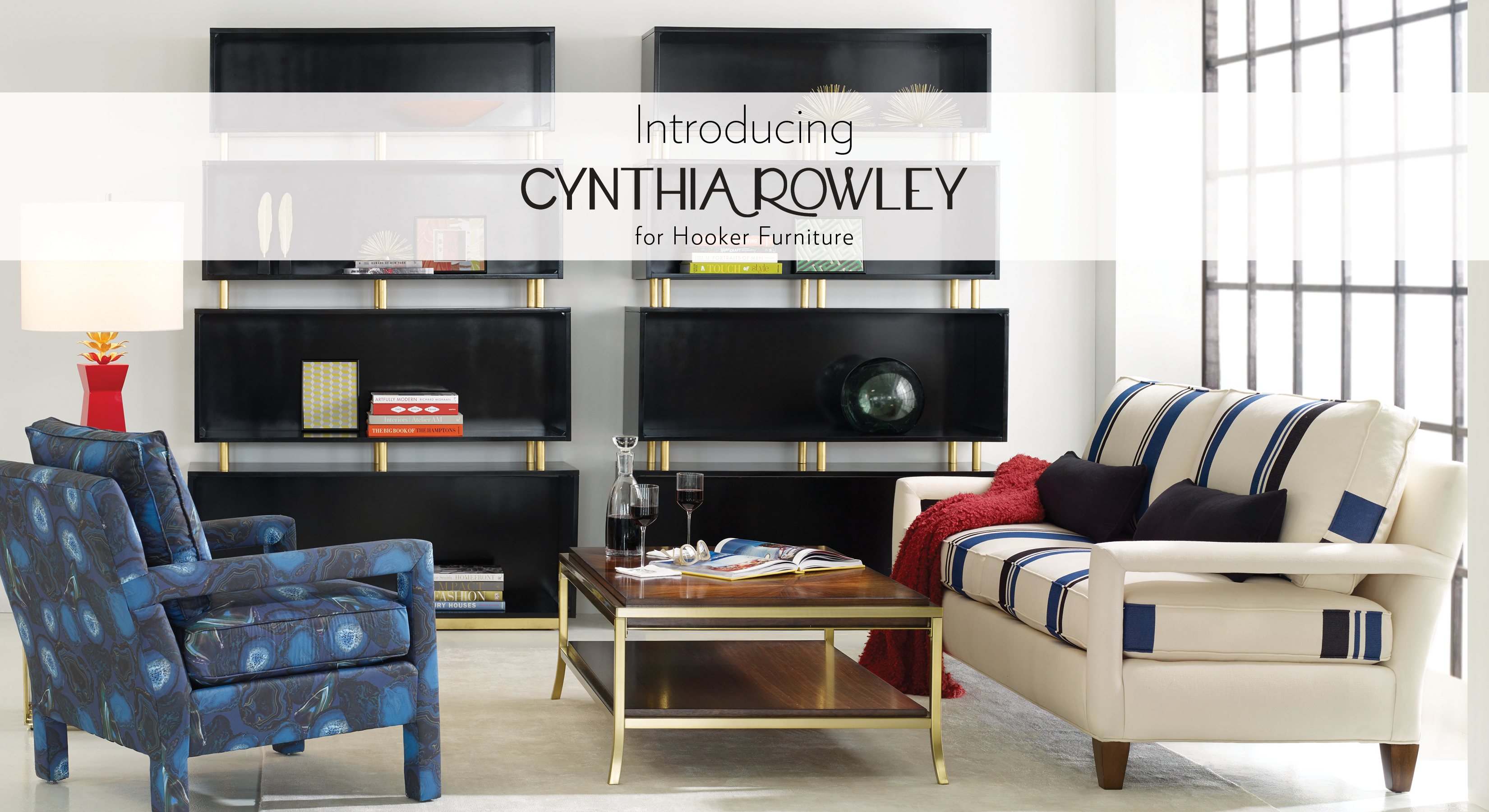
This Cynthia Rowley ensemble incorporates geometric patterns among neutrals, dark hues, metals and colors.
Isn’t it a designer’s job to keep an eye on the latest trends? The answer here is no. As a homeowner, it is also your responsibility to be abreast with the latest when it comes to interior design trends. What are hot right now are geometric patterns with these popping more and more in many modern homes. There shouldn’t be any reason to shun this bold style. As long as it is done correctly, following the trend can be a wonderful way to boost the look of any room.
A Blast from the Past
Here’s great news about trends whether relating to fashion or the interiors of a home – they share common properties. So whether these existed in the ‘70s or are contemporary, you will soon see something common in the geometric patterns that were used in homes then and now.
The popularity of geometric patterns, or any other interior design trend for that matter, comes back in a circle. It is a cycle that can be reinvented in every new decade. Try to look through pictures from your childhood. What was considered chic then are often not too different from what we consider to be stylish nowadays.
It won’t be a stretch to notice that geometric patterns have just returned. Just keep an eye on the simpler and bigger patterns, though, as these can give your place a more refined ambience. The traditional look has always been able to evoke the ‘70s vibe. If you want this retro look in your home, then consider the thinner stripes and shapes.
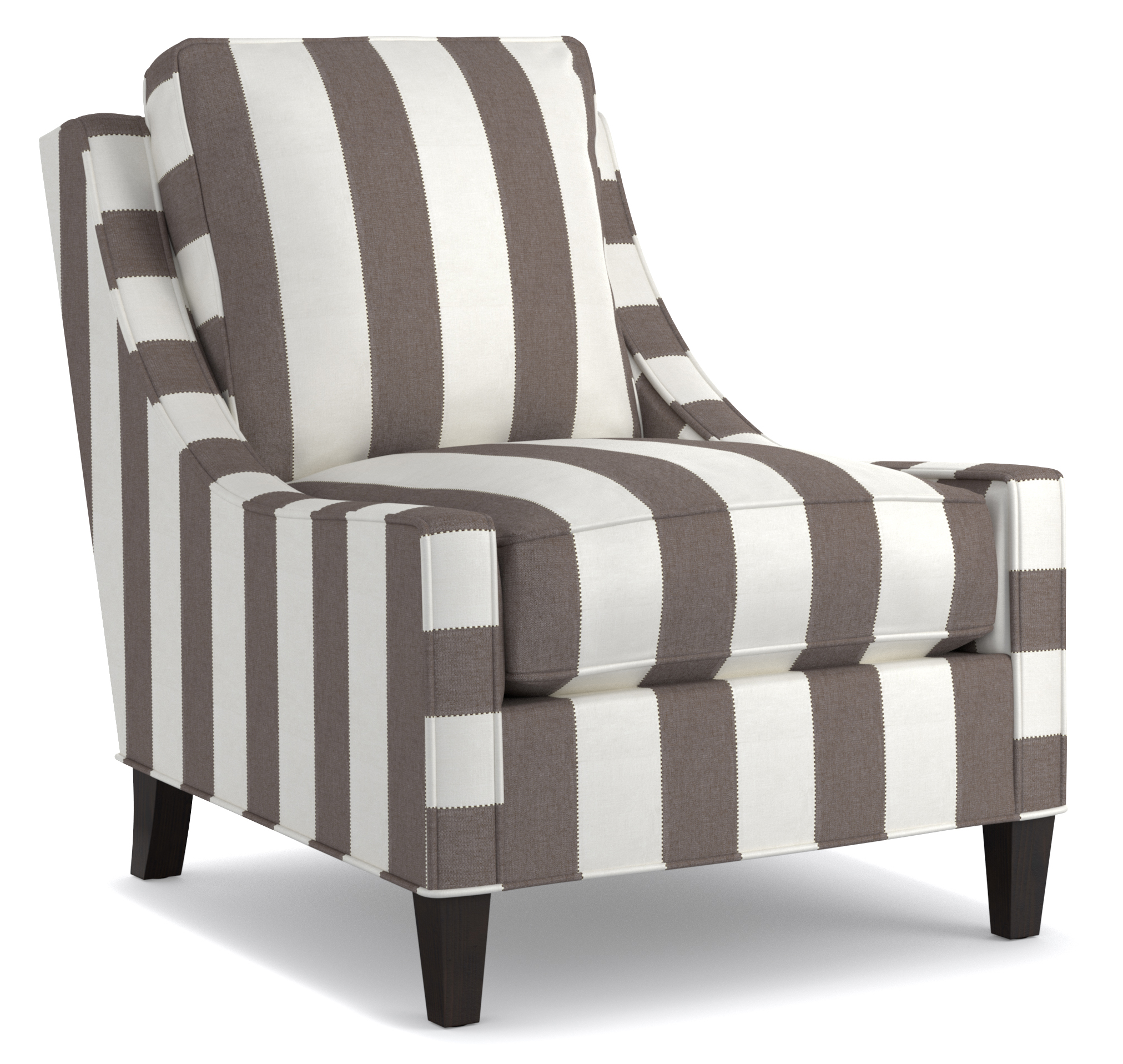
Cynthia Rowley for Hooker Furniture: 1118CR Delancey Club Chair
Visually Stimulating
Achieving the look of a home that seemingly leapt off an interior design magazine is not impossible. All you need is to add something that will make the place more visually interesting.
So what’s geometry got to do with visual stimulation?
A lot, actually.
There is nothing more boring than looking at walls upon walls of neutral paint and rows of boring furniture. As far as adding visual interest, you should consider using patterns in your design. geometric patterns create visually enticing rooms as they move the eyes from the boring stuff and, inevitably, towards them.
To choose the right kind of geometric patterns, you have to know what color scheme you have to work on. Make sure that you use the correct size of print which won’t overwhelm the room’s size or the design which you are trying to set up.
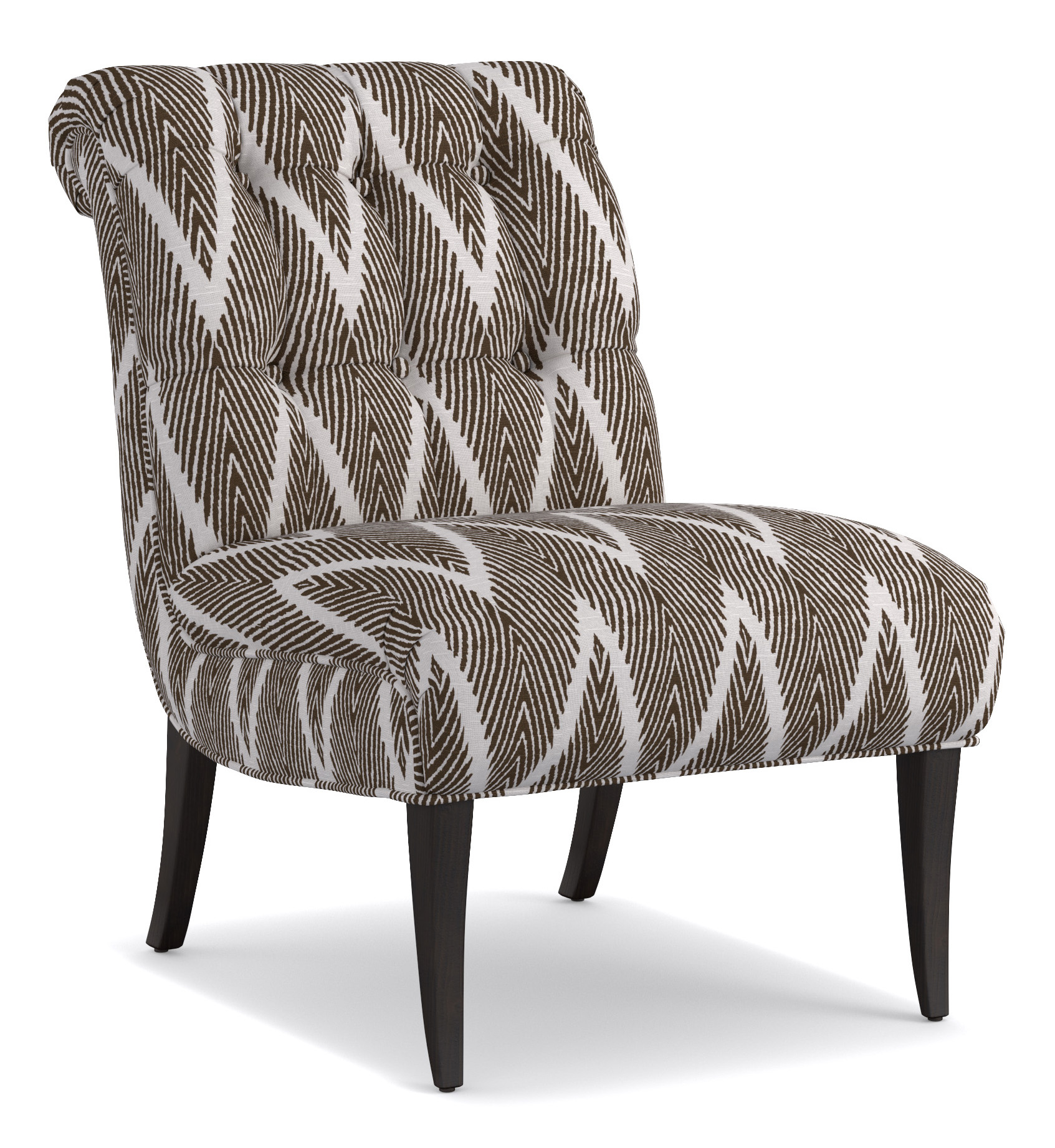
Cynthia Rowley 1102CR Perry Chair
A Dash Is All It Takes
Having a great interior design is all about knowing the elements that would work together. Harmony, after all, is a major concept that you have to master when it comes to interior design.
Would you be using geometric patterns as a dominant element or would they play an accent role? It will be overwhelming to have an entire room filled with geometric patterns. While it is not your desire to bore your visitors or loved ones with neutrals, it is also not good to resort to too much activity by bringing in all the geometric patterns that you could find.
Geometric Upholstered Furniture
The applications for geometric patterns are actually limitless. The great thing about them, too, is that every piece will comfortably fit in any kind of design. Blending with the room features is also not difficult.
So as not to overwhelm, you can have the geometric patterns on your upholstered furniture. This is the safest and most stylish way that you could incorporate this design element to your home. Being more powerful in your design is also easy; all you have to do is to seek out the bolder geometric patterns and you’re on your way to create a
Tags: bold, bold design, bold interior design, bold interiors, bold statement, geometric, geometric concept, geometric design, geometric elements, geometric furniture, geometric interior design, geometric interiors, geometric patterns, geometric style, geometric upholstery, McCreerys, McCreerys Home Furnishings, patterns
Posted in Interior Design 101, Interior Design Elements, Interior Design Themes | No Comments »
Wednesday, April 20th, 2016
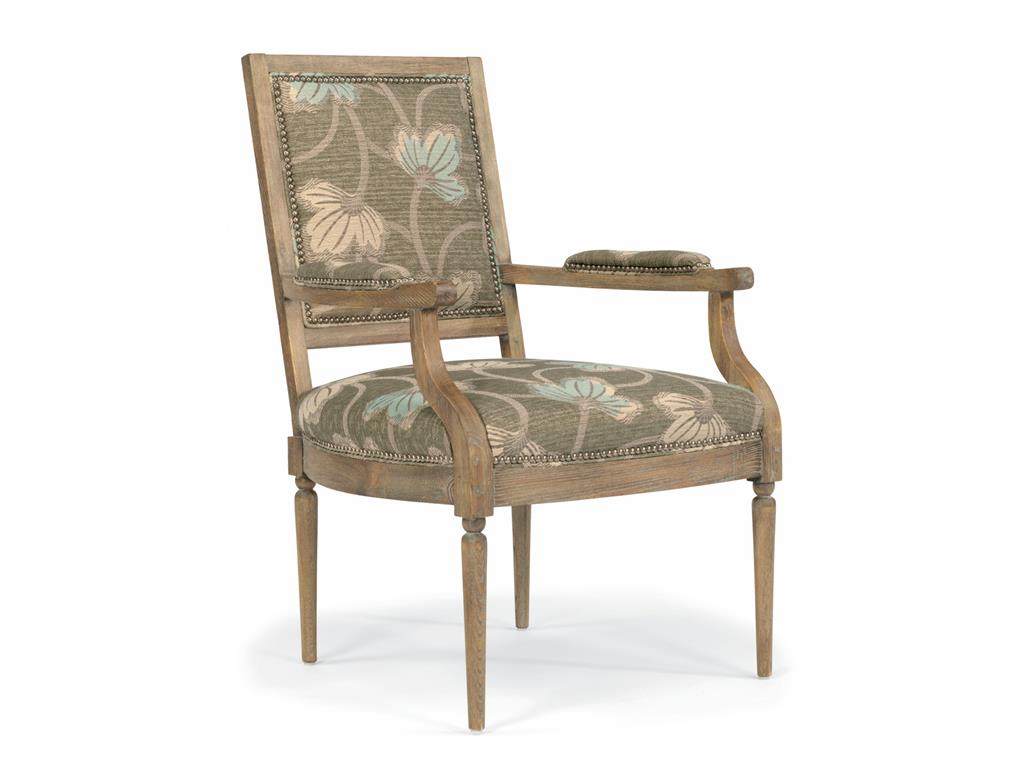
Flexsteel Living Room Fabric Chair 0102-10 showcases floral fabric fused with the beauty of wood.
One of the most noticeable comebacks happening in interior design these days is the return of strong patterns and prints. Large scale designs are being paired with oversized florals as well as the trendiest colors.
Let’s begin with poppy which is a bold floral design that is printed digitally to a linen or poly-linen base. This is a great choice for cushions and upholstery. It is also a fashionable material for drapery.
Natural fibers continue to be featured on many furniture showrooms – and for a good reason. The trend proves that organic looks will remain and that eco-friendly lifestyles are here to stay.
Falling In Love with Florals
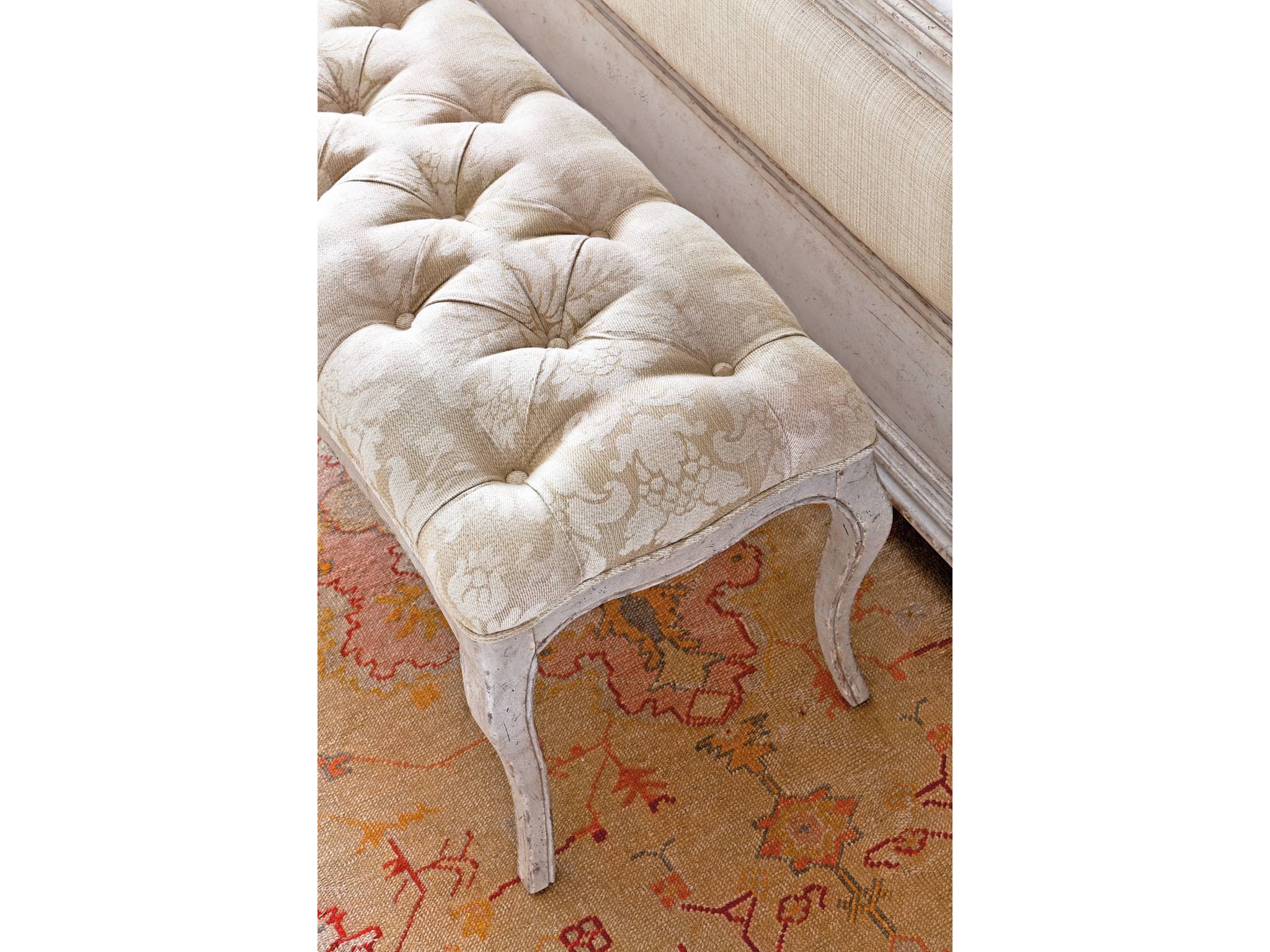
Stanley Furniture Bedroom Chaise Banquette 222-23-72 shows shabby chic perfection.
And so it happened – you have fallen in love with the beauty of floral upholstery and fabrics and now you are wondering how you can bring it home. Floral prints can be too loud, others may say, but this is only if you are not careful.
So what should you do?
If you are thinking of how to match floral upholstery with other interior design elements, then you are not alone. There are many before you whose spirits have been dampened by the wrong use of florals. And now they are still rattled by the very idea of combining it with furniture, lighting, etc.
Now, the first step is to look for graphic prints. You must start somewhere so begin with the simple prints. A single, large-scale graphic print rug can go a long way in terms of making good use of florals in your home. If large-scale prints are still bold for you, then settle for medium and small-scale prints that have been fused to make a room pop.
A floral print armchair, for instance, will balance graphic curtains and an equally graphic rug. In this case, you can afford to use neutrals in solid hues for the rest of the room.
Next, if you happened to fall in love with a bold floral sofa, then don’t rack your brains trying to find out what would go with it. Pair it with white and call it a day! White or any neutral color (cream, wood or beige would also do) for your walls and accessories would balance that big, bold floral sofa. This is the widest space that the sofa could breathe in so provide just that.
Third, find out what colors are included in your floral piece. Pull a color from the group of colors used then create a scheme from there. Just make sure that you get the exact shade used on the florals. Ask for a swatch of the floral print as you shop for other pieces inside your home.
The background hue can be used as a wall color and one of the vibrant colors can be used as solid upholstery or curtain color. Choose also an accent color from the floral hues. Use this on your pillows and accessories.
Grounding the bold look offered by florals is easy with leather. The ever reliable leather is there to provide the necessary weight in a room. Add the floral print and you’ve created a seemingly unbalanced look yet one that is beautifully grounded.
Repeating the motif for the rest of the rooms would not hurt.
Lastly, you can also go wild and pair florals with animal print, the latter being the staple piece as it can work with anything. Try animal print on a small rug or on your living room ottoman. This, when paired with florals, will be an eclectic yet glamorous ensemble. This pairing will surely alter the look and feel of any room in your home.
So go ahead, fall in love with floral upholstery. It can be bold or subdued, it’s really up to you.
Tags: bold, bold design, bold interior design, bold statement, chair, floral, floral design, floral interior design, floral upholstery, flower upholstery, McCreery's Furnishings, McCreerys, McCreerys Home Furnishings, patterns, seat
Posted in Accents, Interior Design 101, Interior Design Elements, Interior Design Themes | No Comments »
Monday, April 18th, 2016
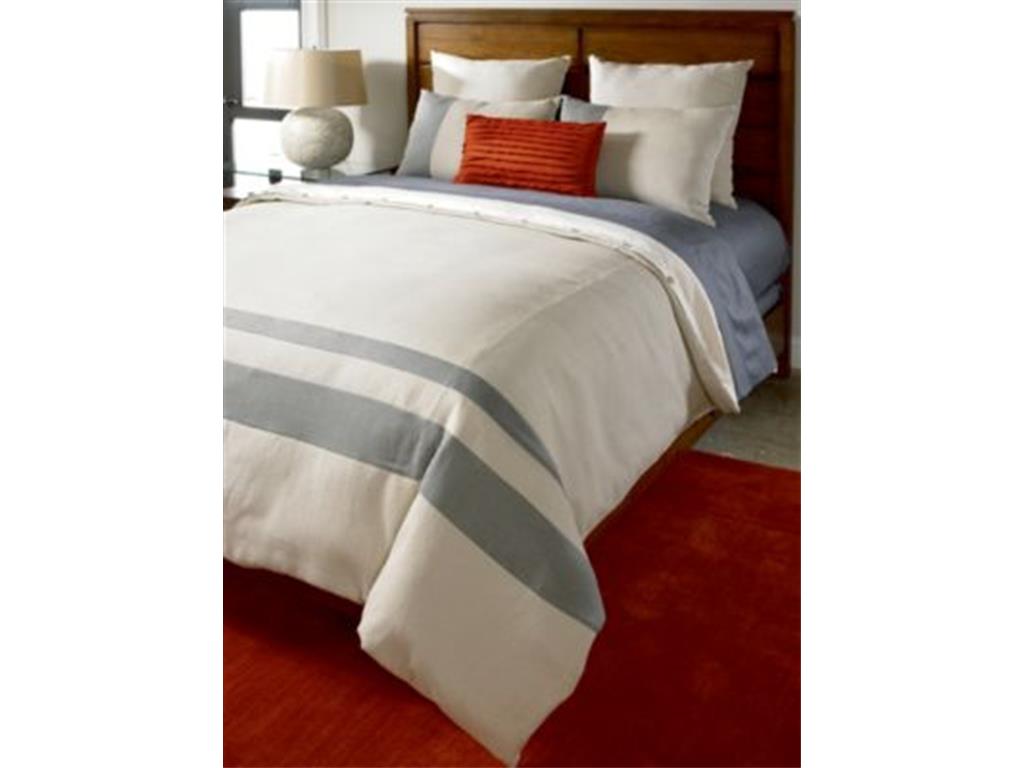
Thomasville Bedroom Slumber Ensemble Set (Super Queen) TV-BD1-40 shows an exciting fusion of bold and neutral colors.
The bedroom, unlike living spaces, can make use of hot hues on walls. Living space walls normally reflect the trendiest artwork and accessories unlike the bedroom where in-the-moment palettes are most in. The 80s bright neon look, for instance, would be an interesting color to splash across the bedroom walls. Pink and dove gray combination, on the other hand, makes for a relaxing room. If you want a more recent color combination, look for them in fashion magazines. What usually appears in clothing stores and on runways are almost always translated to bedding.
For those who have a bit of trouble when it comes to sleep, colors that are serene or restful is the way to go. For those who do not have sleeping issues, then you are the few who can try something bolder. Spending more time inside the bedroom is a lot more fun if the colors are fresh and they match your personality.
Rich Hues
Choose to add color and texture in one go with the grass cloth wall covering. Pick a color (or color combination) that is vibrant so that the rest of the room is left simple. Say, you chose flaming red as the color; then have the bed and the rest of the furniture in a more subdued color. You can, however, carry over the red to your lampshades, pillows, and bedding.
Painting the walls and trim with a bold, bright hue can give the bedroom a cozier, more cocooning effect.
The Hanging Chair
If you have ample room for an extra chair, then you might as well have one that shows a lot of flair. A hanging basket chair will surely catch anyone’s attention.
The One-of-a-Kind Keyhole Arch
If you are jumping into the remodelling bandwagon, then you might as well do something mysterious or unique for this project. Adding a nook or a semi-secret corner can be done in style. Just add a keyhole arch to separate the smaller area. This should still be able to allow the passage of light into the main room.
Use Layering
Try a different sort of style when you are out to change the bedding. Mix and match patterns and colors. Since the bed is the biggest object inside the room, make it a point to think about what you would put there. Any pattern or color that you place there will immediately catch the eye of anyone who visits the bedroom. Use a smaller scale of patterns on the sheet while using a larger scale pattern on your coverlet.
Accent pillows can take the extra large scale prints.
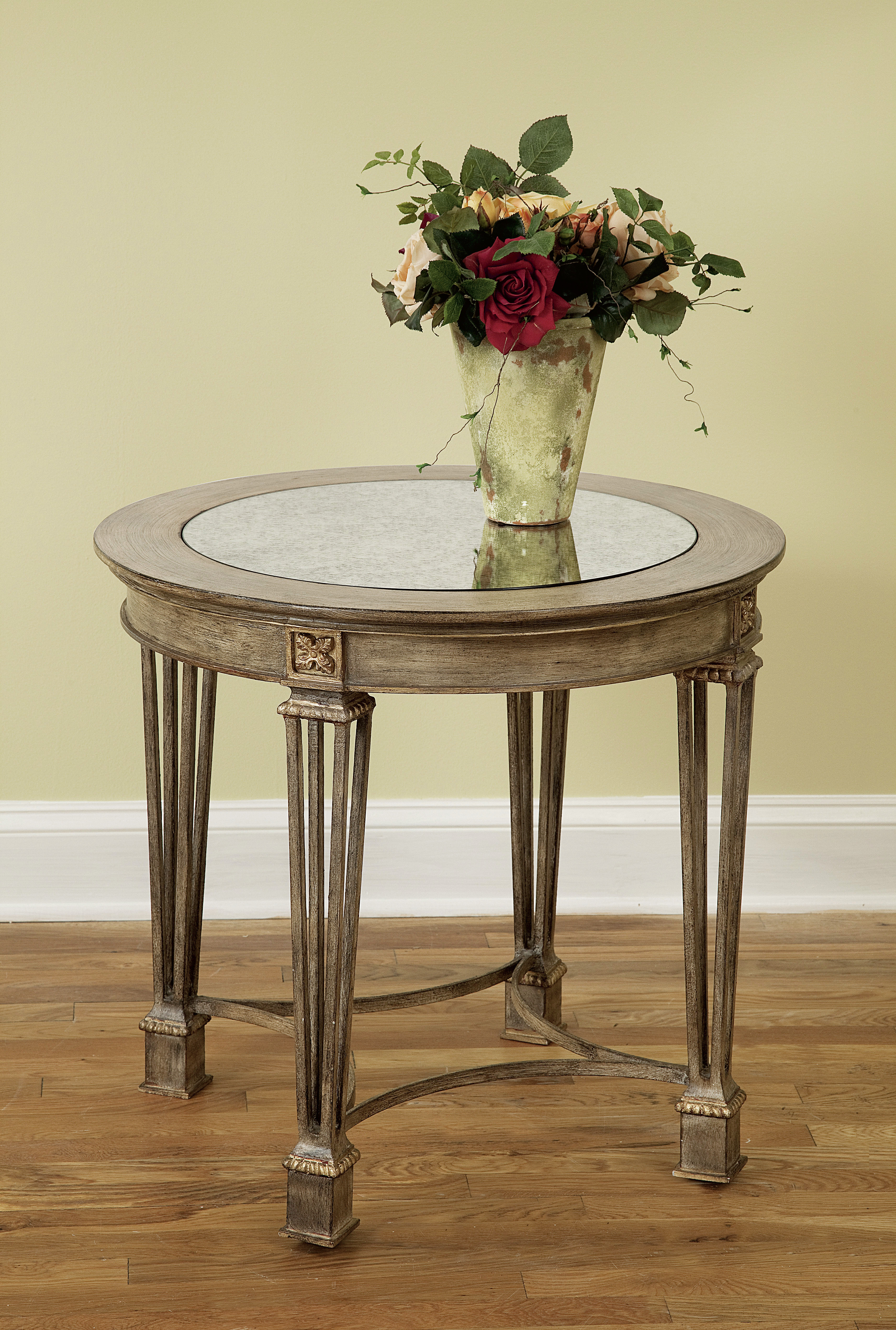
Floral arrangements create an interesting backdrop to an otherwise boring bedroom nook. Featured table is from FFDM’s Biltmore Collection.
Beautify the Windows, Too
Don’t be satisfied with plain blinds for your bedroom. You can afford to be more flamboyant when it comes to your bedroom shade so you might as well choose fun fabrics.
You may begin with the plain, neutral-colored shades then sew on some interesting fabrics. Just be conscious about the layers that you add since these can make the shades opaque. See also that the fabrics won’t make opening and closing the shades a lot more difficult.
Add Some Bedroom Art
It would also be nice if you can commission a wonderful piece of art. You can save up for one artwork or you can create a simple gallery right on your bedroom walls. Most artists work from a single photograph then they develop their theme from there.
You can set up a real headboard, a wallpaper headboard, or you can simply cover a not-so-inspiring part of the wall with curtains.
You see, there is no need to limit your vision with regard to the inspiring
bedroom that you are creating so unleash the artiste in you.
Tags: art, artwork, artwork on walls, bedroom colors, bedroom furniture, colors, displaying artwork, layering, layering in interior design, McCreerys, McCreerys Home Furnishings, patterns
Posted in Bedroom Design, Color Schemes | No Comments »
Saturday, March 5th, 2016

Accessories Uttermost Paisley Vintage Art 55009
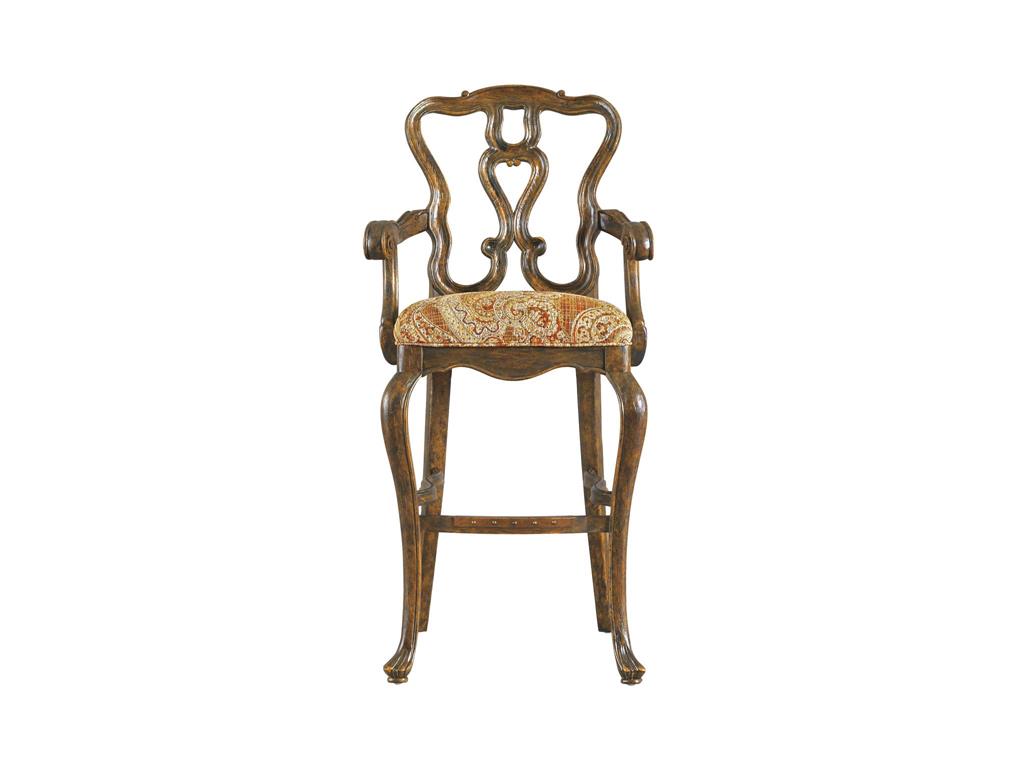
Stanley Furniture Bar and Game Room Bar Stool 208-11-73
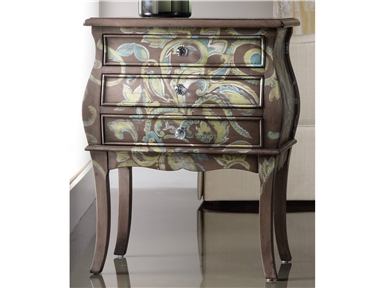
Hooker Furniture Living Room Melange Paisley Accent Chest 638-50081
Paisley, as you already know, is an intricate pattern. This isn’t for the simpleton as it comprises a complex blend of colors on a harmonized palette. Many cultures influenced the paisley design. It came to the west because of cashmere trading coming from the Vale of Kashmir, then to India, and all the way to Europe. Kashmir is at the border of various cultures. It is near China, India, the Middle East, which is no surprise that these cultures influenced paisley designs.
The Paisley History
Paisley was first introduced on the 18th century in the west. Though this may be the case, its real origin, even the shawl patterns (more popularly known as paisley shawl) are a lot older.
There is a difference between the original designs and the later styles. Early paisley depicted flowers and every possible part of nature while the modern designs show a lot of style and intricacies. It is also notable how there are similarities between the floral designs of paisley and Chinese calligraphy.
As you now know, early designs are naturalistic. There was also an awkward phase as paisley became more blocky and geometric.
Cashmere paisley shawls were then exported to Europe and the Middle East. When this happened, due to a different requirement in these regions, the designs deviated from the usual naturalistic depictions. Pretty soon, Islamic nations craved for geometric designs, but none of the representations of people and objects.
The West soon has its own aesthetic desires. There was a demand for anything that is exotic. Soon there were imitations of cashmere shawls that were being produced all over Europe. These pieces lacked the originality and imaginative designs that were characteristic of original cashmere shawls.
Europeans produced their own shawls with designs replicating the beauty of Kashmir and Indian designs. Notable European producers came from Norwich in England and a place in Scotland called – Paisley.
Europeans made more affordable shawls because they did not have cashmere access. They used wool and silk blends yet they could not weave more colors. Compared to their Indian counterparts, the European paisleys were quite subdued.
Interior Design Applications for Paisley
The activity that is often seen in paisleys can be hushed by certain colors. Use baby blue, lavender or vanilla to create visual interest without overdoing the design. These color combinations can be good enough for nurseries or bedrooms.
Muted paisley wallpapers can also be used especially when accented with bright accessories.
The paisley rug can effectively harmonize a room that uses color blocking. Find a rug that uses the same hues in the space so that it can unite the look.
These days, paisley is being revolutionized as it is mixed with large scales and bright colors. Let this design do most of the talking in your chosen theme.
Mixing paisley with other patterns is also a wonderful way to up the style, even the personality of a room. Many people freeze at the very idea of mixing different patterns, though. Most of the time, they are just not sure how to begin.
If you want to use paisley with other patterns, then use the odd numbers scheme. Use no less than three different patterns that vary in scale – from small, medium to large. Fuse different kinds of prints like check, florals, stripes, geometric, polka dots, plaid, toile, and paisley.
Choose your largest pattern first as this will serve as the anchor of the design for the rest of the room. The largest pattern is the one that will make a bold statement for the rest of the design. if you intend to use paisley as your large scale pattern, then there won’t be much effort on your part. Paisley will definitely speak for itself.
Tags: designing with paisley, history, history of paisley, McCreerys, McCreerys Home Furnishings, paisley, paisley design, paisley history, paisley patterns, patterns
Posted in Interior Design 101, Interior Design Elements, Interior Design Themes | No Comments »
Friday, February 12th, 2016
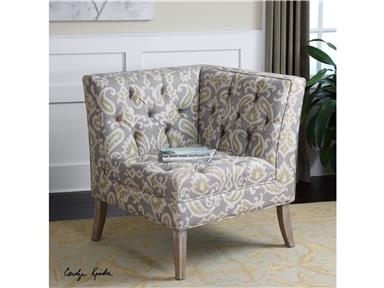
Living Room Uttermost Meliso Tufted Corner Chair 23167
Have you ever heard of the term Ikat? This is actually a kind of fabric that has been woven, dipped and dyed in almost the same way as tie-dyed stuff. The creation of Ikat prints is time consuming, hence, it was a symbol of power and wealth among Indonesians.
Ikat became available to interior design just a few years back. John Robshow, a famous fabric collector, as well as Madeline Weinrib, took Ikat and turned it into a high-end material. Soon, Oscar dela Renta also used the material on their scarves, bags, dresses and shoes.
The Ikat Technique
Ikat is a technique of resist dyeing that is used in making textile patterns. Resist dyeing often involves covering some parts of the fabric to shield them from the dye’s penetration. Thread is wound around the fabrics then wax is applied to the cloth’s surface (batik).
Ikat, in contrast, is a process done before weaving, warping or wefting. To come up with the patterns, the threads are first set on a frame. Several threads are then grouped then tied all at once. This results in knot units where the overall pattern made obvious.
Resist ties are then removed or some are added for every color. The combinations give birth to the designs. As the dyeing is completed, every single one of the resists is opened then the patterned yarns are finally woven.
Ikat is a Malay-Indonesian term for tie. Depending on whether tied fibers are used on the weft or warp, the technique can be called either as weft ikat or warp ikat. The double ikat is known as the third variety. This mixes the weft and warp tied resist.
The pattern becomes visible through the use of a major resist-dyed thread system. Warp ikat makes use of weave that is warp-faced while weft ikat has a weft-faced look.
Plain weave is best for showcasing the ikat design. Weft ikat which is a twill weave, can also be used.
Double ikat is ideally woven using a balanced weave, with weft and warp both visible. Any kind of textile fiber can be used to create ikat, though cotton and silk are quite common.
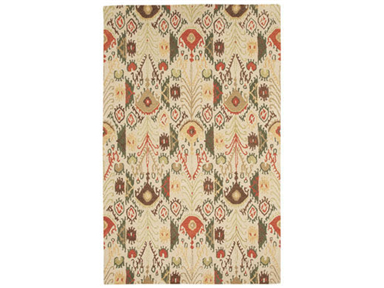
Capel Incorporated Floor Coverings Ikat 3′ x 5′ Rug 3261RS03000500800
More Ikat History
It is not established where and when the resist technique first came into existence. Asia comes with cultural regions with strong ikat culture. India, Central Asia and Maritime Southeast Asia are all candidates for where the technique originated.
Ikat could have evolved earlier, though. The Austronesian world also knows of this technique of tie dyeing. Madagascar and Indonesian ikat traditions seem to have similarities.
The earliest productions of ikat have also been seen in Peru, Chile, Guatemala, even Nigeria and Ghana. The Mediterranean region and Europe answered with ikat when Islamic textiles became renown. Italy soon welcomed this lovely print during the 17th century. The rest of Europe including Spain and France also started to produce these lovely prints.
The 19th and 20th centuries witnessed how Asia produced quality ikat textiles. Countries such as Japan, India and the rest of Asia produced these quality textiles in abundance. China, though famous for textile production, was not able to develop this technique.
India and the rest of Southeast Asia are the regions that offered more diverse ikat designs. Andhra Pradesh, Gujarat and Orissa proved to have their own ikat traditions. The sari-length silk cloths were soon manufactured in double ikat by Patan weavers.
Ikat designs, even to this day, require precision and a great amount of planning. If you have one in your home, then you are in possession of a piece that has weathered the test of time.
Tags: 19th century, 20th century, Asian design, Asian style, geometric patterns, ikat, ikat design, ikat patterns, ikat prints, Indian, McCreerys, McCreerys Home Furnishings, patterns
Posted in Interior Design 101, Interior Design Elements, Interior Design Themes | No Comments »
Sunday, January 31st, 2016
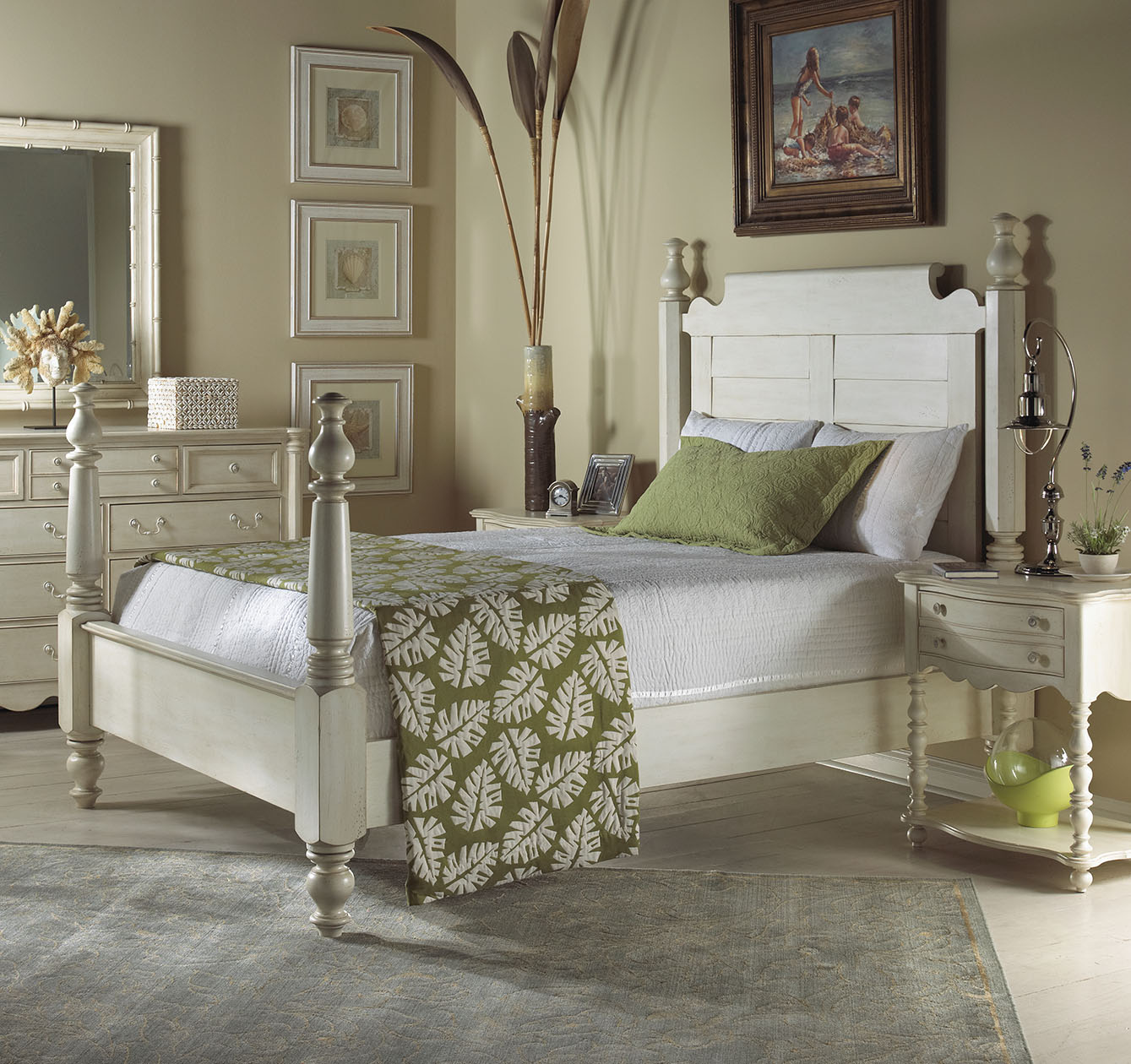
The Summer Home Collection of FFDM features this neutral colored bed and nature-inspired blanket, all perfect for a Maori-inspired home. Notice how the blanket connects with the accent pillow, framed artworks, and the decorative piece underneath the bedside table.
There are many benefits to island living. The most obvious are a relaxed atmosphere, having the chance to breathe in the fresh sea air every day, and a congenial community. Tropical living is impossible in city dwelling but the same ambiance can actually be replicated. Are you up for the Maori interior design?
Maori or tropical island design is one of the hottest styles or trends in interior design these days. This design covers just about anything from sports, modern to contemporary living. Jump start your island setting by using fine art, colorful furniture and accent pieces, paintings, etc.
What is island living without any plants?Find colors that signify your chosen theme including different shades of blue and other natural colors. Burlap material is a great choice for your wall covering. The Tiki also depicts island living with its bamboo bed sheets and shades.
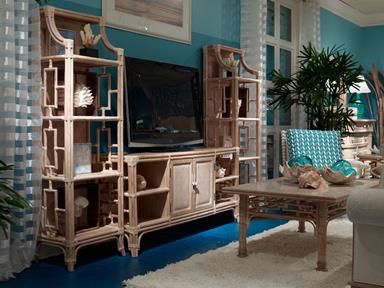
Fine Furniture Design Home Entertainment Maori Entertainment Base 1220-693
Tropical plants are must-have decorative pieces when you want to go Maori. Use live or silk vegetation, even timber statues. Bring in palms (the natural types are best) to your living room.
Window treatments must be airy and gentle to the sight. Bamboo bed sheet colors should also be easy on the eyes. Other valuable options include bright colored drapes and sheers. Island prints are also the best pattern for your sheer curtains.
Various crafts can be acquired in order to come up with the Maori style. It is best to look through photographs that involve sugar plantations and areas that plant blueberries. You can also look for essential oil pictures that are linked to yachts and freight boats. And just to prove your point, go on and have pelicans, seagulls, turtles, whales and other forms of sea life as art inspirations.
You are showcasing no less than the beauty of Maori living so go all out.
Another design element that you need to consider in island living is the use of more space. This kind of lifestyle has to be inviting and comfortable. The designs must be relaxing especially inside the master bedroom and bathroom.
You can also adapt the same concept inside your children’s rooms. Many youngsters love the idea of being flanked by a lot of seashore images. They are also settled by the lively yet comforting colors.
Lavatories are organic pieces in any island inspired bathroom. As for the kitchen, make use of bamboo, wicker, and the open picnic stands. Outdoor desks are also welcome in this environment. A lovely Tiki hut can serve as the island in an outrageously spacious kitchen.
Another important part of Maori design is to achieve a clutter-free setting, hence, you would need a lot of storage regions. Add a dash of tropical colors, wicker baskets, fresh paint shelving units, and wooden partitions.
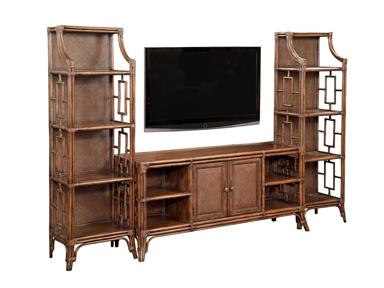
Fine Furniture Design Home Entertainment Maori Entertainment Base 1220-693
Maori design can be used in either the home or work setting. This is an appealing, friendly and warm style that can make work environments more joyful and homes more pleasant. Search from among our accent pieces and furnishings to give life to your planned theme.Tropical island living becomes more appealing and enjoyable when you share it with your loved ones and your friends. So, as soon as you are able to set up a welcoming fountain outdoors (or any obvious water element), bring in some fresh potted plants, and invest in some wicker or wooden furniture; you should call those closest to you and celebrate the beauty of your new place.
Go ahead and grab the best interior design magazines and glean more ideas regarding island living. The Maori style is one-of-a-kind; the sky’s practically the limit when it comes to this theme so visualize, experiment and celebrate.
Maori interior design is awesome!
Tags: bamboo, bamboo furniture, bamboo interiors, contemporary, guidelines, Maori, Maori design, Maori interior design, Maori style, McCreerys, McCreerys Home Furnishings, natural, natural colors, natural elements, natural hues, natural wood, nature in interior design, nature-inspired design, nature's colors, neutral, neutral colors, neutral hues, patterns, tips, tropical colors, wicker, wicker furniture, wicker furniture pieces, wicker pieces
Posted in Interior Design 101, Interior Design Elements, Interior Design Themes | No Comments »
Wednesday, January 27th, 2016
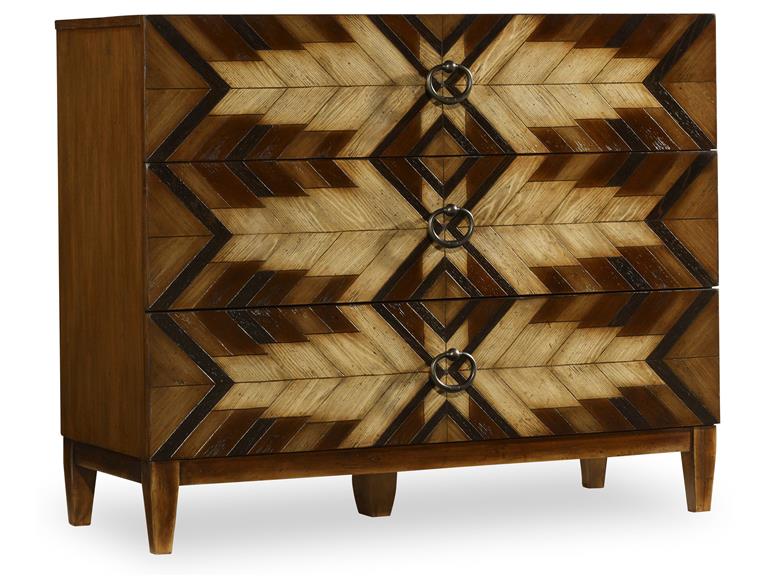
This Hooker Furniture Living Room Geometric Chest will look great in any living area.
If you have an artistic flair that needs to be satiated, then you might feel that your home is in need of a shot of color. The latest geometric accent pieces and wallpapers can give your home that needed lift. Imagine still feeling energized even during the dreary winter months as nothing can compare to bright and bold patterns when it comes to invigorating the senses.
A Daring Move
Geometric patterns are the hottest topic in interior design these days. Chevrons and stripes have been dominating the headlines in many interior design magazines for a long time. This trend is here to stay but if this is your first time to embrace this bold style, then it is advisable that you take it easy.
Do not run and invest in the boldest carpets and wallpapers all at once. Fine patterns that are unique which will surely pass design fads. The usual stripes and chevron patterns can give a feeling of modernism and youthful vibrancy. While this is so, you need to consider the overall style of your home so that the geometric patterns you are going to bring in will fit.
It is not difficult to create subtle yet sophisticated looks just by looking for a muted neutral shade then slowly layering with a bold mix of colors and hip patterns. Just make sure that you use bold patterns sparingly or you would be left with a room that confuses the beholder.
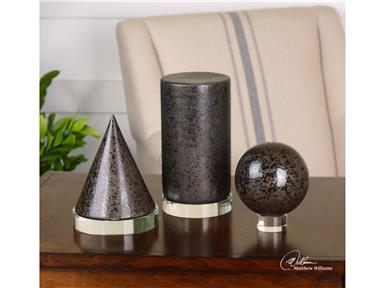
Accessories Uttermost Geometric Shapes, S3 19935 are black ceramic shapes complete with crystal feet and bronze undertones.
Consider Your Mood
It is also crucial that you think about the mood that you would want to project in your home. Soothing and relaxing places are your bedrooms and the living room. You can still use graphic prints in these rooms but limit your color palette to the soft and calming hues. You can also extend this same cozy effect to your master bathroom and all other bathrooms in your home.
As for the kitchen, dining area, the hallway, and rooms where foot traffic is almost constant, go ahead and splurge on those vibrant wallpapers. These are now available in many exciting patterns and colors. They are sure to energize the entrance hall and would leave a lasting impression with any visitor.
Never be limited by the thought that geometric patterns are for contemporary homes only. There are many options for just about any theme that you can think of. For the more traditional styles, then add glamour through subtle geometry. As for modern themes, the sky’s the limit pretty much.
Draw some inspiration from different eras, for instance, if you feel inspired to use materials from the Art Deco period, then find linear patterns, subtle curves, and monochrome or metallic colors. If you want contemporary styles, then find wallpapers in a ‘60s vibe. These could have a dizzying effect at first but you will soon appreciate the unique vibe that they bring in to your space.
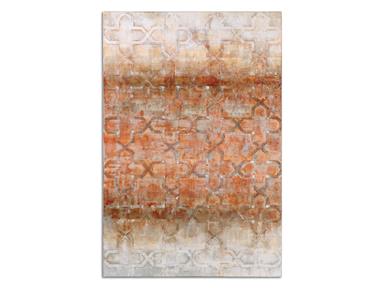
Accessories Uttermost Geometric Impressions Modern Art 35309 is a hand painted canvas with geometric pattern rendering a three-dimensional effect.
You can also opt to use two-tone geometric patterns or have those harlequin-like patterns of diamonds and a spectrum of colors. Should these remain uninspiring to you, then choose a mixture of eighties design, palm leaf and bold shapes.
It is not advisable to decorate an entire room with geometric patterns. Less is more with this kind of style. Also, it is not just for the brave and daring homeowners who would set up a feature wall; it is also a style that can fit a person with delicate personality.
Wallpapers are not the only stuff that you can bring in. See the metallic geometric shapes below and you would know that geometric design can also be a decorative element.
Featuring geometric artwork is also a welcome move as are the use of rugs, carpets and furniture that show interesting patterns and textures.
Tags: bold, bold design, bold statement, Chevron, contemporary, contemporary interiors, contemporary style, contemporary theme, design geometry, geometric design, geometric interior design, geometric patterns, geometry in design, guidelines, McCreerys, McCreerys Home Furnishings, modern, modern style, modern theme, modernism, patterns, stripes, stripes in interior design, tips
Posted in Interior Design Elements, Interior Design Themes | Comments Off on Geometry in Interior Design: Fun, Hip and Stylish
Follow us on our social media


© McCreery's Home Furnishings | All Rights Reserved | Privacy Policy
