- Follow us:


Friday, November 18th, 2016
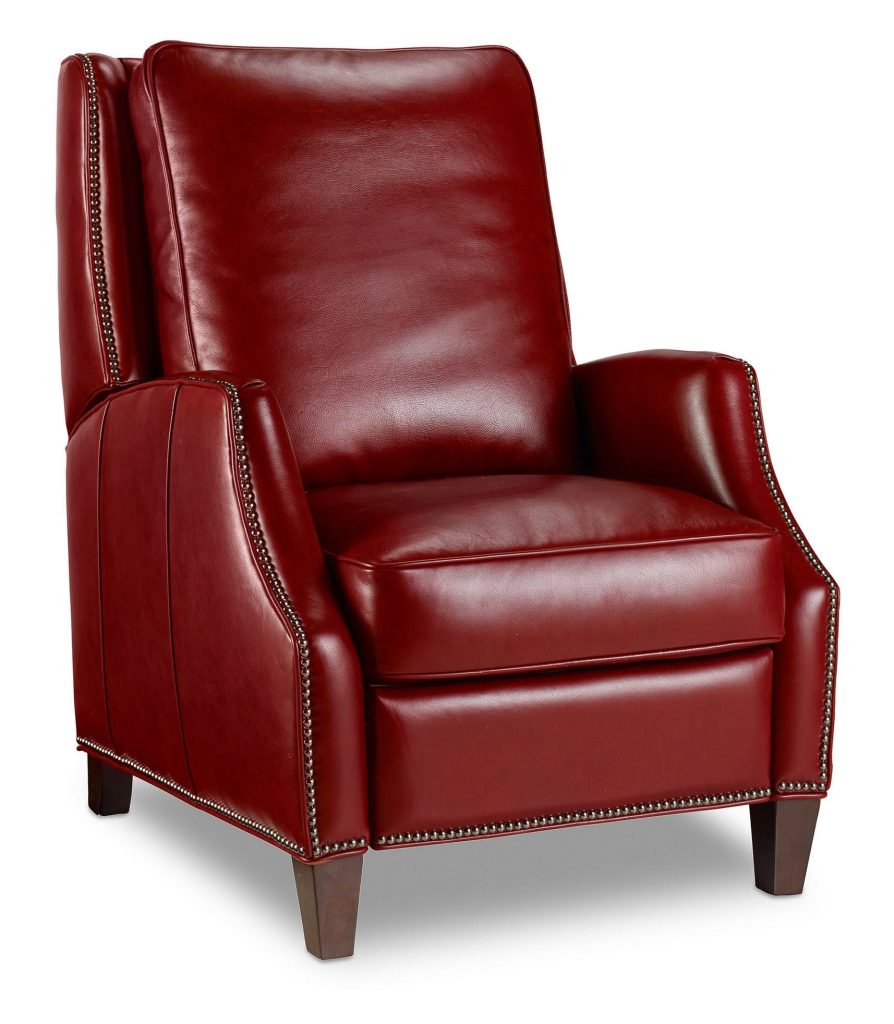
Hooker Furniture Living Room Kerley Recliner
Red is a color that easily mixes with any other hue in a color scheme. But do you know how to use it effectively to the point of not going overboard? Here are some ways that you can add an exciting amount of red in your home –
Know What Red Signifies
Red is no less than passion’s color. If you’re passionate about this color, you just have to learn how to use it so that you don’t go easily from cheerful to aggressive. Keep this simple advice when using red in a room.
Positive words attached to red and its different shades are speed, assertiveness, energy, excitement, stimulation, courage, and spontaneity.
Too much means too much when it comes to this color so be careful in using too much.
Know Varieties of Red
There are many variations of red but some of the most used are maroon, crimson, burgundy and scarlet. Maroon is the dark bluish shade that denotes controlled actions. This is softer than burgundy but not nearly as dramatic as the real red.
Crimson, on the other hand, has a tint of blue in it. This signifies a will to succeed and sensuality.
Burgundy is the dark purplish type of red. It is less energetic than the real red but it is still sophisticated and has a determined look to it.
Lastly, scarlet is red with a bit of orange. It is the latter that gives the red a richer and brighter feel. Scarlet is indicative of enthusiasm and a certain level of defiance.
Red as Accent
Many designers use red as an accent color in their projects. These accents can be anything from pillows to candles.
Accents of red can draw the attention towards the place where they’re most concentrated. The whole point of using red in your home is to have it entice, even intrigue guests. Less red is actually more effective than using a lot.
When you don’t know which shade of red to use, then look back to your decorating style as well as the architectural details in your home. The use of red should be carefully planned.
Find Your Style with Red
When you want to create a contemporary look, be sure to incorporate neutral elements but with bold colors, here and there. A bright red door in a neutral home is a bold statement anyway you look at it. Bright red could also be used on an area rug, pillows or throw pillows.
Achieving a modern look with red means using basic hues to classic dark hues such as brown or burgundy undertones; it would also be wise to inject a piece of art that has a dash of red on it.
Traditional look is achieved when you steer clear from primary reds. Use black or burgundy tones instead. Use Oriental rugs infused with darker shades of red. Country reds, on the other hand, make use of softer and chalkier kinds of red. Those that come with purplish or pinkish hues would be perfect. A barn red door will look perfect outside a home that’s accessorized with country red fabrics and décor.
Red as a Design Stimulant
Red inevitably raises the energy level in any room. This is one of the most intense if not the most intense color. It affects the adrenaline like no other color. This is a great choice for rooms where you want to stir excitement and where people need to feel more productive. This is a wonderful color choice for dining rooms, kitchens and the living room (if you intend this last room to be a room full of activity).
So, are you ready to use red in your home?
Tags: color psychology, McCreerys, McCreerys Home Furnishings, red, red color psychology, red interior design, red interiors
Posted in Accents, Color Schemes, Interior Design 101, Interior Design Elements, Interior Design Themes | No Comments »
Thursday, November 17th, 2016
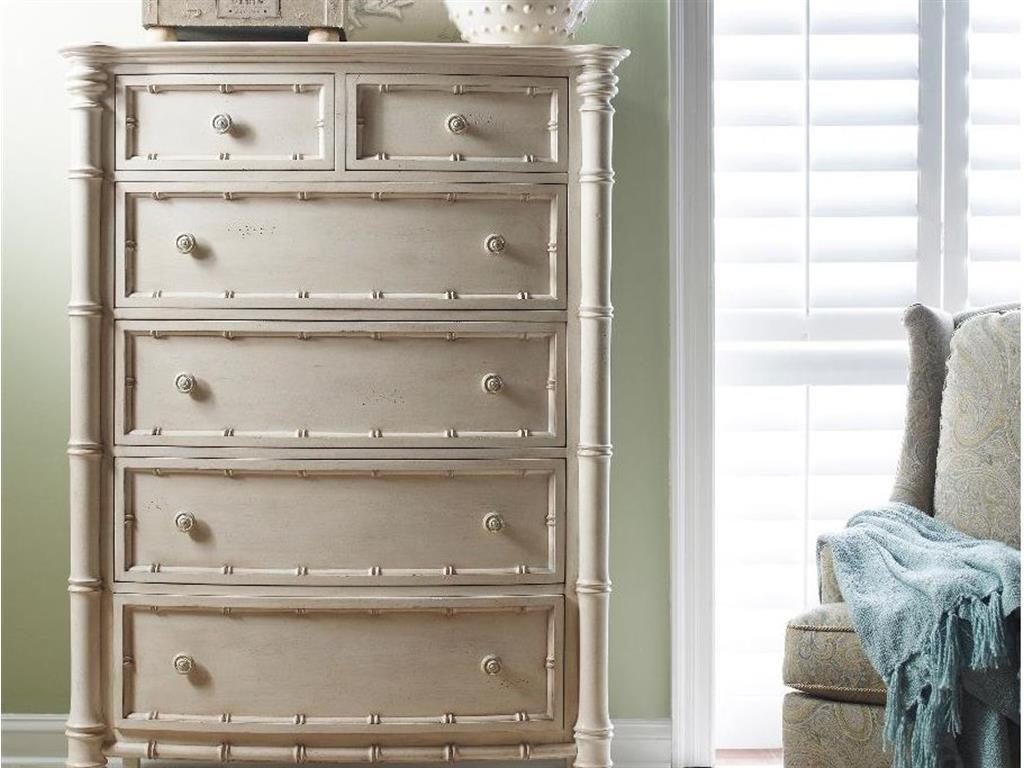
Fine Furniture Design Bedroom Bamboo Drawer Chest 1050-116
What did you feel when you last saw an all-white home? Did you feel relaxed or was it the opposite? White is a color that most homeowners would just use to mix with other colors but using it – on its own – is not something that many would venture to. A lot of people are nervous about the use of white especially when they want their home to look homier. Yet white can be a refreshing color compared to many other colors on the spectrum.
White evokes cleanliness, purity, even sophistication and confidence. Prior to using white in your home, be sure to check out the following tips first –
White as Clean Slate
Instead of feeling nervous about white, look at it as a way to achieve a fresh start. White can release your creativity without you even becoming totally aware of it. A white room is a wonderful way to decide what inspirations you have for your room. For instance, if you have a scenic view from the living room, then it would be a great idea to frame this in white walls. There is nothing more beautiful than white as a backdrop for the most gorgeous vistas.
Know also that there are different shades of white that are not automatically beige. Every hue, in fact, has a corresponding white tint, from yellows, pinks to purples and greens.
White on Upholstery
Sure, white upholstery is a bit more difficult to clean as it gathers dirt more quickly, but using white in this case means knowing what fabric type to pick. Having children and pets in your home would call for sturdier fabrics such as khaki or faux suede. There are also slipcovers that are now made with white denim so find out if that’s also suitable for your active home.
Let Art Do the Talking
A great asset that you can actually show off using a white wall is an interesting piece of art. Show your personality by putting up a framed painting or any interesting piece of art on the wall. Such pieces command attention and adding the bareness of white make them the perfect focal points in rooms.
Use Tone-on-Tone Layering
Should you ever feel that your room lacks warmth or personality, think of layering the whites in like shades. Use warm whites and warm grays, for instance. Use textures and patterns that are similar to the white hues that you used.
White Spells Versatility
White will always be a rich canvas where you can decorate and style all year round. Whether you’re ushering in the winter season or welcoming the advent of spring, there will always be shades of white that go well with the interesting colors of the season.
White can also be used to frame interesting architectural features. For example, an all-white bathroom would effectively highlight a colorful vanity table. With the right accessories, white can actually look cosmopolitan, even sophisticated.
Risk aversion or veering away from idea overload is also the role of white paint. As a homeowner, it is often easy to get lost in the trendiest interior designs. If you want to have a more grounded setting, then use white to anchor your most interesting designs.
White Means Erasing Blemishes
White is an eraser of any architectural error – from blemish on the drywall to exposed ducts. White is an effective way to camouflage eyesores. If you’re living in an older home, then this can also highlight the most beautiful crown molding.
Use white to transform your home to the modern minimalist, classic neutral or traditional setting that you dreamed it to be.
Tags: McCreerys, McCreerys Home Furnishings, neutral, neutral colors, neutral hues, neutral interior design, neutral interiors, neutral palette, white, white color palette, white color scheme, white in interior design, white interiors, white palette
Posted in Color Schemes, Interior Design 101, Interior Design Elements, Interior Design Themes | No Comments »
Thursday, November 17th, 2016
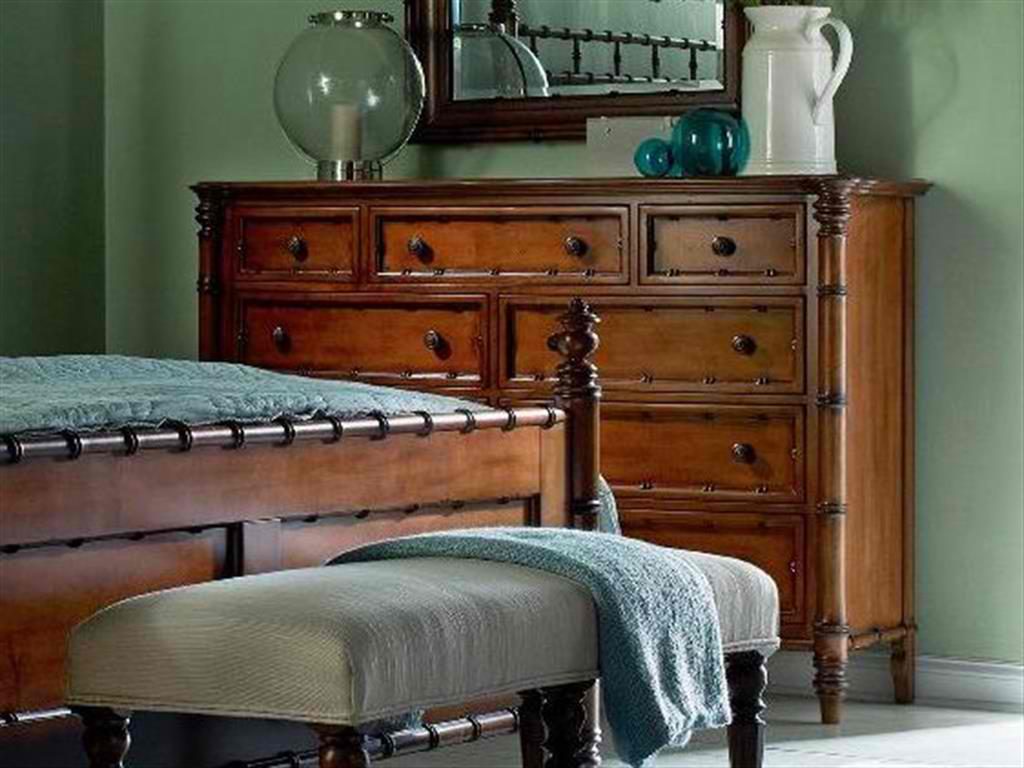
Fine Furniture Design Bedroom Bamboo Dresser 1050-144
More and more people are becoming environmentally-conscious these days. The green design for homes has become a standard of sorts and it is no surprise that it is now gaining popularity. Having a green home means owning a place that is environment friendly and has ergonomic designs. This is a design that appeals to those who want to conserve what’s left of the planet. This is also the chosen ambience for people who want to live a healthy lifestyle.
Sustainability Is Piping Hot
Just like other fields of design, interior design will forever be tied to the ever-changing styles. What’s in or out with regard to interior design is almost always what’s in or out in the world of fashion. Should you design goal be about renovation, redecoration or architectural detailing, every interior designer must know what the hottest or classic trends are.
Know that in the design industry, these days, the fastest-growing section is interior design sustainability. You can now practice rain water collection if you want to your home’s water needs or you can buy furniture made with sustainable materials like bamboo.
Highlight Green
The ASID or American Society of Interior Designers strongly believes that green design must be included in every interior designer’s approach these days. The reduction of environmental impact does not just lengthen Mother Earth’s day but could also make your home a healthier place to live in.
Use Energy-Wise Stuff
One basic way to go green on your interior design is to efficiently use every bit of space that is available in your home. Use harmful construction materials to a bare minimum. Live in micro-houses or apodments. These are solutions that are less than 300 square feet and already come with amenities such as a refrigerator and a microwave.
Every interior designer must also work in maximizing doors and windows so that more light could come in. With ample natural lighting comes energy savings. Use wood flooring, furniture and other home products that come from renewable sources. Have water-saving toilets set up.
If you want to be surer about the source of your materials, then talk to the suppliers.
Say Yes to Waste Reduction
Decorative stuff and furniture can be easily repurposed these days. If you are truly environmentally-conscious, you can refurbish or a better option is to decide on a style that you would want for the rest of your life then invest in furniture pieces that would last as heirloom pieces.
Use fabrics, tiles and carpets that were made from recycled materials.
Plan Lighting Efficiency
Another part of your plan is to be clever about the incorporation of light in your home. Use skylights and windows more effectively. Maximize daylight by using these parts of your home and minimizing artificial lighting.
Apply a Fresh Coat of Paint
You may or may not believe this but the color that you use to paint the interior or exterior parts of your home can spell a huge difference in light and heat absorption. The hottest summer months require cooler and lighter colors such as greens and blues. These hues can reduce room temperature by as much as 6-10 degrees.
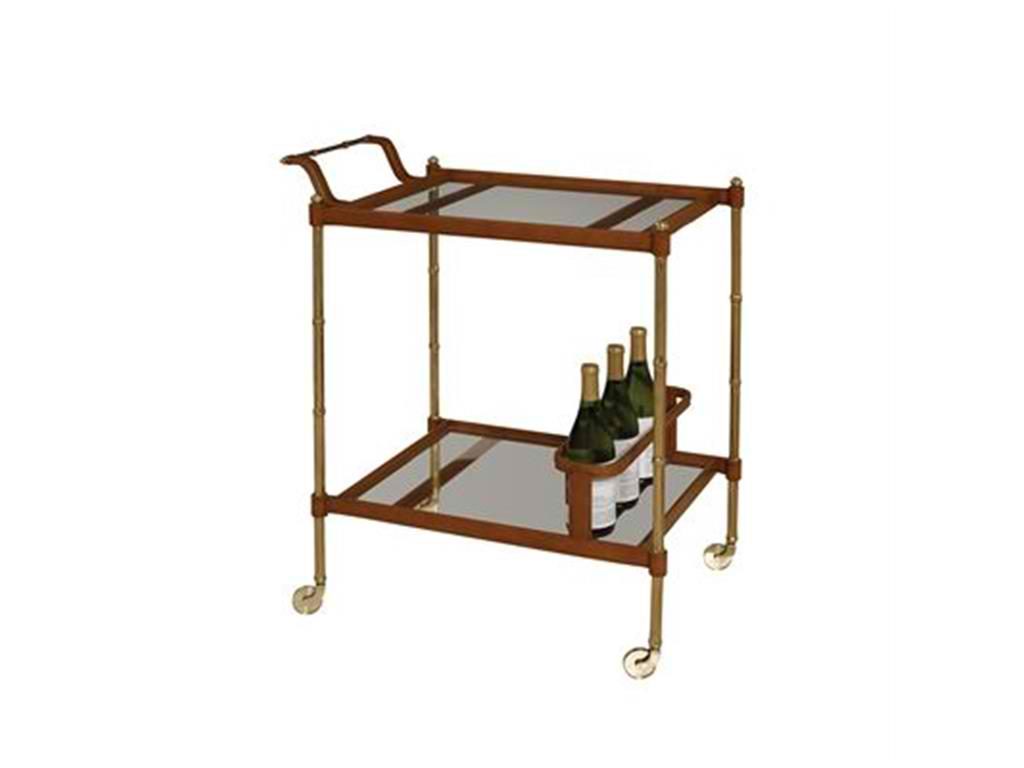
Maitland-Smith Accessories Bamboo Cast Brass Bar Cart 3020-042
Use New Window Treatments
Do not forget to consider the drapes, curtains and blinds. These can also help in the reduction of energy costs. You might think that window treatments are mere decorative items but they are, in fact, choices that can make a huge difference.
Drapes, for instance, are effective in keeping out drafts in winter seasons while shutters and blinds keep the warmth outdoors.
Landscape Your Way to Green Living
Lastly, you can plant trees right where the sun rises. This will reduce the amount of heat that goes through your windows during the day. Eventually, you will observe how your energy costs are greatly reduced.
You see, green living is tantamount to living a life of substantial savings.
Tags: energy efficient living, energy-efficiency, energy-efficient home, green, green design, green home, green interior design, McCreerys, McCreerys Home Furnishings, sustainability, sustainable design, sustainable home, sustainable home design, sustainable interior design, sustainable lifestyle, tips
Posted in 2016 Trends, 2017 Trends, Green Living, Interior Design 101 | No Comments »
Wednesday, November 16th, 2016
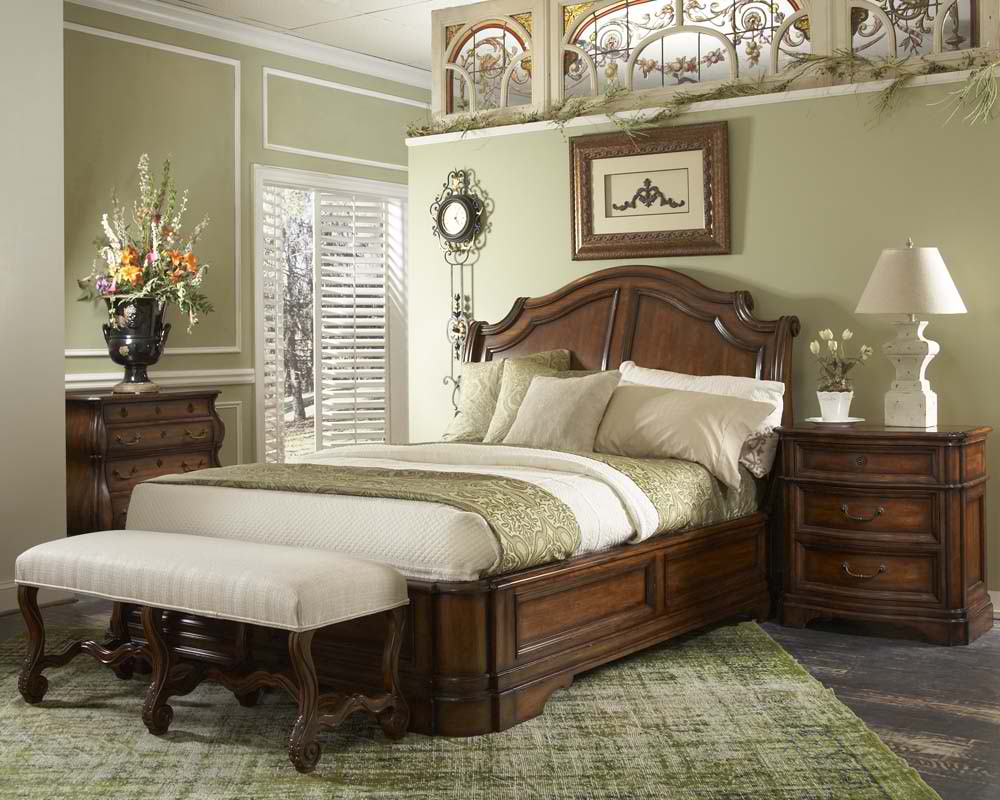
FFDM Vintage Classics bed may be huge but the walking space all around it makes the room easy on the eyes.
Most homeowners love to pick the colors, finishes and fabrics that they would use for their home. But before you go out and do the same, make sure that you don’t forget the first step in every home design or remodeling – space planning. When you do this correctly, you will have a room that would feel much larger and more efficient.
There are some steps to remember when you are out to arrange or rearrange your home to fit your lifestyle. Open floor layout means a lot of things but is it the right concept for your home?
Consider Space Needs
Create a list of the functional yet smaller spaces that you will need in a larger space. You can then assign square footage as soon as you have measured the entire area.
Consider also the furniture size as well as the number of people who will frequent the room. An example of is when the kitchen counter and the dining room are adjacent to each other. The rooms should be no less than 4 feet apart so that guests and household members will be able to walk between them with ease.
Consider Space Relationships
Now that room relationships are laid out for your consideration, you also need to determine the right size that goes with the correct space. Room adjacencies are the kitchen to the dining room (this is a common one); the bedroom to a bathroom; a workspace to the bedroom, etc.
These room adjacencies are always dependent on your lifestyle, though.
Consider Existing Conditions
If you are remodeling, reorganizing or redecorating, then you are not beginning with a clean slate. This means that you need to shape the look of the room considering the existing conditions. Contemplate the location of windows, doors, electrical outlets, partitions and columns when planning the space layout.
Other things that you need to find are the gas, plumbing and sewage lines in the bathrooms, kitchen and the rest of the rooms. You would want the drainage and water supply to be close to the existing sewage and plumbing lines.
Make sure you plan the adjacencies according to these needs.
Know Your Organizing Options
As soon as you know where the bathrooms and kitchen will be situated, it’s time to define whether you would have the linear or axial organization. The first type, as the name suggests, means the design elements are arranged in a line. Axial organization is the assembly of several linear organizations. The first type is quite flexible since all the shapes and sizes are correlated for as long as they lie on a straight line.
If you’re unsure about what to use, then sketch your ideas first. Use bubble diagram to begin your space planning. Figure out your size requirements as well as your room adjacencies. Draw different bubble configurations using different bubble zooms, furniture grouping and zone sizes.
Go on sketching till you end up with an arrangement that actually works for you.
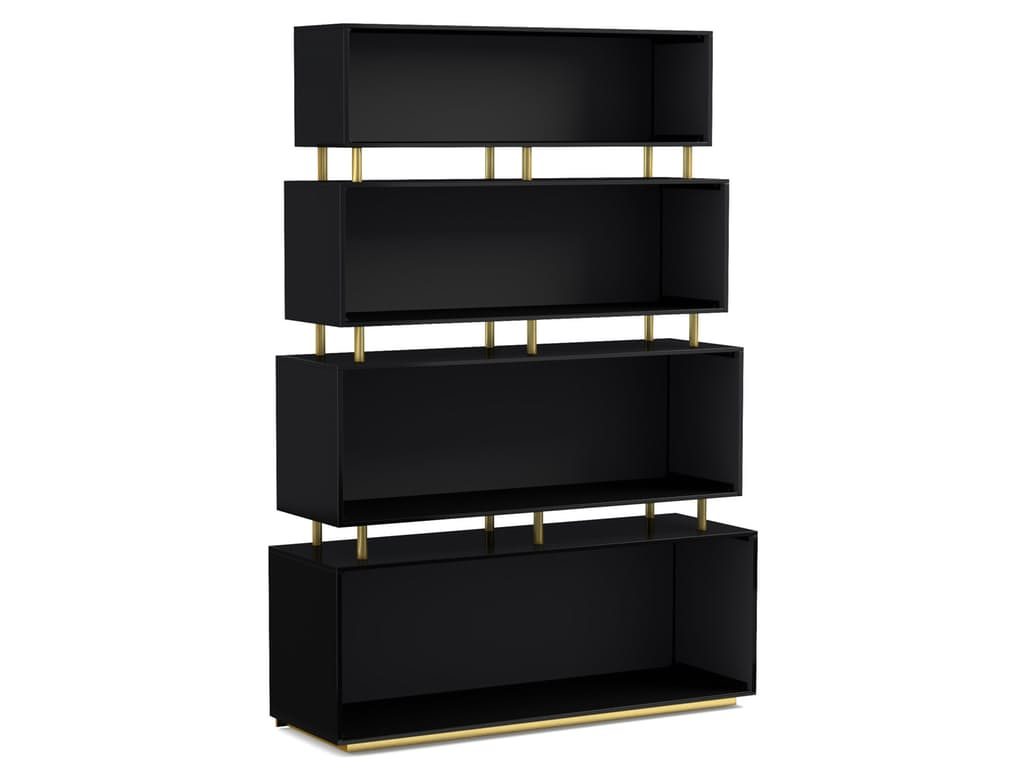
Cynthia Rowley for Hooker Furniture Skyline Bookcase will free up a lot space.
Define the Public and Private Spaces
When you are thinking of defining the public against the private spaces, always think about which spaces you would want to enclosed and others that you would just want to partially wall off.
Bedrooms are always private spaces and must therefore be situated in the quietest area of the living space. Dining rooms and kitchens are more open, hence, you would want to put them in a space that’s easily accessible and more prone to accommodate natural lighting.
When Helpless, Find Help
There are now a lot of software programs that can help you plan your space. Breathing space can be achieved through your own efforts or you can ask help from a designer or an architect.
Tags: design breathing space, McCreerys, McCreerys Home Furnishings, open space, open space design, open space layout, open space theme
Posted in Interior Design 101, Interior Design Themes | No Comments »
Wednesday, November 16th, 2016
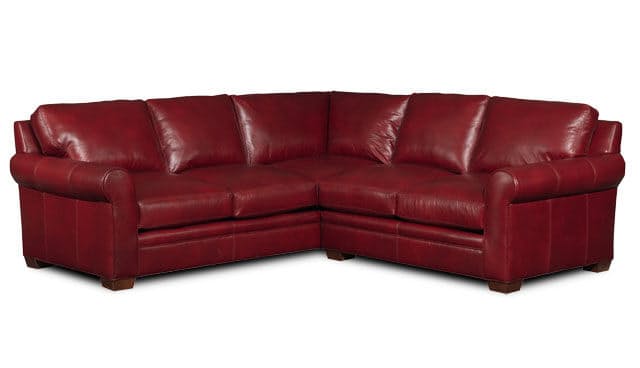
Bradington-Young Sectionals 224 Landry Sectional is red, bold and an obvious statement piece.
The world of neutral and bright-colored palettes can be a wonderful place to be in. You won’t have to worry about adjustment or playing with ugly combinations. It is safe so just about anyone can use them. Make sure that you don’t go overboard when you are out to create a bold statement for your home, though.
Bold does not necessarily mean the saturation of colors or, by default, the accent wall. Bold could also mean the overall appeal of the theme that you have chosen or created. If you would like your home to represent how bold you are, then here are some delicious tips that you shouldn’t miss –
Bold Means to Accentuate
If you want to go beautifully bold in your home, then use colors effectively. Decide which color will accentuate the space best. Having more natural light means you can control the amount of darkness or brightness using curtains, blinds or draperies. Add more dramatic colors to amp up the drama in the room without creating an overpowering space.
For a room that does not have ample lighting, choose bright colors or the more saturated colors. These should naturally reflect the light and would make any bold color appear more inviting rather than daunting.
Bold Means to Decorate
Do you own any bold piece of accessory or artwork? Then this is the perfect time to bring them out. Of course, you wouldn’t want your furnishings to clash so use a neutral palette of white hues and blacks as the backdrop. This should be a gorgeous and bold canvas that anyone with an artistic mind can work on.
You can then pick two colors all throughout your space for a more unified look then showcase your sculptures, wall art, or even a bold area rug as a statement piece. Don’t worry about getting wrong because it’s all about balance. If something appears to be off, then something might really be off. Be sure to balance the bold piece with neutral room finishes, furnishings, etc.
Bold Could Also Mean Subdued
There are interiors that are viewed as both bold yet subdued. These two seemingly clashing descriptions can actually work together – but you should know how. For instance, the Shangri-La guilded table by Cynthia Rowley can play the bold role while the rest of the surroundings remain neutral. Yet, the place looks both bold and calm, it’s all according to your perspective.
Bold Means Making a Statement
Your home is that one place on Earth where you should be the one to dictate everything that’s displayed. Since this is so, you are free to make a statement. Go ahead and hang that flashy chandelier all because you want to! Just learn to play with the rest of the space so that the room won’t appear garish.
If you’re starting to feel that the room has come to a point where there’s too much activity, then remove a bold color or two. It might also be as easy as taking down window treatments that are blocking natural lighting.
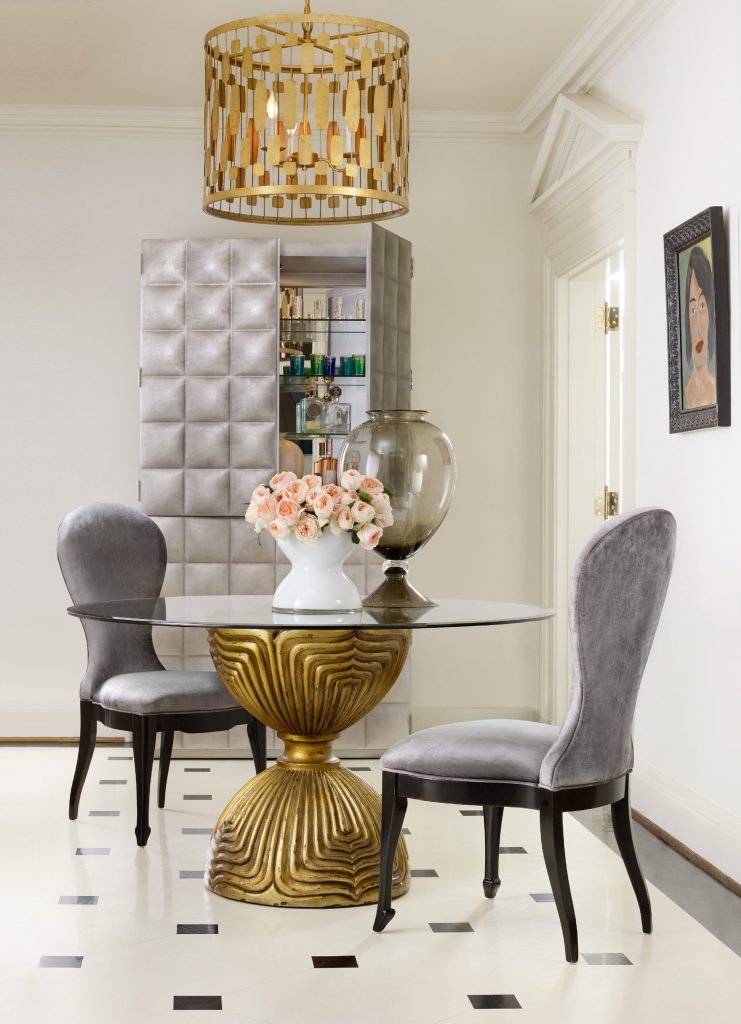
Cynthia Rowley for Hooker Furniture Shangri-La Gilded Dining Table Base: What could be bolder than gold?
Bold Means Colors
Bold would always mean colors. Hues are the best way to add unique touches to a home. Colors have a profound effect on health, feelings and moods. Since this is so, go ahead and decorate for a happier atmosphere. Splashes of color, when strategically placed, will create the best modern interior for a homeowner and bold interiors are all about making that bold statement.
Practice restraint in using bold colors, though. Use hints, here and there, or add a whole new bold wall then pattern the furnishings and textiles to the color that you chose.
Lastly, use the 80:20 rule when decorating. This means 80% of the room must be neutral and the 20% should be bold-colored. Go beyond this and you’re already overdoing it.
Tags: bold colors, bold design, bold hues, bold interiors, bold statement, McCreerys, McCreerys Home Furnishings, tips
Posted in Accents, Interior Design 101, Interior Design Themes | No Comments »
Tuesday, November 15th, 2016
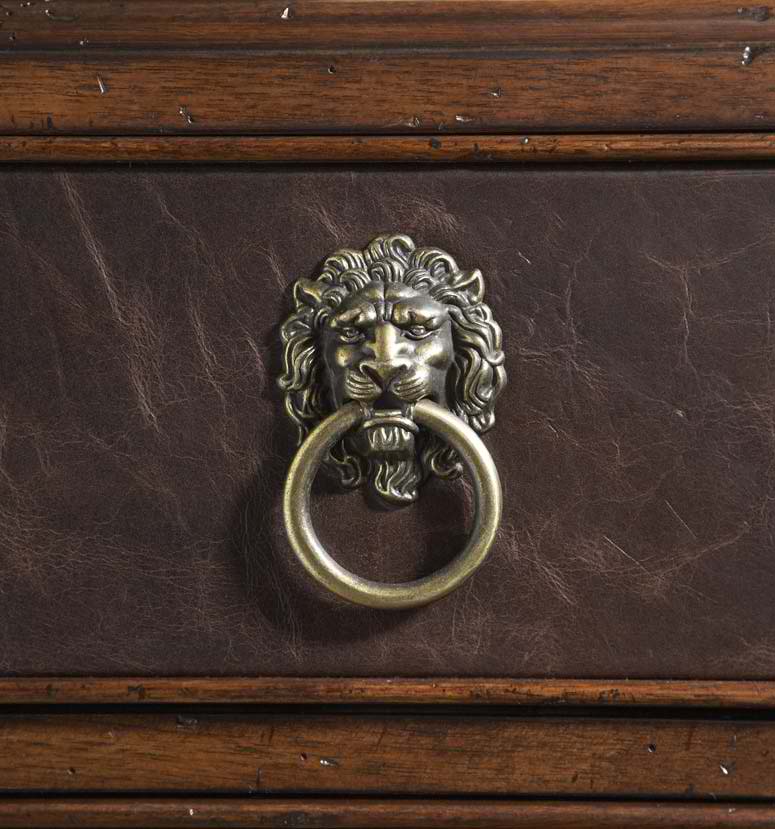
This FFDM Hyde Park piece has a small yet significant silver element that makes this drawer a beauty to behold.
It can be tricky decorating tiny spaces – even interior designers know this – but with maximized storage and correct usage of square footage come effective ambience presentation. So, are you ready to not make the same mistakes that many apartment owners ahead of you have made?
Never Underestimate Natural Light
Any small space must make good use of natural light. Maximize natural lighting in your home by properly placing mirrors on walls that are opposite windows. Doing so will help spread and reflect light in your home.
Choose woven blinds or sheer curtains if you want to filter the amount of sunlight that comes in. Limited light means you dramatize the paint hues as well as the furnishings that you have chosen. Overall, you get to brighten the mood indoors without spending a single dollar.
Let There Be Visual Movement
You can visually connect spaces in your home by using a unified color palette, this is if you have a home with many adjacent rooms. This creates a visual and overall story that will make the rooms appear seamlessly fused rather than having small, disconnected areas.
Use All Available Space
Bring out your creative side especially when to making good use of square footage. Find storage areas such as floor-to-ceiling shelves or a shelf above the window frame.
Kitchen = Clever Storage
Regular kitchen cupboards should be things of the past. While they may be visually appealing, they tend to crowd out space. Add bins under the kitchen sink, also some shelving units where they are unseen. If you have porcelain pieces to display, then that’s the time you invest in an awesome china cabinet.
To make the kitchen space airier, you might want to divide it from the dining area using a small divider.
The Office Nook
Make sure to use every extra space that you see when you have to deal with a small bedroom. You can create a small nook between two closets and turn that into a cozy home office. This is a workstation that requires low maintenance. Just add some shelves and a desk to complete the space. Display some books also.
Don’t forget that you’re still inside the bedroom so the bed should be the anchor piece in that space. Invest in one that won’t eat up the rest of the space.
Storage Space for Bathrooms
Use narrow, water-resistant shelves inside this room. Buy some canisters also which will hold cotton balls, cotton swabs, your favorite moisturizer, and other toiletries. Put the canisters under a lovely vanity table.
Find some wicker baskets which you can place on shelves for additional storage space.
Make Use of Multipurpose Space
This is unavoidable as was discussed in the fusion of an office nook and the bedroom. This same nook can also be situated inside the guest bedroom. Make the best of such situation by utilizing the surrounding walls.
A simple collection of shelves can make ample storage for all your stuff. You can then connect these pieces to the reading or home office nook that you have created.
That space beneath the stairs doesn’t have to go to waste. This can, in fact, be enhanced to become a stylish storage space. Add a shelving unit there so you can take advantage of this awkward space. You can also use this as a mini bar or a space for your book collection.
Light Paint Only Please
If you want to make any space appear bigger, make sure that you veer away from dark hues. Say no to black walls or any punch of dark color. Keep the rest of your space open and bright. Use light-colored furniture and accessories.
Tags: McCreerys, McCreerys Home Furnishings, natural light, natural lighting, office space layout, storage, storage advice, storage planning
Posted in Home Maintenance, Interior Design 101 | No Comments »
Tuesday, November 15th, 2016
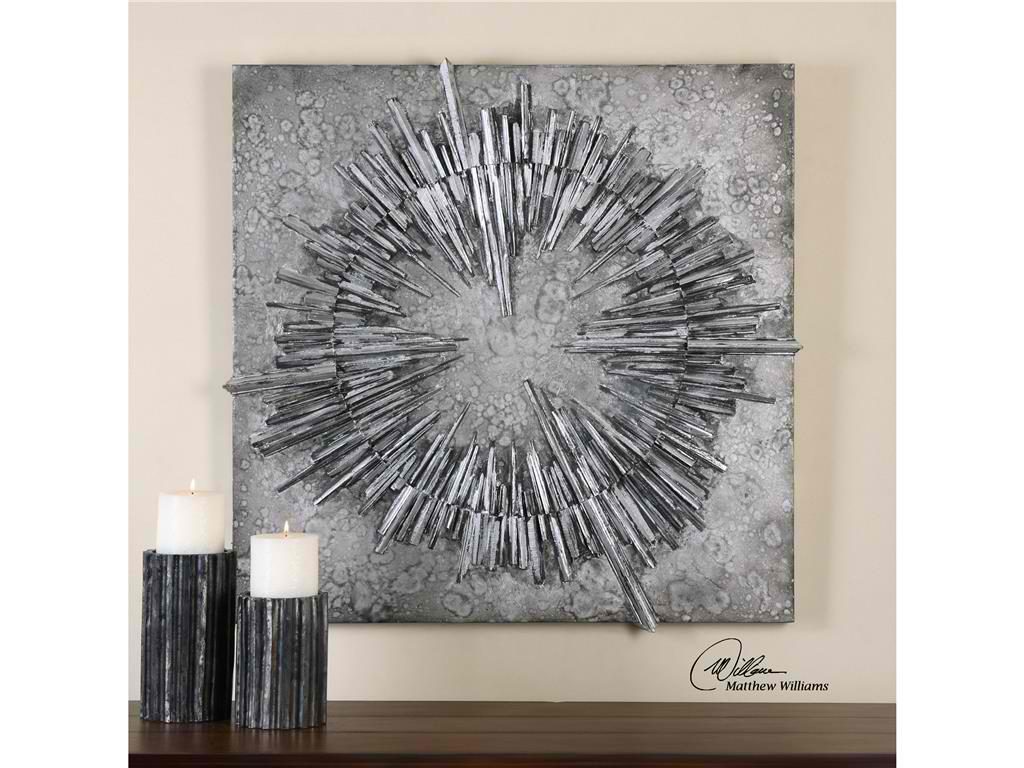
Art is the only way to run away without leaving home – so said Twyla Tharp. Prove it with this Accessories Uttermost Nebulus Silver Wall Art 01303
Do you believe that art can add a different level of sophistication to your surroundings? The mere presence of artworks can steer one’s intellect and reflect emotion. Artwork – as long as it is used correctly- can also help define space. Since art can do so much to beautify your home and it even has the power to make or break the theme, then why not invest in this crucial design element?
A huge blank wall in any home can make the place look lifeless and dull. Some end up displaying, on default, their family photographs. Paintings, though, can offer a lot more than visual entertainment.
Select Art First
One of the common mistakes that people do is to put art in their least prioritized design elements. In fact, for many, it is just an afterthought. This can have tragic consequences, at least, aesthetically. Understand that artwork is a lot more than a piece that you hang on the wall. It can be the story that will anchor the rest of your furnishings and accessories. It can also be the factor that can help you decide on the eventual materials and color palettes for your home.
Remember that the use of wall art means you are stating a message – your message. You are also invoking feelings so you need to decide what is going to be depicted on your piece of art.
Study the Canvass
Prior to buying a piece of art, you need to consider its purpose. Will it be placed in a room where events and celebrations will be held often? Or is this a place where you intend to relax and find quiet contentment? You also need to know where it will be placed as well as the lighting conditions there.
Learn to Match
When you are out to design something for your home, then you have to define your lifestyle as well as personality with your design elements. This may not be an easy task but you are not without guidance. The process of picking wall art means you know how to define these things and harmonize the artwork with the rest of furnishings.
So, are you ready to define your theme? Would you embrace classic, casual, contemporary or modern?
Consider the Room Color, Size and Other Such Elements
For your room size, be sure to inspect how much space you can work on. Would you want a large wall to be filled with paintings such as in art galleries? Doing so will render a bold statement or a higher amount of attention. If you’re not ready to be dramatic or bold, then choose a smaller wall with a limited number of artwork.
You also have to learn color psychology as hues can affect the feelings, mood and even the health of people. Learning about the psychology of colors can also be applied in picking art.
Measure also the dimension of the wall where you intend to hang the artworks. You’ll have a better idea on the amount of space that you can actually use once you do this. Use your imagination on how the piece of art will eventually look in your home.
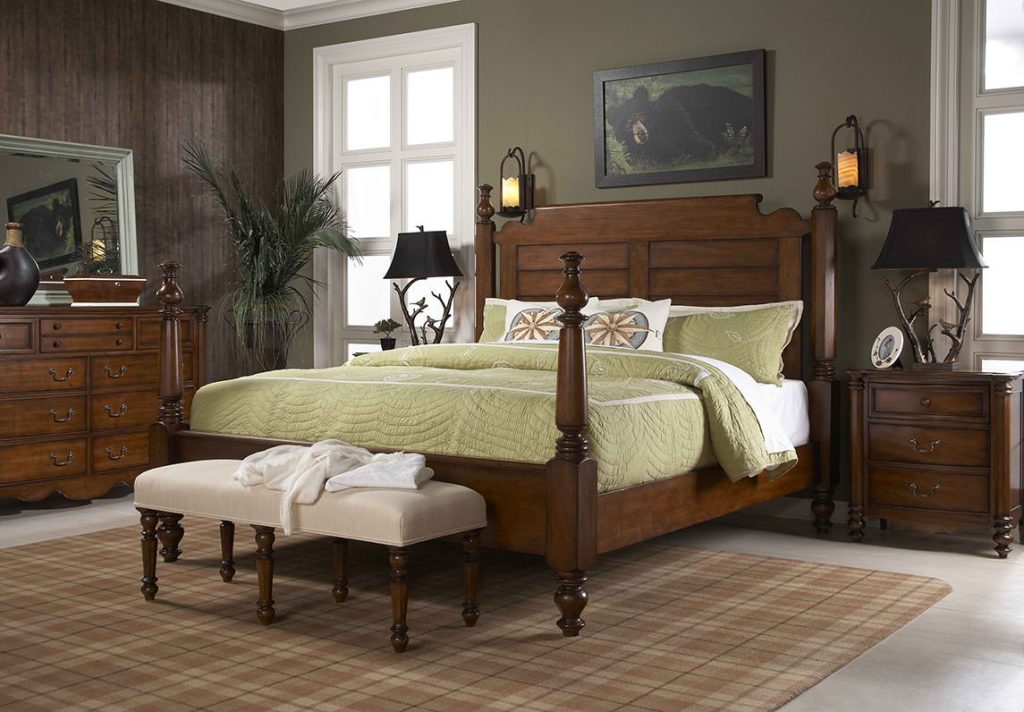
The artistic details all around this wooden bed makes it a more interesting bedroom piece to look at.
No Hard and Fast Rules
There are no rules set on stone when it comes to picking art. Whether or not the piece has potential to increase in value, you have to buy one that you already love. Don’t let the theme or a friend dictate which is art and which is not.
You must also be open to various media. Art doesn’t automatically mean painting. It can also be a piece of sculpture, even a lovely piece of furniture.
Lastly, go out there and explore on all the possible art pieces that you can use. Local artists might provide the piece that you’ve been looking for. Be open to art possibilities.
Tags: art, art decor, art elements, art in interior design, artwork, artwork on walls, displaying artwork, McCreerys, McCreerys Home Furnishings
Posted in Accents, Accessories, Interior Design 101, Interior Design Elements | No Comments »
Monday, November 14th, 2016
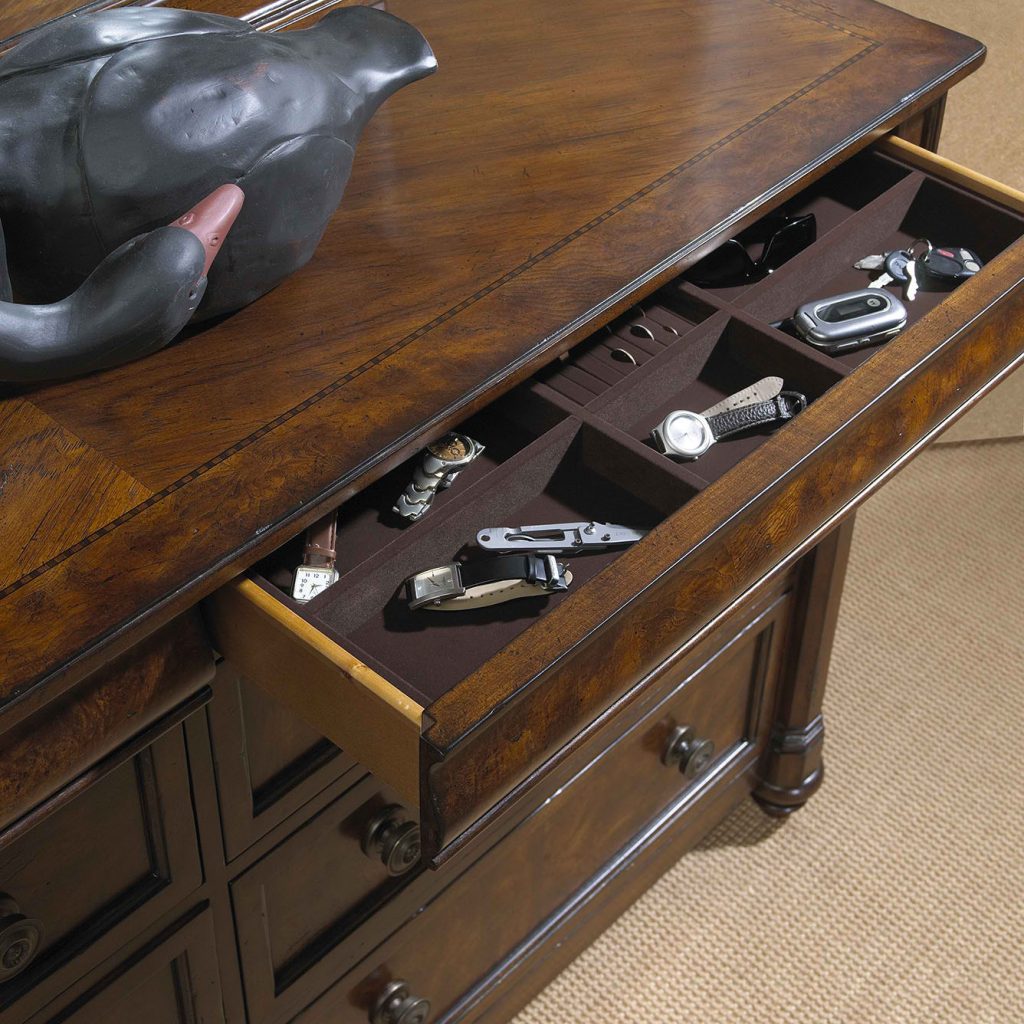
This lovely wooden piece comes from FFDM’s Highlands Collection.’Talk of focal points!
Here’s a great reason to begin decorating for your home now – the end result of your project will enhance the mood in your home. With the right decisions come better sleep inside the bedroom, less stress in the living room and much joy in the kitchen and dining room.
Here are some ways to turn your home into a haven –
Establish an Effective Focal Point
One of the first things that you would notice when you enter anyone’s home is a furniture or architectural part of the home anchoring the rest of the design elements. This is the focal point.
It is your duty to create a focal point for your home. This should be something that is noticeable once you enter your home. It could be a large porcelain vase, an abstract painting, or a memorable souvenir from your travels.
Say No to Debris
What are you still doing staring at that pile of old newspapers on the floor? Pick ‘em up.
Piles of stuff on the hallway or the entryway must go. They all spell chaos and mess inside your home and that’s bad for productivity.
Have a place that is designated for every item. Place the most chic containers right by the door then find bins for incoming and outgoing stuff.
Create Ample Room
Anxiety builds where there’s too much stress or chaos. Reduce the clutter in your home by making space. Cut on all the non-essentials. Let go of unnecessary furnishings, magazines, files, picture frames, etc.
A magical way to create space is to paint one of your chairs or tables and let it blend or disappear into the wall. Painting the walls with a light color will also make the room look a lot more spacious.
Highlight, Don’t Flood with Light
It would be difficult for you and your family to relax during the night if there is a bright overhead lamp right in your living room. This is much like attending a concert wherein you are amped all the time. If you don’t want to be revved up all the time, then use spot lighting just for the areas that need brightness. For all the others, install dimmers that you can activate according to your mood.
Find and install full-spectrum bulbs for a more soothing and natural ambience.
Simplify the Color Scheme
Practice restraint when using colors and patterns. Mixing patterns means you must know how to keep the color schemes within bounds. If you are the type that likes a lot of colors, then be sure to keep patterns to a bare minimum or you’d risk making your home look like the venue for the next Iron Man triathlon.
A relaxing room should be one that’s devoid of too many patterns and colors. Find the most soothing hues then put in just the right amount of furnishings and accessories so that your place becomes more meaningful.
Love Mother Nature
In fact, you should love her so much that you are willing to bring her into your own home. Bringing the outdoors in means having pots of houseplants, some mirrors to reflect the natural light, and the biggest windows to accommodate the beautiful rays of the sun; the view should also include an interesting landscape and awesome trees right outside your home.
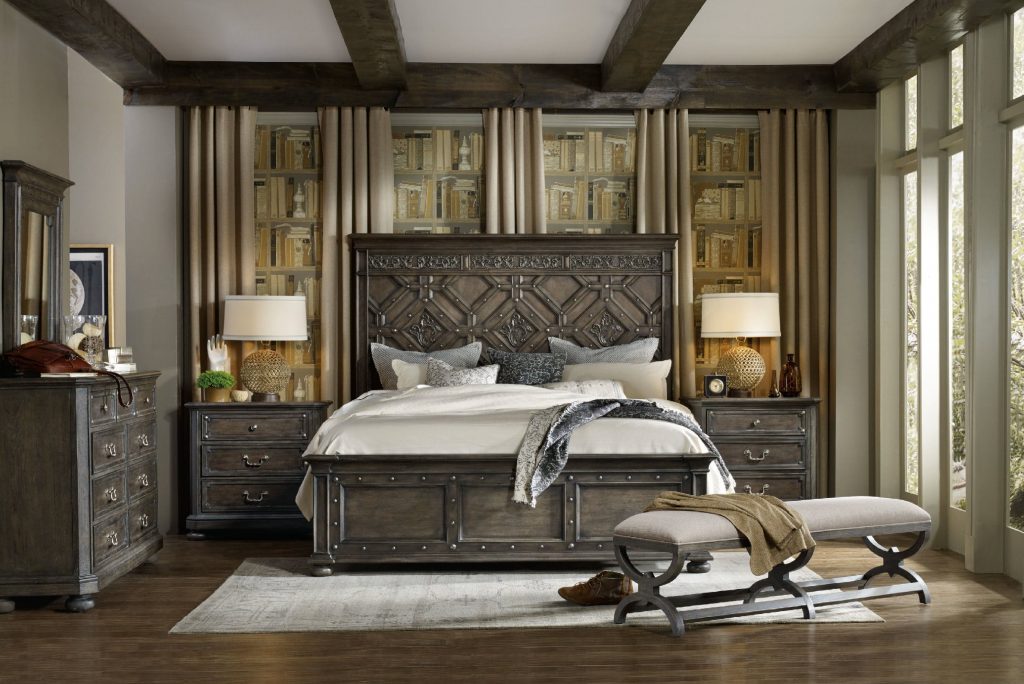
The Hooker Furniture Bedroom Vintage West California King Wood Panel Bed is the perfect focal point to your bedroom.
Turn Off Your Electronics
Put the TV set and the computers in areas where you are not supposed to relax. These are your home office and the entertainment area. Do not let these electronic appliances interfere with a good night’s sleep by putting them inside the bedroom or the living room. In their place, use throw pillows, lamp shades and the most calming colors that you could find.
Tags: adding colors to a home, creating a focal point, declutter, decluttering, determining the focal point, finding the focal point, focal point, houseplant, McCreerys, McCreerys Home Furnishings, nature, nature in interior design, nature-inspired design, nature-inspired home, outdoor view, tips
Posted in Home Maintenance, Interior Design 101 | No Comments »
Monday, November 14th, 2016
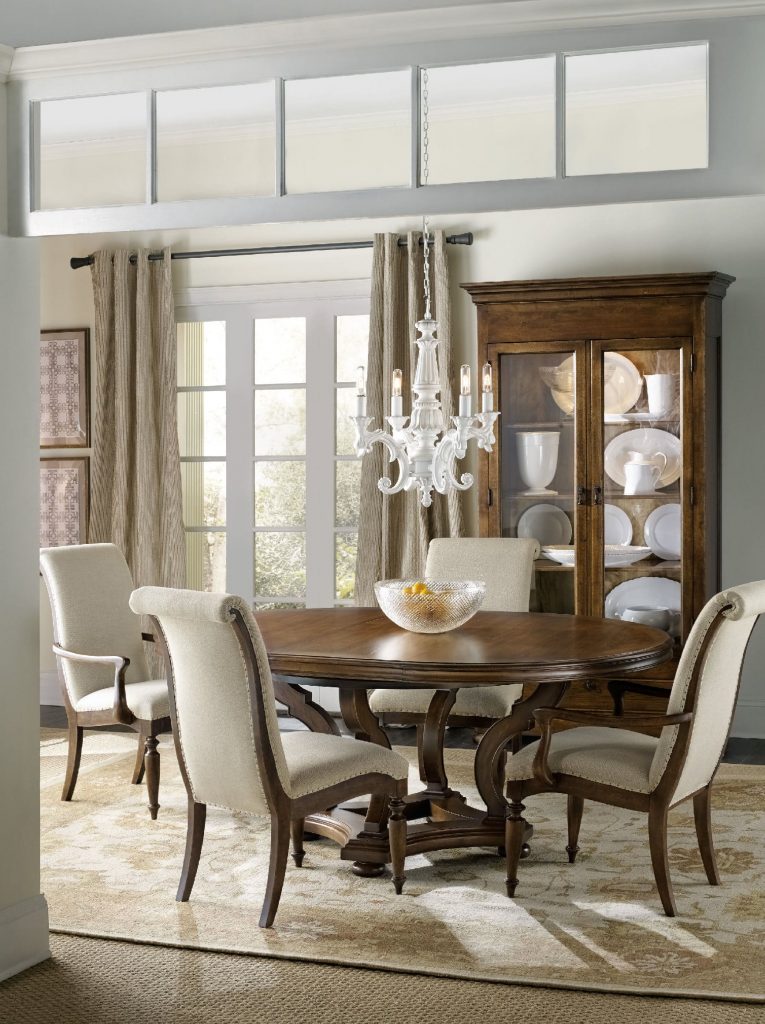
The Hooker Furniture Dining Room Archivist 54in Round Dining Table with 1-18in Leaf will effortlessly create a spark of interest.
If you’re thinking that every interior designer has his own rule book hidden somewhere, think again. There aren’t any hard and fast laws that apply to each and every home that they look into. Interior designers are creative people so they make use of their imagination, they explore possibilities and they dream. There are some fundamental principles that they often follow, of course, so it’s crucial to know them and then let creativity guide you henceforth –
Paint ‘Em Last
Thinking that picking the paint color even before you begin the project might not be such a great idea. Arriving to a home with a fresh coat of paint may seem like a wonderful thought but you may be missing out on all the beautiful tints, shades and tones of your favorite color out there. Each one looks different depending on the lighting and architectural conditions in your home.
What you need to do is to find the best hue that will complement your chosen artwork, upholstery, carpentry, and furnishings.
You can just pick the color after all these other elements have been bought for your home.
Let the Furniture Breathe
Fight the need to stuff the room. Gracious lifestyle means you must have ample space to maneuver throughout your home.
This spells savings if you are working on just the right amount of budget. There is no need to fill up your space with unnecessary furnishings. You can now invest your budget in fewer yet quality pieces. Your room will definitely look better than when it’s stuffed with the wrong pieces or a lot of pieces that block passages.
Your Rug and Furniture Must Harmonize
There are three ways that you can arrange your furnishings on a rug. The first choice is to remember that the rug must be able to accommodate all parts of the furniture (legs and all). This means, therefore, that the larger the rug, the better. Make sure to leave 12-18 inches of the floor surface on all the sides.
A second choice is to keep the legs of the furniture off the small area rug. Don’t pick the smallest rug that you can find, though, as this may render the piece to look insignificant.
This approach is most suitable when you want to layer a pattern over a bigger or textured rug.
The third choice is to put just the front feet of the seating pieces onto the rug. This technique should help you tie the arrangement in a more visually coherent way. You can use this concept if you want to have an open space layout for your home.
Always Have a Focal Point
Just like a stage production, there are leading and supporting roles for cast members. This concept is also applicable to interior design. Pick the star of your show then make this the focal point of your home. All other items should take the supporting role.
The focal point must be dramatic enough to hold the attention of anyone who sees it. This can be that mantel and painting paired to create the perfect headboard for your bed. This could be your fireplace or any architectural beauty that you would want to highlight.
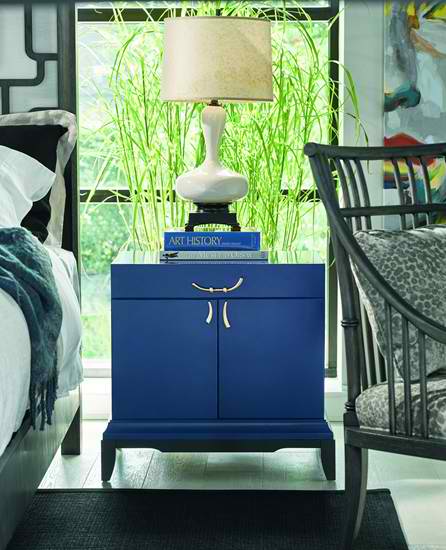
FFDM’s Fusion Collection features this lovely, colorful piece to electrify any living room.
Use Artwork to Your Advantage
Another way to make your home more exciting is to invest in works of art. But to use them correctly, you also have to know how to optimize them. Museums and galleries hang paintings and other works of art just at the right angle and height. Every piece should be hung midline or center from the floor. Remember that the average eye level for humans is 57 inches. Always think of the human scale and not the architecture of your home as you place an important artwork.
Tags: design tips, interior design choices, McCreerys, McCreerys Home Furnishings
Posted in Interior Design 101, Interior Design Elements | No Comments »
Saturday, November 12th, 2016
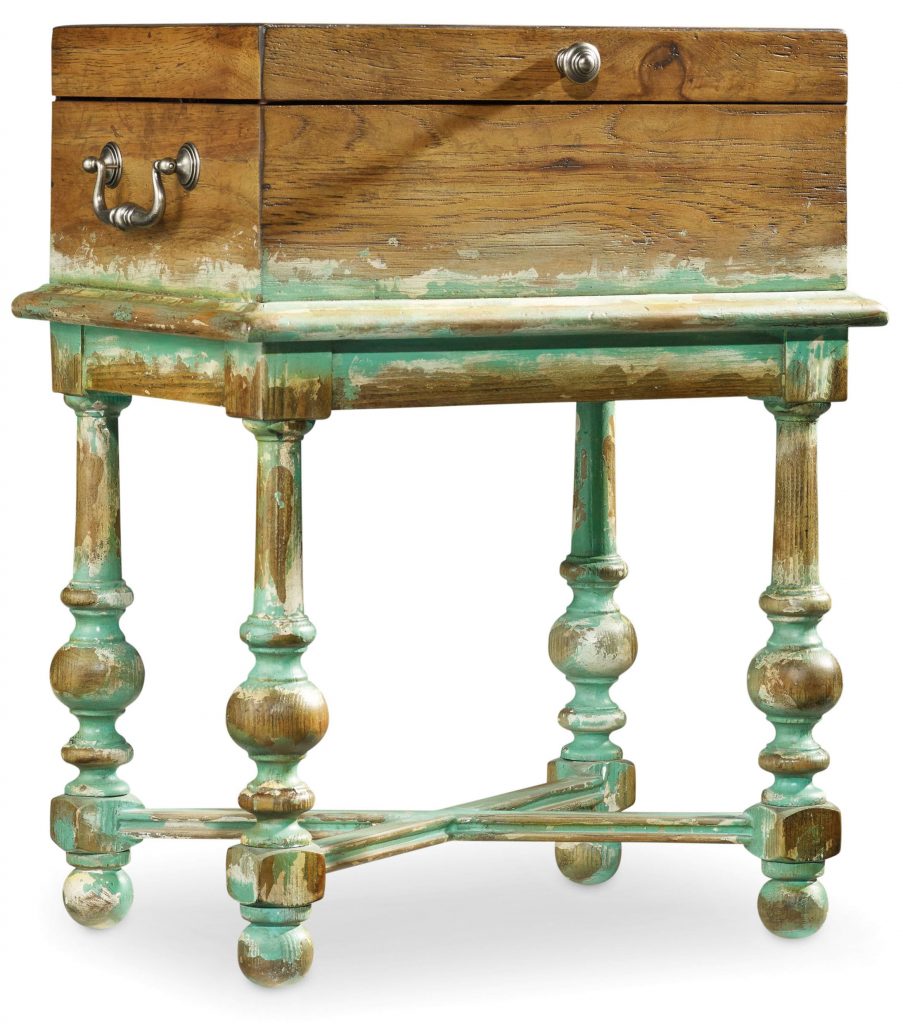
Hooker Furniture Living Room Sanctuary Box on Stand: Rustic doesn’t always have to be “all brown”. The distressed look, here shown, is an exceptional way to achieve the rustic look.
It is, indeed, a capricious process to create a rustic tone. If you’re able to achieve it, though, you will see that the payoffs are huge. There has to be a balance of materials and features whether you are setting up a home that’s a modest log cabin, a timber lodge or a farmhouse.
Basic Styles of Rustic Structures
Did you know that there are basic classes for every rustic structure? The terms such as cottage, cabin, farmhouse or lodge all refer to rustic beauty but do not mean the exact same thing. Let’s begin defining one after the other –
A cottage has many variations just like any other home style. Every style evokes a different image. For some, it is a small, romantic place while the beach cottages all belong on a different plane. One thing’s common with all these cottages, though, and that is airy interiors.
The cabin, on the other hand, has dark-stained logs for exteriors. There is also the fieldstone chimney which is a typical addition. Just like many homes in the past, a cabin is always built using materials that are found from nature. These are then utilized to make functional pieces. Just picture the rusted firewood as well as the breezeway roofs.
Houses that have been around a long time were usually modified through the years. Modifications were often done over a period of years through the addition of other structures on the asset. A connecting breezeway is quite common.
The farmhouse is a popular structure in many rural landscapes. This is the representative of all the hard work that happens in far-flung places. No matter how basic, such a structure promises comfort and safety – the two things that are common in many rustic structures.
Common architectural elements include big porches, pitched rooflines, and those simple yet pretty sidings.
Farmhouses are built minus lavishness or waste. They were historically constructed with the use of materials that are rough-hewn and hand sawn.
The lodge makes use of big timber trusses, oversized fireplaces, high ceilings and chimneys. Take note of the roofing, too, as it was always made of thick cedar or the slated shingles. Bring your imagination to Lake Tahoe and you’d know what a lodge is supposed to look like.
Having a lodge means maximizing the views. This only means that the windows must be massive. The exteriors as well as the outdoor fireplace use a blend of materials such as timber posts, vertical boards, board and batten.
Now that you have these basic descriptions for rustic homes, can you now confidently tell that your home is rustic in style? The key is to have that open floor plan, wood furniture and beautiful, exposed architectural elements.
The Modern Rustic Home
Do you ever wonder how different a rustic home is from one that is modern rustic? One of the most noticeable features of a modern rustic home is the raw wood as well as the stone features. Preserve the look that’s common in rustic style which is the exposed beams, stone fireplace, and the use of furnishings made of reclaimed or sustainable wood.
Rustic also means natural so be ready to embrace rugs, linens and upholstery that show a natural aspect. Find the simplest fabrics minus the nauseating prints and patterns. Think of linen pillows, sisal, jute, and hides for a more natural look.
Modern rustic homes also have a good view of the picturesque outdoors so make sure that big windows are present. The modern rustic home is also almost always full of light and is spacious.
Lastly, bring in the wooden furniture to cap the look.
Tags: farmhouse, farmhouse look, farmhouse style, lodge, McCreerys, McCreerys Home Furnishings, modern farmhouse look, modern rustic, old farmhouse, rustic, rustic charm, rustic design, rustic interior design, rustic interiors, rustic look, rustic style, rustic theme, tips
Posted in Color Schemes, Interior Design 101, Interior Design Themes | No Comments »
Follow us on our social media


© McCreery's Home Furnishings | All Rights Reserved | Privacy Policy
