- Follow us:


Saturday, March 16th, 2019
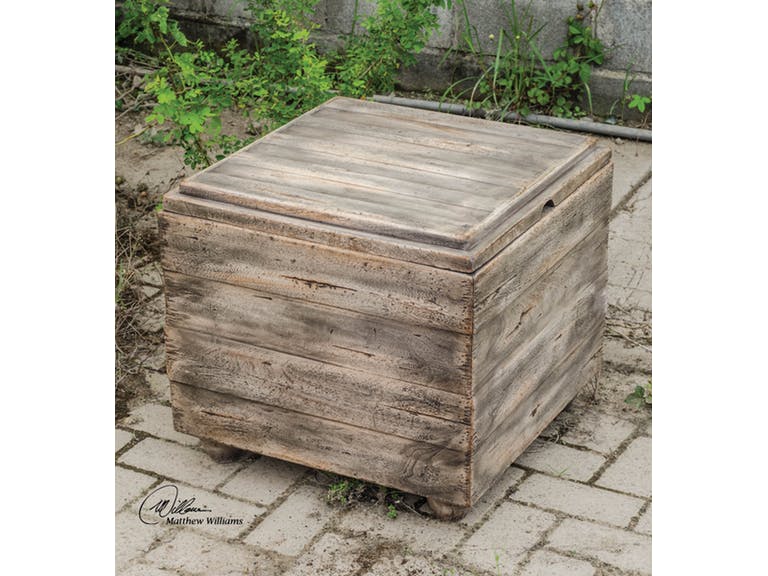
Uttermost Living Room Avner Wooden Cube Table 25603
There is a reason behind the popularity of low-impact homes these days. Apart from energy costs saved, there are health and ecological reasons as well that drive homeowners to choose to live green.
If you’ve just signed up to live an eco-friendly lifestyle, then it would be good to have a few guiding principles to help you on your new journey –
Purchase Responsibly
Green living means you purchase only from businesses that are serious about natural resource conservation. As a homeowner, you should also use energy optimally. Do this as well with your water consumption and other material use.
Buy only the products that have been certified to meet the strictest environmental standards. Always prioritize your environmental and social responsibilities as you make each and every purchase.
Buy Locally
If you have neighbors with local businesses, then support them. But make sure that they also know how to conserve energy and preserve Mother Earth.
You might think that buying locally has nothing to do with the well-being of the planet but think again.
First, food that you buy from the farmers market is fresher. You don’t just get to support the local farmers, you even improve your health and the local economy.
Compared to store-bought food, too, local foods have less transportation time. You can even drive to the nearest farmers market to pick your own peaches, strawberries, blueberries, etc.
Another upside to local purchase is the amount of packaging involved. You can bring your own reusable bags when you buy from the farmers market. As you can see, saying no to plastic is a major decision that you have to make when you want to live a green lifestyle.
Assess a Product’s Environmental Impact
If you want to be truly sustainable, product suitability and longevity must also be balanced with sources and materials that are sustainable. Be involved in the life cycle analyses (cradle-to-grave concept) of the environmental impacts of products that you buy.
Say no to products that harm animals such as alligator or snakeskin products, ivory from elephant tusks, etc.
Reduce, Reuse, Recycle
Just buy products that make use of recycled materials like salvaged timber, reclaimed tiles, recycled pet bottles, etc.
You can help protect the environment by remembering these 3Rs. Reducing means you’re willing to decrease the amount of waste that you and your household produce.
In reusing, you can think of ways that you can use something more than once. For instance, you can shred paper for your pet hamster or you can use glass jars for multiple uses.
Recycling, on the other hand, means you imagine ways to use the product again without having to buy new products. You can compost food wastes and recycle those UPS boxes after you empty them.
Be Energy-Efficient
There are simple ways to begin your energy-efficient lifestyle.
First, you can begin lowering your thermostat especially when you’re away from home. You can also seal your windows and limit your use of space heater.
Be sure to unplug appliances that are not in use and to replace the incandescent bulbs with LED lighting. You can also ask an electrician about the installation of a lighting control system. This should reduce your electrical consumption by 40%.
The 3Rs in Interior Design
And now that you know what the 3Rs are in green living, you can also apply these to your interior design.
If you have to remodel or renovate a part of your home, see if you can find materials that come from recycled sources. There is now recycled construction debris that you can use for your own construction projects.
Ask your interior designer about how to get your hands on such materials.
Tags: green living, McCreerys, McCreerys Home Furnishings, sustainability, sustainable design, sustainable home, sustainable home design
Posted in 2019 Trends, Green Living, Interior Design 101, Interior Design Elements, Interior Design Themes | Comments Off on Sustainability in Interior Design and Everything Else
Friday, October 5th, 2018
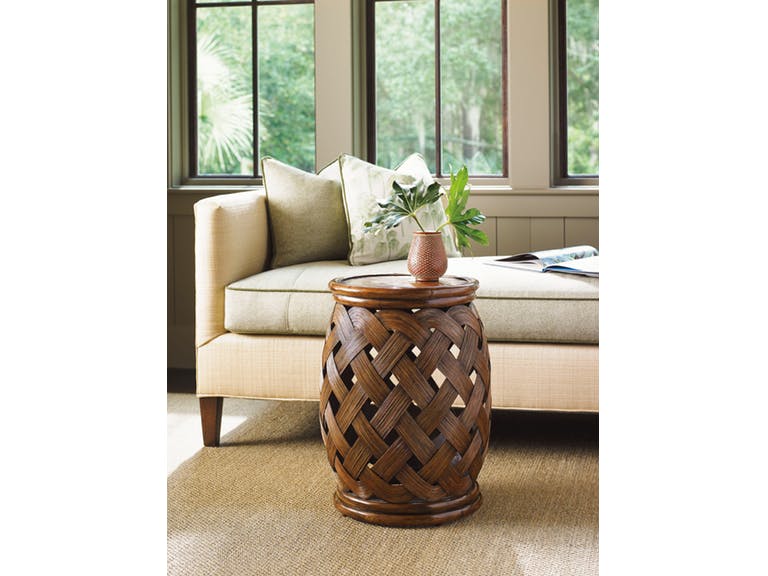
This room is green because it has wide, open windows and it features this Tommy Bahama Home Living Room Hibiscus Round Accent Table 593-953.
Green home is a term that could mean so many different things. There are those who consider a home green only if the Energy Star standards have been met. There are those, however who don’t just depend on certifications in order to define a certain home green.
Generally, though, a green home is one that uses less energy. This is also one that’s been built using sustainable materials. And with the leading U.S. wastes already including non-industrial wastes such as demolition and construction wastes, it’s about time that green builders take center stage.
Find the Alternatives
The bulky building materials that are often used in many construction projects throughout the nation comprise the biggest carbon footprint. There is chance, though, because green builders, are seeking ways to give more options. They are now presenting materials that are recycled, locally sourced, reused, durable, and renewable.
The wisest homeowners have taken heed. From the usual aluminum window frames, there are now those that choose local wood as a material. The rapidly growing bamboo plant is also now highly favored among Zen enthusiasts.
It’s All About Energy Efficiency
Now let’s talk about greenhouse gas emissions. It is wrong to presume that only industrial plants emit these harmful gases. Even households can contribute to the problem and U.S. households have been very busy.
There are homeowners who take part in saving Mother Earth by installing only the energy efficient appliances. There are also those who now use solar panels. Yet energy efficiency isn’t the only thing that can make homes sustainable. Zero energy homes could still use steel, concrete and bricks on an environmentally sensitive area and then they become unsustainable in the process.
Consider the Location, Too
Green homes are also often built on developed lands. This is so the environmental impact is reduced if not totally brought down to zero. There is nothing green about sprawl because they eat up a lot of green space.
Another way to consider your home a green home is to build it in close proximity to your school or work so that you won’t have to spend a lot of energy on transportation.
Plant Shade Trees
Planting deciduous trees on all sides of your home will provide the maximum amount of shade. You just need to carefully plan as well as design where the trees would be specifically planted.
Going green through tree planting is another good way to save energy all year round. Imagine a cool home even during summer. And during the coldest months, these trees can also help your home weather the winter winds. You then reduce the heating cost.
Once you’ve decided to plant shade trees, it is best to inspect all around your home first. Determine which walls and windows receive the most amount of sunlight. The east and west sides should be provided with shade since these sides receive 50% more light compared to their south and north counterparts.
Be sure to plant these trees close to your house so that they will have ample room to grow out to their full height and also for proper air circulation. A tree that’s been planted 10 feet away from your house wall will eventually shade that area four times longer than one that’s been planted 20 feet away.
If you have limited space to plant trees, then you can always go for shrubs and vines. Use trellises to shade the walls as well as the windows. Examples of vines that will provide you with year-round shade is the Confederate Jasmine.
Design and Size Also Matter
Yes, size does matter because bluntly put, bigger homes have a larger physical footprint. It is essentially more difficult to maintain a 5,000 sq. ft. home compared to a 1,500 sq. ft. one.
As for the design, it is best to go for the already energy efficient ones such as the passive solar or passive houses.
Tags: green home, green living, McCreerys, McCreerys Home Furnishings, sustainable home
Posted in Green Living, Interior Design 101, Interior Design Elements | Comments Off on Do You Have A Green Home?
Tuesday, April 3rd, 2018
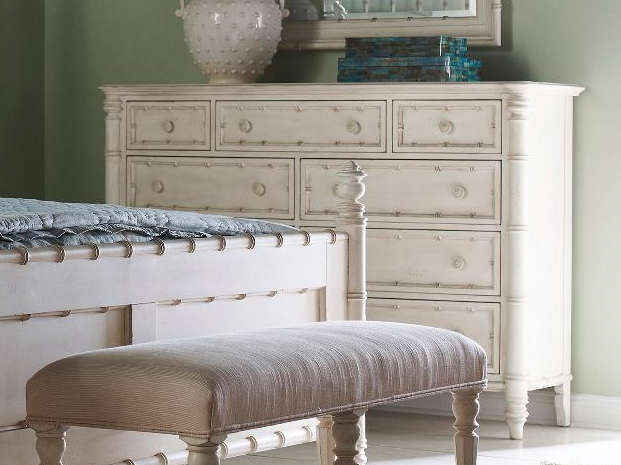
Here’s a Bamboo Dresser from the Summer Home Collection of Fine Furniture Design.
Living in an eco-friendly home may be the hottest lifestyle to hit the world these days but there’s a lot more to this than just being cool. Through an eco-friendly home, you can actually make a huge contribution to Mother Nature’s preservation. With more and more people wanting to help, don’t you think it’s time that you consider changing your lifestyle, too?
Just imagine if more homes would sign up to become a green habitat, with everyone signing up to cut down on their power consumption, manage their wastes, and conserve water, and such. What a peaceful planet we would have.
Set Up a Working Water Management System
Your journey could begin with a water recycling unit. This can take a huge amount of time to plan but it’s going to be worth it once it’s up and running. A reed bed system works in countries such as India. There are many DIY water recycling units on the Internet, here’s one – http://www.ashwidea.in/2013/07/our-diy-grey-water-recycling-system.html
Don’t Cut Down Trees
People usually cut down trees when they build homes. Instead of wasting a grown tree, why not build around it? Your apartment can be nestled in the beauty of a lovely tree, just ask your architect or your builder to retain this lovely natural art. You don’t just get to save a tree as you do this, you also find yourself a uniquely-designed home.
Choose Solar
What can be more renewable than the power of the sun, right? So go ahead and tap this renewable energy source. In the process, you get to reduce your electric bills while improving your grid security. And since you have chosen to go green, then you also reduce your impact on the environment.
The greater news is that solar fixtures are now more affordable. More and more organizations are now enabling homes to install solar panels.
Pick LED
While choosing solar panels to gather energy is already energy-efficient, you could take a few more steps further when you make the right choices on your lighting fixtures, too. LED lighting or solar-powered ones are more energy-efficient. Buy only the cost-effective electronic appliances and be sure to maintain each one of them.
Other options for artificial lighting that can still help you save are fluorescent lights and halogen lights. These tend to last longer plus they are great in conserving energy.
Segregate Wastes
This nation is a nation of increased landfills and mountainous trash. But just like any habit or learning, everything begins at home. Tell every family member to segregate the dry from the sanitary wastes. Be sure to separate the bins and have them color-coded as much as possible.
Bring In the Greenery
The greenery will not just improve the air circulation in your home, it can also visually improve your habitat’s aesthetics. Having potted plants and flowers indoors is also useful especially during the summer.
If you live in an urban jungle where homes do not have the luxury of terraces, then you have to learn to construct vertical gardens or just bring in a potted plant or two.
Use Space and Architecture Efficiently
The efficient use of interior spaces can keep construction materials to a bare minimum. You can ask the interior designers to work on doors and windows that can optimize energy efficiency. Use wood flooring from renewable sources such as bamboo. Install water-saving toilet and other such environment-friendly materials.
Smaller houses are also known to be more energy-efficient. So if you’re not a huge fan of expansive houses, then you might as well do tiny house hunting. Here’s a bonus – smaller homes are a lot more affordable, too.
Tags: green home, McCreerys, McCreerys Home Furnishings, sustainable home, sustainable living
Posted in Interior Design 101 | Comments Off on The Green Home – Why Sustainability Is Hot
Thursday, November 17th, 2016
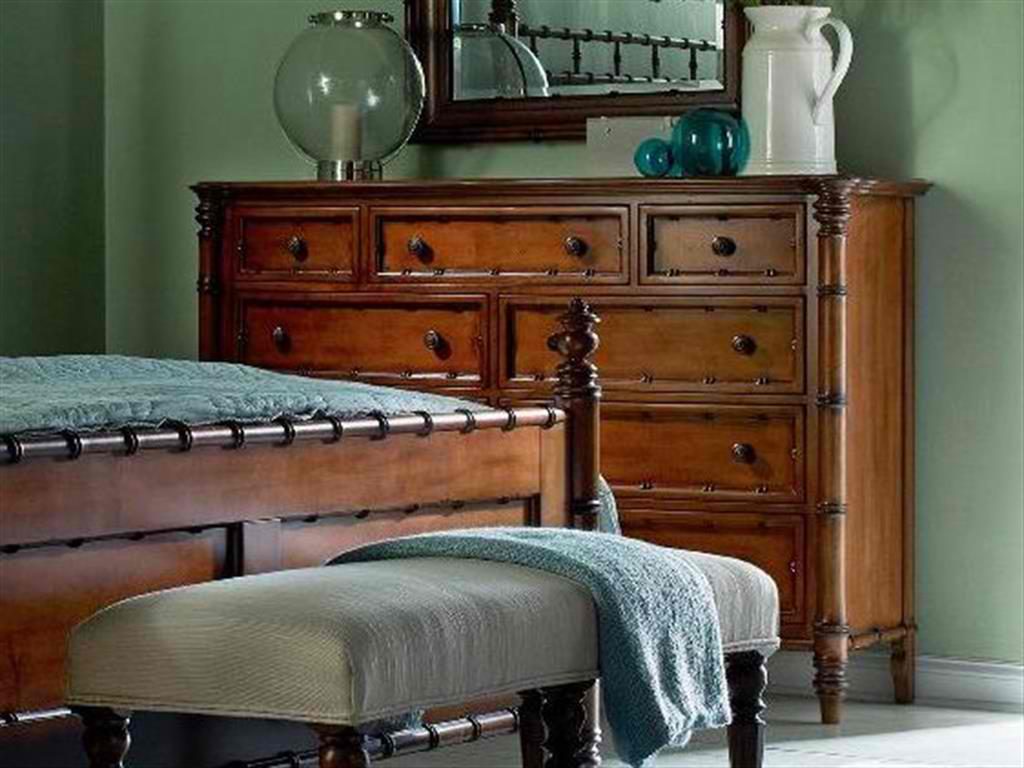
Fine Furniture Design Bedroom Bamboo Dresser 1050-144
More and more people are becoming environmentally-conscious these days. The green design for homes has become a standard of sorts and it is no surprise that it is now gaining popularity. Having a green home means owning a place that is environment friendly and has ergonomic designs. This is a design that appeals to those who want to conserve what’s left of the planet. This is also the chosen ambience for people who want to live a healthy lifestyle.
Sustainability Is Piping Hot
Just like other fields of design, interior design will forever be tied to the ever-changing styles. What’s in or out with regard to interior design is almost always what’s in or out in the world of fashion. Should you design goal be about renovation, redecoration or architectural detailing, every interior designer must know what the hottest or classic trends are.
Know that in the design industry, these days, the fastest-growing section is interior design sustainability. You can now practice rain water collection if you want to your home’s water needs or you can buy furniture made with sustainable materials like bamboo.
Highlight Green
The ASID or American Society of Interior Designers strongly believes that green design must be included in every interior designer’s approach these days. The reduction of environmental impact does not just lengthen Mother Earth’s day but could also make your home a healthier place to live in.
Use Energy-Wise Stuff
One basic way to go green on your interior design is to efficiently use every bit of space that is available in your home. Use harmful construction materials to a bare minimum. Live in micro-houses or apodments. These are solutions that are less than 300 square feet and already come with amenities such as a refrigerator and a microwave.
Every interior designer must also work in maximizing doors and windows so that more light could come in. With ample natural lighting comes energy savings. Use wood flooring, furniture and other home products that come from renewable sources. Have water-saving toilets set up.
If you want to be surer about the source of your materials, then talk to the suppliers.
Say Yes to Waste Reduction
Decorative stuff and furniture can be easily repurposed these days. If you are truly environmentally-conscious, you can refurbish or a better option is to decide on a style that you would want for the rest of your life then invest in furniture pieces that would last as heirloom pieces.
Use fabrics, tiles and carpets that were made from recycled materials.
Plan Lighting Efficiency
Another part of your plan is to be clever about the incorporation of light in your home. Use skylights and windows more effectively. Maximize daylight by using these parts of your home and minimizing artificial lighting.
Apply a Fresh Coat of Paint
You may or may not believe this but the color that you use to paint the interior or exterior parts of your home can spell a huge difference in light and heat absorption. The hottest summer months require cooler and lighter colors such as greens and blues. These hues can reduce room temperature by as much as 6-10 degrees.
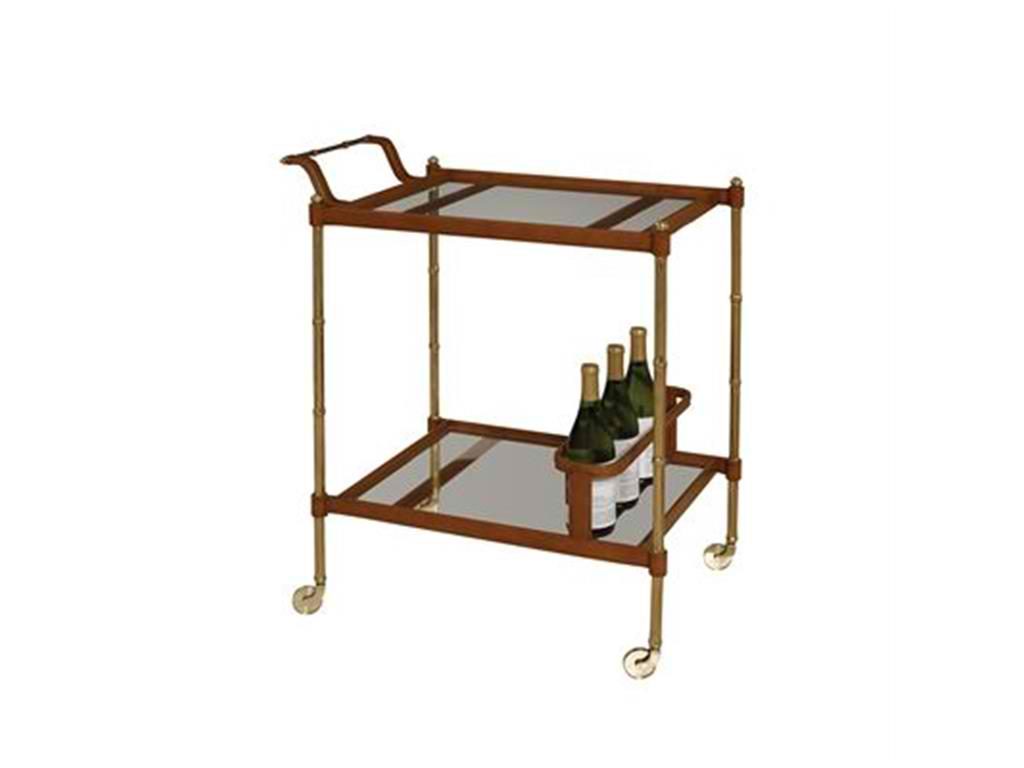
Maitland-Smith Accessories Bamboo Cast Brass Bar Cart 3020-042
Use New Window Treatments
Do not forget to consider the drapes, curtains and blinds. These can also help in the reduction of energy costs. You might think that window treatments are mere decorative items but they are, in fact, choices that can make a huge difference.
Drapes, for instance, are effective in keeping out drafts in winter seasons while shutters and blinds keep the warmth outdoors.
Landscape Your Way to Green Living
Lastly, you can plant trees right where the sun rises. This will reduce the amount of heat that goes through your windows during the day. Eventually, you will observe how your energy costs are greatly reduced.
You see, green living is tantamount to living a life of substantial savings.
Tags: energy efficient living, energy-efficiency, energy-efficient home, green, green design, green home, green interior design, McCreerys, McCreerys Home Furnishings, sustainability, sustainable design, sustainable home, sustainable home design, sustainable interior design, sustainable lifestyle, tips
Posted in 2016 Trends, 2017 Trends, Green Living, Interior Design 101 | No Comments »
Tuesday, August 23rd, 2016
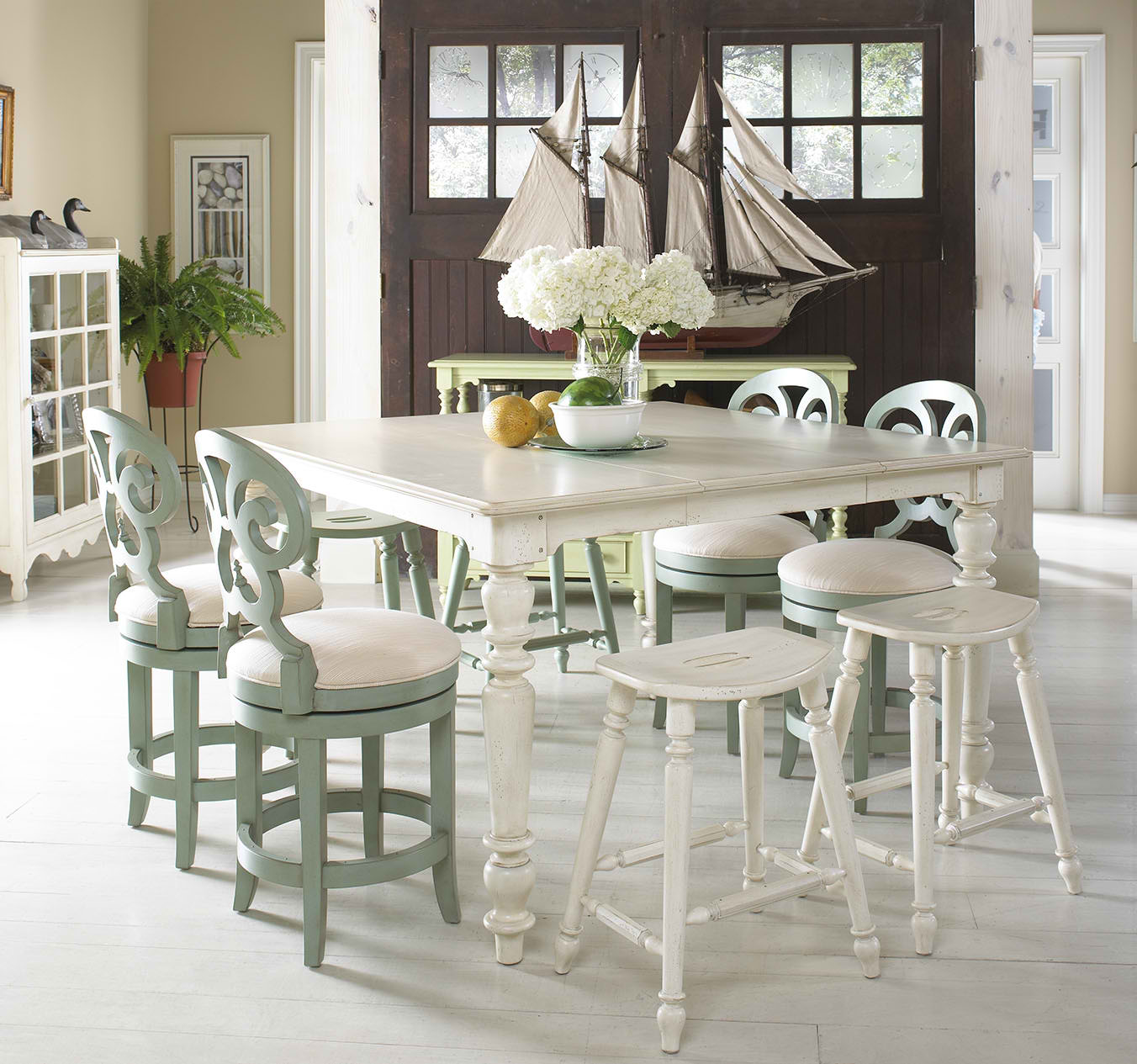
FFDM Summer Home Collection: Allowing natural light to stream in during the day can save you a lot of money on energy.
Do you believe that your house is a system? You can easily save money and even improve the performance of your home if you are willing to take cost-effective measures. These steps can significantly reduce building load, eventual appliance and furniture repairs, etc.
Target the Exteriors First
The most effective way of improving your home’s energy efficiency is to look at your walls, doors and windows. Make sure that the walls are well insulated. Only when these are already considered green should you begin looking at other systems such as lighting, heating, cooling and appliances.
Set Up Effective Insulation
Minus effective insulation, a home will have heat flowing profusely out of the walls. This is especially catastrophic during winter. See to it that you use the least amount of energy, though, in heating or cooling the house.
Houses without wall insulation or has wall cavities should have blown-in insulation. This will up the level of comfort and cost-efficiency so if you still have uninsulated walls, it’s best to look into having a professional installer do the job. For homes with damaged or old insulation, on the other hand, should undergo insulation upgrade.
Meet the Energy Auditor
You can begin your path towards green living by talking to an energy auditor. This green home professional has expertise in choosing the right insulation materials such as fiberglass, foam or cellulose. Such materials can help keep heat or coolness inside the walls of a home. The keywords that you need to remember are these – properly installed. This means the insulation was installed by a contractor using the right assessment and installation tools. The contractor, for example, uses infrared camera to check for void in walls.
Improve or Replace Windows
If the windows in your home are already old and leaky, then this may be the time to have them replaced with energy-efficient types. If you’re not willing to say goodbye to your windows just yet, then you could look into weather-stripping or having storm windows.
Window replacement may not be a cheap project but it definitely saves you money in the long run. This could also improve the level of comfort in your home.
Plant Trees and Shrubs
If you are living in an older house with obvious poor insulation and damaged windows, then know that having good landscaping can save a lot of energy while you’re still planning the huge architectural project. Deciduous trees that are planted on the west side of the house could help block infrared radiation. See also that the insulation is upgraded and your home meets Energy Star requirements.
Check the Old Furnace
Furnaces that were built before 1992 have a standing pilot that wastes about 35% of fuel. It is also possible that such furnaces are almost at the end of their service lives.
Invest in a condensing furnace as this offers an annual efficiency of no less than 90%. This kind wastes less than 10% of the natural gas and could help save 27% on your heating bill.
Furnaces that were installed beyond 1991 are probably annual fuel utilization efficient. If you’re in doubt, you can always ask the help of an energy auditor or a heating service technician.
Check the Hot Water System
To improve the hot water system’s efficiency, begin by turning down the temperature to about 120 degrees Fahrenheit. Be sure to insulate the hot water lines so that they won’t cool off too quickly. Lastly, use only low-flow fixtures for baths and showers.
Green living may be a lot more difficult to maintain but it has its perks. You save money and you become an ally of Mother Nature.
Tags: eco-friendly interior design, eco-friendly interiors, eco-friendly tips, energy efficient living, energy-efficiency, energy-efficient home, green home, green interior design, green living, McCreerys, McCreerys Home Furnishings, sustainable design, sustainable home, sustainable home design, sustainable interior design, sustainable lifestyle, sustainable materials, tips
Posted in Interior Design 101, Interior Design Themes | No Comments »
Tuesday, April 5th, 2016
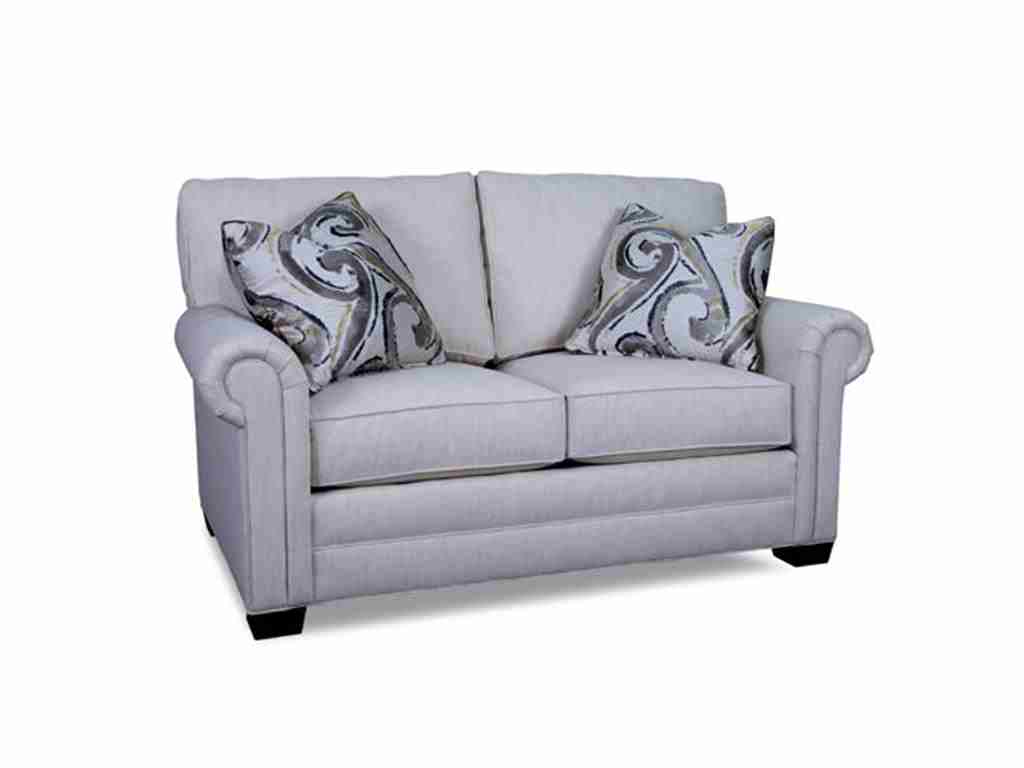
Huntington House Living Room Loveseat 2053-40 is the best seating unit for smaller spaces.
One of the in things to do these days, the hottest bandwagon so to speak, is to live in an energy-efficient home. Founders of companies, couples, women, even college kids are now purchasing building plans for their new green homes. Some of these homes can be as small as 120 square feet (or even less).
There are challenges in living in a small space – this is certain. But there can also be benefits should you know what to do with the tiny space that you have.
Advantages of Small Home Living
The U.S. Census reported in 2010 that the average size of homes is about 2,400 square feet. Despite this large home dominance, many homeowners still recognize the advantages of living in a small place.
One of these advantages is energy efficiency. With a smaller place to cool or heat, this spells lower carbon footprint.
Flexsteel Home Office Bookcase W1201-701: Small space living means looking for effective ways to store stuff in your home.
Another advantage is not having to clean a large space. Fewer rooms means less maintenance or cleaning time. This can be a perk to your family since it would mean more time spent outdoors, doing all the stuff that the family loves.
A smaller home also means you have a cozier and more intimate space. These are the very things that bigger homes lack.
Smaller homes are also less expensive and less pricey to live in. You get smaller utility bills with your smaller place – that is also guaranteed. Small homes can spend as little as $180 in energy as compared to hundreds and thousands that large home dwellers need to pay for.
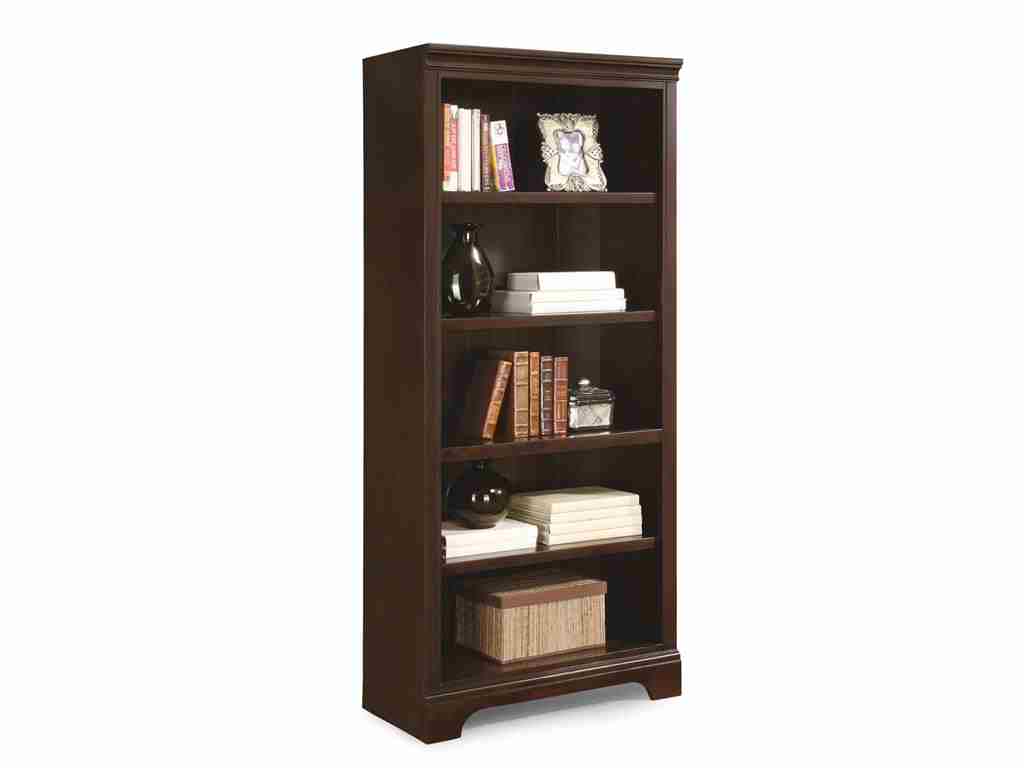
Flexsteel Home Office Bookcase W1201-701: Small space living means looking for effective ways to store stuff in your home.
Freedom in a Small Space
So how can you achieve freedom in a much smaller space?
Begin developing your cute green home at the main room. This can be a living room and an office space in one. You can install a tiny fireplace, two comfortable chairs, a desk, and some hidden storage.
You can then go to the sleeping space which can be just a tiny nook right upstairs. Your cute home must have good insulation to keep you and your family warm during the wintry months and cool during the summer season.
The front door can open to two rooms at the same time. This can be the dining area and your kitchen space. Install a sink, portable electric range, small refrigerator, and a prep surface for your kitchen/dining area. The dishes and other kitchen tools can be stored in smaller cabinets or shelves.
Accept also the fact that you will have a smaller bathroom. Install a small yet full bath containing the toilet, sink, shower and tub within 10 square feet. Water can be gathered from neighboring spigot. You could cook up something more elaborate but you will have to deal with local building codes if you do so.
Smaller homes are not just energy efficient, they are also sturdier. This means that you won’t have to worry as much when a quake suddenly ensues. This is because shorter distances spell a more expedient escape. Remember that the smaller the surface area, the smaller chances that the house would topple because of an earthquake.
Smaller homes have also been proven to be safer from fires.
The secret to achieving freedom in the midst of coziness is to use every inch efficiently. You may feel uneasy during the first few months. You could even spend time figuring out what works and what doesn’t.
Everything is also depending upon your perspective, the beauty of your home being the topmost priority. Whatever makes sense for you and your family’s needs is what should be built, invested upon or installed.
This tiny yet liveable green home is yours to own – be sure you’re ready to embrace simple living.
Tags: designing a small apartment, designing a small space, energy-efficiency, energy-efficient home, green home, green living, McCreerys, McCreerys Home Furnishings, sustainable design, sustainable home, sustainable home design, sustainable interior design, sustainable lifestyle, sustainable materials
Posted in Green Living, Interior Design 101, Interior Design Themes, Tiny Homes | No Comments »
Follow us on our social media


© McCreery's Home Furnishings | All Rights Reserved | Privacy Policy
