- Follow us:


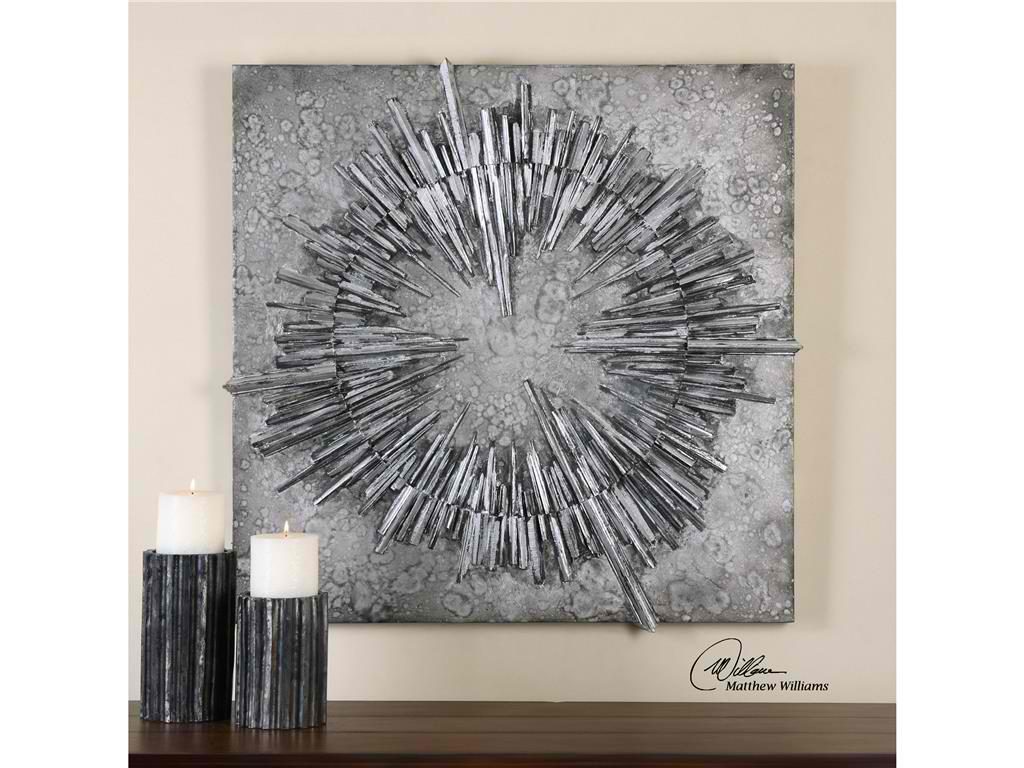
Art is the only way to run away without leaving home – so said Twyla Tharp. Prove it with this Accessories Uttermost Nebulus Silver Wall Art 01303
Do you believe that art can add a different level of sophistication to your surroundings? The mere presence of artworks can steer one’s intellect and reflect emotion. Artwork – as long as it is used correctly- can also help define space. Since art can do so much to beautify your home and it even has the power to make or break the theme, then why not invest in this crucial design element?
A huge blank wall in any home can make the place look lifeless and dull. Some end up displaying, on default, their family photographs. Paintings, though, can offer a lot more than visual entertainment.
Select Art First
One of the common mistakes that people do is to put art in their least prioritized design elements. In fact, for many, it is just an afterthought. This can have tragic consequences, at least, aesthetically. Understand that artwork is a lot more than a piece that you hang on the wall. It can be the story that will anchor the rest of your furnishings and accessories. It can also be the factor that can help you decide on the eventual materials and color palettes for your home.
Remember that the use of wall art means you are stating a message – your message. You are also invoking feelings so you need to decide what is going to be depicted on your piece of art.
Study the Canvass
Prior to buying a piece of art, you need to consider its purpose. Will it be placed in a room where events and celebrations will be held often? Or is this a place where you intend to relax and find quiet contentment? You also need to know where it will be placed as well as the lighting conditions there.
Learn to Match
When you are out to design something for your home, then you have to define your lifestyle as well as personality with your design elements. This may not be an easy task but you are not without guidance. The process of picking wall art means you know how to define these things and harmonize the artwork with the rest of furnishings.
So, are you ready to define your theme? Would you embrace classic, casual, contemporary or modern?
Consider the Room Color, Size and Other Such Elements
For your room size, be sure to inspect how much space you can work on. Would you want a large wall to be filled with paintings such as in art galleries? Doing so will render a bold statement or a higher amount of attention. If you’re not ready to be dramatic or bold, then choose a smaller wall with a limited number of artwork.
You also have to learn color psychology as hues can affect the feelings, mood and even the health of people. Learning about the psychology of colors can also be applied in picking art.
Measure also the dimension of the wall where you intend to hang the artworks. You’ll have a better idea on the amount of space that you can actually use once you do this. Use your imagination on how the piece of art will eventually look in your home.
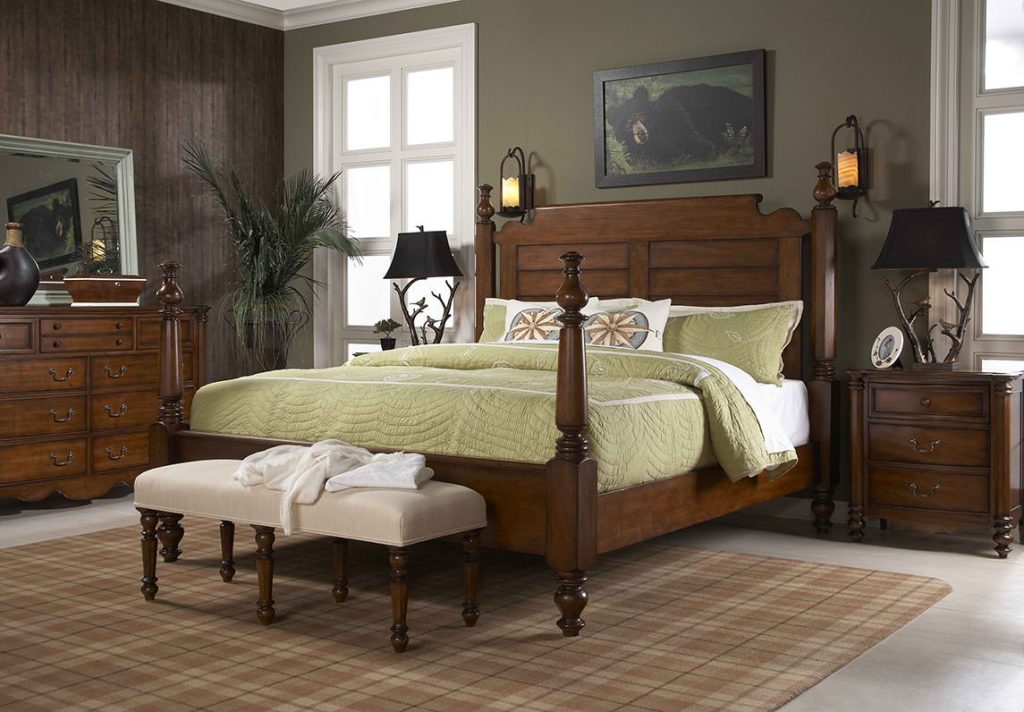
The artistic details all around this wooden bed makes it a more interesting bedroom piece to look at.
No Hard and Fast Rules
There are no rules set on stone when it comes to picking art. Whether or not the piece has potential to increase in value, you have to buy one that you already love. Don’t let the theme or a friend dictate which is art and which is not.
You must also be open to various media. Art doesn’t automatically mean painting. It can also be a piece of sculpture, even a lovely piece of furniture.
Lastly, go out there and explore on all the possible art pieces that you can use. Local artists might provide the piece that you’ve been looking for. Be open to art possibilities.
Follow us on our social media


© McCreery's Home Furnishings | All Rights Reserved | Privacy Policy
