- Follow us:


Friday, December 23rd, 2016
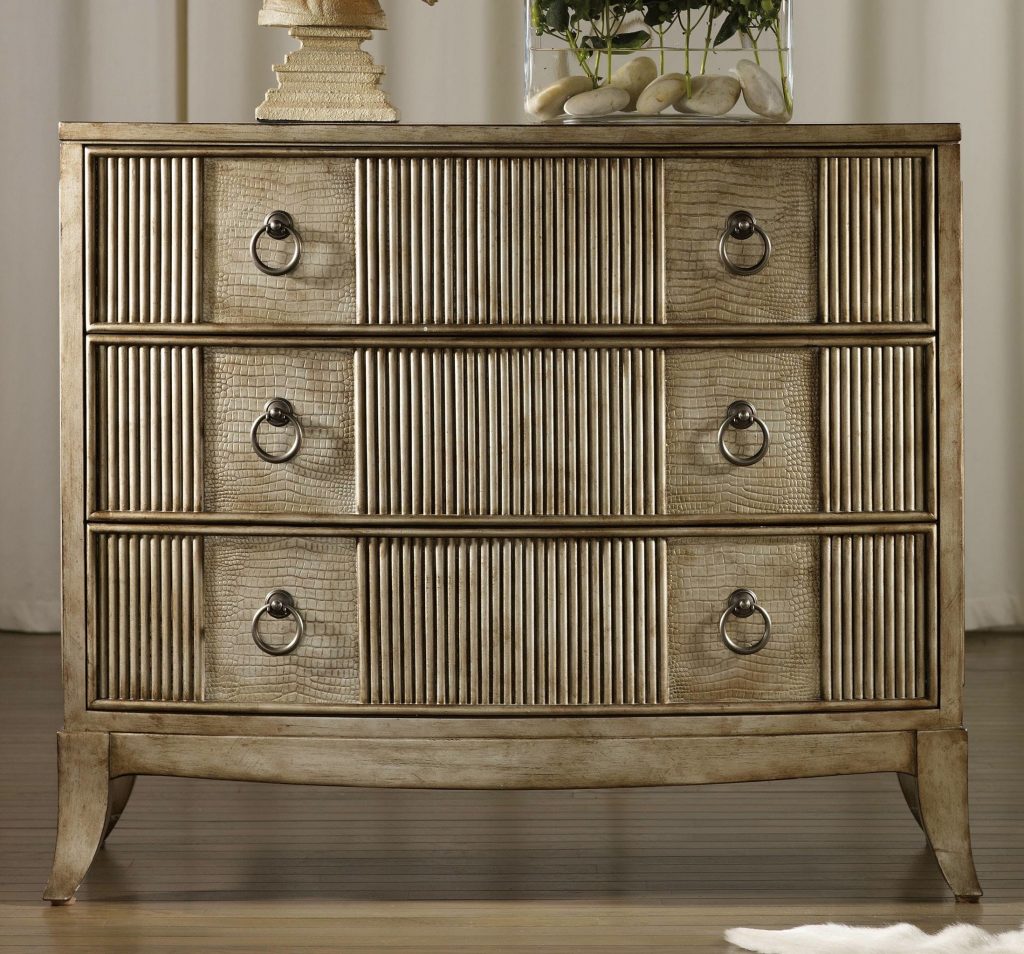
Hooker Furniture Living Room Latico Chest is an interesting home for your drabware.
Call it khaki, beige or greenish brownish, this complex color may often be used in drabware but it’s far from being drab.
Drabware is a term used to describe the color of tableware. These are the ultimate neutrals. It can also be a chameleon as it takes on a different tone based on the light that’s shining upon it.
Neutral is one of the finest backgrounds when you decorate. You can actually decorate with your drabware, more so if they’re vintage. Make your collection grow then store them inside equally interesting china cabinets.
Let these pieces inspire you to decorate the rest of your home. Think out of the box – go beyond the usual plates on walls or pairing drabware with the same-colored textiles. Neutrals sit beautifully inside any home because it is versatile.
The Drabware History
Drabware has seen a lot of admirers in English pottery when it was introduced in the early nineteenth century. Back then, monarchs and commoners alike aspired to have a piece. Those who are able to, even print their coat of arms on every piece.
Drabware also became popular among the upper-middle class as it was also used in creating other objects. These include incense burners, ink sets, candlesticks and miniature toys for kids.
Cornish clay was used in making drabware as nickel and flint were also added. This resulted in the beautiful, earthy tone that is descriptive of drabware. These earthy drabware, however, did not have a consistent color. Variables like the amount of clay and minerals, as well as the kiln temperature result in skewed hues that look more like gray, brown or green.
A pinkish tinge is also a possible partner of drabware. In fact, drab grounds the pink so that you won’t have to worry about experimenting with this feminine color. Pick dusty shades so that they will also complement the drab. This will easily offer a more calming, tranquil effect in your dining room.
Light natural wood also pairs well with drab. If you want to bring in some patterns and textures, just install wallpaper.
Unlike ceramics that get colors from surface glazing, drabware is drab throughout. It only has a clear glaze though some pieces now have decorative paint, gilding, and colored enamel. Other embellishments are also available.
Drab-colored paint is also now available for cozy areas such as a breakfast nook or a small living room. Metallic pieces will be highlighted by a coat of drab paint.
The 20th century showed an on and off production for drabware. Smaller companies made their own versions with Tiffany & Company joining the bandwagon. Even Martha Stewart and her company took their inspiration from drabware and upped its visual appeal by offering it in both plain and gilded-rim types.
The earliest drabware were platters and pitches which – when you can find them today – are of great worth. These are valuable collections that only a few are able to get their hands on. The smallest pieces can amount to thousands of dollars with auction sites opening their bids at hefty amounts.
If, however, you would just want to take home the beauty of classic drabware, then there are also modern sites and shops to buy them from. A five-piece set that was made in 2000 could now be bought for $200. Of course, the later the year, the more affordable the pieces would cost.
Housing Your Drabware Collection
It is important to preserve your collection by keeping your pieces safe from dust, the natural elements, insects and breakage. You can effectively do this if you are ready to unleash your artistic potential.
There are many china cabinets to choose from. Pick one based on your chosen theme. Wooden ones go best inside rustic interiors while the sleeker ones will be at home in a modern or contemporary setting.
Tags: McCreerys, McCreerys Home Furnishings, neutral colors, neutral hues, neutral interiors, neutral palette
Posted in Color Schemes, Interior Design 101, Interior Design Elements, Interior Design Themes | No Comments »
Thursday, November 17th, 2016
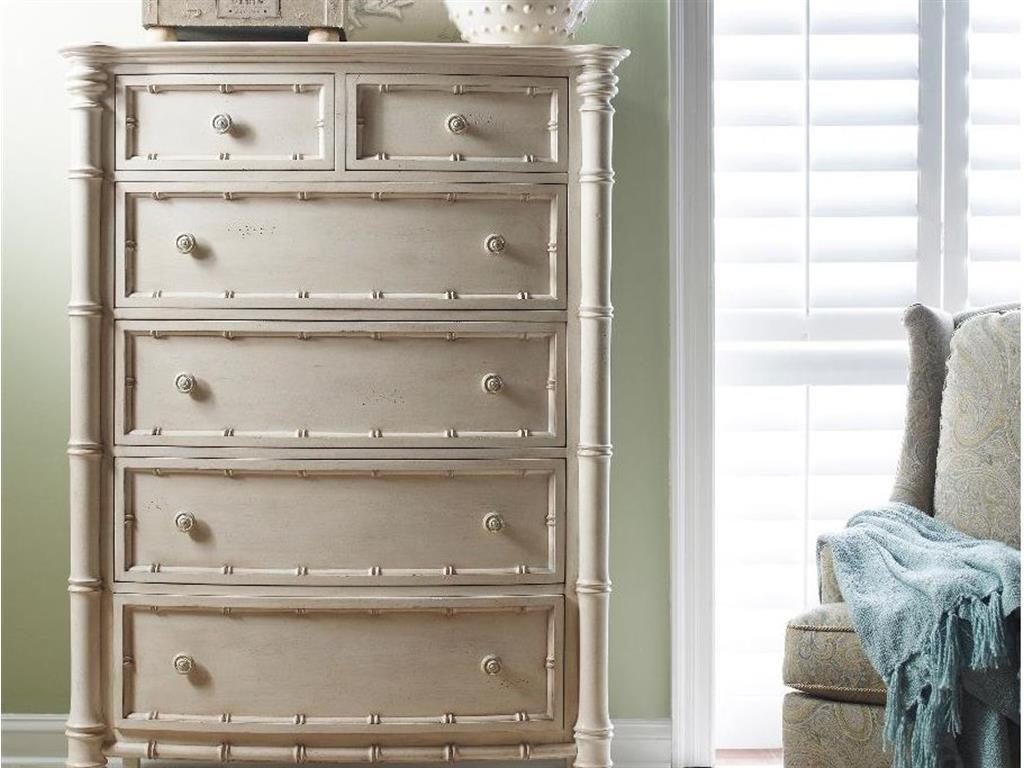
Fine Furniture Design Bedroom Bamboo Drawer Chest 1050-116
What did you feel when you last saw an all-white home? Did you feel relaxed or was it the opposite? White is a color that most homeowners would just use to mix with other colors but using it – on its own – is not something that many would venture to. A lot of people are nervous about the use of white especially when they want their home to look homier. Yet white can be a refreshing color compared to many other colors on the spectrum.
White evokes cleanliness, purity, even sophistication and confidence. Prior to using white in your home, be sure to check out the following tips first –
White as Clean Slate
Instead of feeling nervous about white, look at it as a way to achieve a fresh start. White can release your creativity without you even becoming totally aware of it. A white room is a wonderful way to decide what inspirations you have for your room. For instance, if you have a scenic view from the living room, then it would be a great idea to frame this in white walls. There is nothing more beautiful than white as a backdrop for the most gorgeous vistas.
Know also that there are different shades of white that are not automatically beige. Every hue, in fact, has a corresponding white tint, from yellows, pinks to purples and greens.
White on Upholstery
Sure, white upholstery is a bit more difficult to clean as it gathers dirt more quickly, but using white in this case means knowing what fabric type to pick. Having children and pets in your home would call for sturdier fabrics such as khaki or faux suede. There are also slipcovers that are now made with white denim so find out if that’s also suitable for your active home.
Let Art Do the Talking
A great asset that you can actually show off using a white wall is an interesting piece of art. Show your personality by putting up a framed painting or any interesting piece of art on the wall. Such pieces command attention and adding the bareness of white make them the perfect focal points in rooms.
Use Tone-on-Tone Layering
Should you ever feel that your room lacks warmth or personality, think of layering the whites in like shades. Use warm whites and warm grays, for instance. Use textures and patterns that are similar to the white hues that you used.
White Spells Versatility
White will always be a rich canvas where you can decorate and style all year round. Whether you’re ushering in the winter season or welcoming the advent of spring, there will always be shades of white that go well with the interesting colors of the season.
White can also be used to frame interesting architectural features. For example, an all-white bathroom would effectively highlight a colorful vanity table. With the right accessories, white can actually look cosmopolitan, even sophisticated.
Risk aversion or veering away from idea overload is also the role of white paint. As a homeowner, it is often easy to get lost in the trendiest interior designs. If you want to have a more grounded setting, then use white to anchor your most interesting designs.
White Means Erasing Blemishes
White is an eraser of any architectural error – from blemish on the drywall to exposed ducts. White is an effective way to camouflage eyesores. If you’re living in an older home, then this can also highlight the most beautiful crown molding.
Use white to transform your home to the modern minimalist, classic neutral or traditional setting that you dreamed it to be.
Tags: McCreerys, McCreerys Home Furnishings, neutral, neutral colors, neutral hues, neutral interior design, neutral interiors, neutral palette, white, white color palette, white color scheme, white in interior design, white interiors, white palette
Posted in Color Schemes, Interior Design 101, Interior Design Elements, Interior Design Themes | No Comments »
Wednesday, November 9th, 2016
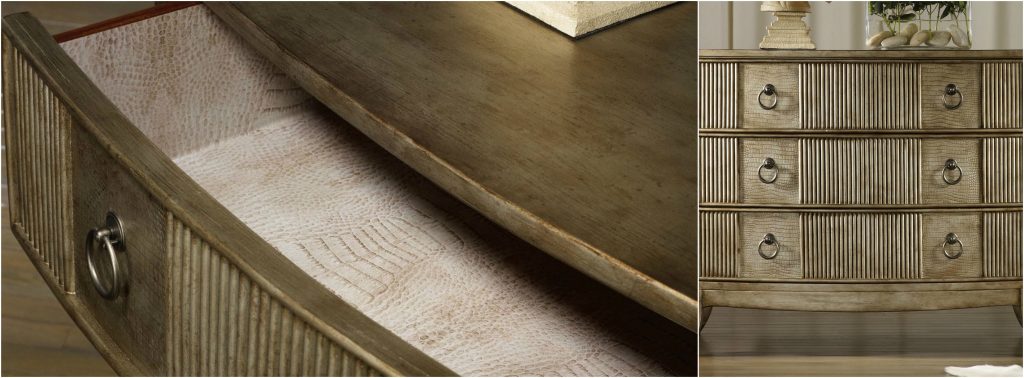
Hooker Furniture Living Room Latico Chest
Did you know that colors behave in three ways? They can be passive, active or neutral. The term neutral actually means unbiased or impartial. It is because of this that the use of neutral colors is quite common in many homes.
Neutrals Pair with Any Hue
To begin with, neutrals like black, white, cream, brown, gray or any earthy tone can work with any color. Neutrals are versatile when it comes to decoration and interior design. This means that even through the years, as trends and preferences change, your color scheme remains in style.
Neutrals are hues that also provide the best background to any other color. It provides solid foundation for any décor whatever your style is.
Don’t overuse neutrals to the point that they become boring. Imagine seeing walls upon walls of cream or beige. That’s absolutely aesthetically stagnating.
Neutrals Add Visual and Tactile Textures
When you plan any neutral room, consider texture. This is a term that refers to an object’s appearance or surface characteristics. Texture isn’t all about seeing but touching, too. Tactile texture is the actual surface feeling whether it is smooth, rough, hard or soft.
Create a room that is multisensory. The design and décor mustn’t just look great but also begging to be touched. Imagine having a plush carpet right in the middle of the living room. Wouldn’t you want to remove your shoes and just lie down?
Neutrals in the Entryway
The entryway is where most first impressions take place. This is the right spot to show your being savvy in choosing a design. Don’t jar your guests with bright colors, though, only to make an impression. It’s better to select some patterns that may be neutral but still add visual interest to this part of your home. Think of runners, wallpaper, rugs, and art.
It would also be nice to place an unexpected furniture piece on the entryway. Imagine having a wing-backed chair right by the rack where the shoes are kept.
If you’re looking for the best neutral color to use, you can have inspiration from the floor tiles. Use the neutral colors of your tiles then bring that same shade to the entryway. This should give the space a more cohesive look.
Neutrals in the Living Room
If you’re still interested in having pops of colors elsewhere, then use them on the window treatments or the throw pillows. Enliven the living room by adding mirrors. These will reflect the neutrals while adding depth to the palette whether it is based on whites, browns, creams, or grays.
If you are decorating a living room that’s mainly neutral, then use slight variations of the same color. This should warm up the space and make it more aesthetically pleasant. Think of the neutral palette’s role on your window treatments, walls, floors, furniture and lighting fixtures.
It would also be nice to feature a beautiful architectural part of your home by using neutrals. Use neutral décor or color to highlight. Remember that a lighter shade on an architectural feature like a fireplace will highlight its very presence.
To add drama to a neutral living room, be sure to use a large chandelier. This isn’t just a beautiful addition to the décor but it’s a lighting fixture that will give a sense of purpose to an otherwise dull open space.
Neutrals in the Kitchen
Neutral kitchens are quickly gaining popularity each year. Guide the eyes of your guests by having the shapes repeated throughout the room. Find a cabinet that has the same color as some of the appliances. Don’t be afraid to mix media inside the kitchen. It’s an effective way to make the neutrals feel alive somehow.
Tags: McCreerys, McCreerys Home Furnishings, neutral, neutral colors, neutral design, neutral hues, neutral interior design, neutral interiors
Posted in Color Schemes, Interior Design 101, Interior Design Themes | No Comments »
Monday, July 18th, 2016
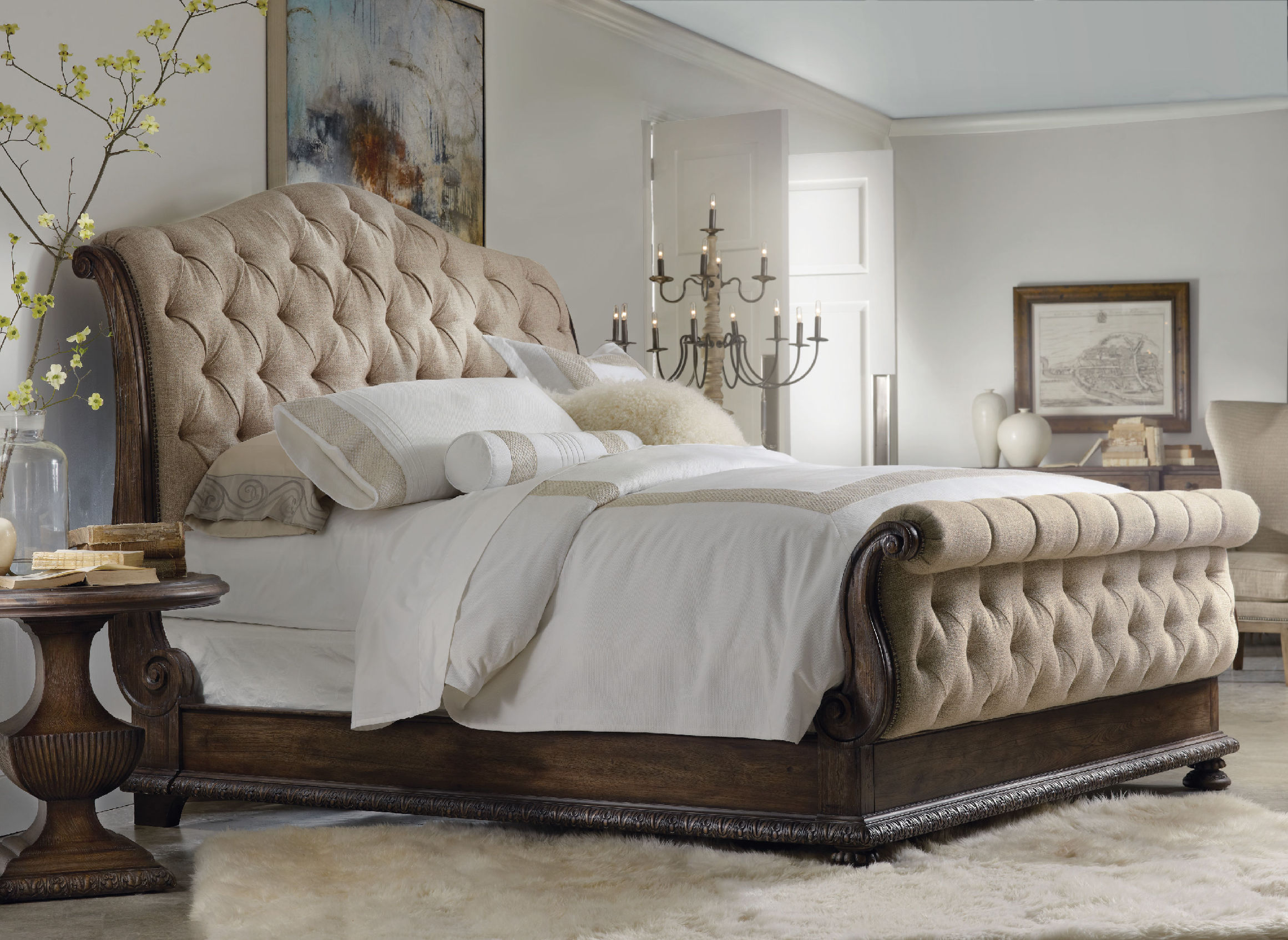
The Hooker Furniture Bedroom Rhapsody King Tufted Bed is nested in a neutral background. Its wooden frame pops from this sea of neutrals.
Muted tones are the go-to colors when you want to be safe with your interior design; yet, at times, you would think what you have created is a masterpiece of muted tones only to end up with a bright, colorful mess.
Neutral tones only become effective in interiors if you know which elements to work with. You need to be subtle, to begin with, and creative enough to make the muted tones more interesting. Know the basics such as which paint color goes with which furniture and what rugs to use on certain areas. After you figure out the major elements, it is also your duty to come up with the pieces that will populate your home such as potted plants, books, artwork, and other things that would bring a personal touch to your place.
Always Within Bounds
The walls are your biggest challenge when it comes to choosing the right color. There is a wide array of shades that come from the same color family so it is wise to choose from within these. Whether you go from ligher to darker or the other way around, picking colors that come from the same color family will give your home a unified look.
Espoused Colors
A basic palette for any room is the tone-on-tone neutrals plus two accent hues. An example is having blue trim paired with an orange-red area rug.
Layer with Love
Homeowners always default to the creation of a purposeful interior. Layering is great for your interiors so long as you use colors in moderation. Again, just to be on the safe side, neutrals can make your life a whole lot easier.
A natural woven area rug will surely work well with in pulling together the rest of the décor. This is a piece that automatically adds texture and softness. In addition to this, pick artworks when you are out to coordinate or complement colors. Art pieces should be in proportion with the room. A few large artworks render a better visual effect than a group of smaller ones. This is – if – you are aiming for the classic look.
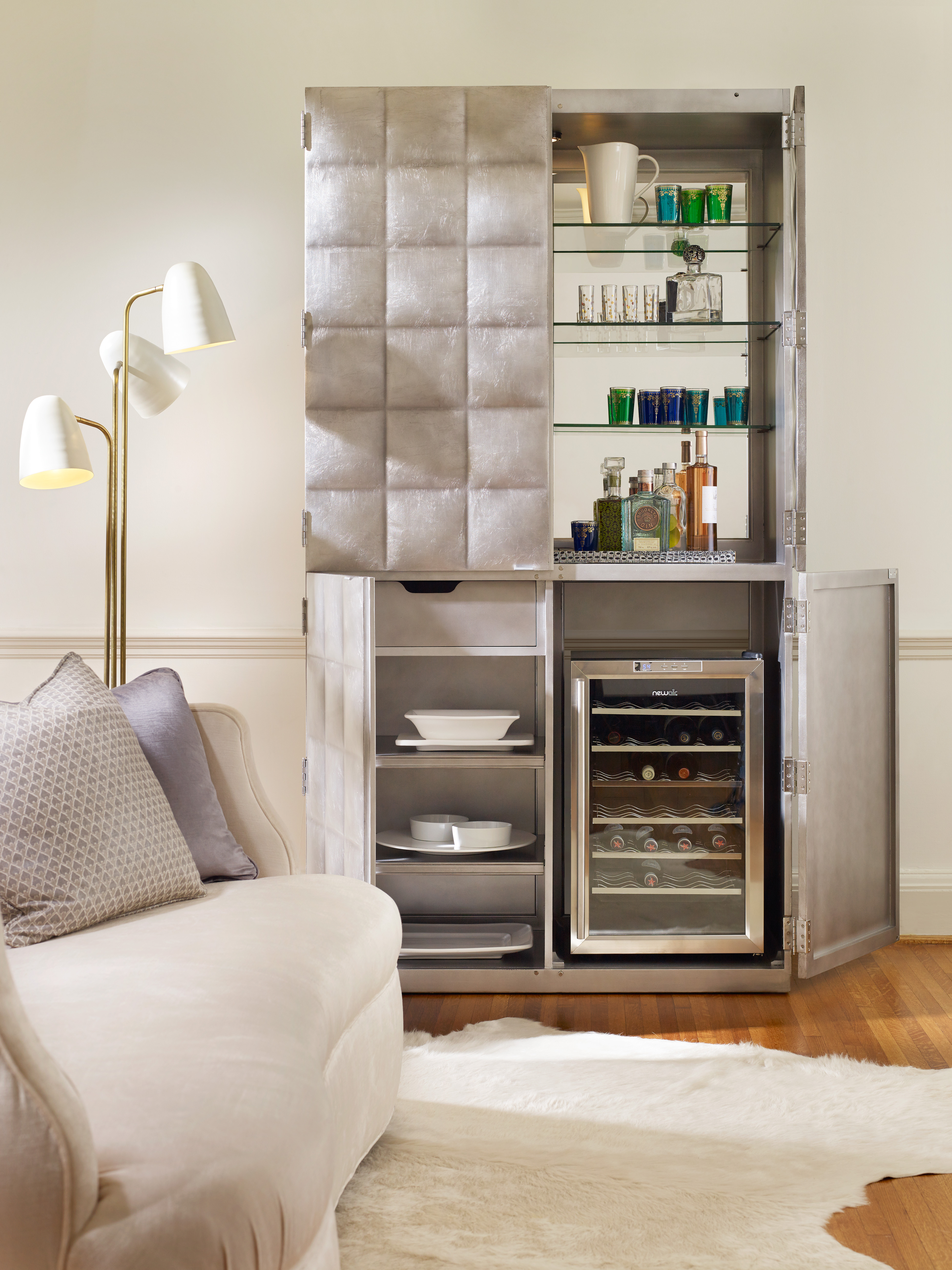
1586-50011-SLV2 Alchemist Bar Cabinet
Balance In All Things
As you work with neutrals in your contemporary kitchen, keep glossy cabinets and pieces with sharp edges grounded by having organic elements brought in. Wooden finishes have the power to amplify the beauty of streamlined looks; so bring softness inside the kitchen by having wooden countertop.
Infuse Lively Colors
Don’t think that life in colors is limited only to the bright hues. You can still use neutral colors but still achieve the beauty of a lively interior. Neutrals provide the usual serenity and cleanliness but there is also no denying that they can enhance the mood in any room.
Raspberry-colored pillows, for instance, that have the same prints as your neutral wallpaper would surely jive.
Don’t Forget the Frivolity
Most of the time, you are so engrossed on how the room would eventually look that you end up missing out on special elements that should be used. Lighten the mood with exciting accessories such as animal print pillows with neutral colors blending well with the rest of the design elements.
If you prefer neutral design with a little edge, then go ahead and combine gray or white walls with some industrical accent pieces. There are many industrial-themed pieces in the market now that will provide a convincing aged look for your home.
Being frivolous is simple if you add some natural elements such as potted plants into your home. Successful neutral design is all about popping the right elements against a muted background. Achieve this and you’re already an expert in your own right.
Tags: adding colors to a home, McCreerys, McCreerys Home Furnishings, neutral design, neutral hues, neutral interior design, neutral interiors, neutrals, tips
Posted in Interior Design 101, Interior Design Themes | No Comments »
Monday, May 9th, 2016
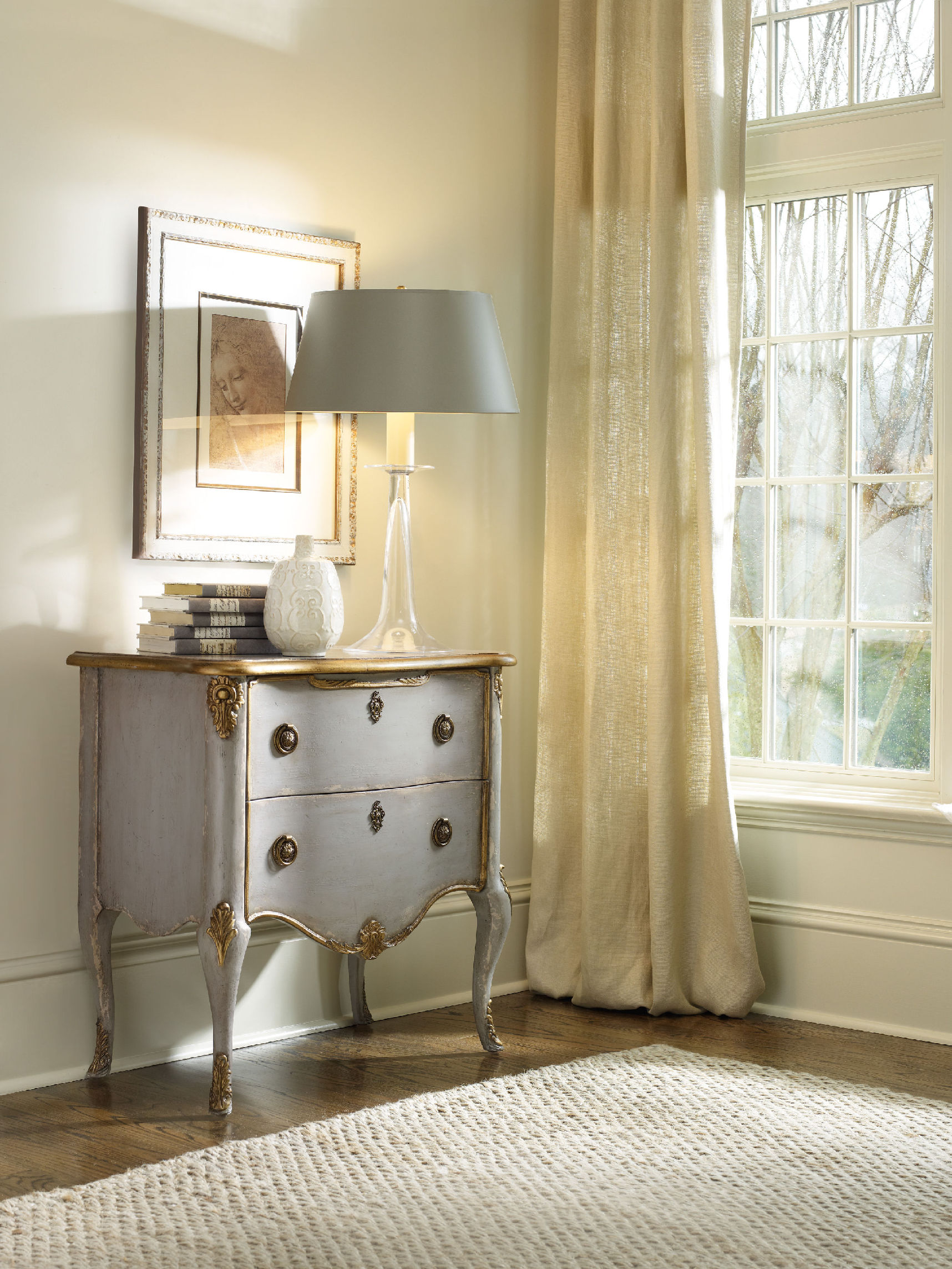
Hooker Furniture Living Room French Two Drawer Chest offers a distressed yet elegant optimization to the white walls.
There are many ways of freshening up a home in terms of its overall look. If you plan to level up on your cleanup, there is a clean-slate strategy that is hassle-free and safe. Painting your walls white is a technique that will make your home into a blank canvas that is ready to be doused with your personality.
A Word of Caution
Before you delve into this undertaking, you might want to look into the possible effects of the color. First, white paint may be the magical solution to many homes that want to start anew but it can also be a cold, unfeeling color.
Just like any other color, consider white to have its own temperature, lighting requirements, mood, even style. It has – more than any other color – maintenance requirements as well as a rich history. If you make the mistake of ignoring these elements, then you end up with a stark color as opposed to the clean, crisp hue that you wanted.
Do not be afraid to use white, though. Most of the time, all it needs is just a dash of another hue to tone down or warm things up.
Room Considerations
Prior to painting your home white, you must take a careful look at its orientation. Those rooms that turn away from midday sun have a gray-blue light. These rooms are great for summer bedrooms, a studio or a gym. This is so because the sun’s angle at this point provides the needed consistency.
White paint tends to optimize the lighting in these spaces. While it works in these rooms, white won’t work in rooms that face the north. White will link the snow-laden outdoors to your home without being visually distressing.
Use red, orange or yellow tint with white when you paint the areas of socialization and dining. Rooms that don’t have a direct access to natural light are the best candidates for these color fusions. The warmth of yellow, orange and red will make up for the heat lost from the sun. These colors are also known to raise blood pressure, thus, upping your level of activity and positive vibe.
Scientific evidences have proven that colors can create a certain psyche, in this case, the warm colors make the body feel heat even in the absence of real warmth.
Rooms that face the south are the ones that receive the most amount of sunlight during the morning. Summer or winter, this side of your home will receive a red-yellow sort of light during a clear day.
White-painted walls will cool such spaces while not limiting your color choices. You can still adjust the glare by looking at your pigmenting options. An example is using gray to soften the reflective property of white. This combination should create a hush-hush feeling inside your living space.
One color choice will not be able to offer the lighting changes required in different seasonal circumstances, however, there are times during the day also certain seasons when rooms get the most lighting wear.
It is during such times that you should dampen or radiate the natural light that comes in. To do this, choose a conditioning color that you can use with white. Cool colors include green, gray and blue tones while the warm ones are orange, red and yellow.

The Uttermost Accessories Resting Dog, Statue 19070 offers an amazing contrast to the starkness of white.
Outside-In
Remember that the outdoors can greatly affect what you have inside. If you have an awesome view of the ocean outside or, perhaps, a beautiful garden, then use it to your advantage. White walls will be able to enhance such picturesque views. White is the perfect solution for that much-wanted year-round shoreline view. You can enhance the view by fusing white with just a small quantity of yellow-orange pigment. This combination should frame the coolness of the view outside.
Now ain’t white beautiful?
Tags: McCreerys, McCreerys Home Furnishings, neutral, neutral colors, neutral hues, neutral interior design, neutral interiors, neutral palette, white, white color palette, white color scheme, white in interior design, white interior design, white interiors, white palette, white walls
Posted in Color Schemes, Interior Design 101, Interior Design Elements | No Comments »
Wednesday, February 10th, 2016
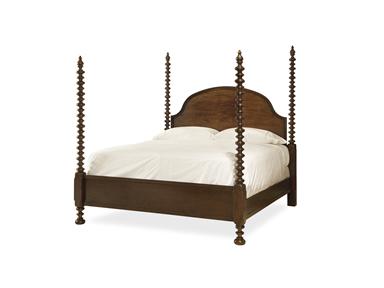
Universal Furniture Bedroom Santa Rosa Poster Bed Queen 313280B
Farmhouse design has been around for many years. Its simplicity is no longer just considered a style but a passion for some. It is casual and basic, none of the frills and excessiveness of the other interior designs.
Farmhouse design makes amazing and exciting vacation houses. The old and the new worlds collide in this perfect union of styles. If you happen to be blessed with an actual, old farmhouse, then learn how you can remodel it and bring it back to its glorious days. If you want to build a farmhouse from scratch, then you have to know the elements that make this design uniquely charming –
Old farmhouses usually have large openings. This is so large furniture and many people can be accommodated. The windows are generally bigger, too, because they are meant to offer a grand view of the farm outside.
Modern farmhouses already share these features. Sure, there might not be a literal farm outside but the wide openings can still be used for the amazing sceneries. These houses also break down the usual barriers of the outdoors and indoors.
Traditional farmhouses were made quickly. Farmers did not have the leisure of time to set up fancy interiors, hence, you won’t find fancy wallpapers, bright paints, or ornate furnishings. Whitewashed or natural woods were preferred as were exposed beams and light-colored walls.
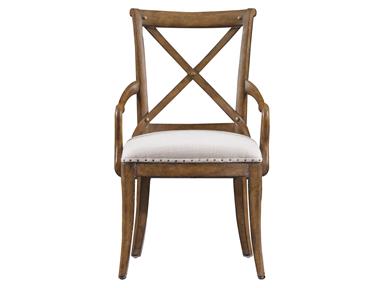
Stanley Furniture Dining Room Fairleigh Fields Host Chair 018-61-70
The Farmhouse Living Room
The same principles of design apply in this room as in the rest of the house. You can mix natural materials with modern elements. Find a neutral carpet that can give the room a simple, warm base. Brown, tan and other natural tones are commonly found in farms so use them liberally.
Keep all your furniture neutral and simple. These pieces should echo the look of the floor.
No country living room is without a fireplace so make sure that you set up one for your home. Use candelabra, old bottles and barrels to decorate the rest of this room in your home.
The Farmhouse Dining Room
Just like your living room, the dining room should come with simple flooring. Weathered wood is best as is neutral carpet. A hardwood dining table is the star of this room so make sure that you choose a lovely piece that will last for many, many years.
Accent the rest of the room with chinaware and simple dishware.
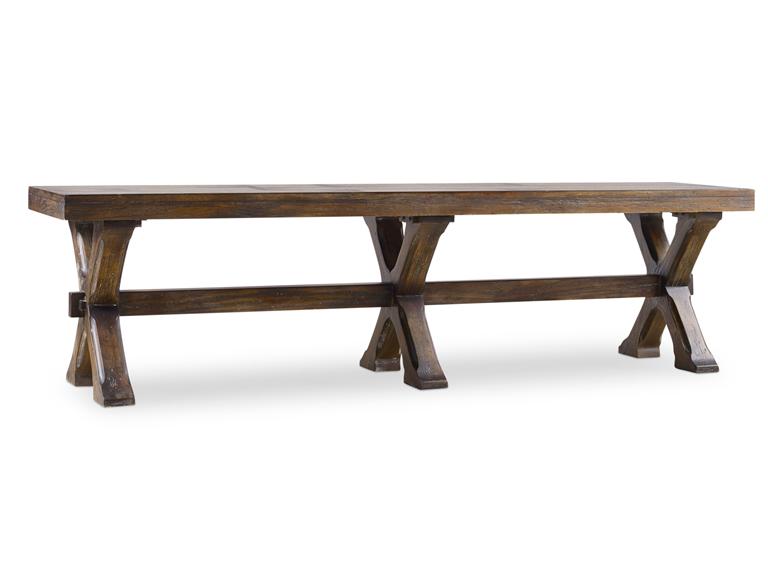
Hooker Furniture Dining Room Willow Bend Bench
The Farmhouse Open Kitchen
Farmhouse kitchens are always open. They are large enough to feed a huge family.
The focal point is the center island where pots and pans are stored. Wood countertops are also common so say goodbye to marble or granite countertops. Find out which glass fronted cabinets will work for you or if you would prefer the wooden ones. Keep in mind that no farmhouse kitchen is considered complete till there are plate racks for those beautiful serving trays and ornamental plates.
Find appliance panels to hide your refrigerator or dishwasher. Keeping the modern appliances maintains the old-fashioned appeal. If you can find retro stoves, then that should keep the antique feel in your place. Add accessories like wooden spoons, old dishes, or antique pitchers.
Maximize natural lighting even if you have to reduce the number of upper cabinets. Open shelves are great in keeping the country feel.
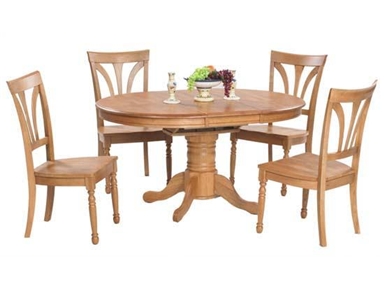
Winners Only Dining Room 57 Inch Farmhouse Single Pedestal Dining Table 54257A
The Farmhouse Bedroom
Pick the simplest four-poster beds, dressers and side chairs. Start with rustic wooden floors, rugs and rustic accessories. You can also add a fireplace in this room. Think well about your lighting options. A rustic chandelier should do the trick.
Other Farmhouse Tips
Tags: designing with wood, farmhouse design, farmhouse remodeling, farmhouse style, McCreerys, McCreerys Home Furnishings, neutral, neutral interior design, neutral interiors, neutral palette, neutrals, old farmhouse, wood, wood elements, wooden elements, wooden furniture
Posted in Bedroom Design, Dining Room Design, Interior Design Themes, Kitchen Design, Living Room Design | No Comments »
Thursday, January 28th, 2016
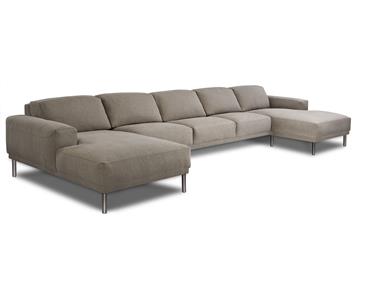
American Leather Living Room Meyer-Sectional is clean, crisp and streamlined; perfect for a minimalist setting.
Minimalism is a way of life that is slowly being embraced by a lot of people all over the world these days. Today, society prides in the accumulation of wealth and possessions but there are a handful of people who believe that real joy can be found with fewer of this stuff.
Less Is More
Here are some of the benefits that come with minimalism –
A minimalist home is architecturally linear and organic. The dominant material used in building the minimalist structure is the rock. Wooden materials are also typically found but they come in fewer presentations.
An interior that is minimalist also features minimal furniture pieces. You will find only the usable pieces that are also suitable to the theme in a room.
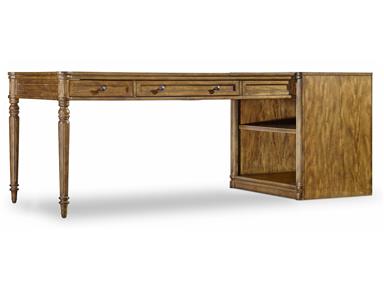
Hooker Furniture Home Office Saint Armand Peninsula Desk 5600-70424 was named after a Belgian missionary who was later granted the sainthood. Saint Armand is now the patron saint of wine makers, merchants, and beer brewers. This desk has an organic appeal with a russet-colored finish and a simple rustic knob.
Minimalism also means clean surfaces with very minimal to zero engravings or ornamentation. It is easy to clean because there are no complex textures and layers, the lines are simpler and clutter-free.
Should you ever consider using the minimalist design in your home, then consider what accents you will be bringing in. Remember that minimalist settings should be simple and clean not boring. Minimalist accents, therefore, should also be used in order to neutralize the looming monotony that comes with simplicity.
An example is a home painted in gray which can be made more exciting (but on a subtle level) by hanging paintings and other kinds of artwork. Special lighting may also be used to highlight the artwork. You will have reached a different level of elegance once you are able to carry this out.
Minimalism also means prioritizing quality over quantity. The less stuff you own, the better for you. Minimalist homes may have less stuff but every one of these is in use and is guaranteed to reach their full potential.
The tendency of homeowners to choose the minimalist interior design is not only because they want to follow trends or that they are bored with the architecture of their homes. Minimalist interiors are often the representation of a person’s want to change his lifestyle.
Those who become minimalists choose to become highly mobile and practical. They are also more efficient yet their homes are not aesthetically ho-hum.
Minimalism is a philosophy that encompasses many aspects of a person’s life. In terms of home design, it should be a clean, open space that embraces simple architecture, streamlined furniture and simple materials.
In A Nutshell
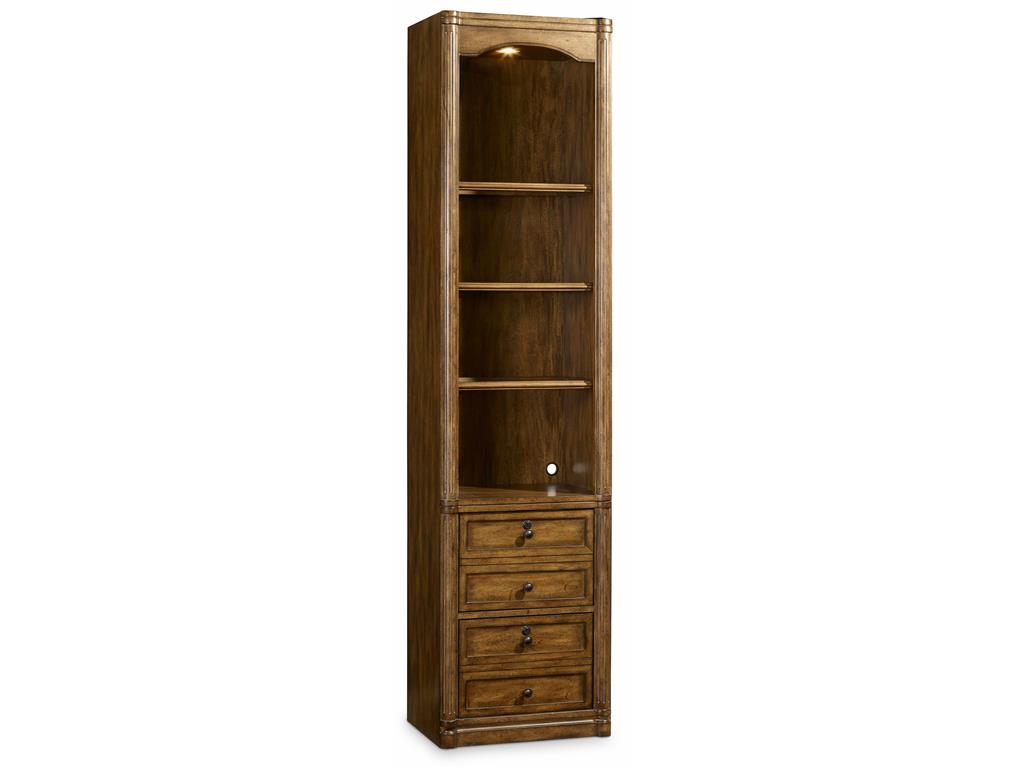
Hooker Furniture Home Office Saint Armand Wall Storage Cabinet is made of light wood with three adjustable glass shelves framed in wood. It also comes with locking file drawers which are perfect for the clutter-free environment in a minimalist setting.
To reiterate how a minimalist home should look like, always remember that you should be straightforward when it comes to the functions and form, even the general layout of your home. Uncomplicated and predictable spaces are your abode.
As to the cladding and wall finishes, your choices should be those that show a continuous line while still providing a pleasant visual appeal. A boring facade will be livened up by cedar slats and a blue-colored door.
Open and light-filled spaces especially in the living area and kitchen are a must. Light, in abundance, creates ambiance of openness.
Use light colors on your walls and be sure to remove any kind of clutter. Embrace a neutral colored palette as much as you can. If you have to use color, do not splash them liberally.
As to the furniture, be sure to use only those that have functions. Find zero frill cabinetry, uncomplicated trim details, and simple stairs. Use materials strategically so that you can achieve simplicity in texture, visual interest, even personality.
Achieve these things and your home will surely be the epitome of minimalism.
Tags: clutter-free home, decluttering, linear, McCreerys, McCreerys Home Furnishings, minimalism, minimalist interior design, minimalist interiors, minimalist living, neutral, neutral design, neutral hues, neutral interiors, organic, organic home design, organic home interiors, organic interiors, organic living, storage, tips
Posted in Interior Design 101, Interior Design Themes, Interior Design Trends | No Comments »
Follow us on our social media


© McCreery's Home Furnishings | All Rights Reserved | Privacy Policy
