- Follow us:


Thursday, July 13th, 2017
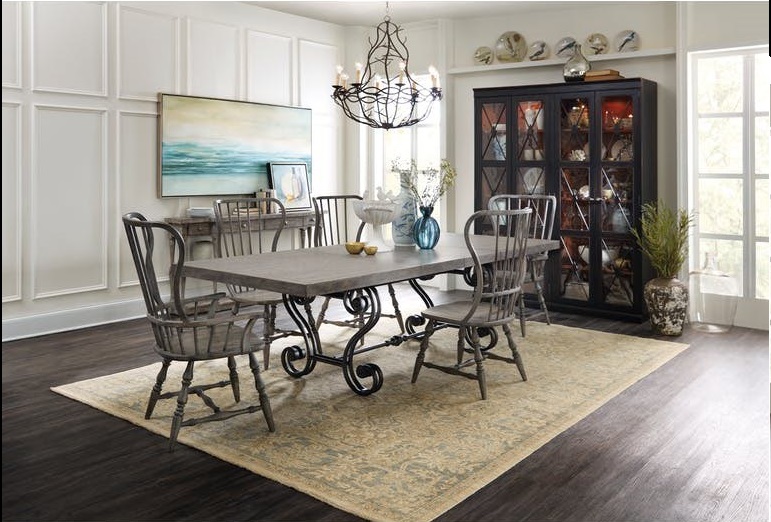
The artwork hung above the beautiful Console table is hard to ignore. Also featured are the Hooker Furniture Dining Room Sanctuary Spindle Back Side Chairs.
Have you ever tried to define art? The reference-book definition of this simple term is far from simple. Merriam and Webster defines this as the conscious use of skill and creative imagination especially in the production of aesthetic objects. Now that you know the meaning of the word, how then would you use this in the context of interior design?
Art is diverse, hence, there are various ways to interpret it. Scholars define it differently as do mathematicians. Leo Tolstoy, a famous author, defined this as an activity by which emotion is experienced and the person would willfully transmit it to other people.
Meanings of Art
The above definitions are common notions about art yet there is so much more to this term that a lot of people fail to see.
Art – or artworks – can elicit the most powerful sentiments, hence, it is used in music, film, theatre and even pop culture. All these are supposed to entertain people but when art is used for a specific purpose other than entertainment, then it takes on a diversified meaning.
Films, for instance, can be a powerful tool in spreading cultural awareness. Songs can be used to inspire others to action.
Art has linked human experiences to the media used in its creation. Both ancient and modern peoples have mixed art with their artifacts and lifestyles.
Do’s and Don’ts of Art Selection
Do not think that art always has to be expensive. An art gallery could be as simple as a wall full of your family’s most memorable photographs. Even a beautiful wallpaper could serve as an interesting wall design, again, this is considered art.
Do not hang artworks (paintings, photographs, or sculptures) too high. Make sure that all artworks are at eye level. The center point – whether this is a single photo or a group of paintings – must always be at eye level.
Do not hang a small piece of art on a huge wall. If you really have to display a small piece of art, then at least have it framed on a large mat.
Do not hang any artwork on your own. It would be best to have someone else do this project with you. You can hold the artwork in place while your companion sees to it that your art placement is correct. The agreement of both should be the sign for the artwork’s perfect installation.
Never hang art pieces too far apart. About two inches should be left between each piece, on either side as well as below.
Now here are the do’s; first, do showcase your family’s photographs – especially the beautifully framed ones – on the walls. Have these photos blown up then hang them on foam cores. These should also serve as interesting conversation pieces when you invite some friends over.
Do hang or display art in every room inside your home. Do not forget the bathroom, the dining room, even the sunroom. Every room is a wonderful place to display your artwork.
Be sure to use picture frame hooks instead of the usual screws or nails. These can take a heavier amount of weight (about up to a hundred pounds). For every piece of artwork, be sure to use two hooks so that it remains secure and at level.
Do plan your photo wall from the outset. Place the artworks right on the ground in front of the very wall where the arrangement will be made.
Do think of balance (whether formal or informal) but never group the large ones altogether (this is also applicable with the smaller art pieces). Even similar frames must also be visually balanced.
Lastly, do lean a painting against a wall. This can be stylish as would an art piece that is sitting on a mantel or a console table.
Tags: art in interior design, designing with art, displaying artwork, McCreerys, McCreerys Home Furnishings
Posted in Accents, Interior Design 101 | Comments Off on Art Decoration: The Do’s and Don’ts
Thursday, February 23rd, 2017
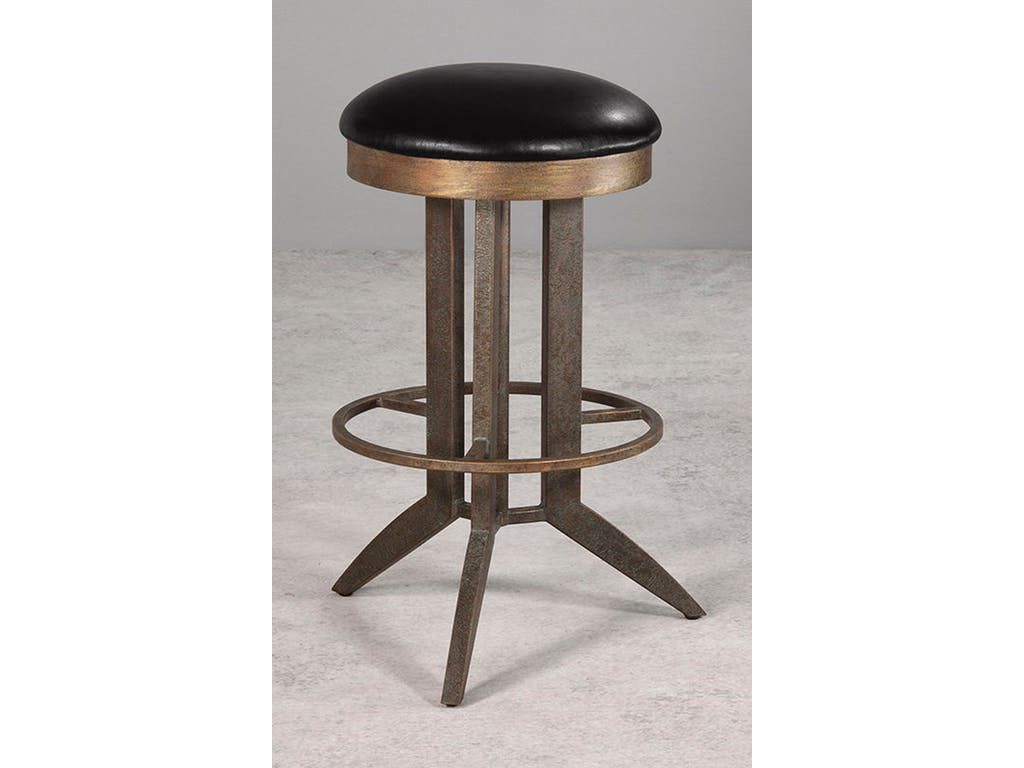
Wesley Allen Bar and Game Room Bar Stool 207
Art Nouveau generated a lot of graphic artists, décor enthusiasts and architects throughout Europe. This style came with a wide variety of choices and it eventually became known as Jugendstil in Germany or the Glasgow Style.
Art Nouveau’s aim was to modernize design. It sought to break free from the eclectic historical designs that have been popular back in the day.
Artists saw inspiration in many geometric and organic forms, thus, evolving from classic designs. This evolving style emphasized the natural forms of furniture pieces that resembled the blossoms and stems of plants.
Art Nouveau also highlighted the linear contours which took over hues. This is usually represented in yellows, muted greens, blues and browns.
The Art Nouveau movement was geared to abolish the common art hierarchy. Sculpture and paintings in the so-called liberal arts became superior to decorative pieces.
Art Nouveau also had its fair share of tests. It went out of fashion before the First World War which paved the way for Art Deco. Art Nouveau experienced a huge revival in the 60s which why it is now seen as the predecessor of modernism.
Key Features
The deep desire to break away from the historical features of the 19th century was a crucial motivation behind Art Nouveau. This also prodded the establishment of modernism.
Industrial production was widespread during that time yet decorative art was then increasingly being dominated by mass-produced stuff which imitated earlier periods.
Art Nouveau artists also sought the revival of excellent workmanship to raise the status of crafts.
Art Nouveau also dominated the academic system from the 17th till the 19th centuries. This underpinned the belief that sculpture and painting were superior to ironwork and furniture design. Artists overturned the said belief as they aspired to create an art totality or the so-called Gesamtkunstwerks.
This movement then narrowed the gap between fine arts and applied arts. Whether or not this gap has been completely closed is a matter of debate these days.
Art Nouveau and the Table Lamp
Table lamps are a few of the most renowned Art Nouveau pieces that have been produced. An example is a lamp with a bronze base that mimics the lower trunk as well as the roots of a tree. It comes with a glass shade that appears like the shade of a Wisteria tree.
Art Nouveau Design Elements
There isn’t a single definitive feature for Art Nouveau. That comes as a huge relief to many homeowners since this gives them a leeway to embrace just the distinguishing elements and then they can be themselves.
Art Nouveau is a philosophy that favors the application of artistic designs to everyday stuff. No single object was too functional to be glamorized.
Art Nouveau is also the separation of fine art and applied/decorative arts. So this is a distinction between sculptures and painting from furniture, ceramics and other practical elements.
In line with the belief that Art Nouveau is art in everyday life, you can employ decorative patterns in all forms of art that you can think of. Use tendril and leaf motifs, even intertwined organic features, curves, also right angles.
Both the stained and varnished versions of hardwood are huge with Art Nouveau. You could also go big with colorful and Oriental rugs.
Say yes to Tiffany lamps as well as stained glass windows. These create authentic Art Nouveau ambience.
As for colors, it is a matter of personal choice. Just as long as you keep it fairly light while being enigmatic. Use browns, sage greens, lilacs and shades of mustard.
For your furniture, incorporate leaves, stylized flowers, roots and buds.
Tags: art in interior design, Art Nouveau, McCreerys, McCreerys Home Furnishings
Posted in Interior Design 101, Interior Design Themes | Comments Off on Getting Deeper Into Art Nouveau
Tuesday, November 15th, 2016
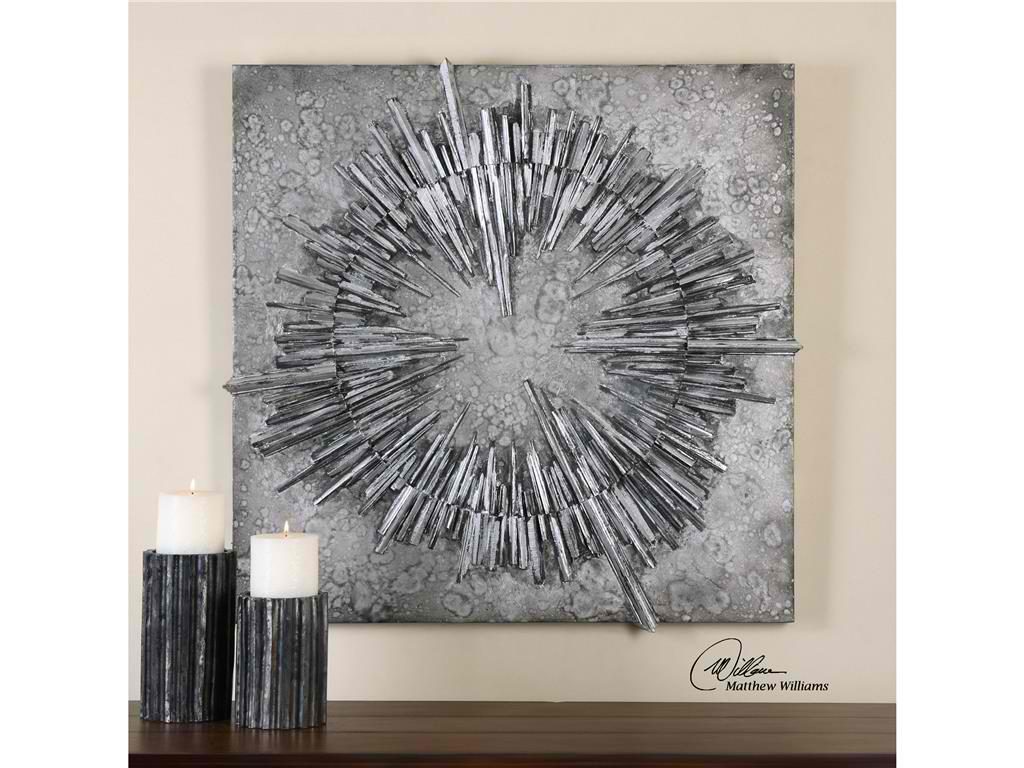
Art is the only way to run away without leaving home – so said Twyla Tharp. Prove it with this Accessories Uttermost Nebulus Silver Wall Art 01303
Do you believe that art can add a different level of sophistication to your surroundings? The mere presence of artworks can steer one’s intellect and reflect emotion. Artwork – as long as it is used correctly- can also help define space. Since art can do so much to beautify your home and it even has the power to make or break the theme, then why not invest in this crucial design element?
A huge blank wall in any home can make the place look lifeless and dull. Some end up displaying, on default, their family photographs. Paintings, though, can offer a lot more than visual entertainment.
Select Art First
One of the common mistakes that people do is to put art in their least prioritized design elements. In fact, for many, it is just an afterthought. This can have tragic consequences, at least, aesthetically. Understand that artwork is a lot more than a piece that you hang on the wall. It can be the story that will anchor the rest of your furnishings and accessories. It can also be the factor that can help you decide on the eventual materials and color palettes for your home.
Remember that the use of wall art means you are stating a message – your message. You are also invoking feelings so you need to decide what is going to be depicted on your piece of art.
Study the Canvass
Prior to buying a piece of art, you need to consider its purpose. Will it be placed in a room where events and celebrations will be held often? Or is this a place where you intend to relax and find quiet contentment? You also need to know where it will be placed as well as the lighting conditions there.
Learn to Match
When you are out to design something for your home, then you have to define your lifestyle as well as personality with your design elements. This may not be an easy task but you are not without guidance. The process of picking wall art means you know how to define these things and harmonize the artwork with the rest of furnishings.
So, are you ready to define your theme? Would you embrace classic, casual, contemporary or modern?
Consider the Room Color, Size and Other Such Elements
For your room size, be sure to inspect how much space you can work on. Would you want a large wall to be filled with paintings such as in art galleries? Doing so will render a bold statement or a higher amount of attention. If you’re not ready to be dramatic or bold, then choose a smaller wall with a limited number of artwork.
You also have to learn color psychology as hues can affect the feelings, mood and even the health of people. Learning about the psychology of colors can also be applied in picking art.
Measure also the dimension of the wall where you intend to hang the artworks. You’ll have a better idea on the amount of space that you can actually use once you do this. Use your imagination on how the piece of art will eventually look in your home.
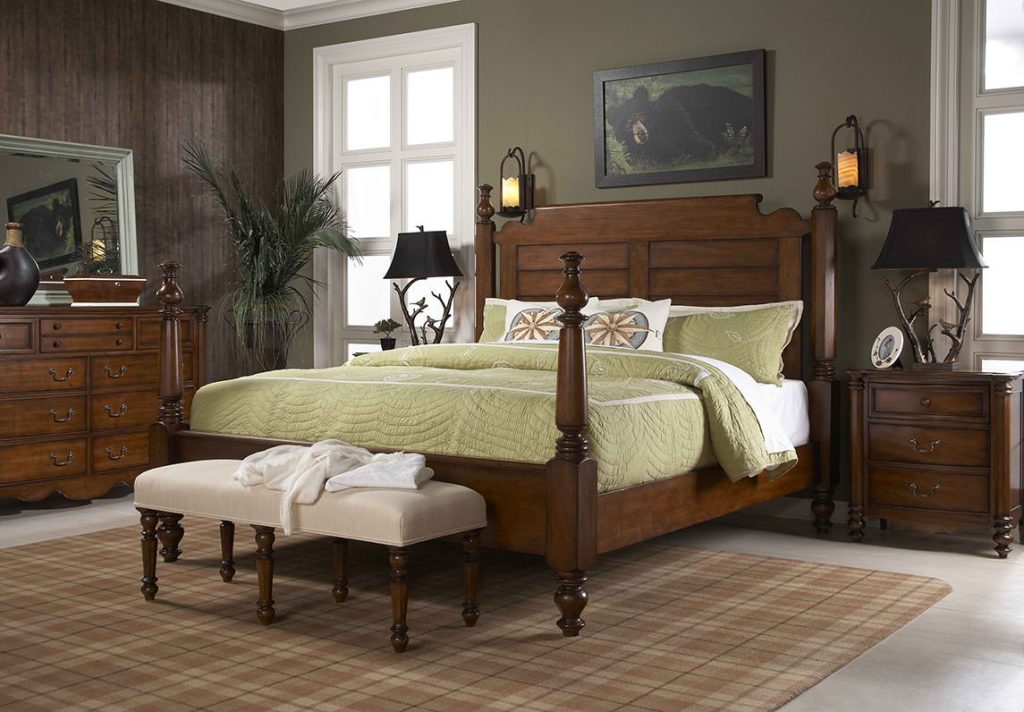
The artistic details all around this wooden bed makes it a more interesting bedroom piece to look at.
No Hard and Fast Rules
There are no rules set on stone when it comes to picking art. Whether or not the piece has potential to increase in value, you have to buy one that you already love. Don’t let the theme or a friend dictate which is art and which is not.
You must also be open to various media. Art doesn’t automatically mean painting. It can also be a piece of sculpture, even a lovely piece of furniture.
Lastly, go out there and explore on all the possible art pieces that you can use. Local artists might provide the piece that you’ve been looking for. Be open to art possibilities.
Tags: art, art decor, art elements, art in interior design, artwork, artwork on walls, displaying artwork, McCreerys, McCreerys Home Furnishings
Posted in Accents, Accessories, Interior Design 101, Interior Design Elements | No Comments »
Thursday, October 6th, 2016
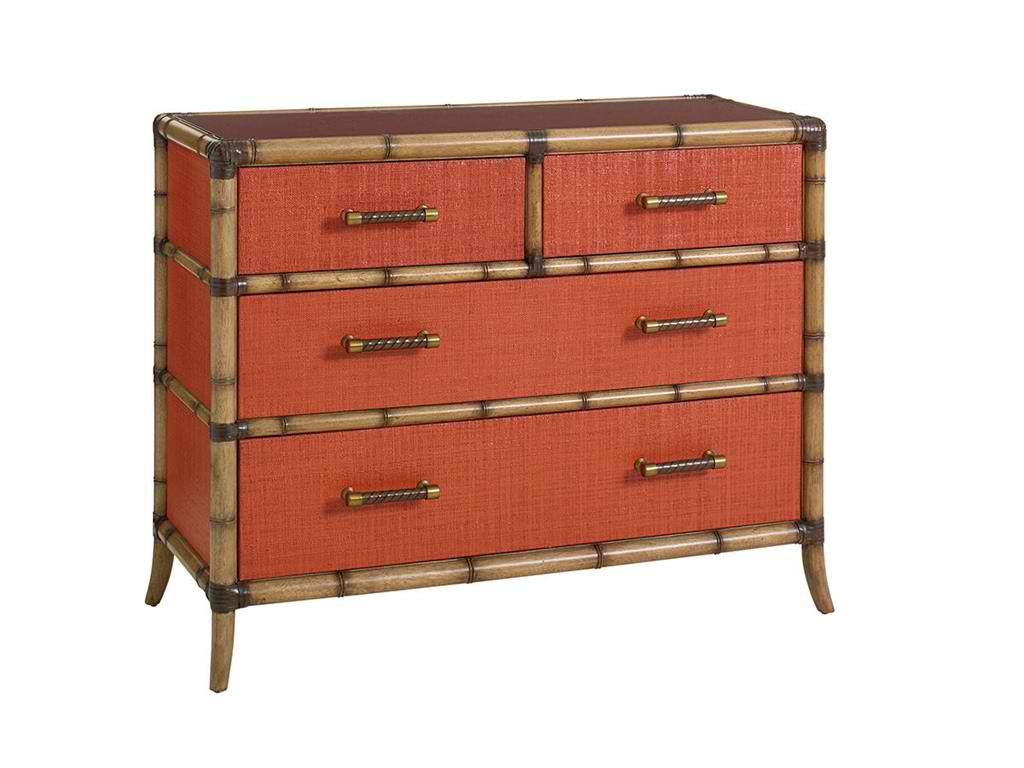
Tommy Bahama Home Bedroom Red Coral Chest 559-624 comes in a hot, trendy color.
The Fashion Week is an event when designers, models, bloggers and celebrities all gather and brave the freezing temperatures of New York just to attend the famed fashion event. This is no longer an event solely for the fashion circle but also a happening that affects many other industries.
Designers now cross over to the world of interior and furniture design. The likes of Paul Smith and Diane Von Furstenburg have fashion and home collections to be proud of. They are no longer just artists that fill the runway shows but artisans in their own right.
The interior design industry welcomes these artists with wide, open arms. There is so much anticipation as there is an ever-increasing media pattern that focuses on design visibility.
Fusion of Art and Interior Design
One can find a perfect marriage in fashion and art. Fashion icons Mary Ping, Susa Cianciolo and Eckhaus Latta are featured in runway shows as well as the MoMa or Museum of Modern Art. Theirs are art forms that have outgrown the usual glitz and glamour offered by the klieg lights of the runways and are now being featured in spaces that serious art lovers go to.
There is a very thin line between vintage and contemporary design in these artists’ works as all art forms merge and interplay. So, yes, it’s not all about wardrobe anymore but how to carry over their creations from the runway to the different homes that they can dress up.
Fashion and interior design are forever interlocked. Decades ago, there was a determined degree of separation between the two. This was evident when, a few years back, Philippe Starck collaborated with a famous Italian cashmere company. Missoni also began building hotels just as Zac Posen began to design interiors for 16w21 condos.
The trend, these days, is leaning towards throwbacks. Decorative fabrics are hot as are fashionable pieces during the 18th century. There are practices and principles of design that are in play, too, during furniture creation. Just like an ensemble of clothing, the determination of a focal point, harmony, and creating silhouettes are practices in the interior design industry that are not foreign to fashion designers.
Interior designers, in fact, should work like fashion designers. Materials have to be carefully chosen, experimented on at times, and then designed to a piece that is so inspirational that you could read a story just by looking at the design.
There is a reason why fashion designers are no longer interested in just supermodels and clothing. They are, in essence, spreading their wings to the call of clients and other industries (e.g. the hotel industry). Jean-Paul Gaultier understood this when he collaborated with Roche Bobois, maker of contemporary furniture.
Every fashion collection produces different interpretations in interior design. The blue and white sailor stripes are quite famous in both worlds. These are increasingly becoming the sexiest color on furniture, too.
Fashion designers think hard and are constantly looking for inspiration when designing their pieces. Such is also the case when they move to the world of interior design. On the latter, they dress up furniture and homes. Drawings of dresses now become drafts for furnishings.
There are also some fashion designers who are coming up with their limited edition of furniture line. The pieces range from wine racks, to console tables, even cushions and lampshades. There are just too many pieces to gape at.
Fashion is loved in many parts of the world. Civilized people rarely thrive without it which is why carrying it over to another artistic industry is just right. Fashion is a lot more than just a piece of clothing. These days, it can be that winding staircase in your friend’s home or that next furniture collection that you’re going to invest in.
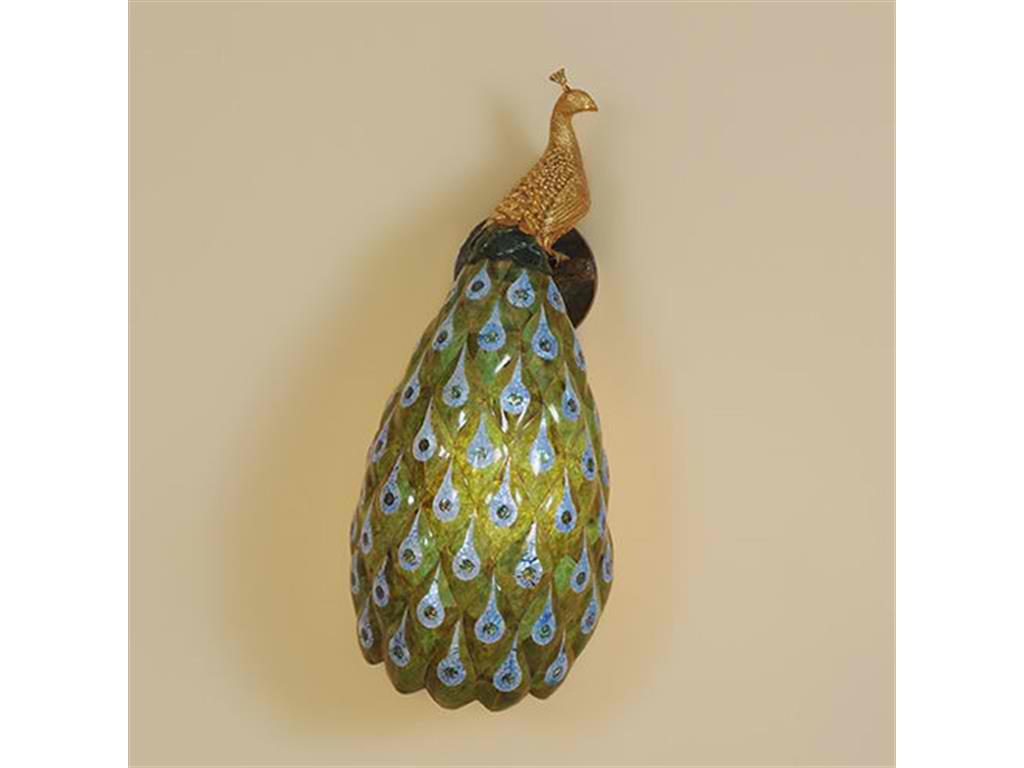
The Maitland-Smith Lamps and Lighting Cast Brass Peacock Wall Sconce 1900-111 is all glitz and glamour.
Tags: art, art elements, art in interior design, artwork, fashion and interior design, interior design and fashion, McCreerys, McCreerys Home Furnishings, NY Fashion week, tips
Posted in 2017 Trends, Interior Design 101, Interior Design Themes | No Comments »
Wednesday, October 5th, 2016
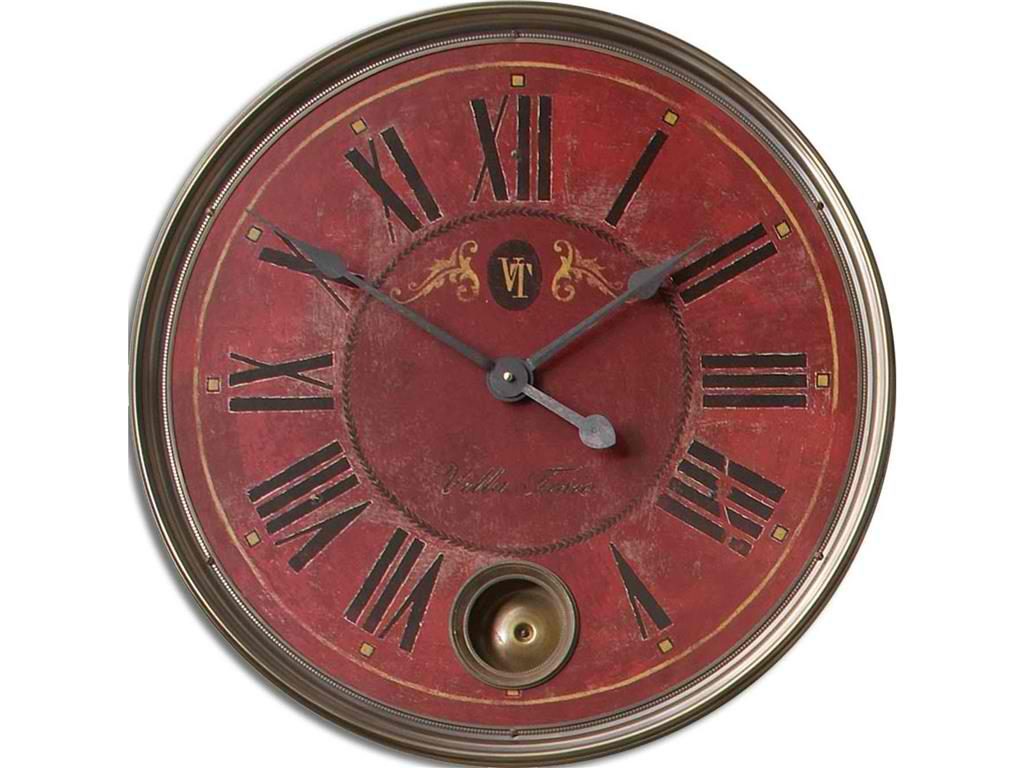
Uttermost Accessories Regency Villa Tesio Clock 06037
Art lovers know the meaning of beauty yet artists know the subject even a lot more. To the latter, art is not all about paintings or photographs, it could cross all the way to the world of interior design. Let the artist in you be unleashed. Go ahead and buy the stuff that you love. You can then plan the design of your home around the art pieces that you bring in.
Home Design Supporting Art
There are various ways that you can have your art pieces framed using furniture and other design elements. First, you have to learn to repeat color and lines. For instance, you can use black and white images to echo the blacks and whites on the accessories and furniture pieces. There could be bright-colored accents in the room but the artworks would still be the ones that would stand out.
The repetition of color on your art will increase its impact in any space. Green pillows on the bed can be based on the greens that are seen on the artwork hung on the bedroom walls. Without these pillows, the art pieces will have a more difficult time balancing the visual interest that is being created in that room.
Lines can be repeated as the dining table mimics the curves and central color of the main painting used. Floral displays can add more colors to the space.
Color needs to be balanced which is why an art piece that has a lot of black on it should be balanced by something bright like red or orange. Such is also the case with the black leather sofa which has to be balanced by a red pillow or two.
Carrying color balance throughout the furnishings extends the painting’s influence.
Using multiple artworks created by the same artist or that have the same styles can also up the visual impact. A huge painting can be hung right above the fireplace, one that would contrast the strong vertical and horizontal lines on this architectural structure. The lines as well as the colors harmonize then draw the eyes towards the center of the room (right where the fireplace is), then throughout. All together, they create a stronger look that is difficult to achieve individually.
The placement of furniture can also improve the way art is presented inside a room. Paintings would look great on a blank wall but the way a bench is placed right below the underlines of an interesting painting should emphasize the art some more.
It would also help to hang mirrors strategically on the ceiling and walls. Make sure that the hallway shows repeated paintings because of mirror placement. This is a dramatic way of making paintings look weird but in a great kind of way.
Supporting art sometimes requires restraint. A piece of art right behind a sofa is inviting the visitor to look beyond the furniture and appreciate what’s at the back. Make sure that the wall color and the lampshades, as well as the rug come in a monochromatic palette. This means that the eyes will always rest on the art piece and the furniture.
If you happen to have an art piece that has a splash of interesting color on it, then make sure that you repeat that color on the walls of the adjacent rooms. This will create a greater impact that merely having accessories placed all over the same room.
Don’t stick to one color because no artist would do that. Go beyond your comfort zone in terms of your color palette. Hang a painting then make sure to use all the colors that you could find on that art piece on the design elements. The rug can pick up from the base color while the accessories could find inspiration on the colors used on the subject.
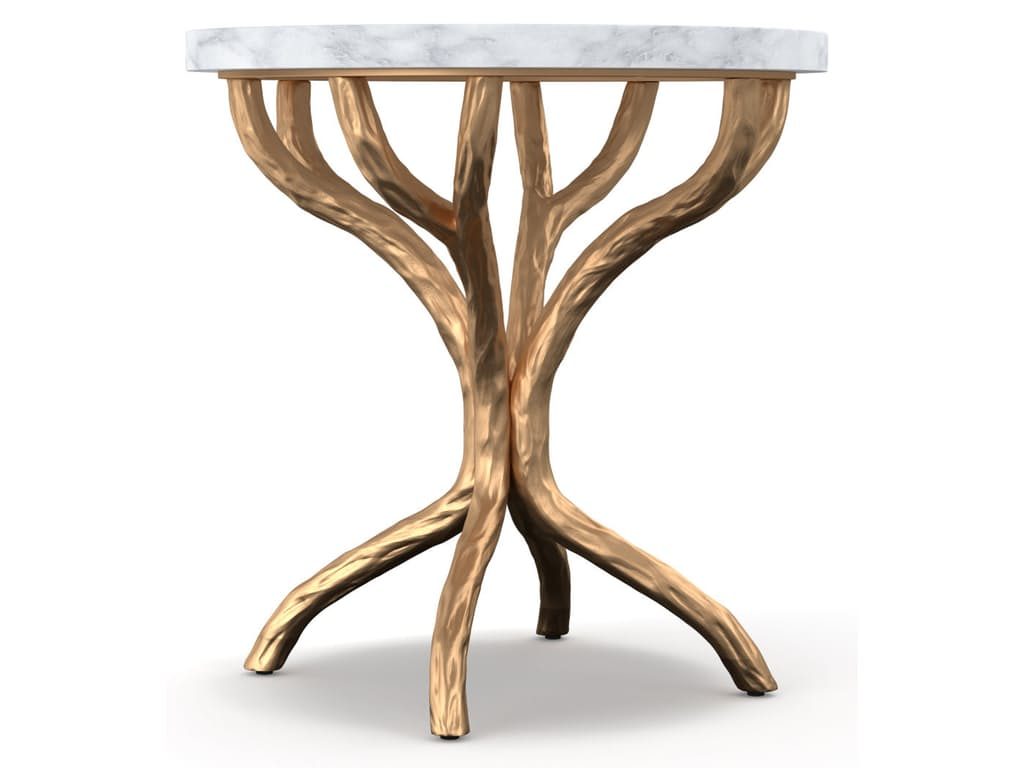
Cynthia Rowley for Hooker Furniture Living Room Irving Lamp Table
Tags: art, art elements, art in interior design, artwork, McCreerys, McCreerys Home Furnishings, tips
Posted in Interior Design 101, Interior Design Elements, Interior Design Themes | No Comments »
Thursday, March 24th, 2016
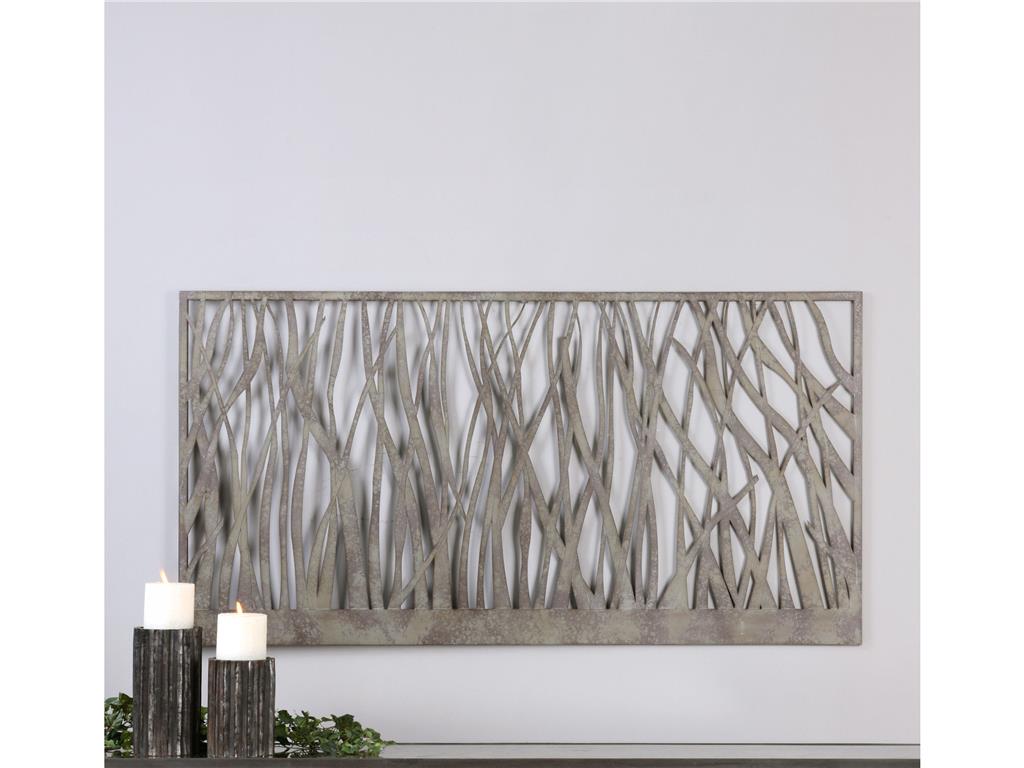
Accessories Uttermost Amadahy Metal Wall Art 13931
Picking an artwork for your home is an exciting adventure but many people seem to be daunted by it. To be successful in bringing home a piece of art that you want, you have to first know what you really want. You also have to consider how it will fit into the current interior design and whether your art space wouldn’t look odd.
Know What Is Available
Shop around before you pick and bring home any artwork. Apart from museums and galleries, check out also the local exhibitions, non-profit galleries and public spaces displaying art. Libraries and the internet also supply a huge variety of fine art.
An advantage in using the Internet, though, is that you can specify the kind of art that you are most interested in. This can range from impressionism, abstract, cubism, photography, sculpture, etc.
Art That You Prefer
Accessories Uttermost Bronze Figures Art Set2 35236 displays the beauty of the human form.
There are many other places where you can search for art. There’s Asian art and self-representing artists, even ripoffs but, of course, it would be wrong and tasteless to go for the latter. Check out contemporary art as well, not just the traditional art pieces. Read about the artist’s background and dare to ask once you meet up. Perhaps you’re dealing with the seller so make sure that this person knows what he is talking about. If he cannot tell a Van Gogh from a Picasso then your conversation would be pointless.
What you like or don’t like will eventually become apparent once you get to visit different galleries. Take your time, breathe, and enjoy.
Consider Your Home Space
It is also crucial to consider the size of the art that you will bring home with you. Even if you like a piece that much, if you don’t have ample space to accommodate it in your home, then your investment would be a total waste. Also, if you insist on using huge artwork for a small room, then the two aspects won’t be in proportion.
Bolder art also asks for a bigger room so make sure that you measure how much space is still available in your home. You might end up with a pricey painting just sitting on a corner if you don’t do your measurements well.
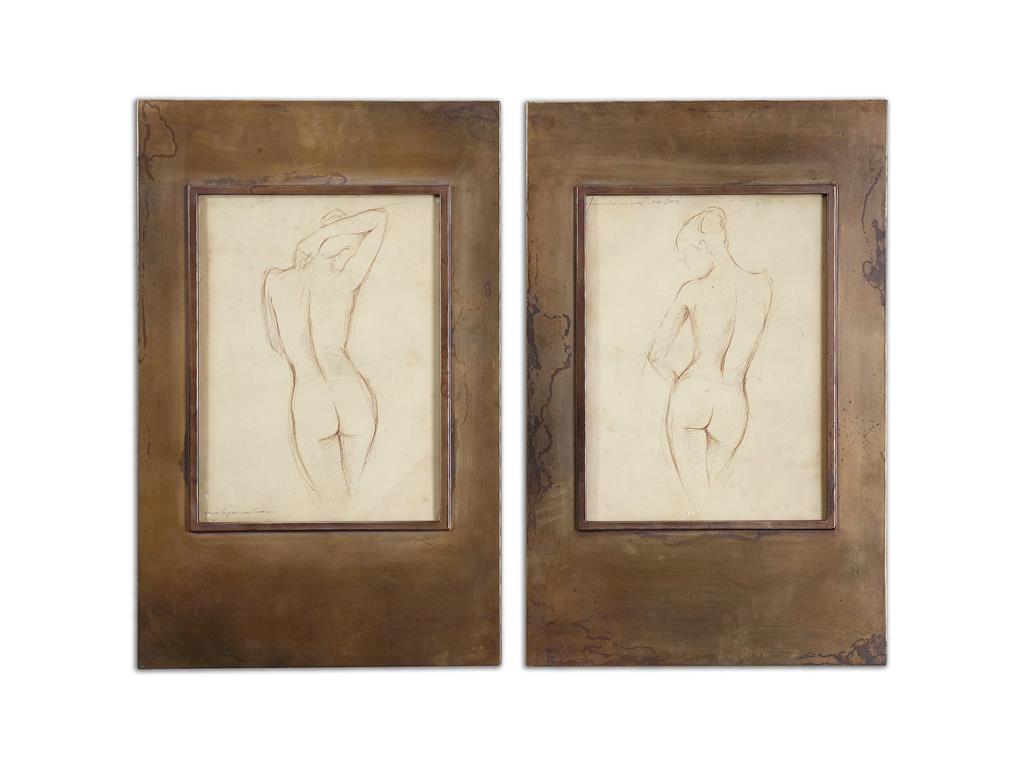
Accessories Uttermost Bronze Figures Art Set2 35236 displays the beauty of the human form.
Consider the Color of Your Home
Another aspect that you need to consider is your home’s current color or theme. It would be wrong to bring home colorful art when the rest of your home has bold, bright colors already. It is wrong to look for a precise match for your art. Pick one or two of the same hues so that you convey that the painting does belong to your home and not bought just ‘cause.
See how you can harmonize the art pieces that you are going to buy with the paintings and other artworks that you already bought in the past. Contemporary arts should go with contemporary pieces.
Should the present colors clash with your painting preference, then just place the art on an easel or a pedestal; this is an effective way to tame it and not allow it to clash with the rest of the present environment.
Hang Art Properly
The basic rule when hanging anything on walls is that they should be at eye level once hung. Sculptures may sit on a table, a pedestal or sit on the floor. This rule can serve as your guideline, though, so feel free to experiment with the different pieces that you have considered. It is up to you if you would want to hang a special painting on the ceiling of your bedroom so you can gaze upon it while you relax.
After hanging the paintings on your art space, it’s time to enjoy the fruits of your labor. Sit down and enjoy these works of beauty.
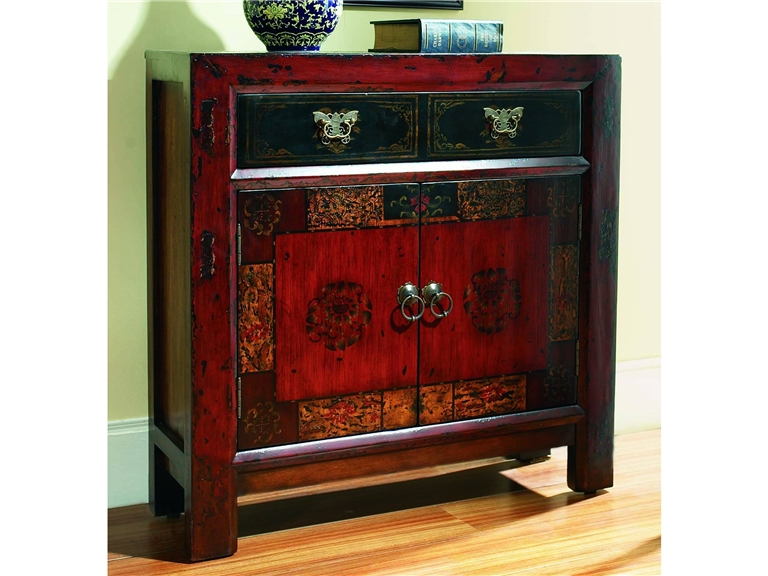
Hooker Furniture Living Room Asian Two-Door.One-Drawer Hall Chest: Sometimes a beautiful furniture can also be a work of art.
Tags: art, art elements, art in interior design, artwork, artwork on walls, displaying art, displaying artwork, how to display art in your home, McCreerys, McCreerys Home Furnishings
Posted in Accents, Decorative Elements, Interior Design 101, Interior Design Elements | No Comments »
Follow us on our social media


© McCreery's Home Furnishings | All Rights Reserved | Privacy Policy
