- Follow us:


Wednesday, February 13th, 2019

Tommy Bahama Home Living Room Flamingo Octagonal End Table 593-951: Buy furnishings that come from sustainable materials.
More and more people seem to be joining the zero waste movement throughout the world. With videos popping everyday to remind us that we can actually concoct our own deodorants and that used toilet paper can still be recycled to turn into something else entirely.
But what does zero waste mean exactly?
It could mean caring enough so that no stuff that you throw ever goes to the landfill. It could also mean saying no to using plastic.
There are now a lot of influencers who talk you into catching on with sustainable living and letting go of their garbage-filled lives. If you’re ready to live as they do, then here are a few tips that could jump-start your new lifestyle –
No Shopping Bags Please
Instead of having your newly bought items stashed inside a plastic bag, you can just bring a reusable bag with you. The lightweight kind of market bags is light enough to bring with you at all times.
Always be prepared with a reusable bag because you’ll never know when you’ll feel like shopping.
Do Bulk Purchases
Divide your shopping time between the grocery stores and the farmers’ market. Fresh produce can be gotten at the latter but they are often selling in retail. If you want to do some bulk purchase, then zero in on the supermarket. This is the place that could give you the veggies in bulk.
And as you shop, be sure to bring your reusable bags yet again. If you have to bring containers for your liquid purchases, then do so.
Buying in bulk might be more expensive at first but it could actually save you money as you keep at it. Plus you don’t have to worry about the stack of plastic bags that eventually turns into a mountain under the kitchen sink.
Use Rags and Dish Towels, Not Paper Towels
This is one of the easiest transitions that you could do. Sure, it’s convenient to just wipe and throw but you can commit to a better solution. If you’re not used to washing rags, then slowly wean yourself from the paper towels.
You can begin by hiding the paper towels and then getting some unused shirts that you could begin using as a rag.
Cloth napkins can also be used for everyday cleanups.
Store Food in Metal or Glass Containers
There are many reasons why you should pick a glass container instead of a plastic one. Glass is safer, it is better able to hold heat in, and it is transparent and a lot prettier than plastic.
Glass is also a lot cleaner compared to plastic containers.
Practice the FIFO Method
The FIFO or first-in-first-out food storage method is efficient because it ensures that no food goes to waste. Older products, which were bought earlier, are used or consumed prior to the newer ones.
There are just five simple steps to follow for this method –
Make Your Own Stuff
This might not be that easy. You could begin with some kitchen beauty remedies such as honey or ice cubes instead of the usual facial cream. Look for DIY soaps, shampoos, and cleaners.
Cut Down on Your Trash
Take a careful look inside the garbage bags and analyze how you could cut down on the contents. If the bin is already brimming with cartons and plastics, then you know what to do.
Vow to say no to plastic the next day and recycle the things that you could.
Tags: McCreerys, McCreerys Home Furnishings, minimalism, sustainable lifestyle, sustainable living
Posted in Green Living, Interior Design 101, Interior Design Elements | Comments Off on From Neophyte to Recycling Pro
Thursday, November 17th, 2016
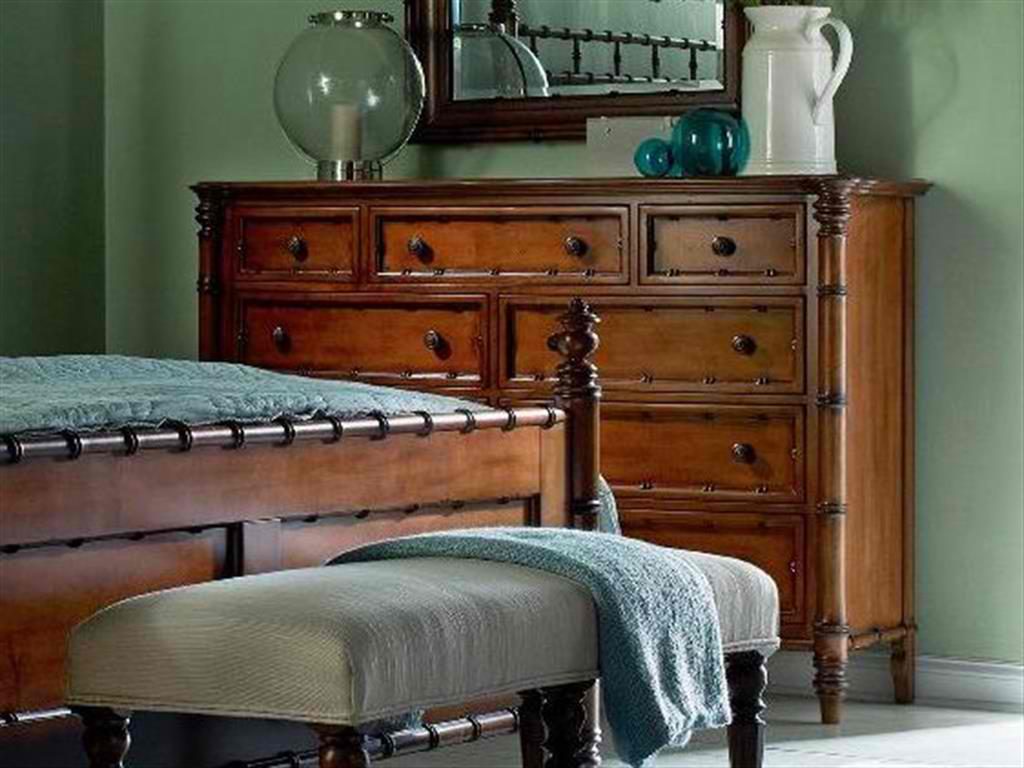
Fine Furniture Design Bedroom Bamboo Dresser 1050-144
More and more people are becoming environmentally-conscious these days. The green design for homes has become a standard of sorts and it is no surprise that it is now gaining popularity. Having a green home means owning a place that is environment friendly and has ergonomic designs. This is a design that appeals to those who want to conserve what’s left of the planet. This is also the chosen ambience for people who want to live a healthy lifestyle.
Sustainability Is Piping Hot
Just like other fields of design, interior design will forever be tied to the ever-changing styles. What’s in or out with regard to interior design is almost always what’s in or out in the world of fashion. Should you design goal be about renovation, redecoration or architectural detailing, every interior designer must know what the hottest or classic trends are.
Know that in the design industry, these days, the fastest-growing section is interior design sustainability. You can now practice rain water collection if you want to your home’s water needs or you can buy furniture made with sustainable materials like bamboo.
Highlight Green
The ASID or American Society of Interior Designers strongly believes that green design must be included in every interior designer’s approach these days. The reduction of environmental impact does not just lengthen Mother Earth’s day but could also make your home a healthier place to live in.
Use Energy-Wise Stuff
One basic way to go green on your interior design is to efficiently use every bit of space that is available in your home. Use harmful construction materials to a bare minimum. Live in micro-houses or apodments. These are solutions that are less than 300 square feet and already come with amenities such as a refrigerator and a microwave.
Every interior designer must also work in maximizing doors and windows so that more light could come in. With ample natural lighting comes energy savings. Use wood flooring, furniture and other home products that come from renewable sources. Have water-saving toilets set up.
If you want to be surer about the source of your materials, then talk to the suppliers.
Say Yes to Waste Reduction
Decorative stuff and furniture can be easily repurposed these days. If you are truly environmentally-conscious, you can refurbish or a better option is to decide on a style that you would want for the rest of your life then invest in furniture pieces that would last as heirloom pieces.
Use fabrics, tiles and carpets that were made from recycled materials.
Plan Lighting Efficiency
Another part of your plan is to be clever about the incorporation of light in your home. Use skylights and windows more effectively. Maximize daylight by using these parts of your home and minimizing artificial lighting.
Apply a Fresh Coat of Paint
You may or may not believe this but the color that you use to paint the interior or exterior parts of your home can spell a huge difference in light and heat absorption. The hottest summer months require cooler and lighter colors such as greens and blues. These hues can reduce room temperature by as much as 6-10 degrees.
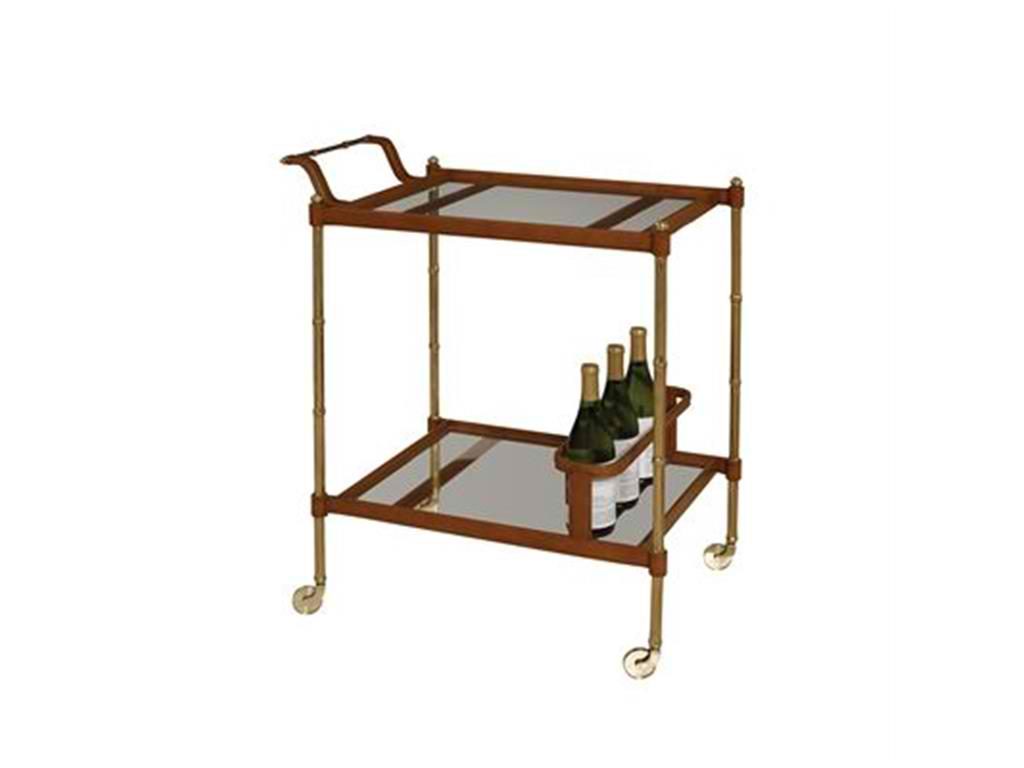
Maitland-Smith Accessories Bamboo Cast Brass Bar Cart 3020-042
Use New Window Treatments
Do not forget to consider the drapes, curtains and blinds. These can also help in the reduction of energy costs. You might think that window treatments are mere decorative items but they are, in fact, choices that can make a huge difference.
Drapes, for instance, are effective in keeping out drafts in winter seasons while shutters and blinds keep the warmth outdoors.
Landscape Your Way to Green Living
Lastly, you can plant trees right where the sun rises. This will reduce the amount of heat that goes through your windows during the day. Eventually, you will observe how your energy costs are greatly reduced.
You see, green living is tantamount to living a life of substantial savings.
Tags: energy efficient living, energy-efficiency, energy-efficient home, green, green design, green home, green interior design, McCreerys, McCreerys Home Furnishings, sustainability, sustainable design, sustainable home, sustainable home design, sustainable interior design, sustainable lifestyle, tips
Posted in 2016 Trends, 2017 Trends, Green Living, Interior Design 101 | No Comments »
Tuesday, August 23rd, 2016
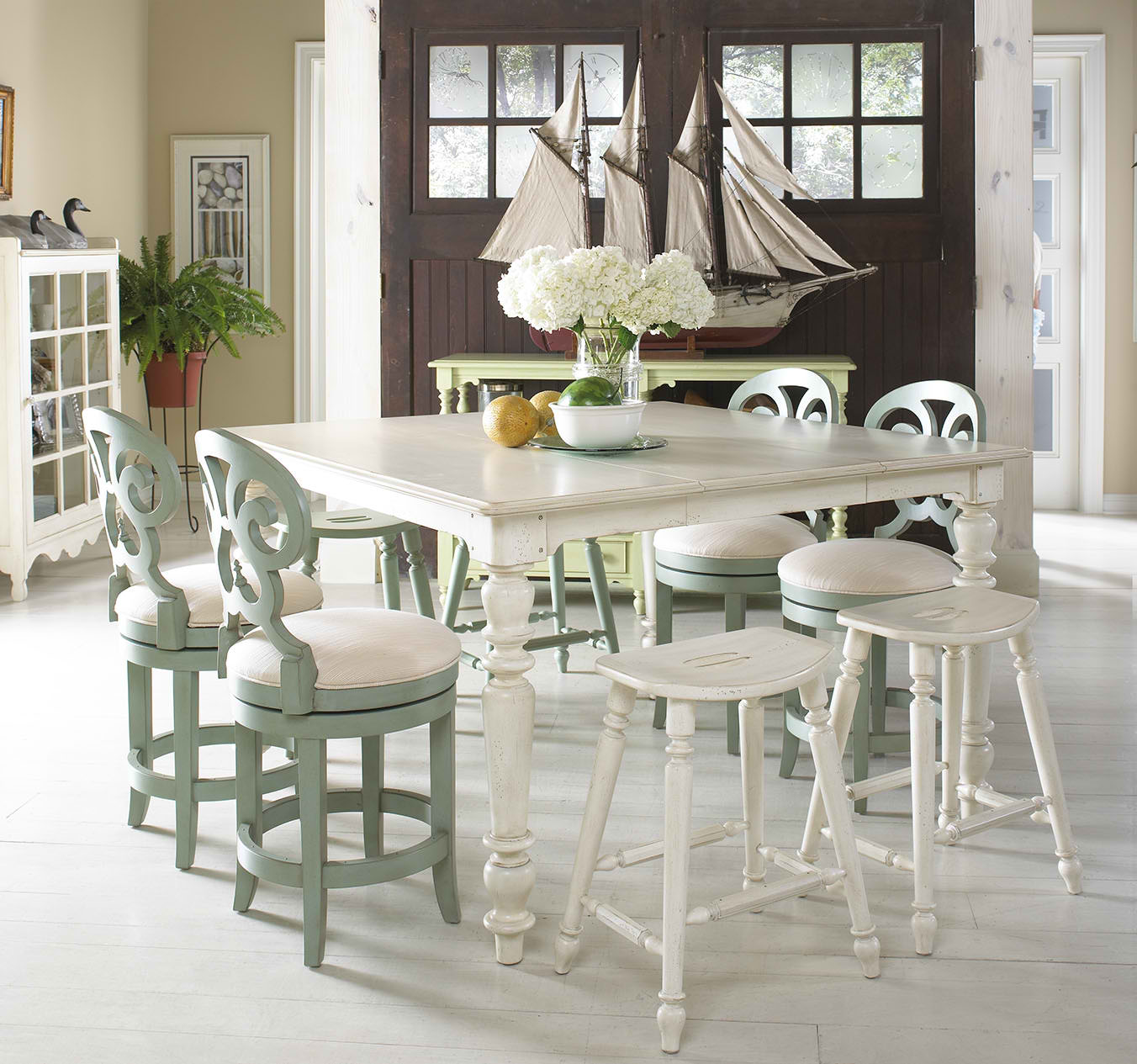
FFDM Summer Home Collection: Allowing natural light to stream in during the day can save you a lot of money on energy.
Do you believe that your house is a system? You can easily save money and even improve the performance of your home if you are willing to take cost-effective measures. These steps can significantly reduce building load, eventual appliance and furniture repairs, etc.
Target the Exteriors First
The most effective way of improving your home’s energy efficiency is to look at your walls, doors and windows. Make sure that the walls are well insulated. Only when these are already considered green should you begin looking at other systems such as lighting, heating, cooling and appliances.
Set Up Effective Insulation
Minus effective insulation, a home will have heat flowing profusely out of the walls. This is especially catastrophic during winter. See to it that you use the least amount of energy, though, in heating or cooling the house.
Houses without wall insulation or has wall cavities should have blown-in insulation. This will up the level of comfort and cost-efficiency so if you still have uninsulated walls, it’s best to look into having a professional installer do the job. For homes with damaged or old insulation, on the other hand, should undergo insulation upgrade.
Meet the Energy Auditor
You can begin your path towards green living by talking to an energy auditor. This green home professional has expertise in choosing the right insulation materials such as fiberglass, foam or cellulose. Such materials can help keep heat or coolness inside the walls of a home. The keywords that you need to remember are these – properly installed. This means the insulation was installed by a contractor using the right assessment and installation tools. The contractor, for example, uses infrared camera to check for void in walls.
Improve or Replace Windows
If the windows in your home are already old and leaky, then this may be the time to have them replaced with energy-efficient types. If you’re not willing to say goodbye to your windows just yet, then you could look into weather-stripping or having storm windows.
Window replacement may not be a cheap project but it definitely saves you money in the long run. This could also improve the level of comfort in your home.
Plant Trees and Shrubs
If you are living in an older house with obvious poor insulation and damaged windows, then know that having good landscaping can save a lot of energy while you’re still planning the huge architectural project. Deciduous trees that are planted on the west side of the house could help block infrared radiation. See also that the insulation is upgraded and your home meets Energy Star requirements.
Check the Old Furnace
Furnaces that were built before 1992 have a standing pilot that wastes about 35% of fuel. It is also possible that such furnaces are almost at the end of their service lives.
Invest in a condensing furnace as this offers an annual efficiency of no less than 90%. This kind wastes less than 10% of the natural gas and could help save 27% on your heating bill.
Furnaces that were installed beyond 1991 are probably annual fuel utilization efficient. If you’re in doubt, you can always ask the help of an energy auditor or a heating service technician.
Check the Hot Water System
To improve the hot water system’s efficiency, begin by turning down the temperature to about 120 degrees Fahrenheit. Be sure to insulate the hot water lines so that they won’t cool off too quickly. Lastly, use only low-flow fixtures for baths and showers.
Green living may be a lot more difficult to maintain but it has its perks. You save money and you become an ally of Mother Nature.
Tags: eco-friendly interior design, eco-friendly interiors, eco-friendly tips, energy efficient living, energy-efficiency, energy-efficient home, green home, green interior design, green living, McCreerys, McCreerys Home Furnishings, sustainable design, sustainable home, sustainable home design, sustainable interior design, sustainable lifestyle, sustainable materials, tips
Posted in Interior Design 101, Interior Design Themes | No Comments »
Tuesday, April 5th, 2016
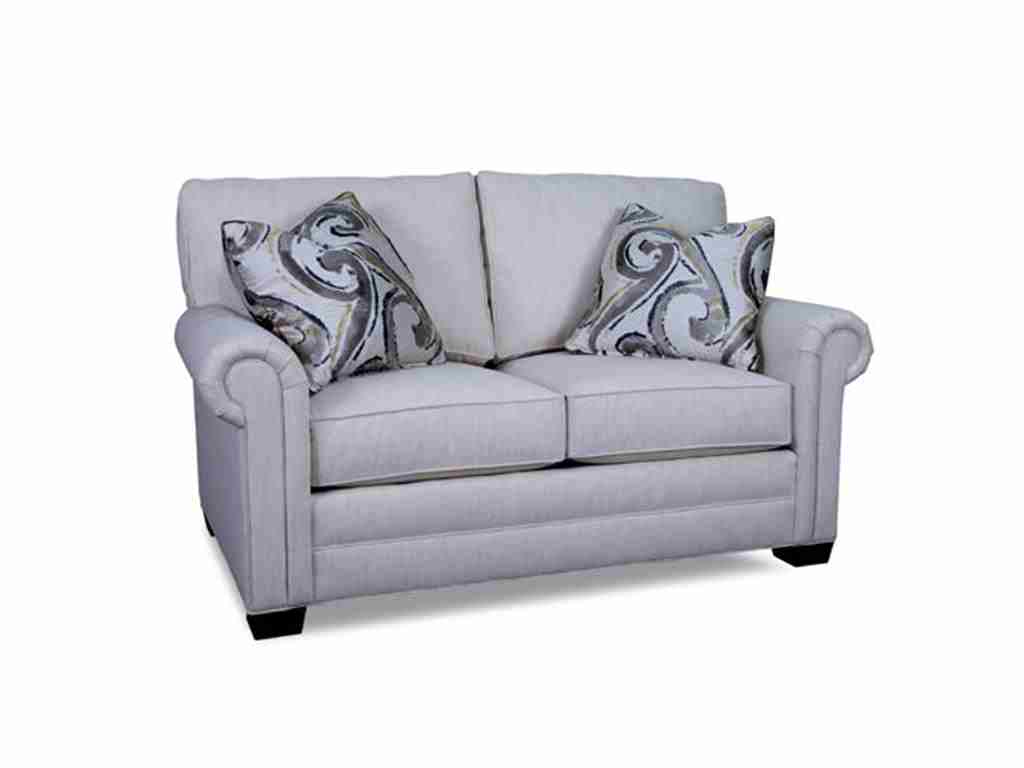
Huntington House Living Room Loveseat 2053-40 is the best seating unit for smaller spaces.
One of the in things to do these days, the hottest bandwagon so to speak, is to live in an energy-efficient home. Founders of companies, couples, women, even college kids are now purchasing building plans for their new green homes. Some of these homes can be as small as 120 square feet (or even less).
There are challenges in living in a small space – this is certain. But there can also be benefits should you know what to do with the tiny space that you have.
Advantages of Small Home Living
The U.S. Census reported in 2010 that the average size of homes is about 2,400 square feet. Despite this large home dominance, many homeowners still recognize the advantages of living in a small place.
One of these advantages is energy efficiency. With a smaller place to cool or heat, this spells lower carbon footprint.
Flexsteel Home Office Bookcase W1201-701: Small space living means looking for effective ways to store stuff in your home.
Another advantage is not having to clean a large space. Fewer rooms means less maintenance or cleaning time. This can be a perk to your family since it would mean more time spent outdoors, doing all the stuff that the family loves.
A smaller home also means you have a cozier and more intimate space. These are the very things that bigger homes lack.
Smaller homes are also less expensive and less pricey to live in. You get smaller utility bills with your smaller place – that is also guaranteed. Small homes can spend as little as $180 in energy as compared to hundreds and thousands that large home dwellers need to pay for.
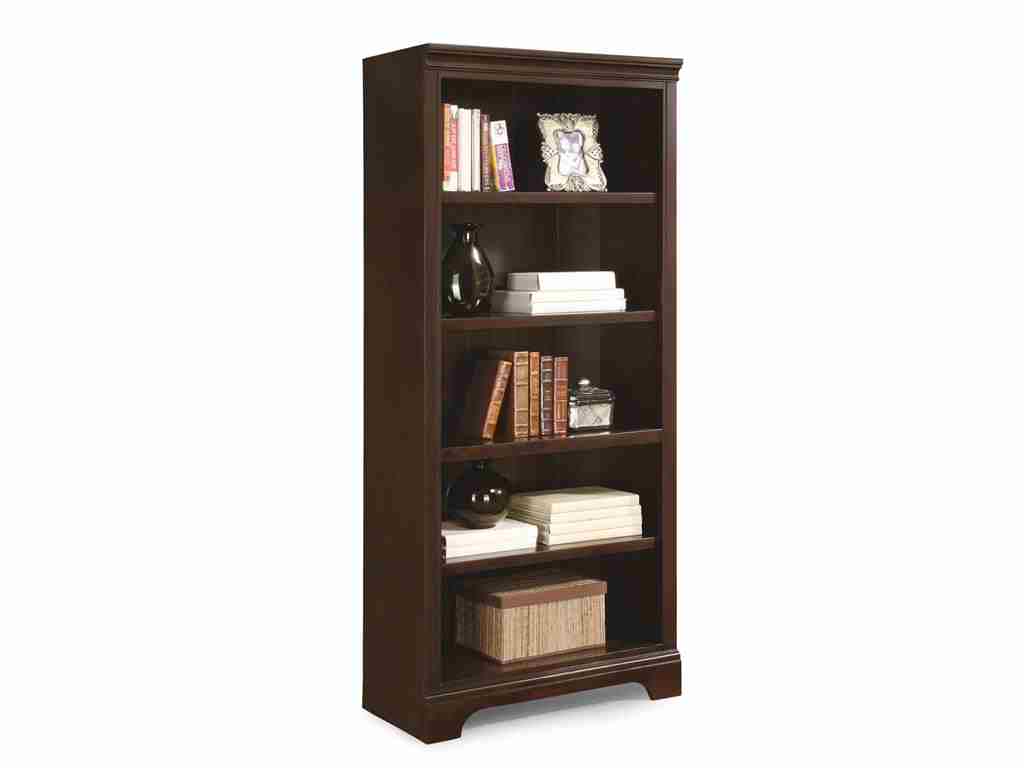
Flexsteel Home Office Bookcase W1201-701: Small space living means looking for effective ways to store stuff in your home.
Freedom in a Small Space
So how can you achieve freedom in a much smaller space?
Begin developing your cute green home at the main room. This can be a living room and an office space in one. You can install a tiny fireplace, two comfortable chairs, a desk, and some hidden storage.
You can then go to the sleeping space which can be just a tiny nook right upstairs. Your cute home must have good insulation to keep you and your family warm during the wintry months and cool during the summer season.
The front door can open to two rooms at the same time. This can be the dining area and your kitchen space. Install a sink, portable electric range, small refrigerator, and a prep surface for your kitchen/dining area. The dishes and other kitchen tools can be stored in smaller cabinets or shelves.
Accept also the fact that you will have a smaller bathroom. Install a small yet full bath containing the toilet, sink, shower and tub within 10 square feet. Water can be gathered from neighboring spigot. You could cook up something more elaborate but you will have to deal with local building codes if you do so.
Smaller homes are not just energy efficient, they are also sturdier. This means that you won’t have to worry as much when a quake suddenly ensues. This is because shorter distances spell a more expedient escape. Remember that the smaller the surface area, the smaller chances that the house would topple because of an earthquake.
Smaller homes have also been proven to be safer from fires.
The secret to achieving freedom in the midst of coziness is to use every inch efficiently. You may feel uneasy during the first few months. You could even spend time figuring out what works and what doesn’t.
Everything is also depending upon your perspective, the beauty of your home being the topmost priority. Whatever makes sense for you and your family’s needs is what should be built, invested upon or installed.
This tiny yet liveable green home is yours to own – be sure you’re ready to embrace simple living.
Tags: designing a small apartment, designing a small space, energy-efficiency, energy-efficient home, green home, green living, McCreerys, McCreerys Home Furnishings, sustainable design, sustainable home, sustainable home design, sustainable interior design, sustainable lifestyle, sustainable materials
Posted in Green Living, Interior Design 101, Interior Design Themes, Tiny Homes | No Comments »
Follow us on our social media


© McCreery's Home Furnishings | All Rights Reserved | Privacy Policy
