- Follow us:


Friday, November 18th, 2016
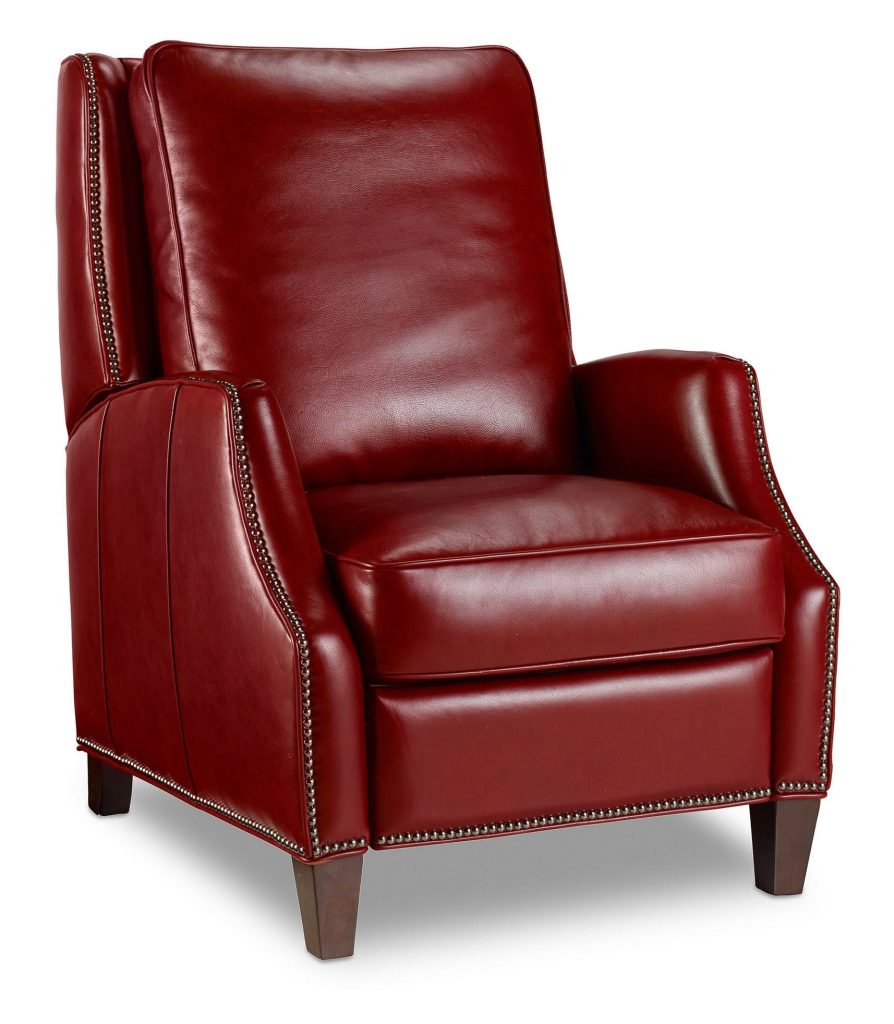
Hooker Furniture Living Room Kerley Recliner
Red is a color that easily mixes with any other hue in a color scheme. But do you know how to use it effectively to the point of not going overboard? Here are some ways that you can add an exciting amount of red in your home –
Know What Red Signifies
Red is no less than passion’s color. If you’re passionate about this color, you just have to learn how to use it so that you don’t go easily from cheerful to aggressive. Keep this simple advice when using red in a room.
Positive words attached to red and its different shades are speed, assertiveness, energy, excitement, stimulation, courage, and spontaneity.
Too much means too much when it comes to this color so be careful in using too much.
Know Varieties of Red
There are many variations of red but some of the most used are maroon, crimson, burgundy and scarlet. Maroon is the dark bluish shade that denotes controlled actions. This is softer than burgundy but not nearly as dramatic as the real red.
Crimson, on the other hand, has a tint of blue in it. This signifies a will to succeed and sensuality.
Burgundy is the dark purplish type of red. It is less energetic than the real red but it is still sophisticated and has a determined look to it.
Lastly, scarlet is red with a bit of orange. It is the latter that gives the red a richer and brighter feel. Scarlet is indicative of enthusiasm and a certain level of defiance.
Red as Accent
Many designers use red as an accent color in their projects. These accents can be anything from pillows to candles.
Accents of red can draw the attention towards the place where they’re most concentrated. The whole point of using red in your home is to have it entice, even intrigue guests. Less red is actually more effective than using a lot.
When you don’t know which shade of red to use, then look back to your decorating style as well as the architectural details in your home. The use of red should be carefully planned.
Find Your Style with Red
When you want to create a contemporary look, be sure to incorporate neutral elements but with bold colors, here and there. A bright red door in a neutral home is a bold statement anyway you look at it. Bright red could also be used on an area rug, pillows or throw pillows.
Achieving a modern look with red means using basic hues to classic dark hues such as brown or burgundy undertones; it would also be wise to inject a piece of art that has a dash of red on it.
Traditional look is achieved when you steer clear from primary reds. Use black or burgundy tones instead. Use Oriental rugs infused with darker shades of red. Country reds, on the other hand, make use of softer and chalkier kinds of red. Those that come with purplish or pinkish hues would be perfect. A barn red door will look perfect outside a home that’s accessorized with country red fabrics and décor.
Red as a Design Stimulant
Red inevitably raises the energy level in any room. This is one of the most intense if not the most intense color. It affects the adrenaline like no other color. This is a great choice for rooms where you want to stir excitement and where people need to feel more productive. This is a wonderful color choice for dining rooms, kitchens and the living room (if you intend this last room to be a room full of activity).
So, are you ready to use red in your home?
Tags: color psychology, McCreerys, McCreerys Home Furnishings, red, red color psychology, red interior design, red interiors
Posted in Accents, Color Schemes, Interior Design 101, Interior Design Elements, Interior Design Themes | No Comments »
Follow us on our social media


© McCreery's Home Furnishings | All Rights Reserved | Privacy Policy
