- Follow us:


Monday, July 23rd, 2018
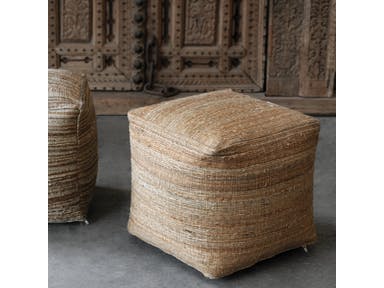
Neutral on neutral: Uttermost Accessories Shiro Ecru Pouf 23959
The simple act of changing the color in a room could transform the overall appearance of that space. It can be as basic as changing the backsplash pattern or painting the walls anew. The colors that you use should be the right one or the correct combination so you end up creating a timeless classic or a contemporary look that is to die for.
Before you hire the best painting contractor, though, you need to decide why certain colors are well-liked while others are simply…bland.
The Renowned Neutrals
If you are a homeowner who is looking for ways to make your home accessories pop or if you’ve made the major decision of selling your home, then it’s high time to decide also on the paint colors that you will use.
Neutrals are the safest way to go as they are guaranteed to liven up any living room or bedroom. Gray is an amazing canvas to any design element. It is also set to make unique features pop. But don’t limit yourself to just gray, white, brown or black, though.
You can also go for neutral orange and green which are always trendy. These are muted hues that are not so bold. They can also be easily paired with tan or gray hues. These plus some neutrals will add to the depth of a space as well as the warmth.
Go Gaga Over These Kitchen Hues
Kitchens usually come with interesting design features. Consider installing a lighter wood color on the kitchen cabinets. This is the most appealing that you could use when you’re pairing with pastel. A brighter hue might easily clash with a bright-colored tile countertop.
Always consider these factors when you are picking the best kitchen paint color.
When you want to play safe and you use neutrals in this area as well, then go for traditional white. Just picture an all-white kitchen which offers a clean and fresh appeal. If this is a bit more difficult to clean, then look for warmer hues such as reds or its more cheerful counterpart which is yellow.
Living Room Hues to Covet
The living room is also a wonderful area to use neutral colors. The most reliable backdrop will always be any neutral color such as beige, tan, white or cream. Mixing gray with beige is what’s now known as greige. This is a hot hue to have inside any living room.
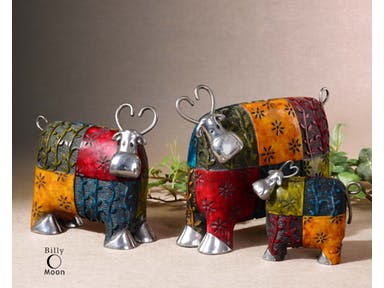
Bold Colors on Neutral: Uttermost Accessories Colorful Cows Metal Figurines
Bedroom Colors to Die For
A bedroom is a place of relaxation so make sure that there are no jolting colors there that would disrupt the quality of your sleep. You can paint the room with deep blue or a light green. Your preference is highly considered when picking the correct color in this part of your home. But you have to remember that creating a spa-like space is more important than the need to satiate your craving for, say, a tangerine color inside the bedroom.
Popular Bathroom Hues
Paint can make a room appear larger or smaller depending on how you would want to use it. If you have a small bathroom, then widen the room by painting it with light colors such as powder blue or pastels. Those who are bold enough to use black or navy blue are confident that they have ample space to paint.
Now the Costs
As soon as you have already decided which color to paint a room with, it’s likely that you would want to begin planning on the budget. The best results require professional help. These experts know how to best apply the paint that you want.
Average interior painting cost is at $1,679.
Tags: bright colors, bright paint colors, color palette, McCreerys, McCreerys Home Furnishings, neutral colors, neutral hues, neutral paint colors, paint colors
Posted in Color Schemes, Interior Design 101, Interior Design Elements, Interior Design Themes | Comments Off on Why Are These Colors So Popular?
Tuesday, July 4th, 2017
(The First of a Six-Part Series)
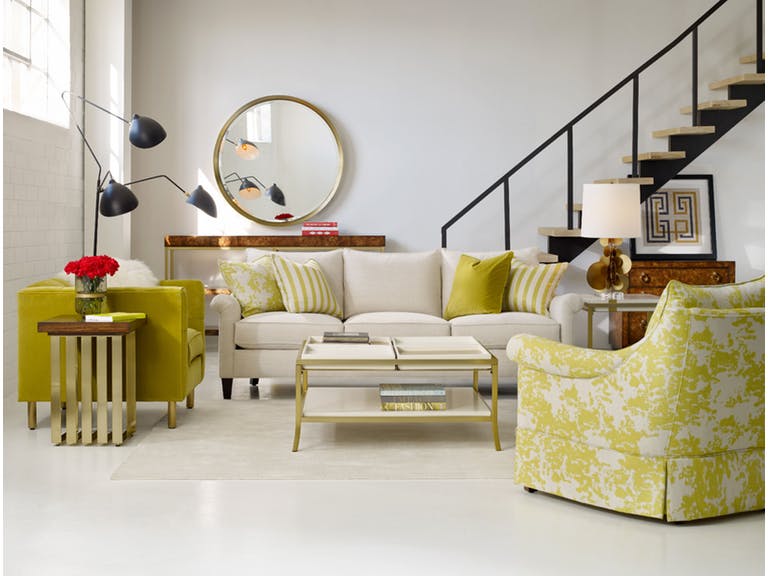
Cynthia Rowley’s Rivington 3-Over-3 Sofa together with the most colorful decorative elements to adorn a living room.
Adding color to your home – or at the very least, conceptualizing how the hues will make your habitat more amazing – is also a way to add more color to your life. Yet there are a lot of questions as to what paint color to use in a home as well as color predicaments like whether to pick gray or blue.
Of course we won’t be able to send you paint swatches just so you know how to begin your color 101 journey. What you can do is to read this series of color and paint basics that will teach you how to shop for the best colors and to effectively use them in your home.
This first of a six-part series will teach you about color fundamentals – this is more like a crash course to reading the color wheel and how to harmonize hues.
Matching and mixing colors is no easy business, though. Don’t get the idea that everyone can do this without any knowledge of color fundamentals, don’t feel, insecure in pairing unique hues, too. It’s all about learning the science and the art behind it all and being comfortable in using it in your own home.
Decorating with Hues
It is crucial to keep the color theory in mind when it comes to color decoration. Before you start thinking if it’s complicated or not, here are the basic principles –
Color theory also creates logical color structure. For instance, you could have a bunch of vegetables and fruits. Color theory would dictate that you would organize these based on their color relation. The oranges would sit next to the lemons while the lemons would be right next to the green apples which sit right next to the blueberries, and so on.
Don’t fret, it is not as complex as it seems to sound. You just have to, primarily, orient yourself to the color wheel. This is a tool, a handy helper of sorts, which will guide you in picking the specific colors – even down to the specific shades – that you want.
The color wheel comprises 12 basic colors which are –
When dealing with paint, remember these terms –
Shade means any pure hue fused with black.
Tone is a hue mixed with gray.
Hue is any pure color with the exception of white or black.
Tint is a color mixed with white.
Here are the fundamental color harmonies that you need to keep in mind –
Analogous hues are three hues that sit side-by-side on your color wheel such as green, yellow green and yellow.
Note that every hue outside of these already come from a mixture of hues to varying degrees.
Use the color wheel and these basic color guides so you don’t go wrong. Also, make it a point to look at Mother Nature for color inspirations. Just imagine a red flower encircled by green and yellow leaves. All these, the color of the leaves, the flowers and grass, all are inspirations for your color palette.
What about you, what are your color inspiration sources? Look around you – the possibilities are actually endless.
Tags: color 101, color basics, color choices, color combination, color fusion, color options, color palette, color schemes, McCreerys, McCreerys Home Furnishings
Posted in Color Schemes, Interior Design 101, Interior Design Elements | Comments Off on Color 101: Using the Color Wheel, Choosing and Matching Hues
Thursday, November 10th, 2016
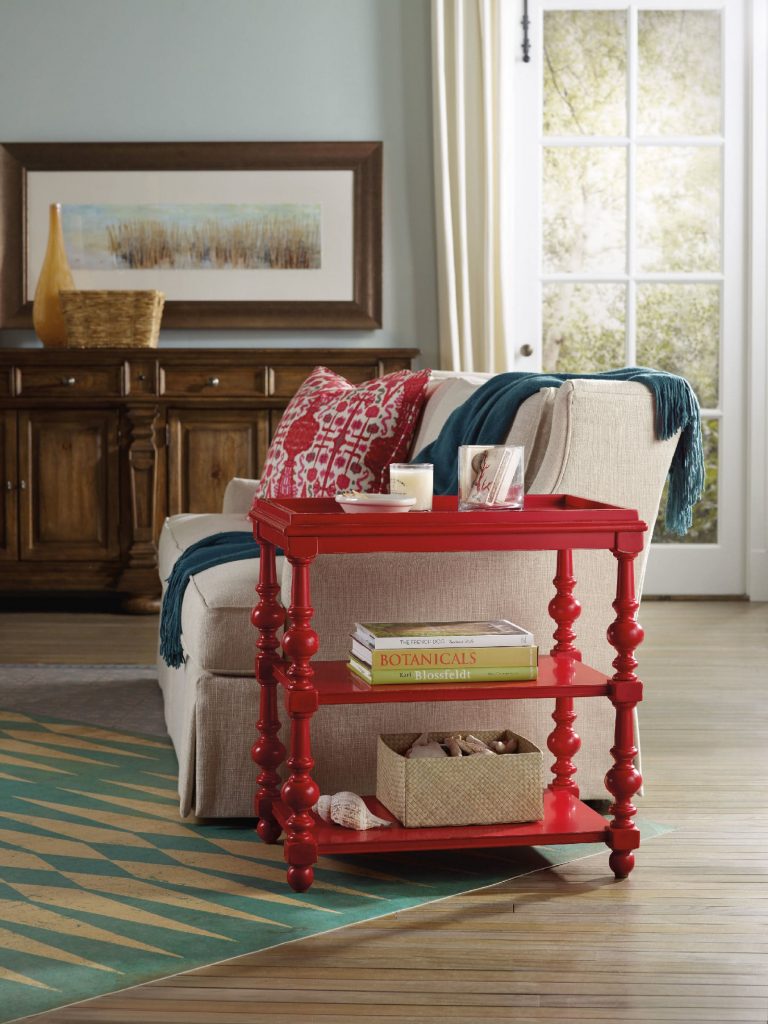
The Hooker Furniture Living Room Sanctuary Chairside Table is as unique and colorful as a side table could get.
When you approach interior design from a homeowner’s point of view, you probably just go about and pick the things that you think are attractive. Also, you tend to make your decisions based on any existing décor or pattern in your home. Color, however is such a powerful tool that you can use to evoke certain emotions. It can also create illusions of space or invoke a dramatic ambience.
Here are tips on how you can effectively use color psychology right in your home –
Bright Colors = Spaciousness
You can create an illusion of space if you use a lot of bright colors in your interior design. Use a lot of eggshells or yellows to make a space seemingly bigger. Don’t immediately go for white, though. Even when it is known to add space, it is not as effective as the tinted hues.
Bright Colors = Happy Educated Crowd
You can appeal to the tastes of the educated few if you learn how to fuse complex colors. For home interiors and exteriors, it has been observed that educated people find two-word colors to be more appealing. Simple colors, on the other hand, appeal to people with lower budgets and those that have lower education levels. When you’re out to pick complex colors, it is best to use names like eggshell white or lime green.
Red = Appetite
You can help build appetite in the dining room or the kitchen by using dashes of red or painting the walls with red paint. A lot of restaurants know this concept which is why they willingly paint their walls with solid red or red patterns.
Use red in the kitchen to up the appetite of people. You can have neutral walls made non-boring when you add red shutters or paint the cabinet doors with any shade of red.
Blended Interior + Exterior = Wow
When you use foyer blends by combining interior and exterior paint, you end up wowing your guests. The entryway or foyer becomes much more exciting if you use this technique.
Deep Tones = Warmth
You can warm up your home by using deep tones during the colder months. Use a lot of yellows, oranges, reds and browns. When you are about to paint your home during the winter because you’re staging it for future selling, remember this advice because it will make the house stand out.
Cool Colors = Fresh and Breezy
If deep tones keep homes warm during the winter, then the opposite, the cooler colors do otherwise. These colors are along the same hues used during fall, especially blue, so use them in abundance during the summer months. Have a white exterior plus a blue trim to achieve a Greek aura which is great if you want a cool-looking home during summer.
Familiar Colors = Fond Memories
If you decide to use familiar colors from your childhood or your not-so-distant past, then you will surely be reminded of wonderful memories. This becomes more special as you put these familiar colors in the kitchen, after all, what could be more pleasant than feeling like you’re back in Grandma’s kitchen?
Reds and yellows are perfect for that playful yet posh look for the kitchen. Don’t use red, though, if you have a high blood pressure. More so, stay away from dark shades of red so that irritability won’t ensue in the house.
Extend the familiar colors into other rooms such as the bathroom. If you love wearing a particular color, then use that same color in your bathroom. Having your fave color on the background will help you look more yearningly at the mirror inside the bathroom. Basically, you will tend to love yourself.
Tags: adding colors to a home, color 101, color basics, color options, color palette, colors, cool colors, McCreerys, McCreerys Home Furnishings, tips, warm colors, warm hues
Posted in Color Schemes, Interior Design 101, Interior Design Elements | No Comments »
Follow us on our social media


© McCreery's Home Furnishings | All Rights Reserved | Privacy Policy
