- Follow us:


Thursday, July 6th, 2017
(The Last of a Six-Part Series)
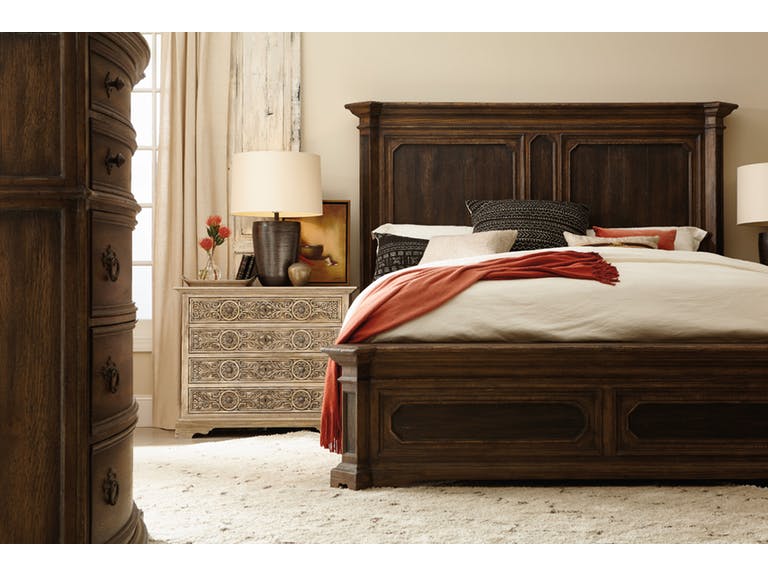
The perfectly painted walls served as the beautiful backdrop for this Hooker Furniture Bedroom Woodcreek King Mansion Bed.
Painting your home’s walls is the most basic way to freshen up your entire place. This can be a tricky task, though, as it can just as easily turn into a nightmare. Here are some tips on how you can keep your sanity as you try to update the look of your home –
Practice and Be Patient
Interior house painting is a very popular DIY (do-it-yourself) activity. With this said, you can have this become a home activity or a project with your friends or office buddies. There isn’t a more affordable way to freshen up a home than to put on a new coat of paint together with your friends.
Painting is not difficult, in fact, you don’t need to have specialized training just to be able to do it. Any person who is able-bodied should be able to paint a room but you must have a bit of practice prior to the real project. Also, you need a lot of patience in order to finish the task.
Surface Prep
Successful paint jobs are successful because they began correctly. You need to properly prepare the surfaces that you are going to paint. This means you will have to sand, scrape, patch and then fill each hole that you could find.
Search also for dents, cracks and surface imperfections. This is not the fun part of your painting activity, in fact, it can be the most tedious part though it is a crucial part that you cannot ignore.
No amount of paint, no matter how pricey, will hide a cracked or pockmarked surface. Don’t think also that a thick coat will be able to hide imperfections – it won’t. It will only highlight the unprepared surfaces.
Primer Tinting
Priming the walls and ceilings is also mandatory when you need to paint over a wall with a darker color or a new drywall.
‘Wanna know why it is smart to first prime before you paint any wall surface?
Primer paint serves as a blocking stain from bleed through. It also allows a single-coat coverage for your main paint and, most importantly, it lets the paint adhere more, thus, peeling and blisters are greatly reduced.
A professional painter will tint right to the finished color. He does this by mixing topcoat paint to the primer. This will enhance the hiding capability of the top coat on the primed surface.
There are also paint nowadays that have primers. Nothing can cover as well as a dedicated primer, though.
Choose Canvas Over Plastic
Drop cloths are always plastic – you may have heard this a lot from your friends and relatives who finished their painting projects. While canvas is more expensive, it is better to have it because it is rip-resistant and highly durable.
Canvas also absorbs paint drips more than plastic cloths which can even contribute to accidents when the drips cause a slip.
Use an Extension Pole
Where needed, that is. Don’t risk using the stepladder, instead, invest in a telescoping extension pole. There are some that are even 18 feet long which can extend to 36 inches when fully extended.
Look for one that has that nonslip grip and metal core.
When You’re Done Painting
Once you’re done painting for the day, but would still need a few more surfaces the day after, be sure to roll off excess paint then wrap the brushes with food wrap. Double up so that you will seal off air completely.
This actually works in keeping the paint from drying off, thus, it would save you a lot of time from laborious cleaning of paint brushes.
The next day, remove the plastic wrap and you’re good to continue.
Tags: home painting, McCreerys, McCreerys Home Furnishings, painting, painting advice, painting guidelines, painting tips, wall painting
Posted in Color Schemes, Home Maintenance, Interior Design 101 | Comments Off on Color 101: Handy Paint Guidelines for Walls
Tuesday, November 1st, 2016
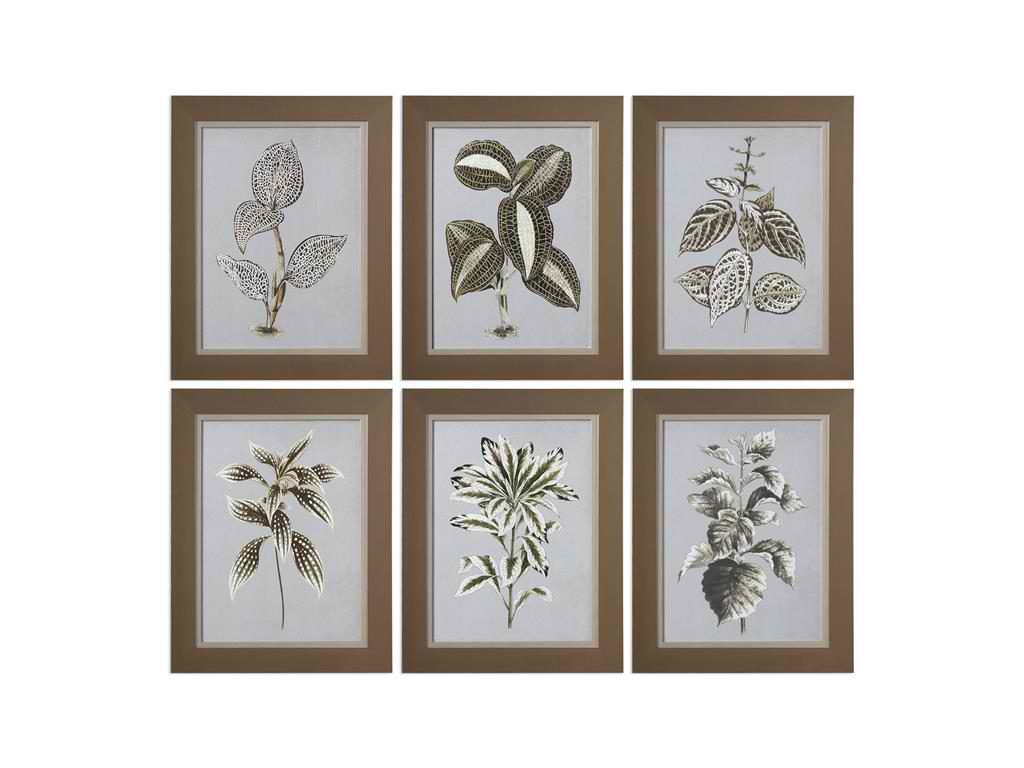
Your bathroom paint will become more interesting if you hang these Uttermost Accessories Variegated Plants 33642 on the walls.
One of the most inexpensive ways to spruce up a bathroom – or any room for that matter – is to play with colors through painting. A lot of homeowners, however, are inexperienced when it comes to bathroom design. They find the color palette to be so extensive that they get intimidated by the mere sight of it. The great news is, all you need to do is to be introduced briefly to the color wheel, add a little creativity and you would be on your way to designing your dream bathroom.
Don’t Get Overwhelmed
Getting intimidated is the worst thing that can happen to you when you’re out to design something. Bolder colors – keep in mind – are colors that are opposites on the color wheel (e.g. orange and purple).
Soothing colors, on the other hand, are the monochromes or single colors. You can remove the orange in the purple-orange duo and replace it with lavender so that what you achieve are relative hues.
Proper Color Placement
Now that you are more comfortable with the color wheel, you should determine how these colors will be placed in your home. Don’t think that towels, area rugs and curtains are the only sources of color for your bathroom. These days, you can add colorful fixtures from the calmer pastels to the more energized bold hues.
There are also elaborate brass and copper faucets. Don’t stick to the traditional, you can go ahead and experiment. The most popular themes, these days, are those that have Mexican or Indian influences. Say no to rubber ducky and yes to area rugs and colorful bathroom walls.
Maitland-Smith Bathroom Two Cast Brass Sitting Monkey Soap Dishes 1254-302
Pick Three Colors
As you become more and more comfortable in working with colors, you can now use the guiding principle in the creation of an awesome color scheme. Choose a neutral color, rich color and one accent color. Always think of the 70:20:10 ratios when distributing these colors respectively. This means that you use 70% of the lightest color, the second lightest should only be at 20% and the accent color should comprise but 10% of the entire color scheme.
Fuse Two Neutrals, Contrast Dual Brights
The ratio of proportion is also applicable in marrying two neutral colors. This time, use 70:30 where the lighter color still has the bigger percentage. Don’t forget to create a visual interest that includes interesting patterns. This could be as simple as a vein on the marble floor or a herringbone tile.
For a more energetic bathroom setup, consider using some brighter colors like blue and orange. These two are complementary colors on the color wheel. They are invigorating to the eyes and they provide the necessary excitement for your unique bathroom.
If you’re the traditional type who prefers a relaxing bathroom, then use the calmer colors such as whites, neutrals and pastels. Pick white as the main color for your tub, sink, trim and the central piece of furniture in this room.
Embrace Dark Colors
A lot of homeowners don’t just shy away from dark bathroom colors but they totally ignore them. Rich colors such as chocolate brown have the power to create a dramatic contrast especially in a space that’s filled with white fixtures and trims. Add another dose of a rich hue like green and what you’ve achieved is a more animated and contemporary look.
Don’t get nervous in putting darker colors especially in small rooms. You may have a small bathroom but you can easily offset the compacting power of dark colors by using mirrored lamps or a mercury glass. Doing so will make the bathroom less claustrophobic.
Go Green
Lastly, no modern home should say no to a greener space. Say yes to inspiring hues such as sea foam green or lemon yellow. Such colors could easily soften rough edges as well as solid, geometric shapes in your bathing space.
Tags: bathroom paint, home painting, McCreerys, McCreerys Home Furnishings, painting, painting advice, painting guidelines, painting job, painting the bathroom, painting tips
Posted in Bathroom Design, Interior Design 101, Interior Design Elements | No Comments »
Tuesday, May 31st, 2016
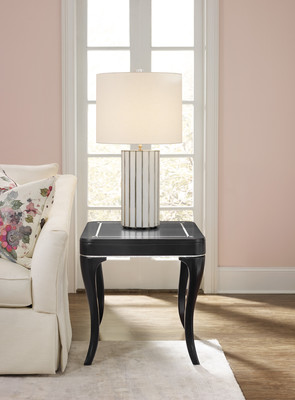
Cynthia Rowley 1586-80113-BLK1 Flirt End Table: The pastel pink walls offer this black table and floral throws a wonderful backdrop.
Have you seen people selecting color swatches before? This sight could go both ways – it could be a lovely sight if the homeowner is having fun choosing the colors or it could be a depressing one for those who do not know what they are looking for. If you don’t want to become the latter, then read through these tips and find out how you should correctly test paint colors –
Paint the Wall
The first step is to just directly paint the wall. This guideline is applicable both for interior and exterior walls. The best way to get a sense of how the color would turn out in your home is to brush a portion of your inner or outer wall with the color that you have chosen.
Some experts say that choosing a board just won’t saturate in the same manner so it is best to paint it directly then find out how the color would really affect the overall look. Boards do not offer the same texture as walls and this could really affect the look eventually.
Should You Hire Painters…
If you have decided to delegate the painting project, see that you will be able to provide sample cans of your preferred colors. A lot of painting contractors prefer it that way. Paints that have been tinted (or mixed) means you will have to take the colors no matter what the result. Sample cans, on the contrary, cost only $3 to $8 so you can experiment with smaller cans at first rather than wasting gallons of tinted paint that you won’t use in the end.
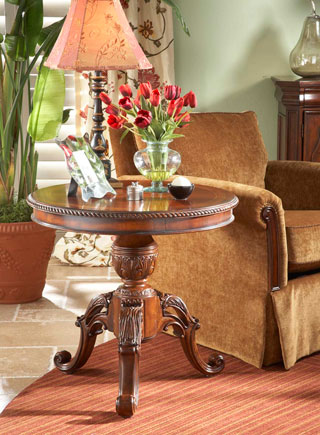
FFDM Antebellum Collection: The burst of colors inside this room renders a lovely rustic yet homey appeal.
Two-Coat Painting
Two coats are the minimum amount of coverage that a wall typically needs. The first coat is often the primer while the second coat makes a huge difference in the way the paint color would register.
The primer is often used for richer or deeper paint colors. There is a small selection of such paint that can be made in connection with specific primers. Make sure that you also paint in large swaths (no less than 1 foot by 1 foot) so you would have a good sense of what the end-result would be.
Paint More Than One Wall
The paint colors that you are testing will register differently also depending on the amount of light that hits the walls. Paint a wall that does not get directly hit with sunlight and one that does. You will soon notice that darker rooms tend to make paint appear darker, too. In essence, the pink paint that you chose for your daughter’s bedroom may not necessarily work with the master bedroom or the bathroom.
Colorful landscaping may also affect the paint color on your walls. Light coming from the garden or front yard could stream through, giving your walls a much different color than you originally imagined. The green trees could cast a different glow in a room that is already painted orange.
Consider also what time of day you would be spending inside the rooms. You would, of course, want the colors to look great when you are inside the room.
Test with Light
This is the simplest way to test how a paint color would look in a room. Have the artificial lighting turned on once you test paint a wall. Make sure that your room’s lighting will complement the colors that you have chosen. Pick a bulb or lamp that will not just look good with the paint color but also be useful. For example, it would be pointless to have a lamp that makes the paint look amazing but won’t allow you to read inside that room.
This makes it necessary to have the lighting already in place when considering your paint colors. Different bulbs offer a different kind of glow at different times of the day and with different kinds of paint colors.
Tags: choosing paint, McCreerys, McCreerys Home Furnishings, paint, paint color search, painting a home, painting advice, painting tips, testing paint
Posted in Color Schemes, Interior Design 101, Interior Design Themes | No Comments »
Follow us on our social media


© McCreery's Home Furnishings | All Rights Reserved | Privacy Policy
