- Follow us:


Thursday, July 6th, 2017
(The Last of a Six-Part Series)
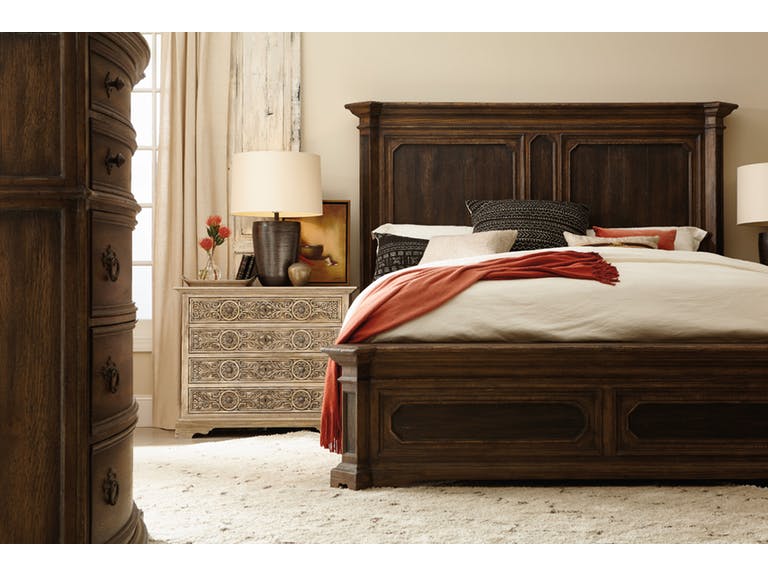
The perfectly painted walls served as the beautiful backdrop for this Hooker Furniture Bedroom Woodcreek King Mansion Bed.
Painting your home’s walls is the most basic way to freshen up your entire place. This can be a tricky task, though, as it can just as easily turn into a nightmare. Here are some tips on how you can keep your sanity as you try to update the look of your home –
Practice and Be Patient
Interior house painting is a very popular DIY (do-it-yourself) activity. With this said, you can have this become a home activity or a project with your friends or office buddies. There isn’t a more affordable way to freshen up a home than to put on a new coat of paint together with your friends.
Painting is not difficult, in fact, you don’t need to have specialized training just to be able to do it. Any person who is able-bodied should be able to paint a room but you must have a bit of practice prior to the real project. Also, you need a lot of patience in order to finish the task.
Surface Prep
Successful paint jobs are successful because they began correctly. You need to properly prepare the surfaces that you are going to paint. This means you will have to sand, scrape, patch and then fill each hole that you could find.
Search also for dents, cracks and surface imperfections. This is not the fun part of your painting activity, in fact, it can be the most tedious part though it is a crucial part that you cannot ignore.
No amount of paint, no matter how pricey, will hide a cracked or pockmarked surface. Don’t think also that a thick coat will be able to hide imperfections – it won’t. It will only highlight the unprepared surfaces.
Primer Tinting
Priming the walls and ceilings is also mandatory when you need to paint over a wall with a darker color or a new drywall.
‘Wanna know why it is smart to first prime before you paint any wall surface?
Primer paint serves as a blocking stain from bleed through. It also allows a single-coat coverage for your main paint and, most importantly, it lets the paint adhere more, thus, peeling and blisters are greatly reduced.
A professional painter will tint right to the finished color. He does this by mixing topcoat paint to the primer. This will enhance the hiding capability of the top coat on the primed surface.
There are also paint nowadays that have primers. Nothing can cover as well as a dedicated primer, though.
Choose Canvas Over Plastic
Drop cloths are always plastic – you may have heard this a lot from your friends and relatives who finished their painting projects. While canvas is more expensive, it is better to have it because it is rip-resistant and highly durable.
Canvas also absorbs paint drips more than plastic cloths which can even contribute to accidents when the drips cause a slip.
Use an Extension Pole
Where needed, that is. Don’t risk using the stepladder, instead, invest in a telescoping extension pole. There are some that are even 18 feet long which can extend to 36 inches when fully extended.
Look for one that has that nonslip grip and metal core.
When You’re Done Painting
Once you’re done painting for the day, but would still need a few more surfaces the day after, be sure to roll off excess paint then wrap the brushes with food wrap. Double up so that you will seal off air completely.
This actually works in keeping the paint from drying off, thus, it would save you a lot of time from laborious cleaning of paint brushes.
The next day, remove the plastic wrap and you’re good to continue.
Tags: home painting, McCreerys, McCreerys Home Furnishings, painting, painting advice, painting guidelines, painting tips, wall painting
Posted in Color Schemes, Home Maintenance, Interior Design 101 | Comments Off on Color 101: Handy Paint Guidelines for Walls
Wednesday, March 1st, 2017
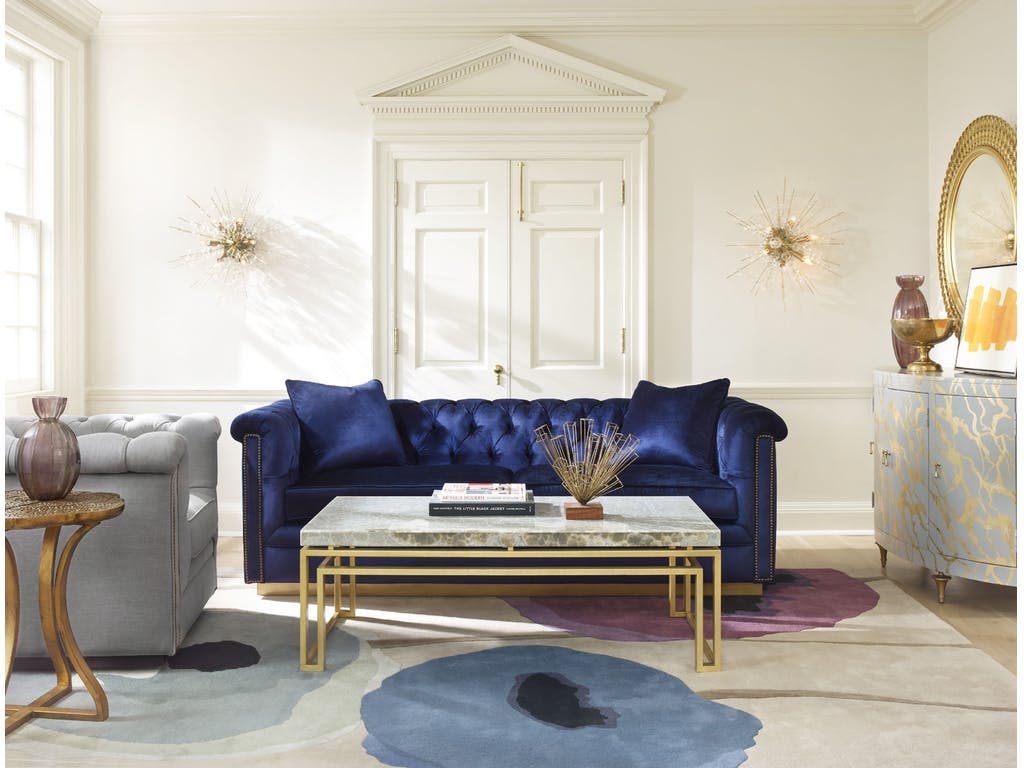
Cynthia Rowley for Hooker Furniture Wallis 2 Cushion Sofa: Here’s that blue couch example with whitewashed walls perfectly framing it.
A lot of people love a good burst of color. Colors are powerful in creating emotions and setting up the right ambience. Yet the idea of being left to pick a paint for the accent wall – let alone the entire house – could be a little too much for some.
Whether you are going to paint an urban space, suburban or a country habitat, the methods are quite the same. When picking colors using paint chips, be sure to choose your favorite. Choose a darker and a lighter shade as well.
Colors can look brighter on walls but not so much when still on a tiny chip. You could get overwhelmed by what your eventual choice would be so be careful in making your decision.
Colors You Wear
If you live in an urban area, it would be wrong to have a wardrobe that does not have white, black and other neutrals. So take a careful look in your closet and find out what colors dominate. If you have loads of denims, then a blue palette would be great in your urbanized home.
If you’re a diverse dresser, then create a palette that equally diverse. Have a color for each occasion or season, even for each mood.
Have a Color Backbone
Just like any sturdy framework, your color palette must also have a backbone. The colors that you choose will support the rest of the design elements. For instance, you can have cream walls framing your pink couch. Or you can have orange accents in a mainly black ambience.
Keep in mind that you can always repaint. You can play with colors and repaint as often as you like. You can have a lovely accent wall one time or have all four walls painted in one hue.
This year, lime green, emerald green, and turquoise are piping hot.
Strategize
When picking a color palette, it pays that you also employ some strategy. Get inspired by stuff that you see in the city. If you live in a rural area, be sure to check out the meadows and landscapes. Let the skies inspire you. Find a photo or a work of art that will help narrow down your color options.
Take a careful look at the paintings that are now hanging on your walls – you will soon notice that there is a particular hue that you have been naturally drawn to.
Cool, light and pale colors regress to make a room appear larger. Deeper and darker colors expand so they tend to make rooms appear smaller. A lot of spaces ask for rich, dark colors so find out what your room requires.
Even huge swatches of paint cannot compare to an actual paint test. Before committing, be sure that you paint on the actual work or you end up doing a lot of guesswork.
Lighting conditions will also affect the color’s eventual appearance. Test the color in shadowy areas as well as under direct light. Observe also how the paint looks like during the day and also at night. Switch to artificial light if natural light does not complement the color of paint that you are going to pick.
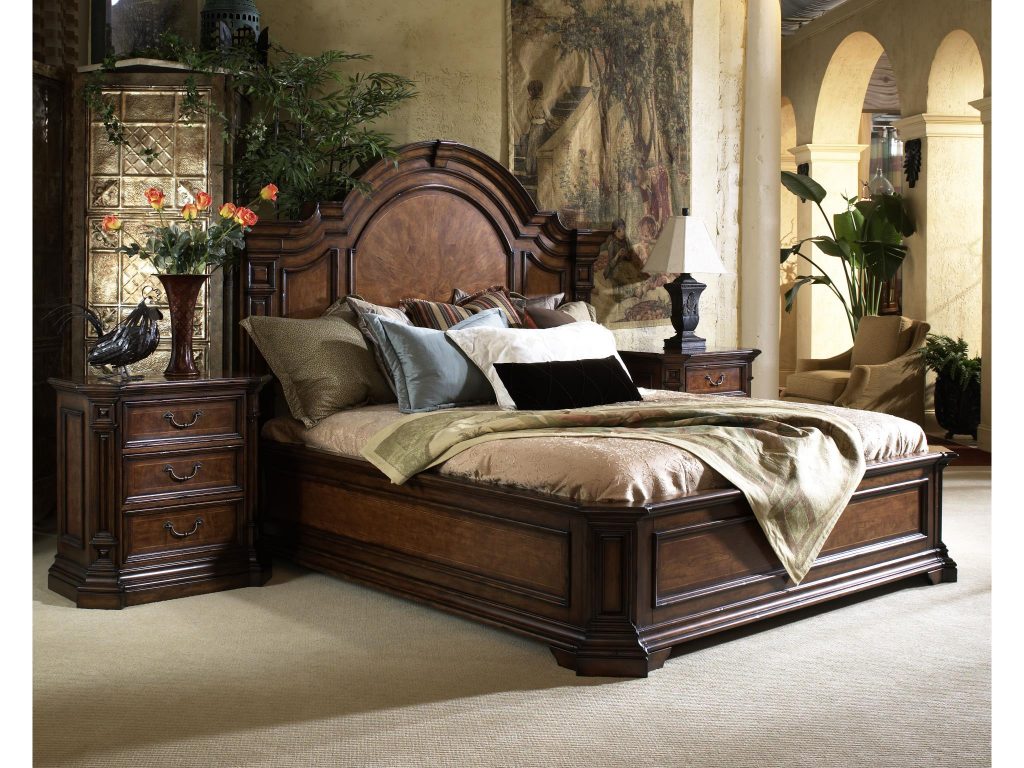
FFDM’s Viniterra Collection shows this King Mantle Bed perfectly nestled in equally neutral walls. You won’t see colors clashing in this lovely bedroom photograph.
Visualize
Another essential step to picking the right color of paint is to plan the color that you want for the rest of your home. Never ever choose a wall color after picking your furnishings. So, if you have fallen in love with a navy blue sofa, there’s no longer any point in painting the room red, is there?
Don’t be anxious that you would be left with zero options because of the many factors that you need to consider. Remember that you have almost every color of the spectrum at your disposal.
Tags: choosing paint, home painting, McCreerys, McCreerys Home Furnishings, paint, painting a home, painting project, painting task, picking paint
Posted in Color Schemes, Interior Design 101, Interior Design Elements | Comments Off on Paint-Picking, Experimenting, and Liking It
Tuesday, November 1st, 2016
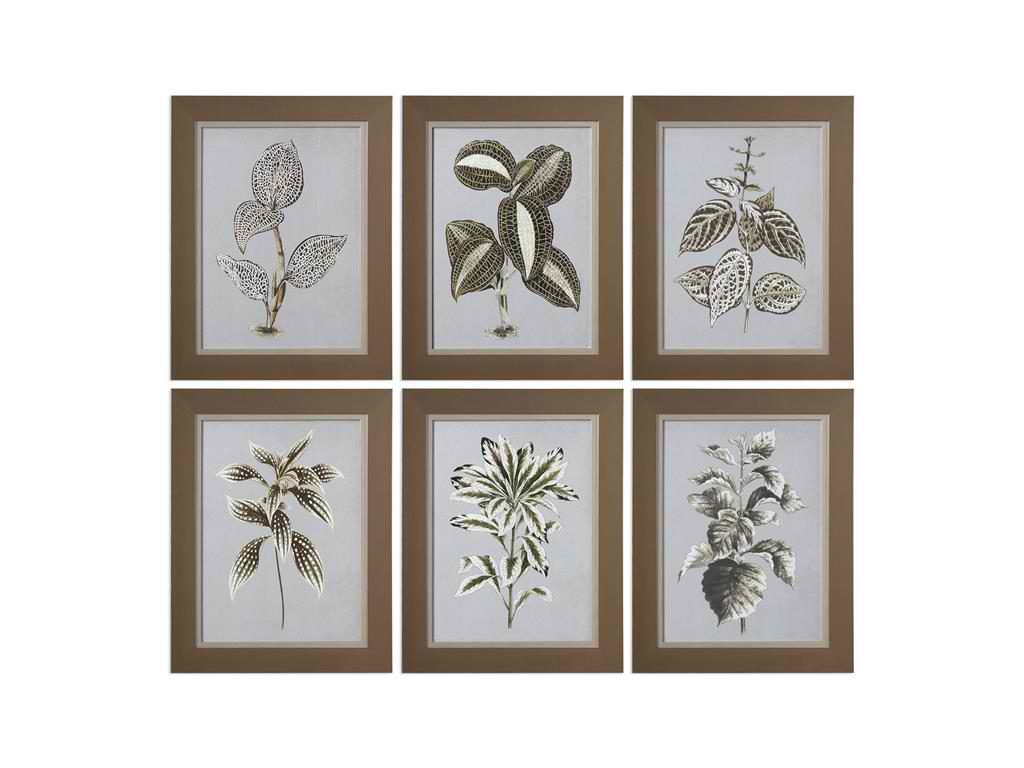
Your bathroom paint will become more interesting if you hang these Uttermost Accessories Variegated Plants 33642 on the walls.
One of the most inexpensive ways to spruce up a bathroom – or any room for that matter – is to play with colors through painting. A lot of homeowners, however, are inexperienced when it comes to bathroom design. They find the color palette to be so extensive that they get intimidated by the mere sight of it. The great news is, all you need to do is to be introduced briefly to the color wheel, add a little creativity and you would be on your way to designing your dream bathroom.
Don’t Get Overwhelmed
Getting intimidated is the worst thing that can happen to you when you’re out to design something. Bolder colors – keep in mind – are colors that are opposites on the color wheel (e.g. orange and purple).
Soothing colors, on the other hand, are the monochromes or single colors. You can remove the orange in the purple-orange duo and replace it with lavender so that what you achieve are relative hues.
Proper Color Placement
Now that you are more comfortable with the color wheel, you should determine how these colors will be placed in your home. Don’t think that towels, area rugs and curtains are the only sources of color for your bathroom. These days, you can add colorful fixtures from the calmer pastels to the more energized bold hues.
There are also elaborate brass and copper faucets. Don’t stick to the traditional, you can go ahead and experiment. The most popular themes, these days, are those that have Mexican or Indian influences. Say no to rubber ducky and yes to area rugs and colorful bathroom walls.

Maitland-Smith Bathroom Two Cast Brass Sitting Monkey Soap Dishes 1254-302
Pick Three Colors
As you become more and more comfortable in working with colors, you can now use the guiding principle in the creation of an awesome color scheme. Choose a neutral color, rich color and one accent color. Always think of the 70:20:10 ratios when distributing these colors respectively. This means that you use 70% of the lightest color, the second lightest should only be at 20% and the accent color should comprise but 10% of the entire color scheme.
Fuse Two Neutrals, Contrast Dual Brights
The ratio of proportion is also applicable in marrying two neutral colors. This time, use 70:30 where the lighter color still has the bigger percentage. Don’t forget to create a visual interest that includes interesting patterns. This could be as simple as a vein on the marble floor or a herringbone tile.
For a more energetic bathroom setup, consider using some brighter colors like blue and orange. These two are complementary colors on the color wheel. They are invigorating to the eyes and they provide the necessary excitement for your unique bathroom.
If you’re the traditional type who prefers a relaxing bathroom, then use the calmer colors such as whites, neutrals and pastels. Pick white as the main color for your tub, sink, trim and the central piece of furniture in this room.
Embrace Dark Colors
A lot of homeowners don’t just shy away from dark bathroom colors but they totally ignore them. Rich colors such as chocolate brown have the power to create a dramatic contrast especially in a space that’s filled with white fixtures and trims. Add another dose of a rich hue like green and what you’ve achieved is a more animated and contemporary look.
Don’t get nervous in putting darker colors especially in small rooms. You may have a small bathroom but you can easily offset the compacting power of dark colors by using mirrored lamps or a mercury glass. Doing so will make the bathroom less claustrophobic.
Go Green
Lastly, no modern home should say no to a greener space. Say yes to inspiring hues such as sea foam green or lemon yellow. Such colors could easily soften rough edges as well as solid, geometric shapes in your bathing space.
Tags: bathroom paint, home painting, McCreerys, McCreerys Home Furnishings, painting, painting advice, painting guidelines, painting job, painting the bathroom, painting tips
Posted in Bathroom Design, Interior Design 101, Interior Design Elements | No Comments »
Thursday, August 25th, 2016

Maitland-Smith Lamps and Lighting Antique Brass, Brass Wall Lamp 1943-130 is a unique replacement for the usual painted wall.
Interior painting is no less than the most popular home improvement project in the world of interior design. This is understandable as it is an easy and affordable way to freshen up the look in rooms. Painting can also be done by family members as a weekend project as it does not require specialized training. What you need is just a little patience, some practice and a few tips.
Prep the Surface
The most successful paint jobs begin with surface preparation. This means you should sand, scrape, patch, and filling cracks, dents and holes. Basically, any surface imperfection must be solved. This is the dirtiest part of the project but it is also the most crucial. Do something wrong during this phase and something worse could come up later.
Primer Tinting
The next important step is to prime the wall. Primer can block stains from bleeding out. It also makes single coat possible as it also improves the adhesion of the paint used. Peeling and blistering could also be the result of non-priming.
There are now paints that come with primers yet nothing covers as great as a dedicated primer.
Plastic drop cloths are a cheap way of protecting furnishings and the floor from spatters. It may be wiser to invest in canvas, though. Canvas is durable and is rip-resistant. It offers a flatter layer compared to plastic which means you won’t have to worry about tripping that much.
Canvas drop cloth can be folded around doorways and corners which is another advantage compared to plastic sheets. Also, most plastic drop cloths are not reusable.
Canvas can last a lifetime.

Uttermost Accessories Bronze Leaves Wall Art Set5 04063
Utilize the Paint Grid
Painting can take days so if you have more to do tomorrow, there is no need to go through brush cleaning each day. Simply roll off or brush the excess paint then wrap everything in food wrap. Double up the plastic to make sure that air is sealed out then have the roller sleeves and brushes placed inside the fridge. This should keep them fresh, avoiding paint dry up overnight. You can even store the brushes and roller sleeves for as long as a week if you are about to tackle an ambitious job.
The following day, just remove the gear from the refrigerator then use after 30 minutes.
Roll the Paint
A neater approach to rolling paint is to have it roll directly from the five-gallon bucket with the use of a paint grid. This is a rectangular plastic or metal screen that can be hooked on the rim of a bucket. Fill the bucket to about 50%, dip the roller, then roll it against the plastic or metal grid. This should remove any excess paint.
Use an Extension Pole
Get rid of the stepladder and use a telescoping extension pole instead. This comes in various lengths, with some extending as long as 18-36 feet. Longer extension poles are great in painting 8-9 foot tall ceilings.
As you shop for extension poles, make sure that you find one that has a non-slip, soft grip and a metal core. Check also that the threaded end of the extension pole is made of metal. Plastic handles may become too flexible which could make them a tad more difficult to control.
Just Paint
Lastly, what else is there left to do but to paint? Go out, find your favorite color and see if it blends well with your chosen theme. Ask your family members or friends to help out so that this project becomes easier. Shop for the tools together, plan the project together, and of course, don’t forget to have fun!
Tags: accent wall, home painting, how to paint, McCreerys, McCreerys Home Furnishings, painting, painting guidelines, painting job, painting task, painting the wall, painting tips, tips, wall color, wall painting
Posted in Accents, Accessories, Color Schemes, Interior Design 101, Interior Design Elements, Wall Design | No Comments »
Saturday, May 28th, 2016

1586-90016A-GLD1 Bewitch Mirrored Octagonal Nightstand
As you moved into your new home, isn’t it your first desire to create your personal stamp on the new space? But if you are buying a pre-loved home, then the finishes, paint colors and fixtures have all been chosen according to the previous owner’s preference.
Here are some guidelines that you can follow to personalize your home –
A Painted Front Door
One good way to make your home look and feel like you is to paint it. This has far less obligation than when you have to repaint your entire home.
When you’re out to choose the paint color, consider if you would also like to update the hardware such as the locks. Of course, if you are buying a house with existing locks, it is always a great idea to change them.
Personalize with Photos
It’s time to get some of your favorite pictures up on your walls. This is a great and effective way to feel at home right away. So never put off this project. Hang those beautiful family pictures or those travel photos that you have long kept.
Swap for a New Kitchen Faucet
One of the most used things inside a home is the faucet. See if you could swap the old kitchen faucet for a newer, sleeker one. This may seem like a menial task but it is something that can have a huge impact on the overall look of your kitchen (or bathroom).
Just make sure that you coordinate with every existing hardware; or you would be left with an unbalanced room design.
Paint the Walls
It can be a daunting task to pick colors that you will use for the entire house. Don’t go through this difficult phase, save yourself some trouble and just paint a wall or two.
Painting the walls will make you be able to determine the theme or palette that you will use for your entire home.
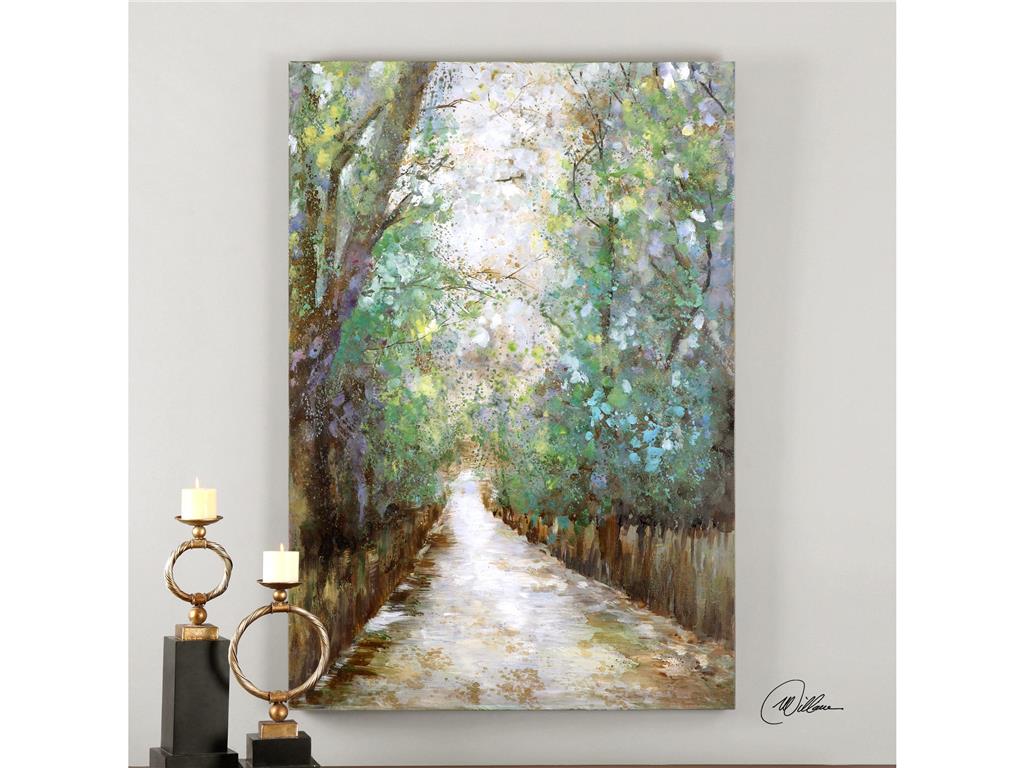
Accessories Uttermost Greenway Hand Painted Art 31315: Artworks are a great way to personalize any space.
Bring In Mother Nature
One of the best and most effortless ways to personalize your home is to bring in fresh flowers or potted plants. A room will definitely look a lot friendlier with a touch of nature in a vase or a pot.
Wallpaper ‘Em
If you are in for a bigger project, then you can buy a set of wallpapers. This is also a time-tested way of altering the look inside your home. Put your personal stamp by wallpapering. Use bold patterns if you dare to do so. Neutrals and simpler patterns are for the simpler people.
Clean Up
Use great-smelling products to make your home more appealing. Have a familiar scent, one that you would soon associate with your home.
It also pays to keep clutter from becoming a huge mound. Buy cabinets and drawers where you can store stuff that you don’t use at the moment.
Make it a point to designate a place for your keys and other small items. Have a row of hooks lined up for the special purpose of holding your keys.
Stairs and Window Treatments
The stairs needn’t be boring parts of your home. Paint it white then add shades to the treads. Install a runner if you have a carpeted staircase. Place a runner that is in the color that you most love. A fluffy carpet is great especially for areas with less foot traffic.
You can also upgrade the window treatments. You can go for tailored textured bamboo, Roman blinds, or the basic roller shades. Create a layered look using curtains. Find a window treatment that describes you best. Choose the same fabric for your curtains or draperies so you’ll have a more consistent look on the outside.
Tags: customization, customized home, customizing interior design, decluttering, decluttering tips, design customization, home paint, home painting, McCreerys, McCreerys Home Furnishings, nature, nature in interior design, nature-inspired design, nature-inspired home, paint, personalized design, personalized style, personalizing your home, tips, wall paint, wall painting
Posted in Interior Design 101, Interior Design Elements, Interior Design Themes | No Comments »
Monday, March 28th, 2016
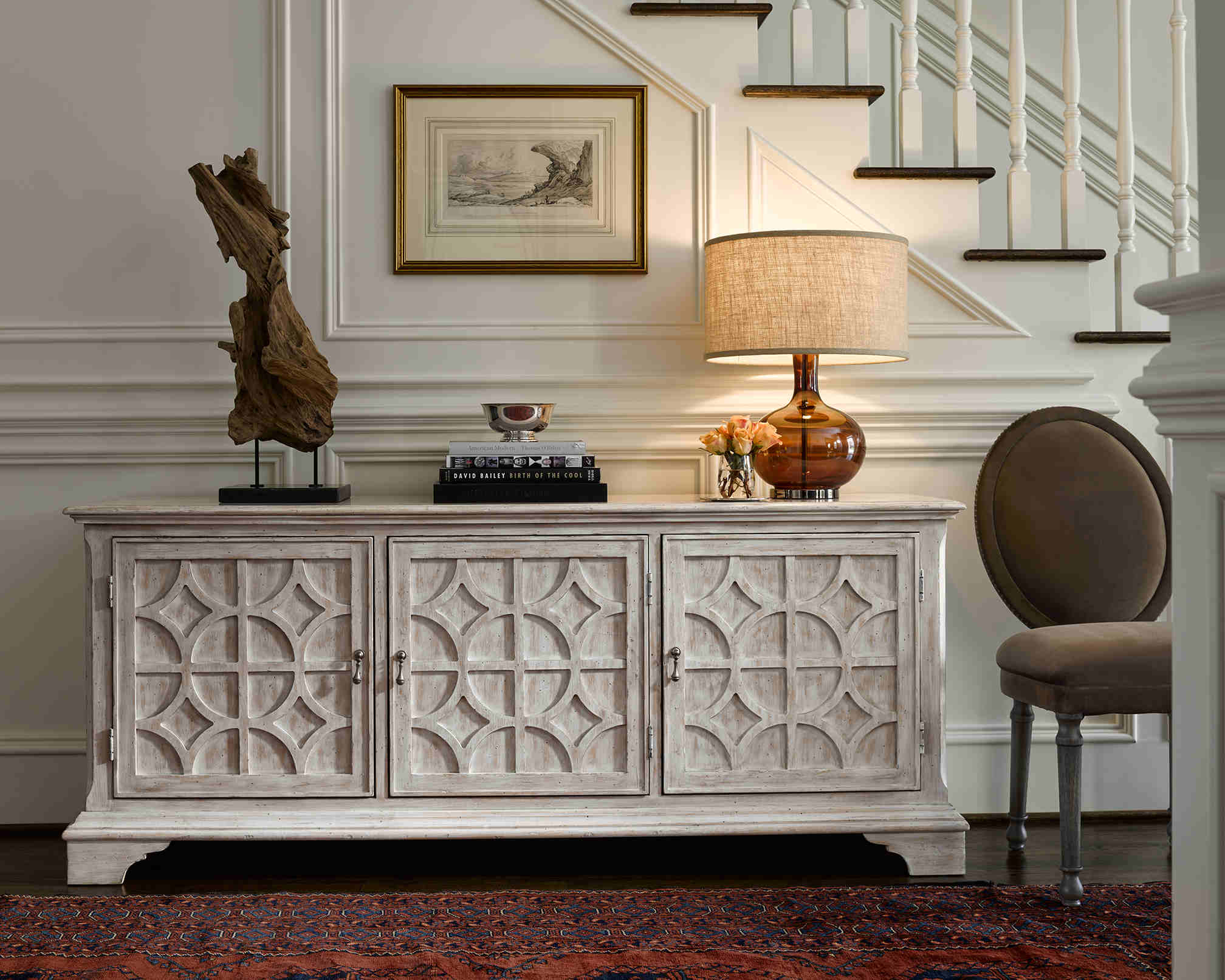
FFDM’s Camden Grove Collection depicts here the perfect harmony of textures, patterns, and colors.
If you’re thinking that interior designers follow a set of rules or that they own a secret book, then you’re in tough luck. There is no one rule that governs all that they do, after all, they are the creative people so they use their imagination, follow their intuition and they even go as far as dreaming and exploring. One could say, perhaps, that they have some rough principles that direct them to the right result. Here are some of the top interior design tips that you can work on –
Pick the Right Paint Color
Some designers say that it is ideal to pick the color of paint last. You may find the logic in this, you may not. What matters at the end of the day is that you pick the right kind of color for your chosen theme, one that is in rhythm with the architectural beauty of your home, and one that functions the way you perceived it to.
Let’s accept this – there are literally thousands of paint colors in different shades, tones and tints. Every single one can look different from one home to the next because there are factors to consider such as the lighting, the overall theme, even the size of the home.
You would want a paint color that complements the artwork, upholstery, lighting fixtures, carpeting, and the furniture sets.
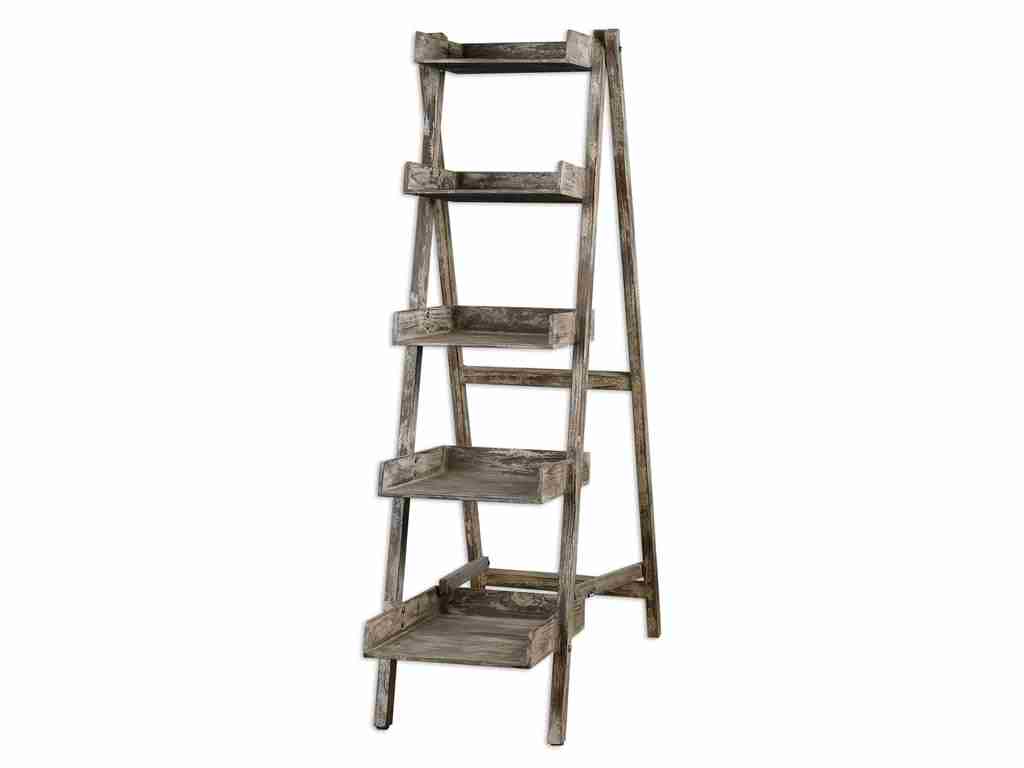
Home Office Uttermost Annileise Bookshelf 24326 is a unique and tasteful way of displaying your books and other collections.
Overcrowd Not
While you may have ample budget to buy every piece of furniture that you want, resist the urge to overcrowd all of your chosen pieces inside one room. Gracious living is tantamount to having enough
You must also know how to arrange furniture on a rug. Here are two techniques –breathing space. Focus on the quality and not the quantity of the furniture. Find the ones that will stand out without being stuffy.
You must also resist the urge to display all of your collectibles. If you really love each piece from your travels, then assign a season for each batch.
Hang Artwork Correctly
You can learn a lot from the museums and galleries that professionally hang artwork. The midline or center of the artwork should be 57” to 60” from the floor. The logic behind this is that the human eye level is often at 57 inches.
In a room where the ceilings are as high as the sky (of course this is an exaggeration), you must hang the artworks at a greater height. Though this is the case, you still need to remind yourself about human scale and not the structural scale.
If you are uncertain about where to hang artworks, then it is best to take a picture first. The photo should be able to reveal what level you can hang the artwork. Photographs often will give you an idea whether it is better to use a smaller or bigger piece of art; or if the spot is just right for a potted tall plant.
Always Have a Focal Point
Just as musicales or any stage production, there are protagonists and antagonists. This concept is also true when it comes to interior design. Choose the best pieces that you would want to highlight or make the star of the show then the rest of the items would just play a secondary role.
In the kitchen, the focal point can be that grand oven you just bought, in the living room it could be an art piece, and in the bedroom it can be the fireplace.
The focal point can also be a single wall. This is also called a statement wall.
Tags: arranging furniture, artwork, artwork on walls, choosing paint, creating a focal point, determining the focal point, displaying artwork, finding the focal point, focal point, furniture arrangement, furniture placement, home paint, home painting, interior design tips, McCreerys, McCreerys Home Furnishings, recognizing a focal point
Posted in Interior Design 101, Interior Design Elements | No Comments »
Follow us on our social media


© McCreery's Home Furnishings | All Rights Reserved | Privacy Policy
