- Follow us:


Tuesday, September 6th, 2016
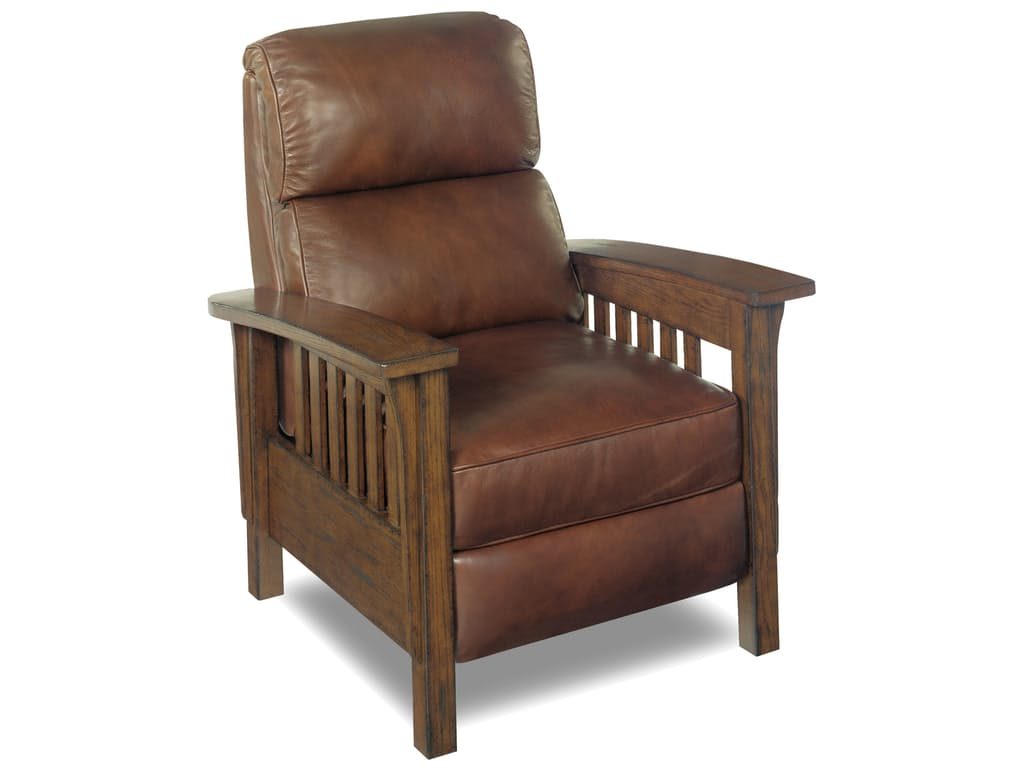
Hooker Furniture Living Room Keepsake Event Recliner features a frame that looks a tad weathered.
Faux finishes are growing more and more popular each year. Exotic and bland finishes have been around for hundreds, even thousands of years. Most of the techniques even date all the way back to the ancient Greek and Egyptian cultures though the best pieces are those crafted by the Renaissance Italians. The Italians were the ones who mastered faux art in the form of stone, wood and metal pieces. Even the most discerning eyes were fooled then. It was in the mid 1900s when European and American craftsmen made the most awesome interior paint effects in both cottage and palatial homes.
The last century and a half didn’t show a lot of new faux art. It was just a few decades ago when specialty paint finishes are being rediscovered. This spelled the availability of faux finishes to everyone. In essence, anyone who can hold a paintbrush can already do the work as there is no limitation to what you can now glaze or paint in your home.
Kinds of Faux Finishes
The first one is known as the antiqued finish. This is the repro of old, weathered look with the use of paint which was specifically manufactured for faux finish purposes. Each mixture of crackle medium, base paint and surface material produces a different result. You can also experiment if you want to achieve a particular color or look.
If you want to achieve this look on a new piece, then try painting the piece with milk paint. This is paint made from clay, natural pigments, lime and milk casein. It is natural so it’s safe to use. It offers a powdery look which can be seen often in many genuine antique pieces.
The next kind is the distressed antique finish. When distressing a piece of furniture, whether a cabinet or a chair, you need to take a good look at the furniture. See how the corners and rungs have been worn or how they have lost their finish. More often than not, repeated handling and touching can wear off the finish. Dings and scuff marks can also happen.
Don’t go shopping for new hardware if you want to achieve this look. You can actually use any tool to mimic the look of a worn out piece. Look for an old canvas bag, fill it up with bolts then beat up your furniture. The bruises and dents you achieve will surely look authentic, you’ll see.
Adding effects is easier if you use a semi-transparent paint glaze right over the base coat. There are different results that you can achieve with the glazing effect. You can have it removed by sponging, ragging or combing.
Apply glaze on base coat using different implements in order to create patterns and textures. You can also let the glaze dry partially before you wipe it off for a rubbed effect. This should resemble a parchment which is great for rustic interiors. Dilute the glaze for color wash then apply with brush.
Another faux finish is called combing. This makes use of the teeth of comb. You can create straight, wavy or zigzag lines according to your preference. All you have to do is to drag the comb through the glaze to achieve a textured effect.
Ragging means using bunched up, lint-free rags. Apply the second coat right over the base.
Sponging makes use of natural sea sponge in applying the glaze on top of the base coat. Other effects like wood graining can be quite challenging. There are also techniques that combine several techniques using brush and different work details.
Lastly, there’s gilding. This is an easy way to add drama or character to accessories in your home. Use metallic colors such as gold, silver or copper leaf and what you achieve is an instant heirloom.
Tags: 18th century, faux finish, finish, finishes 101, furniture finish, history, McCreery's, McCreerys Home Furnishings
Posted in Furniture, Interior Design 101, Interior Design Elements | No Comments »
Thursday, June 23rd, 2016
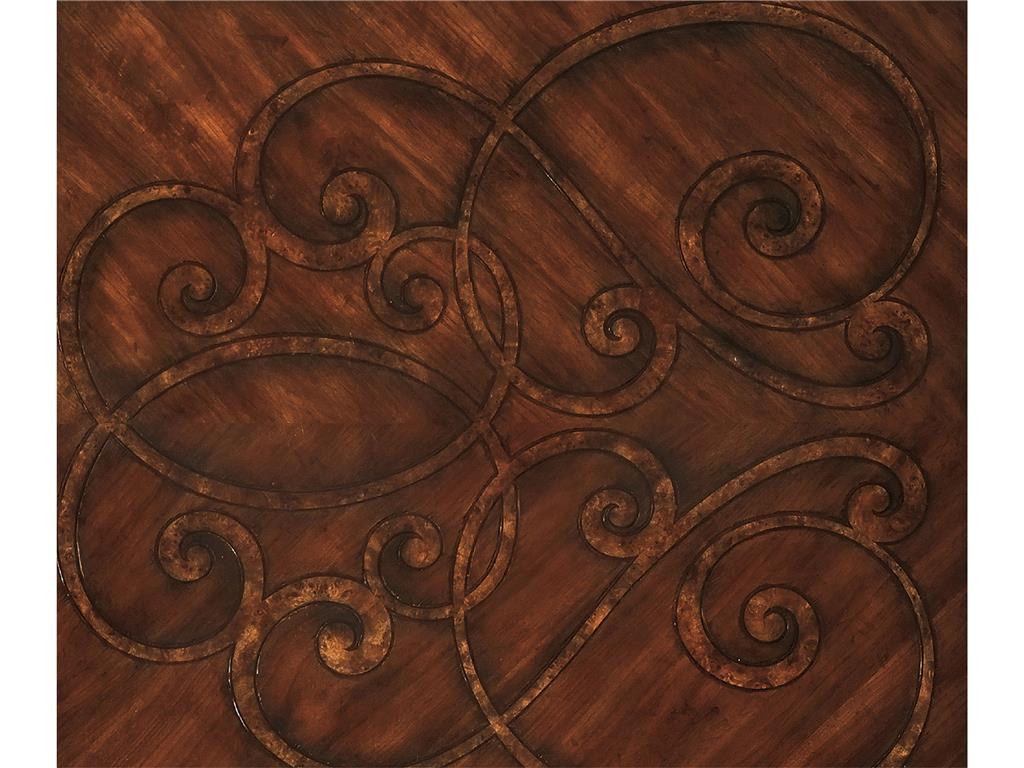
Hooker Furniture Dark Walnut and Mappa Burl
‘Starting furniture shopping? Consider not just the furniture’s appearance this time. Try to study how the piece was made by an artisan’s hands, why it is durable, and what method of finishing application was used to make it look awesome.
Woodworkers and Finishes
Finishing is one of the biggest concerns for a lot of woodworkers. They may be experts in joinery, machining, and other precision activities but woodworkers – a lot of them, in fact – still take a step back when they are about to apply the finishing.
Now you might ask what the best finish for your furniture is – and that’s one great question. Having the answer to this question will give you much more confidence in overcoming other hurdles in the coming days.
Finishing products may be grouped according to working qualities as well as the kind of protection that they offer ranging from oils, to waxes, shellacs to varnishes, water-based finishes and lacquers. No single finishing is considered the best as one that excels on one furniture may be a total failure in another.
Wood Finishing Classifications
All kinds of wood finishes may be classified into how they dry or how they cure. Finishes that evaporate such as shellac and lacquer become as a hard film once they dry and the solvents evaporate.
Reactive finishes like tung or linseed oil also have solvents that can evaporate yet they cure when they react with air. Such finishes undergo chemical change when they cure. This kind of finish tends to hold better when subjected to chemicals and heat (with the exception of pure oils).
Other Finishes
Wax may not be such a great idea for furniture finish. Carnauba wax or any paste wax can be used to polish furniture but it is advisable to use them over existing finishes like shellac or lacquer.
Varnish is comprised of tough synthetic resins that were modified using drying oils. If you take a look at the labels of varnishes, you would see a list of resins like phenolic, urethane, alkyd, and other oils such as tung or linseed.
Varnishes cure just like true oils through a process called polymerization. The resins heighten the durability. If you want durable finish for your wood furniture, then use any oil-based varnish. Even an average woodworker will be able to apply this finishing product for you. varnishes surpass a lot of finishes when it comes to heat, water, chemical and solvent resistance.
Long oil varnishes are varnishes that contain a huge amount of oil (e.g. spar, marine or exterior varnishes). These are more elastic because they are softer than the short to medium varnishes which contain just a limited amount of oil.
Another type of finish is the varnish and oil blend. This mixture contains a huge amount of oil plus some varnish. This is also an easy-to-apply product though they tend to dry a lot harder than true oil finishes.
Lastly, water-based finishes are often made with either an acrylic urethane blend or an acrylic resin. Adding urethane makes the product scratch-resistant.
Remember that choosing the kind of finish depends on a lot of factors such as temperature in your home, the level of dampness, and the overall environment. The least temperamental when it comes to cold environments are shellac and lacquer; in humid conditions, use oils and any oil-based product.
You would need a bigger budget if you would require spray equipment for your project. If it’s a DIY project that you’re after, then know that there’s a learning curve when it comes to spraying. It would require a lot of practice if you want to get decent results with sprayed on finishes.
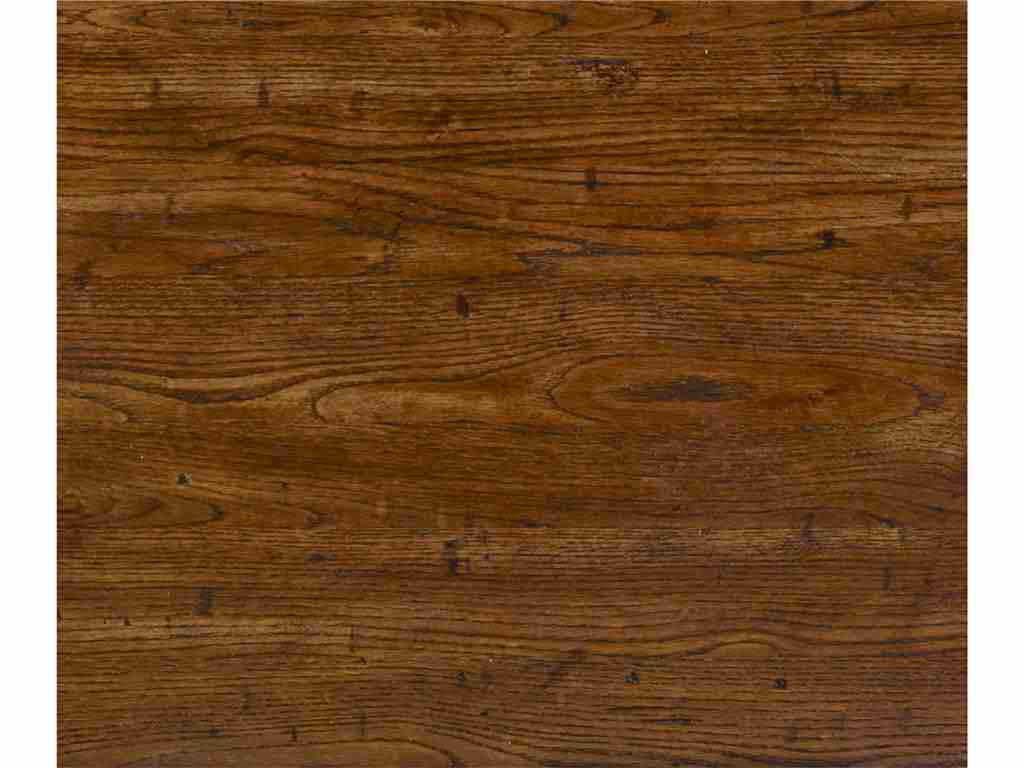
Hooker Furniture Clear Dark Oak
Tags: finish, finishes, finishes 101, furniture finish, McCreerys, McCreerys Home Furnishings
Posted in Furniture, Interior Design 101, Interior Design Elements | No Comments »
Follow us on our social media


© McCreery's Home Furnishings | All Rights Reserved | Privacy Policy
