- Follow us:


Wednesday, October 12th, 2016
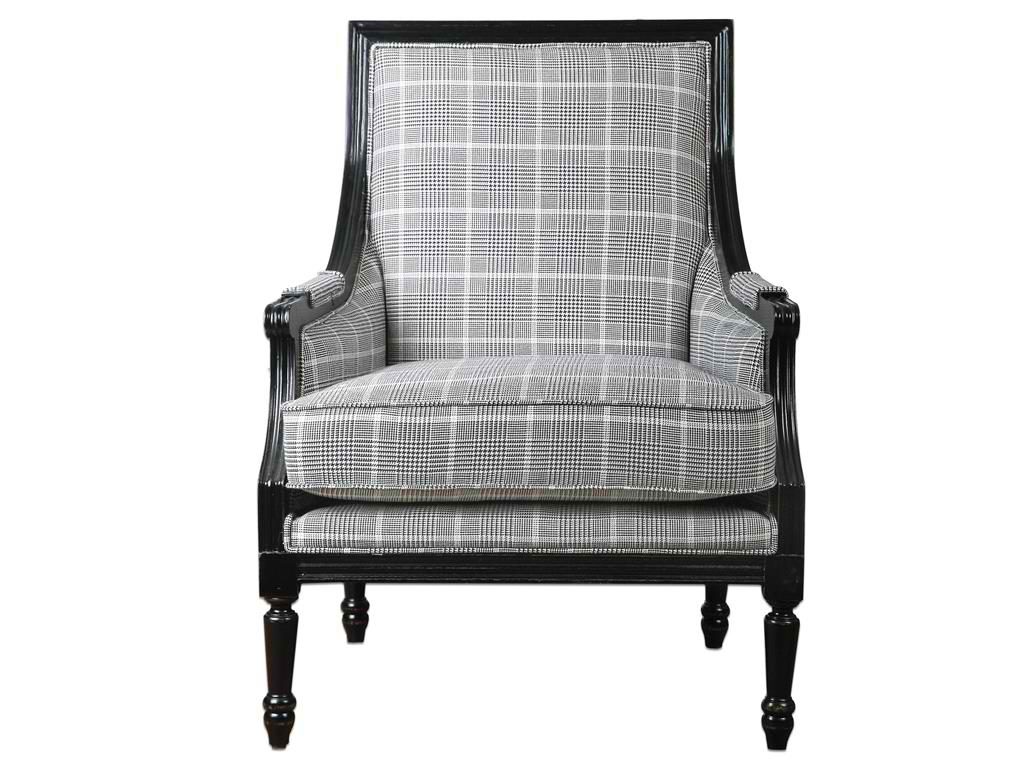
Living Room Uttermost Scott Wood Frame Armchair 23233
Plaid can be one or many things. It is the symbol of fashion or the epitome of pattern. Fashion designers all over the world adore the crossed patterns of plaid. It is preppy, it can also be punk. One thing is certain about plaid – it is popular and it has a rich history that other design materials would be envious of.
Plaid in the 1500s
You could tell the difference between tartan and plaid, right? The former refers to special cloth patterns often seen in Scottish clans. Different patterns represent different geographical regions or clans. Plaid, on the other hand, was mainly a Celtic kilt or a blanket. Eventually, plaid became popular with the British and Americans. They created a pattern that looked pretty much like tartan but is not quite like it.
Records from 1538 showed royalty showing much appreciation for this pattern. King James V even gave plaid gifts to his wife.
Plaid in the 1700s
Tartan was prohibited in Britain in the 18th century because it was associated with the Scottish Rebellion of 1745. This print did not show up till 1782 where plaid became legal. It soon became a staple pattern on some formal occasions.
Plaid and the Lumberjack Tradition
From Europe, plaid became popular in the U.S. Buffalo plaid started in the 1850s with the distinctive red and black checks becoming a staple among lumberjacks.
Plaid shirt then was mass-produced by Pendleton back in 1924. It soon became a casual wear and in 1936, a winter essential.
1970s Plaid
Decades after, plaid enjoyed enormous popularity. It returned to its rebellious origins, though, during the ‘70s. During this era, plaid was used in suits as well as interior design. Queen Elizabeth II popularized the Royal Stewart Tartan and, pretty soon, the pattern became a prevalent monarchial look.
1980s Plaid
This decade showed the most interesting development in plaid. The preppy look began where movie stars and even Princess Diana took notice. Almost all public figures had their own piece or two of this interesting fabric in their closets.
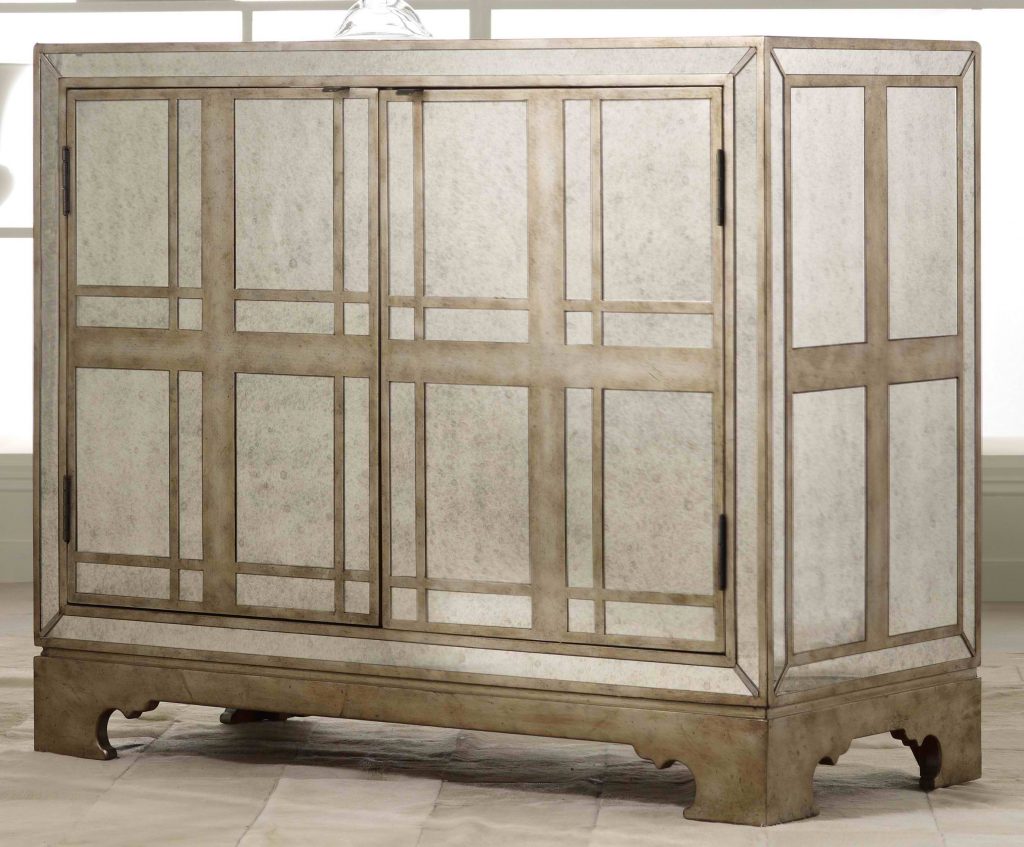
Hooker Furniture Living Room Melange Mirrored Plaid Chest 638-85054: Who says plaid should only be seen on fabrics?
Plaid Furniture
It was no surprise that plaid became a staple piece in furniture, too. The cozy and crisp look of this pattern provided the perfect covering for love seats, sofas, couches, and other living room and bedroom furniture.
Plaid is a strong pattern so it might also present some decorative restrictions. This should not stop you from design possibilities, though. You could begin with paint chips which match all the colors on your plaid-covered furniture. Lay out these chips together with the fabric sample then carefully examine by taking a step back.
Plaid works best with neutrals such as tan, gray, cream, black, brown or white. You can use this combination if you want to be on the safe side. This means putting plaid-upholstered couch right on top of polished wood flooring.
Plaid isn’t just red and black, though. It could also be that blue and white crispiness which can match well with glass lamps, warm tones of wood, sea grass matting, gold, copper, and just about any warm-colored metals.
Plaid can also provide the necessary basis for your color selection. There are two or three-colored plaids in the market. This means you can choose from two or three colors from which your overall color scheme would come.
Plaid could also spell mixed patterns for the rest of your décor. This is a great way to update the look of your home. Don’t just over mix. Use substantial amounts of block colors then just carefully add the plaid patterns.
Tartan-style plaid can present you with challenges if you over-analyze the colors that it offers – black, yellow, ivory, burgundy and dark royal blue. This complex plaid should be balanced with neutral walls or woodwork.
Enjoy plaid. It offers so many design opportunities which you can use in your home.
Tags: 14th century, 16th century, 1970s, fabric, fabric choices, fabric options, history, McCreerys, McCreerys Home Furnishings, plaid, plaid fabric, seating fabrics, sofa fabric, tips, upholstery
Posted in Accents, Interior Design 101, Interior Design Themes | No Comments »
Monday, February 1st, 2016
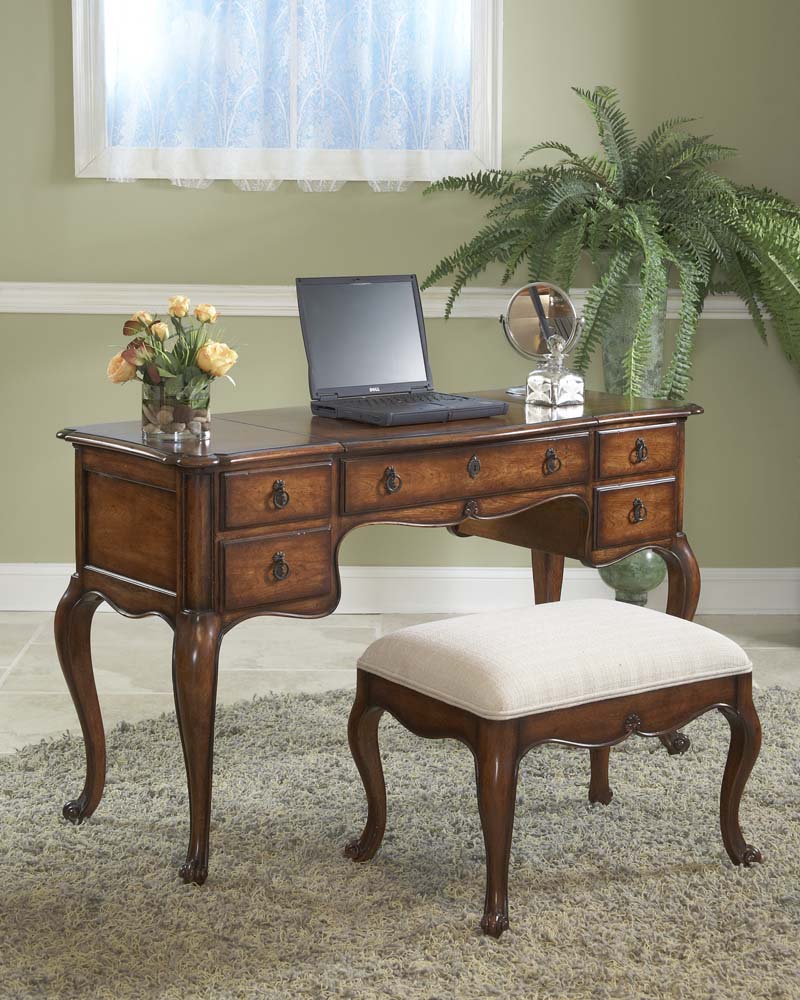
This lovely Hooker Furniture Living Room Melange Gianna Chest 638-50066 fuses the Old World and the New in a seamless manner.
The Tudor monarchs, according to history, were able to bring comparative peace and prosperity throughout England, Ireland and Wales. The wealth of many landowners was invested in buildings. Theirs was a moment of cultural bursts and classical architecture revival for Italian style. The Tudor style is a class of its own.
Europeans had a moment when gothic was at the center of their style. The perpendicular style has broken away from all this. The Tudors were the ones who developed fan vaulting (evident in the Gloucester Cathedral cloisters).
Now let’s go to a dating feature known as the Tudor Rose. This is a red rose badge with a white rose badge within. This signified the union of Henry VII to Edward IV’s daughter. This is now a decorative piece that is used to signify posh and sophistication to the highest levels.
Renaissance features can also be seen inside Tudor dwellings. These features are confined to the wealthy and the elite members of society then. Henry enthusiastically built Italianate motifs.
Then came Elizabethan homes where old homes were torn down only to be built anew. Most homeowners were then yearning for improvement as that was the great period of building. If you have ever seen those narrow yet all townhouses complete with borough walls, then these are the homes of artisans and merchants who built their homes slowly through the years.
Homes of the wealthiest members of the society are often built with huge windows and decorative chimneys. Glass was then used in Elizabethan homes with glittering glazing designs. The most elaborate fireplaces are set up and ceilings were slowly decorated with strapwork.
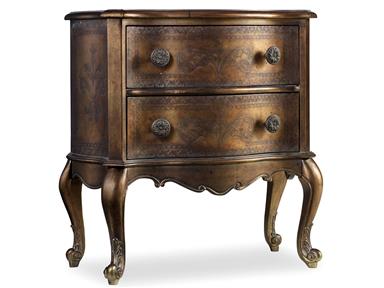
Hooker Furniture Living Room Melange Gianna Chest 638-50066 comes with a feminine pair of cabriole legs but with a masculine Old World design.
Tudor Is Symmetry
Symmetrical plans will always be favored in Tudor settings. Otherwise, Renaissance in classical details appears so then you can find fireplace, doors, and columns. Round-headed arches and niches together with all the other features of Tudor style were revived during the Victorian period.
Tudor may be an old fashioned style but it can become a part of modern living, too. The styles come originally from the UK during the 15th to the 16th centuries and are now a huge part of tourist attractions.
Genuine Tudor design can now be recreated but your place doesn’t have to look like a tourist spot, though. Only a few are lucky to live inside a genuine Tudor dwelling so for the rest of the world, repros are the answers.
Mock Tudor generally refers to black and white semi timbering on the facade of buildings. Interior design, however, is much more distinct. If you are careful enough in making your design decisions, then you can even recreate the Medieval era of trade, arts, crafts and intellectual awakening right inside your home.
There is no architectural detail that is more recognizable under the Tudor style than the iconic half timber structures. The exterior of homes can be laden with stucco, wood or stone. Imitate this same style by exposing the very structure of your home.
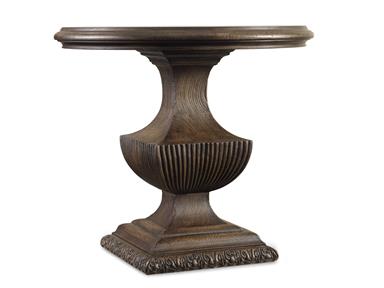
Hooker Furniture Bedroom Rhapsody Urn Pedestal Nightstand 5070-90015 comes with classic designs and a rustic finish.
Gable roofs are also common which give the homes their gingerbread appeal. Modern-day Tudor replicates the genuine Tudor Dynasty through architecture and interior design revivals. If you haven’t yet, you should install tall, narrow windows with small panes. Modern day cladding is acceptable such as flagstone, brick and stucco.
As for the outdoor landscaping, be sure to have manicured hedges, brick walkways, fencing and pool houses. These amenities should set you apart from the neighbors but in a nice way.
The Old World style can also be brought inside the kitchen through wrought iron and wood combinations in furniture pieces. Custom islands and wrought-iron lighting fixtures are also a huge part of Tudor interiors.
Are you ready to take on Tudor design, a unique style right inside your home?
Tags: 16th century, classic, classic design, classic home, classic interior design, classic interiors, classic style, classical design, designing based on culture, designing with glass, European interior design, European interiors, European style, fireplace, glamour, glass, glazing, Italian style, McCreerys, McCreerys Home Furnishings, old home, old homes, revival, symmetry, traditional, traditional interior design, traditional interiors, traditional style, traditional theme, Tudor, Tudor architecture, Tudor design, Tudor furniture, Tudor interior design, Tudor interiors, vaulted ceiling, Victorian, Victorian interiors, Victorian style
Posted in Interior Design 101, Interior Design Elements, Interior Design Themes | No Comments »
Follow us on our social media


© McCreery's Home Furnishings | All Rights Reserved | Privacy Policy
