- Follow us:


Wednesday, May 3rd, 2017
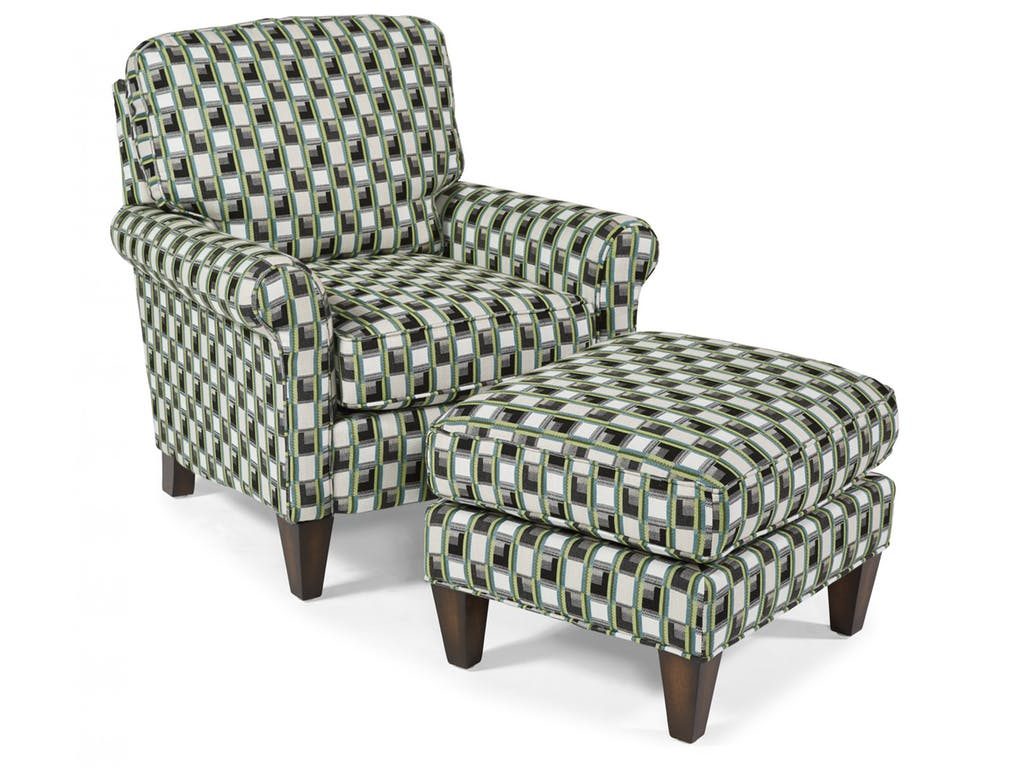
The Flexsteel Living Room Fabric Ottoman 009C-08 comes with the durable Sunbrella fabric. This statement piece will surely turn heads.ces,
Indeed, a new sofa or chair is a kind of investment. And since it is an investment of sorts, you do not want to second-guess with the material and how it will eventually stand the rigors of day-to-day living. Pick the wrong material and you would be left with permanent stains and snags. Pick the wrong pattern or color and your interior design theme could suffer.
When shopping for upholstery fabric, do not forget to consider your practical needs. Think of your lifestyle and how the piece will be used. These should help you in picking the right material for your seating unit.
Kids and Your Furry Buddies
Wouldn’t it be tragic if you had the loveliest looking sofa and yet you cannot even allow you small kids to sit in it? The great news these days is that there are now plenty of options for upholstery materials. You don’t even have to choose between durability and aesthetics.
Microfiber is awesome for cleaning spilt liquids. It could fade, though, depending on what color you chose. Consider also if the feel of microfiber is something that you would want for years. For an even more durable fabric, choose the basket weave type as it rarely snags.
For people who have kids, pets and for those who love red wine, you can go for faux suede or the weather-resistant Sunbrella fabric.
The Sunbrella fabric is made with UV-stabilized pigments to deliver the most vibrant hues that will not fade. This means that your sofa or upholstered chair remains beautiful throughout the years. It is also very easy to clean.
Sunbrella fabrics also have a wide selection of sophisticated designs and rich textures. This fabric is so durable that it offers a five-year limited warranty.
Pick from our Sunbrella options.
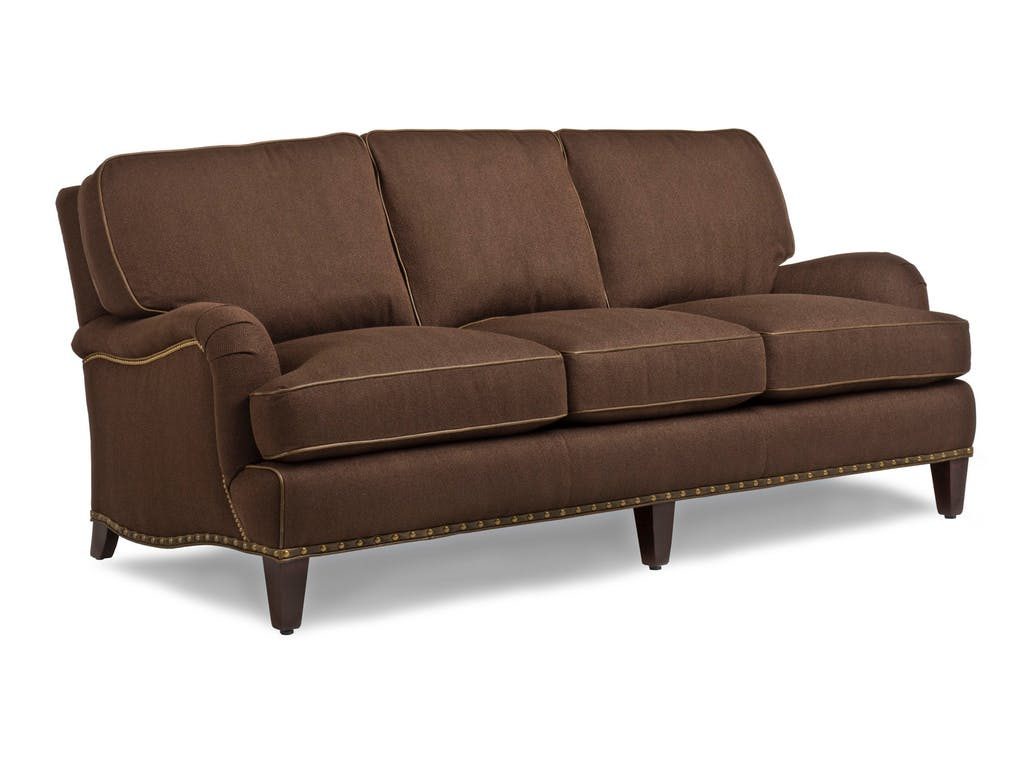
Hancock and Moore Living Room Bradley Sofa 5378
Chic and Luxurious
For people who aren’t worried about kids and pets ruining the upholstery, then you are free to flaunt your chosen luxurious fabric. You can say yes to Tibetan wool, even Belgian linen. Linen is durable but just make sure that you pick the darker colors so that you won’t have to worry too much about stains.
Look Beyond Now
A huge mistake that a lot of people make is that they do not even stop to consider that leather and fabric could age over time. Review the label then ask questions when you visit the showroom. Find out about the fabric material and its maintenance requirements.
Having the answers to these questions, you can then prepare for the maintenance that the sofa or chair requires. Think also, will you still love leather beyond five years? Leather, after all, develops a patina brought about by day-to-day exposure. Are you ready to vacuum regularly and to close the drapes religiously when you go out?
If you’re not ready to go take on these responsibilities, then you can just choose a small piece for now – such as a statement chair. This piece has to have bold patterns and an interesting shade so that eyes will automatically go towards it.
Style vs. Durability
The importance of style and durability when it comes to fabrics is that they can make or break your sofa choice.
Be sure to choose a fabric that complements your home’s design as well as the furniture that you already have. Your choice must be in harmony with the rest of the design elements – you wouldn’t want to be caught with a contemporary piece in your traditional home.
As to durability, know that woven patterns are best as they tend to hold longer with their higher thread counts. Be sure also to choose a fabric based on who will use the seating unit more often.
Tags: fabric, fabric choices, fabric options, McCreerys, McCreerys Home Furnishings, seating fabrics, upholstery
Posted in Furniture, Interior Design 101, Interior Design Elements | Comments Off on Upholstery Fabric – Make the Right Investment
Wednesday, December 7th, 2016
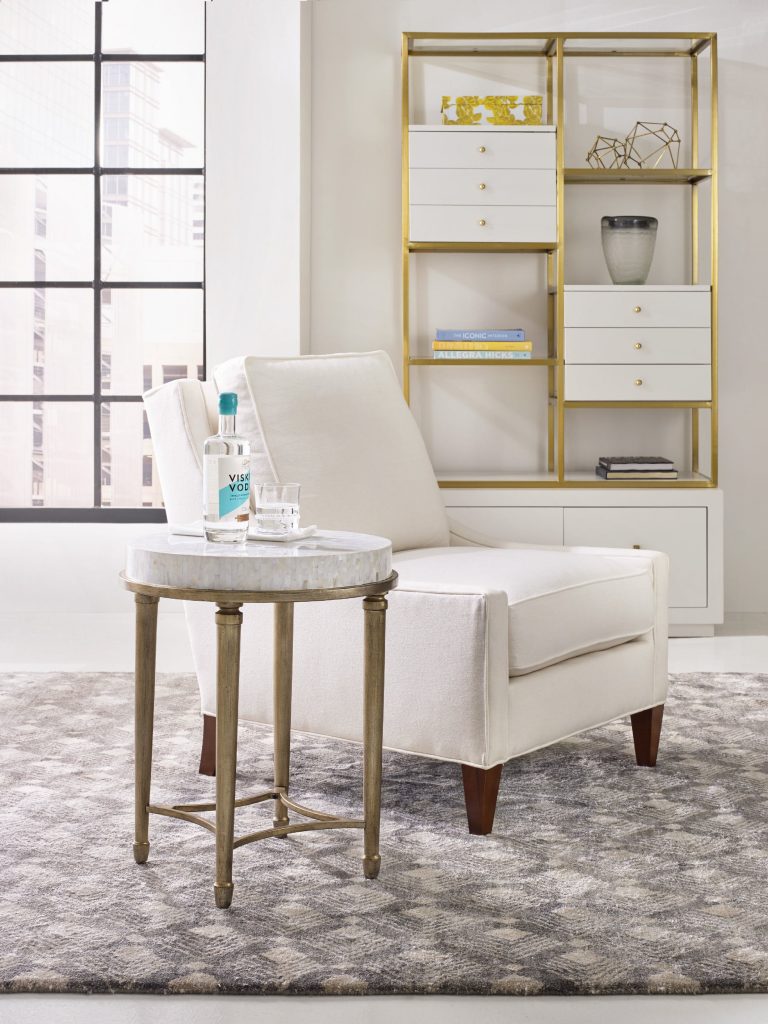
CYNTHIA ROWLEY FOR HOOKER FURNITURE DELANCEY CLUB CHAIR
Creating a cohesive habitat is sometimes as simple as picking the right textiles and learning how to combine them with patterns, colors, and the overall design movement. This can be tricky if it’s your first time and you still have no idea which design elements to fuse.
Let’s look at some awesome textile schemes –
Experiment with Patterns, Pair the Colors
Don’t be afraid to mix up various patterns while you stick to similar colors or tones for your home. Dots, stripes, and other such lively patterns could actually be used together if you’ll have them in the same color palette.
Choose Appropriate Fabrics
Learn about association and the feel of the fabric so you can pick the most suitable one for a specific room or design theme. For instance, damask on suede is considered gothic and opulent so this is great for a home that has a Gothic or Victorian theme. Plain cotton, on the other hand, is simpler and is more suitable inside a country kitchen.
Let the Textile Shine
Well, not literally – this only means that you have to allow the textiles to take center stage. Bold colors can easily become the visual feature of any room. This can work well in any dull-looking space. To optimize the beauty of your colorful textiles, be sure to have them isolated in a single area.
You may also come to a point when you think you’ve found a lovely fabric only to be left with zero ideas on how to use it. If this is the case, just think of the textile design as a probable color scheme. You can use the colors on the fabric to design your interiors. In essence, you can make textiles as your inspirational design pieces.
Learn Scaling
Whether you are about to furnish a large or a small home, you can always depend on textile patterns to balance the elements in rooms. Remember that the bigger the scale patterns, the more that they will have a shrinking effect. The smaller ones, on the other hand, will have a visually enlarging effect on your space.
Be Able to Differentiate Fabric Types
Fabrics have characteristics, too. Knowing these will help you become more successful in designing the interiors of your home.
Let’s say you’re interested in using cotton fabrics; know that cotton is best used on furniture cover, draperies, table linens and pillow covers. Cotton is breathable which is why it is a common choice. Find the stain resistant variety for rooms such as the kitchen and the dining area.
Velvet is a luxurious fabric that offers a formal appearance. There are many colors to choose from if you’re thinking of using it on your upholstered sofa or chairs. Silk is also a luxurious textile but it is more fragile than velvet. It is best used on draperies and pillows. Don’t use this fabric in a room that’s often sun-drenched.
Nylon and polyester look just like natural fibers depending on how expertly they were woven. The sheer variety is great for draperies while the thicker ones can be used to resemble leather, snake skin, suede or straw.
Acrylic is a synthetic fiber that is best known for its softness. It looks just like wool but it is resistant to sunlight and would not shrink. This is a great choice for upholstery, slipcovers, bedding and as decorative pillow cases.
‘Ever considered denim? Give it a shot – it is durable plus it offers a casual look that’s best for family rooms and children’s rooms. Activity areas will also look more interesting with this fabric more so if you fuse other colors in such as red or black.
Tags: McCreerys, McCreerys Home Furnishings, textiles, upholstery
Posted in Interior Design 101, Interior Design Elements | No Comments »
Wednesday, October 12th, 2016
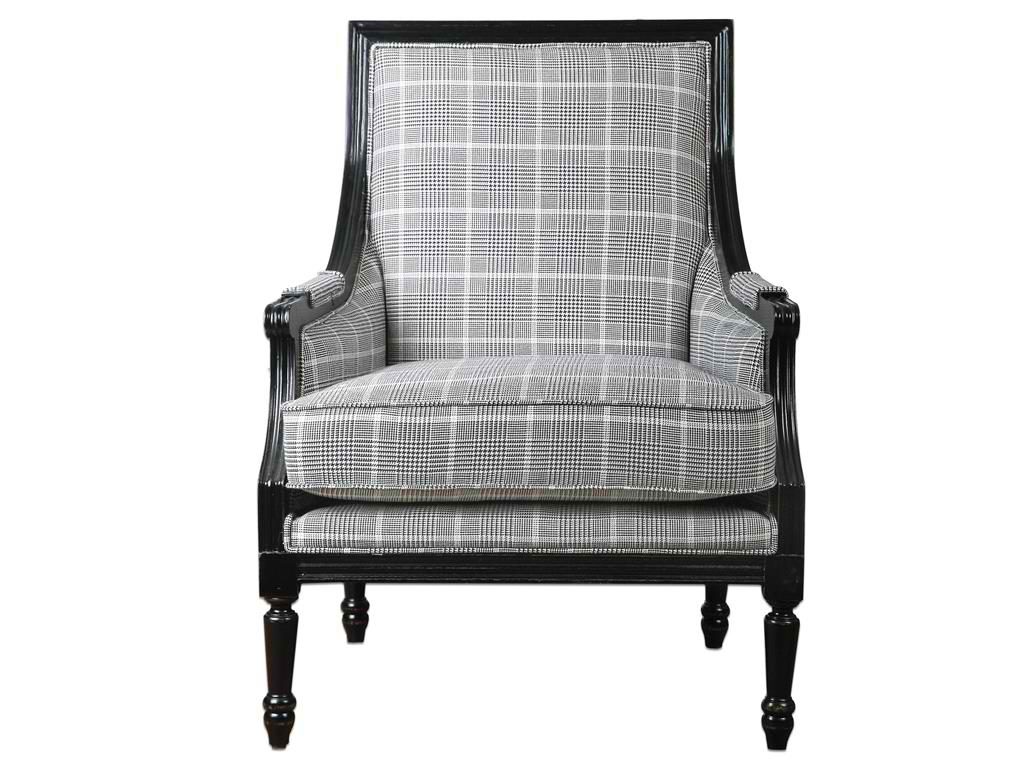
Living Room Uttermost Scott Wood Frame Armchair 23233
Plaid can be one or many things. It is the symbol of fashion or the epitome of pattern. Fashion designers all over the world adore the crossed patterns of plaid. It is preppy, it can also be punk. One thing is certain about plaid – it is popular and it has a rich history that other design materials would be envious of.
Plaid in the 1500s
You could tell the difference between tartan and plaid, right? The former refers to special cloth patterns often seen in Scottish clans. Different patterns represent different geographical regions or clans. Plaid, on the other hand, was mainly a Celtic kilt or a blanket. Eventually, plaid became popular with the British and Americans. They created a pattern that looked pretty much like tartan but is not quite like it.
Records from 1538 showed royalty showing much appreciation for this pattern. King James V even gave plaid gifts to his wife.
Plaid in the 1700s
Tartan was prohibited in Britain in the 18th century because it was associated with the Scottish Rebellion of 1745. This print did not show up till 1782 where plaid became legal. It soon became a staple pattern on some formal occasions.
Plaid and the Lumberjack Tradition
From Europe, plaid became popular in the U.S. Buffalo plaid started in the 1850s with the distinctive red and black checks becoming a staple among lumberjacks.
Plaid shirt then was mass-produced by Pendleton back in 1924. It soon became a casual wear and in 1936, a winter essential.
1970s Plaid
Decades after, plaid enjoyed enormous popularity. It returned to its rebellious origins, though, during the ‘70s. During this era, plaid was used in suits as well as interior design. Queen Elizabeth II popularized the Royal Stewart Tartan and, pretty soon, the pattern became a prevalent monarchial look.
1980s Plaid
This decade showed the most interesting development in plaid. The preppy look began where movie stars and even Princess Diana took notice. Almost all public figures had their own piece or two of this interesting fabric in their closets.
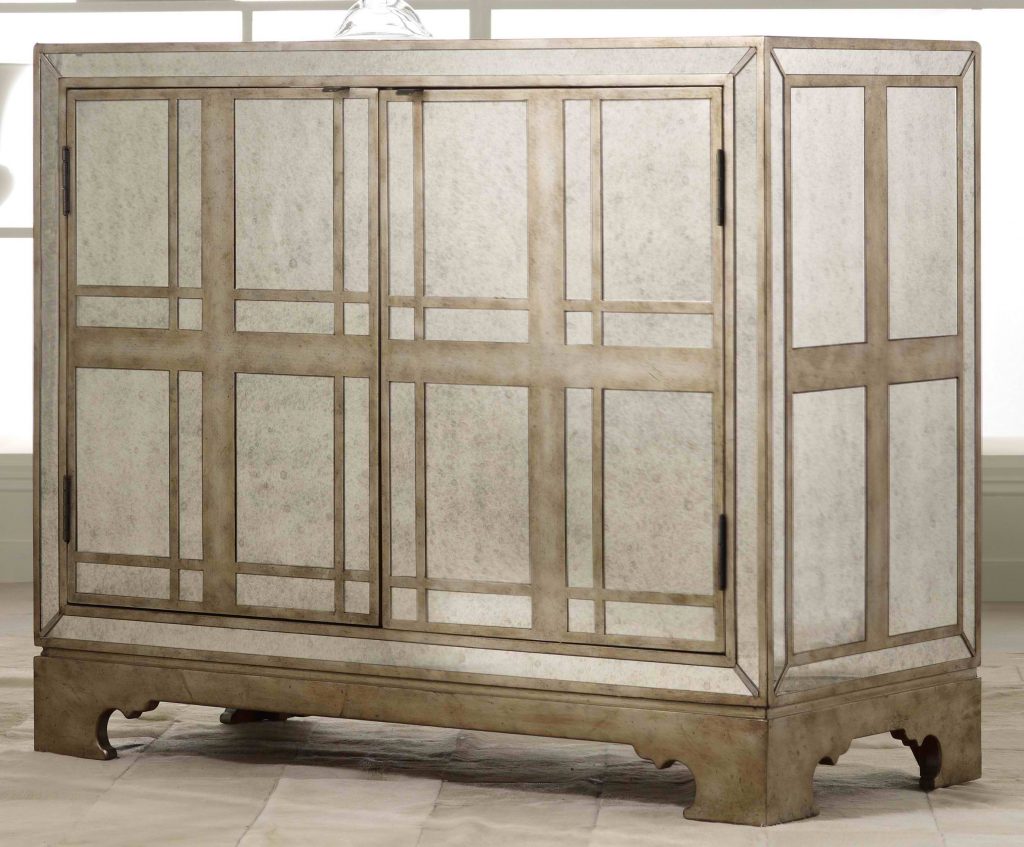
Hooker Furniture Living Room Melange Mirrored Plaid Chest 638-85054: Who says plaid should only be seen on fabrics?
Plaid Furniture
It was no surprise that plaid became a staple piece in furniture, too. The cozy and crisp look of this pattern provided the perfect covering for love seats, sofas, couches, and other living room and bedroom furniture.
Plaid is a strong pattern so it might also present some decorative restrictions. This should not stop you from design possibilities, though. You could begin with paint chips which match all the colors on your plaid-covered furniture. Lay out these chips together with the fabric sample then carefully examine by taking a step back.
Plaid works best with neutrals such as tan, gray, cream, black, brown or white. You can use this combination if you want to be on the safe side. This means putting plaid-upholstered couch right on top of polished wood flooring.
Plaid isn’t just red and black, though. It could also be that blue and white crispiness which can match well with glass lamps, warm tones of wood, sea grass matting, gold, copper, and just about any warm-colored metals.
Plaid can also provide the necessary basis for your color selection. There are two or three-colored plaids in the market. This means you can choose from two or three colors from which your overall color scheme would come.
Plaid could also spell mixed patterns for the rest of your décor. This is a great way to update the look of your home. Don’t just over mix. Use substantial amounts of block colors then just carefully add the plaid patterns.
Tartan-style plaid can present you with challenges if you over-analyze the colors that it offers – black, yellow, ivory, burgundy and dark royal blue. This complex plaid should be balanced with neutral walls or woodwork.
Enjoy plaid. It offers so many design opportunities which you can use in your home.
Tags: 14th century, 16th century, 1970s, fabric, fabric choices, fabric options, history, McCreerys, McCreerys Home Furnishings, plaid, plaid fabric, seating fabrics, sofa fabric, tips, upholstery
Posted in Accents, Interior Design 101, Interior Design Themes | No Comments »
Follow us on our social media


© McCreery's Home Furnishings | All Rights Reserved | Privacy Policy
