- Follow us:


Friday, May 19th, 2017
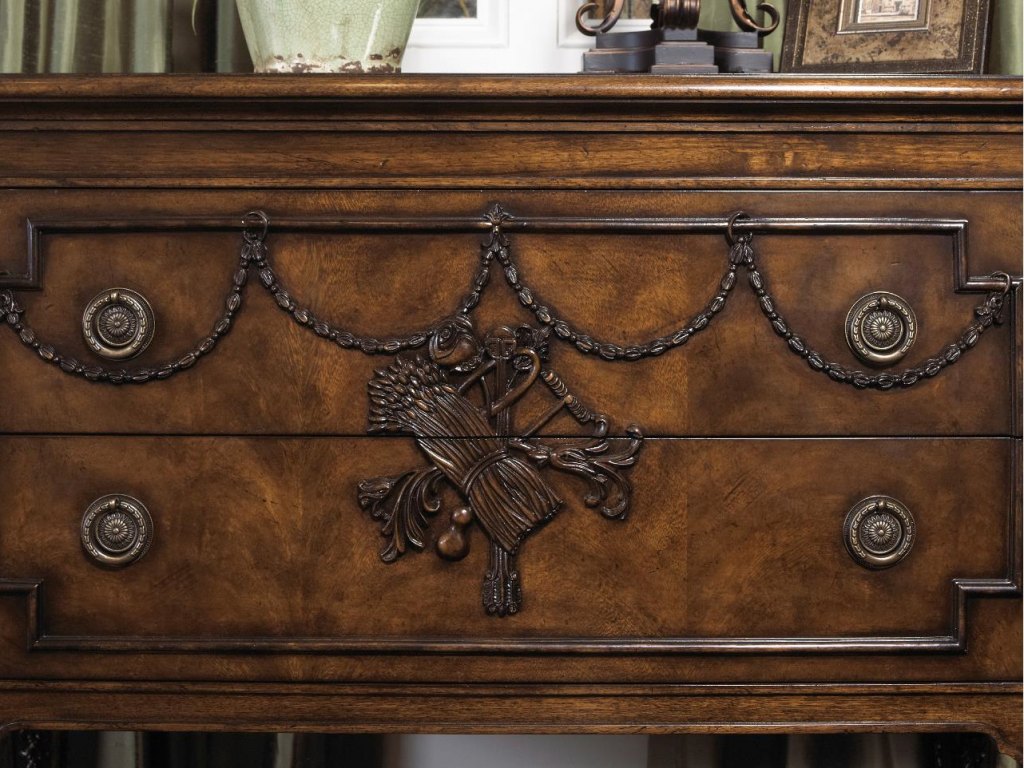
The Belvedere Chest
One of the few materials used by humankind is wood. Since this is so, woodworking history is a bit more difficult to trace. In the earliest days, wood was just used for tools as well as weapons. Later on, even instruments were being made out of wood. Even the roughest forms of furniture were made of wood which is a far cry from the earliest stone furniture pieces.
Tracing the History of Wooden Furniture
It was not till 3,000 BC that the Ancient Egyptians started using wood in order to create furniture, though. Chairs, beds and tables were soon made with the most ornate designs. Some were even preserved up to our time as is evidenced by the furniture found in tombs for royalty.
Approximately 2000 BC, the Greeks were able to pick up. They also began using wood in creating their furniture pieces. Though the Greek types weren’t as ornate. Theirs had boxy frames so this says a lot about the influence that Ancient Egyptians have had with regard to their furniture framework.
As their furniture making developed, the Greeks began showing different designs. The pieces became less rectangular, thus, less stiff. They soon made furniture that was more apt to the shape of the human body, taking into consideration the curves and gentle lines of the human form. Rounded edges also became the new style to beat.
From 500-1450 AD or the Medieval times, wood furniture pieces turned out to be starker. The pieces were boxy and squarish, much like the earlier furniture. While the framework wasn’t too exciting, it was the furniture’s intricate and decorative carvings that made a whole lot of difference.
The Renaissance paved the way to a whole new level of furniture design. Art was at an all-time high especially during 1350 to 1550 AD. The furniture pieces showed a lot of curvature in their frames. Floral designs and scroll carvings were also born.
The Wooden Furniture in the U.S.
By 1500 to 1754 AD, wood furniture pieces have already reached the U.S. This was not surprising as new settlers were also pouring in during that time. Known as colonial furniture, these pieces came from different parts of the world from France, Great Britain and Spain. Their styles varied just slightly and there was also still a lot of curvature but less than the carvings seen during the Renaissance, the Medieval era and the Ancient Egyptian furniture phase.

Hooker Furniture Bedroom Vintage West California King Wood Panel Bed features lovely carvings on its headboard.
Woodworking: The Modern Times
Between the time when wooden furniture reached the U.S. and today, furniture making has really gone a long way. Throughout the Rococo period, the furniture pieces became ornate once more. These pieces were not just simple furniture anymore. These were also considered as a form of art. In fact, even up to today, they are still art pieces in the sight of many.
Still later, more and more furniture have been manufactured. Pretty soon, furniture making was being done in bulk, with more and more houses investing in wooden pieces. These were able to follow the trends of every new period. Even home decorating has become renowned.
Bauhaus and Art Deco were born and modern, wooden furniture has become less pricey and more accessible. Through the years, more and more mass-produced pieces were created. While this is so, people still look for the same things in furniture – they should be sturdy and beautiful. Some even look for those that they can pass on to their descendants.
At McCreery’s Home Furnishings, we offer only the best, most durable and stylish furniture that will surely stand the test of time. And our promise is this – our furniture will surely not disappoint.
Tags: history of wood carvings, history of wood furniture, McCreerys, McCreerys Home Furnishings, wood furniture, wooden furniture
Posted in Furniture, Interior Design 101, Interior Design Elements | Comments Off on Furniture Wood Carving: Traveling in Time
Wednesday, August 17th, 2016
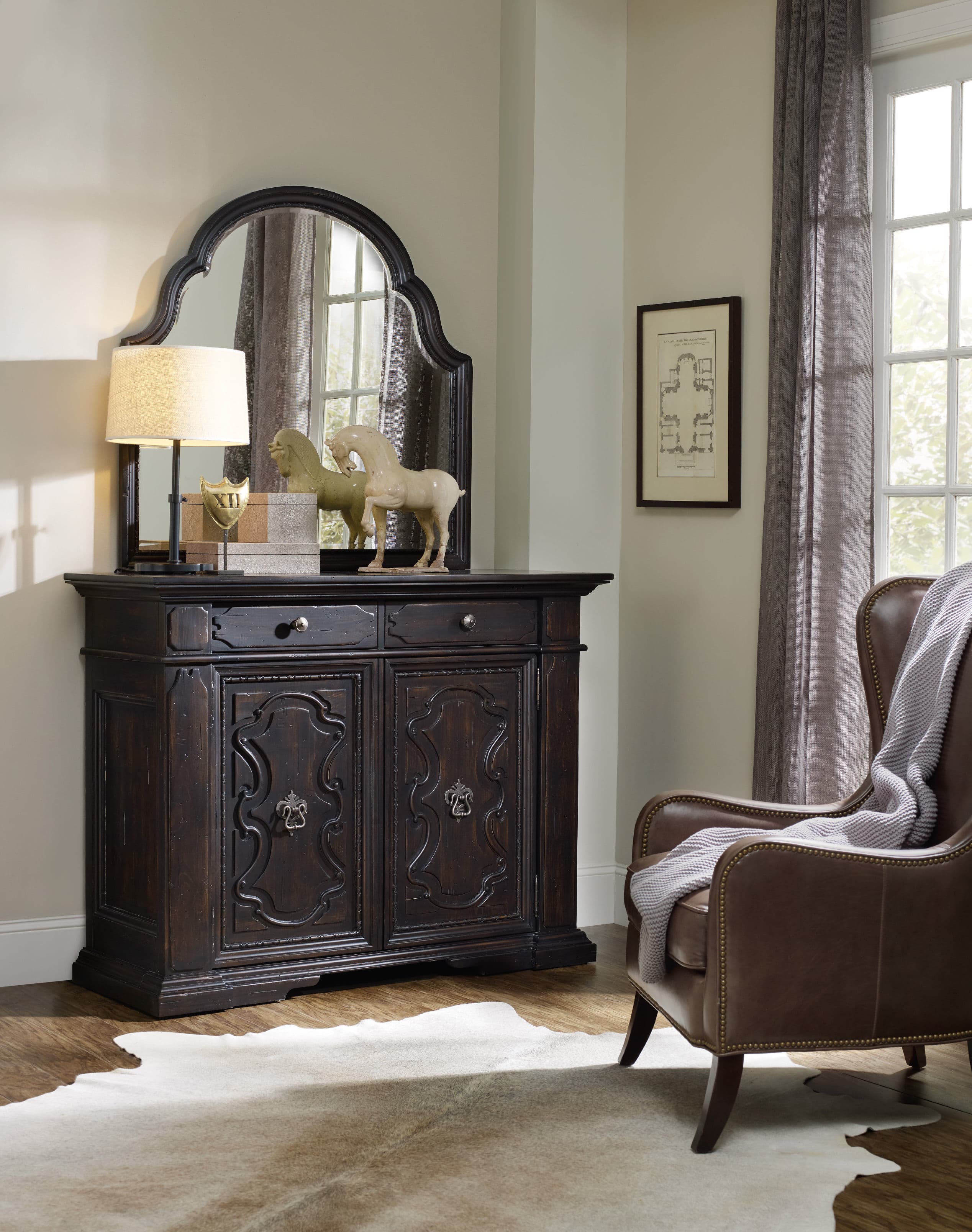
Hooker Furniture Bedroom Treviso Bureau
Wood carving has been around long enough to be considered as old as man. Man has always been fascinated in carving wood. There are records of wooden tools being used by some of the earliest known men.
Wood has been used as a walking stick and even as a club. A rock tied to a wooden stick can already be used as a hammer. Woodcarving probably began as a pastime and so the history of furniture woodcarving was finally born.
Woodcarving – A Glimpse at History
Wood is one of the materials that are guaranteed to withstand the test of time so long as you know how to take care of them. Woodcarvings should be protected if you want them to endure.
When compared with sculptures or stone carvings, woodcarvings need more protection and care. Wood must be protected against insects and the harsh elements. There are regions where conditions are more favorable to furniture with woodcarving. An example of this perfect weather condition is in Egypt.
Wood is plentiful in Egypt. Acacia and Sycamore were both scarcely available there yet the people used them for woodcarving. These two are the most suitable wood that they could use and are even considered sacred. Almost every nation in the world practices woodcarving yet the beauty of preserved carvings were explicitly preserved in Egypt.
The Bible – the most read book in the world – even records woodcarving in many of its accounts.
The Dark Ages recorded woodcarving being both popular and unpopular. European nations confined woodcarving to monasteries. It was believed that the monasteries were the only safe places to practice this work of art.
Barbaric acts have been widely practiced during these times. From 700-900 A.D., the creation of images were forbidden in a few parts of Europe. Such images included paintings and woodcarvings.
Woodcarving was done by artists who copied Roman pagan emblems, symbols and sculptures. Majority of these artists went to other parts of Europe so that they could be employed by monasteries that were looking for craftsmen.
Woodcarving done in monasteries composed of relief carvings found on wooden panels and doors. These were quite similar from one monastery to the next. This only means that the carvers traveled from one monastery to the next as they practiced their trade.
After the Dark Ages, thousands of artists were freed and they began to create more carvings. Woodcarvers were highly influenced by the stone carvings. This was also the case with English carvings though theirs were more on decorative carvings rather than statues. Carvings were also found in Norway and Denmark.
Hundreds of years later, Scandinavian woodcarving artists were also influenced by the stone carvings from England. Visit Old English churches and you would surely find carvings done between 1000-1200 A.D. The carvings were protected from harsh elements which was why they were able to survive to this day.
A lot of wood carvings have been destroyed because of neglect, some intentionally and some by acts against churches and wars. The replacement of old carvings eventually erased what were originally found in those chapels. These improvements now conceal the beauty of the original works.
Centuries have since passed and woodcarvings have undergone a lot of changes. Man is no longer just carving with a single knife but has full access to the best carving tools. While changes have occurred through the centuries, woodcarving hasn’t died. For as long as there is wood, there would always be wood carvings.
Many other records from different nations show how woodcarvings have developed through the years. Look around you; there are also woodcarvings in furniture. Bring home one today!
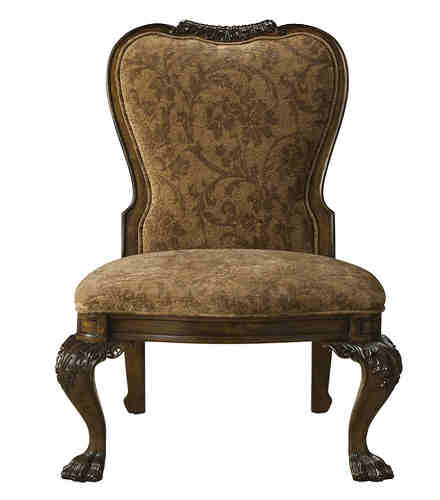
This lovely piece comes from FFDM’s Belvedere Collection.
Tags: carving, furniture woodcarving, history, history of wood carvings, McCreerys, McCreerys Home Furnishings, wood, wood elements, woodcarving, woodcarving on furniture, wooden, wooden elements
Posted in Furniture, Interior Design 101, Interior Design Elements | No Comments »
Follow us on our social media


© McCreery's Home Furnishings | All Rights Reserved | Privacy Policy
