- Follow us:


Monday, February 1st, 2016
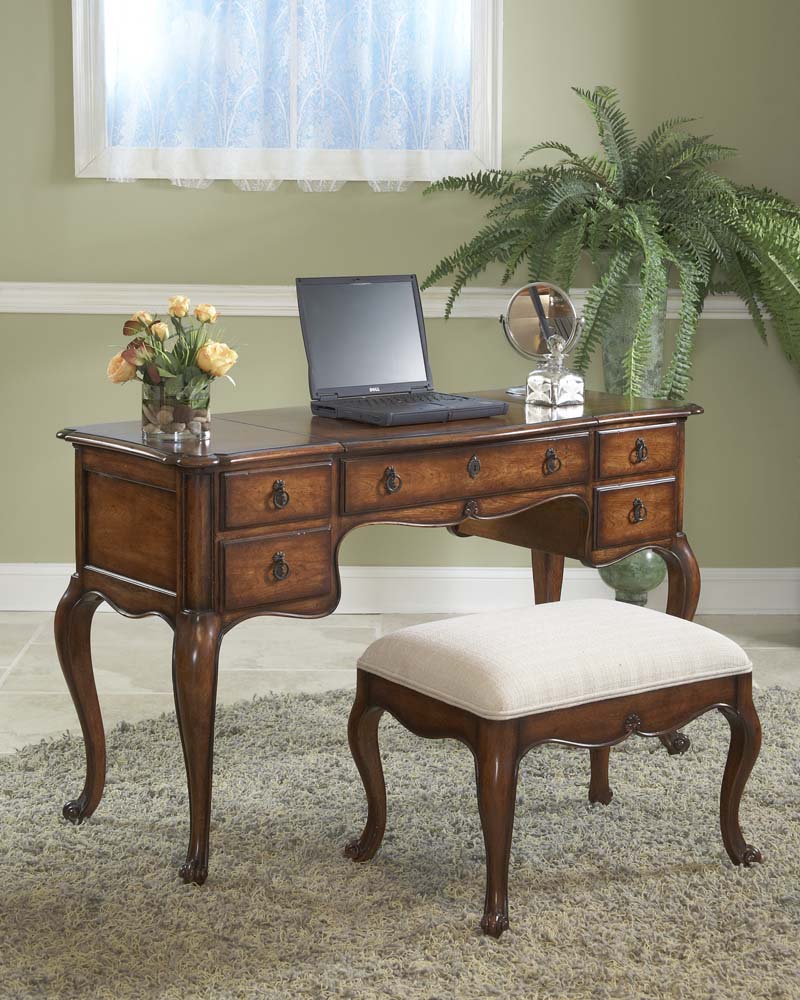
This lovely Hooker Furniture Living Room Melange Gianna Chest 638-50066 fuses the Old World and the New in a seamless manner.
The Tudor monarchs, according to history, were able to bring comparative peace and prosperity throughout England, Ireland and Wales. The wealth of many landowners was invested in buildings. Theirs was a moment of cultural bursts and classical architecture revival for Italian style. The Tudor style is a class of its own.
Europeans had a moment when gothic was at the center of their style. The perpendicular style has broken away from all this. The Tudors were the ones who developed fan vaulting (evident in the Gloucester Cathedral cloisters).
Now let’s go to a dating feature known as the Tudor Rose. This is a red rose badge with a white rose badge within. This signified the union of Henry VII to Edward IV’s daughter. This is now a decorative piece that is used to signify posh and sophistication to the highest levels.
Renaissance features can also be seen inside Tudor dwellings. These features are confined to the wealthy and the elite members of society then. Henry enthusiastically built Italianate motifs.
Then came Elizabethan homes where old homes were torn down only to be built anew. Most homeowners were then yearning for improvement as that was the great period of building. If you have ever seen those narrow yet all townhouses complete with borough walls, then these are the homes of artisans and merchants who built their homes slowly through the years.
Homes of the wealthiest members of the society are often built with huge windows and decorative chimneys. Glass was then used in Elizabethan homes with glittering glazing designs. The most elaborate fireplaces are set up and ceilings were slowly decorated with strapwork.
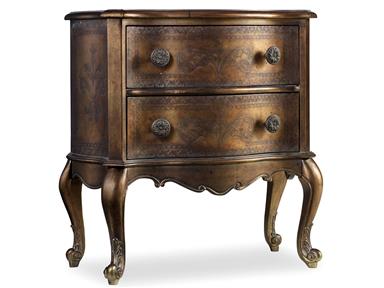
Hooker Furniture Living Room Melange Gianna Chest 638-50066 comes with a feminine pair of cabriole legs but with a masculine Old World design.
Tudor Is Symmetry
Symmetrical plans will always be favored in Tudor settings. Otherwise, Renaissance in classical details appears so then you can find fireplace, doors, and columns. Round-headed arches and niches together with all the other features of Tudor style were revived during the Victorian period.
Tudor may be an old fashioned style but it can become a part of modern living, too. The styles come originally from the UK during the 15th to the 16th centuries and are now a huge part of tourist attractions.
Genuine Tudor design can now be recreated but your place doesn’t have to look like a tourist spot, though. Only a few are lucky to live inside a genuine Tudor dwelling so for the rest of the world, repros are the answers.
Mock Tudor generally refers to black and white semi timbering on the facade of buildings. Interior design, however, is much more distinct. If you are careful enough in making your design decisions, then you can even recreate the Medieval era of trade, arts, crafts and intellectual awakening right inside your home.
There is no architectural detail that is more recognizable under the Tudor style than the iconic half timber structures. The exterior of homes can be laden with stucco, wood or stone. Imitate this same style by exposing the very structure of your home.
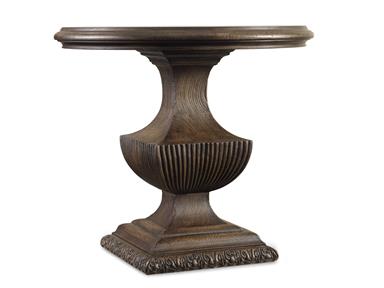
Hooker Furniture Bedroom Rhapsody Urn Pedestal Nightstand 5070-90015 comes with classic designs and a rustic finish.
Gable roofs are also common which give the homes their gingerbread appeal. Modern-day Tudor replicates the genuine Tudor Dynasty through architecture and interior design revivals. If you haven’t yet, you should install tall, narrow windows with small panes. Modern day cladding is acceptable such as flagstone, brick and stucco.
As for the outdoor landscaping, be sure to have manicured hedges, brick walkways, fencing and pool houses. These amenities should set you apart from the neighbors but in a nice way.
The Old World style can also be brought inside the kitchen through wrought iron and wood combinations in furniture pieces. Custom islands and wrought-iron lighting fixtures are also a huge part of Tudor interiors.
Are you ready to take on Tudor design, a unique style right inside your home?
Tags: 16th century, classic, classic design, classic home, classic interior design, classic interiors, classic style, classical design, designing based on culture, designing with glass, European interior design, European interiors, European style, fireplace, glamour, glass, glazing, Italian style, McCreerys, McCreerys Home Furnishings, old home, old homes, revival, symmetry, traditional, traditional interior design, traditional interiors, traditional style, traditional theme, Tudor, Tudor architecture, Tudor design, Tudor furniture, Tudor interior design, Tudor interiors, vaulted ceiling, Victorian, Victorian interiors, Victorian style
Posted in Interior Design 101, Interior Design Elements, Interior Design Themes | No Comments »
Monday, February 1st, 2016
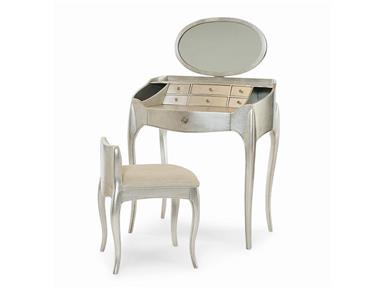
Century Furniture Bedroom Pierre Vanity With Mirror & Vanity Chair MN5608. This vanity with mirror comes in acacia and beech solids. The silver-leaf finish comes with seven drawers, one concealed compartment, and two pigeon holes. The chair’s frame is also made with beech and acacia solids and covered with textured linen.
For many years now, the vanity table has been manufactured and handcrafted in different styles. Each one had the power to complement the era from whence it came. There are different styles of vanity tables that you should know about. These lovely pieces were able to withstand the test of time.
Victorian vanities are the ones that you see to have elaborate designs. Intricate details are common with this type.
Early American vanities were often made of mahogany and rounded cabriole legs. Others have been made of solid walnut on claw feet.
The Arts and Crafts movement during the early parts of the 1900s showed the emergence of the mission oak vanity table. This was characterized by straight lines. In the 1920s, though, it developed into pieces that easily became the focal pieces in many bedrooms.
Hollywood vanities were born.
You might think that the Depression era should have dampened the spirits of furniture makers. On the contrary, the vanity table was constructed using different materials ranging from walnut veneers to the ever reliable mahogany. The elaborate veneers dominated the 1920’s till the 1940’s.
The Waterfall furniture collection was one of the most prominent designs to come out during the 1930’s. Every piece in this collection had rounded and smooth edges and the tables were already mounted with big round mirrors. A few of them had been installed with electric lights.
The metal types came out, too, but the 40’s and the 50’s paved the way for the stylish hardwood vanity tables. The look may have become easier on the eye but hardwoods offered a durability that can last hundreds of years (with proper care).
There are also accessories which are especially made to be paired with vanities. These delightful pieces include vintage perfume bottles, talcum shakers, and porcelain items.
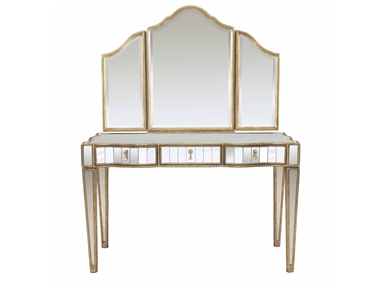
Drexel Heritage Living Room Dylan Vanity 588-910
Other Kinds of Vanities
If you have limited your idea of vanity to those that are used inside the bedroom, then you missed out on a lot of things.
Say goodbye to bland bathroom cabinets and pedestal sinks. The newest look is vintage yet fresh. There is no need to repurpose old, dying, and damaged furniture. The antiqued or distressed look can now be achieved by artisans.
Vanity in the bathroom can come in the form of basin type. The basin option could be dictated by your choice of furniture. Be careful in doing both as not all basin type vanities harmonize well.
Choose from undermount, overmount, furniture or countertop basins.
Never stick to tables alone when searching for the right bathroom vanity. Desks, dressers, sideboards, even sewing machines can be used for this purpose. Always think outside of the box while you search for that one great piece.
Never forget to be practical, though. The bathroom is not a good place for antiques or heirloom pieces. The pieces can be altered as moisture starts to saturate the room.
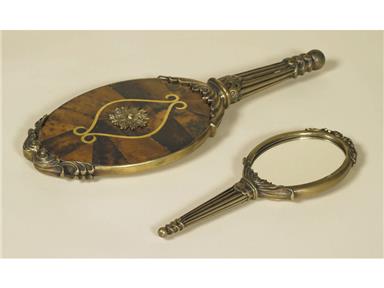
These Maitland-Smith Bathroom Set Of Two Vanity Mirrors 1253-484 are perfect decorative pieces atop an antiqued vanity table.
The crucial factor to always consider is the size. Height and width always matter. The standard bathroom vanity contains a set-in or the undermount sink. This should be at least 34 inches from the floor.
As for the countertop basin (also called as a vessel basin), this rule changes; the idea is to keep the top of the basin at a standard height. The measurement should not begin at the countertop beneath.
Consider other aspects in owning bathroom vanity. Ask yourself whether you can comfortably brush and gargle in front of the vanity. Also, can you see your face when the mirror is set? Who are the persons that will use the bathroom apart from you?
It can get difficult to find the right vanity but we are more than willing to help you. Choose from our wide variety of vanity tables to satiate your bedroom or bathroom design requirements.
Tags: 1920s, 1940s, 1950s, bathroom style, bathroom vanity, bedroom essentials, bedroom furnishings, bedroom furniture, bedroom vanity, decorating a vanity, designer bathroom, girls' bedroom, makeup vanity, McCreerys, McCreerys Home Furnishings, spa bathroom, spa-like bathroom, vanities, vanity, vanity table, vanity tables, Victorian, Victorian furnishings, Victorian furniture, vintage, vintage furniture
Posted in Bathroom Design, Bedroom Design, Furniture, Interior Design 101, Interior Design Elements | No Comments »
Follow us on our social media


© McCreery's Home Furnishings | All Rights Reserved | Privacy Policy
