- Follow us:


Wednesday, November 29th, 2017
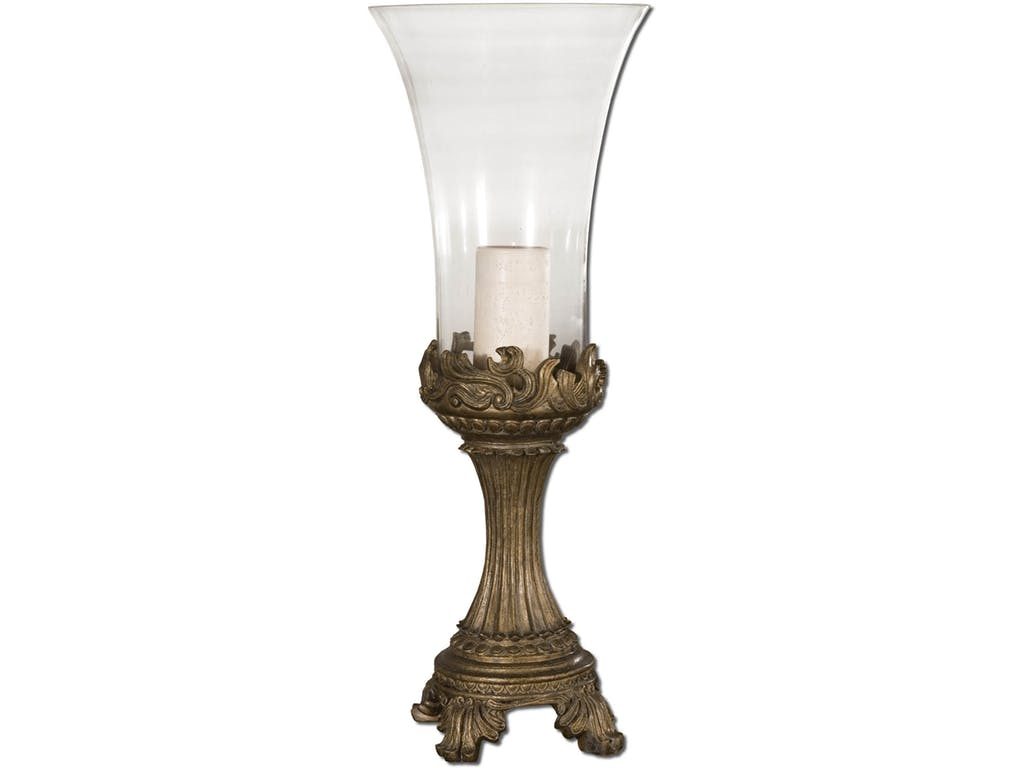
Uttermost Accessories Rococo Golden Hurricane Candleholder 19475
The Victorian Era or period was a time in Great Britain’s history when it had its longest living monarch, Queen Victoria (she reigned from 1837 to 1901). Her name became synonymous with the many positive events that happened during her reign such as political reforms, expansion of Britain’s borders, and social and religious improvements. Even the arts flourished during her era.
Life and lifestyle, in general, have also greatly improved during Queen Victoria’s time. Mortality rates significantly decreased and the population boomed and hit the 30 million mark. It was also during this time that Charles Darwin published his On The Origin of Species and Lewis Carroll penned the infamous Alice’s Adventures in Wonderland.
All in all, Britain became a wonderful place when Queen Victoria was the ruling monarch. Everything was lavish and stylish – remember these two adjectives because these are your guiding principles throughout your Victorian design project.
Victorian Hues
The Victorian period was dominated by three distinct styles – Gothic Revival, Romanticism, and Arts and Crafts. Many designers created frameworks for the elements brought by these three styles eventually bringing about cohesion and balance.
Detail and colors are two crucial elements of the earliest Victorian homes. There were color limitations back then due to technology and locations. Pigments were the hue sources with most of the palettes mainly muted and earthy because painters made use of plant pigments.
Darker shades were used in parlors and other public rooms while the lighter tones were reserved for the utilitarian spaces.
When industrialization quickly spread, paint became available so more elaborate color schemes were born. Multiple colors were already used indoors and outdoors with faux art and stenciling also born.
Flooring in Victorian homes was sponged, wood-grained, spattered or marbleized.
Since the end of the Victorian era signaled also the influx of the Arts and Crafts movement, woodwork became a favored design element, though most were still unpainted.
Victorian Patterns
Victorian design is all about diversity and decorative art. Make use of polychromy (multiple colors) and ornamentation. The color schemes and patterns are heavily influenced by Far Eastern fabrics and exotic tapestries. Even Pompeii and Japan have had their influence on the colorful Victorian homes. To use less than three colors was now a mortal sin since there were so many colors, textiles, ceramics, and wallpapers options to look at.
Now that wallpapers are mentioned, what is a Victorian home without them? The mass production of fabrics and wallpapers opened up a lot of choices to the world of design. Most of these got their inspiration from Gothic tapestries (with damask as a leading choice) and Medieval designs.
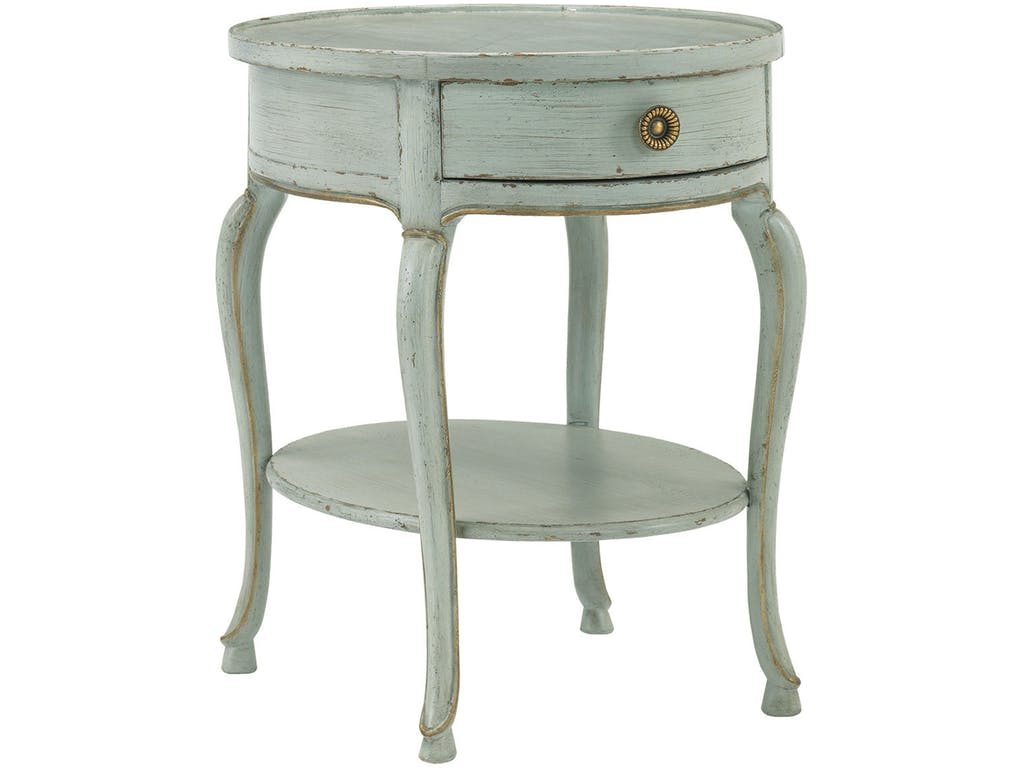
Drexel Living Room Table A La Louis XV – Louis XV Table 311-850
Victorian Architecture
If your home does not have these already, then it’s time to do a little remodeling –
Victorian Furniture
It is easy to see the romantic influences on Victorian pieces. They are sinewy, curvaceous, and the carvings are detailed. These pieces draw inspiration from Rococo, Gothic, and Louis XV pieces with gilding, dark finishes, heavy proportions, and embellishments.
Victorian furniture pieces were the first furniture to be manufactured since the period overlapped with the Industrial Revolution.
These days, the characteristics of Victorian furniture are still reminiscent of the old days but it tries to keep up with what’s current. You will see deep seats, balloon backs, low arms, and even easy chairs without arms.
Coiled springs underneath the seats are also pretty common. Woods used include walnut, oak, rosewood, and mahogany. You are also bound to see ornamentation with lots of Fleur de Lis.
Tags: McCreerys, McCreerys Home Furnishings, Victorian, Victorian fashion, Victorian furnishings, Victorian furniture, Victorian gothic, Victorian interior design, Victorian interiors, Victorian style
Posted in Interior Design 101, Interior Design Elements, Interior Design Themes | Comments Off on Victorian Drama – 4 Characteristics to Embrace This Vivid Style
Wednesday, February 24th, 2016
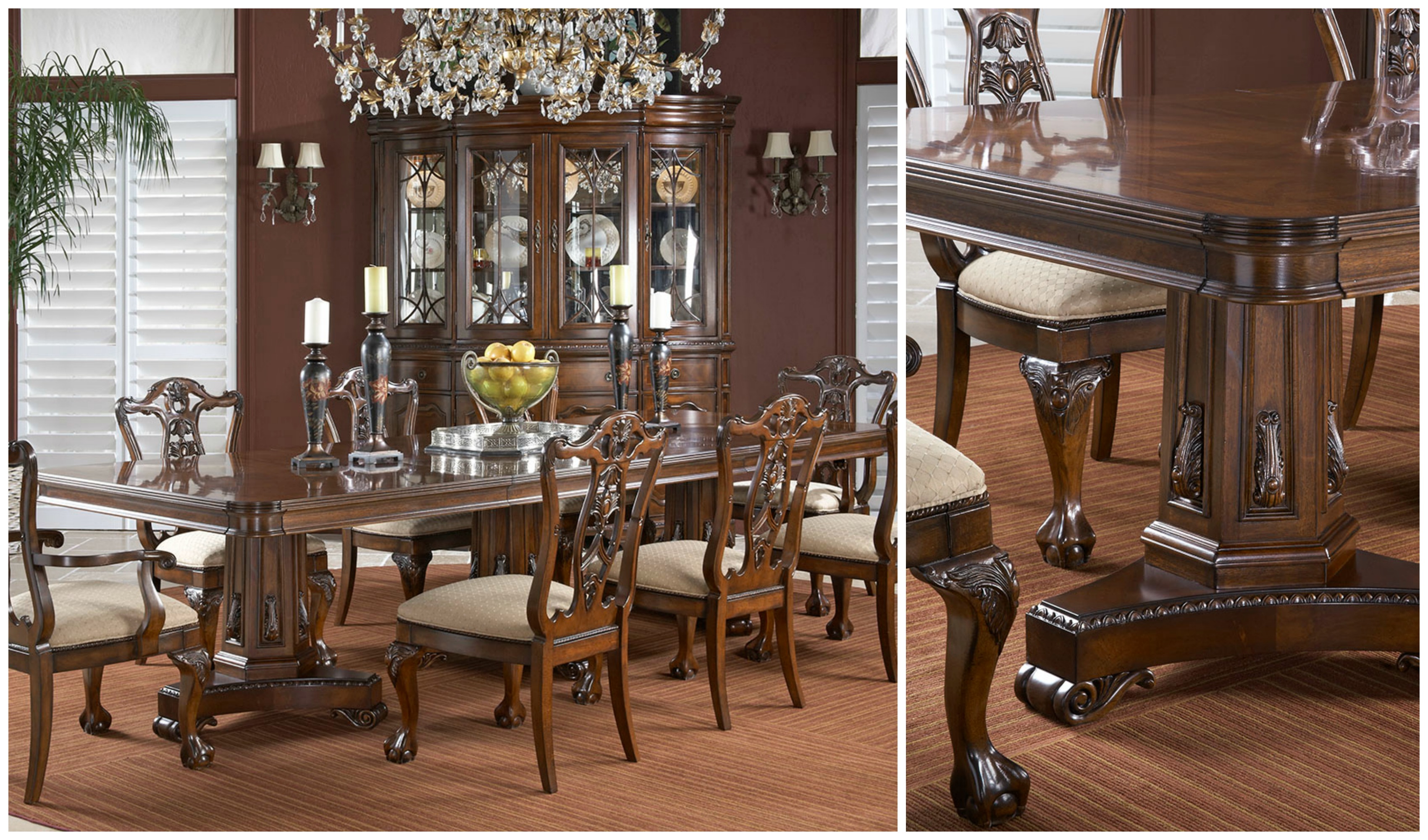
FFDM Antebellum Collection
Owning a Victorian home is not everyone’s privilege. To others, this is just a dream; to you, however, it may not be as dreamy especially when you discover that as ancient as the design are the roofing, wirings and windows. ‘Thinking of remodelling your Victorian home?
Most of the time, remodelling projects is not simple. Revamping an old home can be time consuming. Before you jump into modernizing your beautiful historical home, you may want to speak to some of the preservation societies first.
Owning a Victorian dwelling is intriguing and a lifelong journey for some. Such a home is full of character and works of craftsmen that – even when it’s already old – it can still catch home buyers’ attention.
Victorian Characteristics
Victorian homes were built somewhere between 1837 till 1901. This was the era when Queen Victoria still ruled. There are some people, however, who have also typified Victorian architecture to be Edwardian as well. This is what takes the period all the way to 1910.
Figure 1FFDM’s Vintage Classics
Edwardian and Victorian housing dominate the British suburbs today, for instance, the City Centre Conservation Areas and the Peterborough’s Park. Edwardian homes are seen to be less in value when compared to Victorian though most of their features tend to be similar.
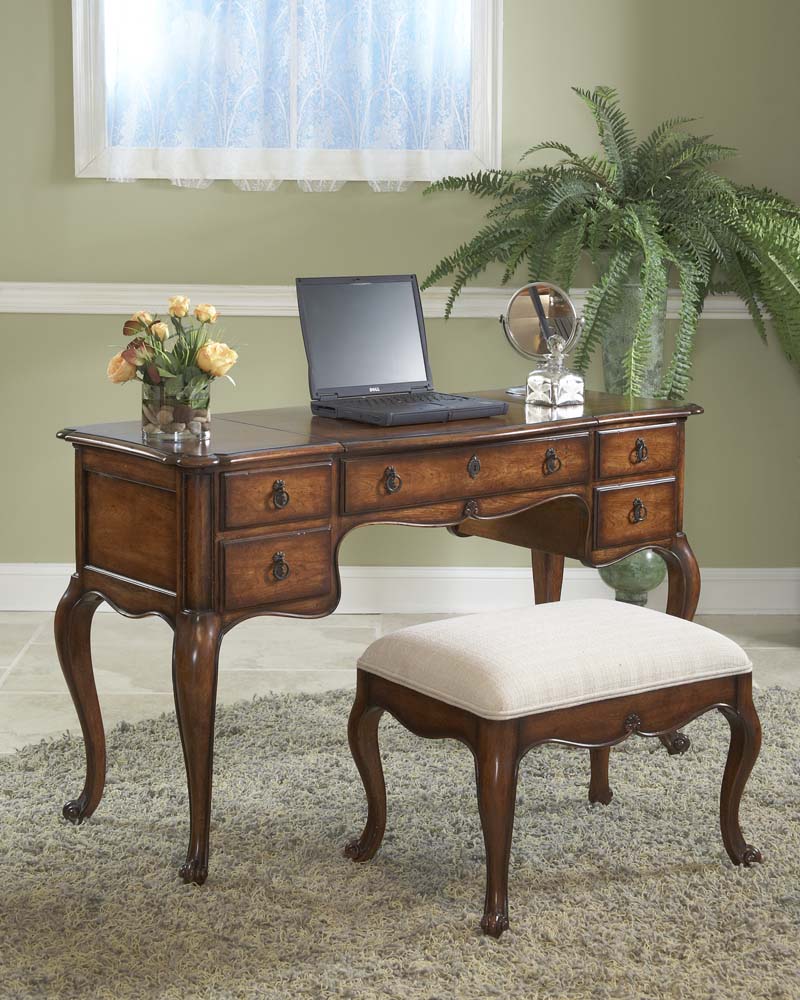
FFDM Vintage Classics Collection
The traits that separate Victorian homes from the rest are –
Terraces. As more and more country people went to the urban areas, Victorian homes were then built in terraces where the kitchen is at the back while the garden is both at the front and rear. There are no garages since Victorian homes were built during those times when there were still no cars. These days, the gardens are often removed in favor of the parking slot.
Patterned bricks. The advent of the railway brought about easier transport for bricks and other such materials. It is because of this that patterned brick became quite popular. The Flemish Brick bond is often used in many Victorian houses. This is characterized by alternating headers or bricks whose ends appear on the face of the house’s wall. Stretchers, on the other hand, are the long sides of bricks appearing on the face of the wall.
Barge boards. These are the decorative wooden panels that are found on the gable ends of buildings. This is that triangular portion of the pitched roof. Look for these sections because they point directly to the Victorian period when such decorative panels were popular.
Bay and sash window. It was in 1832 when the plate glass arrived. This resulted into larger windows with six or four panes and a vertical sliding sash window, a single glazing bar right down the middle.
It was also fashionable to have a three-sided bay window. A ground floor bay window usually had a roof of its own.
Decorated roof line. Slate roofs are quite common among Victorian houses. Thanks to the wonders of the railway, the trains were able to haul slate and deliver at longer distances. Finials are often seen on the ridge and gable ends. Roofs also have ridge tiles that are made of terracotta. Whether it is glazed fired clay or unglazed, the color used is often red.
Stained glass. One of the most exciting design materials is stained glass. It originated from the Gothic revival and was popular during the Victorian period. Mosaic stained glass even replaced painting in many homes. These are often found on top of windows or on doors.
Floor tiles. Most Victorian homes come with geometric terracotta tiles especially on the porch areas. The ground floor is also often made with these materials. These tiles come in natural colors such as brown and red, dark blue, off-white and black.
A fireplace. What is a Victorian home without this? This is used to keep the house warm and is often surrounded by marble, stone or wood. Terracotta chimney pots are also quite common.
Tags: British, classic, classic design, classic home, classic interior design, classic interiors, classic style, classicism, Edwardian, McCreerys, McCreerys Home Furnishings, Victorian, Victorian fashion, Victorian furnishings, Victorian home, Victorian interior design, Victorian interiors, Victorian style
Posted in Interior Design 101, Interior Design Themes | No Comments »
Monday, February 1st, 2016
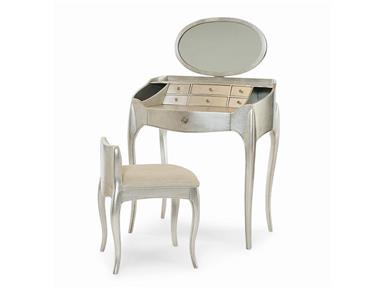
Century Furniture Bedroom Pierre Vanity With Mirror & Vanity Chair MN5608. This vanity with mirror comes in acacia and beech solids. The silver-leaf finish comes with seven drawers, one concealed compartment, and two pigeon holes. The chair’s frame is also made with beech and acacia solids and covered with textured linen.
For many years now, the vanity table has been manufactured and handcrafted in different styles. Each one had the power to complement the era from whence it came. There are different styles of vanity tables that you should know about. These lovely pieces were able to withstand the test of time.
Victorian vanities are the ones that you see to have elaborate designs. Intricate details are common with this type.
Early American vanities were often made of mahogany and rounded cabriole legs. Others have been made of solid walnut on claw feet.
The Arts and Crafts movement during the early parts of the 1900s showed the emergence of the mission oak vanity table. This was characterized by straight lines. In the 1920s, though, it developed into pieces that easily became the focal pieces in many bedrooms.
Hollywood vanities were born.
You might think that the Depression era should have dampened the spirits of furniture makers. On the contrary, the vanity table was constructed using different materials ranging from walnut veneers to the ever reliable mahogany. The elaborate veneers dominated the 1920’s till the 1940’s.
The Waterfall furniture collection was one of the most prominent designs to come out during the 1930’s. Every piece in this collection had rounded and smooth edges and the tables were already mounted with big round mirrors. A few of them had been installed with electric lights.
The metal types came out, too, but the 40’s and the 50’s paved the way for the stylish hardwood vanity tables. The look may have become easier on the eye but hardwoods offered a durability that can last hundreds of years (with proper care).
There are also accessories which are especially made to be paired with vanities. These delightful pieces include vintage perfume bottles, talcum shakers, and porcelain items.
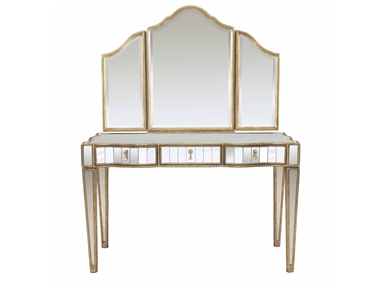
Drexel Heritage Living Room Dylan Vanity 588-910
Other Kinds of Vanities
If you have limited your idea of vanity to those that are used inside the bedroom, then you missed out on a lot of things.
Say goodbye to bland bathroom cabinets and pedestal sinks. The newest look is vintage yet fresh. There is no need to repurpose old, dying, and damaged furniture. The antiqued or distressed look can now be achieved by artisans.
Vanity in the bathroom can come in the form of basin type. The basin option could be dictated by your choice of furniture. Be careful in doing both as not all basin type vanities harmonize well.
Choose from undermount, overmount, furniture or countertop basins.
Never stick to tables alone when searching for the right bathroom vanity. Desks, dressers, sideboards, even sewing machines can be used for this purpose. Always think outside of the box while you search for that one great piece.
Never forget to be practical, though. The bathroom is not a good place for antiques or heirloom pieces. The pieces can be altered as moisture starts to saturate the room.
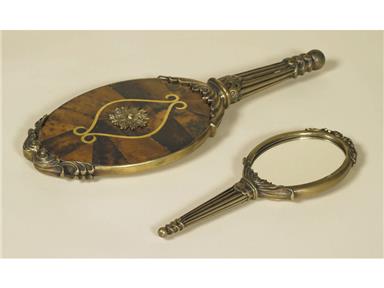
These Maitland-Smith Bathroom Set Of Two Vanity Mirrors 1253-484 are perfect decorative pieces atop an antiqued vanity table.
The crucial factor to always consider is the size. Height and width always matter. The standard bathroom vanity contains a set-in or the undermount sink. This should be at least 34 inches from the floor.
As for the countertop basin (also called as a vessel basin), this rule changes; the idea is to keep the top of the basin at a standard height. The measurement should not begin at the countertop beneath.
Consider other aspects in owning bathroom vanity. Ask yourself whether you can comfortably brush and gargle in front of the vanity. Also, can you see your face when the mirror is set? Who are the persons that will use the bathroom apart from you?
It can get difficult to find the right vanity but we are more than willing to help you. Choose from our wide variety of vanity tables to satiate your bedroom or bathroom design requirements.
Tags: 1920s, 1940s, 1950s, bathroom style, bathroom vanity, bedroom essentials, bedroom furnishings, bedroom furniture, bedroom vanity, decorating a vanity, designer bathroom, girls' bedroom, makeup vanity, McCreerys, McCreerys Home Furnishings, spa bathroom, spa-like bathroom, vanities, vanity, vanity table, vanity tables, Victorian, Victorian furnishings, Victorian furniture, vintage, vintage furniture
Posted in Bathroom Design, Bedroom Design, Furniture, Interior Design 101, Interior Design Elements | No Comments »
Follow us on our social media


© McCreery's Home Furnishings | All Rights Reserved | Privacy Policy
