- Follow us:


Monday, April 11th, 2016
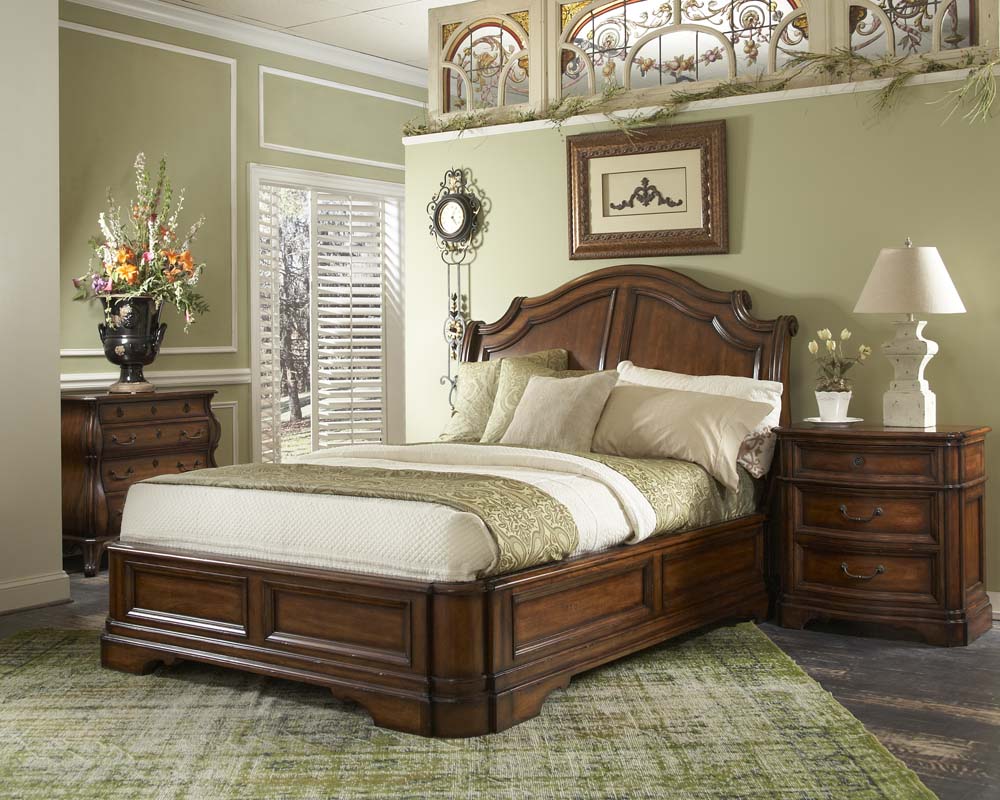
The potted flowering plant plus the curves on some of the accessories softened the linear look of the bed. Featured bedroom set is from FFDM’s Vintage Classics.
The bedroom of a young woman is supposed to be cheerful and fresh. This is a room that should reflect her age, even her character. It would be wrong to make it look like an elderly woman’s dwelling but it shouldn’t look like a little girl’s room, too.
This only means that a balance should be achieved between these ages as adolescence is pretty much a delicate phase.
The young lady’s bedroom should be a place for retreat or relaxation. It should have the right fusion of freshness and femininity. There should also be zero clutter or else, the mood and overall female vibe would be ruined.
Always Begin with the Color
Let’s begin with the room color. What you should choose should be a vibrant color. Now you know why most young women’s bedrooms come with lavender, pink or pastel colors. These have a certain princess-ey or fairy-like feel.
Still, there are young women who prefer a more intense color. You could level from a pink to fuchsia or from lime green to bottle green.
Generally, the safest choice is soft pink. Red, blue, green and purple come in next. These can up the drama a bit. You can also integrate dashes of black or white.
It’s Always Downhill Once the Theme’s Chosen
Stylizing a young woman’s room is always personal which is why having a direction is critical.
With a specific style in mind now, it’s time to make the dream into a reality. Look at the walls, furniture, accessories and window treatments.
Should you aim for a contemporary appeal? Should it be shabby chic? It’s up to the young woman to decide. If you are a parent who is there to support your young one’s decision, then see to it that she’s also making the correct choices.
The theme is often modern but not all young women have this taste. Go through magazines and books on interior design that could give you an idea on what theme to work with.
The bedroom shouldn’t just be colorful, it should also be airy. The bigger the surface area that you need to work on, the smaller the furniture that you need to bring in; there’s also a need to solve the issue on storage through an investment on open shelves, multi-functional drawers, chests, and cabinets.
For the rest of the decor, all these depend on the young woman’s personality. For instance, you could buy – especially for this project – contemporary wall arts, wall accessories, vases, posters, and such.
As for the furnishings, be sure to add pieces that soften the overall appeal of the room. Do not forget about comfort as you invest in a bed and seating. If you elect to have linear pieces, then be sure to have vases filled with fresh flowers brought in.
Consider also the curtains, draperies, and the rest of the beddings. These should fuse correctly through coordination. The wall color must not clash with these fabrics.
See if low lamps, candelabra and aromatherapy oil burners can also be brought in. The candleholders should be made of crystal and not the metallic type as this would make the room look older. An elegant chandelier is an effortless way to make the room feel more ladylike.
These accessories have the power to pull everything together yet take it easy for you could also go overboard just as easily. Too many accessories will result in clutter and a chaotic feel – the very things that you would never expect in a young woman’s boudoir.
Now wasn’t that easy? Setting up a young woman’s bedroom has never been this easy and fun before.
Tags: bedroom colors, bedroom essentials, bedroom for girls, cabinet, candelabra, chest of drawers, color choices, drawers, girls' bedroom, McCreerys, McCreerys Home Furnishings, young girls' bedroom, youth bedroom
Posted in Bedroom Design, Interior Design 101, Interior Design Elements, Interior Design Themes | No Comments »
Sunday, April 10th, 2016

Uttermost Accessories Raya, Containers, S2 19525
When you are trying to make a bold statement in your home through your interior design, then it is wise to note that you should not go overboard. Bold does not automatically mean going over the top. This can be as simple as color saturation for the accent wall. Bold colors can also be used on textiles, furnishings and artwork.
Boldly Accentuate
You can tastefully bring in boldness into your home by determining which hues will highlight the space. Having enough natural light pouring into rooms can effortlessly brighten up any room. The darker rooms, on the other hand, can be overpowering if you allow the dimness to remain. Having a space that does not have ample lighting means you can opt for brighter and more cheerful colors. The more saturated hues will naturally reflect light.
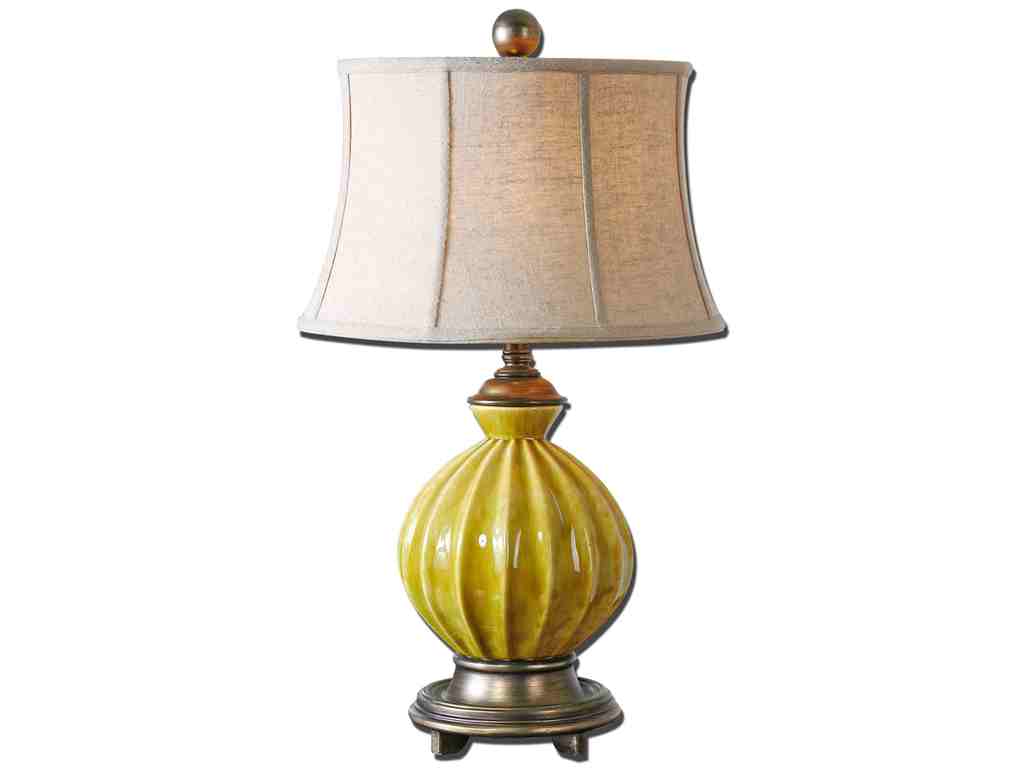
Uttermost Lamps and Lighting Pratella Lamp 27491
Bold Decor
If you have bold artwork or accessories that you would want to display, then just make sure that they will not clash once they are displayed on the walls or on shelves.
Try using neutrals or whites, even shades of black as the backdrop for any bold decor or artwork.
Choose one or two colors that you can use throughout your home. The two colors should hold the rest of the interior design elements. The secret to all these is to achieve balance. Remember that a single piece of bold decor should be balanced by neutral room finish, furnishings or accessories.
Bold Yet Subdued
The greatest interior spaces are those that have both bold and subdued elements. A flaming red couch can be placed as a focal piece in the middle of a living room. The rest of the furnishings should be tame enough so that they won’t clash with the couch.
Mix traditional and trendy bold hues. You are sure to create a lovely synergy where classical lines meet with bold colors.
Do not be afraid to make a statement. Your home, after all, is the one place on the planet that you have complete dominion over so it is there that you should make a bold statement. Be sure to figure out how to install the correct lighting fixture as this can make or break the statement that you just set.
Be Fierce, Be Bold
As a homeowner, you should be fearless when it comes to painting your home or in finding the right textiles. Empty nesters are ready to embrace a bolder phase in their lives. They are the homeowners who are ready to embrace big changes in their lives. These are the people who can shake things up a bit. They could already own antiques and all they need to do now is to find transitional pieces that will balance the space. Instead of having interior design leftovers in the living room, why not create a blank canvas? Even when there are existing fireplaces, moldings and flooring; you have the freedom to use the color that motivates or excites you.
Fireplaces can be aged if you want to keep them. Hang a traditional mirror that goes all the way up to the ceiling. This can effectively bounce light from windows and light sources.
You can cap the bold statement project with an abstract piece from an artist that you know. Bring in colorful pillows but be selective about the fabric, patterns and texture.
Lacquer furniture pieces can also be used as anchor inside a usually dull room. The dark color can be used in other portions of the home. To up the level of sophistication, you can add gold-leafed trays or the most beautiful furniture pieces that have been aged.
Using bold colors and statement pieces can be fun. Just have the confidence to set your foot and define what you want.
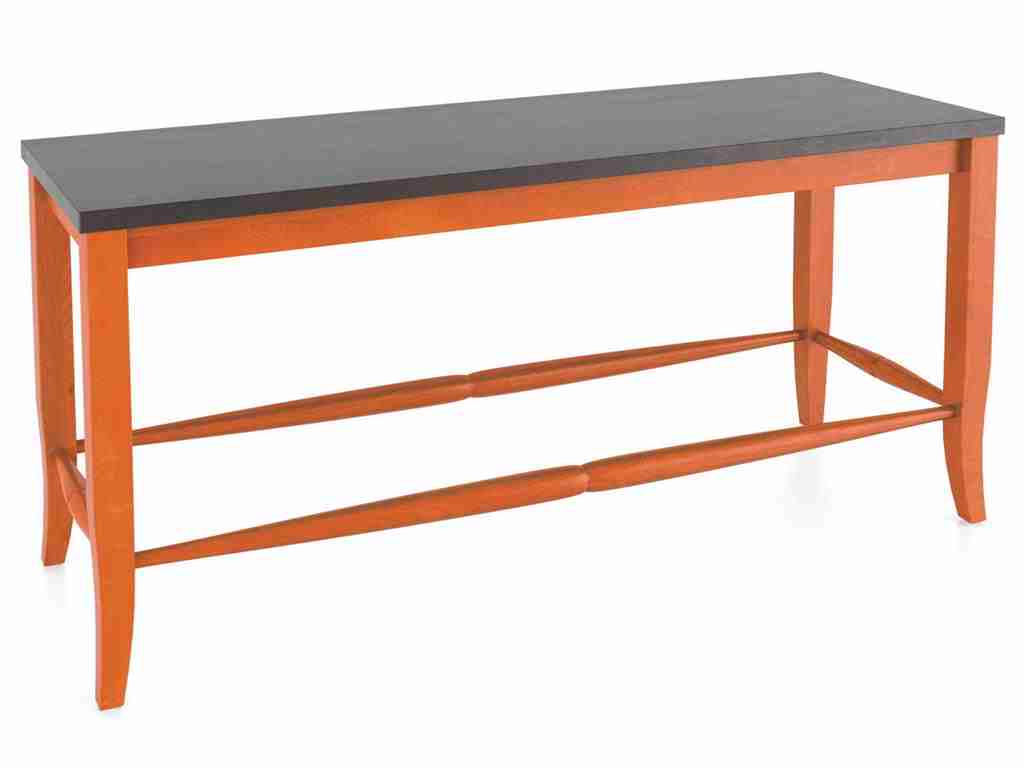
Canadel Dining Room Wooden Seat Bench BEN8903-24
Tags: bold color palette, bold design, bold hues, bold statement, McCreerys, McCreerys Home Furnishings
Posted in Color Schemes, Decorative Elements, Interior Design 101, Interior Design Elements, Interior Design Themes | No Comments »
Saturday, April 9th, 2016
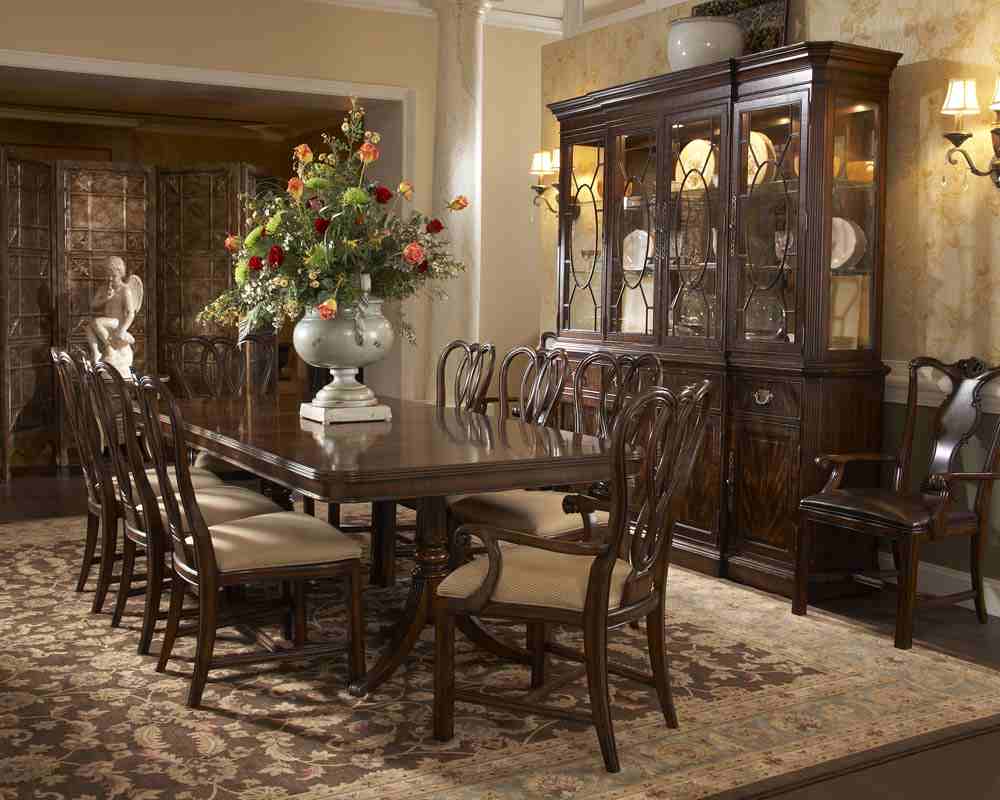
FFDM Hyde Park Collection: The wall installed lighting fixtures with their warm glow add a different level of elegance to this dining room.
The dining room is one room in your home that needs to have the correct ambience and lighting. But should this light sparkle or should it just highlight certain points?
More often than not, the dining area is a much smaller room than, say, the master bedroom or the living room. The lighting fixture that you end up choosing could become the central feature of the dining room itself so this can be a lovely piece of jewelry that can also serve its function.
Be adventurous when choosing dining room lighting. Keep in mind that this is something that you will enjoy looking at but won’t get touch that much. You can afford to invest in the prettiest sort of light because it is at an area where food or beverages won’t be spilt.
The dining room lighting should primarily set the mood and everything else will follow.
The same collection is featured here with a round dining table and natural daylight.
Different Table Shapes, Different Lighting
So what sort of fixture should you hang over a round or rectangular piece of dining table? The answer to this question simply depends on the design and architecture of your the dining space. The form and size of the table also matter.
Linear lighting fixtures work best with rectangular tables. These are those pendant lights that are crisp and elegant, complete with perfect proportions. See if you can find a piece that is a third of the actual length of the dining table.
A small round table, on the other hand, can do with an equally round or globe chandelier. There is a need to echo the shape of the table here. If you don’t want to have two round objects inside a single room, then you can cluster some pendant lights. Use an odd number to come up with this cluster.
Lighting Quality
If you want to be guaranteed of lighting quality, then be sure to install the fixture 36 inches from the bottom part of the fixture till the top of the dining table. This is the standard height where you can effectively hang dining room lighting.
Where a large architectural space is involved, you can do as much as 40 inches in order to accommodate the doubled height.
In picking the right bulbs, make sure that you always purchase the lights with dimmers. This is so you can adjust the light according to your needs. Having dinner with children means you should have as much light as possible. Say yes to bright light during such meal times.
If, however, you choose to have a relaxing dinner with your loved one during special occasions, then use the dimmers. Use 60 to 75-watt bulbs as the warmest lights are the most flattering to use inside a room, especially intimate spaces such as the bedroom or the dining room.
Most interior designers choose to have the light fixture centered on the dining table. This is not an absolute rule, though. You can also play a bit by using various light sources, linear formats, or light clustering.
Scale and proportion have a lot to do with the eventual quality of the dining room light. Typically, large fixtures should go in huge dining rooms and the smaller ones in, well, smaller rooms. But it can also be fun to watch a different set up at times.
For instance, wouldn’t it be nice to have a large chandelier inside a small dining area. This can be unique especially when you effectively use scaling and proportion.
Choose a Lighting Theme
Believe it or not, there is also a theme when it comes to lighting. Traditional dining rooms often incorporate beautiful crystal chandeliers or pendant lights. For the contemporary dining room, these lighting fixtures could be changed into the linear types.
If you want your dining room lighting to stand out, then you can also install track lighting, sconces or pin spots.
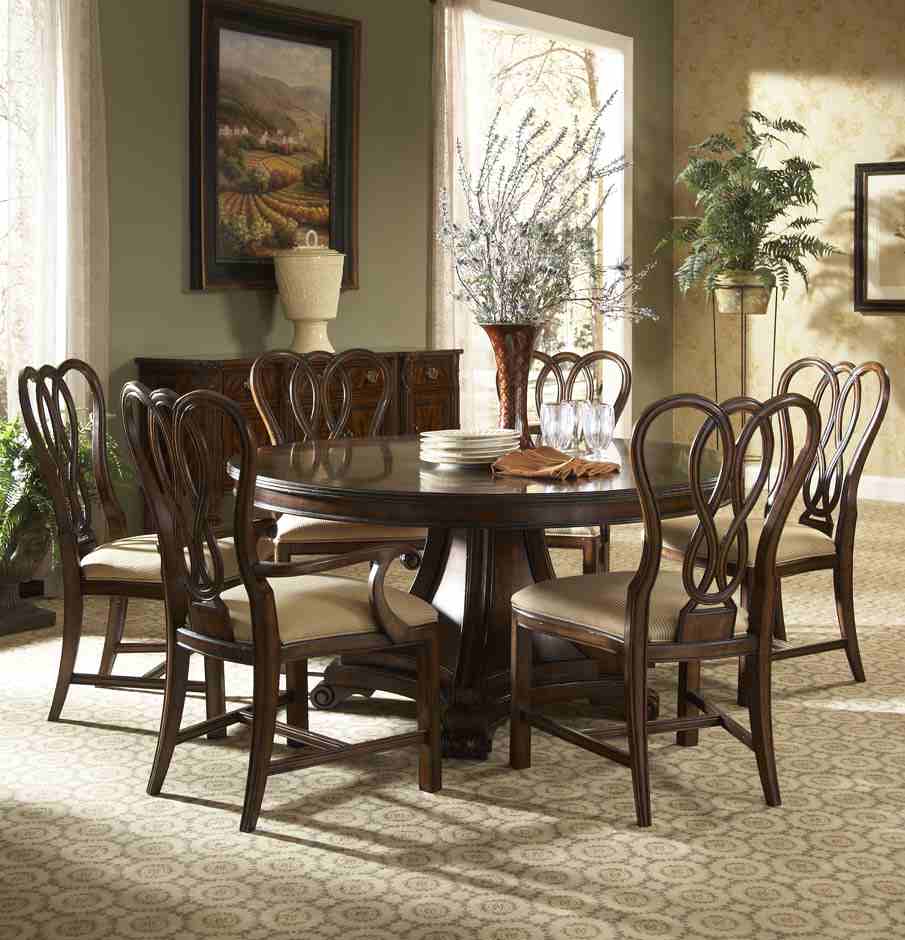
The same collection is featured here with a round dining table and natural daylight.
Tags: ceiling light, dining room light, home lighting, improving home lighting, interior lighting, lighting fixture, McCreerys, McCreerys Home Furnishings
Posted in Dining Room Design, Interior Design 101, Interior Design Elements, Lighting | No Comments »
Friday, April 8th, 2016
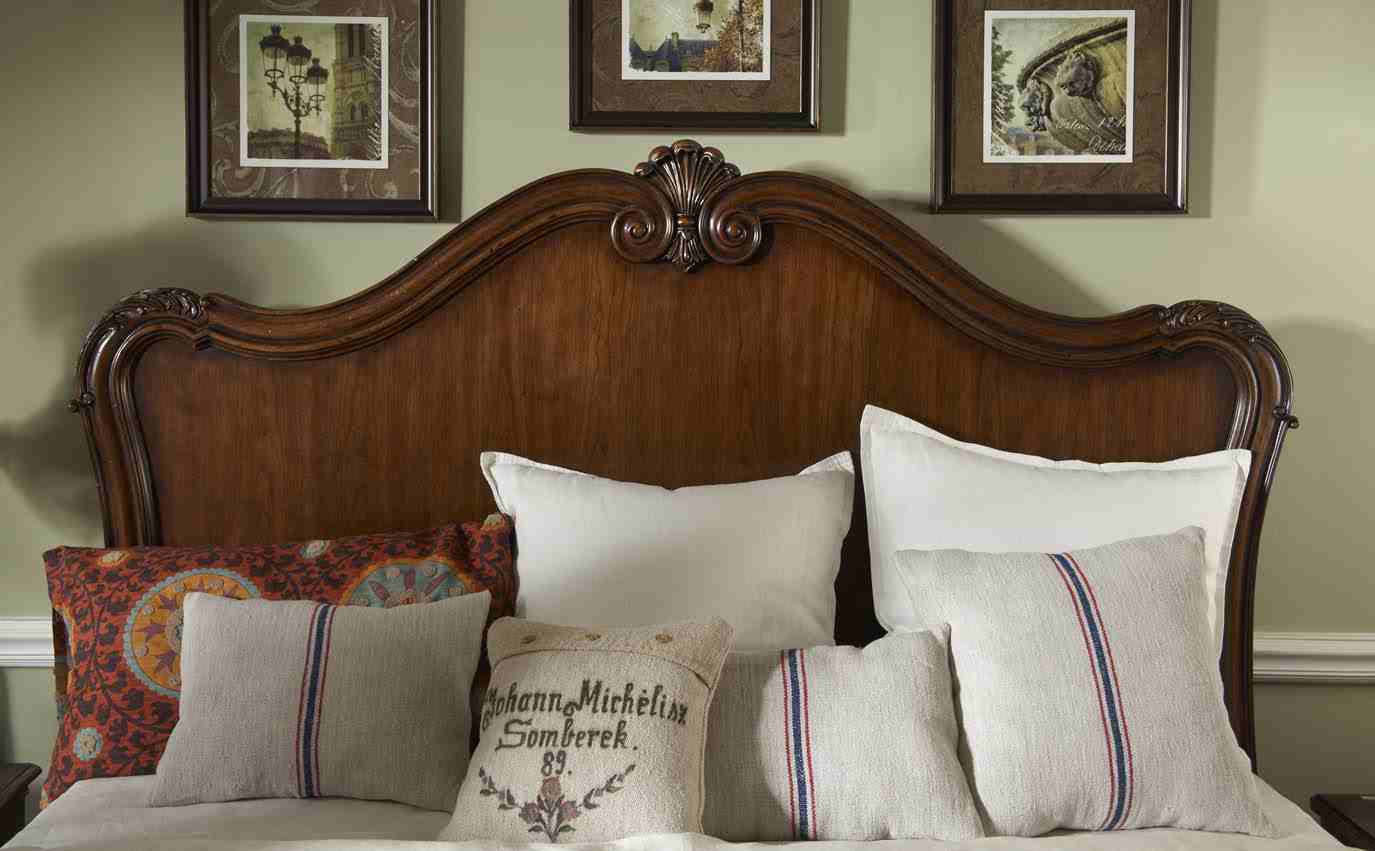
Move a large piece of furniture against the wall only if the room does not have a huge floor space. Featured furniture is from FFDM’s Vintage Classics.
An empty room is pretty much like a blank canvas or a fresh sheet of paper. This can either serve as a challenge or an opportunity. There are just so many ways to fill the rooms of a house but where can one start? There are basic rules in furniture arrangement that you need to learn. If you observe each, you will be guaranteed of a lovely looking home as every tip will help you to prioritize correctly and to figure out where to put which.
The guidelines might not turn you into a professional interior designer but they will surely put you to the right path. You can also pull off professional-looking results in the least amount of stress.
Consider the Room’s Function
When you set out to arrange furniture in a certain room, consider what the room’s use will be. The rest of the furnishings should go around the answer to this simple question. The seating requirements for the living room are, of course, different from those in the bedroom.
Create an Effective Focal Point
Hooker Furniture Dining Room Willow Bend Bench seen here with the rest of the dining set and china cabinets. Take note of the symmetry that was established in this room.
You also have to find the room’s natural focal point. There are homes built with architectural parts which can be considered as natural focal points. The fireplace is a surefire central piece as is an archway.
The focal point could also be an appliance or a significant piece of furniture. This can be the TV inside the living room or the four poster bed inside the master bedroom.
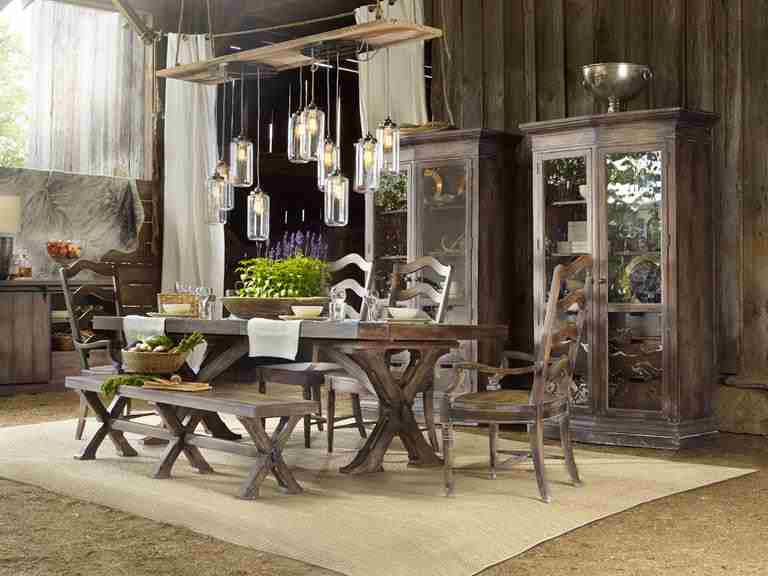
Hooker Furniture Dining Room Willow Bend Bench seen here with the rest of the dining set and china cabinets. Take note of the symmetry that was established in this room.
Establish Symmetry
There has to be a symmetrical arrangement in every room. Symmetry connotes formality while asymmetrical arrangements can make any room feel more casual.
Remember to place the biggest furniture pieces first like the sofa inside the living room or the bed in your bedroom. This significant piece of furniture should face the focal point in a room.
The chairs should not be more than eight feet apart. This is so conversations can still be held. Never push the furniture against the walls unless the room is particularly small.
Another part of symmetry is having ample furniture and accessory variety. Balancing small and large items is important so that the eyes can rest easy. This means you should not place two large pieces of furniture right next to one another.
Contrast should also be established. Curved and straight lines can be effectively thrown together if you want to have contrast. Modern and linear furniture should have a round table just to have contrast. Curvy furniture pieces can be mixed with angular pieces. Block colors and prints can also mix just as long as you know how to balance each aspect.
Think of the Foot Traffic
Always consider the flow of traffic in the room. This is often the part between doorways. Never block such paths with any big piece of furniture. Put 30-48 inch width for the high traffic areas and no less than 24” of width for the areas with minor traffic.
Try to direct traffic around seating units and never through their midst. Traffic that cuts through a room needs to have two, smaller seating areas instead of one large seating spot.
Now, Begin Planning
Before you invest in any piece of furniture or a whole set at that, be sure to take the time to plan. This is also true when you need to move a particularly large piece of furniture. Note the location of doors, windows, electrical outlets and heat registers. Once you establish the position of each you will be better able to draw a floor plan. So take out the tape measure and begin measuring.
Mix and match, consider scaling to achieve balance, and utilize the features of each furniture to your home’s advantage. At the end of the day, furniture arrangement is all about your preference and perspective so take a step forward and do it now.
Tags: arranging furniture, furniture arrangement, furniture layout, furniture placement, how to arrange furniture, McCreerys, McCreerys Home Furnishings
Posted in Furniture, Interior Design 101 | No Comments »
Friday, April 8th, 2016
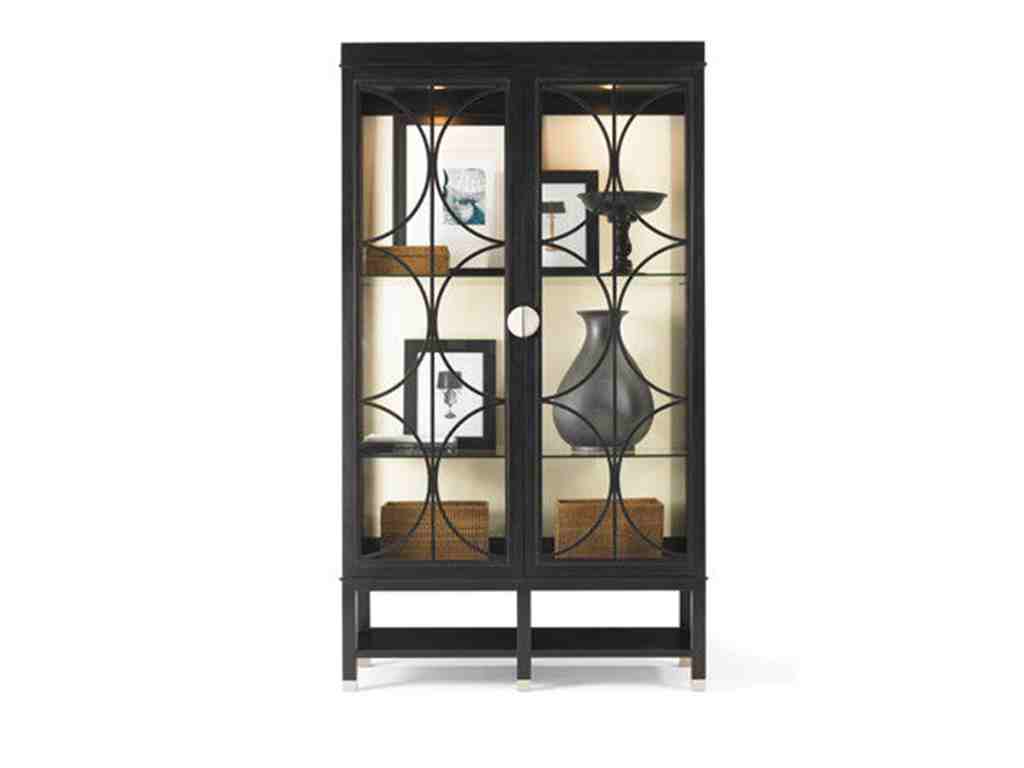
Hickory White Dining Room Bunching China 650-43 stores lovely china ware and crockery.
There is one thing that is common in both lofty homes and posh restaurants – they have a pantry to boost. This is a special closet that is used to store food stuff, even appliances. This was once situated near the food preparation section yet the pantries that people know of today are adjacent to the kitchen or are even found down the basement.
A pantry often has a series of shelves or cabinets as well as an open space for large containers and other storage units. The precise configuration of this room depends on the kind of food that is being served in the household or the restaurant.
The pantry used to be a cool, dark place where foods that easily perish are stored. This was also the perfect spot to store freshly-baked breads. As time passed, the concept of having a pantry expanded from the simple bread room to a place where different foods can be stored in bulk.
Hooker Furniture Dining Room Willow Bend Round Dining Table for pantries with dining corners.
The pantry can be categorized according to its contents. The butler’s pantry is the usual name given to large pantries in large homes. This includes space for household items and trays used by the butler in fulfilling his duties. The baking pantry houses sugar, flour, oil, and other dry goods that are needed in the baking process. Wine collectors can also store their prized bottles in the wine pantry.
These days, the kitchen pantry is the closet located at the kitchen end. It is an overflow of the canned goods, kitchen appliances and crockery. It may also be located anywhere else in your home and is a place where you can store bottled wines and other stuff.
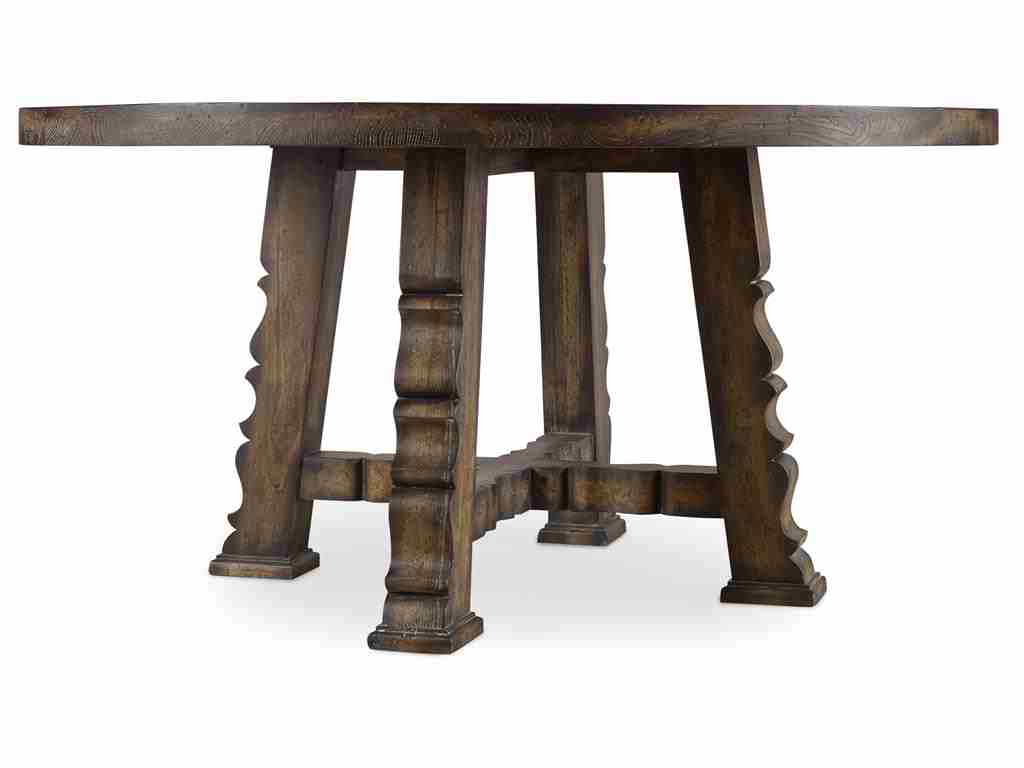
Hooker Furniture Dining Room Willow Bend Round Dining Table for pantries with dining corners.
Creating the Perfect Pantry
You can set up your pantry by investing in ample bins. Just be careful that you don’t turn this section of your home into a chaotic room. It can easily become one if the packages, cookie boxes, cellophane and other stuff begin to pile up.
Take the time to creatively organize your pantry project. The first thing that you will need to invest in is a spice shelf. The roll-out pantry may be great but once the spices get lost in there somewhere, they can become a waste of space.
The rack that you find should be easy to carry into the pantry. It must not need any heavy mounting. A lovely wooden rack would be great. Those made of wire are also a wonderful choice.
Another tip to having the perfect pantry is to keep all items at eye level. Those cereal boxes are potential homes for mold if you are not careful enough. Organize your pantry according to your needs. If you have kids that eat their first meal at the breakfast nook, then the pantry has to have a cabinet to hold cereals, pasta, and sugars. Hotcake mixes should also be stored correctly.
Love ‘em containers – these are your new best friends. Optimize their use by making sure that you need the size that you bought. For example, if your family is a huge cereal eating one, then have large containers for corn flakes or those fruity loops. Make it a point to check the shape of the containers as well. Rectangular or square containers can be easier to store side-by-side than those with rounded edges. If you really want round containers, then you may use baskets to have them neatly stored.
Label the stuff that you store inside your pantry. Don’t just store sugar, salt and flour inside containers that look exactly alike. When this happens, you would find yourself tasting the contents each time that you bake or cook.
Hunt for the prettiest labels or labelled containers that you can find. The sublime pantry becomes one because it has pretty and functional stuff, remember that.
Tags: decorating a pantry, McCreerys, McCreerys Home Furnishings, pantry, pantry design, pantry essentials, setting up a pantry, storage, storage advice
Posted in Interior Design 101, Interior Design Elements, Special Rooms In Your Home | No Comments »
Thursday, April 7th, 2016
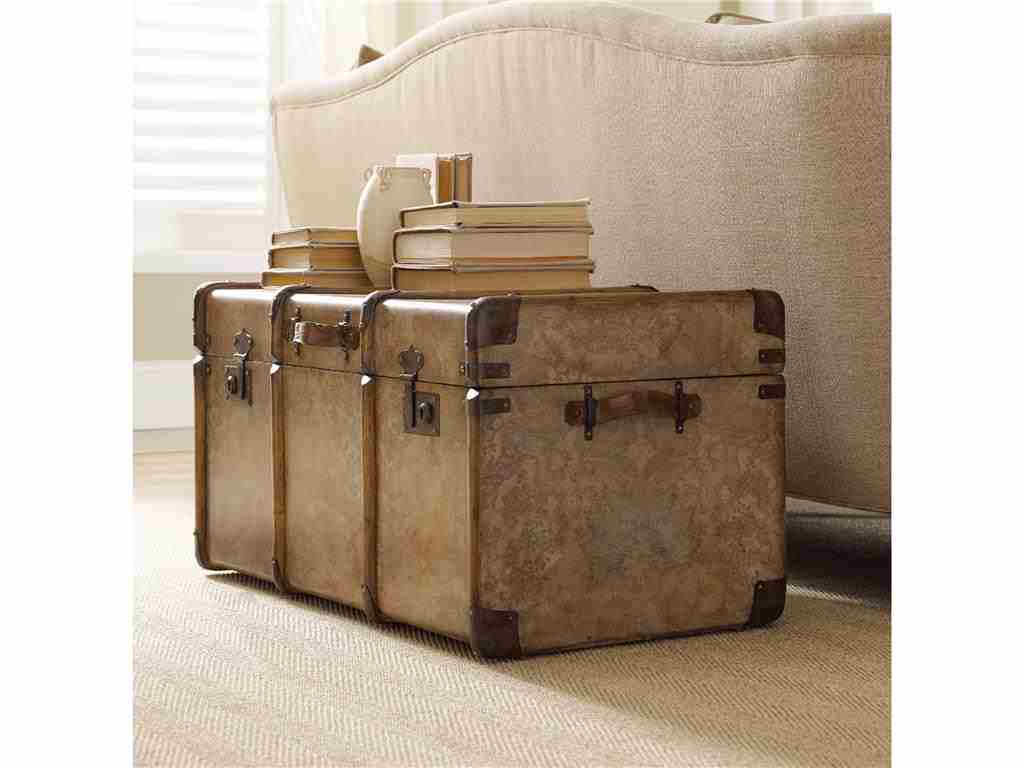
Hooker Furniture Living Room Lift Top Floral Cocktail Trunk can serve as a center table and a storage unit.
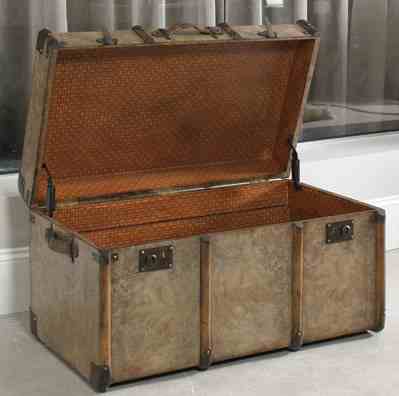
One of the latest interior design activities is the downsizing of homes. This is something huge as people tend to prefer smaller homes where maintenance is less expensive and there isn’t a black hole that is waiting to happen in the basement. But going from large home to a smaller one is not an easy move. So what are you supposed to do once you’ve really decided?
Getting Ready to Downsize
Before you decide what to bring with you or what to throw; and before you even sell any of your excess stuff, you need to find it in you to change your mindset. The downsizing could have been brought about by necessity or whim, it really doesn’t matter. What matters is that you are ready to get down and start the whole process.
Going smaller is doable because there’s less upkeep, cheaper bills, and less pressure to host huge parties in a massive room. You can couple this downsizing project to relocation in an urban center which spells less reliance on your car. This is equal to walking when shopping or visiting restaurants. You can say goodbye to exorbitant gas prices.
Prioritize
Living in a smaller space means you have to let go of things that you no longer need or want. You should be honest with yourself when evaluating the stuff that you will keep. You can always stick with your top priorities (whatever these may be). An example is, having a private outdoor space – consider if this is really necessary for you. Do you also need a lot of light? When these are your necessities, then you have to find ways to meet them.
Lighting can be provided by natural sunlight during the morning. You can just resort to sheer curtains instead of the usual heavy drapes inside huge rooms.
One other way to know your priorities is to create an inspiration file. You can save images of the small yet beautiful spaces that you find inspiring. You can also save some ideas on how to declutter your home.
Should you ever feel discouraged, you can clip some ideas from interior design magazines or books. As soon as you are able to accomplish this list, you will be surprised that you can now easily answer what things you will get rid of.
Just picture this – should a fire happen, what things will you cry over? What stuff would you need an immediate replacement of? These are the things that you need to take with you as you move into a much smaller space.
Another thing that prioritizing can teach you is that you get rid of the obvious clutter first – broken appliances, outdated clothing, useless books, etc.
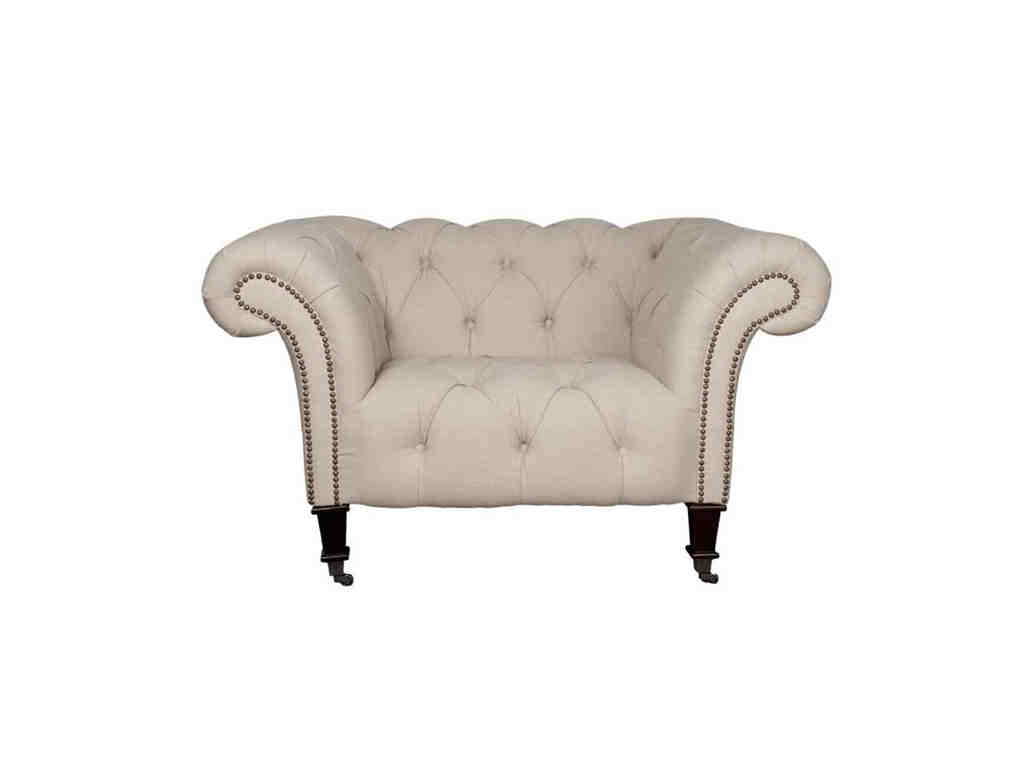
Orient Express Furniture Living Room Lyon Sofa Chair-Premium 7151-1.PRM is the right seating unit for smaller homes.
A huge house with lots of storage could have meant you keeping stock of duplicate items. In a small home, these duplicates should go. Let go of duplicate glassware or chinaware. How about having 20 steak knives? You won’t be needing that much if you will only be entertaining 5 to 9 guests from now on.
Getting rid of stuff means consulting your relatives about heirlooms. Family treasures can be passed on to other relatives which is an effective way of decluttering. If those relatives are too far away or are non-existent, then see if you can rent a storage unit. It’s either this or you can finally let go by selling these antique or vintage pieces. Craigslist and eBay are fantastic platforms for those who would want to sell some stuff.
Try your best to meet the top three stuff that you need; to do this, you will need to compromise on size, style, price, even the location. Shed more stuff as even the best plans can crack in the end. Avoid last minute hassles by learning to let go (some more) and to find ample storage if you can’t.
Tags: declutter, decluttering, decluttering advice, McCreerys, McCreerys Home Furnishings, small home, storage, storage advice
Posted in Apartment Living, Condo Living, Interior Design 101, Interior Design Themes, Tiny Homes | No Comments »
Wednesday, April 6th, 2016
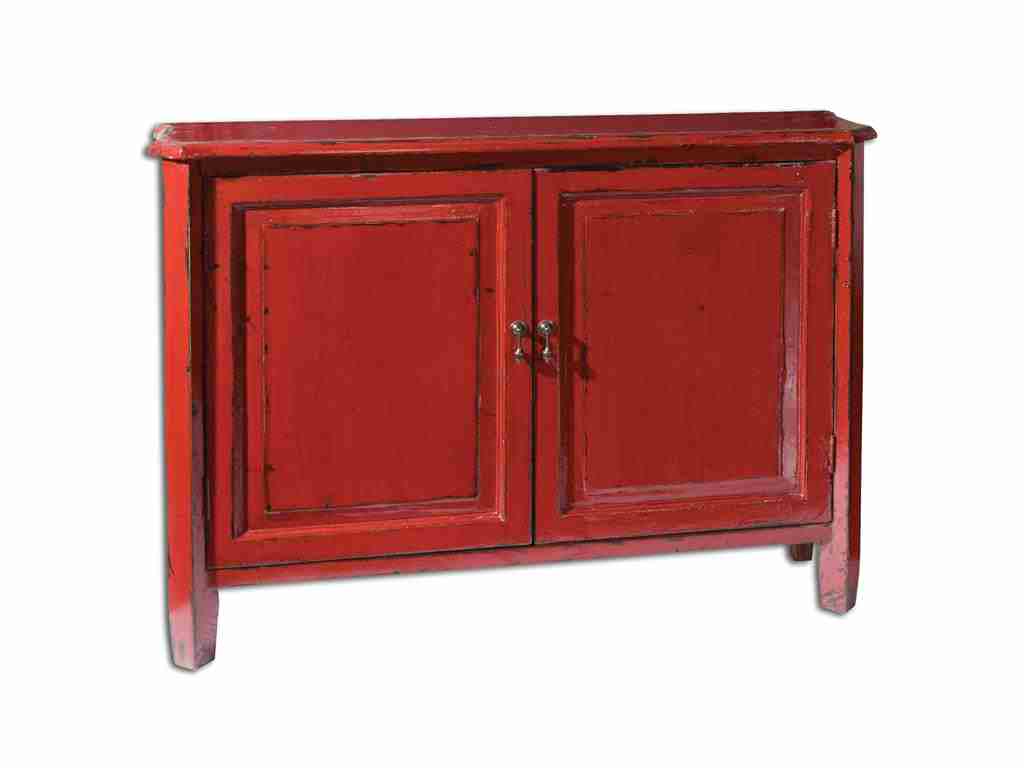
Living Room Uttermost Altair Red Console Cabinet 24404 is vibrant, attractive and one-of-a-kind.
Many designers casually use the terms tint, hue, shade or tone when referring to colors. But do most homeowners actually understand the meaning of each? Or are they just different names for the same term? The painter has to know the difference in each so he will be able to communicate effectively about color mixing and his painting job in general. As a homeowner, perhaps, it is about time to get to know the terms often used when it comes to paint and color schemes.
The term hue is far from being complex. This is a reference to color more specifically the colors found on the color wheel. If you are familiar with the color wheel, then you’d know that there are three primary colors which are red, blue and yellow. The secondary colors are violet, green, and orange. The tertiary colors are those that fill in the gaps between the primary and secondary hues.
Have you noticed how black or white is not considered a color? And have you wondered further where they should be located in the color wheel? You won’t have to worry about these two because you won’t
Canadel Dining Room Arm Chair CHA5040TF has a sienna washed colored fabric.
find them on the color wheel. What you need to study are how shades, tones and tints can be variations of different hues that are found on the color wheel once black or white are mixed with any of them.
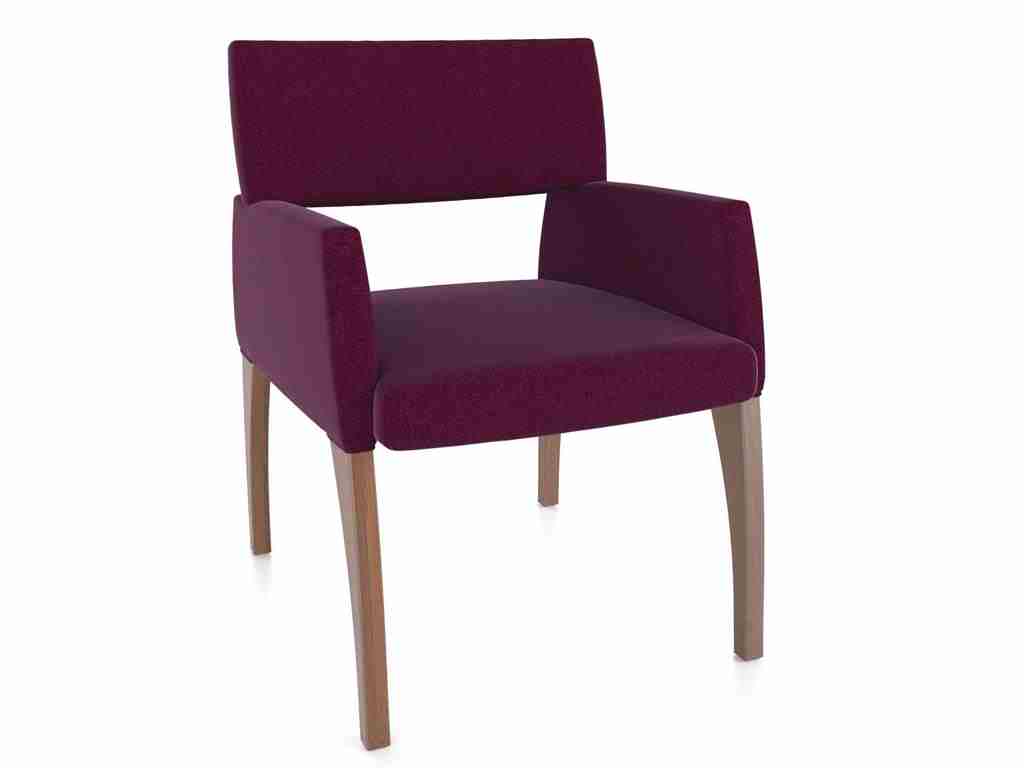
Canadel Dining Room Arm Chair CHA5040TF has a sienna washed colored fabric.
Hello New Colors
You probably love colors but very few people are familiar with the most exotic hues used in interior design. There are literally hundreds of colors that you need to become familiar with if you want to be well-versed in color knowledge. For example, there are hundreds of blue shades. Most of the time, there are even histories involved in the creation of a unique color.
Why not be the first one in your group to extensively discuss these new hues?
For the first example, there’s smalt.
Smalt is a deep blue shade that is often used in ceramics. Literally, this is glass that is made when cobalt salts a11re mixed with molten glass. This mixture creates purple undertone that is barely distinguishable. It offers a luminescent quality which is why it is best used on statement walls.
The next new color on our list is byzantium. This is a lively purple shade that is sometimes interchanged with fuchsia. Byzantium is derived from purple while fuchsia comes from pink.
Byzantium looks great with gray, black, yellow or blue.
Cordovan is a rich hue of brown or burgundy. This is often associated with leather, mostly leather sofas. The name came from Cordova city in Spain which is famous for its manufacture of fine leather.
Sienna is one of the more famous colors on this list of unique hues. It is reddish brown and is often used in earthy themes. Its name comes from Siena, Italy and is also used in reference to clay that contains manganese oxide and iron oxide.
Vermilion also comes with a bright red hue. It can also be reddish orange at times. This is a classic shade that is used on many gorgeous lamps and lacquer ware.
‘Ever heard of gamboge? This is that deep mustard yellow color that got its name from the gamboge tree. This tree secretes a mustard yellow sap, hence, the name. Imagine having a pair of sofas in the gamboge hue. It’s sublime.
Pavo is another shade of blue but it is electric blue that is closest to the colors of peacock feathers. This can be best described as the marriage of deep turquoise and royal blue. Try pavo as the color of your sofa throw pillows.
Lastly, there’s aubergine. You have probably heard of this deep brownish purple hue before. This is just like the color of eggplants. Add this to a shade of turquoise or gray and you’ll achieve a unique color mixture that will catch people’s attention.
Tags: adding colors to a home, bold, bold color palette, bold design, bold interiors, bold statement, color choices, color combination, McCreerys, McCreerys Home Furnishings, unique interior design colors
Posted in Color Schemes, Interior Design 101, Interior Design Elements | No Comments »
Tuesday, April 5th, 2016
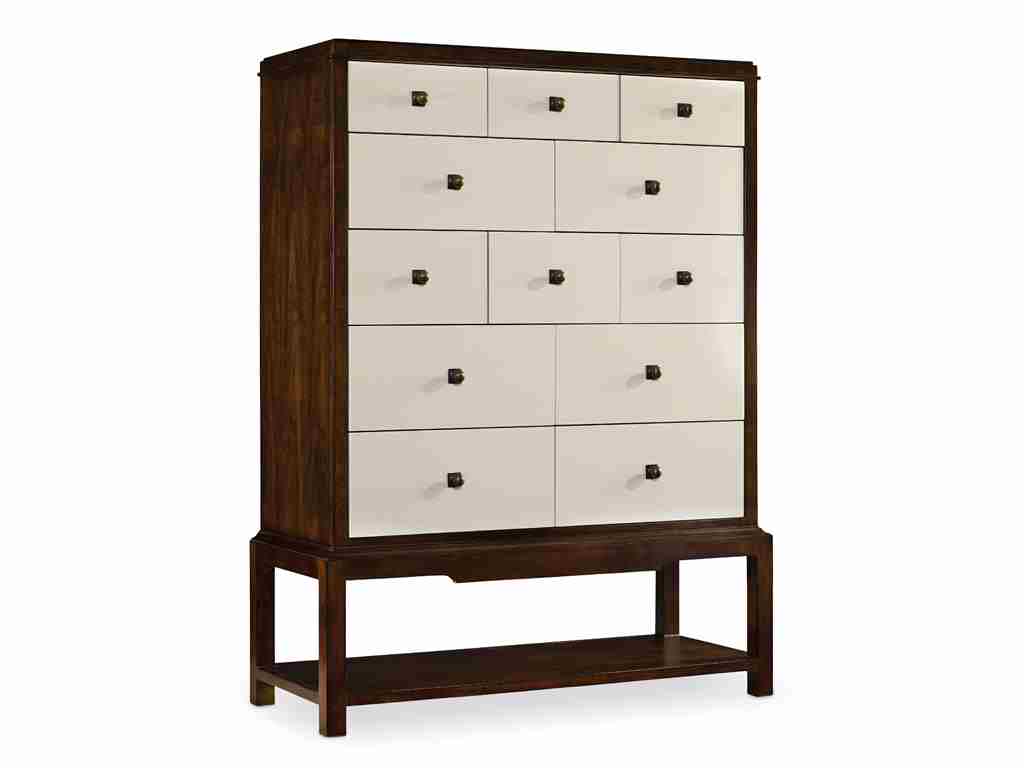
Store all your baby’s clothes and other stuff inside this Hooker Furniture Bedroom Palisade Twelve Drawer Chest.
Okay, setting up a nursery means you have a certain baby in mind – he or she can be your future child or your present baby. This should be an adorable and sweet room for an equally adorable and sweet occupant. While you are building the perfect nursery for your baby, do not forget that you are also included in this beautiful picture.
Decisions, Nursery Decisions
First, ask yourself what colors you would use in this beautiful room. Will it be sunshine yellow or pastels? Will you include stripes or polka dots? Will it be a room that is studded with glow-in-the-dark stars? Will it be a room full of superheroes or farm animals?
Of course you would have to be the one to create this picture perfect nursery. Yet as you contemplate the cutest choices, remember that you will also be spending much time in that room. Most moms fail to plan that the nursery should also be set up as a mom’s room.
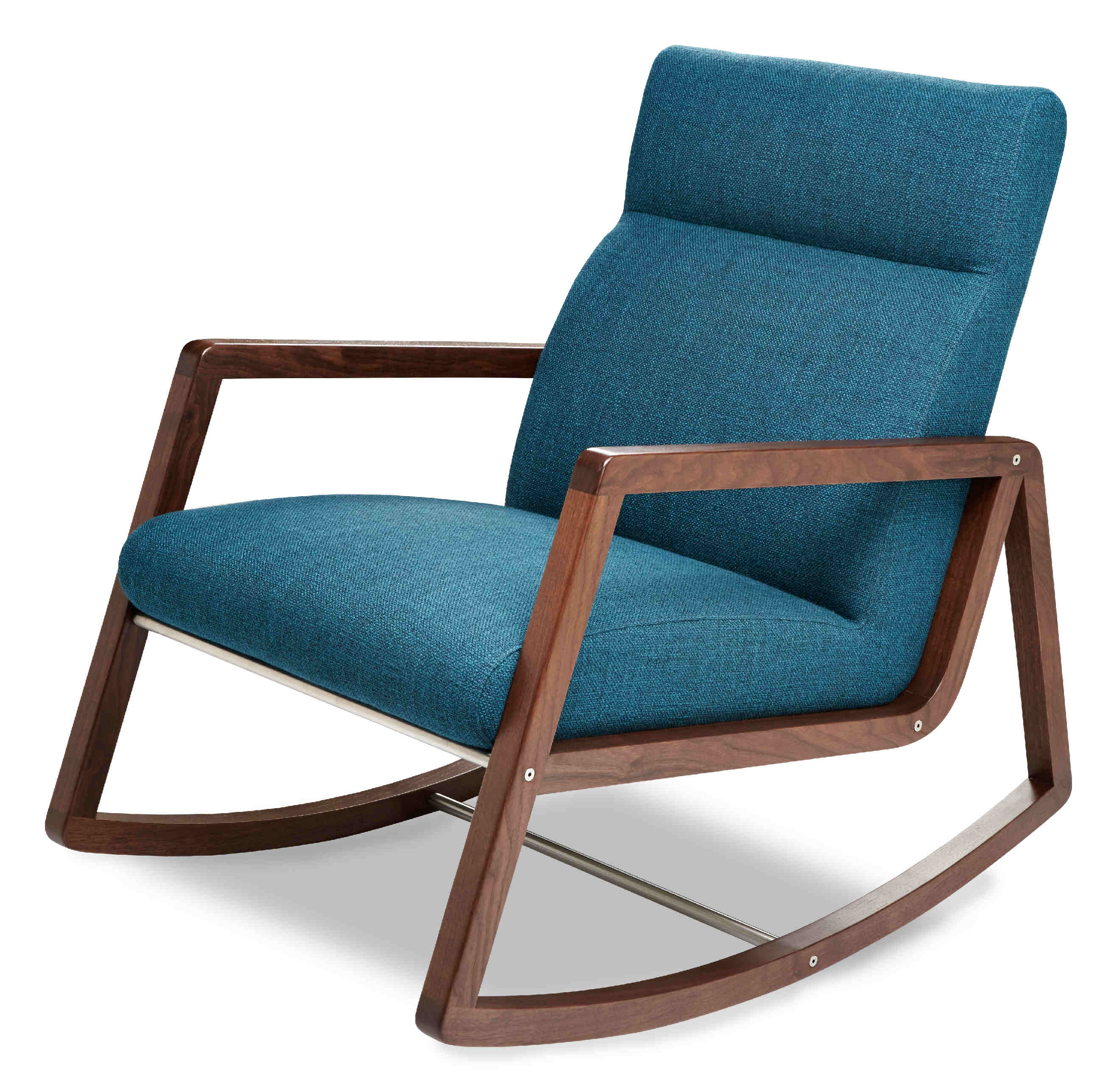
Singing Rock-a-Bye-Baby has never been more comfortable. Featured rocking chair is the American Leather Living Room Nolan Chair NLN-CHR-ST.
Comfort and convenience must both be given priority when setting up the nursery for mom and her baby. Every inch should be organized and all the baby’s essentials should be within reach.
Okay, so this is also going to be a mom station so you need to invest in a comfy chair and a lot of storage units. The chair – preferably a rocking chair – should be perfect for those cuddling and feeding moments. Always remember your back when choosing the right chair. Make sure that your back won’t ache especially when you have to sit there with a growing belly or a growing baby.
The chair should have a contoured back for optimum back support. The frame must also fit your body’s frame. Consider having arm rests so you can comfortably cuddle and feed your baby.
If the rocking chair is too cliché for you, then you might want to invest in a bed that folds as a sofa in the morning.
As for your baby, make sure that you buy a padded crib and a diaper-changing table. The crib must not just be comfortable for the baby but also for the mom. It should come at a height that is comfortable for the mom.
To test the crib’s height, place an imaginary baby into the cribs that you are shortlisting. The one that gives you the least (or zero) amount of neck and back pain should be your choice. See if you can find a crib that has an adjustable mattress height.
This must also be the case with the diaper changing table. The top should be at the same level as your hips or your waist so that you won’t have to stoop. Those stooping movements can easily contribute to lower back pains in many moms.
Find a diaper caddy or storage unit that is huge enough to store wipes, creams, diapers and other baby needs. This caddy has to be portable, too.
It’s All About Arrangement – Proper Arrangement
Once you know what room will house the nursery and all the baby equipment and accessories, the next step is to plan where you should place all of them. This is now an issue of location.
Place the crib away from the door yet it should be within your line of vision once you open the nursery door. The changing table should be near the closet or the baby dresser so you can easily grab fresh clothes for your newborn.
You should also avoid too far a distance between the rocking chair and the crib.
There has to be a side table to keep everything within your reach. Who knows, you could need a snack and drink while feeding your baby. You can also store some wipes or burping cloth in the side table.
Lighting is another element that you need to set up correctly. Have as much natural lighting as possible but not so much that it will become bothersome when the baby needs to sleep. After all, the sleeping and growing up are the two things that should be fostered inside this lovely nursery.
Tags: decorating the nursery, designing the nursery, McCreerys, McCreerys Home Furnishings, nursery, nursery design, nursery furniture, nursery furniture arrangement
Posted in Furniture, Interior Design 101, Special Rooms In Your Home | No Comments »
Tuesday, April 5th, 2016
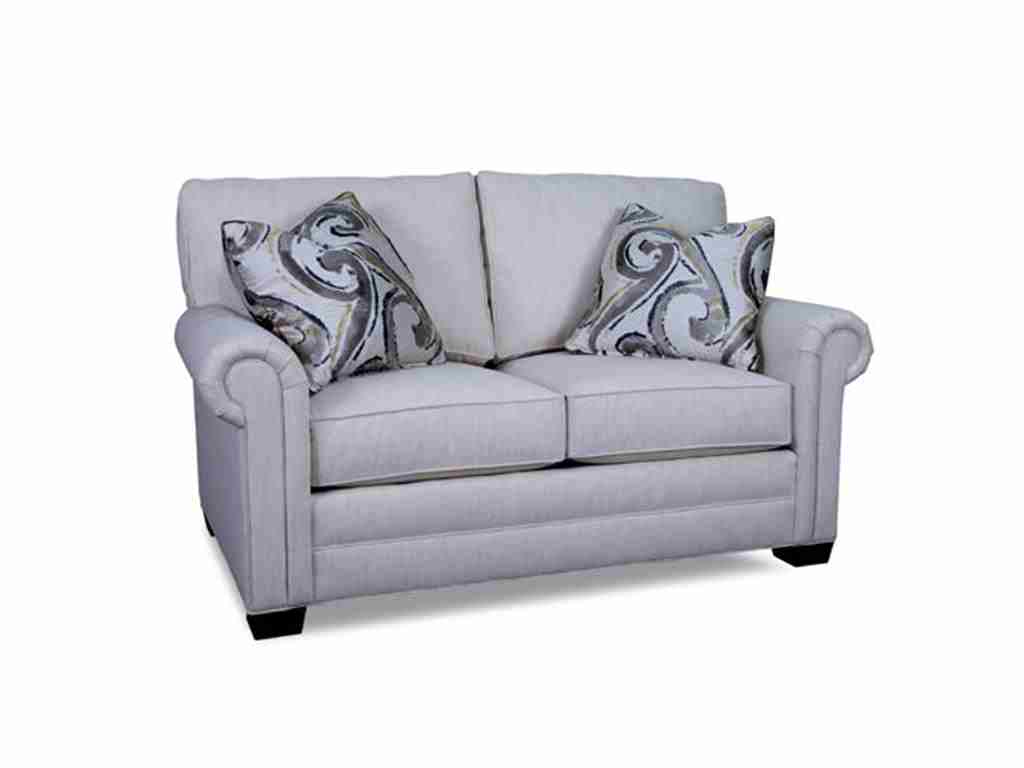
Huntington House Living Room Loveseat 2053-40 is the best seating unit for smaller spaces.
One of the in things to do these days, the hottest bandwagon so to speak, is to live in an energy-efficient home. Founders of companies, couples, women, even college kids are now purchasing building plans for their new green homes. Some of these homes can be as small as 120 square feet (or even less).
There are challenges in living in a small space – this is certain. But there can also be benefits should you know what to do with the tiny space that you have.
Advantages of Small Home Living
The U.S. Census reported in 2010 that the average size of homes is about 2,400 square feet. Despite this large home dominance, many homeowners still recognize the advantages of living in a small place.
One of these advantages is energy efficiency. With a smaller place to cool or heat, this spells lower carbon footprint.
Flexsteel Home Office Bookcase W1201-701: Small space living means looking for effective ways to store stuff in your home.
Another advantage is not having to clean a large space. Fewer rooms means less maintenance or cleaning time. This can be a perk to your family since it would mean more time spent outdoors, doing all the stuff that the family loves.
A smaller home also means you have a cozier and more intimate space. These are the very things that bigger homes lack.
Smaller homes are also less expensive and less pricey to live in. You get smaller utility bills with your smaller place – that is also guaranteed. Small homes can spend as little as $180 in energy as compared to hundreds and thousands that large home dwellers need to pay for.
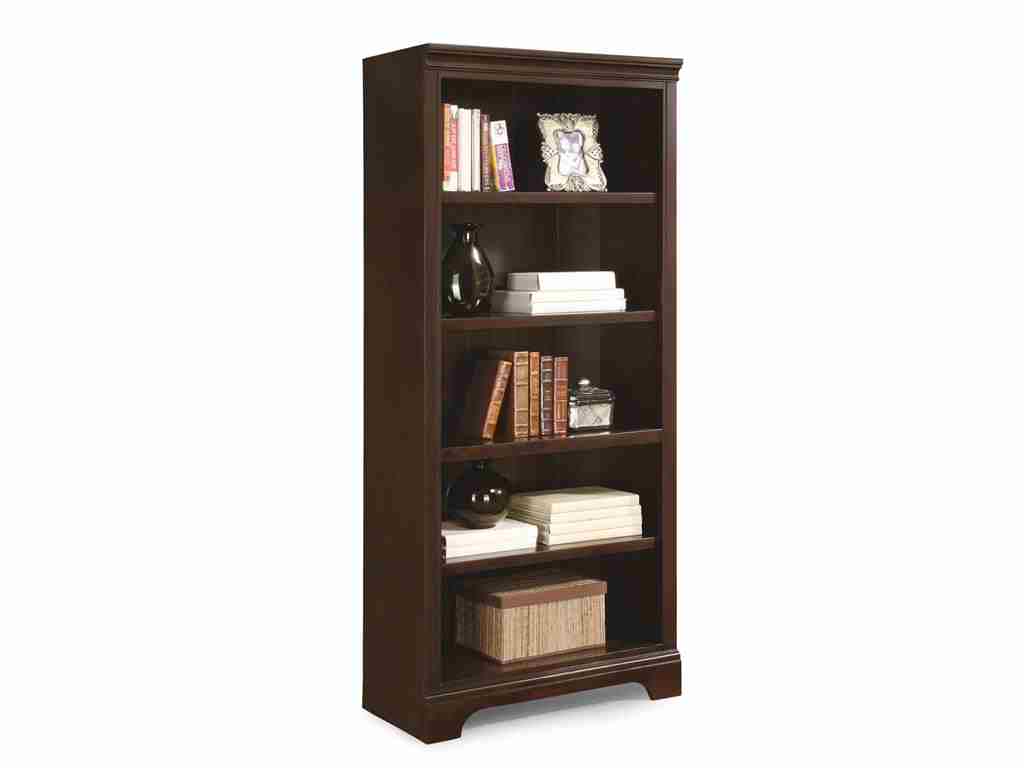
Flexsteel Home Office Bookcase W1201-701: Small space living means looking for effective ways to store stuff in your home.
Freedom in a Small Space
So how can you achieve freedom in a much smaller space?
Begin developing your cute green home at the main room. This can be a living room and an office space in one. You can install a tiny fireplace, two comfortable chairs, a desk, and some hidden storage.
You can then go to the sleeping space which can be just a tiny nook right upstairs. Your cute home must have good insulation to keep you and your family warm during the wintry months and cool during the summer season.
The front door can open to two rooms at the same time. This can be the dining area and your kitchen space. Install a sink, portable electric range, small refrigerator, and a prep surface for your kitchen/dining area. The dishes and other kitchen tools can be stored in smaller cabinets or shelves.
Accept also the fact that you will have a smaller bathroom. Install a small yet full bath containing the toilet, sink, shower and tub within 10 square feet. Water can be gathered from neighboring spigot. You could cook up something more elaborate but you will have to deal with local building codes if you do so.
Smaller homes are not just energy efficient, they are also sturdier. This means that you won’t have to worry as much when a quake suddenly ensues. This is because shorter distances spell a more expedient escape. Remember that the smaller the surface area, the smaller chances that the house would topple because of an earthquake.
Smaller homes have also been proven to be safer from fires.
The secret to achieving freedom in the midst of coziness is to use every inch efficiently. You may feel uneasy during the first few months. You could even spend time figuring out what works and what doesn’t.
Everything is also depending upon your perspective, the beauty of your home being the topmost priority. Whatever makes sense for you and your family’s needs is what should be built, invested upon or installed.
This tiny yet liveable green home is yours to own – be sure you’re ready to embrace simple living.
Tags: designing a small apartment, designing a small space, energy-efficiency, energy-efficient home, green home, green living, McCreerys, McCreerys Home Furnishings, sustainable design, sustainable home, sustainable home design, sustainable interior design, sustainable lifestyle, sustainable materials
Posted in Green Living, Interior Design 101, Interior Design Themes, Tiny Homes | No Comments »
Monday, April 4th, 2016
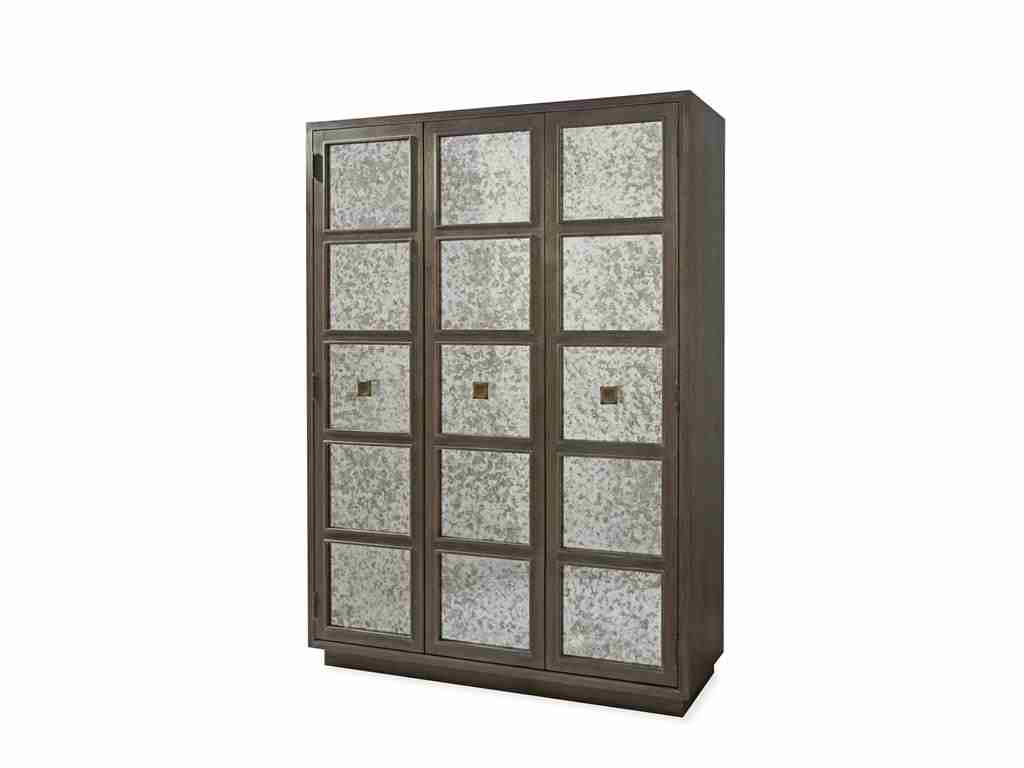
Universal Furniture Bedroom The Ensemble Wardrobe 507165 is not just great for bedrooms but can also work inside your new home gym.
No one can belittle the importance of fitness. Most people get their workouts in gyms while others just take a hike or a simple jog across the park. All these things are great but nothing can be greater than shedding those excess pounds while in the comforts of your home.
The intensity of your workout space depends entirely on your fitness style also the amount of space that you can work with. You could get interested in having the whole room filled with different gym equipment, workout accessories and mirrors. If not, you can just have a small space with a simple yoga mat and some weights.
A More Relaxing Space
Adding candles and plants in your home gym can give it a more relaxed atmosphere. A TV set and sets of gym equipment could lend well to exercise but it will be the plants and candles that will add a meditative aura in your home gym.
Adding a mirror is always a great idea in any exercise space. It is great to look at your own form while you’re doing your workouts. Another way to inspire yourself to sweat it out is to add photos of a much sexier you.
Organization Is Key
It is also important to organize your gym equipment regardless of little space you have. It is all about proper layout and good organizational skills. Consider adding storage space for yoga mats, smaller weights and gym towels.
There are some people who find large rooms filled with equally large gym equipment as intimidating or too distracting. In this case, have a small room filled with basic decor and just one or two major piece of exercise equipment.
Having a large, uncluttered floor space is great for those non-machine workouts. Aerobics, yoga, dances and simple stretches can be enjoyed on this large floor.
Make sure to set the home gym away from other quiet rooms in your home. This will set your mind that the place is there for the sole purpose of working out. An unused garage or shed is the ideal space for a home gym.

Maitland-Smith Accessories Cast Brass Towel Rack 1254-330 is a stylish way to hang and dry out your gym towels.
Items to Invest In
So what sort of tools do you need for your new home gym?
First, you need to have a set of dumbbells. Find hex-shaped dumbbells that come with black rubber coating. These kinds are known to last much longer. They are also more comfortable to use.
Get about 3-5 sets of weights so you can accommodate various exercises.
Apart from the dumbbells, invest in some kettlebells. While some may advise that these are not essential, you might want to reconsider. Kettlebell movements are unique movements that can challenge your body in ways that other exercise equipment won’t be able to offer.
Find kettlebells with smooth handles and non-painted coating.
Having a pull up bar in your home gym does not mean you’re just going to do some pull ups. There are various basic gym exercises that you can do with this equipment. This can be built on your doorway or you can have one wall mounted with it. If it is difficult for you to do pull ups, then invest also in some resistance bands.
And who says a home gym has to be filled with just expensive exercise equipment? A simple jump rope can also be a part of this new room in your home. The last time you played with this may be when you were still a small kid yet it’s never too late to get a jump rope and begin an awesome cardio routine.
Cap your home gym shopping with barbell purchase. Barbells can be a powerful tool because they bring coordination and stability to your workouts.
With all these set, are you ready to begin your first exercise routine inside your home gym?
Tags: decorating a home gym, designing a home gym, home gym, home gym design, home gym essentials, home gym fundamentals, McCreerys, McCreerys Home Furnishings, setting up a home gym
Posted in Interior Design 101, Interior Design Elements, Special Rooms In Your Home | No Comments »
Follow us on our social media


© McCreery's Home Furnishings | All Rights Reserved | Privacy Policy
