- Follow us:


Wednesday, June 15th, 2016
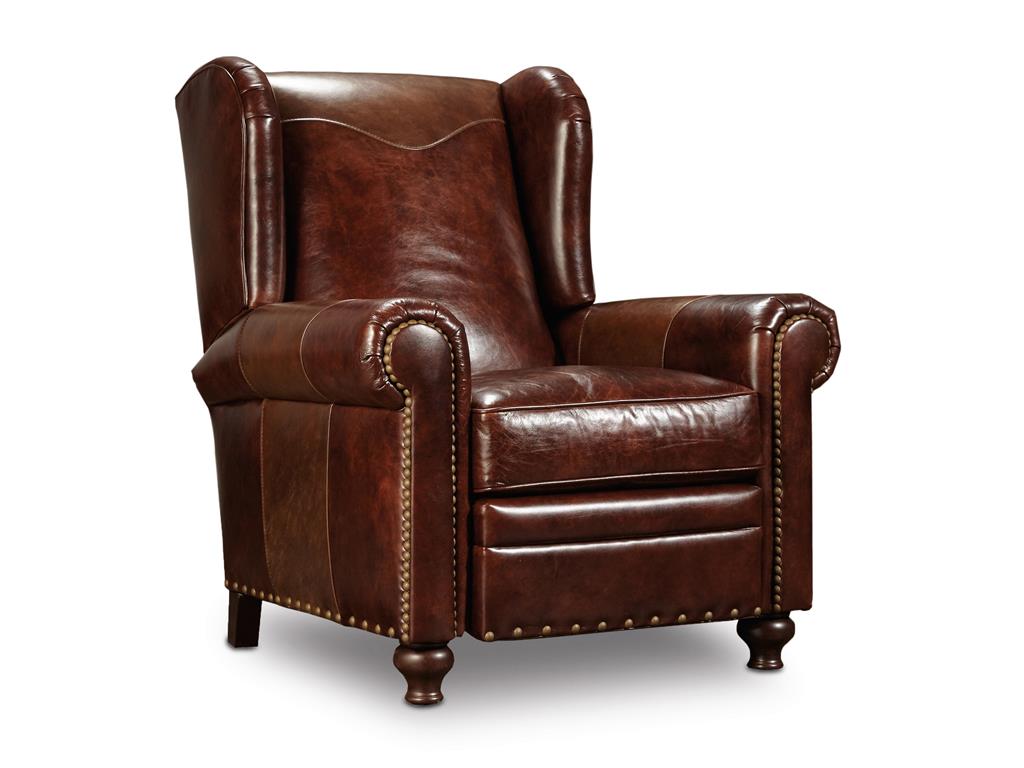
Hooker Furniture Living Room Isadora Vineyard and Isadora Hickory Recliner
The recliner is what’s known in the furniture world as an upholstered chair complete with a mechanism that can be activated by the user. This metal mechanism controls the back of the chair to be pushed out while the foot rest rises. Many recliners have arms which make them a lot more comfortable.
Motion Furniture History
One of the first designs of the reclining chair was featured in Ackennann’s Repository of Arts, a British periodical. This prototype in 1813 became the pattern for hundreds of others that were manufactured throughout that century.
Ash and Browne, both upholsterers and cabinetmakers from New York introduced the improved recliner in 1855. Soon enough, cabinetmaker George J. Henkels also featured a recliner that could be manipulated by the sitter himself.
By the late nineteenth century, the recliner was called the Morris Chair named after William Morris who owned the Morris and Company manufacturing firm.
The rest is history as others contributed to the chair’s improvement. Other mechanisms were simple involving basic rods and pegs. The frames are often made of wood and the cushions are upholstered to make the chair one comfortable seating unit.
Recliner Prototyping
Product development teams take the recliner from mere sketches to the working prototypes. These prototypes, once tested, will then be handed over to the manufacturing department. More often than not, the team consists of the upholstery designer, pattern layout technician, sewing technician, wood technician, and the CAD engineer.
Recliner Raw Materials
The essential components of the recliner are its frame, the activating mechanism, the upholstered foam and the upholstered fabric. The materials used greatly vary depending on the manufacturer’s style and preferences. Generally, though, the materials used are as they are described. Where the frame is made of wood (often hardwoods) complete with metal nut reinforcement, steel corners and bolts; there may also be some fiberboard used to support the back.
The activating mechanism is often made of metal more specifically stamped steel. The springs used in the upholstered seat are also made of metal.
The padding for the upholstered backs may or may not be sculpted. All the hard corners are padded for safety. Back in the day, foams contained CFCs or chlorofluorocarbons but, these days, for ecological reasons, manufacturers have already abandoned such materials.
For manufacturers who create recliners with exposed wood arms and feet use more expensive types of wood such as oak or maple. This is either varnished or stained for added beauty.
The style of the upholstery fabric varies dramatically. Are all fairly durable since the recliner has to be pushed and pulled many times during the furniture’s life span. Recliners are also upholstered with cotton, leather, natural or natural-synthetic fiber combinations. The synthetic fiber types are the easiest to clean and are known to be fire resistant.
Each of these parts is assembled in phases where the components are installed in sections.
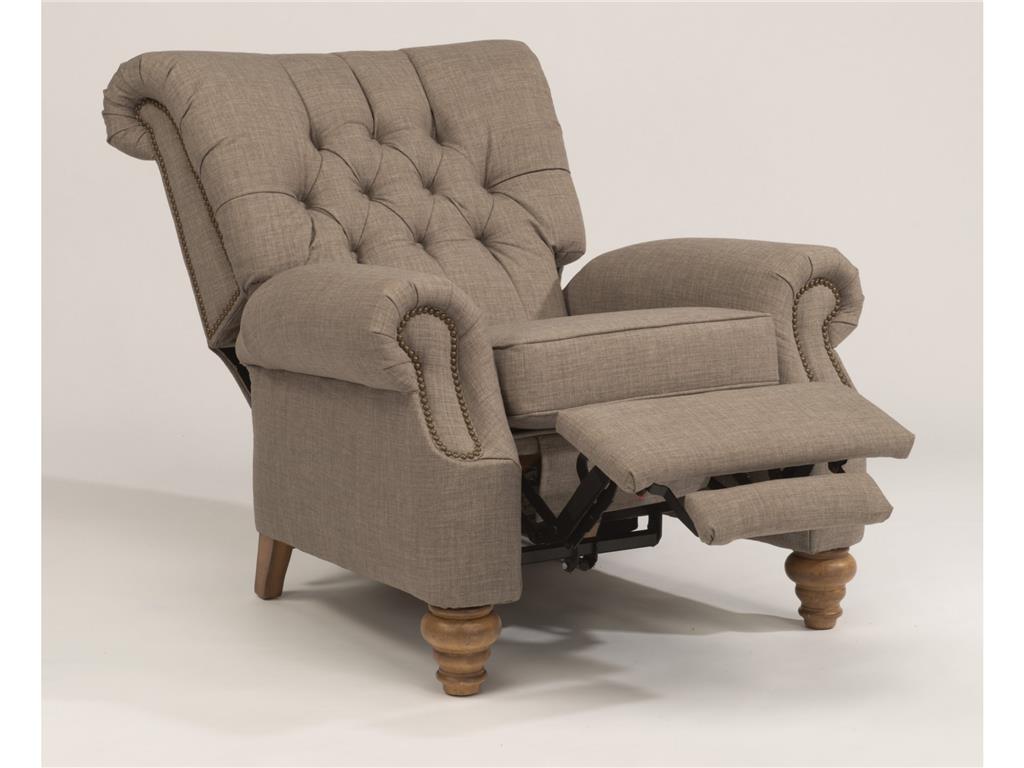
Flexsteel Living Room Fabric Power High-Leg Recliner 501R-503M
Recliner Quality Control
Unlike furniture used in public buildings, businesses or schools, pieces that are used in residential areas are not required to undergo consumer tests. The manufacturers do inspect each piece, though, visually through careful inspection. While the inspectors are all trained to look for puckers, protruding nails and such, they are still human and could miss some manufacturing defects.
This is where you come in. You should be able to check the quality of recliner based on the features mentioned here. Check how far the fabric would stretch, if it is colorfast, if the materials used are readily flammable, and other such specs. Take the time to check out the recliner if you want your seating piece to withstand the rigors of daily use.
Tags: history, history of motion furniture, McCreerys, McCreerys Home Furnishings, motion furniture, recliner, recliner chair, recliner chair benefits, recliner sofa, reclining chair
Posted in Furniture, Interior Design 101, Interior Design Elements | No Comments »
Tuesday, June 14th, 2016
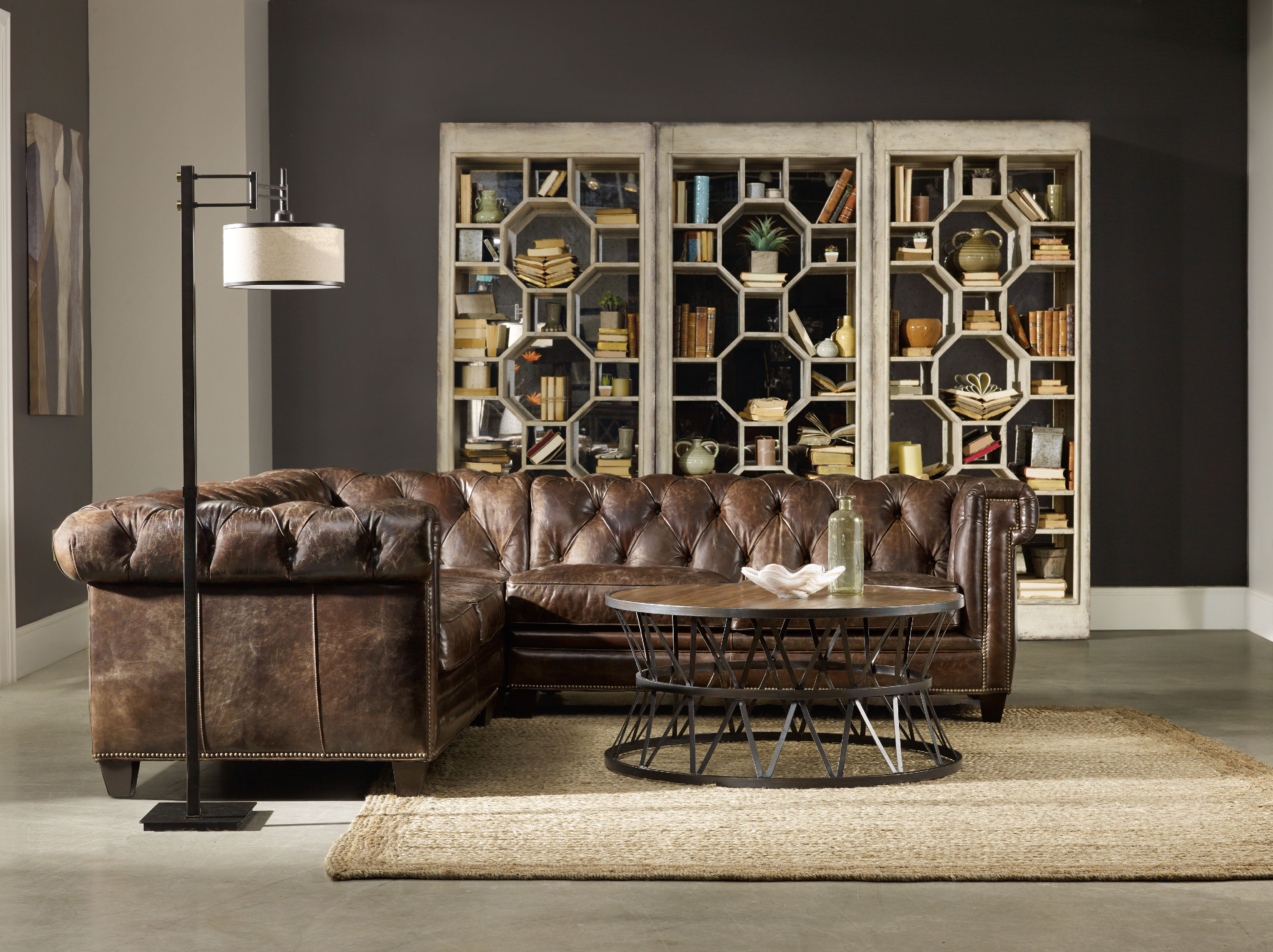
. Hooker Furniture Living Room Imperial Regal 3-Piece Stationary Sectional is the anchor to the rest of the design elements.
Building or remodeling a home is a huge emotional and financial investment. This project will also require a lot of your time especially when you want to be closely involved with the decision-making process. Setting your expectations prior to the beginning of the project will make you better prepared. Here are the 10 questions that you should ask your design contractor during his interview –
What Is the Project Schedule?
Setting the project start and end dates is not enough. The schedule is actually an outline that will give you a bird’s eye view of the sequences, tasks, timing and the deadlines. This is the benchmark so you’ll know when things are not keeping up with the deadlines.
Who Are Going to Work on the Project?
Depending on the structure of the interior design company, the answer to this could vary. Remodelers often make use of the lead carpenter system where the superintendent leads the day-to-day work. This is also known as a staff member since he works physically, too.
Ask who among the team members will be opening and locking up. Ask also who will be the contractors’ supervisor.
How Will You Keep the Property Safe?
This is a question that you need to ask before anything is demolished. Answering this will also assure you which parts of your home will be cordoned off. You also need to know how you will move about in your home.
Another issue that needs to be addressed is how all the stuff such as furniture, books, vases, drapes, and others could be removed from the construction area. You wouldn’t want any of them to collect dust or, worse, be damaged when the construction starts.
How and How Often Will We Communicate?
Set the mode of communication for the entire team. Would you need to call every day or would e-mails suffice? There are contractors that like to communicate on a weekly basis but are you amenable to that?
Which Part of the Project Is Problematic to You?
The contractor will always have something to say that will oppose what you planned. It is best to talk about the elephant in the room so that change orders won’t take place in the middle of the project.
Ask him what worst case scenarios he was able to bail out of in the past.
What Happens Should a Change Order Take Place?
Document change orders in writing. Remember that these have a way of catching up in financial terms and having paper trail is the best rebuttal to the contractor’s question on number of hours added, etc.
When Will You Need Me to Make Decisions?
Ask for an organized list of the things that you need to make a decision on. The list should give you a concise direction of what and when a decision is required from you.
Can I Call You After Hours?
It is important to know how you will get in touch with your contractor during emergencies. Exchange your numbers with the contractor’s landline, cell phone and work phone. Make sure that getting in touch with him won’t be a crisis.
When Will the Additional Meetings Be Held?
Even when there are weekly meetings, there could still be additional meetings where you would be required to attend. Installation of electricity, setting of tiles, is such activities that require your presence.
What Documents Will Be Given to Me After the Project Is Finished?
There are interior design projects that may require some kind of paperwork apart from the contract. This is especially true when you have to tear down walls or build new ones in your home. Documents also include the list of subcontractors, their contact details, etc.
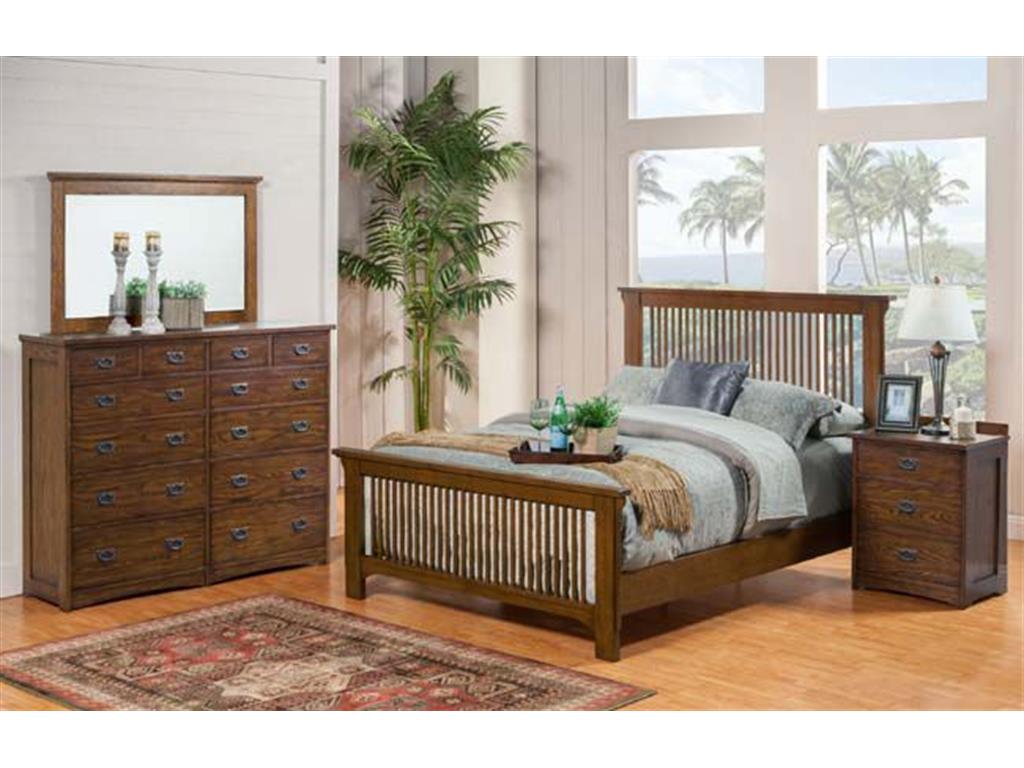
The Winners Only Bedroom Slat King Bed BCQ1002K, the nightstand, the drawers, even the carpet all blend to create this harmonious bedroom.
Tags: design contractor, hiring interior designer, interior design contractor, interior design team, interior designer, interior designer interview, McCreerys, McCreerys Home Furnishings, searching for interior designer
Posted in Interior Design 101, The Interior Designer | No Comments »
Tuesday, June 14th, 2016
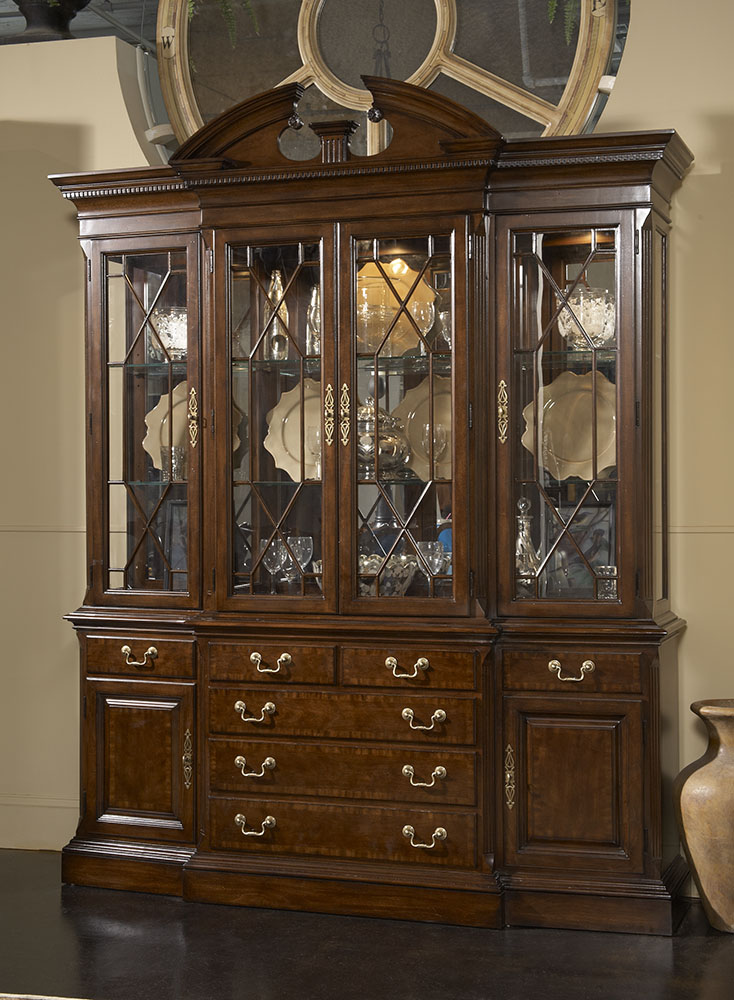
FFDM’s American Cherry Collection offers a wide range of wood furnishings that will surely suit your hardwood flooring.
Many homeowners who are remodeling their dwelling places make improvements on their flooring based on what they want or on what price is most affordable. Not a lot consider what kind of flooring material makes for a good investment. The very few who take the time to consider this often resort to hardwood flooring – and for a good reason.
So why hardwood flooring?
Dollar Value in Hardwood Flooring
The major reason is its durability. Hardwood floors are a great investment but the sad news is that a lot of people shun away the possibility of having a great-looking and functional floor all because of price issues. What these people fail to realize are the long-term costs.
Carpet and other such flooring materials have to be replaced every 10 to 15 years. If they completely wear out, they can’t be mended anymore. Wood floors, on the other hand, can last a lifetime (even beyond). Some of the oldest homes in the country have beautifully maintained their original hardwood flooring.
Take the time to spread the cost in the installation of wood floor throughout a lifetime then compare it to the possible cost of having to replace the carpet. Here, you would be able to realize that hardwood floors are actually much more economical.
Hardwood floors have the highest demand in high value real estate properties. People who own such properties are willing to pay the higher price for hardwood flooring because they want the appeal that comes with the material. Also, hardwood floors can blend with almost any kind of décor so there is no need for homeowners to change their theme.
Health Benefits, Too?
Hardwood floors are also a great investment for your home because they are healthier to keep. Carpets are known for trapping dust, debris, pollen and other kinds of allergens deep in their fibers. Having a carpet means family members could develop respiratory conditions like asthma.
Hardwood floors can be easily cleaned using a broom; no need to vacuum.
Less Maintenance
One of the things that you should consider when buying flooring materials is their maintenance. While wood does change based on moisture and temperature yet the homeowner has the power to control these. If you are able to control these two, then you won’t have any trouble having hardwood flooring in your home.
It’s Too Beautiful
Hardwood flooring also offers natural beauty. Just flip through the different interior design magazines and you would notice that this material is often featured especially in posh homes. The best flooring option for grand ballrooms, restaurants, offices and galleries has always been hardwood.
Hardwood Is Resilient
Solid hardwood is a piece of solid wood from the bottom up. They are generally ¾ inch thick though there are also 5/16” and 3/8” thick pieces. The most recognized width is the2 ¼” strip flooring. Other widths are 1 ½” to 7” planks. The lengths vary from 12” to 96” long.
There is also custom made solid hardwood flooring that can be milled to the customer’s specifications. Plank or solid strip floors can be installed using the nail or staple down procedure right on the wooden sub-flooring.
The difference between the solid hardwood and engineered flooring is the way the wood is cut. Solid wood planks are sliced lengthwise deep into the log. Engineered wood flooring, on the other hand, is rotary cut with a very sharp blade. Each sheet is only about 1/8” thick. The sheets are then glued then pressed atop a plywood substrate for added strength.
Order your hardwood flooring as plain sawn or quarter sawn. The latter has to be customized to suit your preferences.
Tags: floor choices, floor options, flooring, flooring choices, flooring materials, flooring options, flooring types, hardwood, hardwood floor, hardwood flooring, hardwood flooring options, hardwoods, McCreerys, McCreerys Home Furnishings, why hardwood flooring
Posted in Flooring Design, Interior Design 101, Interior Design Elements | No Comments »
Monday, June 13th, 2016
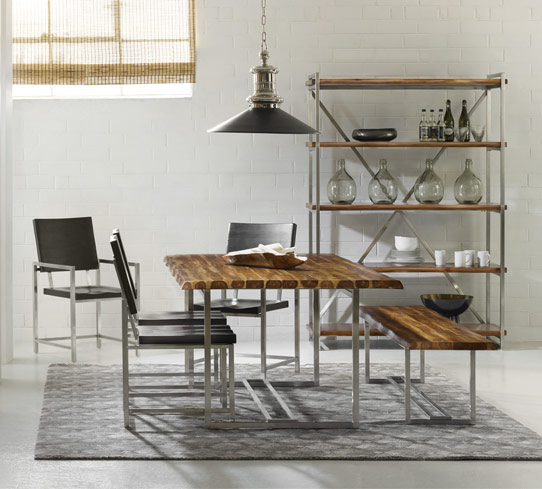
This sample dining room set up by Hooker Furniture blends wood, metal and other materials beautifully.
Have you ever thought of renovation or the creation of a home as an exciting journey? Well, it should be an electrifying experience but in reality, most would-be homeowners dread having to take on such a huge project. Creating home from scratch – if done correctly – can help you discover who you are, what you actually want, and what environment you would like to live in. This is, essentially, your shot at defining your relationship to your family, your community and more so yourself.
So, are you ready to get down on your knees and begin this journey?
Every Journey Has a Plan
Just like any other journey, you must begin it with some planning and research. You would want to know what the end result would be and, of course, how much it is going to cost you. Don’t even begin to think that you’ll be able to finish this project alone because no has. A helping hand is not just a welcome idea but a needful aspect throughout the course of your building your home.
Planning requires goal setting. As a would-be homeowner or someone who wants a totally new look for his home, you must have goals. Effective goals are comprised of both functional and decorative elements. Each is crucial and must be recognized.
Make two plans for your project – Plans A and B. Should Plan A fail to make sense, then there’s always your backup plan.
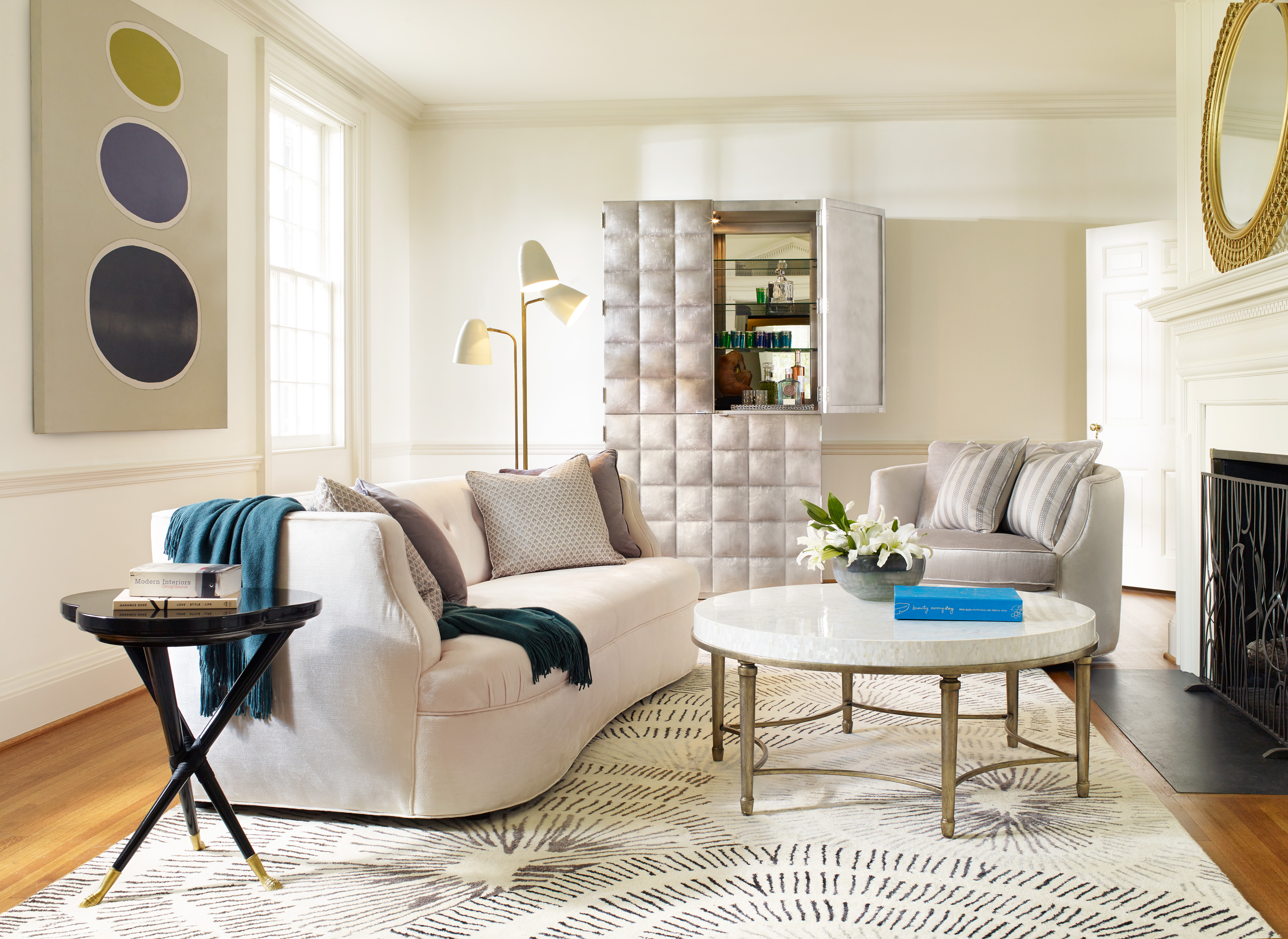
The Cynthia Rowley 7064-011CR Windsor Tight Seat Sofa sits comfortably in a sea of like and complementary hues. The pop of color, now and then, is a fresh sight to behold.
Ask the Right Questions
Whoever thought that creating or designing home from scratch requires a series of questions? First, you need to know what you would want to achieve. This can be summed up in a theme for most people. Knowing your ultimate choice between contemporary and traditional makes a huge difference in the elements that will be bought and brought in.
It is also important to ask where you would want to be. This is that end result that you have been asked to envision. The layout should help give you a mental picture of what your home would look like when finished.
It is also vital to know the cost of the entire project. This is a good way to prevent scenes where you’d end up being cranky because the project turned out to be thousands of dollars costlier. Being realistic would help you plan a budget that works, else, you would be left to the mercy of unscrupulous individuals.
Make good use of an Excel sheet where you could have a bird’s eye view of what has been spent so far and where the cost is going.
Round Up Your Team
Remember, this is your project. Gather professionals who have proven their worth in terms of interior design. Just like a lawyer shouldn’t represent himself in court, then so should you take experts who will take on your project.
The team leader is you and your right hand should be the lead interior designer. This expert will be your guide, advocate, therapist and counselor throughout the project. It pays to find the best team from the onset. The right guide also ensures that the journey that you have embarked upon will be an enjoyable one.
You might also add some team members now and then. There are specialists among these experts (e.g. a kitchen and bath designer) that will be better able to help you. Every extra member will cost you more but it is an added guarantee on the success of the interior design project. Once you gather these experts and they are willing to help you out then, rest assured, that you will have a smooth-sailing journey ahead.
Tags: finding an interior designer, hiring an interior designer, hiring interior designer, home renovation projects, home renovation tips, how to hire an interior designer, interior designer interview, McCreerys, McCreerys Home Furnishings, redecorating, redesign, remodel, remodeling, remodeling a home, remodeling your home, remodeling your house, renovation and remodeling, renovation guidelines, renovation project, renovation tips
Posted in Interior Design 101, Interior Design Elements, The Interior Designer | No Comments »
Saturday, June 11th, 2016
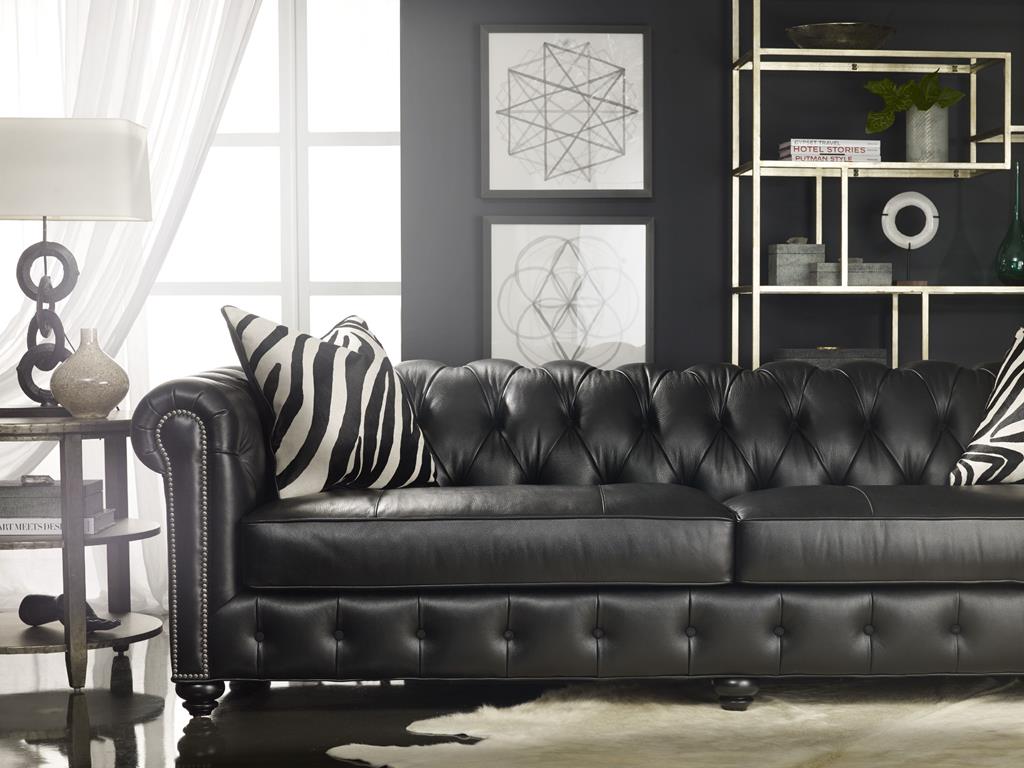
Bradington-Young Living Room Wellington Large Stationary Sofa 698-96 has tufted leather.
Fabric is a material that can be used in different finishes. It can be stitched then buttoned to create an interesting tufted piece. Tufted fabrics are those that have buttons and stitches sewn into a cushion. This is done to keep the stuffing from shifting or bunching. Tufting is now also seen as a decorative element in furniture.
Defining Tufting
Apart from mattresses, cushioned chairs and sofas are often the most tufted object in the world. Back in the day, mattresses had tufting to hold the stuffing or batting in place. This was before the mattress coil technology was developed. Untufted pieces almost always ended up with stuffing shifting to the end or on just one side of the mattress.
Buttons are being used nowadays for a more decorative look. These are placed there more for style than for function. Mattress interiors now come with foam, springs and coils.
Button tufting can be accomplished with the use of button forms. These are metal button blanks covered with contrasting or the same fabrics then placed to the object being tufted. Most of these buttons come in shank style or the type of button that has plastic, metal or wire loops where the thread could pass. These buttons are then sewn to the sofa cushion.
Tufting needles are used with or without the wooden handle. This needle is inserted through the cushion and the master artisan works diligently with it. There are also long upholstery needles used for projects with less thickness. These are used on dolls, throw pillows and some cradle mattresses.
An upholsterer can also work on furniture’s backside or its front.
Another kind of tufting is stitch tufting. This is the traditional kind of tufting where button thread, twine, waxed thread or industrial threads are used. Each of the stitches is sewn to the stuffing. This is often used in doll mattresses, bassinets and cradles. The thread’s strength must be able to withstand the pressures of washing and shifting.
Loop or chenille tufted fabrics come with vertical rows of yarn or fiber loops. These are sewn through then formed into a pile. The designs such as leaves, flowers, even human figures can be tufted into the fabric.
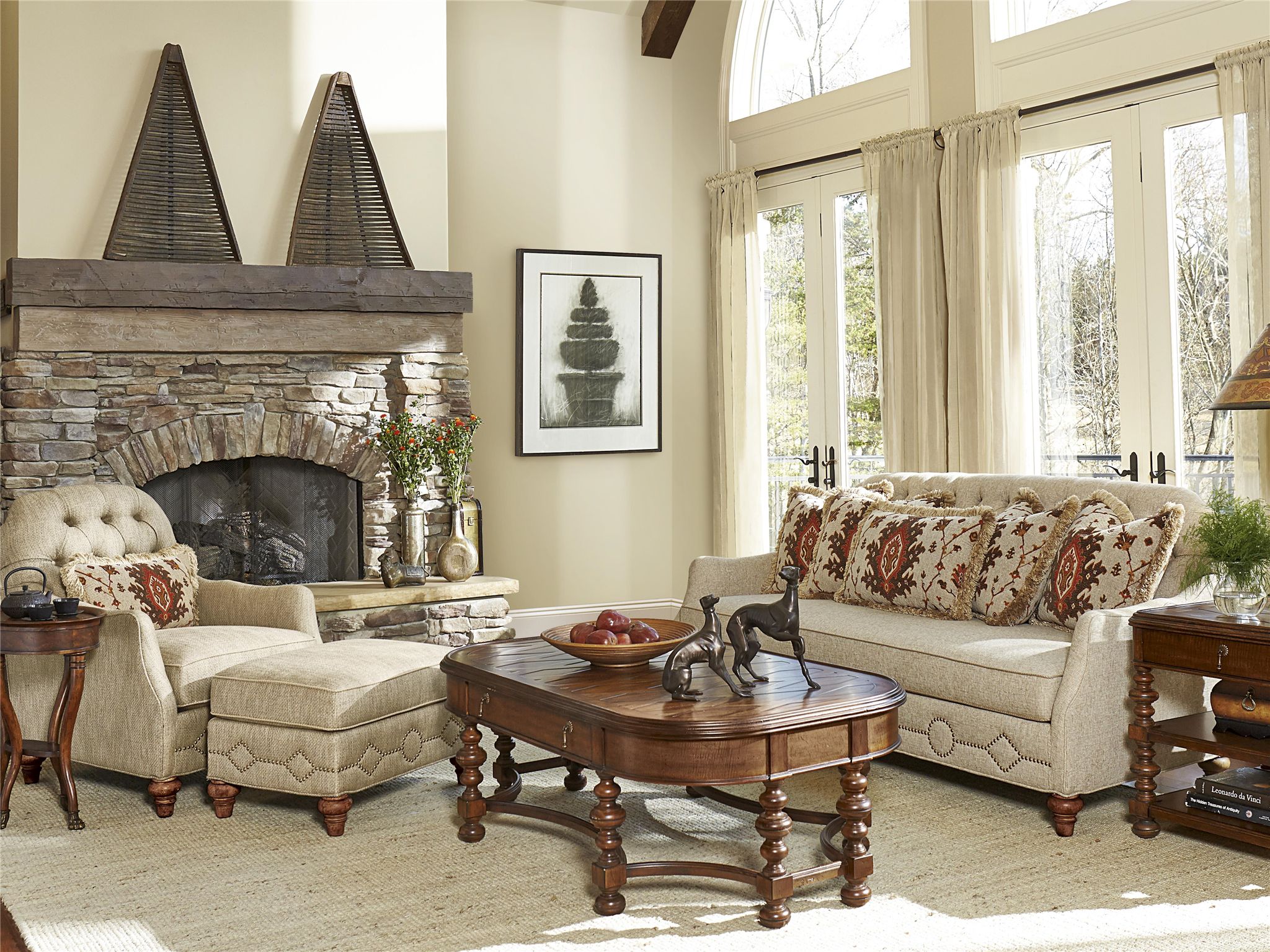
Fine Furniture Design Living Room Vestibule Tufted Back Sofa 4514-01 has tufted fabric that nestles effectively in this chiefly beige surroundings. The wooden pieces provide the necessary contrast.
Why Tufting Works
Chesterfield originally was made of velvet but only the crushed velvet type became mainstream. Hollywood homes are filled with this kind of sofa because of the highest levels of sophistication that they are able to offer.
Tufting and color blocking can create focus in any minimalist space. Don’t go gaga over the colors. Let the tufted piece speak for itself and become the star of the show.
Tufted sofas are relatively traditional which makes them perfect in any Old World or rustic setting. If you want to go modern, then all you have to do is to create a traditional layout inside a house with modern architecture.
Tufted sofas can also be transitional pieces. Transitional homes come with furnishings with clean lines so the tufted sofa will make a perfect focal piece.
Always consider scale and mass when you are buying a tufted sofa or any large furniture. The tufted sofa will become an anchor point in any room where you place it. You would, of course, want to be deliberate when making your choices. You could look through an interesting array of tufted sofas then decide on which one would make your theme leap to life.
Many home offices are also using tufted sofas recently. Some even go through great lengths as customizing their seating units so they can have more people seated. Tufted sofas are perfect for social events or casual meetings.
Tags: buying a sofa, couch, couch buying, couch shopping, McCreerys, McCreerys Home Furnishings, shopping for a sofa, sofa, sofa characteristics, sofa choices, sofa tufting, tips, tufted fabrics, tufted leather, tufted leather couch, tufted seat, tufted seats, tufted sofa, tufted sofas
Posted in Furniture, Interior Design 101, Interior Design Elements, Living Room Design | No Comments »
Friday, June 10th, 2016
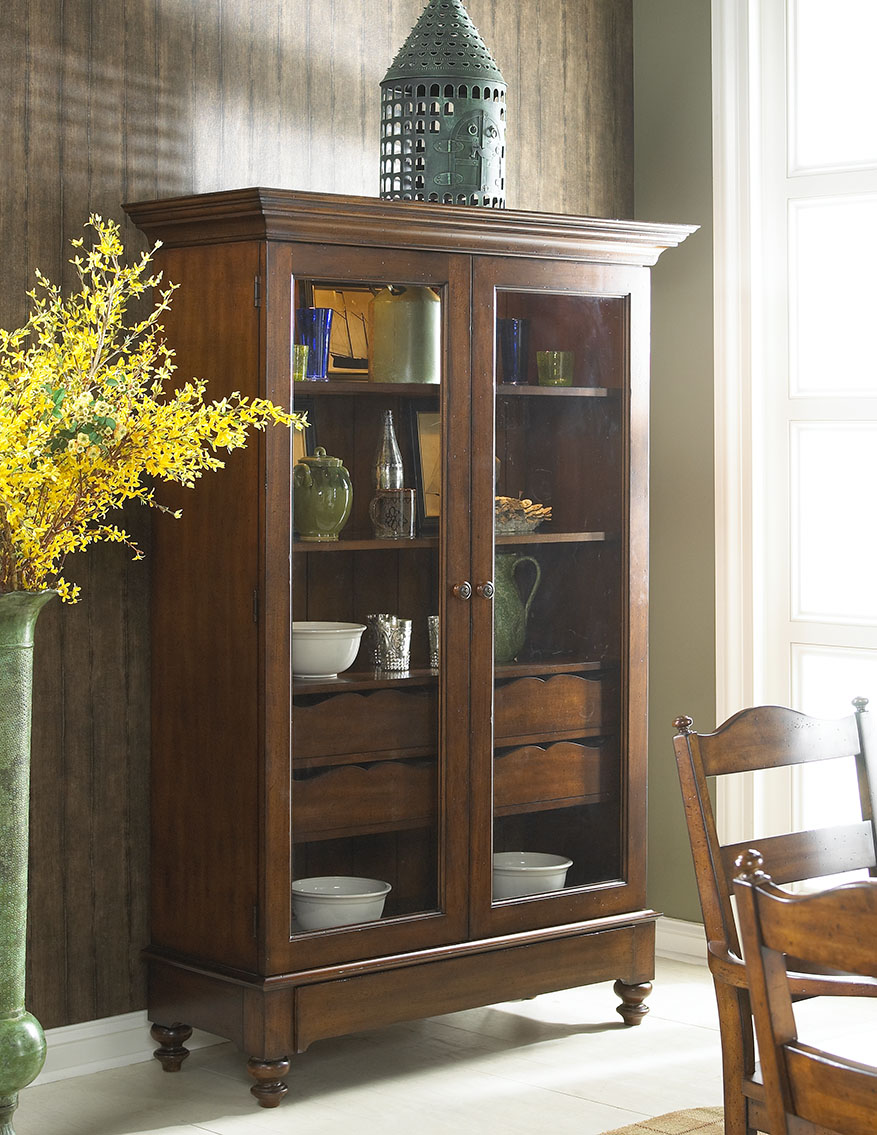
FFDM’s Summer Home Collection: Striking contrasts are seen in different design elements here from the shiny woodworks, to nature’s touch, and some metallic and ceramic elements.
Have you ever tried to define the word contrast? This is an oft used word in the world of interior design. Dictionaries define this term as the combination of unlike elements such as tone, colors, textures, patterns or emotions. This can be further defined as the lightest versus the darkest parts of a photo, painting or any other work of art.
Dullness vs. Contrast
Take a careful look at most black and white photographs; these are often difficult to read since there is no color contrast to begin with. This kind of photograph often appears flat except when taken at an angle where the depth is clearly defined. If there is any contrast in a black and white photo, these are the tonal contrasts.
To further define contrast, this is the comparison of two things with respect to their differences. This can also be similar objects but with dissimilar qualities.
Are you starting to get the concept of contrast now? No?
Examples of Contrast
One example of contrast is when an interior designer would want to highlight the intricate designs of a cream-colored cabinet inside a kitchen. This can be achieved if you use a charcoal wall as backdrop. The cabinets would appear to be the star of the show once you achieve this.
This kind of contrast is what’s known as achromatic. This is the contrast between two opposing shades – black and cream.
Contrasts can also be seen in nature each day. The white sheep grazing on the green, grassy landscapes; an orange buoy in the midst of the blue sea; white snow and some black rocks nestled beneath it; and many such contrasts.
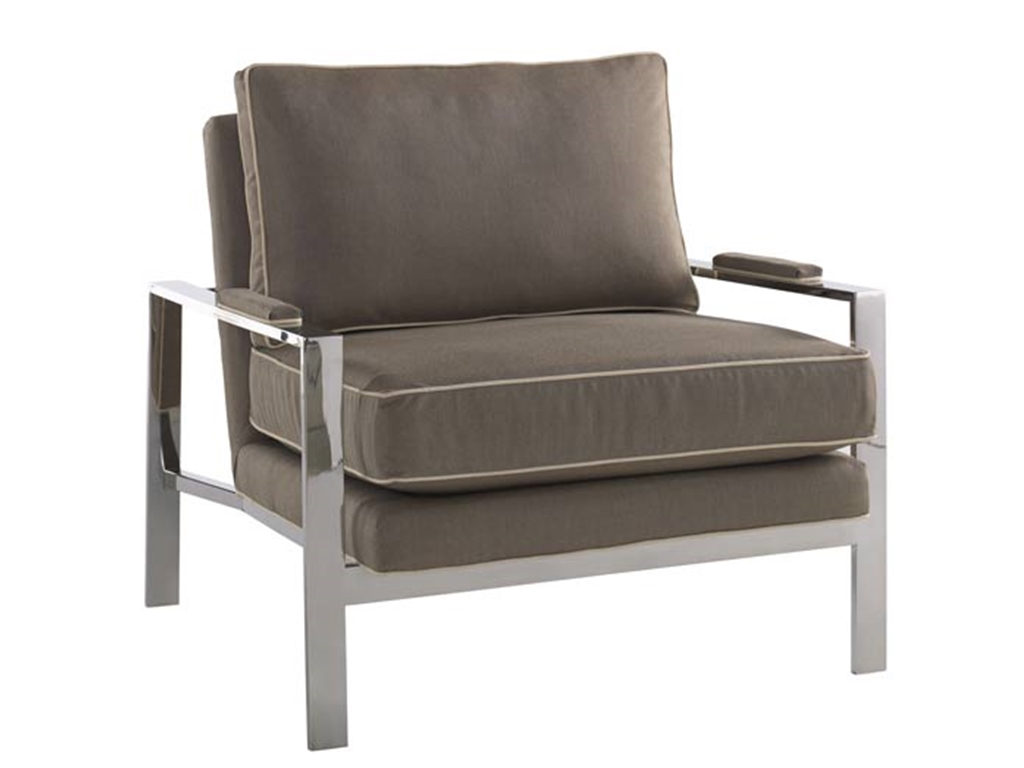
The marriage of fabric and metal in this Miles Talbott Living Room Mesa Chair JR-9440-C is perfect for any living room.
Contrast: A Composition Element
Contrast is a crucial part of composition. You can easily create contrast, more frequently with colors. At times, you can make subtle contrast with texture. Rooms can also play with different forms of shapes which can also represent a kind of contrast.
Geometric pieces like curvy ones can play contrasting roles with edgy pieces.
Above any element, you need to consider the color contrast when you are out to achieve opposition. Contrast makes objects distinguishable.
Here are seven kinds of contrast according to Johannes Itten –
Tags: adding colors to a home, color 101, color basics, contrast, contrast in design, contrast in interior design, McCreerys, McCreerys Home Furnishings, mixing colors
Posted in Color Schemes, Interior Design 101, Interior Design Elements | No Comments »
Thursday, June 9th, 2016
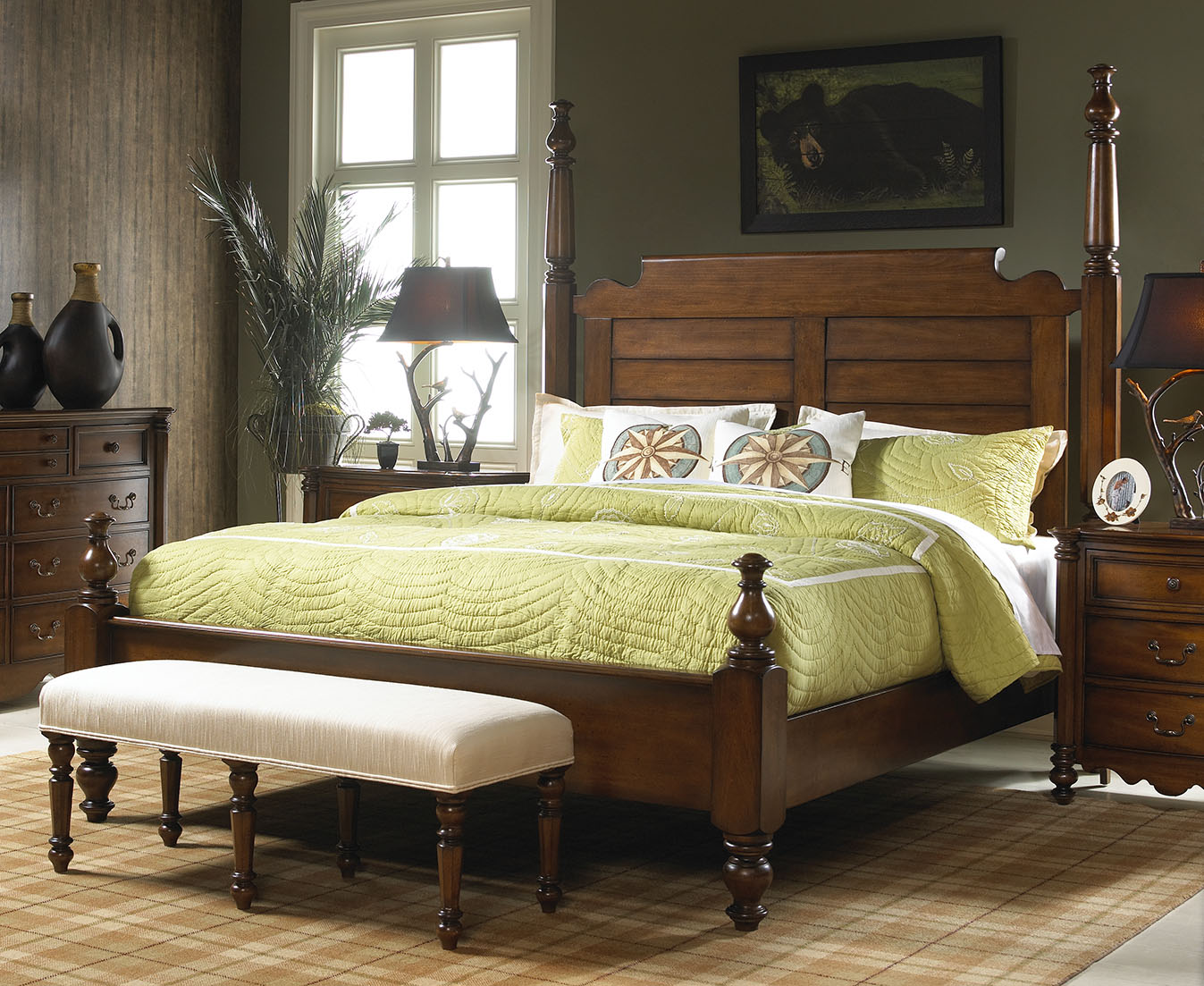
FFDM’s Summer Home Collection: The design elements in this bedroom- from the woodworks to the fabrics and metallic decorative pieces – all work to achieve this amazing ensemble.
Designing the interiors of a home can be a daunting project for many homeowners, even for those who are devoted to DIY tasks. Most just delegate the task to skilled professionals but a lot of misconceptions have been looming about when it comes to interior designers, enough to make others shun these experts from helping out.
Majority of homeowners do not know that there are three ways that interior designers work with their clients; first, through full design services, then through design plans and lastly through consultation.
Full Design Services
This is the kind of service rendered by a designer who offers the complete solution to your interior design dilemma. This is the optimized service level that leaves all the hard work to the professionals. This is ideal for people who do not have ample time to run the project. This is also great for those who would want a packaged deal.
Full design service package is chosen by people who want to have a full house renovation. This is also an awesome choice for kitchen design projects and buying furniture for specific rooms.
Hire professionals from this level if you have a low level of tolerance for design frustrations. This is the kind of service that offers a long list of suppliers and dealers.
Find this kind of professional if you want a huge interior design project finished in no time. What you have here is a handful of experts all handled by a project manager who will manage the outsourcing, ordering, inspecting, installation management, and dealing with problems that could suddenly take place.
The Designer: A Visionary
Interior designers are professionally capable of developing a vision on what your home could be. He or she could give you style cues and steps that are needed to fulfill all your orders and installations.
An interior designer prepares concepts, elevation and floor plans, lighting plans, furniture specs, even millwork designs. A designer can work from the conceptualization phase to the completion period.
A designer is also supposed to help you find dependable and qualified people especially when you are having a hard time searching for them. You can attain peace of mind once you see the team of people that the designer has gathered for you.
Designing takes time and decision-making phases which is why you need to have professionals sort these out for you. These experts are especially helpful when your plate is full and when you don’t have time to spare.
What to Expect
An interior design project can take anytime from a few weeks to several months, even up to a year. This depends on how huge the project requirement is. A major interior design project might also require you to attend a number of meetings where you will be informed about the status of the project and other updates. You will also be constantly reviewing the designs and other elements that are going to be brought into your home.
Cost-wise, know that an interior designer is compensated for his or her education level, experience and overall expertise. The fees can be paid hourly or on a per-project basis. The latter (fixed-price interior designers) calculate their project quotes by computing the square footage against their professional fees. Sometimes, they require a certain percentage of the client’s proposed overall budget.
Remember that hiring a professional for your interior design project will save you a lot of time, even headaches. Structural planners include remodeling contractors and architects. The interior designer, on the other hand, is in charge of design elements inside your home. This expert should work closely with the contractor so that they, together, get to achieve what you would want them to achieve.
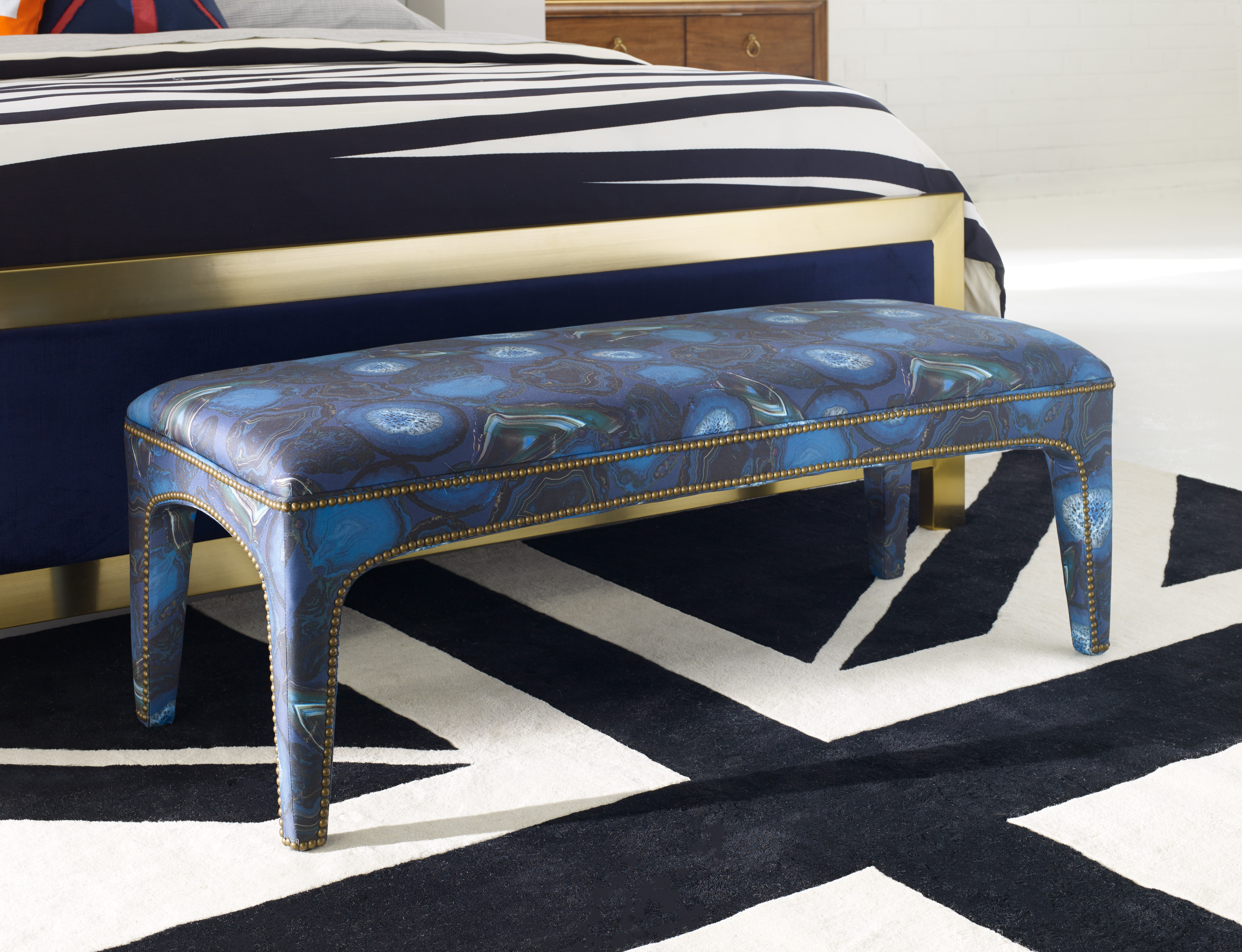
Cynthia Rowley 6272CR Lulu Bench: Patterns don’t always jive and it takes skills to fuse them into one working group. These are skills that an interior designer must have.
Tags: benefits of having an interior designer, finding an interior designer, hiring a designer, hiring an interior designer, hiring design experts, interior designer, McCreerys, McCreerys Home Furnishings
Posted in The Interior Designer | No Comments »
Thursday, June 9th, 2016
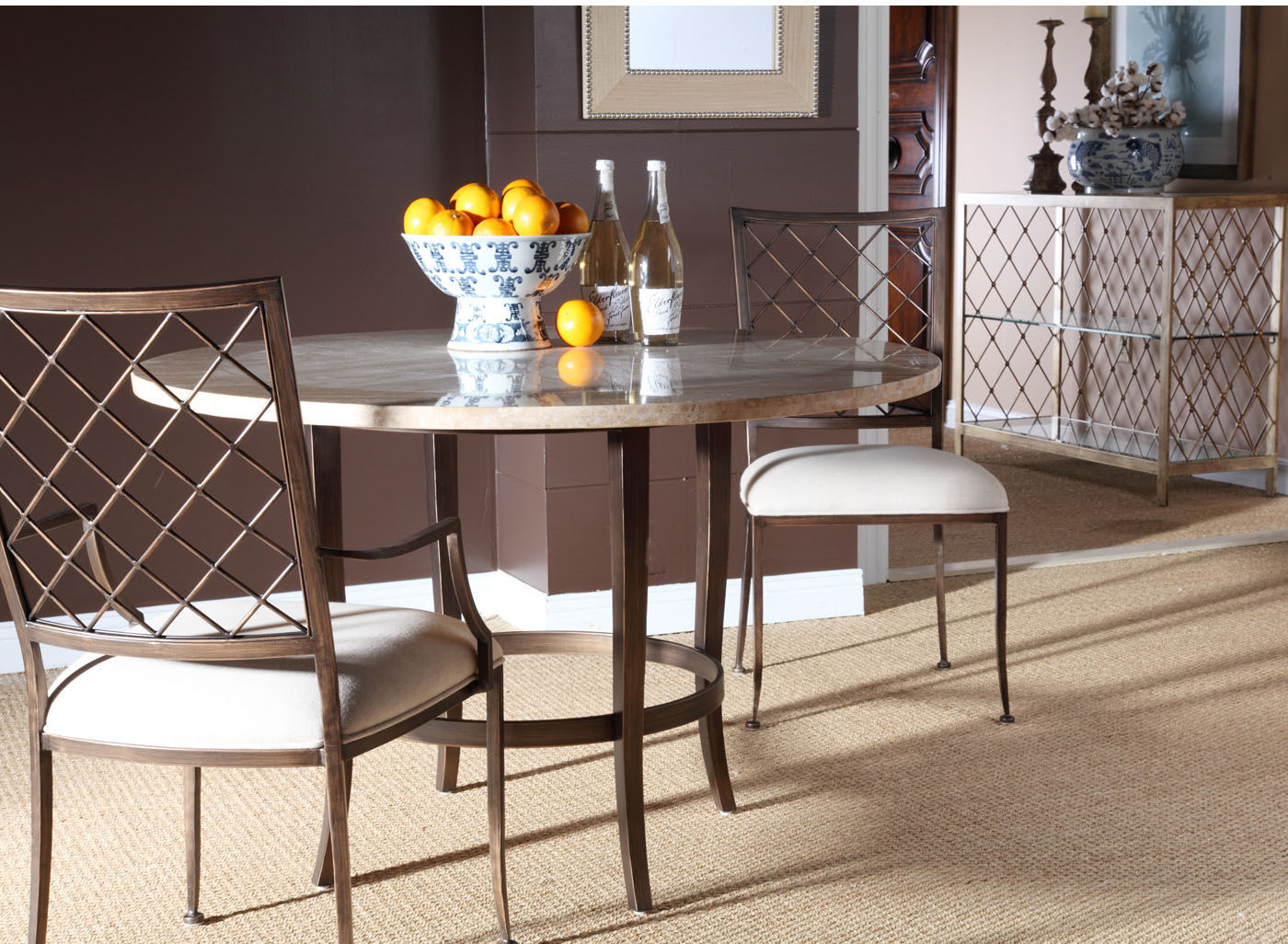
Artistica Dining Room Quadrille Arm Chair 481-010
For thousands of years now, copper has been used in designing many homes. This beautiful metal is slowly becoming more and more popular as of late. Designers are now bringing its cool texture yet warm tones to homes’ interiors ranging from Mid-century to contemporary designs. Copper has the capacity to add a metallic yet stylish touch to a home.
Beauty, Balance and Function
Two of the classic rooms where copper is used are the bathroom and kitchen. Bacteria won’t thrive on copper which makes it the best choice for fixtures and sinks. Did you know that bacteria die in just a few hours after residing on copper? There isn’t even a need to use soap or chemical agents to clean the surface of this metal.
Hammered copper sink, pots and pans offer an Old World look. This is also true with showerheads and faucets.
Copper elements and copper piping are great for homeowners who embrace the contemporary look. To add to all these wonderful features, copper is also a recyclable, sustainable material.
Multi-faceted Lighting with Copper
There is no question with regard to the impact of proper lighting in homes. Lighting fixtures are design elements, not just functional pieces. Think of contemporary chandeliers and pendant lights. These are posh additions to any room. These can add a different level of dimension by helping define space. Depending on the copper’s finish, it can be raw, shiny or in heavy patina.
Copper lighting is great when used in rustic, cozy, contemporary or Western theme.
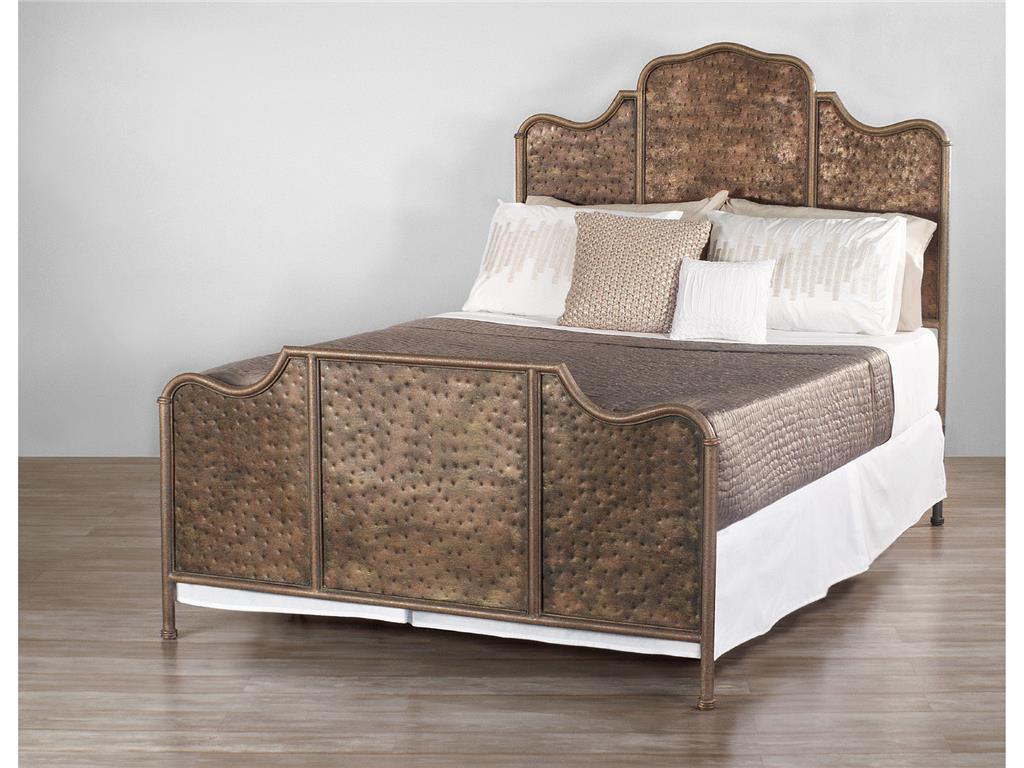
Bedroom Headboard Only Wesley Allen Frame HO.WAF1368
Not Your Ordinary Metal
There is no need to be bound to brushed nickel, stainless steel or shiny bronze. Apart from using copper in fixtures and sinks, you can add some flair to the bathroom or kitchen when you use copper hardware including hinges, cupboard door handles and other such touches.
Stovetop hoods and tile backsplashes can now be done away with. You can add substantial touches of copper in these areas. Mirrors with copper frames can provide a gilded elegance. It will be the anchor to the copper fixtures, showers and sink.
Copper spells elegance more so when you use pots, pans and cooking utensils as décor in the kitchen.
Dashes of Copper
Adding copper to your home’s décor would render it seemingly renovated. A major physical overhaul is what it would look like as copper is used in vases, plant pots, lamps, even wall art. Sculptures with copper elements are now a growing trend. The market is filled with abstract to modern sculptures that would match any home.
Copper patio furniture and fountains can also bring your desired look in your patio and porches. Foyers and entryways would also benefit with a hint or two of copper.
Fusing with Energetic Colors
Copper can also work with undertones of red, orange, rose or brass. Copper is a kind of metal that can effortlessly transition from the indoors to the outdoors. Siding, pipes and tiles all can have touches of copper. It also has a wonderful patina as it ages. This is a material that you can live with for a very, very, very long time.
Copper + Stainless Steel
And why not?
You can actually harmonize these seemingly warring metals by giving them the same finish. Exposed copper pipes against black tiles and wallpaper all harmonize to achieve a focal point for a powder room.
When you are considering the application for materials on your external walls, make sure to think of three things – how the material would react with the wall, where it will be attached, and how it will adhere to the wall surface.
A perforated copper sheeting is an awesome application that can add visual interest, dimension and texture. The perforations will allow evaporation, thus, you won’t have issues with mold and mildew.
Copper and stainless steel can both be hammered thin so they can be shaped into different patterns.
Tags: copper, copper accent, copper accents, copper in interior design, McCreerys, McCreerys Home Furnishings, metal, metal design, metal theme, metallic, metallic design, metallic interior design, metallic interiors, stainless steel
Posted in Color Schemes, Interior Design 101, Interior Design Elements | No Comments »
Wednesday, June 8th, 2016
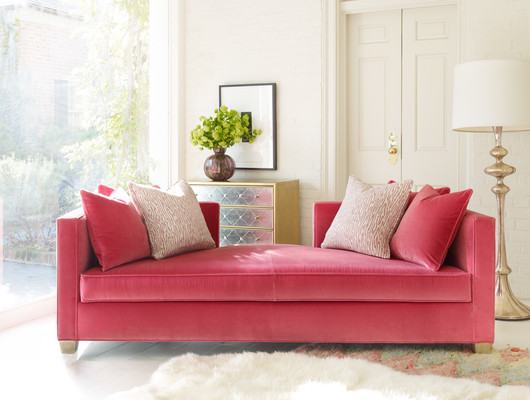
Pink is definitely the star in this room. Featured sofa is Cynthia Rowley’s 6000CR Coco Daybed
The beautiful Audrey Hepburn once stated that she believes in pink. There is a reason why this color excites and has an attitude that is solely its own. First, it is a contradictory hue. The meaning that it evokes depends on what context and culture it is being presented. This can be mainly feminine in many cultures although it can also be bold and frank the next. In Japan, however, pink is a masculine color (yes it is).
Pink Is Love
Just like the color red, well, knowing that pink is a mixture of red and white, it is being linked to love. Red is more passionate while pink is tender and innocent. This color focuses more on intimacy, thoughtfulness and being careful with each other’s feelings.
Pink also represents nurture and familiar love.
Does Pink Excite or Calm the Nerves?
Pink can evoke both these feelings in humans. Again, depending on the level of intensity in which it is presented, pink can be aggressive (just like red) or it can be vulnerable and calm just as in old rose or carnation pink.
What’s the chief color that dominates nurseries for baby girls?
Pink.
Pink is often linked to innocence and childhood sweetness. It can even border naïve at times, if not vulnerable. But there is also a reason why pink is quoted when it comes to optimism – seeing the world through rose-tinted glasses means the person is overly positive.
Various Levels of Pink
The stronger shades of pink such as fuchsia often represent energy and confidence. Which is why we are no longer surprised why brighter shades of pink are often used in manufacturing girls’ toys.
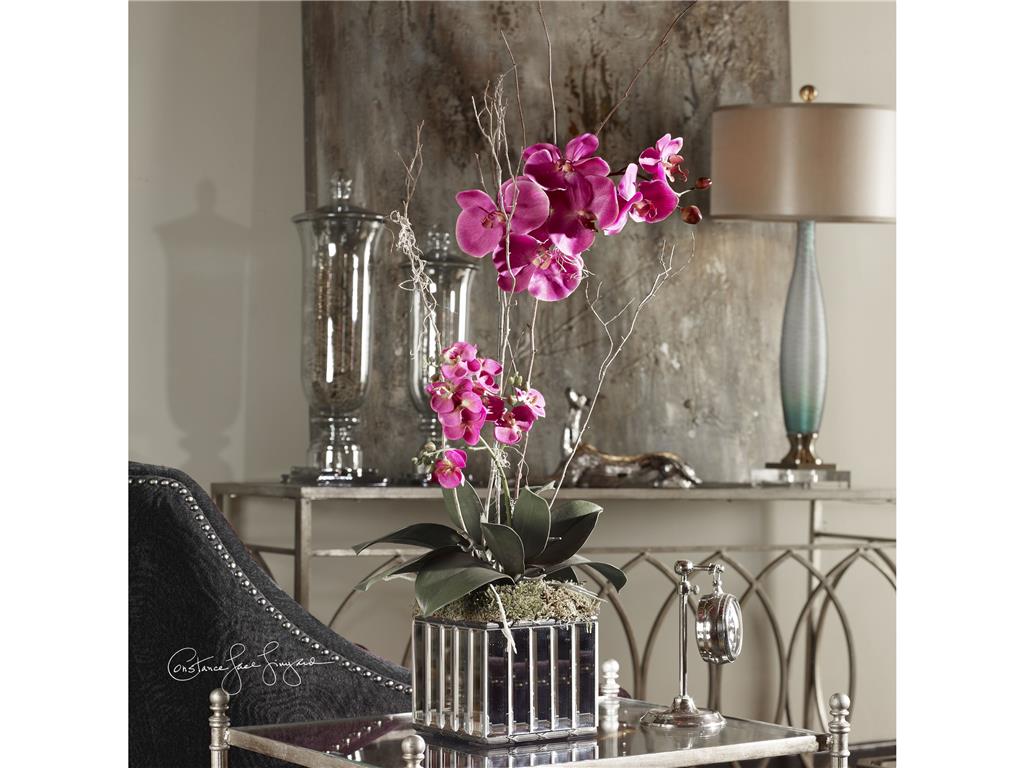
Accessories Uttermost Fuchsia Kaleama Orchids 60121: A touch of pink won’t’ hurt, in fact, it ups the level of elegance in this mainly metallic look.
Is Pink Positive or Negative?
Both.
Pink has many positive associations as it can be a non-threatening color. It represents hope, innocence as well as optimism in the best of times.
The downside to pink is that it can be downright silly especially when it is not used properly. It can also be considered shallow when it won’t anchor or fuse with any other design element inside a room.
‘Time to Use Pink
‘Still have no idea what shade of pink you should use in your home? The color might have excited you in
Roses are a great source of invaluable study when it comes to the relaxing shade of pink. If you take a closer look at this kind of flower, you will notice that it also comes with other bright colors such as yellow and orange. If the flower can get away with this look, then a room or two in your home could also have this color combination.
Other complementary colors are green, black and white.
Why green?
Remember the rose yet again. The pink rose pops out on its fresh green stem and leaves – no look can be sweeter.
As for black and white, these two can take pink and make it more elegant and controlled.
Pink: The Supporting Cast
Your palette does not have to be mainly pink. It can play a supporting role to the main players which are chocolate brown or shades of gray.
A whisper of pink evokes romance when splashed on walls. Call this your dessert palette where pink is as soft as it can possibly go.
Pink: The Hero of the Show
Pink can also be the star of the whole ensemble. This is the case with the more confident shades of pink such as lavender-leaning tints, fuchsia, and deep-pink. Use the bolder pinks as the main color palette or as accents that will surely catch people’s attention.
Tags: McCreerys, McCreerys Home Furnishings, pink, pink color psychology, pink design, pink in interior design
Posted in Color Schemes, Interior Design 101, Interior Design Elements | No Comments »
Wednesday, June 8th, 2016
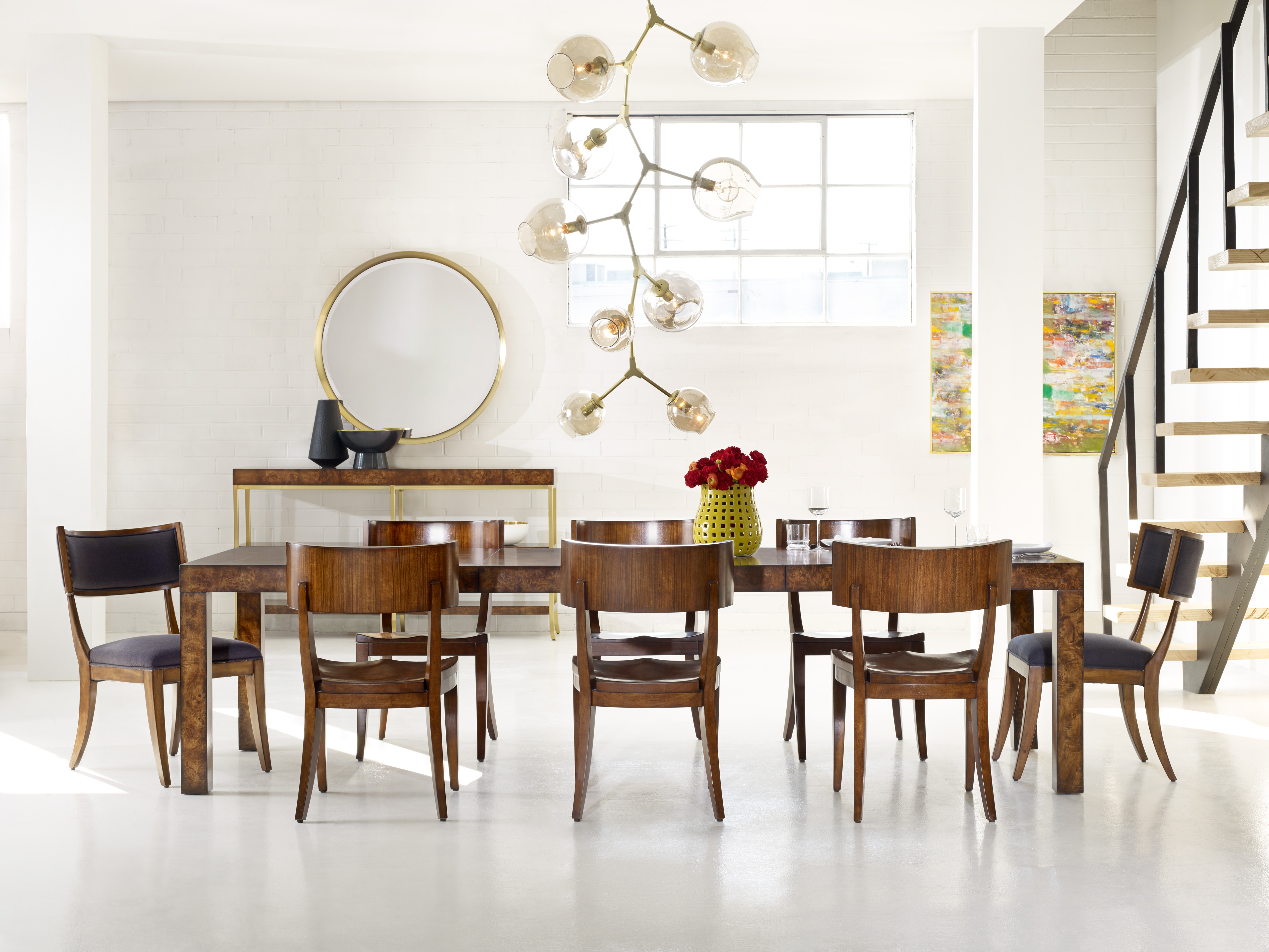
1586-75200B-BRN Long Board Rectangle Dining Table with 2-20in leaves: Clutter is never a part of any dining room but the different elements used to create this balanced yet still homey atmosphere are simply laudable.
A lot of the classiest homes featured in interior design magazines show either the traditional or contemporary style. Too much tradition can be out of character in a modern setting and vice versa. This dilemma is quite common in the world of interior design – where styling a home – even a room – can be a difficult task especially when you are groping for elements to infuse. If you’re out to create a unique dining room, one that seems to come out of a picture book, then you should prepare for some styling battles.
No need to fuss, though. Just take your personality into consideration, know what your favorite color is, and arm yourself with some fundamental design tactics and you should be fine. Remember that the dining room has to be relaxed and casual, not too formal that guests tend to become guarded with their actions. This is your home and not a hotel setting so make your guests feel at home.
Color Palette for Your Palate
The adjoining living room has a lot to do with the colors that you will be using inside the dining area. With regard to color psychology, red is the most common color used pertaining to the appetite. This bright, bold color signifies bravery and in the case of dining, it excites people to want to partake more of what you’re offering on the table.
A blue color palette would also be perfect on walls then echoed on an area rug and the seats. Use patterned fabrics for the chairs when the backdrop framing the entire room is in a block color. Don’t worry too much about matching. Remember that perfectly matched chairs and other design elements feel antiseptic and stiff. If you don’t want to be called uptight, then relax and design the room – not on a whim but – according to your personality.
So, yes, the rug and your upholstery can have different patterns though they can still work together should they have a common color to anchor on.
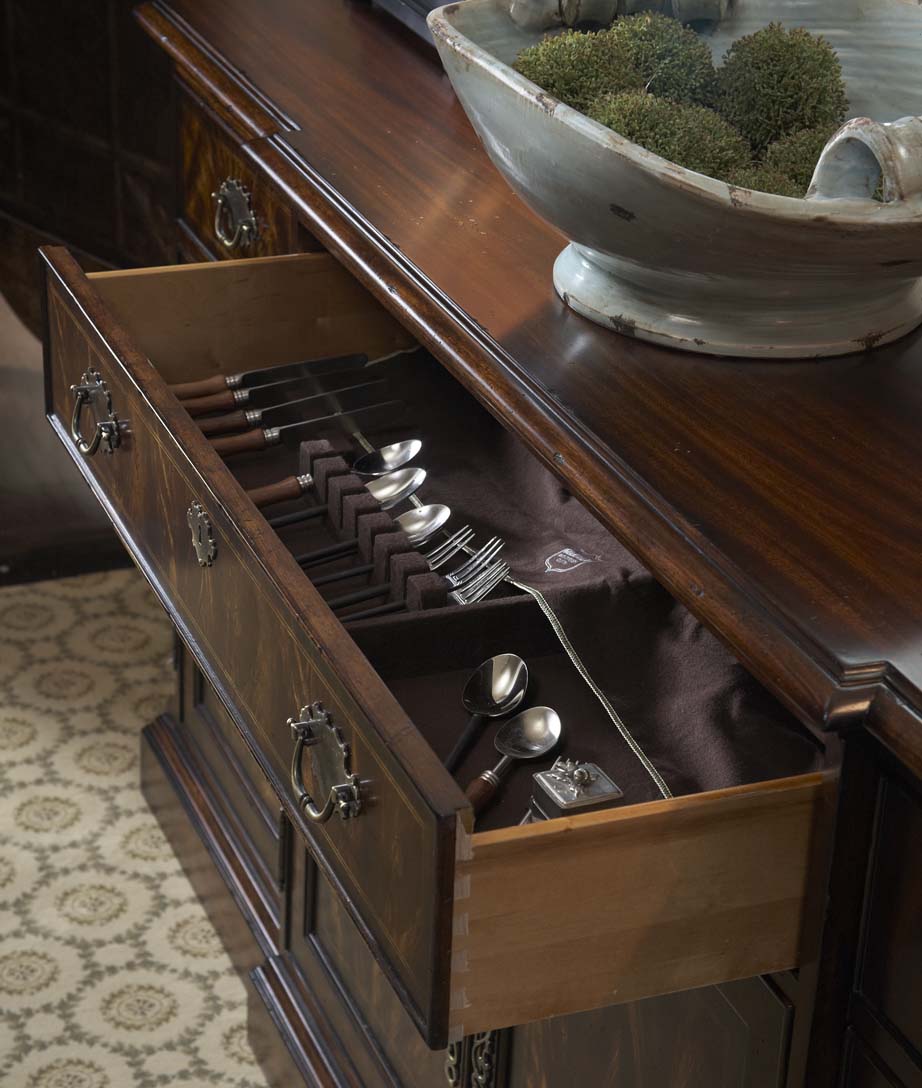
FFDM’s Hyde Park Collection: This wood ensemble is the perfect house for your fine dining silverware.
Experiment, Don’t Make Do
You are not encouraged to make do with what you currently have. You have to explore your options. The former action means you simply have to rearrange and use the same boring stuff that might have made your dining room into the boring place it already is. Play it up if you want to excite things up a little.
‘Got a small dining room? No problem. Then focus on the things that emphasize the coziness of the area. Find furnishings that will highlight the warm feeling. Don’t cover the room with dark, thick draperies, instead, let in a good amount of sunlight.
Comfort Is Absolute
Allowing your dining room to rock does not mean that you will have to let go of comfort. This is a design element that should never be neglected especially inside the living room. Add intimacy by dressing up even a dining nook and make it feel cozy. Hang low-reaching lights but not so low that they would block the conversations.
Consider the chair and table heights, even the shape of the materials that will be used. Pillows add comfort, plants provide hominess. Create a dramatic statement by hanging an oversized piece of art as a backdrop. This piece will also spur conversations with your guests – the very thing that you would want during a relaxing dinner.
It’s Imperfectly Fun
Who says that everything has to match? Dining rooms weren’t meant to be stuffed with a lot of things so lighten the mood by adding humor and fun. Go crazy on the patterns, allow them to catch the attention of your guests.
Your dining room evokes an informal setting now that you weren’t afraid to become imperfect. Let your hair down, feel comfortable. Hang lights at varying heights, mix and match the furnishings.
This dining room is yours but it is also yours to share so celebrate its wonderful imperfection.
Tags: dining area guidelines, dining room essentials, McCreerys, McCreerys Home Furnishings, setting up the dining room, tips
Posted in Dining Room Design, Interior Design 101, Interior Design Elements | No Comments »
Follow us on our social media


© McCreery's Home Furnishings | All Rights Reserved | Privacy Policy
