- Follow us:


Tuesday, June 7th, 2016
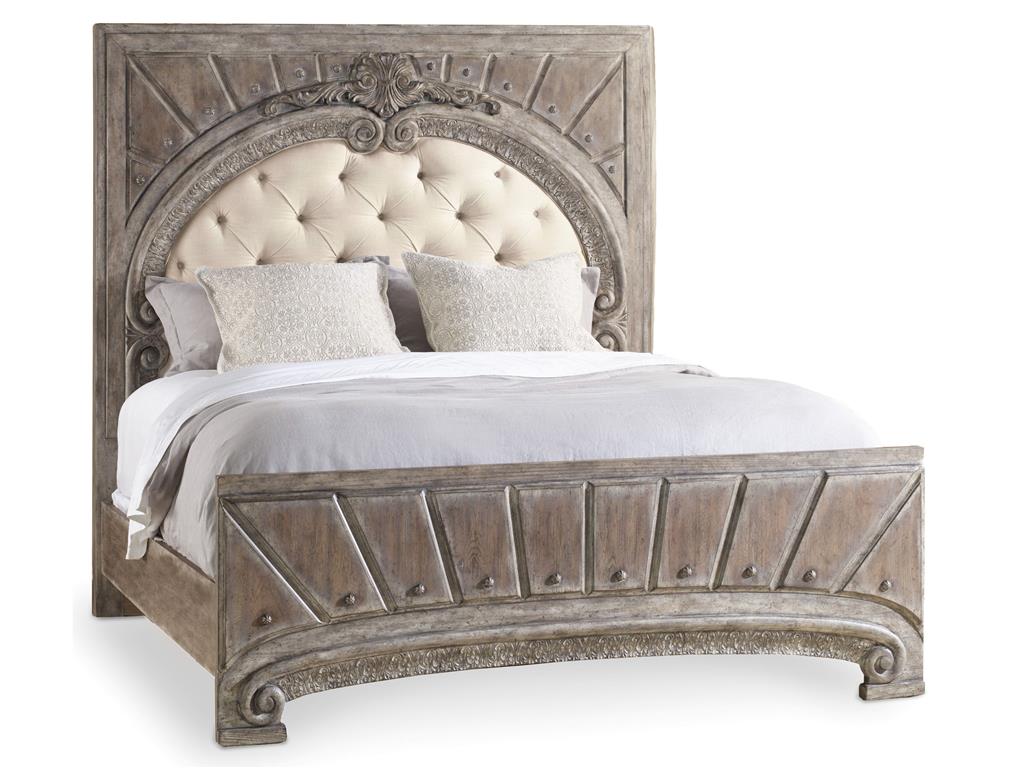
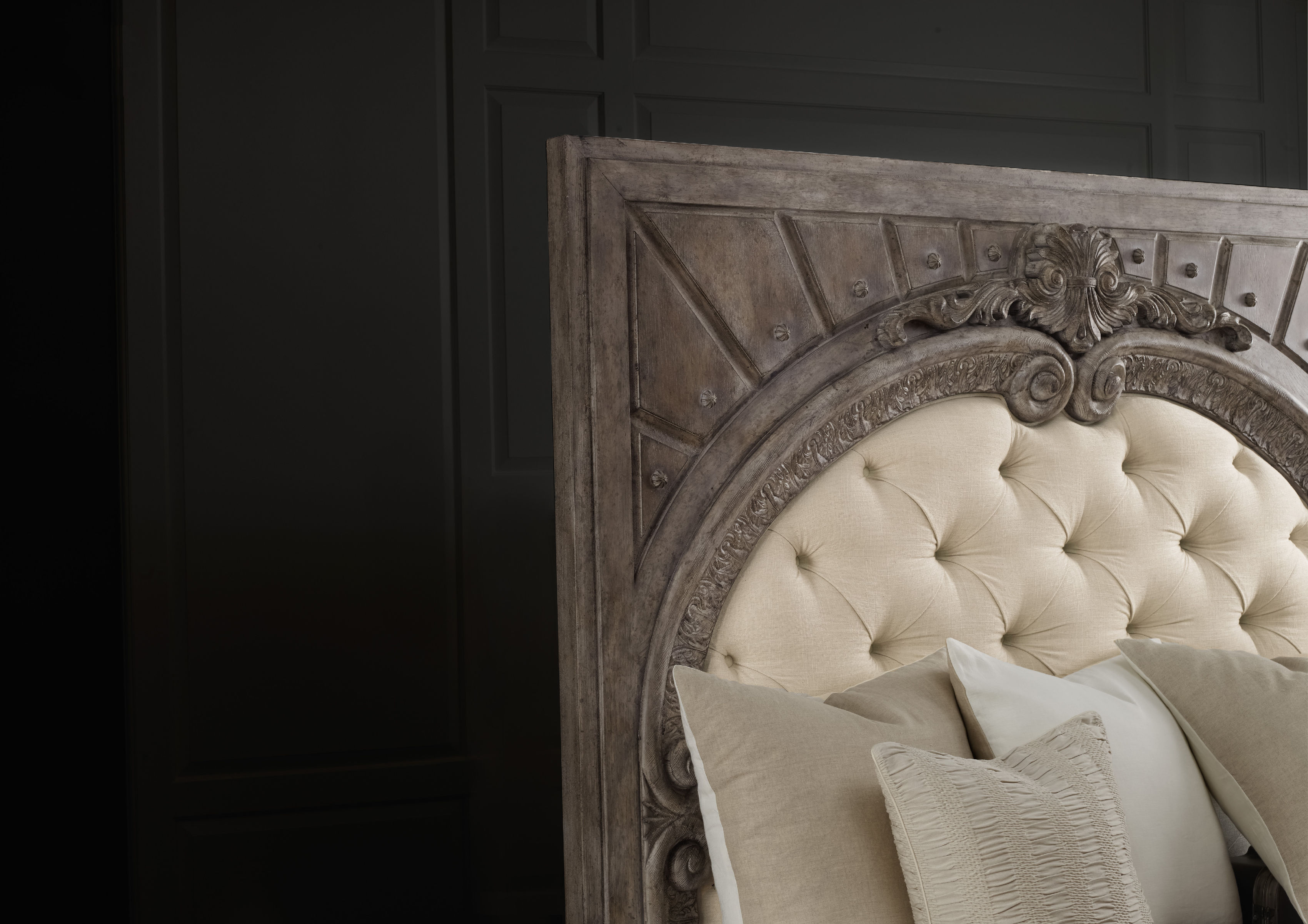
Hooker Furniture Bedroom True Vintage King Upholstered Panel Bed. What good is a guest room without a restful bed, right?
There are expected and unexpected guests in any home, every now and then. Whether you would have the former or the latter, wouldn’t it be great if you are always prepared to welcome them in? Whether they intend to stay just for the night or over the weekend, these guests need to feel well-cared for. They may be away from their homes but don’t you agree that they also deserve a nice place where they could rest and have a little privacy?
So what should you put in the guest room? And another question is – should there be a designated room for the guests or should a partitioned area do?
Creating a Happy Place
It is crucial to make your guests feel welcome not just so they won’t rant about their inhospitable experience but more because you would want them to feel at home even when they are away from their own home. And what better way is there to create a happy place for them than to set up a room – or even a section – of your home that feels just like home?
The Pillow Haven
Oh, what would anyone give for a bed full of fluffy pillows? Say your guest room is small, then compensate for the absence of a reading nook by adding a lot of pillows. These can be used as makeshift couch in the morning, one where a guest could curl while reading an engaging novel.
Don’t forget to place extra pillows on the bed as some people prefer to prop up and do their readings before snoozing.
The Guest Tray
Placing a tray inside the room signifies that the items placed there are intended for guest use. These items are often not regular parts of the room. Have the tray placed right next to the bed so that the guest can place her jewelry there. The tray can also hold the toiletries in the guest bathroom and yet another tray can be used to put any other stuff that your guest might want to park for quite a bit.

Cynthia Rowley 1586-90016A-GLD1 Bewitch Mirrored Octagonal Nightstand holds books that your guest can peruse right before going to sleep.
The Universal Charger
While, yes, it may be your guest’s responsibility to bring her tablet or smart phone charger with her, there are moments when forgetfulness happens. So just to make the guest’s stay a lot more comfortable and stress-free, you might as well have a universal charger brought into the guest room. Find one that can be used for cell phones, laptops, eReaders, etc.
Yes, a Steamer, Too
Who wouldn’t want to have crisp, clean clothes to wear? There is a reason why the hospitality industry includes an iron or a steamer inside every hotel room so that guests get to iron their creased clothing. You might have experienced it, too, when you have to iron your clothes prior to a business meeting. Weren’t you thankful that a flat iron was available because your dress was wrinkled in transit?
A steamer would do, so you don’t have to worry about having an ironing board brought in.
Books for Late-night Reads
The guests also need to wind down and a good way to help them do this is to have a stack of magazines, novels or self-help books on the nightstand. You wouldn’t want to have an entire bookcase brought in, though, as this could ruin the restful feel that you are also trying to achieve inside the room. Remember that you are setting up a guest room and not the home library so, yup, take it easy in having books brought in.
An Extra Blanket Please
One of the most neglected extras in guest rooms is the extra blanket. Apart from the towels, toiletries, and other necessities, never forget to leave an extra blanket for your guest. Take time to invest in a softer brand, your guests will surely appreciate you for it.
Tags: guest room, guest room decorating, McCreerys, McCreerys Home Furnishings, pillow
Posted in Guest Room Design, Interior Design 101, Special Rooms In Your Home | No Comments »
Tuesday, June 7th, 2016
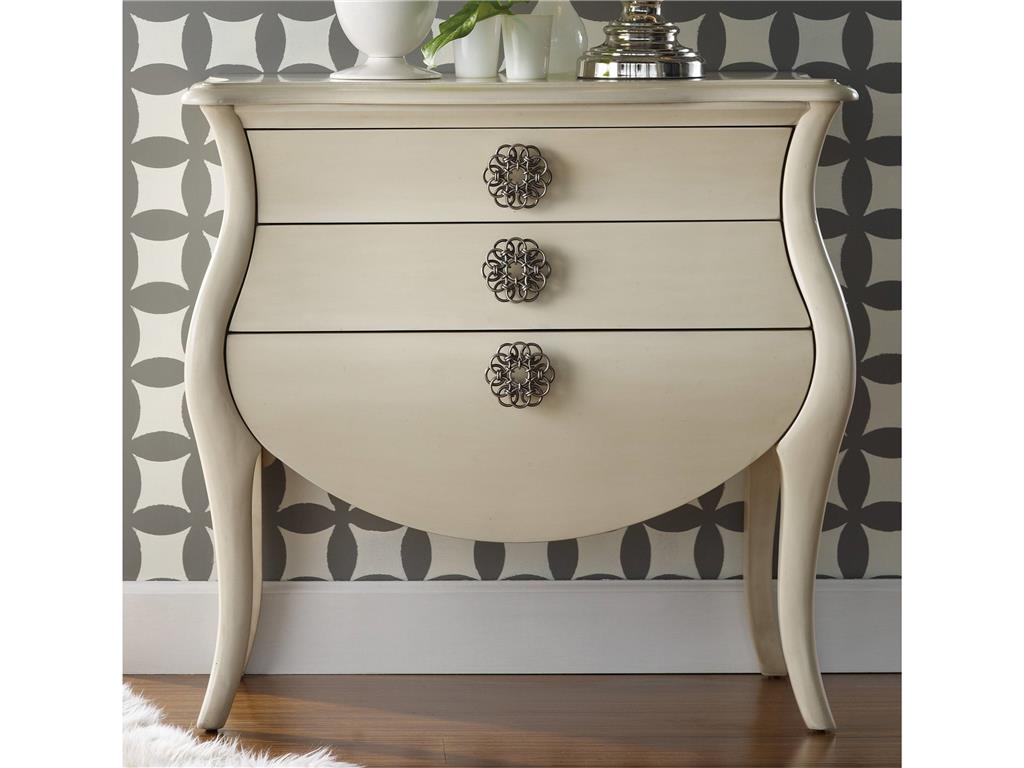
The patterned wallpaper at the back of the Hooker Furniture Living Room Pippa Bombe Chest 638-85079 offers an exquisite backdrop for this lovely accent piece.
Designing a space takes a lot of gut and a good knowledge of the range of elements as well as tools that are at your disposal. These can help you add color, texture, depth and pattern to a room. Rich space fuses these characteristics and even adds a focal point that can finalize a well-designed concept and make it work.
There are various ways that you can treat the walls and ceilings of your home but it is only the wallpaper that can help you achieve both projects in just one go. Wallpaper, therefore, is the easiest and even the least expensive way that you can significantly alter the look of any space. You don’t even need any additional element to go with this wall and ceiling design.
Wallpaper Benefits
Wallpaper is beneficial not only because it is aesthetically pleasing but also because it offers durability and longevity to the walls of your home. This is a material that is beneficial because of cost reasons and because it protects the walls from being corrupted by dust and other harsh elements.
What’s great about wallpaper is that it can also be washed and cleaned. It also has depth and a subtle texture if you want to add visual interest. Try achieving that with flat coat or boring paint.
What you need to do at this point is try to look for a contemporary wallpaper supplier that will help you install the said material to your home. Should you consider to create a weekend project with your family and have the wallpaper installed in a more fun manner, then nothing’s keeping you from doing that.
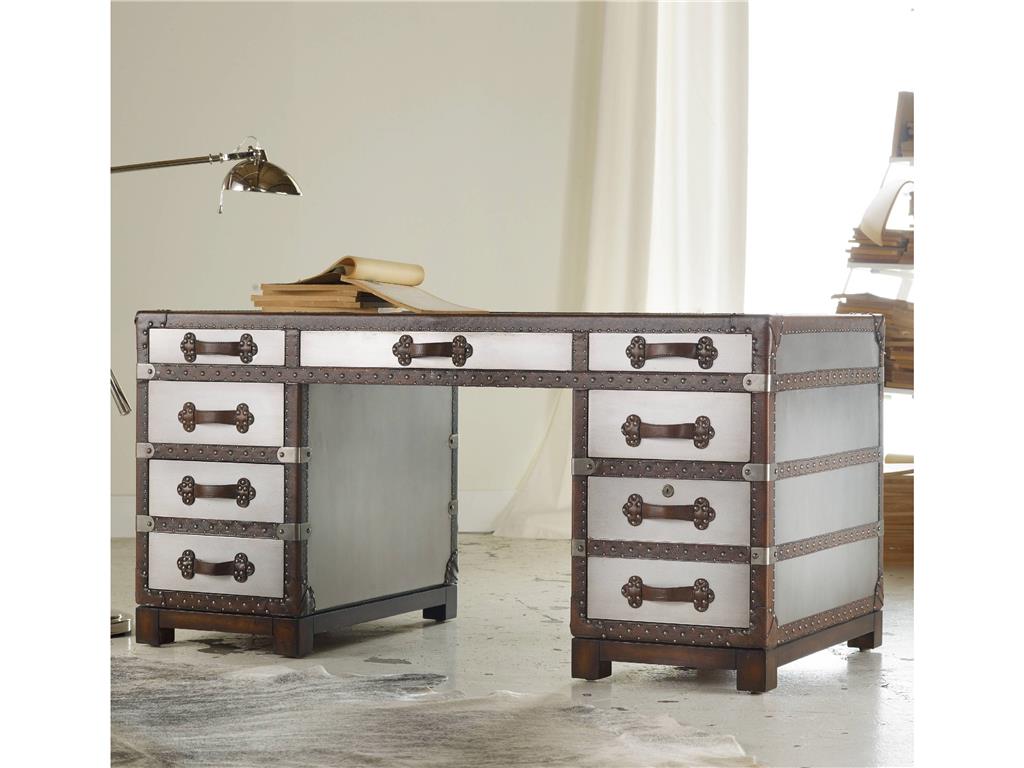
Any colorful wallpaper with limited patterns can effectively frame the Hooker Furniture Home Office Melange 60-in Bondurant Desk 638-10002.
Wallpaper Misconceptions
If there are benefits that come with the use of patterned wallpapers, there are also some misconceptions that come with their use.
First, it is often perceived that wallpaper is difficult to maintain and clean. Well, nothing can be farther from the truth. There are many cleaning products that you can use with any washable wallpaper. Also, light sponging should take care of the usual dust that clings to the wallpaper.
For tougher dirt, you can also scrub using soap and water plus a light brush.
Second, wallpapers are believed to be messy and a huge hassle. The new paste the wall technology offers a feature that allows you to peel off then wipe the wall clean in just a matter of minutes.
Third, there’s also the common notion that wallpapers are for oldies. Old patterns used to have limited patterns but the beauty of modern wallpapers now is that they come in different patterns, textures and colors. These new patterns do not render the look that your grandma’s home used to evoke.
Just to assuage you further, many interior designers use the newest wallpaper patterns in the most beautiful homes plus bloggers are featuring the leading designs in many interior design websites.
A fourth argument in not using wallpaper is that it can get pretty expensive but – just like paint – it has a wide range of price points to choose from. Keep in mind also that wallpapers tend to last longer than paint, thus, you save in terms of longevity.
Did you know that wallpapers are known to last five times longer than regular paint? Most of the wallpapers that are being sold in the market nowadays can last from 10-15 years. Wallpapers also don’t crack which is a common problem with paint jobs. Painted walls chip and crack and are even more difficult to clean.
Fear It Not
It’s time to remove these common misconceptions from your mind and start considering the beauty that wallpapers can bring to your home. It’s time to stop fearing the wallpaper and start using it to update the look of a worn out home.
Tags: accent wall, decorating with wallpaper, McCreerys, McCreerys Home Furnishings, wallpaper, wallpaper benefits, wallpaper design, wallpapering
Posted in Interior Design 101, Interior Design Elements, Wall Design | No Comments »
Monday, June 6th, 2016
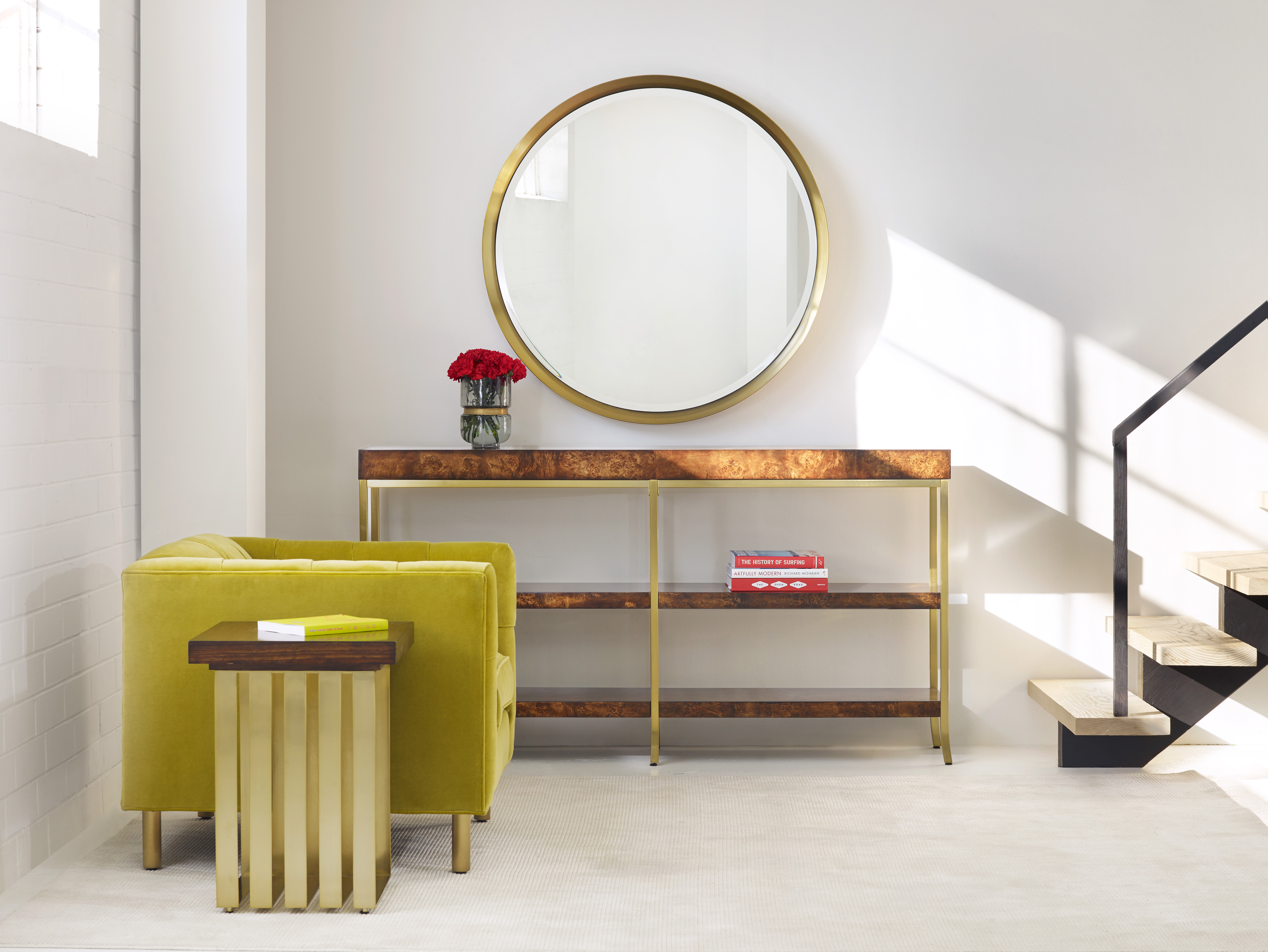
Cynthia Rowley’s 1586-80117A-BRN1 Horizon Line Square Accent Table balances every other element placed in this nook. It has effectively served as an anchor to the colorful couch, the modern mirror and the flight of stairs leading to an upstairs room somewhere.
Many designers – over the years – have come up with their own list of bad interior design habits. These habits are, unsurprisingly, being practiced by so many that it has become acceptable. But these need not be the case in your home. In fact, you have to rise above these decorating errors and find ways that you can be better.
Foyer Negligence
Remember the saying that first impression lasts? Well, you only get to have one shot at making a first impression so you might as well do it right the first time. With that said, do not let your entryway and the entry hall be the most neglected parts of your home.
Your home could make the best impression among your friends and colleagues if you only take some time to put a potted plant or a vase of flowers in the entryway. The hallway could also be a gallery for all your travel and family photos. This can also be a wonderful place to display art collections.
You see, there should be no reason to make your entryway a boring place.
Bad Lighting
There are only two bad things when it comes to lighting – either it’s too dim or too bright. If you want to have the correct amount of light inside a room, know its functions. The home office has to have different kind of lighting from the master bedroom. Just as the media room should be differently lighted compared to the kitchen.
To break free of this bad design habit, you have to create a variety of the lighting in rooms. Install dimmers inside the bedroom and have the kitchen and dining areas amply illuminated. Now don’t think that the dining area and the kitchen should share the same brightness of light. The former should have a more intimate and cozy feel than the latter.
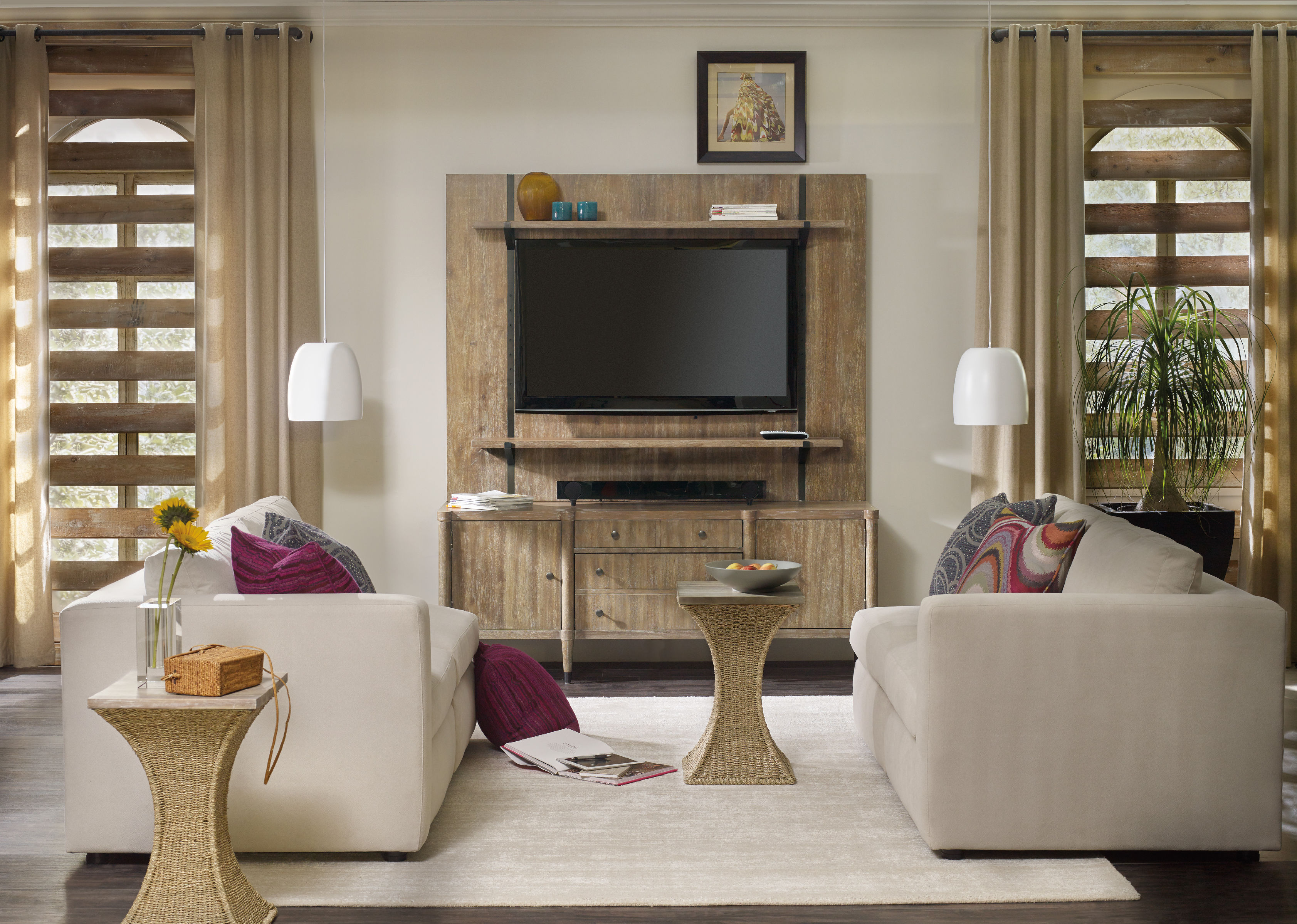
Hooker Furniture Living Room Studio 7H Go-Anywhere Rope Accent Tables may be a match to the color of the wall unit but they pop out from the mainly neutral backdrop.
The Un-homey Style
Have you ever seen those built-in refrigerators in those Master Chef episodes? The question is – would you want to play Gordon Ramsey when you’re at home.
Perhaps you would, perhaps not, but the point is, built-in fridge is more suitable in an industrial setting or in the corporate world. It is crucial to break free from this kind of kitchen design because free-standing appliances offer you that homey charm.
Breaking Free from Matching
There is no hard and fast rule that says you have to match furniture, walls and flooring designs. They can’t all be blue! There is something very unnerving about matching colors and patterns, perhaps it’s their lack of confidence in steering towards untested styles.
You can break free from this old habit of match-this-with-that by being care-free. Remember that the term used here is care-free and not careless. You don’t have to match the drapes with your sofa or the carpet.
Explore the world of interior design. In fact, there are even interior design themes that allow you to express your personality and to let your imagination run free.
All White, Really?
Just imagine having an all-white home. You might say that you’re trying to stage a Scandinavian-themed or shabby chic home but must all woodwork be painted white? Remember that a tad of color would take you a long way in terms of design. Colors add interest, even personality, so use white but be sure that it won’t venture into starkness.
The Frame and the Empty Canvas
Another design error that is commonly done in many homes (especially those with limited space) is the cramming of furniture sets against the walls. While this can be an effective way to free up space, just make sure that you fight the urge to place everything against the walls, leaving the middle space cold and unfeeling. Plus, floating pieces (furniture placed away from the walls) are more interesting to look at. They also bring people closer as they huddle to converse.
Tags: decorating errors, decorating mistakes, McCreerys, McCreerys Home Furnishings, tips
Posted in Interior Design 101, Interior Design Elements | No Comments »
Monday, June 6th, 2016
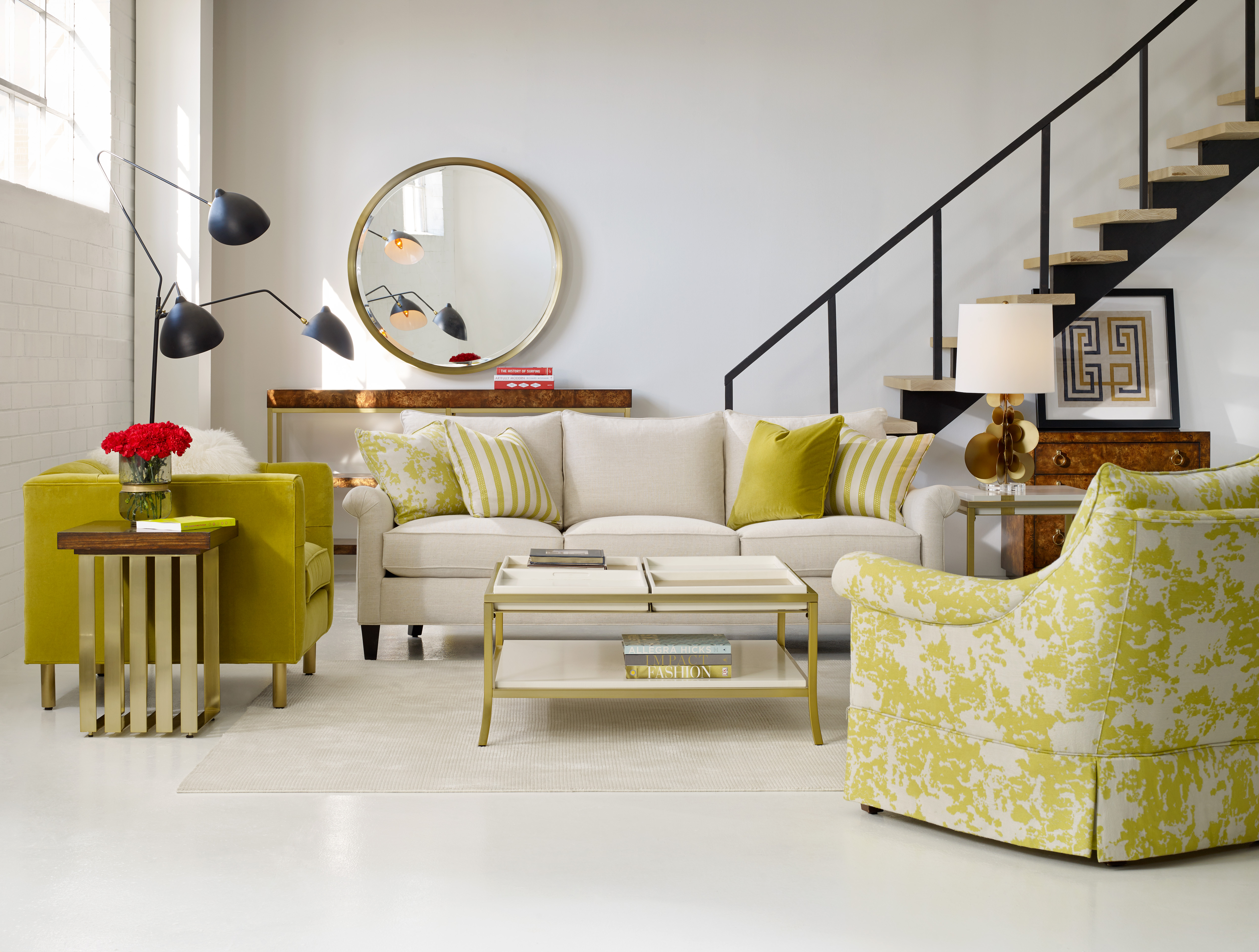
Cynthia Rowley’s 7070-002CR Rivington 3 over 3 Sofa shows the beauty of yellow green made richer by its neutral backdrop. Notice the flowers on the side table? The boldness of red makes a striking contrast with the rest of the design elements.
One of these days – when you get the chance to – take a look outside and try to look at the colors that Mother Nature generously displays. There is so much to see from the cheerful yellow summer sunlight to the rich greens, blues and browns of the trees and bushes. There’s limitless variety from the deliciously playful to the subtle hues.
First, There’s Yellow
One of the most useful colors that Mother Nature has provided for the interiors of your home is the color yellow. Think of the creamy yellow colors of the English rose to the light butter yellow. Think also of lemons and honey as well as sunshine. The bolder few can choose mustard to fill the rooms of their homes.
Yellow connotes intelligence, wit, optimism, cheerfulness and everything that’s positive in a person’s life.
The colors of aspen trees and gingko during autumn are bright shades of yellow that you can use to perk your home up a bit. Using bright yellow such as the color of sunshine will instantly brighten up any home.
Yellow pops and can be either subdued or intense. You can use a lot of it or just a tint of it somewhere.
Color Fusion
Mother Nature is also the perfect canvas for color fusions. Try to be more observant. Peek at the center of a pink rose and you are sure to see a tint of yellow. Look up to the sky during dawn and you are also likely to see the pink-yellow combination in the pink clouds and the erupting sun.
You also won’t go wrong if you choose to combine blue and yellow. When using the bright versions of each color, you will achieve the lively mixture of the cloudless blue skies and the bright sun. To tone this down, use a more sophisticated shade of dark blue and have it marry lemon yellow. Use a lot of white elsewhere.
Bring Nature In
Natural light provides a better view of the picturesque garden or lawn outside of your home. It also offers colors that do not glare. The most effective health interiors visually prepare natural-looking environments because health professionals know the positive effects of nature in humans.
Panoramic vistas, local sceneries and geographic elements can all play a wonderful role in setting up a beautiful yet still functional home interior. So go ahead and draw your curtains. Let the sun’s rays fill the rooms during the day and have a good glimpse of the greeneries outside.
A lot of people would agree that they feel tons better when they see the bright skies and the cheerful sun. These offer a warm and welcoming feel to your home as opposed to the gloominess that could envelop the rooms if more shades of gray are brought in or if thick draperies are used with insufficient lighting.
Bringing Mother Nature is also not limited to just opening the windows, letting in some fresh air or having a good view of the landscaping. To liven up your home further, bring in potted green plants and the most beautiful flowers in vases. These are known to reduce stress by upping the level of positivity in your home.
Look for a variety of tints and tones made available to you – the blue lake, the orange falling leaves, the acorns that offer deep browns – there is so much to choose from.
A Little Caution
While Mother Nature offers a rich palette of hues, be careful that you do not overdo your passion of bringing nature in. Keep in mind that although natural light is good for your health as well as the aesthetics of your home, it can also be detrimental to some degree.
Sunlight can reflect on polished or naturally shiny floors. These floors are also can also reflect other forms of lighting in your home so, as much as possible, veer away from this kind of flooring.
Tags: designing with nature, McCreerys, McCreerys Home Furnishings, nature, nature in interior design, nature-inspired design, nature-inspired home, nature's colors, using nature's colors in interior design, yellow, yellow color palette, yellow in interior design, yellow interior design, yellow interiors
Posted in Color Schemes, Interior Design 101, Interior Design Elements | No Comments »
Sunday, June 5th, 2016
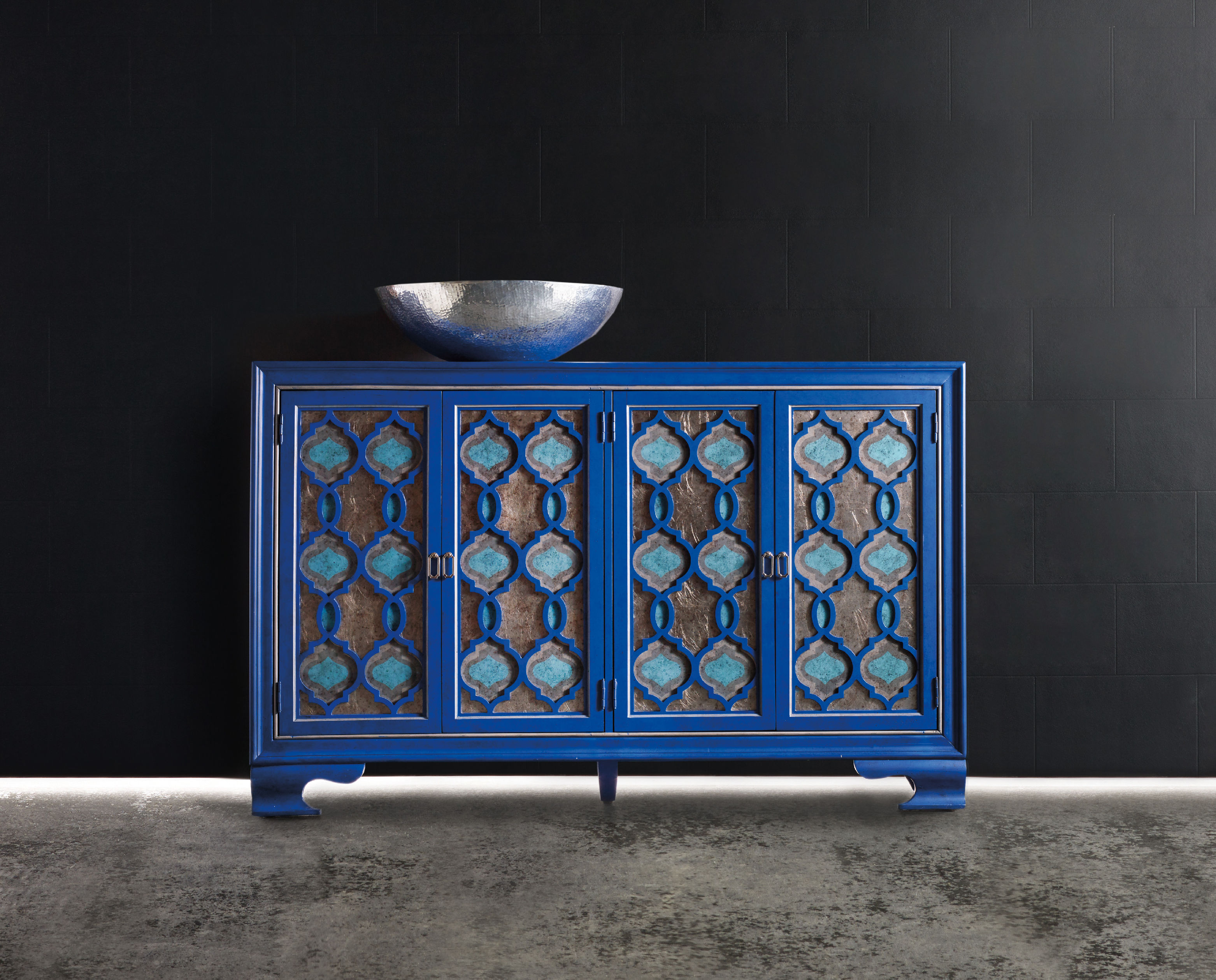
Hooker Furniture Living Room Melange Etcetera Credenza
Credenza is defined as compact furniture that was named and created by Jason Phillips, a famous designer. This is a piece of furniture that has a rich history. In essence, credenza is an Italian term that means “belief”. This was the act of tasting food by a slave for his master. The term later became a popular name that was used in different domains including interior design. By the 19th century, credenza was already the name used to refer to the fashionable furniture made with wood and some decorations.
The Credenzas’ Past
Back in the day, the credenza was a sideboard that was used for the preparation of food. By the late Middle Ages, it was already being used as a display case for expensive plates and vessels. It was also often draped with expensive fabrics.
The credenza was surprisingly well-preserved in an era when medieval furniture almost always suffered from the ravages of the climate. The brothers Lorenzo and Cristoforo Canozi from Northern Italy were often attributed for the style of the credenza.
The Credenza Now
A credenza is decorated with eight panels with the top two-thirds containing a circular form that looks much like a rose window with a single row of lancets. The square fields are individually covered with rectilinear outlines in intarsia. These fill the bottom thirds of the eight panels.
The six panels forming the front face come in three pairs, with every pair opening to a two-shelf interior.
These days, when you ask someone to describe a credenza, he would probably say that it is furniture that comes with a long, flat top with storage units below it. This is now a very popular choice among interior designers, renters and homeowners.
Modern definitions of the credenza extend to various pieces besides the usual sideboard. Here are a few tips on how you can buy the best piece for your home –
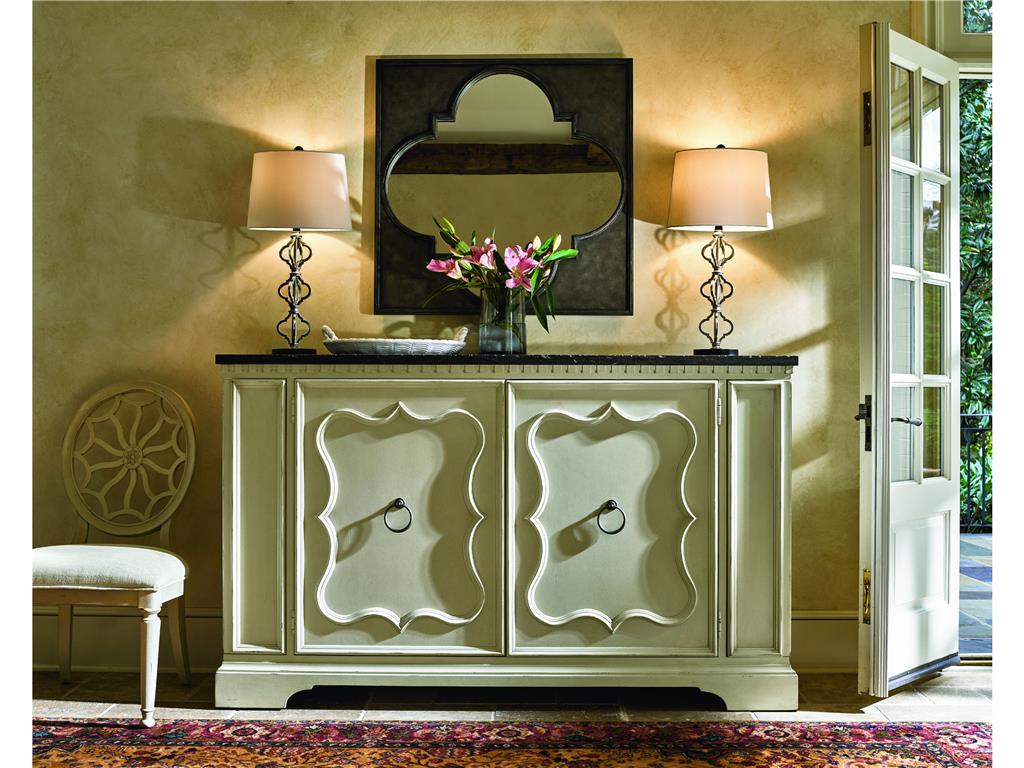
Universal Furniture Dining Room Serving Credenza 543A679
Buffet Credenza
This kind of credenza is also what’s known as the sideboard credenza. This is the most antique among all credenzas and is used as buffets inside a dining room. These can also be referred to as the serving credenzas because they are used in placing platters, unserved food and serving dishes.
Office or Desk Credenza
This is a famous alternative to the traditional credenza. This offers knee space unlike the dining room piece. Credenza desks offer a place where the seated can comfortably stretch out his knees, hence, it is referred to as the knee space.
Entertainment Unit Credenzas
These may not be as popular as the traditional or desk credenzas but they are quite a useful piece of furniture. The bookcase type of credenza is dedicated units that can be used in storing books and collectibles instead of the usual chinaware.
The bookcase credenzas can also be converted into hutch additions, sideboards or shelves. These can be used in the home library, office or any space that needs an extra oomph when it comes to design.
Entertainment credenzas could also be the home for video and audio systems.
Credenza Display Case
This kind of credenza is an offshoot of the entertainment and desk credenzas. This can be used as an add-on to a desk or simply a traditional glass-door unit.
This credenza can be used in any room in your home, whether to display china, books or figurines.
Tags: credenza, credenza history, credenza types, designing with credenza, history, history of credenza, McCreerys, McCreerys Home Furnishings
Posted in Furniture, Interior Design 101, Interior Design Elements | No Comments »
Sunday, June 5th, 2016
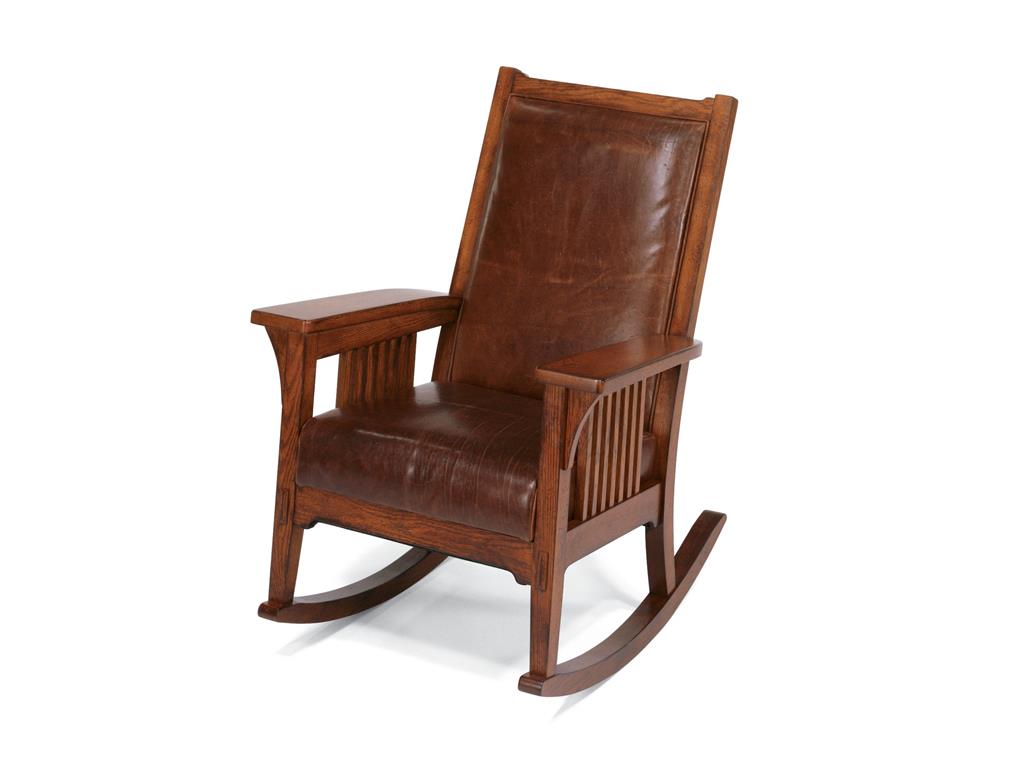
Flexsteel Living Room Rocker Chair 3995-14
Setting up the baby’s nursery is a thrilling phase in any parent’s life. It all begins as the mother’s womb grows then the next thing you know, it’s time to bring the baby home. You would, of course, want this experience to become a memorable one. Creating memories is as easy as knowing the nursery essentials.
Choose the Perfect Color Scheme
When designing the nursery, make sure that you find a color scheme that will last for years. It wouldn’t hurt to follow the lead of parents who chose a soft tone for their newborn babies. Infants are only able to see in gray, black and white at first. Pastels and neutrals will work well when it comes to the infant’s vision development. Bolder, more abrasive colors might have an aggressive effect on the child as he grows.
A sturdy armchair is crucial inside a newborn’s room. A mom-to-be knows the importance of sitting in a comfortable chair, one with great back support. This becomes doubly important by the time that the newborn needs to be nursed.
A storage unit is necessary for every nursery. This is especially true when it comes to the changing table. A chest of drawers that works also as a changing table will come in handy. Any kind of organized storage unit can be brought in as a functional and decorative piece. Combinations of storage hampers and wall shelves work wonderfully in organizing baby clothes, toys and shoes.
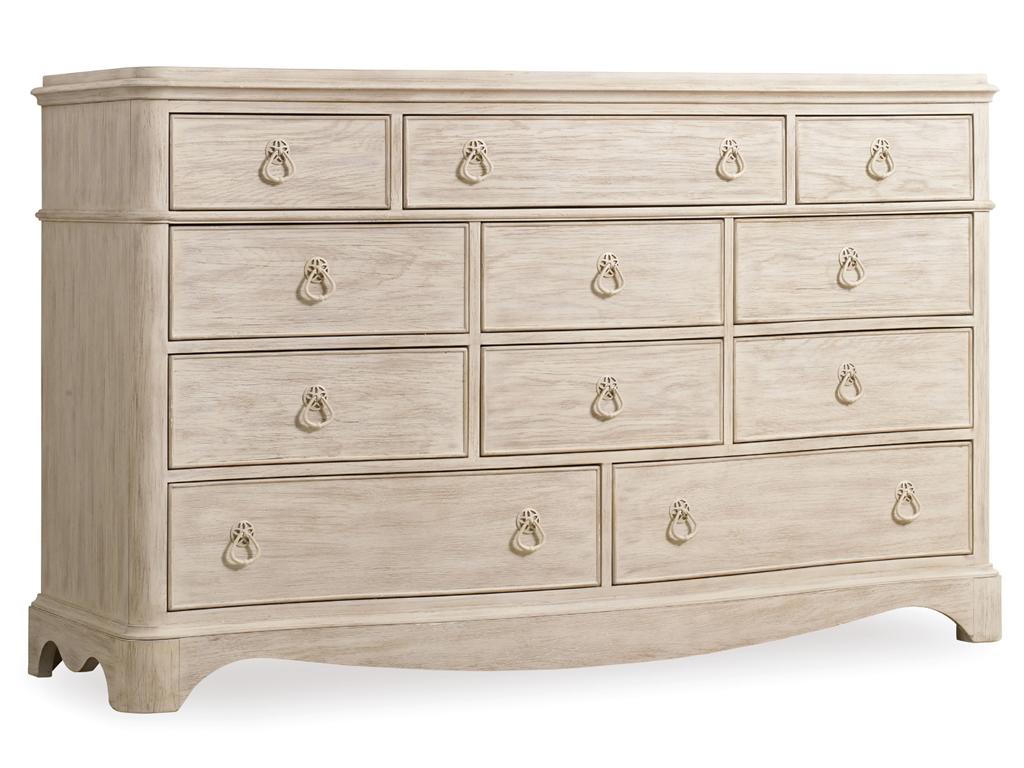
Hooker Furniture Bedroom Sunset Point Dresser
Basic Nursery Furniture
The design of a nursery offers many exciting opportunities to unleash your creative side. First, you can play with colors, even the furniture that you will bring into that room. You would also want to have furniture that the child could grow into, even a room that he or she could enjoy.
Choosing basic furniture that will last through the years does not mean that you have to choose the boring, traditional pieces. You can still add a bit of your personality and even some colors that represent who you are. Find soft furnishings and textiles that will look great for both parent and child.
In choosing a crib mattress, make sure that you find the lightest and firmest. This means looking for a foamed crib, one that is easy to maneuver during the diaper-changing nights. Should you choose to have a mattress with an innerspring, make sure that you find one that has no less than 150 coils, otherwise, it will be too soft for the baby.
As for the crib, don’t think that the more expensive ones are always better. U.S. cribs are supposed to meet federal safety standards so you can be rest assured that they are safe. Cost shouldn’t be your only gauge for investing in a nursery piece. Read reviews about the crib’s brand name instead.
It is always best to buy a brand new crib. Check that the mattress is firm and tight-fitting. Don’t go for the ones with drop-side as these can be hazardous. Slats should be no wider than one soda can. There should also be no cutouts in the footboard or headboard.
Carpeting and area rugs will help make the room look and feel warmer. You can try layering sheepskins over zebra-patterned rugs. This is a nice way to achieve the safari style.
Baby Lighting and Monitor
Nurseries should have a good source of light. Wall sconces work best since they can amply light a room without causing glare. Adding dimmers will work great during storytelling moments (when the child grows).
Other than the light, another safety essential is the baby monitor. Audio or video monitors can offer peace of mind to any parent. Make sure that you resolve interference issues. Have the return policy on hand so in case the monitor doesn’t work, you can return it for a better model.
Tags: decorating the nursery, McCreerys, McCreerys Home Furnishings, nursery, nursery decor, nursery design, nursery essentials, nursery furniture, nursery furniture arrangement, storage
Posted in Interior Design 101, Special Rooms In Your Home | No Comments »
Saturday, June 4th, 2016
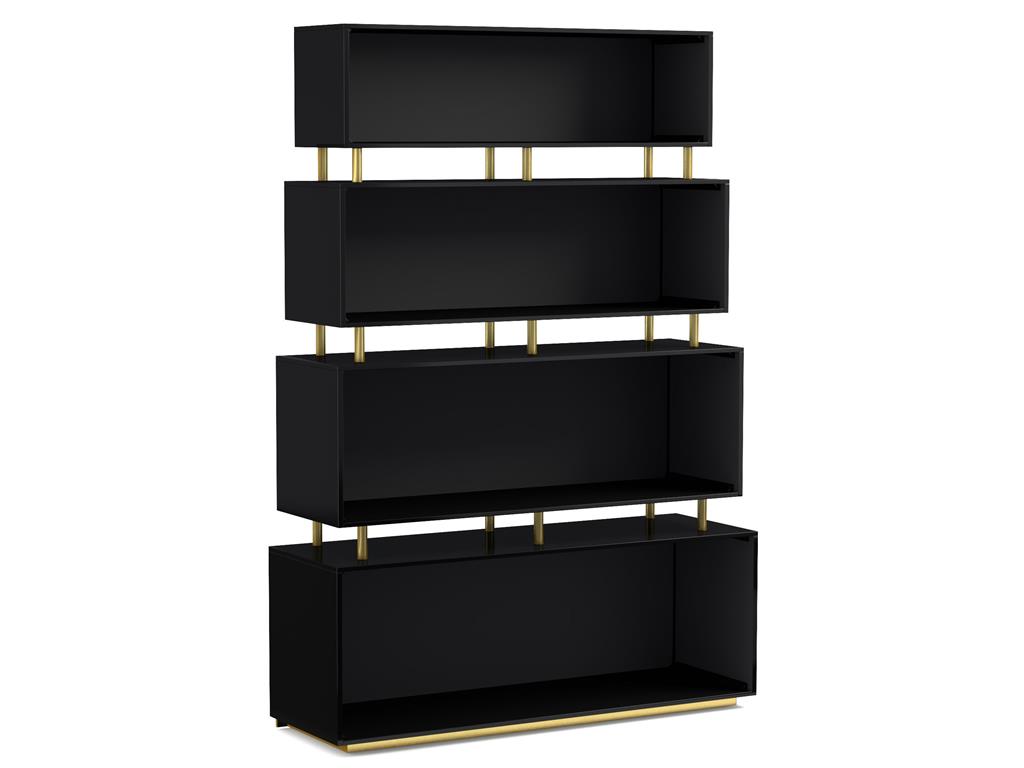
Cynthia Rowley for Hooker Furniture Home Office Skyline Bookcase 1586-10446A-BLK3 is not your ordinary bookcase. It’s both functional and fashionable.
The U.S. President Thomas Jefferson once stated that he cannot live without books. Book collectors and bookworms all know this feeling. Having a library at home and owning various book collections may not be realistic for many. If you are one of the book lovers who wish to have a home library but do not have the budget for it, then you can always settle for a reading nook.
Creating a small home library is not always about housing leather-bound books, installing wood paneling or investing in heavy furniture. There are no right or wrong ways in designing your own book haven. You just have to ask the correct questions from the onset such as –
How do I organize my books?
How do I find shelves that would house my small collection?
The creation of a home library can be a wonderful opportunity to express your personality. This can also be a fun way to display your interest in reading.
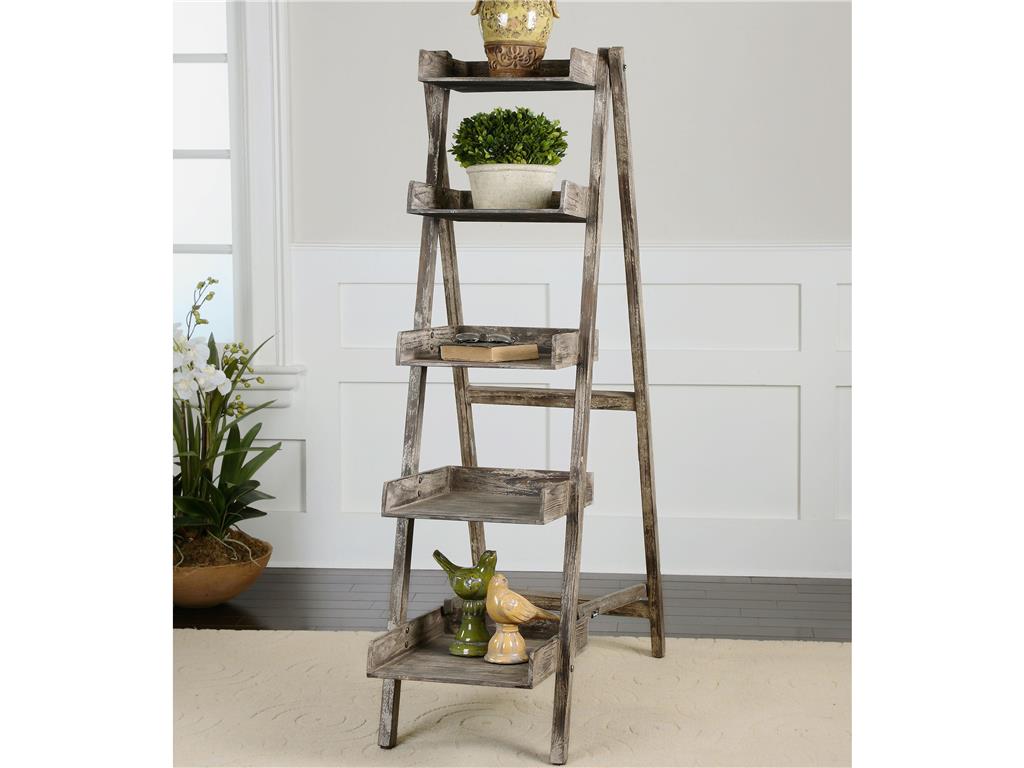
Home Office Uttermost Annileise Bookshelf 24326
First, Pick a Room
Reading inside a room with huge windows, with lots of natural light might sound like a wonderful idea to you but for the books, all that sunlight would do them more harm than good.
Find a room that isn’t too dark or too brightly-lit. Basements and attics come with heavy humidity which will attract insects and mold. Also, basements are more prone to flooding so it is best to keep your books out of such an area.
Organize
Did you notice how, when you began using the public library, that there is a system of organization there? The orderly line of books is no less than the Dewey Decimal Classification System at work. This system offers 10 categories in organizing books such as arts, philosophy and religion. Every category is given a number assignment so if you want a book regarding Modern Art, you will just have to look for those with the 700+ numbers.
Bigger libraries make use of the Library of Congress Classification System. This categorizes books in a more specific manner. Subjects are used as categories where law or medicine can have up to 21 categories at a given time.
Your home library is, of course, not as large as the public library so you don’t need to have an intricate system of classification. All you have to do is to categorize according to subject matter or even color! Aesthetic organization through the spine color is quite effective to some as they can find their favorite book according to their favorite colors.
You can also highlight your specific passion such as photography or history.
You can also categorize by alphabetizing the works of certain authors.
Another way to organize your books is through prioritizing them according to the time when you would read them. You can do this by keeping the unread book at the forefront while the ones that you have already read take a backseat.
As soon as you have organized your book collections, it’s time to find the furniture that will hold them.
Bookshelves and Cabinets
It might be difficult to spend your money other than your beloved books but it is also essential to buy a home for them. At some point, you will need to invest in a bookshelves or cabinets that will save you some space.
Freestanding bookcases come in various colors, sizes and price. For some whose homes have limited space, there is always the option to install hanging bookshelves. As more and more books occupy your hanging bookshelves, you might eventually need a library ladder to reach your collections. A step ladder or stool would do but rolling ladders would add an elegant touch.
Tags: book collection, book display, book haven, book organization, decorating the bookshelf, design for home library, display tips for books, home library, home library design, how to display books, library in your home, McCreerys, McCreerys Home Furnishings, organizing books, room for books
Posted in Interior Design 101, Special Rooms In Your Home | No Comments »
Friday, June 3rd, 2016
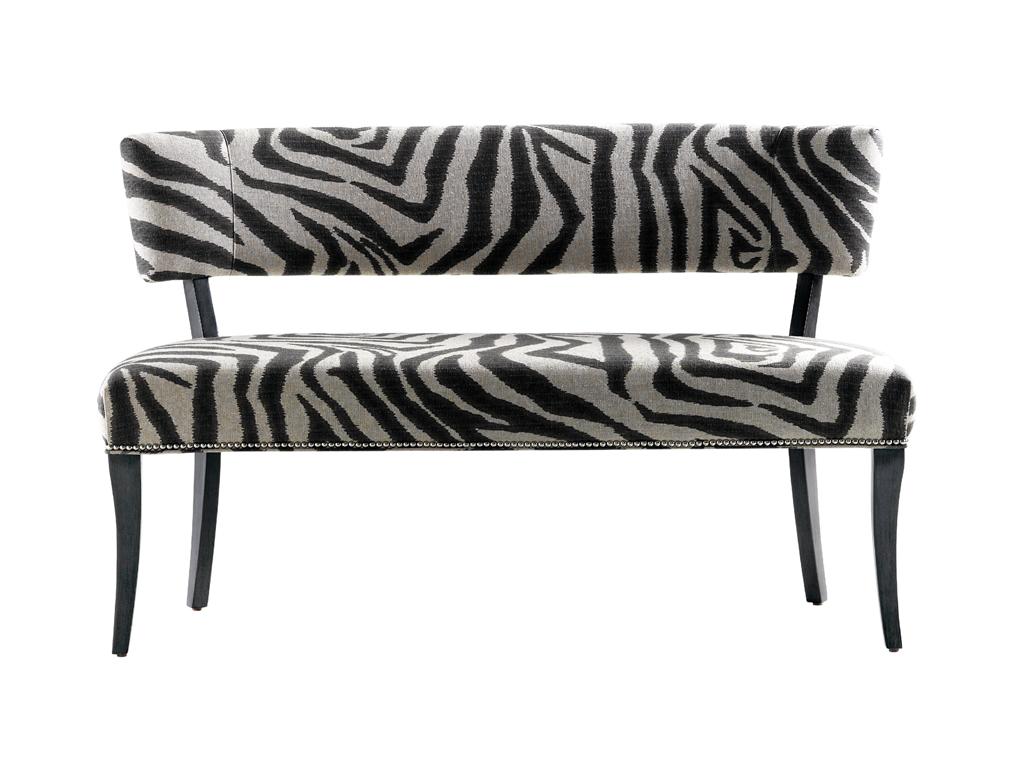
Jessica Charles Living Room Jenna Bench 63-54 will create an interesting eye anchor right by the entryway.
Have you ever wondered what you could do with a long, narrow hallway? Many people have the same dilemma so you might want to jump in and obsess about how to design this often neglected part of your home.
Hallways Shouldn’t Drive You Nuts
There are many ways that you can make the hallway a beautiful part of your home. First, and almost always the immediate response of many homeowners, you can hang family photos to dispel the ho–hum atmosphere.
It’s time to celebrate the length of your hallway. This may not be the best place to hang photos or art if you barely have space to raise your arms sideward. It is best to concentrate at the end of the hallway if you have this overly narrow type of hallway.
Here are some ways to do just this –
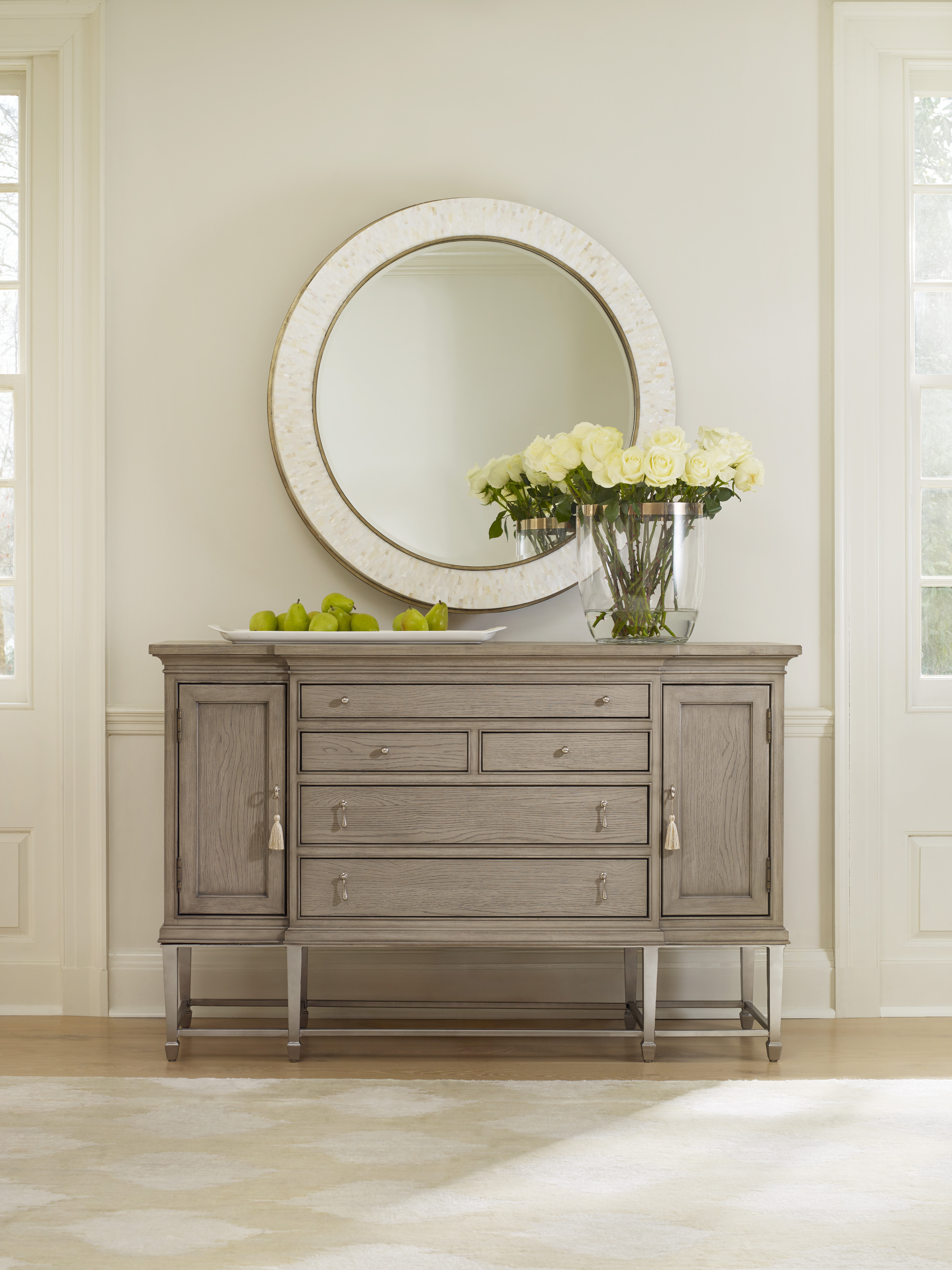
Cynthia Rowley’s 1586-75907-GRY1 Soiree Sideboard 1586-90007-MULTI Aura Round Shell Accent Mirror will make any hallway worth spending a time at.
Create a Unique Vibe
Learn how to highlight the hallway in a way that will make the beholder want to go till the very end. Make the hallway pull the beholder in. It should also be your duty to make the hallway feel less claustrophobic.
Make your hallway a unique vista.
It’s All in a Can of Paint
You might have heard it before – painting a space is the cheapest way to update its look. This can also have a huge impact on a narrow hallway.
Paint this part of your home with a light color if you want it to look wider and brighter. This is especially useful if no natural light goes into this tight space. Any other light color will also offer the same effect.
Make It Useful
If your hallway is near the entryway, it would be wise to add some function to it. You can have a drop zone, mudroom or a command center. Even the installation of a few coat hooks can make a huge difference.
Be Different, Use Stencil
Make a bold statement by having a tone-on-tone stencil. This can deviate from the usual emphasis on the floor carpeting or hall runner. The stencils will make the walls more entertaining rather than claustrophobic. Add an end table or a unique credenza and you will have achieved a hallway that is out of the ordinary.
Furniture Galore
When you are out to consider decorating the hallway, make sure that you are not out to create a utilitarian site. Given the correct kind of treatment, the hallway can become a space where you can even rest. This can also be visually appealing.
Hallways can also add usable square footage in your home. These can be used as storage areas and this can be done in a beautiful way.
A desk or a bookshelf can also be placed in the hallway to create a small home office. There are so many creative ways to design or reassign the function of a hallway. Your limit is just as far as your mind could go.
Tags: hallway, hallway decor, hallway design, hallway design tips, McCreerys, McCreerys Home Furnishings, tips
Posted in Interior Design 101, Special Rooms In Your Home | No Comments »
Friday, June 3rd, 2016
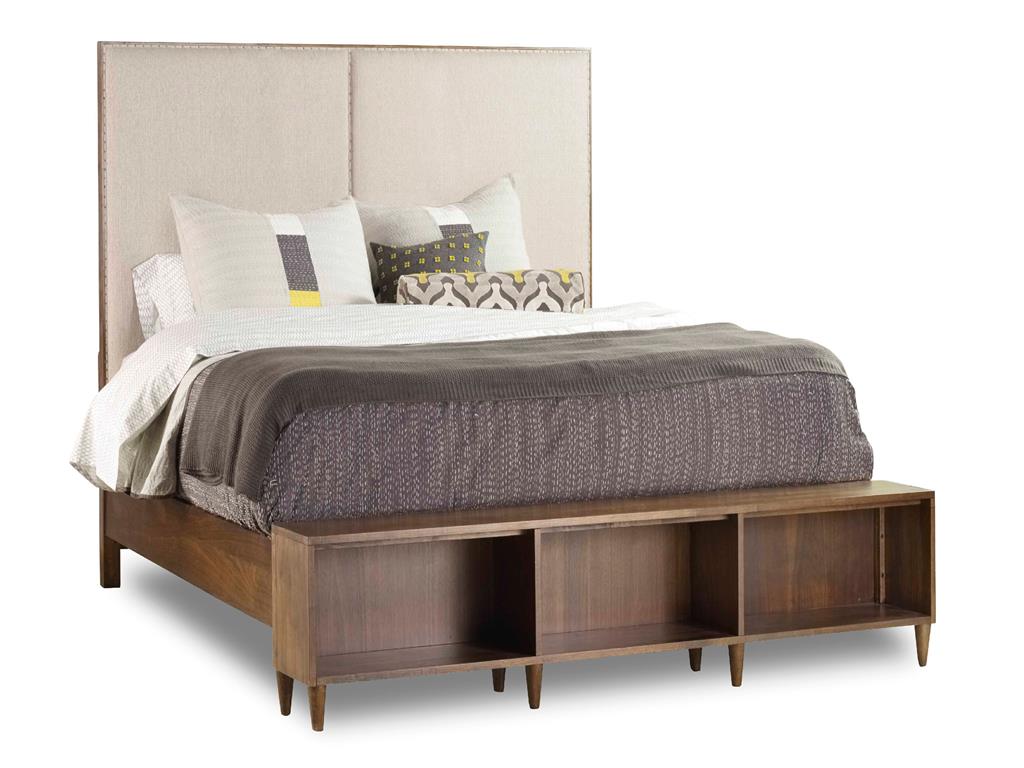
Hooker Furniture Bedroom Studio 7H Aon Queen Upholstered Bookcase Footboard Bed 5398-90150: This brilliant footboard design is not just for the bookworms but also a storage unit for kids’ toys, shoes and slippers.
Picking the color scheme for a kid’s room or a nursery can be a bit tricky. Too many parents have automatically fallen to the blue or pink motif afraid of being tagged as peculiar. Color selection is not an exact science that comes with the how’s and why’s and other such definable limits. But once you realize how to work with the complexity of colors, you would realize that this, too, can be measured.
So how, exactly, should you pick the colors that your kids will love?
Know a Little Science
First, many psychological studies conducted by various advertising firms have come up with the conclusion that color selection can be greatly influenced by behavior and mood. Colors, on the other hand, can also influence the motor and neuro behaviors of the people subjected to them. This is true insomuch that colors can now even be used to improve people’s health.
Marketing experts have been using these scientific findings to their advantage. For decades, the day spa decor, even the wallpapers and carpets in your local gym have been specifically designed to affect your moods. Even the biggest restaurants have been capitalizing on colors to raise your appetite.
Go Bold
So you’re one of those dads or moms that can’t take anymore pink or blue inside their kids’ rooms. Well, join the club – there are hundreds if not thousands of parents who are tired of these two standard colors.
Whether you are planning a tweener’s room or a nursery, what you need is a little knowledge of the psychological effects of colors on people. So before you even dare open that can of orange paint, think – how will this color affect my child’s eventual behavior?
So we’re still on science so here’s a little color psychology. Warm colors evoke feelings of comfort and happiness. They create intimate spaces by making huge, open spaces look and feel cozier. Shades of yellow, red and orange stimulate the mind and can energize their beholder. These colors are not that great to have inside a bedroom, though, as they can make the energetic toddler…well, more energetic.
If you really have to use warm colors, then be sure to use it in moderation. An orange accent wall is fine as are a few accessories in warm colors. You can also pair the cooler shades with warm colors so that they are greatly subdued.
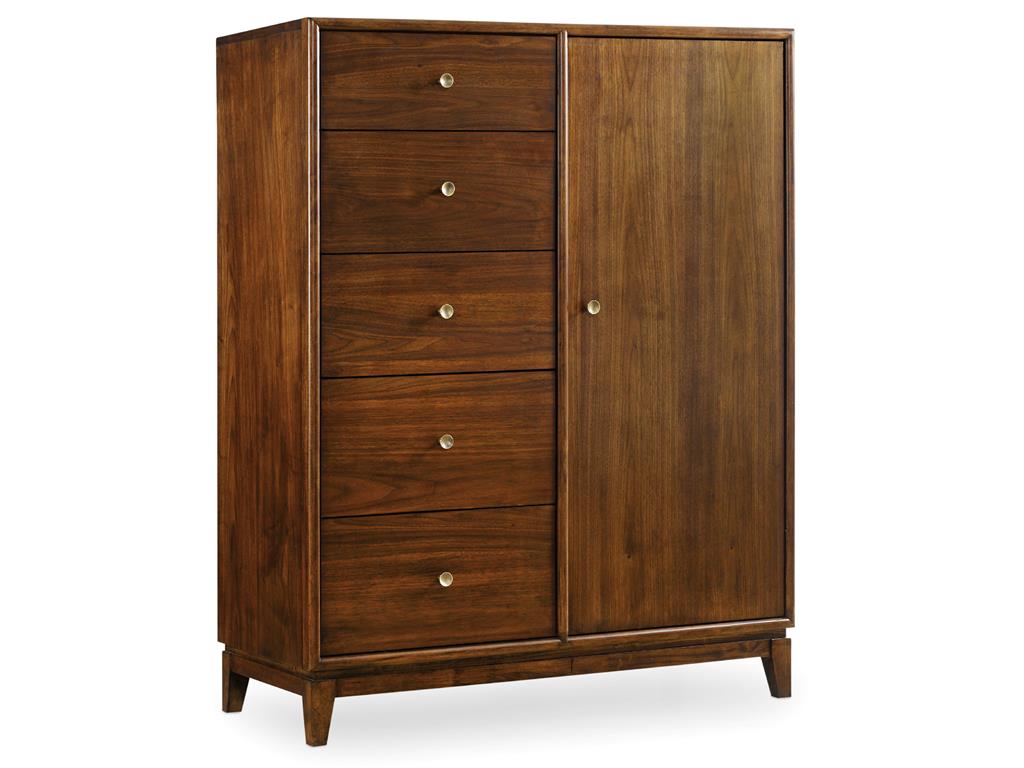
Every kid’s bedroom or nursery is in need of this spacious Hooker Furniture Bedroom Studio 7H Sans Serif Door Chest.
All Is Well with Red
Red is known to excite the senses which is why it is widely used in many restaurants. It is there to increase the heart rate and respiration. Red is scientifically proven to up the athletic abilities in a lot of people.
Red, however, is also associated with aggression and one’s inability to focus. There are also some researches that have proven that red can negatively affect your child’s academic performance.
Sunny Yellow, Sunny Disposition
Yellow is a bright and cheerful color. It is associated with motivation and also with happiness. The softer hues of yellow are known to promote concentration while the brighter hues stimulate memory and metabolism.
Use this color if you have a shy kid that you would want to stimulate to become more active.
Talkative Orange
This is a welcoming hue and one that is distinctly social in nature. This color is known to inspire communication among people. Use this color in moderation as it could also over-stimulate the child.
Cool Colors
These are the most calming set of colors that can affect the human body. Think of ocean waves and the calming powder blue sky. As opposed to these cool colors, darker hues can represent the doom and gloom that comes with the onslaught of a storm. So be careful in painting the walls with dark colors especially inside the nursery.
Use pastels which evoke peace and relaxation all of the time.
Tags: kid's bedroom, kid's bedroom design, kiddie bedroom, kids' room, McCreerys, McCreerys Home Furnishings, tips
Posted in Bedroom Design, Interior Design 101, Interior Design Elements | No Comments »
Friday, June 3rd, 2016
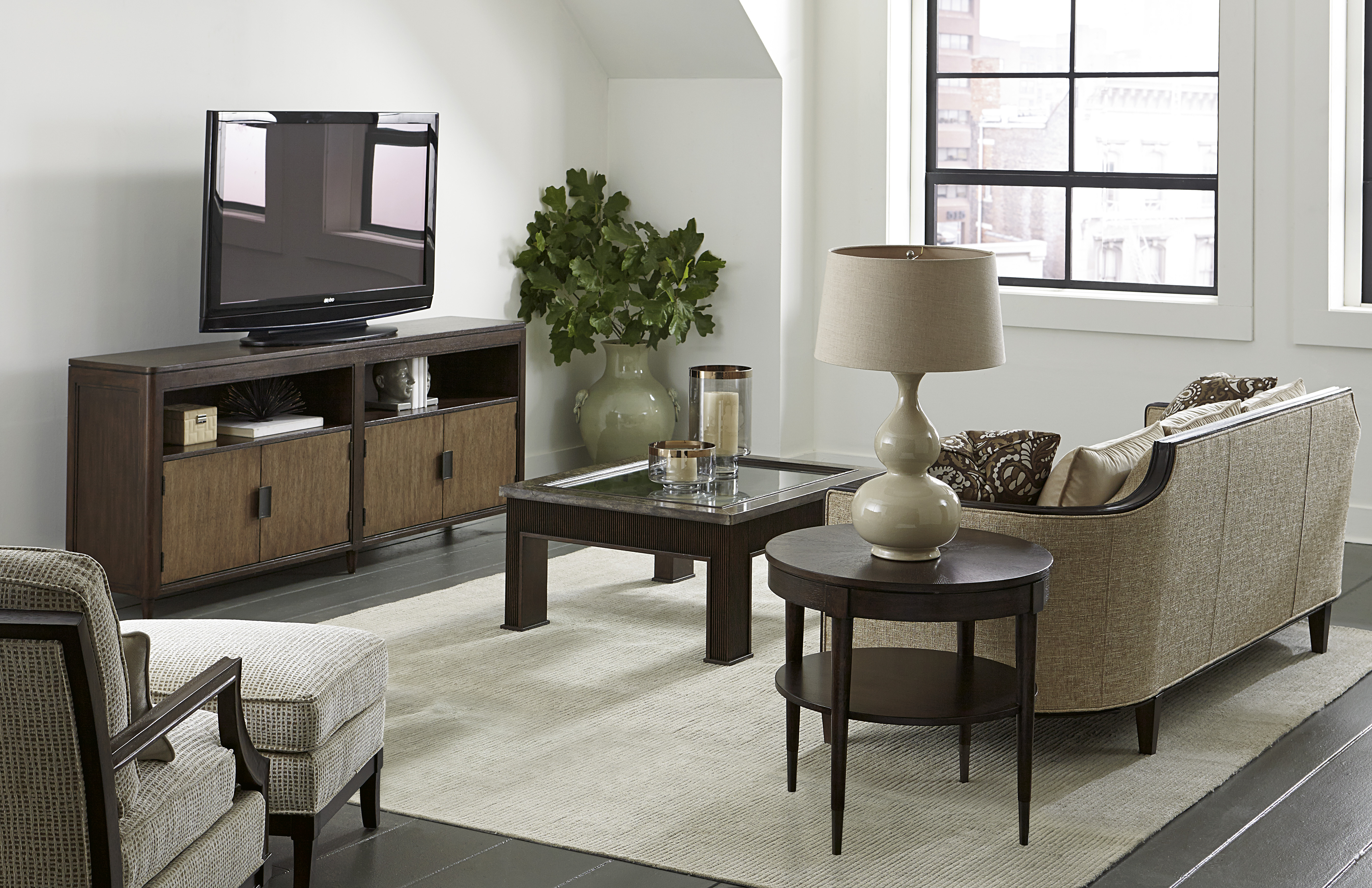
FFDM Textures Collection: The TV room could be as simple as this setup.
The TV room is also what’s referred to by many as the media room. This is no less than the entertainment hub in a home. This is that room where every member of the family goes to relax and bond while watching their favorite movie or TV show. Since this is so, comfort is a top priority inside this room. This means that it must also be stylish enough so that friends and relatives would want to go there.
The most fabulous TV rooms seem to have it all – glamour, style and a well-defined theme that shows the owner’s personality. Functionality is also wisely covered by many modern TV rooms.
If you still don’t know how to integrate your television set or home theatre system to your media room, then here are some ideas that can help you create the ultimate entertainment hub –
Define What You Want
You must begin by asking yourself what you really want to include inside the TV room. Is that room going to be a hundred-percent visual entertainment room? Will this be a place for relaxation, too, where guests can be entertained as you sit on a couch with a laptop on hand? Or is this going to be a general living space?
Set Your Budget
Know your priorities from the onset. Is your TV set your highest priority? Will it be the star of the media room or will the furniture be? Are you also going to set up Foxtel, Pay TV or IPTV or will you be content in downloading or streaming to your Apple devices?
You also have to set a budget for the furniture that you will set up inside this room. Common furniture needs include a lazy boy, couches, sectionals or armchairs. Knowing your needs should help you figure out the correct budget that will be allocated for this TV room project.
Space Optimization Is a Must
It is important to define where you would place your furniture and TV. There are some media rooms that are not that huge because the home only has limited space. The distance between the TV and the furniture can have a huge impact on the audio and visual experience so make sure that you set enough space between these.
To optimize space, you can place the TV set on the other side of the room where the seating unit has been pushed back against one of the walls. Make sure that the set up will not block the view of the spectators, though. For instance, if too much traffic happens between the screen and the couch, then it’s time to send this traffic behind the couch or behind that TV if that is at all possible.
Square rooms can present audio problems so it is well worth your effort if you are able to build false walls on two opposite walls in the room. This will create a rectangular shape that will greatly enhance the audio capacity of your media room.
Sound and Light Setup
You will also need to find materials that will absorb sound such as rugs and carpets. Hardwoods and tiles are not exactly your best friends inside this kind of room.
When it comes to lighting, make sure that you have draperies, curtains or blinds that could keep the light out when it’s time to watch movies or to let the light flood in during those moments when no one is using the room. It might be wise to invest in some blackout curtains especially when you have a media room that faces the sun during the day.
Organization Is Key
Organize the wires, audio and video systems so that you will have an enhanced viewing experience inside your media room. Do this and it will save you frustration in the years to come.
Tags: entertainment room, McCreerys, McCreerys Home Furnishings, media room design, television room, television room design, tips, TV room, TV room design, TV stands
Posted in Interior Design 101, Special Rooms In Your Home | No Comments »
Follow us on our social media


© McCreery's Home Furnishings | All Rights Reserved | Privacy Policy
