- Follow us:


Friday, June 10th, 2016
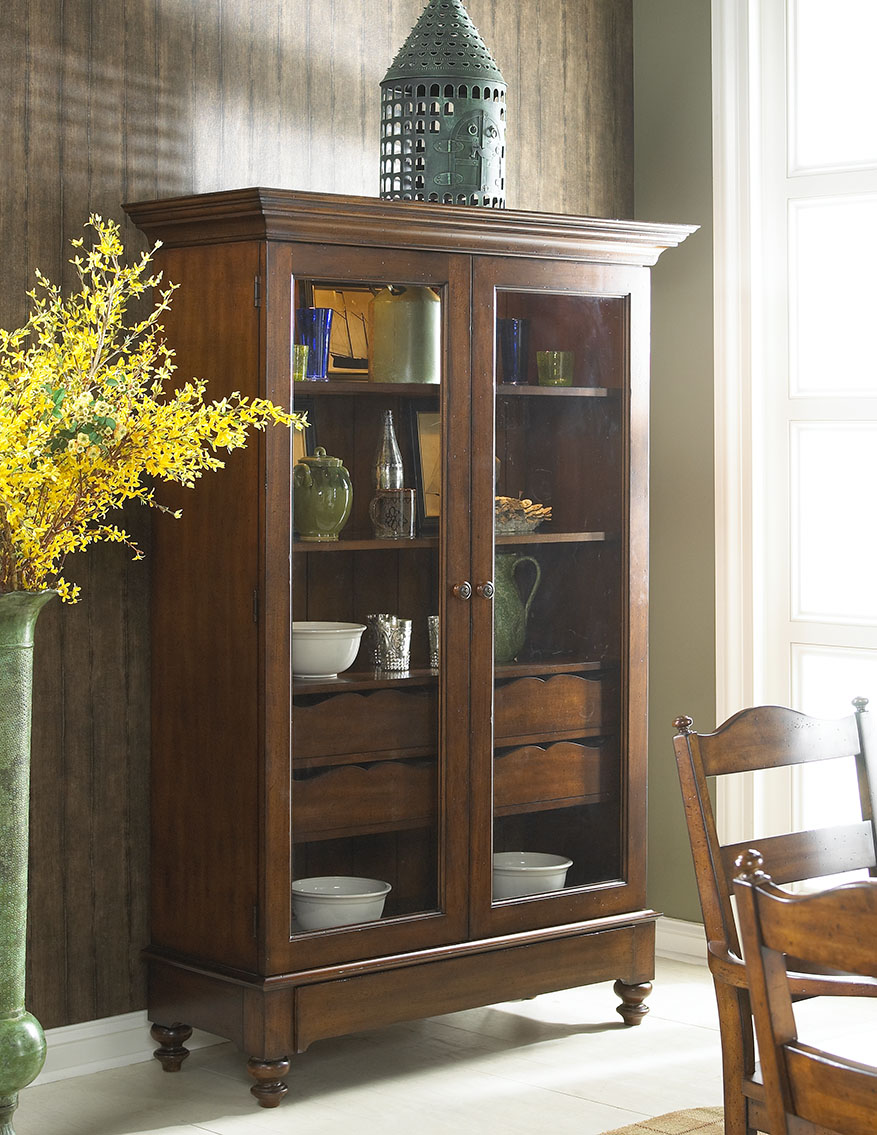
FFDM’s Summer Home Collection: Striking contrasts are seen in different design elements here from the shiny woodworks, to nature’s touch, and some metallic and ceramic elements.
Have you ever tried to define the word contrast? This is an oft used word in the world of interior design. Dictionaries define this term as the combination of unlike elements such as tone, colors, textures, patterns or emotions. This can be further defined as the lightest versus the darkest parts of a photo, painting or any other work of art.
Dullness vs. Contrast
Take a careful look at most black and white photographs; these are often difficult to read since there is no color contrast to begin with. This kind of photograph often appears flat except when taken at an angle where the depth is clearly defined. If there is any contrast in a black and white photo, these are the tonal contrasts.
To further define contrast, this is the comparison of two things with respect to their differences. This can also be similar objects but with dissimilar qualities.
Are you starting to get the concept of contrast now? No?
Examples of Contrast
One example of contrast is when an interior designer would want to highlight the intricate designs of a cream-colored cabinet inside a kitchen. This can be achieved if you use a charcoal wall as backdrop. The cabinets would appear to be the star of the show once you achieve this.
This kind of contrast is what’s known as achromatic. This is the contrast between two opposing shades – black and cream.
Contrasts can also be seen in nature each day. The white sheep grazing on the green, grassy landscapes; an orange buoy in the midst of the blue sea; white snow and some black rocks nestled beneath it; and many such contrasts.
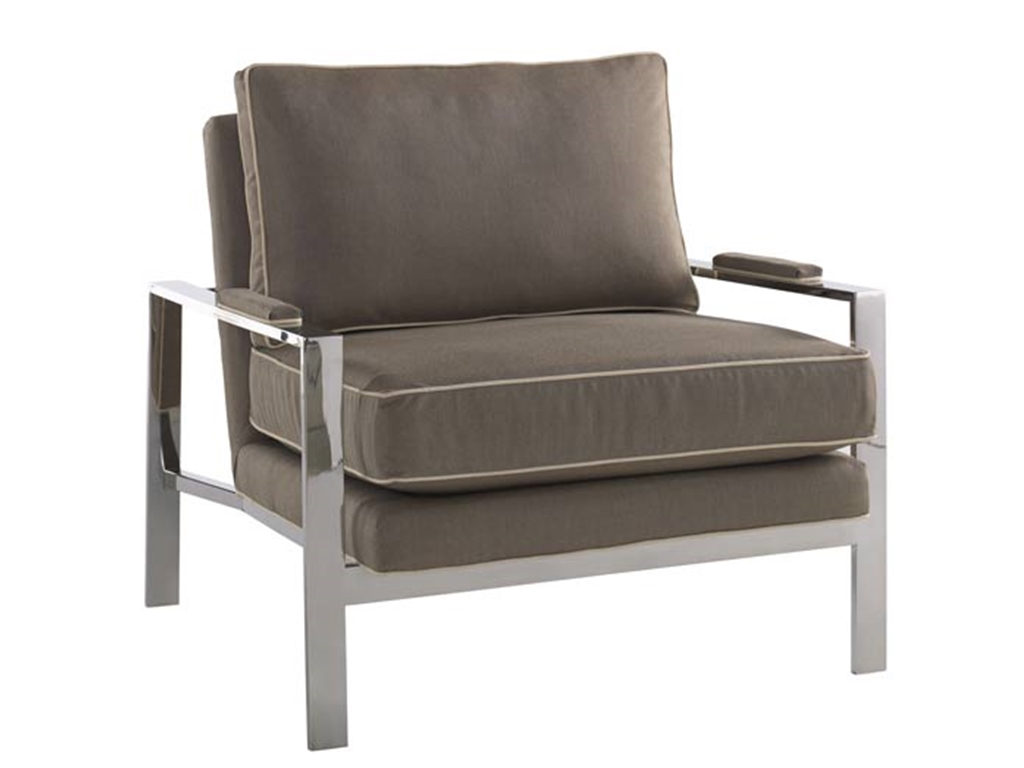
The marriage of fabric and metal in this Miles Talbott Living Room Mesa Chair JR-9440-C is perfect for any living room.
Contrast: A Composition Element
Contrast is a crucial part of composition. You can easily create contrast, more frequently with colors. At times, you can make subtle contrast with texture. Rooms can also play with different forms of shapes which can also represent a kind of contrast.
Geometric pieces like curvy ones can play contrasting roles with edgy pieces.
Above any element, you need to consider the color contrast when you are out to achieve opposition. Contrast makes objects distinguishable.
Here are seven kinds of contrast according to Johannes Itten –
Tags: adding colors to a home, color 101, color basics, contrast, contrast in design, contrast in interior design, McCreerys, McCreerys Home Furnishings, mixing colors
Posted in Color Schemes, Interior Design 101, Interior Design Elements | No Comments »
Saturday, March 5th, 2016
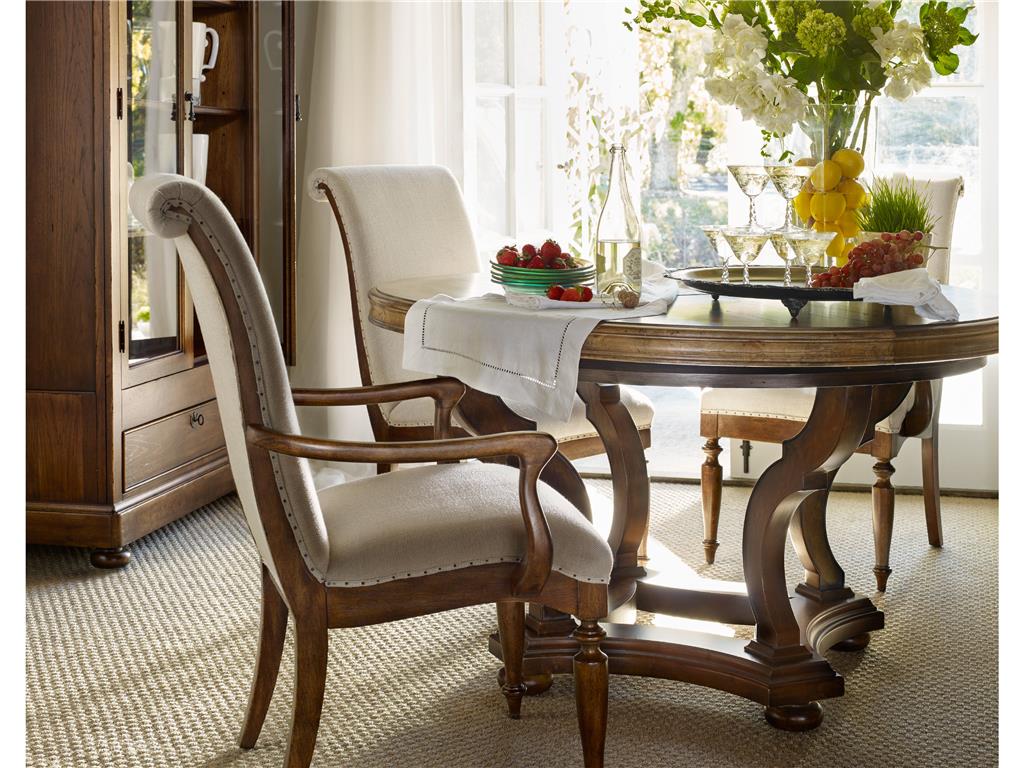
Punches of yellow, red and green can be seen in a neutral backdrop. Featured items are from Hooker Furniture’s Archivist Collection.
Going eco-friendly is the way to go this season of spring. This green design is one that is sure to stay as more and more people are getting involved in making earth a much cleaner place to live in. Nowadays, the paint to use if you consider yourself responsible is a toxic-free paint; green furniture pieces are also the latest craze; and practically every interior design shop is geared towards going green. If you want to begin this revolutionary green movement right inside your home, then consider these spring decorating tips –
Scan and Go
Have a pen and a notepad in hand as you go through every room in your home. Look quickly inside every room and spot the objects that appear to clutter the room. Remove anything that is no longer needed then work your way from there.
Learn to prioritize. You may be tempted to create a long, cumbersome list of things to do, but don’t. Just remove whatever you consider useless then redecorate.
Make a Statement
Your lighting fixtures and cabinetry should be able to help you make a statement during this season. Brushed metal hardware and chandeliers can evoke romantic feelings inside any home. The distressed look in furniture can be carried all throughout your home as a unique theme.
Sunshiny colors are in and are considered as the fashionable color palette for the spring season; however, do not overdo these colors. Just add bright and colorful accent pieces, add a dash or so of wall color, and have it seen in some of your furniture.
Playing with punches of yellow is as easy as adding a glass vase filled with lemons or pots of yellow daffodils. The yellow succulents can be placed in the kitchen where they can serve a double purpose – first as a decor, then as an ingredient in one of ‘em pasta dishes!
Spring’s most popular colors include bright yellow, violet, coral and turquoise.
White accents can also brighten up any room so go ahead and use a white wall as your canvas.
Let the Outdoors Inspire
Just think of mountains, spring beaches and the bluest coastlines and you should be filled with inspiration to dress up your home this spring. Moss green, ocean blue and, yes, just to reiterate, turquoise – are the colors of the year that you should incorporate in your home.
Mixing these bold colors with neutrals is also a surefire way to set up your spring indoors. This is the way to go if you are a tad worried about painting a whole room with bright colors. Paint the walls with pink champagne or violet gray. Have some colorful accent pieces brought in if you chose a neutral backdrop.
Nature will always be a popular theme for spring so go ahead and bring in those natural fabrics. Let them be seen on your area rugs, throw pillows, sofa upholstery, curtains, even your bedding. Sea grass, jute, and wool are just the right kinds of materials that can bring a natural appearance without being too green.
Create Contrast
Creating contrast is as easy as bringing in some metallic accent pieces. Add a framed mirror, some photos in metallic frames, metallic artworks, or metallic lighting fixtures. The master bedroom or living room would surely come to life with these metallic accents added.
Contrast is not solely provided by metallic interior design pieces. Mix colors that come from the same shade, for instance, fuse dark blue with powder blue. Use one color on three walls and the darker one as a statement wall. The darker color could also be used on the accessories that will dot your entire home.
Keep Everything Light and Airy
Lastly, spring decorating is all about the removal of heavy drapes and using sheer instead. Update your home soon, after all, spring is the best season to reinvent the look of your dwelling place.
Tags: bold statement, contrast, contrast in design, contrast in interior design, McCreerys, McCreerys Home Furnishings, spring, spring cleaning, spring decorating, spring design, spring design tips, spring interior design, spring interiors, statement piece
Posted in 2016 Trends, Decorative Elements, Interior Design 101, Spring Season | No Comments »
Wednesday, January 27th, 2016
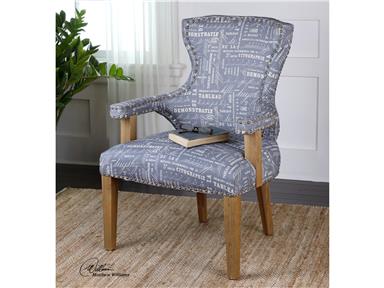
Living Room Uttermost Citographie Gray Linen Armchair 23168. This chair is made of hardwood and made perfect by craftsman detail right on the gray linen tailoring. See how the brass nails streamline the fabric trim giving the needed contrast to the solid oak bare frame.
Craftsman dwellings were inspired by architect brothers Henry Mather Greene and Charles Sumner Greene. These ingenious minds worked together during the 20th century in Pasadena, California. The Greenes were quite inspired by the English arts and crafts movement and Oriental architecture. In their own promoting handmade stuff rather than those created inside factories and were machine-made.
If you want to have a first-hand look at the beauty of craftsman design and architecture, you could visit Southern California where a few bungalows from 1905 till the 1920s still stand. You will surely love this style if you like things that may be old but have got a timeless appeal.
Characteristics to look for include gabled roofs, front porch, tapered columns, partly paned doors, multi-pane windows, and a lot of earthy colors.
Craftsman houses are typically painted in any nature-inspired color. You will see a lot of browns and greens. The low-profile homes often blend with their natural surroundings. The muted palette comprising of just one or two contrasting colors are used to highlight the breathtaking architectural features.
Regardless of the style that you choose for your home, keep in mind that painting an architectural feature with a contrasting color is an effective way to highlight such feature.
Another characteristic that is unique to a craftsman home is the stone detailing. See the mixture of different materials with the siding typically made of wooden clapboard. There are some that feature shingled siding as this was a pretty common style, too, back in the day. The foundations and porch piers are generally made of stone with some concrete block, bricks or stucco used at times.
Craftsman style also comes with roof eaves, exposed beams and rafter tails. All these reflect the influence made by the Arts and Crafts movement, thus, visible handiwork was featured and were considered in style.
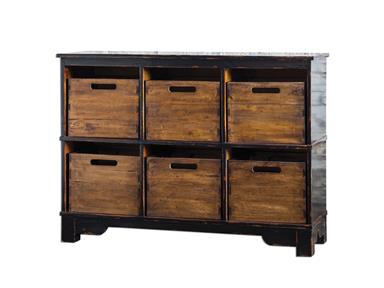
Living Room Uttermost Ardusin Hobby Cupboard 25589 is made from select hardwoods. It is hand-finished in worn black. The mahogany dovetail bins are solid wood and are great for your any storage needs.
Democratic Mixing
Get a craftsman style book and mix materials that you can get your hands on. Think of cladding a little addition of brick or stone even when your home already has existing clapboard siding. The addition of exposed rafter tails or beams should not mean that you are supposed to reconstruct your home or even replace your roof. Such details are commonly decorative in nature and can be easily added below a home that already has deep roof eaves.
There is something inviting and warm about a craftsman home. It celebrates the fusion of building materials, lovely structures, and most especially, the 20th century architectural features.
So, how to begin?
Start with a view of some of the craftsman homes still in existence. Take note of the window detailing, those exposed rafters, the facade, stained glasses as decorative accents, and the overall warm glow of the place.
Consider also the kind of lighting used which mirror the exteriors. Find sconce and pendant lighting that will cast a warm, golden glow throughout a room. While this is the general rule when it comes to craftsman homes (warm lighting plus earthy colors), this does not mean that you can’t put your own personality into it. You can opt for the bright home approach where you balance the bright hues with the wooden accents which are the staple materials of a craftsman home.
Other colors that you can add to your palette are white and blue. Gray can also give your craftsman home a contemporary appeal. Include white wooden accent pieces, modern pendant lighting fixtures, and some contemporary art. The result is a comfortable and trimmed yet modern and posh at the same time.
Isn’t it fun to make historical homes appear modern inside? This can be your take on retro meets the contemporary look.Craftsman design is sure to captivate both young and old spectators.
Tags: 20th century, 20th century chairs, arts and crafts, contrast, contrast in design, contrast in interior design, craftsman, exposed finish, hardwood, hardwood furniture, hardwood pieces, interior design contrasts, McCreerys, McCreerys Home Furnishings, mixing and matching furniture, pendant, pendant lighting, retro, Retro design, Retro style, tips, wall sconce, wooden elements
Posted in Furniture, Interior Design 101, Interior Design Elements, Interior Design Themes | No Comments »
Follow us on our social media


© McCreery's Home Furnishings | All Rights Reserved | Privacy Policy
