- Follow us:


Tuesday, June 21st, 2016
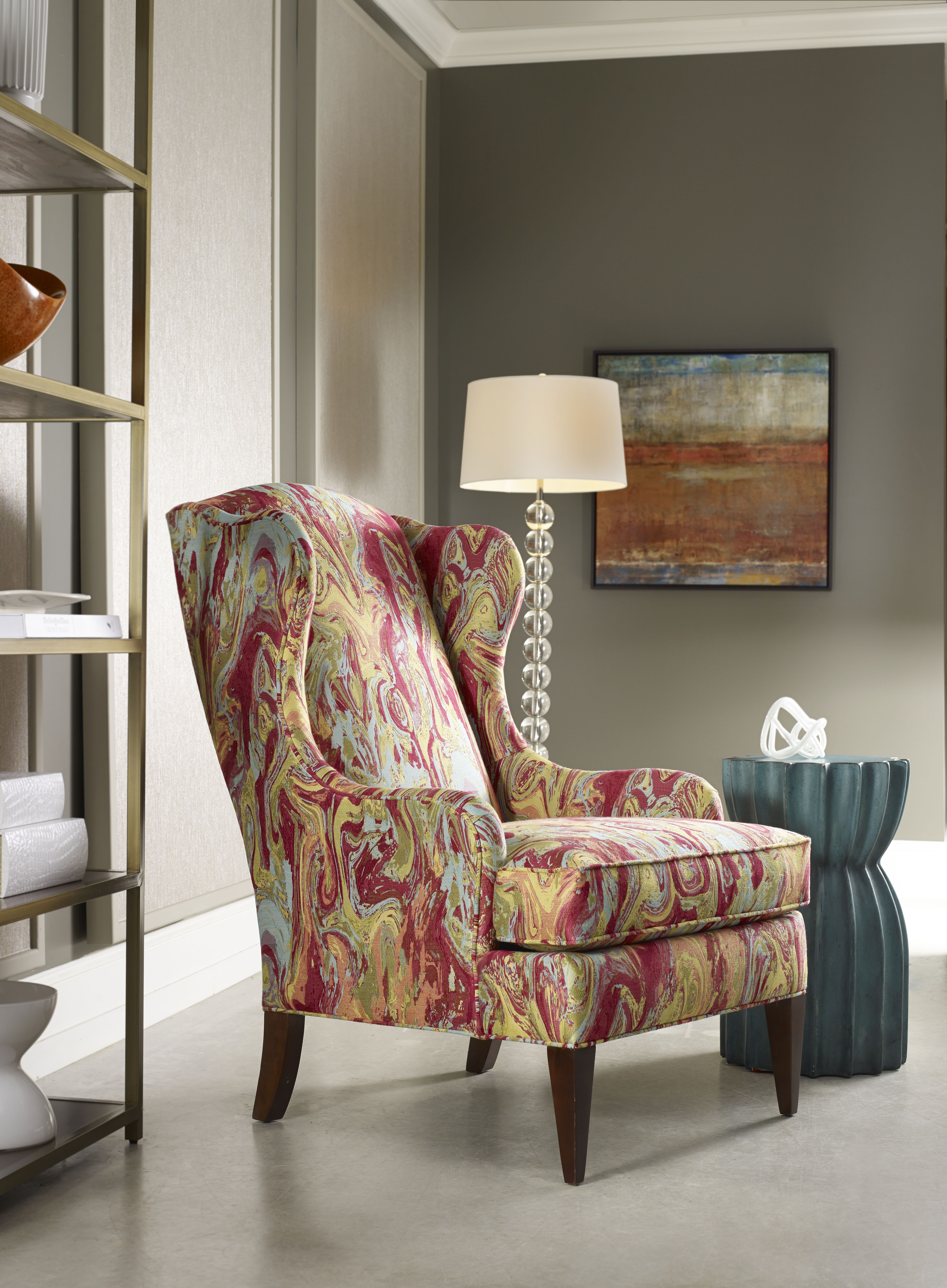
2960 Euphoria Wing Chair
An accent chair is a seating piece that can be placed strategically inside a room to provide style and added seating. There are two ways that you can use an accent chair; first, you can have it positioned at a place where it best complements or highlights the textures and colors of larger pieces; second, it can also serve as a secondary seating unit in a room.
There are many accent chair styles to choose from. You can have the simple, straight-back sitting piece, one with arms, or you can have a rocking chair. This chair can also be a bigger piece like a chaise lounge.
Accent Chair Placement
The whole point of using an accent chair is to have it work in conjunction with all the other furniture in a room. The look that you are supposed to achieve should be harmonious and functional. And, oh, don’t forget that they have to look pretty, too.
A wonderful example of a chair that has been strategically placed inside a huge living room is when it is grouped with other seating units in the conversation area. There always has to be a focal point like a fireplace. It is also attractive to have a secondary seating place for all your reading activities. This place is where an accent chair can also be used.
Whether you would want a reading nook or the living room as a home for your accent chair, it is important to pick the one that would define that space, give it personality, and a breath of fresh air.
Here are some basic tips in finding the right accent chair –
Find the Right Pattern
If all the other furniture pieces lack character, then it’s about time to add some spice. A patterned accent chair should be able to do this. A well-chosen pattern can pull all the other colors on other furniture, making the design look more unified.
A patterned accent chair is a wonderful focal point for any room. It can also add depth that no other piece of furniture will be able to give.
Choose the Right Style
There are many accent chair styles ranging from recliners, club chairs to wing chairs. Since this is so, make sure that you find the right one that will answer your requirements and fulfill your preferences. Make sure that it won’t clash with the current room décor or you’d end up having to shop for another accent chair, if not have it reupholstered and such. In short, if you want to have zero headaches, be sure to choose the right style from the onset. Of course, you would not want cramp an oversized lounger inside a cozy living room. That seating unit will surely gather attention but one that isn’t pleasant.
Now don’t be afraid to experiment with the styles, though. Even patterns that don’t match can fit perfectly together once they are placed in a room. The accent chair’s pattern may not be an exact match to your current furniture but you should be able to see some aspect that will anchor it to the rest of your design pieces. For instance, you can use the red on the rose painting and have it on as a base color for your accent chair.
The Right Fabric Matters
The fabric used on your accent chair is also important. One of the classic choices is suede but think twice about using it if you have kids and pets at home.
For those who are looking for a more classic vibe, you can choose leather. This can give the room a more organic look. Of course, your choice of accent chair fabric all boils down to what is best for day-to-day living. It is also important to note what would best achieve your perceived look.
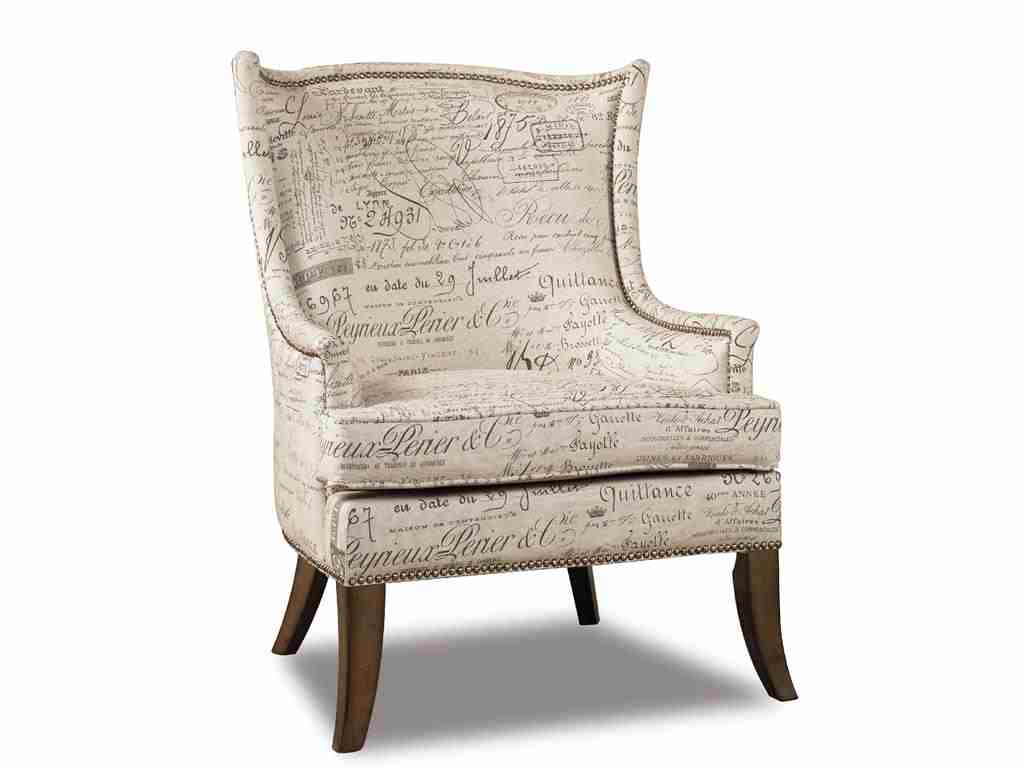
Hooker Furniture Living Room Paris Accent Chair
Tags: accent chair, chair, chair styles, chair types, how to use accent chairs, McCreerys, McCreerys Home Furnishings, types of chairs
Posted in Accents, Furniture, Interior Design 101, Interior Design Elements | No Comments »
Monday, June 20th, 2016
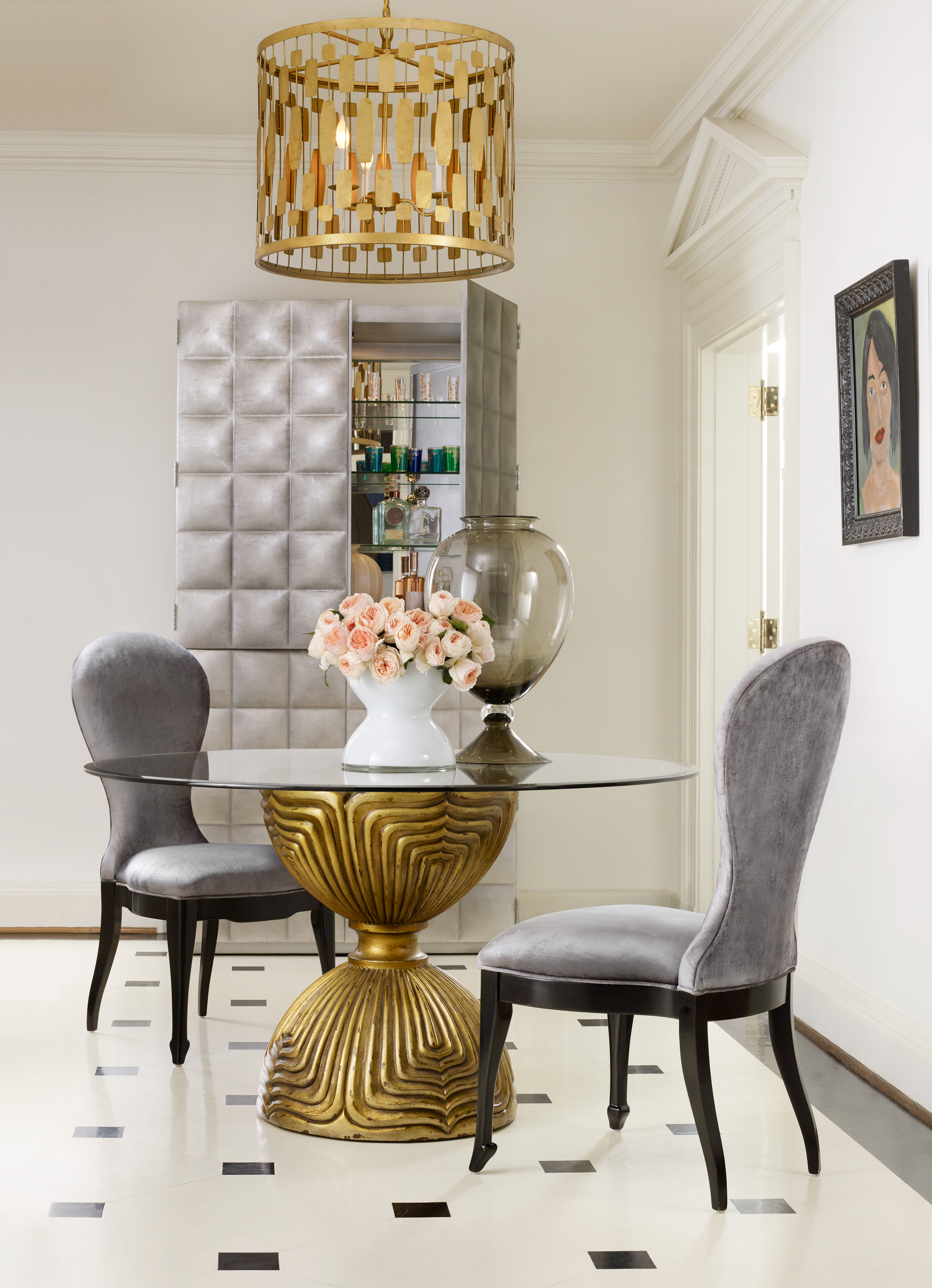
1586-75203-GLD3 Shangri-La Gilded Dining Table Base: This two-seater setup is perfect for that nook in your home. Don’t forget to decorate with vases and framed art.
Any room that lacks space either for seating or cupboards needs a little inspiration. Sometimes, all it takes is a little imagination, a smart storage space, a smaller sofa, and the problem is solved. Add a spotlight to the underside of a shelf and you’ve just created a reading nook. So, here’s the thing, you have a space problem and every home has an unused nook to spare – got the solution?
Breakfast Nook
If you don’t have ample room for dining table and chairs, that tiny space right where the walls meet could serve as a cute breakfast nook. This is especially if you don’t mind dining cozily. Use a bench if you want to fit in more people to that area. Chairs take up more area than one long bench so consider ditching them when you want to use the tiny corner.
Reading Nook
The reading nook need not look intentional. You can incorporate a small library just by having a tiny desk paired with a stylish chair and have them placed in a corner. Have a small pile of books at that desk, and that’s it. Your home library doesn’t have to comprise of a huge bookshelf. Just grab one book, read, finish reading, then put it right back to the pile.
Office Nook
A small space is perfect for working niches. Most people just have their laptops these days so these won’t even require more than 30 inches of space. A little closet can be easily transformed into your dream office nook.
Laundry Nook
How much space do you think you need to move freely in a laundry space? Just 30 inches by 30 inches! Just have the stackable type of washer and dryer and you should be able to transform the tiny nook into a laundry area. Handle the spills by having it diverted towards the bathroom.
Play Pen
As a kid, didn’t you just love having your tiny play spot? Having kids of your own now, that nook could be a nice spot to hide kids’ mess. The world of possibilities just seems endless with that tiny nook. You can now store all the kids’ toys there, their storybooks, etc.
Pet’s Nook
Your pet would surely love his own nook, too. This could serve as a retreat spot where his mess could be contained. Set up your pet’s tiny bed in that corner and you just might get the extra blessing of having an unscratched sofa.
An Entertainment Corner
If you want an entertainment spot but do not want the TV to be the focal point in the room, then just set up that tiny nook to become the TV’s home. That dedicated nook will be used for TV viewing only while you can have the rest of your home for socializing.
Resting Nook
Who says you can’t sleep in that tiny corner? Set up a sofa bed and this is the perfect spot for all your guest sleepovers. You would be surprised at the stylishness that sofa beds can offer. You can also have two sofa beds pushed together to create an instant double bed. This part of your home could also be utilized as a reading corner during most days of the year. Just prop the sofa bed and what a relaxing reading time you’d have. The linens could be hidden neatly inside a trunk during the day.
Kid’s Bedroom
Believe it or not, you can actually fit a loft bed into a nook, one that preferably has a drawer so that bed linens can be concealed. Put a little color and a small partition and your kid will surely love you for ‘em!
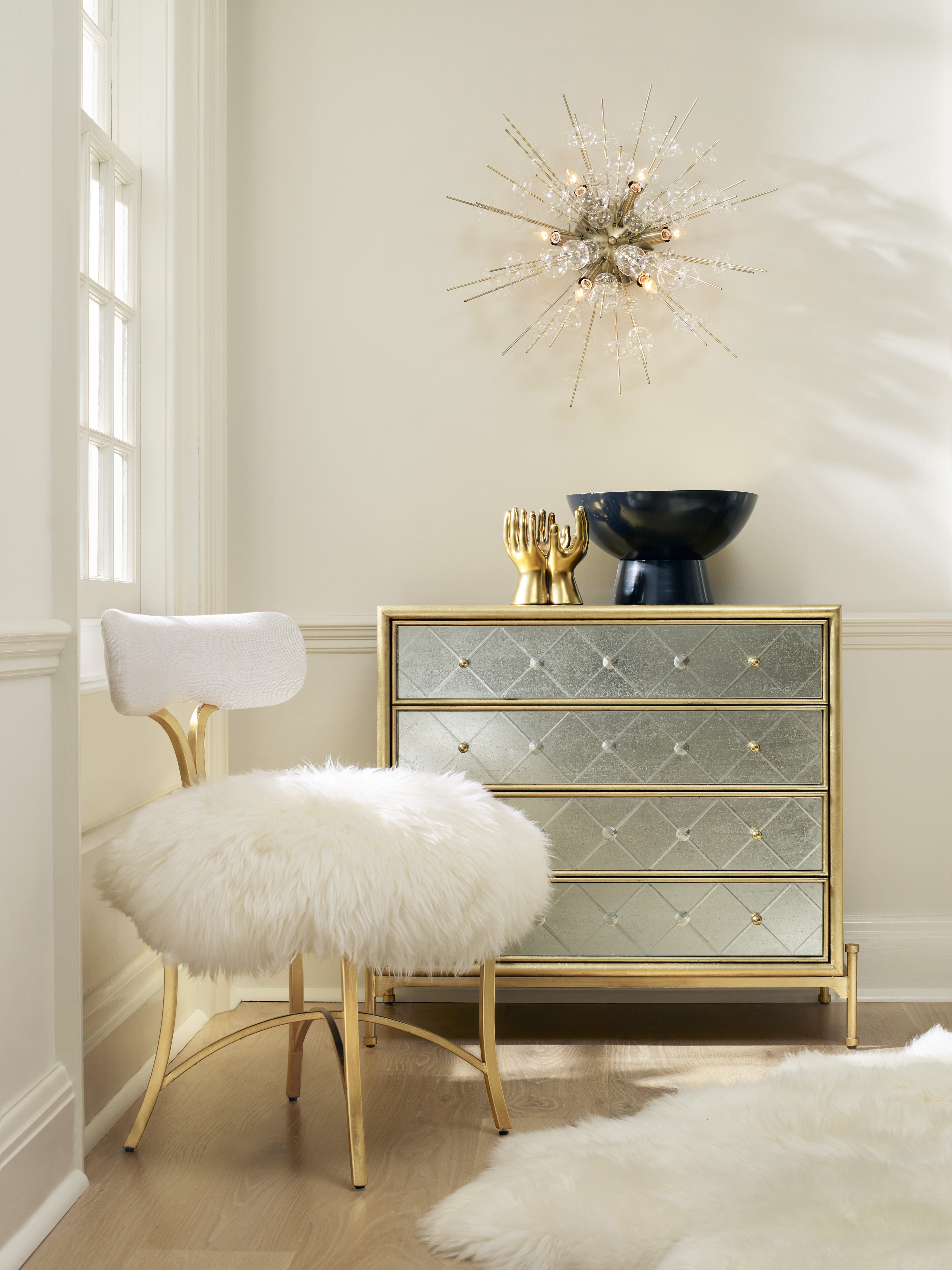
BLOG 1. 1586-85005-GLD1 Harlequin Four-Drawer Accent Chest 1586-75410D-GLD6 Swanson Upholstered Metal Side Chair
Tags: bedroom for kids, breakfast area, breakfast corner, breakfast nook, designing a kid's room, designing nook, designing nooks, designing the breakfast nook, entertainment center, entertainment room, kids' play room, kids' playroom, laundry area, McCreerys, McCreerys Home Furnishings, nook, nook design, setting up the breakfast nook, tips, unused nook
Posted in Interior Design 101, Special Rooms In Your Home | No Comments »
Monday, June 20th, 2016
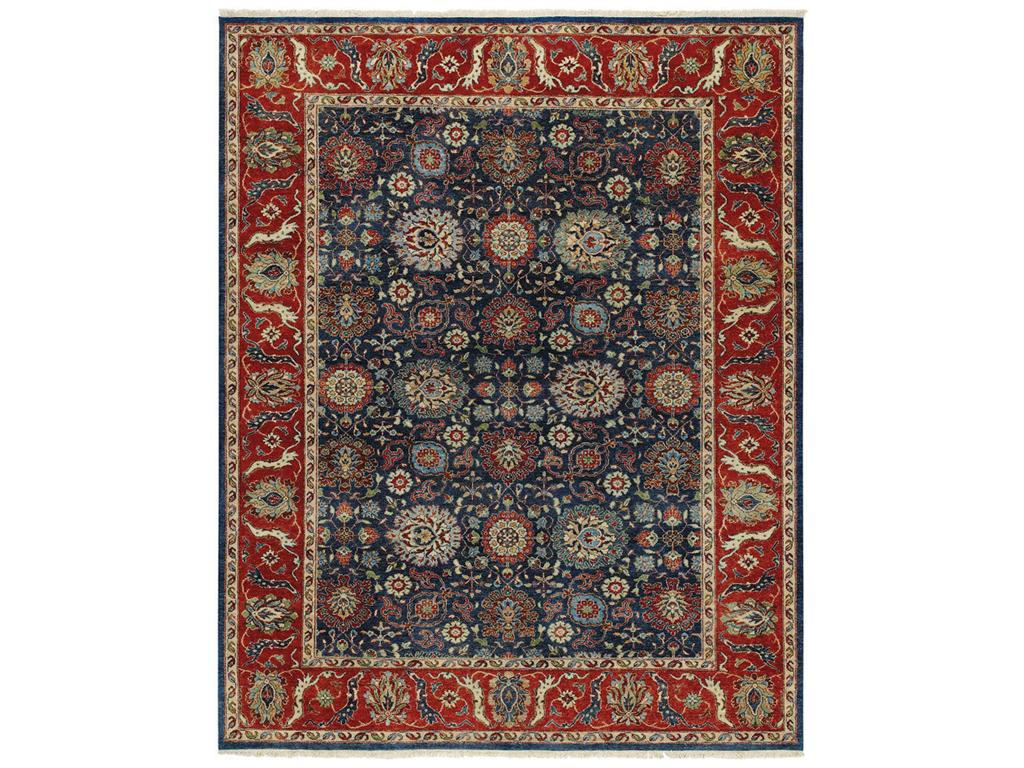
Capel Incorporated Floor Coverings Biltmore Select Bidjar Rug 1773RS10001400450
Are you recently going about looking to interview the best carpet dealer and installer? There is a series of questions that you need to ask the salesperson before you can make your decision. ‘Wanna know what these questions are?
What Kind of Room?
Ask what sort of room will be installed with the carpet. Know also if this room is formal or informal or whether it sustains heavy foot traffic.
What Do You Expect?
It is also notable that you ask what he or she expects as the best carpeting for your space.
How Would It Feel?
This next question is super important because it involves comfort. Ask the salesperson how the carpet would feel underfoot. Better yet, walk on it and know the actual feeling.
How Much?
There are two sub-questions to this question; first, how much does the carpet cost and how much is its installation charge?
Carpeting cost is not always the same as quality, though, so make sure to check on durability. The more expensive carpets are not often better; the price is just higher because more fibers have been added.
Getting a carpet pad means you should know how to fit it to the kind of carpeting used. The most common misconception about thick carpets is that they are the best. Plush carpets ask for thicker pads so make sure you are ready for such.
When it comes to carpet fiber, there are three types being used in the industry these days, with each having a different price range. The first is polypropylene (e.g. the loop style), polyester (made from recycled pet bottles), and nylon which is the most popular fiber.
How Often?
It would also be great to ask what maintenance guidelines the salesperson could give you. Do you need to vacuum more often? Would there be extra fibers flying about?
Easy-to-clean carpets are those that are resistant to stains or are just easy to clean. Polyester is one such material which is why it is also being used to manufacture carpets. This is a crucial material in applications where there are issues on stains.
Nylon can be treated when stained. Ask the salesperson about the treatment that would best take the stains out on this kind of carpet.
How Durable?
Carpets with flat and denser cut-and-loop can wear like iron. It is highly dense especially when there are more stitches used every square inch. This is the reason why most commercial buildings use this type of carpet.
The trackless carpet is also a great choice for rooms in your home. It comes with crimped fibers, a great texture, and the fibers are cut to varying heights so that the light would be reflected and the tracks would not show. This makes it the best choice in high traffic rooms of your home such as the living room or the dining room.
How Stylish?
You get to ask this if you want the plush kind of carpet. This is that kind of carpet where you would want to run through with no slippers on!
Although stylish, the plush carpet also has its drawbacks. Since it is thick, vacuum and foot tracks are easily seen. This should be placed in areas with very low foot traffic such as the master bedroom, powder room and the drier sections of the bathroom.
An example of a unique and stylish carpet is our example here, a carpet from the Biltmore Collection. The Bidjar style comes with quality wool which is the traditional rug design from Capel and Biltmore rugs. This comes with a stylish flair which makes George Vanderbilt’s global travels and carpet purchases worth everything.
Tags: buying a carpet, carpet, carpet buying, carpet choices, carpet design, carpet installation, carpet shopping, carpeting, installing a carpet, McCreerys, McCreerys Home Furnishings, shopping for a carpet, tips
Posted in Accents, Flooring Design, Interior Design 101, Interior Design Elements | No Comments »
Sunday, June 19th, 2016
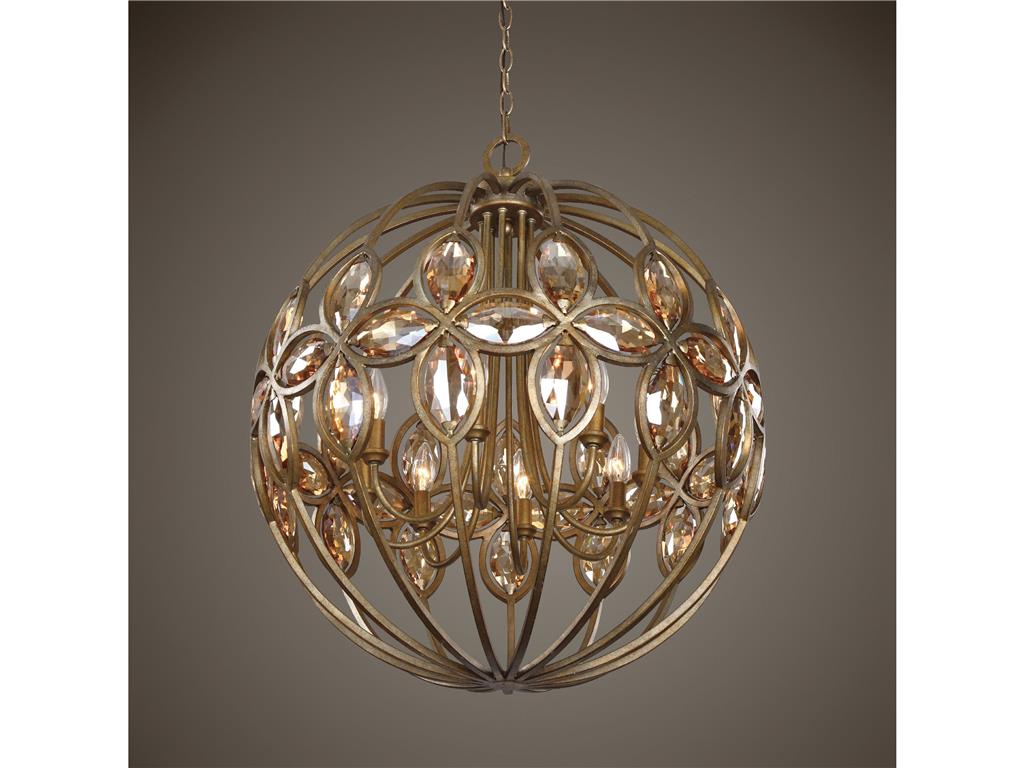
Lamps and Lighting Uttermost Ambre 8 Light Gold Sphere Chandelier 21269
One of the chief elements in a well-designed space is lighting. How you light the space in your home reflects how you and other people perceive it. Since lighting is that important, then it just makes sense that you should put ample time in deciding what sort of light you would have for your home. When you mulled over what you want, has your mind ever come across the decorative chandelier? Or are you, just like the others, afraid of using it?
A Design Element of Its Own
The chandelier might just be the right finishing touch that you are waiting to have. It can be rustic, modern, Mid-Century, and just about anything. If you want a timeless look, nothing beats the classic glass or crystal chandelier.
The chandelier can be a scene stealer. They are a great addition to any room but if you don’t know how to handle this decorative lighting’s strong presence, your space might end up looking pretentious.
First, know the size of the chandelier that would fit inside the room. This can present a few setbacks but measuring can eliminate future problems. The right size of chandelier can be computed by adding the room’s dimensions (in feet) and then converting the sum into inches. Your answer should be the same diameter that you would use for the fixture (e.g. a 10’x 15’ room measurement should equate to 25” in diameter.
Consider also the size of the dining table (if you are placing your chandelier inside the dining room). The dining room fixtures’ diameter must be approximately ½ to 2/3 the table’s width. This could be about a oot less than the table’s width (at its widest part).
It is also advisable to use a large chandelier even in a small dining room. Should the fixture appear too large, then be sure to hang it closer to the dining room ceiling. This is so it won’t overwhelm.
Now that you’ve recognized the Do’s, it’s time to find out what the don’ts are. First, no furniture should come close to the chandelier. The minimum amount of distance between the lighting fixture and the furniture should be 48 inches.
Remember also that the chandelier has visual weight. This means that visually heavy chandeliers can be light when carried but the smaller ones could be a tad heavier. Just to save you from measuring the room size all over again, here are the standard measurements –
Whether your taste is mainly traditional or contemporary, there is a chandelier that would suit your needs. You just have to learn the general rules above plus some hanging procedures.
The rule of thumb in hanging chandeliers for dining rooms is that the bottom part of the lighting fixture should hang at 30” to 36” from the tabletop. This is assuming that your home has an 8’ ceiling.
There are designers who recommend that every additional foot on height for the ceiling should be an additional 3” to the chandelier’s suspension height. Not all designers agree, though. There are also those who feel that the height of the ceiling should not, in any way, affect the fixture’s distance from the tabletop. Should you choose to follow the second case, then the best thing to be certain about the chandelier that you’re going to buy is to move it up and down as you prep to install it. You and one other family member can go about with this simple project. Just move the chandelier up or down till you reach the height that you feel is perfect.
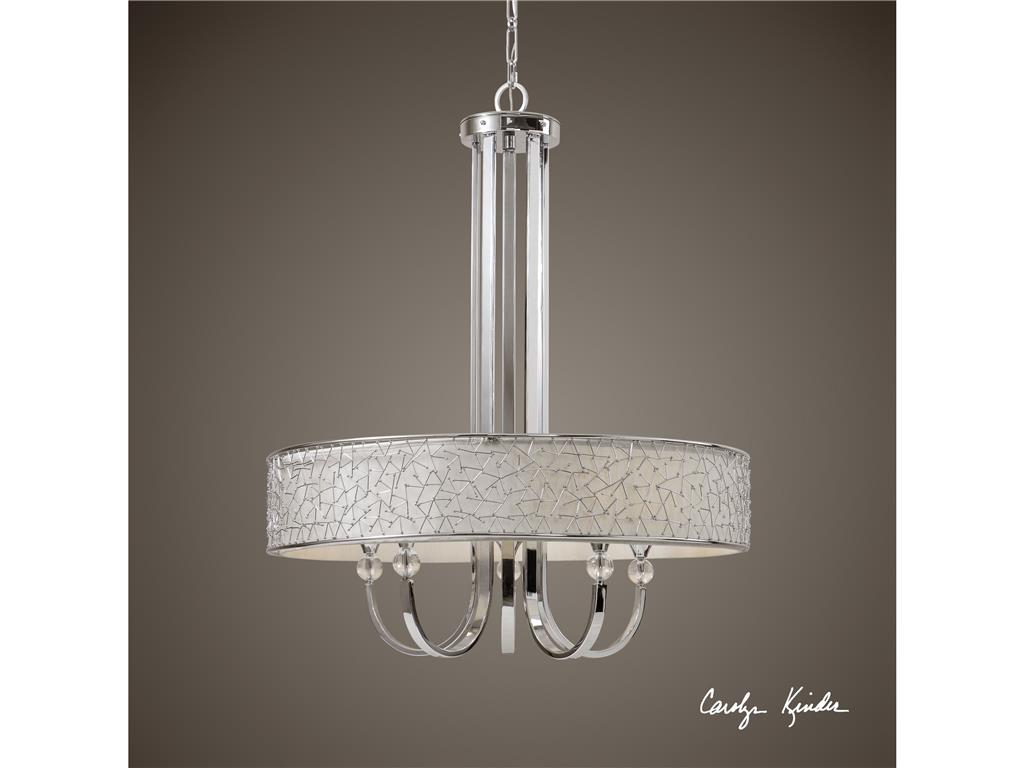
Uttermost Lamps and Lighting Brandon, 5 Lt Single Shade Chandelier 21233
Tags: chandelier, designing with chandeliers, installing chandeliers, McCreerys, McCreerys Home Furnishings, use of chandeliers
Posted in Interior Design 101, Interior Design Elements, Lighting | No Comments »
Saturday, June 18th, 2016
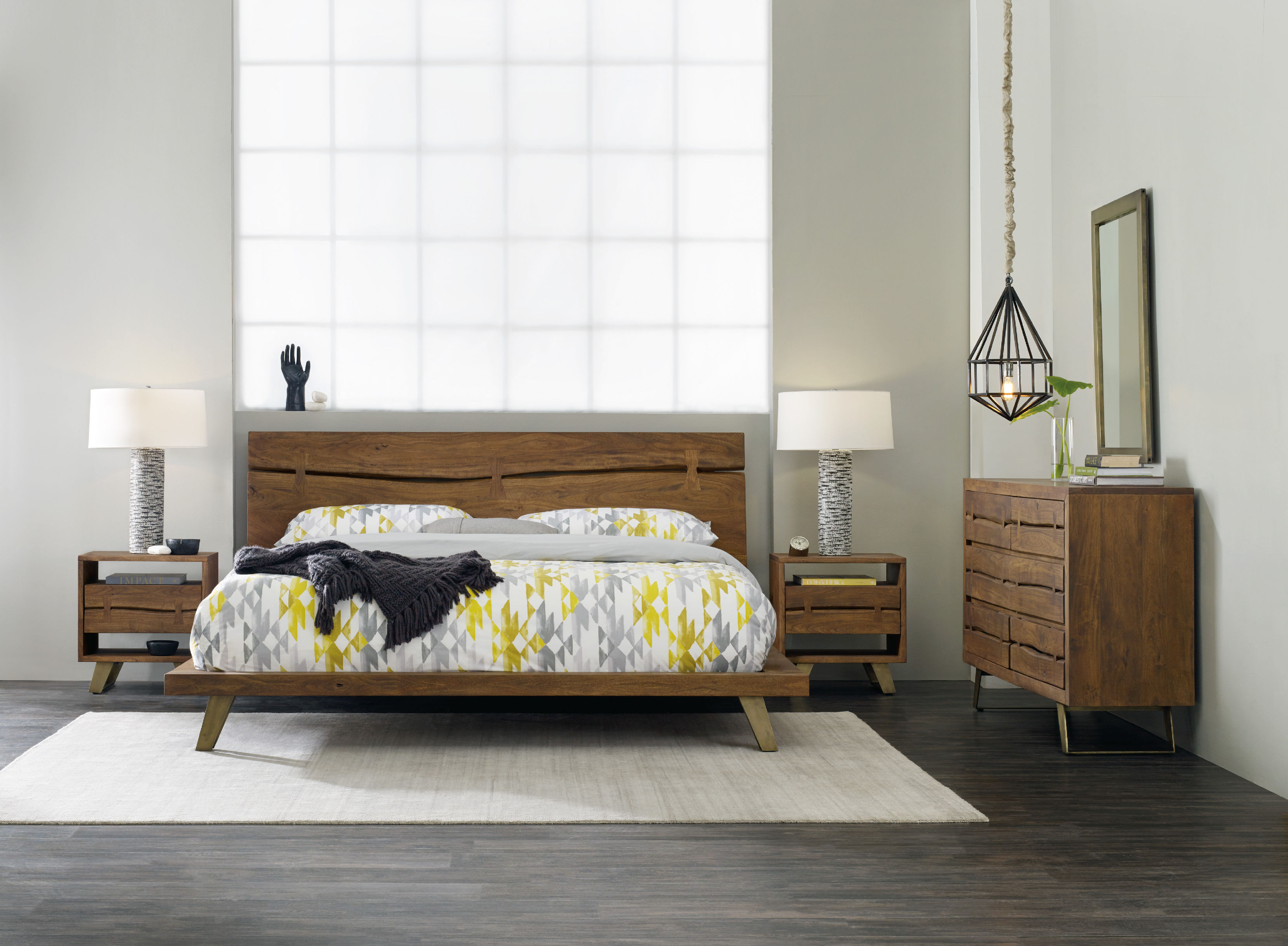
Hooker Furniture Bedroom Transcend Nightstand
Posh and handy nightstands are functional as well as decorative must-own pieces. It becomes easier to create a theme if you have a lovely nightstand to begin with. The first step is to use this furniture as a decorative element. It should be the perfect companion to the other functional pieces of furniture in the room. The nightstand is often used to hold lamps and bedside clocks but these aren’t the only items that can be placed on it.
How to Use the Nightstand
Begin decorating your bedroom by keeping the nightstand right beside your bed. Doing this will make it easier to access the clock, book or lamp that is placed there. Make sure also that it is snuggled against the wall in order to keep things from falling off the back of this decorative table.
Next, make sure that you always add a lamp and a clock. Place the lighting piece near the head of the bed. This position maximizes your reaching ability which is handy especially when you need some light in the middle of the night.
The alarm clock, on the other hand, is there to rouse you to wake up during the morning. Place this at the right distance so that you are only able to reach it when you sit up. This will prevent you from hitting on snooze many times before you get up.
Add a phone, too. This should be close to the lamp so that the numbers are still visible. Always place the base of the landline phone on top of your nightstand. It is also a wonderful idea to keep a cell phone charger nearby.
You can also use the nightstand to decorate your bedroom further. Personalize your room by adding some framed photos, flowers in vases, and some accent pieces on the nightstand. The merrier the photos are, the better. Have the vacation photos placed all around the lamp. Even souvenirs from your last beach expedition such as some seashells are also a great addition on your nightstand.
Now make sure that you also use the drawers of your nightstands. At night, empty your pockets into a tray right on top of your decorative nightstand. Most nightstands come with mini drawers so you can place some miscellaneous items in there.
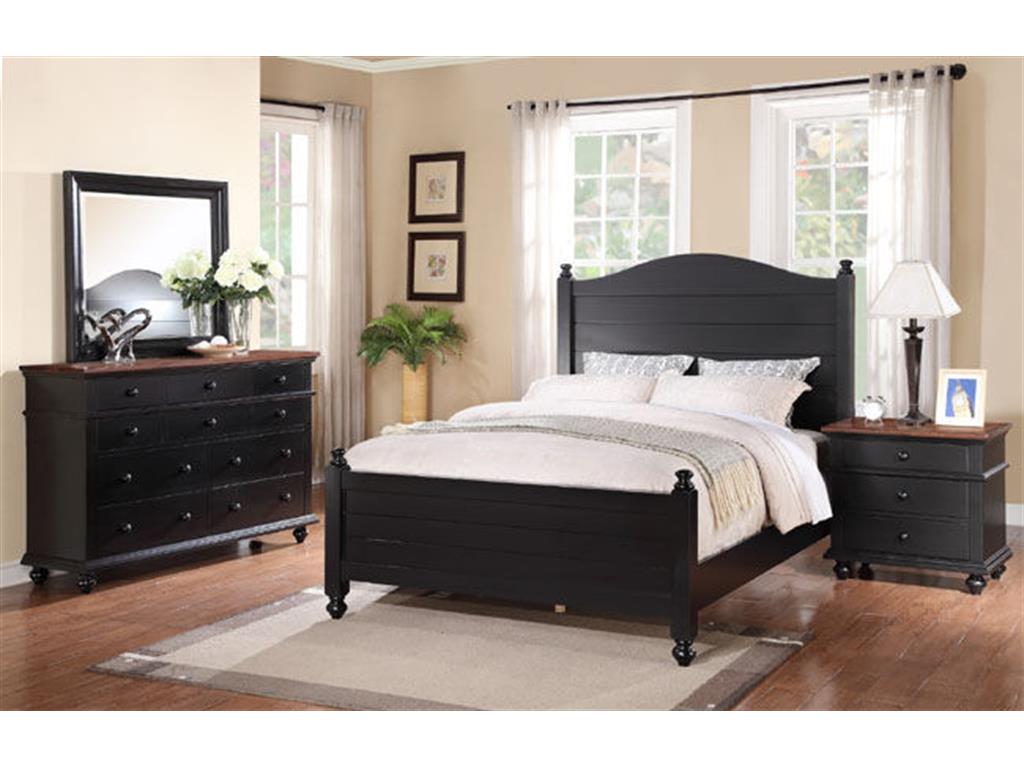
Winners Only Bedroom 29 Inches 3-Drawer Nightstand BQE1005
Correct Nightstand Shopping
When you’ve decided to buy a nightstand or two, there are also some questions that you need to answer before you go out and shop. First, find out your bedroom space requirements. It would be best to keep the nightstand at a size that leaves ample room for other design elements. It shouldn’t be too big, too high, too low, too wide or too many.
When it comes to height, know that the perfect one is at the same level as the top of your mattress. This will provide an even visual across the bed.
If you love to read books before dozing off at night, then make sure to have a lighting source on your nightstand. It doesn’t have to be a posh lamp, it can be as simple as a reading light.
If you are shopping for a smaller room, then the nightstand should be small enough to fit right next to your bed. A narrow table takes up but little room yet if it has some shelves, then it even adds extra storage to other bedroom items.
Minimalists prefer to have the platform right around their bed serve as a place to serve a drink, place novels, or place electronic gadgets.
Whether or not the nightstand matches the bed is up to you. More than matching pieces, you should be more worried about balance. Two nightstands could have different sizes and colors but they can still offer a collected look if you know how to visually link one to the other.
Tags: bedside table, McCreerys, McCreerys Home Furnishings, nightstand, uses of nightstand
Posted in Accents, Accessories, Bedroom Design, Furniture, Interior Design 101, Interior Design Elements | No Comments »
Friday, June 17th, 2016
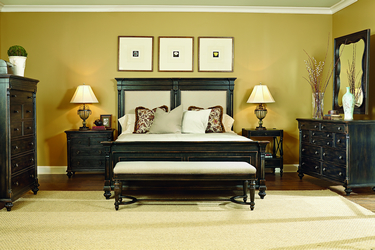
FFDM’s Candence Collection: The elements that pop in this photo are the accessories such as the lamps, colorful pillows, vases, ceramics, potted plant, framed photos, etc.
The look that could make or break any home all boils down to details. It is the addition of decorative objects that can make the space posh, dramatic, simple, cozy, or whatever you would want it to be. The right art pieces, for instance, will be able to tie all the design elements of an interior design.
While furniture and other larger pieces are the framed objects, the accessories could serve as the frame that will lure people into looking.
Decide Early On
Pick only the objects that you love. That cherished birthday gift can serve as a centerpiece of your design. The yardstick in which you are measured with regard to accessory arrangement is how visually enticing the space eventually becomes.
It is important to note that the room décor should have a natural flow. Also, the beholder’s attention should shift from one decorative piece to another. Your visitors’ attention should be drawn to a particular object not because it is ugly but because it is an essential piece that harmonizes with the rest of the elements.
Consider the designs, colors, textures and styles that would create the ambience that you originally planned.
Group ‘Em
Try to apply the rule of three. In interior design, these are creating interest, depth and rhythm. It helps to think that what they is the composition of elements that are placed there to draw people’s attention throughout the room. The eye should be able to recognize the shapes, patterns and colors that jive together.
Add symmetry and focal point. If not, be bold enough to –
Keep It Odd
If you want to use more than three objects at once, then do so. Have five or seven but always keep the number of the pieces odd so that better symmetry is achieved. This is also applicable when grouping. Again, be sure to keep an odd number for that unique asymmetry.
Know Your Space Requirements
Take note of spatial composition. This means you should assess how much available space you have and design it accordingly. Don’t just look horizontally, check also how the heights vary from tall to short and the sizes from small to large. All the irregularities should provide the needed interest and odd balance in groupings.
Just Be You
Even if it will involve experimentation, make sure that you put in objects that you prefer. Don’t pretend that you love modern design if your heart actually lies in traditional setups.
Learn the Technique of Showcasing
This technique can be used in centerpiece grouping. The grouping can be repeated throughout the living space. Go ahead and group non-related objects. Use a bowl or tray, for instance, to display different-colored candles. This should serve as the aspect that would tie the candles together.
Different decorative trays can serve both functional and decorative pieces. Use mirrored tray to highlight the flickering candle lights. Other trays like silver, wood, bamboo, copper, brass and hand-painted items may also be used. Display other object like floral arrangements, crystal vases, ceramic figurines, even perfume bottles.
Now how about bowls and baskets? These can also be used to display or showcase your collections such as books, seashells, and some knickknacks which you bought during your travels abroad.
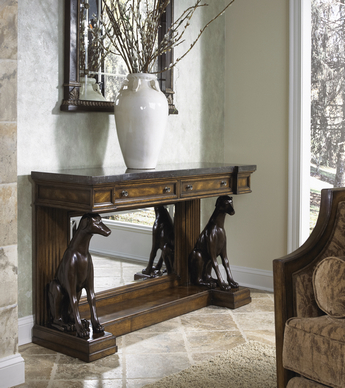
FFDM Belvedere Collection: Didn’t your eyes go directly to these two wooden dogs?
Other Means to Display Objects
There are other means to highlight special accessories in your home. Rare objects can be placed inside vases, domes or jars. Have a display cabinet set up so that your valuable collections will get the attention that they actually desire.
Frames can hold special photographs, paintings can be grouped in galleries, and books in shelving units or bookcases.
Lastly, always consider design composition, sequencing, repetition, motif colors, rhythm, contrast, and balance texture when grouping objects.
Tags: accessorizing, effective use of accessories, how to accessorize, McCreerys, McCreerys Home Furnishings
Posted in Accessories, Interior Design 101, Interior Design Elements | No Comments »
Thursday, June 16th, 2016
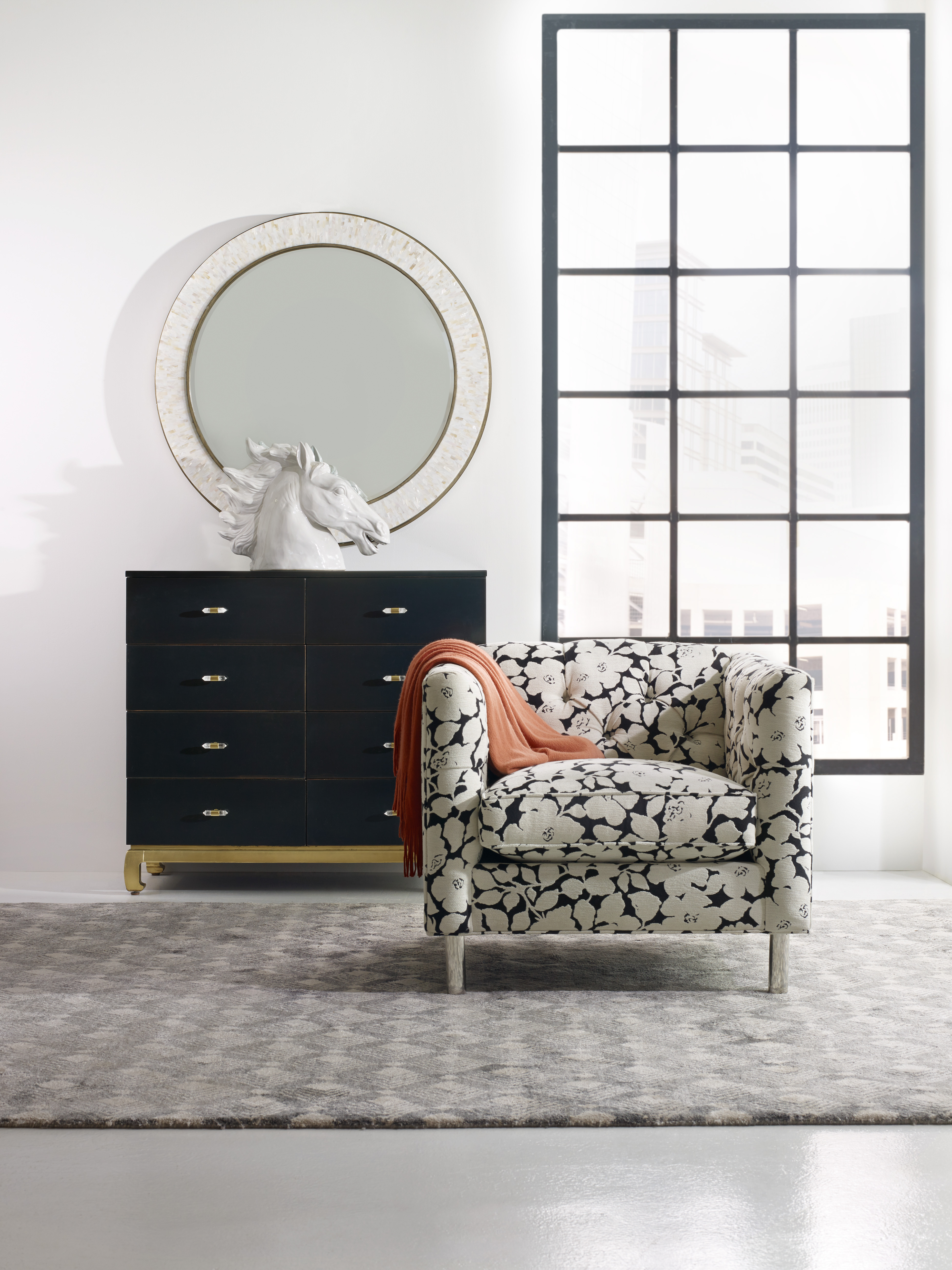
1586-90001-BLK2 The Poet Eight-Drawer Dresser
Modern design embodies a lot of elements which is why it is not easy to define it. In the most basic terms, though, this is the reflection of modern art movements inside homes. There are different central features and design themes that can be considered modern.
Modern designs were society’s objection and rejection of the ornate styles like Renaissance, Gothic and Victorian. Furnishing designs that you could include are Art Deco, Mission Style, and Shaker.
Modernism Means Clean, Straight Lines
Modern design – since it was designed to become the antithesis of complex themes, heavy textures, wood tones and carvings – is supposed to have nothing but linear designs. If anything geometric is to be placed, then it has to be controlled and scarce.
Modern furniture and other design components include clean lines with no frills. It differs from contemporary design which can include sweeping lines and curves. The lines in modern design are more crisp and sharper.
Materials that you could pair with your furnishings include oversized tiles, sanded wood flooring with minimized grain and smaller shelves and bookcases. The open space layout is most welcome as is the lack of molding and trimming on doors, windows and walls.
Say Hello to Metal
Stainless steel and chrome are two of the biggest elements used in modern design. In fact, a modern home would be less, well, modern in the absence of metallic pieces. Stay away from traditional metals, though, such as wrought iron. Instead, go for the cleaner, most polished metals.
For your home to be considered modern, be sure to use a lot of stainless steel and chrome. Have the exposed chair frames and table legs covered with any of these two metals.
Chrome is also used extensively in other home components such as doorknobs, faucets, lamps, cabinet handles and railings. It is known for its polished beauty and a slightly blue undertone.
Less Is More
Modern homes are also minimalist homes. The basics of being a minimalist are the absence of complex details, less color, and just the right amount of textiles. Even in the absence of a lot of things, it is safe to say that minimalist homes are well-planned homes. They are actually comfortable since all are streamlined for efficiency.
The minimalist and modern approaches share one other great aspect – zero-clutter. Clutter could mean different thing to different people but if you want the modern design, then just retain the essential pieces. This means saying no to pottery, vases, trinkets, and a lot of throw pillows.
Necessities are books, keepsakes and electronics. While these are still needful, they are almost always kept out of sight through proper storage.
Modernism Is Bold
Many homes designed in modern styles make use of neutrals, black and white. Yet this does not mean that you should shun using brighter colors. You can break the monotony created by the neutrals by setting up focal points. The primary colors are often used sparingly.
Hang a colorful wall art, a bold-colored sofa, brightly-colored pillows, or an accent wall.
Modernism, Modern You
In essence, all the things that you see in modern design are the result of modern thinking. Modernists were allergic to excessiveness, too much intellect, and cultural norms. They wanted to push off boundaries with regard to creativity and culture.
The modernists’ movements also included saying no to organized religion and the belief in a god. To them, modern norms had to be created and more suitable norms be instilled, hence, the birth of futurism, cubism, Neo-Dada, Bauhaus, abstract expressionism, and others.
To the world they shouted – Make It New. So, are you ready to apply what you have read?
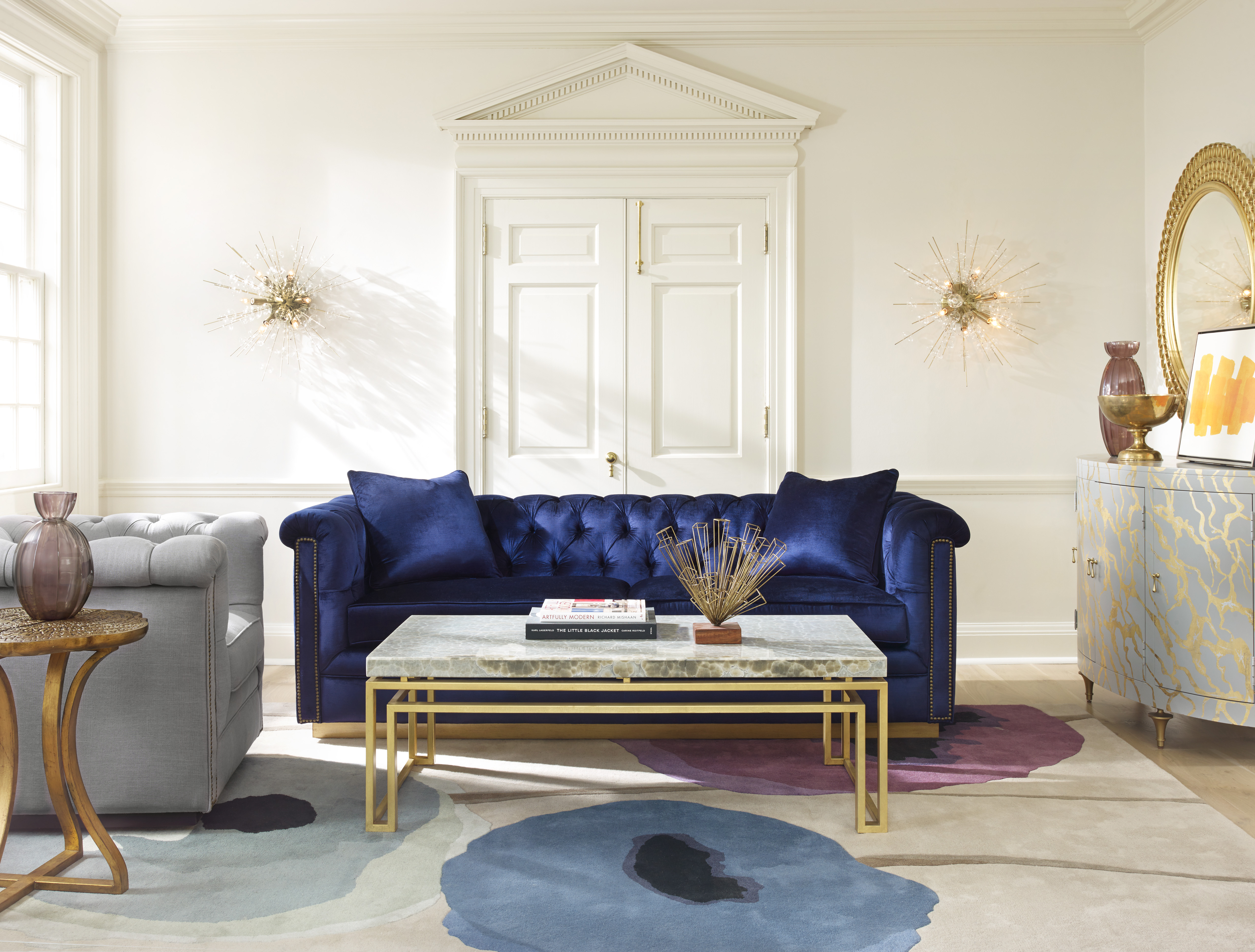
7067-001CR Wallis 2 Cushion Sofa
Tags: bold, bold design, bold interiors, McCreerys, McCreerys Home Furnishings, minimalism, minimalist, minimalist design, minimalist space, minimalist style, modern, modern design, modern interior design, modern interior design tips, modern interiors, modern style, modern theme, modernism
Posted in Interior Design 101, Interior Design Themes | No Comments »
Wednesday, June 15th, 2016
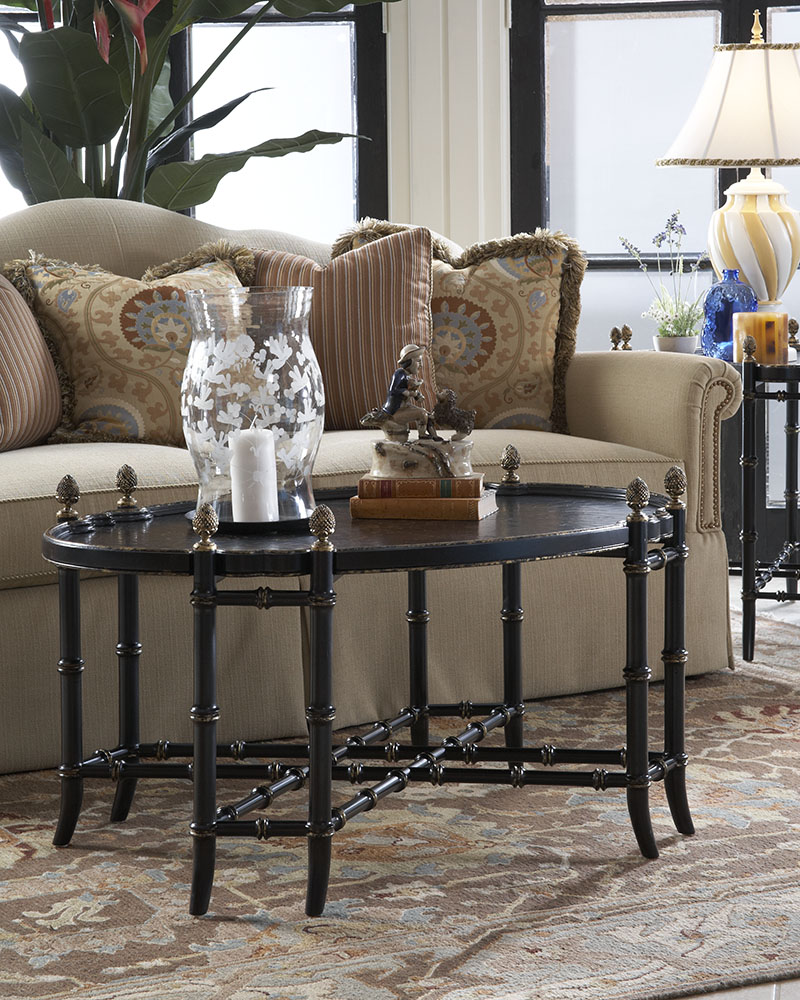
You have got to love how the candles jived with these American Cherry FFDM pieces.
There are many ways to decorate a room, don’t you agree? But of all the decorative elements, there is one that is a favorite by those who want to achieve elegance, drama, or a romantic mood – candles. Candles can tickle the senses in ways that are difficult to explain. Gone are those days when they were just used to illuminate homes. These days, they are very much a part of the decorative charm in dwelling places.
Are you ready to begin decorating with candles?
Gorgeous Décor
It makes sense to take note of every little detail in the room where you would be putting the candles. Whether there is wall art, a vintage trinket somewhere or large furniture at the center of the room, consider how you would be placing the candles and what sort you should be displaying in the first place.
Candles can bring in that needed prettiness. There are even designers who choose to decorate with candles more than any other accessory.
Candles also come with sweet scents these days when they are lit. So imagine smelling that sweet aroma while you have fun with your friends, while making dinner or just watching TV with your loved ones.
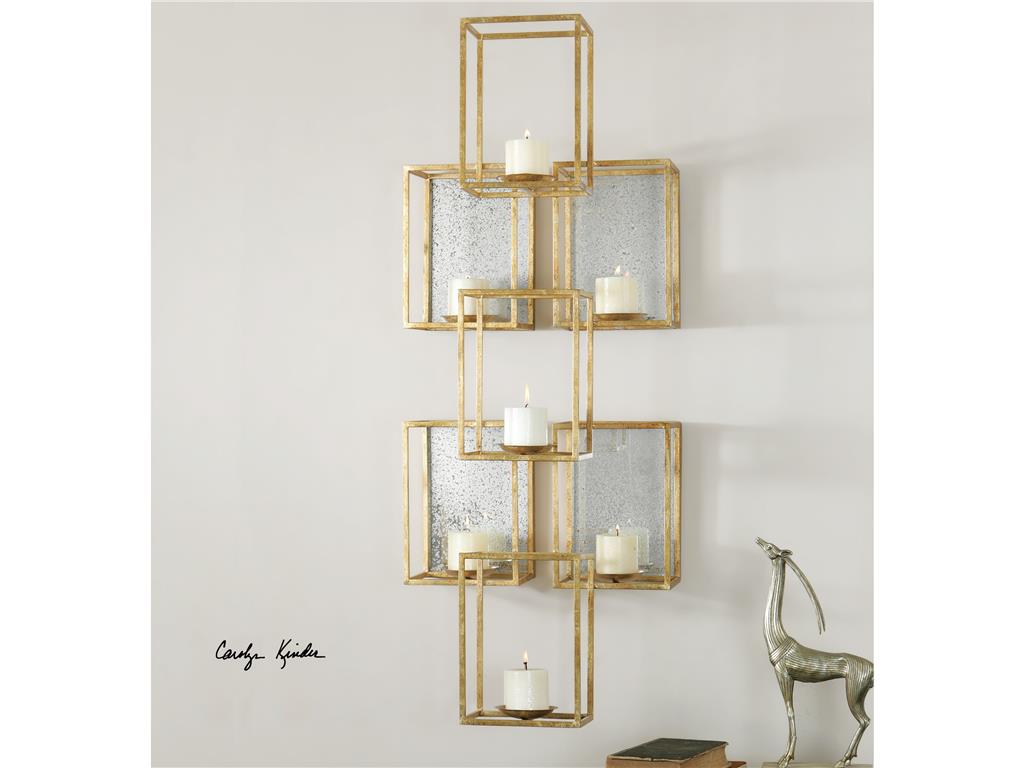
Lamps and Lighting Uttermost Ronana Mirrored Wall Sconce 07693: Who says candles have to have actual flames every time?
Where to Place Lovely Candles
Now let’s talk about decorating your space with beautiful candles. You can begin with your bookshelves. Candles are your go-to decorative pieces when it comes to emphasizing book collections. Insert a candle or two at the end of a stack of books (just like you would a regular bookend). You can also simply place the candles on top of a stack.
See if you could tie the color of the candles with the books.
They can also serve as the perfect centerpiece to your coffee table. Coffee tables should not only be functional but also stylish. It would be more relaxing to spend your time in the living room if the coffee table displays, say, aromatic candles in lavender scent.
Use a tray to hold the candles before you place them on an equally decorative coffee table. Add fresh flowers, a coffee table book or two, plus some other trinkets. The candles plus these other bursts of color on the tray will also add a bit of height to the table.
Imagine cuddling with your loved one as you both drink a glass of wine as you wind down during the evening. Those lit candles will surely bring a romantic flair without even trying too hard.
Now don’t think that the coffee table is the only table that can house your candles. The dining table can do this exact same thing. Candles can be the most sophisticated centerpiece for your dinner parties. Simply arrange some candles at the center of the table while the lovely china and silverware are placed directly in front of each chair.
The home office desk could also become your candles’ home. Believe it or not, these sources of illumination could add a dose of inspiration. You can place a gold tray to hold the candles at the side of your desk or you can just have them placed at different sections of the desk. Add your favorite song playlist and you will definitely become more productive.
What about the staircase? Oh, that would be a lovely place to put your glass candleholders on.
Votive candles can also be anchored in pebbles or sand. Those wineglasses can also be turned upside-down and voila, they become unique candleholders.
Candle Vessels
Fall in love with candles some more as you put them in different reusable holders. Make sure to find the holders that are fire retardant, preferably unbreakable, and are also easy to clean.
Don’t be afraid to introduce different textures of candles and candleholders. Find a resting spot that will highlight the candles’ beauty without overpowering other design elements inside the home.
Tags: candelabra, candelabrum, decorating with candles, decorating with scented candles, McCreerys, McCreerys Home Furnishings, scented candle, scented candle decorating
Posted in Accents, Interior Design 101, Interior Design Elements, Lighting | No Comments »
Wednesday, June 15th, 2016
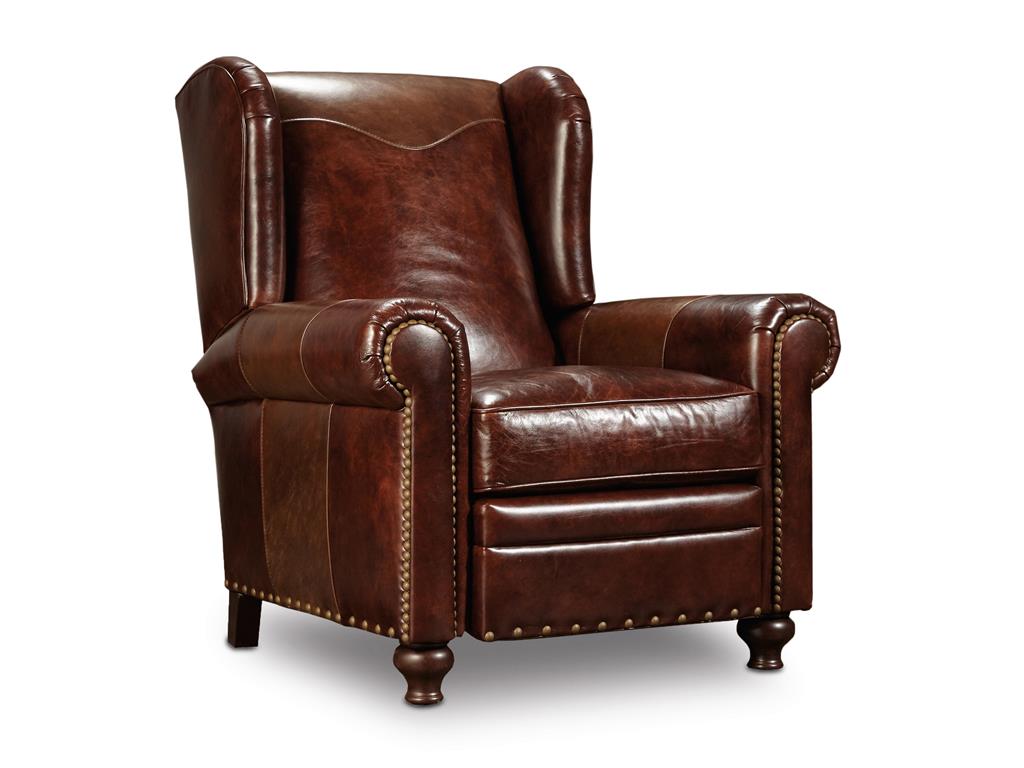
Hooker Furniture Living Room Isadora Vineyard and Isadora Hickory Recliner
The recliner is what’s known in the furniture world as an upholstered chair complete with a mechanism that can be activated by the user. This metal mechanism controls the back of the chair to be pushed out while the foot rest rises. Many recliners have arms which make them a lot more comfortable.
Motion Furniture History
One of the first designs of the reclining chair was featured in Ackennann’s Repository of Arts, a British periodical. This prototype in 1813 became the pattern for hundreds of others that were manufactured throughout that century.
Ash and Browne, both upholsterers and cabinetmakers from New York introduced the improved recliner in 1855. Soon enough, cabinetmaker George J. Henkels also featured a recliner that could be manipulated by the sitter himself.
By the late nineteenth century, the recliner was called the Morris Chair named after William Morris who owned the Morris and Company manufacturing firm.
The rest is history as others contributed to the chair’s improvement. Other mechanisms were simple involving basic rods and pegs. The frames are often made of wood and the cushions are upholstered to make the chair one comfortable seating unit.
Recliner Prototyping
Product development teams take the recliner from mere sketches to the working prototypes. These prototypes, once tested, will then be handed over to the manufacturing department. More often than not, the team consists of the upholstery designer, pattern layout technician, sewing technician, wood technician, and the CAD engineer.
Recliner Raw Materials
The essential components of the recliner are its frame, the activating mechanism, the upholstered foam and the upholstered fabric. The materials used greatly vary depending on the manufacturer’s style and preferences. Generally, though, the materials used are as they are described. Where the frame is made of wood (often hardwoods) complete with metal nut reinforcement, steel corners and bolts; there may also be some fiberboard used to support the back.
The activating mechanism is often made of metal more specifically stamped steel. The springs used in the upholstered seat are also made of metal.
The padding for the upholstered backs may or may not be sculpted. All the hard corners are padded for safety. Back in the day, foams contained CFCs or chlorofluorocarbons but, these days, for ecological reasons, manufacturers have already abandoned such materials.
For manufacturers who create recliners with exposed wood arms and feet use more expensive types of wood such as oak or maple. This is either varnished or stained for added beauty.
The style of the upholstery fabric varies dramatically. Are all fairly durable since the recliner has to be pushed and pulled many times during the furniture’s life span. Recliners are also upholstered with cotton, leather, natural or natural-synthetic fiber combinations. The synthetic fiber types are the easiest to clean and are known to be fire resistant.
Each of these parts is assembled in phases where the components are installed in sections.
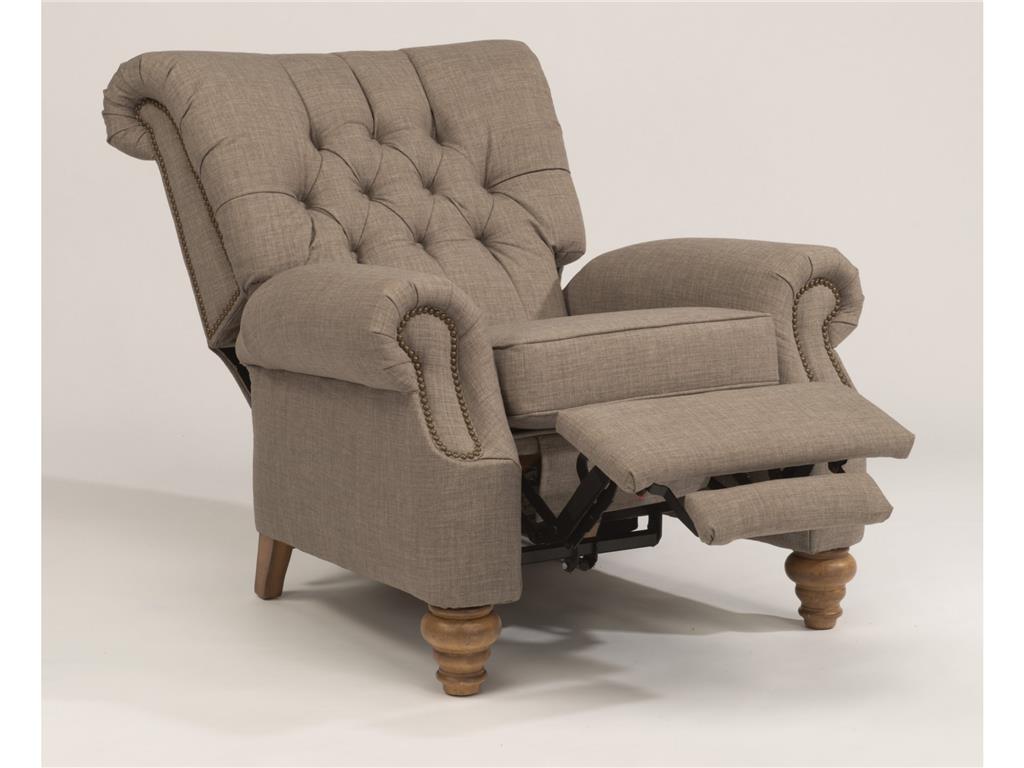
Flexsteel Living Room Fabric Power High-Leg Recliner 501R-503M
Recliner Quality Control
Unlike furniture used in public buildings, businesses or schools, pieces that are used in residential areas are not required to undergo consumer tests. The manufacturers do inspect each piece, though, visually through careful inspection. While the inspectors are all trained to look for puckers, protruding nails and such, they are still human and could miss some manufacturing defects.
This is where you come in. You should be able to check the quality of recliner based on the features mentioned here. Check how far the fabric would stretch, if it is colorfast, if the materials used are readily flammable, and other such specs. Take the time to check out the recliner if you want your seating piece to withstand the rigors of daily use.
Tags: history, history of motion furniture, McCreerys, McCreerys Home Furnishings, motion furniture, recliner, recliner chair, recliner chair benefits, recliner sofa, reclining chair
Posted in Furniture, Interior Design 101, Interior Design Elements | No Comments »
Tuesday, June 14th, 2016
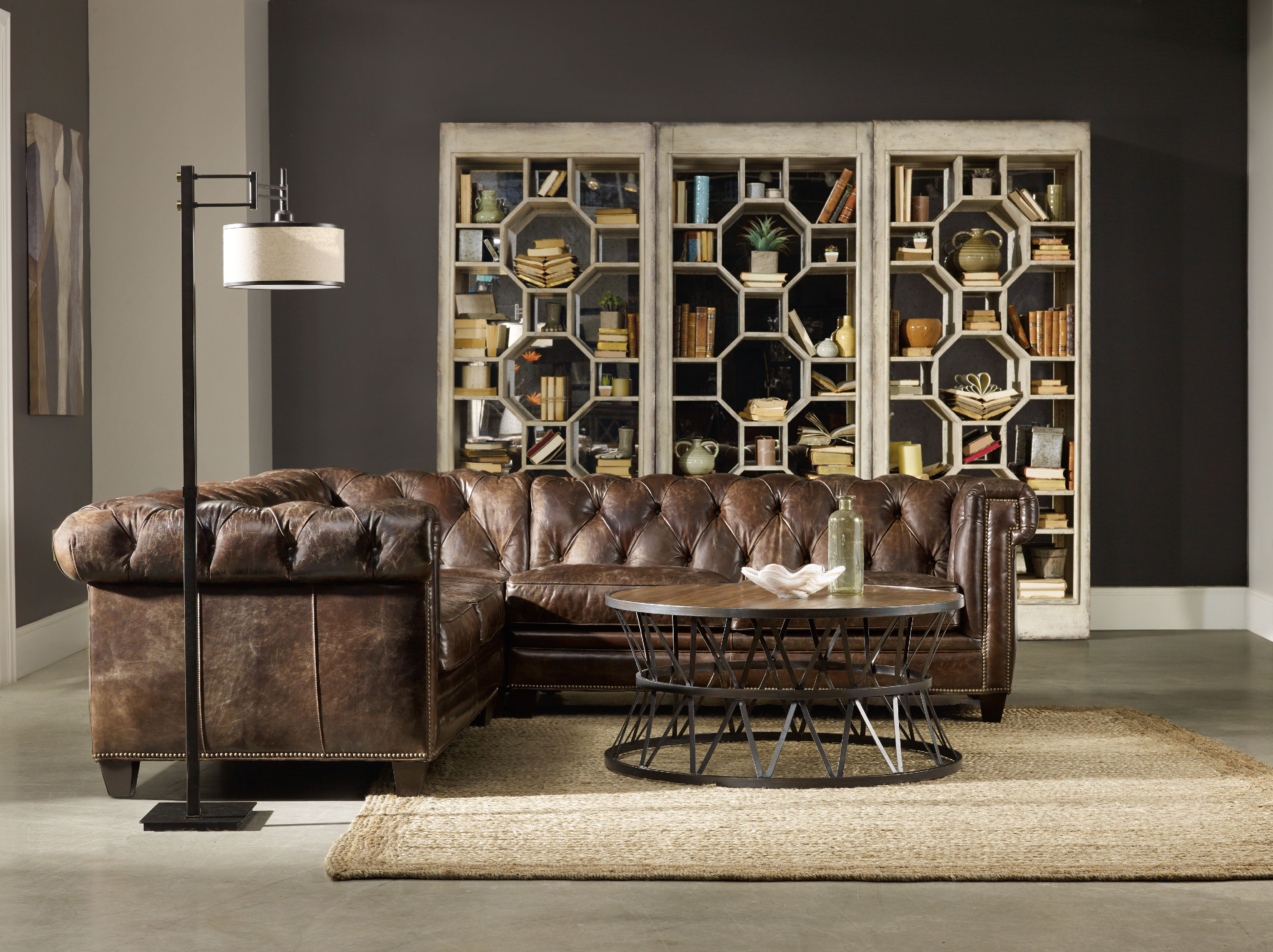
. Hooker Furniture Living Room Imperial Regal 3-Piece Stationary Sectional is the anchor to the rest of the design elements.
Building or remodeling a home is a huge emotional and financial investment. This project will also require a lot of your time especially when you want to be closely involved with the decision-making process. Setting your expectations prior to the beginning of the project will make you better prepared. Here are the 10 questions that you should ask your design contractor during his interview –
What Is the Project Schedule?
Setting the project start and end dates is not enough. The schedule is actually an outline that will give you a bird’s eye view of the sequences, tasks, timing and the deadlines. This is the benchmark so you’ll know when things are not keeping up with the deadlines.
Who Are Going to Work on the Project?
Depending on the structure of the interior design company, the answer to this could vary. Remodelers often make use of the lead carpenter system where the superintendent leads the day-to-day work. This is also known as a staff member since he works physically, too.
Ask who among the team members will be opening and locking up. Ask also who will be the contractors’ supervisor.
How Will You Keep the Property Safe?
This is a question that you need to ask before anything is demolished. Answering this will also assure you which parts of your home will be cordoned off. You also need to know how you will move about in your home.
Another issue that needs to be addressed is how all the stuff such as furniture, books, vases, drapes, and others could be removed from the construction area. You wouldn’t want any of them to collect dust or, worse, be damaged when the construction starts.
How and How Often Will We Communicate?
Set the mode of communication for the entire team. Would you need to call every day or would e-mails suffice? There are contractors that like to communicate on a weekly basis but are you amenable to that?
Which Part of the Project Is Problematic to You?
The contractor will always have something to say that will oppose what you planned. It is best to talk about the elephant in the room so that change orders won’t take place in the middle of the project.
Ask him what worst case scenarios he was able to bail out of in the past.
What Happens Should a Change Order Take Place?
Document change orders in writing. Remember that these have a way of catching up in financial terms and having paper trail is the best rebuttal to the contractor’s question on number of hours added, etc.
When Will You Need Me to Make Decisions?
Ask for an organized list of the things that you need to make a decision on. The list should give you a concise direction of what and when a decision is required from you.
Can I Call You After Hours?
It is important to know how you will get in touch with your contractor during emergencies. Exchange your numbers with the contractor’s landline, cell phone and work phone. Make sure that getting in touch with him won’t be a crisis.
When Will the Additional Meetings Be Held?
Even when there are weekly meetings, there could still be additional meetings where you would be required to attend. Installation of electricity, setting of tiles, is such activities that require your presence.
What Documents Will Be Given to Me After the Project Is Finished?
There are interior design projects that may require some kind of paperwork apart from the contract. This is especially true when you have to tear down walls or build new ones in your home. Documents also include the list of subcontractors, their contact details, etc.
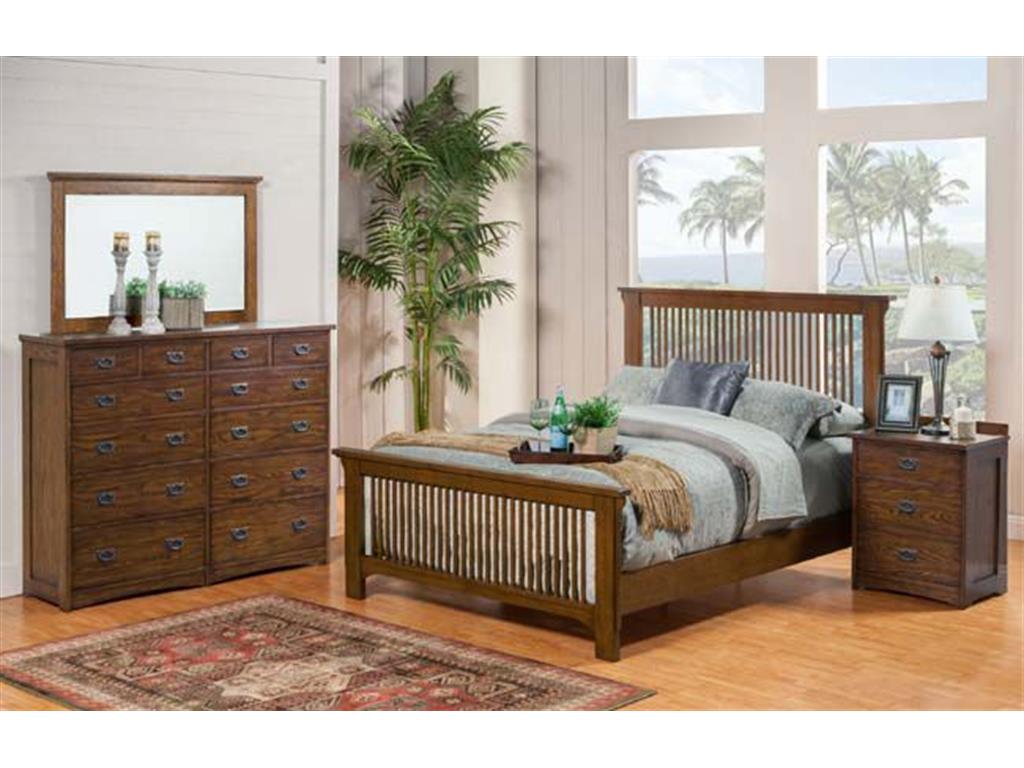
The Winners Only Bedroom Slat King Bed BCQ1002K, the nightstand, the drawers, even the carpet all blend to create this harmonious bedroom.
Tags: design contractor, hiring interior designer, interior design contractor, interior design team, interior designer, interior designer interview, McCreerys, McCreerys Home Furnishings, searching for interior designer
Posted in Interior Design 101, The Interior Designer | No Comments »
Follow us on our social media


© McCreery's Home Furnishings | All Rights Reserved | Privacy Policy
