- Follow us:


Tuesday, June 28th, 2016
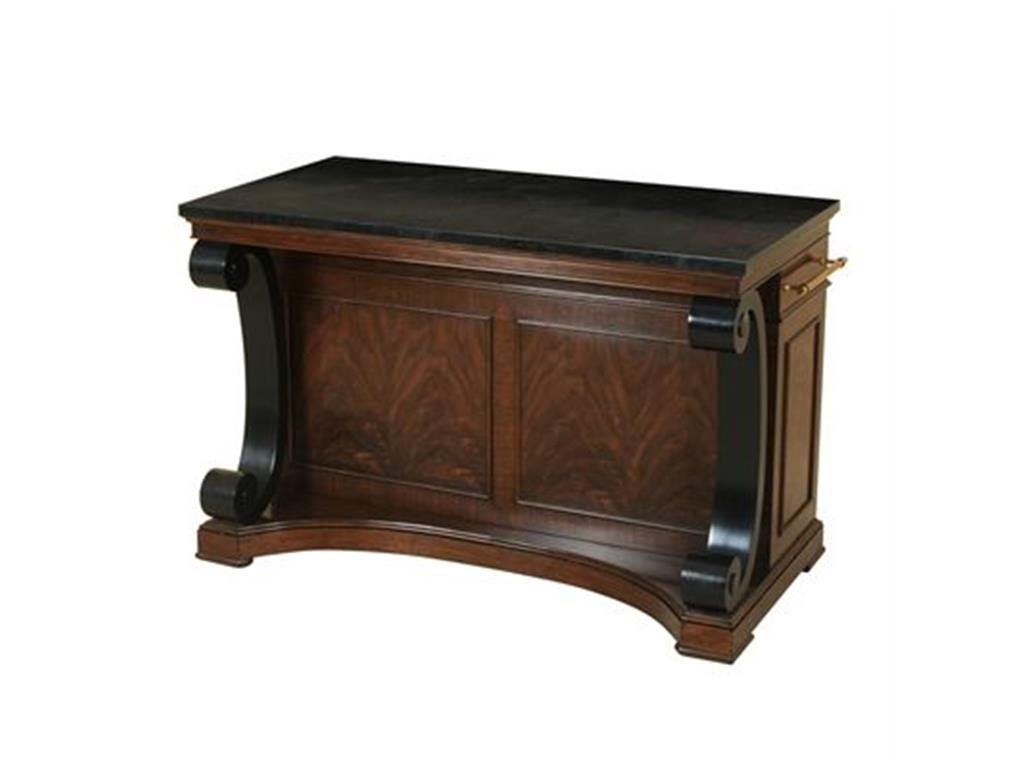
Maitland-Smith Kitchen Island 5130-649: Make your kitchen remodel worth every dollar you spent with this awesome piece.
Okay, you’re excited to remodel your kitchen. But do you even know where to begin? Some homeowners begin their journey by looking at appliances, initially. Others begin by looking at kitchen photos online or in magazines.
Kitchen remodeling could be the result of many reasons. First, some decide that they need more room. Others just want to upgrade their current theme. As soon as you know what your purpose is in remodeling, then it’s time to learn these essential steps –
Know What You Need
This is the first step in remodeling your kitchen because this is that stage when you need to get ideas from books, showrooms or magazines. Knowing what you actually need will help you stage a more targeted approach in finishing the project.
Know your priorities. Find out how many people will usually gather there and how much room is needed to cook the food or even to just move about. Is there a need to topple down walls because of these needs? Or would you be fine with the current space and what you would need to do is to just alter the placement of some furnishings?
Plan
A huge part of planning is researching. Figure out the budget that you can shell out while considering the duration of the project. Find out also what the essentials are and learn to separate them from the mere wants.
Hire Professionals
You might have chosen a DIY project but there are certain aspects of kitchen remodeling that require the help of experts. For instance, plumbing and electrical works require professional expertise. Find persons to interview by asking for referrals from your friends and relatives. If they are not able to provide any, then visit showrooms or hire a designer who knows where to get these kinds of professionals.
Professionals can also help you in aspects of your project such as what permits and contracts to apply for, budgeting, space planning, choosing furnishings, and deciding on fixtures and finishes.
The Schematic Phase
This is the part when space planning, sketching, and drawing the preliminary floor plans are all done. While you may be tempted to concentrate on how the kitchen would eventually look like, you must also remember that the space and layout should be well considered, too.
A well-thought plan will help you figure out where to get the materials, how many square feet will be needed, and how much the project would cost.
Design Development and Documentation
This is the phase when design is finalized and the floor plans, details, elevations, lighting switch plans, electrical drawings, and exterior elevations are all reviewed. This is also when the construction drawings are used. Have the fixtures and finishes selected by this phase so that the contractor can draft the final price for the project.
Ask for Estimates
If you haven’t found a licensed contractor yet, then your next step is to ask for project estimates from at least three different contractors. Ask for preliminary walk-throughs as soon as the schematic designs are finished.
Ask for a Demo
See if the project requires you to move out or if the kitchen would just be closed off while the construction is ongoing. Ask regarding the logistics so you get to keep your sanity. The contractor will need to discuss if he requires that you meet weekly or monthly. Ask also who will remove the dust and debris after the construction. These are seemingly small things that cause a lot of headache at the end of most remodeling projects.
The Checklist
As soon as the kitchen remodeling is done, there’s that time when you start looking for missing items or jobs that have been forgotten. Create a checklist and stand by it as you go through the project. This need not be a formal list. Sometimes it is as informal as an email that lists the things that need to be finished or fixed.
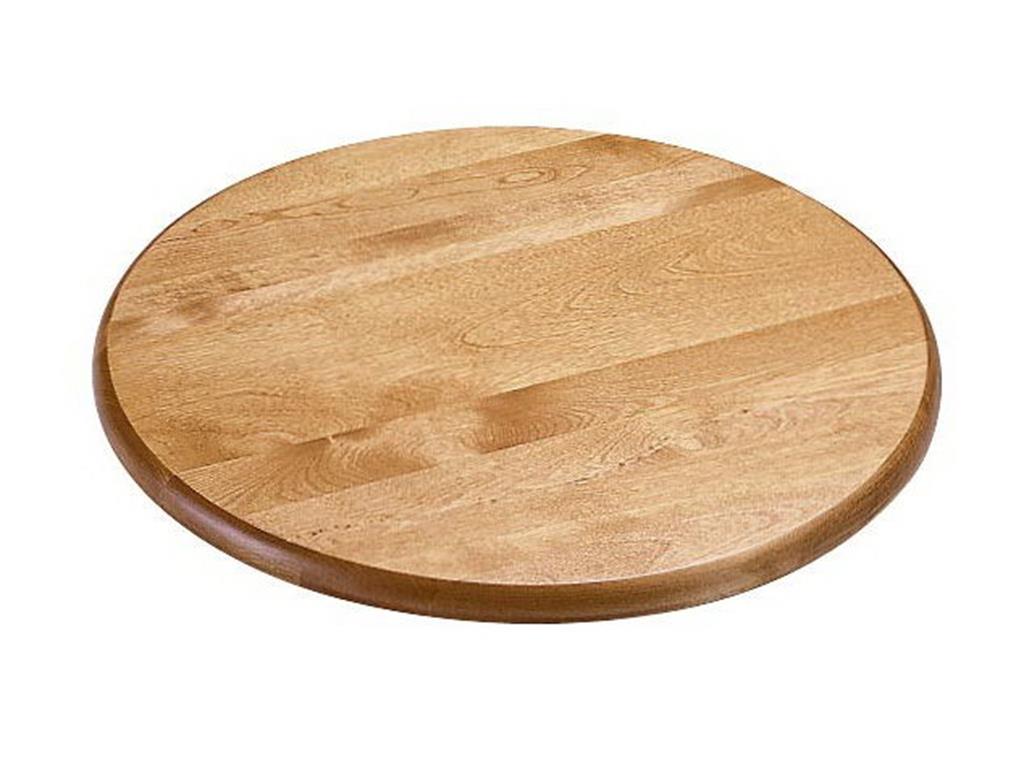
Canadel Accessories Lazy Susan MIS1300 will make your kitchen functional and visually attractive.
Tags: kitchen, kitchen organization, kitchen remodeling, kitchen remodeling tips, McCreerys, McCreerys Home Furnishings, remodeling the kitchen
Posted in Interior Design 101, Kitchen Design | No Comments »
Tuesday, June 28th, 2016
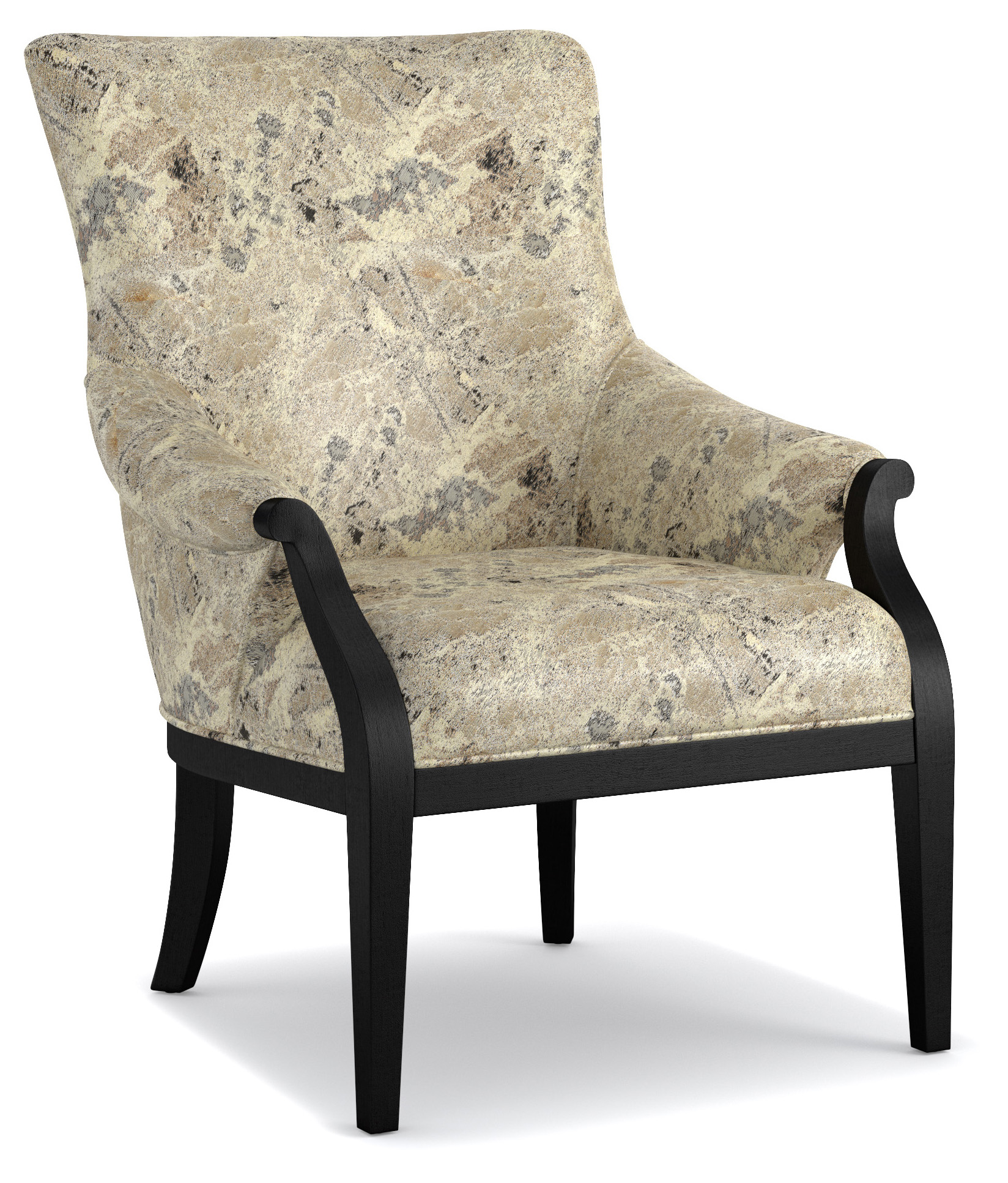
4056CR Henry Exposed Wood
Setting the mood in a dining room is as easy as matching the table with the chairs or mixing up some of the seating units to achieve a certain look. Chairs are a great help when it comes to setting the tone inside any room.
Here are some of the chair types that you can choose from –
Arm Chair
The arm chair is a type of chair that is often situated at the head of the table. These, compared to other kinds of chairs, have a more formal look and feel. Contrasting arm chairs can be used to establish a statement while there are also those that match the side chairs.
Arm chairs can be made of plastic, metal, wood and many other materials. It can also be upholstered or not.
Side Chair
A side chair is an armless chair that is often placed at the side of a dining table. In a more casual setting, though, a side chair may be placed at the head of the table. This can be upholstered though, generally, they are not.
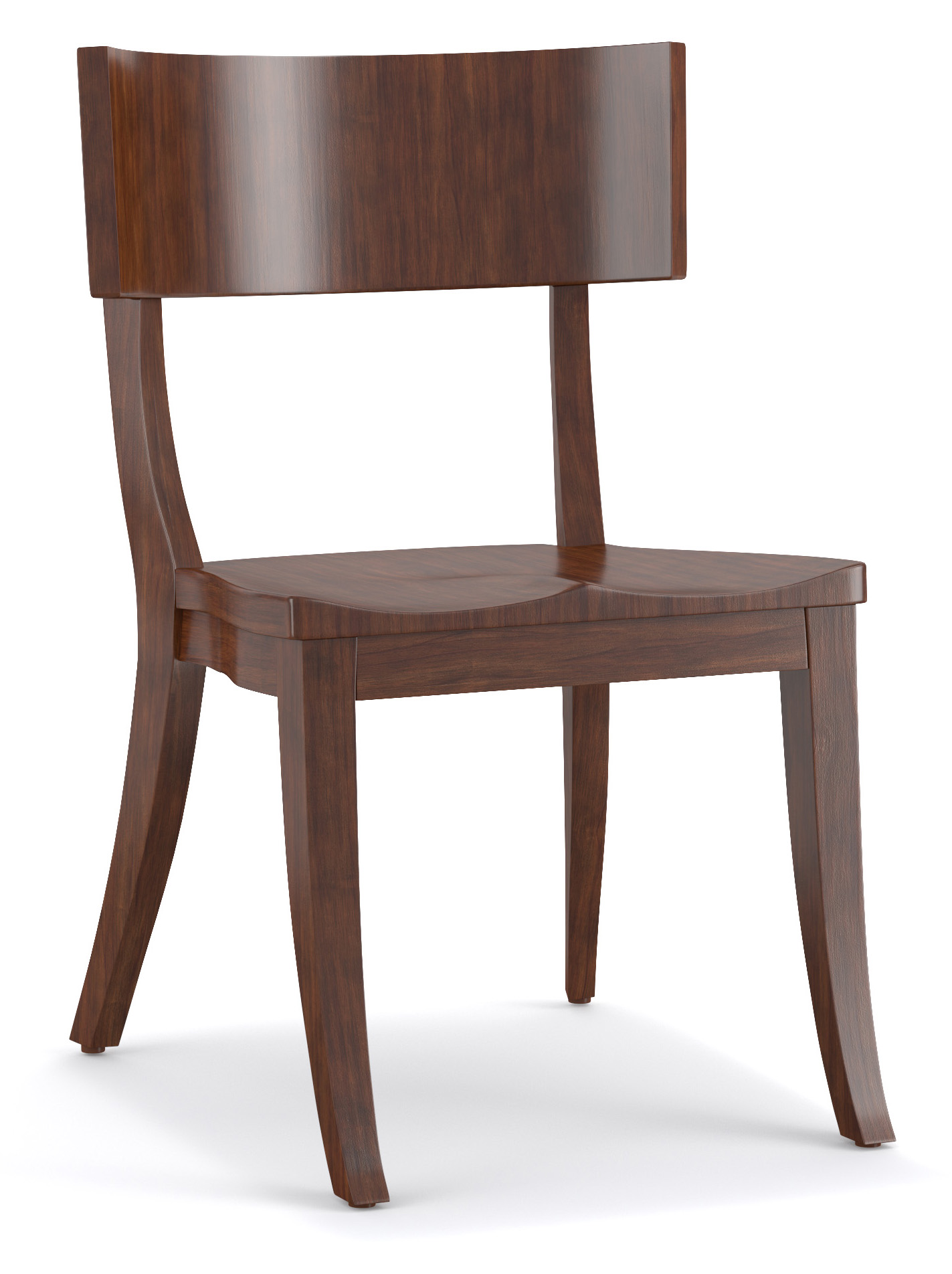
1586-75310-BRN1 Scoop Wood Klismos Chair
Parsons Chair
The parsons chair is suitable for any home theme. It comes with basic lines and design. This can also be upholstered. The fabrics used range from leather to linen, tufted to patterned, and many more.
Upholstered and Non-Upholstered Types
There is a wide variety of upholstery options as well as styles for chairs. It is crucial that you assess your lifestyle as well as the members of your family before you come up with your final decision regarding the fabrics and upholstery.
Upholstered chair seats and backs have a more glamorous and traditional feel to them. An all metal or wood chair, on the other hand, has a streamlined appearance, thus, they are perfect for modern settings. This second type is also a lot easier to clean and maintain as compared to the upholstered chairs.
Here are some of the leading choices when it comes to chair styles –
Traditional
This dining chair has more elaborate slats, they often come with ornate details and carved legs. Regency, Chippendale and Queen Anne chairs are common traditional chair styles. These are commonly tufted or upholstered.
Modern or Contemporary
These are often made of molded plastic, bent wood, or metal. They offer an organic or streamlined look.
Ladderback
The ladderback chair has horizontal slats that re spaced evenly along the back of the seat. This is a traditional design but it can be made suitable into any home theme including transitional and country styles.
Mission or Shaker
This kind of chair shows clean lines. Expect no extra details with this kind of chair. Mission chairs come with straight, simple lines and are made of wood. Shaker style chairs show curved panels.
Windsor
This is a kind of English chair that features spindle back and legs. Its back can be hooped or bowed. It offers a country or casual feel.
If you want to learn the different chair backs, here they are –
Balloon
This is a chair with rounded back which tapers towards the seat. This if often associated with Art Noveau and Victorian style chairs.
Banister
The banister back comes with three to six baluster-shaped, vertical slats. This is often used in Early American chairs.
Bentwood
The bentwood chair back comes with curved wooden pieces. Art Nouveau pieces often come with this kind of style.
Crossbar
As its name suggests, crossbar chair back comes with an X-shaped splat. This is associated with the Duncan Phyfe furniture style.
Crosspiece
This style comes with a single, flat, vertical slat. It is used in Duncan Phyfe, Sheraton, and American Empire furniture styles.
Ladderback
Also known as the slatback, it comes with equally-spaced horizontal slats. Chippendale, Colonial, Pennsylvania Dutch and Early American all feature this kind of chair back.
There are many other chair backs to choose from. See which one fits your chosen theme.
Tags: chair, chair styles, chair types, chairback, chairs, McCreerys, McCreerys Home Furnishings, types of chairbacks, types of chairs
Posted in Furniture, Interior Design 101, Interior Design Elements | No Comments »
Monday, June 27th, 2016
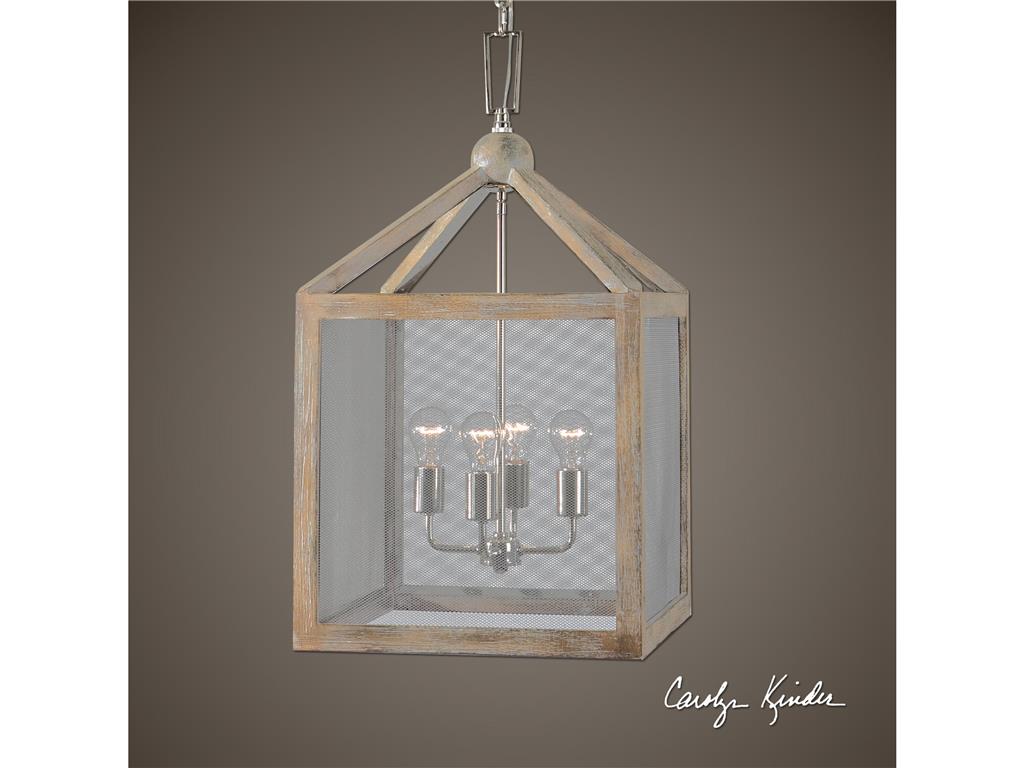
Lamps and Lighting Uttermost Nashua 4 Light Wooden Lantern Pendant 22050 will make any porch look classy.
The porch. This is one of the most beautifully-designed parts of a home; first, because it is the first impression that your home could have on visitors; second, because it is a place that should be classified as restful.
So when you’re out to make a remodeling project on your porch, treat it as you would a renovation project on any part of your home.
Integration
So what should be your first concern when renovating or decorating the porch? This should be how to add the porch in such a way that it would seamlessly be fused with the rest of your home. When bedroom windows line the back of the house, it is crucial to not diminish the size of each opening. The roof must not be too high so that it creates water intrusion during heavy rains or on snow storms. It is also not advisable to just extend a low-pitch roof outwards.
Define the Scope
The roofline is a sensitive project that must not be taken lightly. Your porch requirements should match the goals that you have set for the rest of the rooms in your home. The design for the whole project – not just the porch – can take months in some cases yet a good amount of your time will certainly be spent on this front part of your dwelling.
Every homeowner’s goal when setting up a lovely porch is to create a place that opens up naturally as an extension of the adjacent room. This same room, after all, has been classified into other names namely sunroom, screen porch, even the three-season room. Whatever you wish to call your porch that space, it should represent the outdoors of the region where you’re living at.
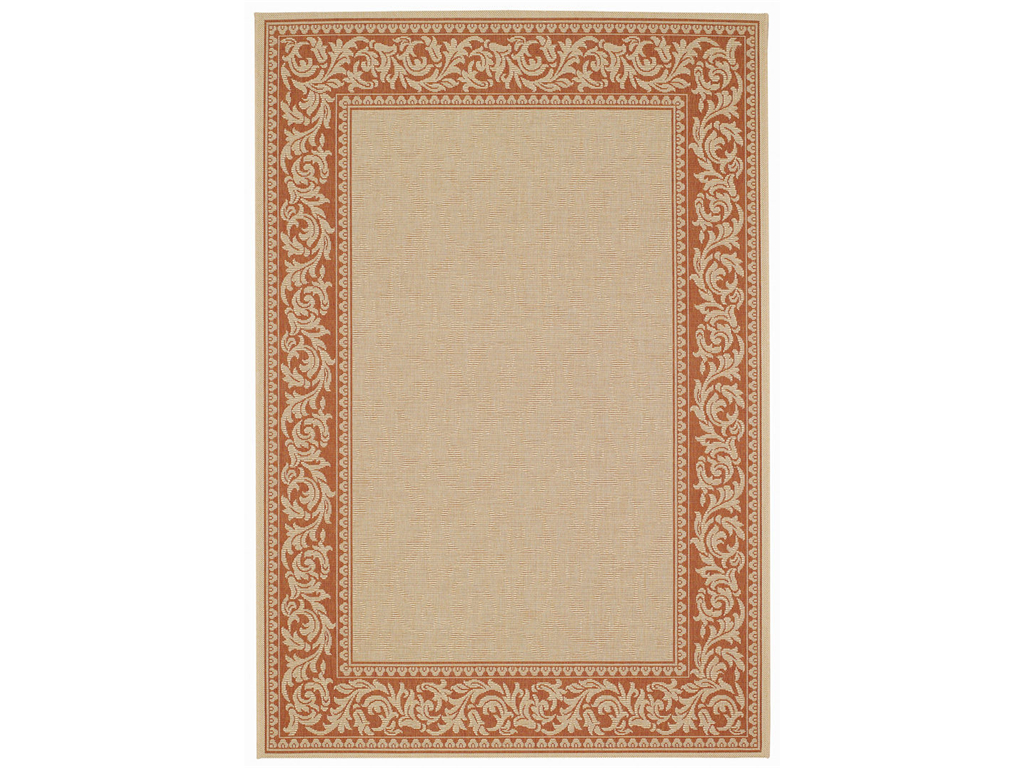
Capel Incorporated Floor Coverings Finesse Scroll Rug 4700RS Clay: Every porch should have a decent rug.
Screens are a great alternative to doors as they are airier although they can also keep the bugs out. Walking into a well-designed porch can be both dramatic and fun. The beholder notices the type of flooring used, the screens that have been installed from the floor to the ceiling, and the furnishings that were carefully chosen especially for that place.
How ‘Bout a Fireplace?
It is also a great idea to put a fireplace at the end of a porch. If there isn’t much of a view outside, then this fireplace will definitely steal the attention of your visitors.
It will be satisfying to build a porch that meets all your requirements. This has to be a place that is comfortable, enjoyable, and a space that evokes conversations and other social activities.
See how much you can allocate for this kind of project. It can be as pricey as a living room project but it will definitely be something worth your budget. A porch project could easily cost $300 for every square foot.
Define the Activities
After evaluating the amount of space that you will allocate for the porch, it’s time to define what kinds of activities will be held in that area. Depending on the amount of space that you have assigned, this place can be a play area for kids, a simple sitting room, or it can also be a breakfast nook. If you live in an area where winters are harsh, then make sure to find furniture that is versatile in these kinds of harsh weathers.
Essential Additions
You need to carefully consider the flooring material that will be used on your porch. Use a rug and allow it to dry when it is not in use. This is so you would prevent mildew from growing. Covered porches, on the other hand, should have jute or sea grass rugs. These can bring color as well as texture to an often dull space.
Humans often create porches so they can have a great view of the outdoors. If there isn’t a picturesque view to enjoy, then consider hanging flowers in urns, basket plants, and planters with green plants. These small additions could make your porch more fragrant and comfy so go ahead and bring ‘em there.
Tags: decorating the porch, how to design the porch, indoor-outdoor furniture, McCreerys, McCreerys Home Furnishings, outdoor furniture, outdoor view, porch, porch decor, porch design, porch design elements, porch furniture
Posted in Interior Design 101, Outdoors Style, Special Rooms In Your Home | No Comments »
Sunday, June 26th, 2016
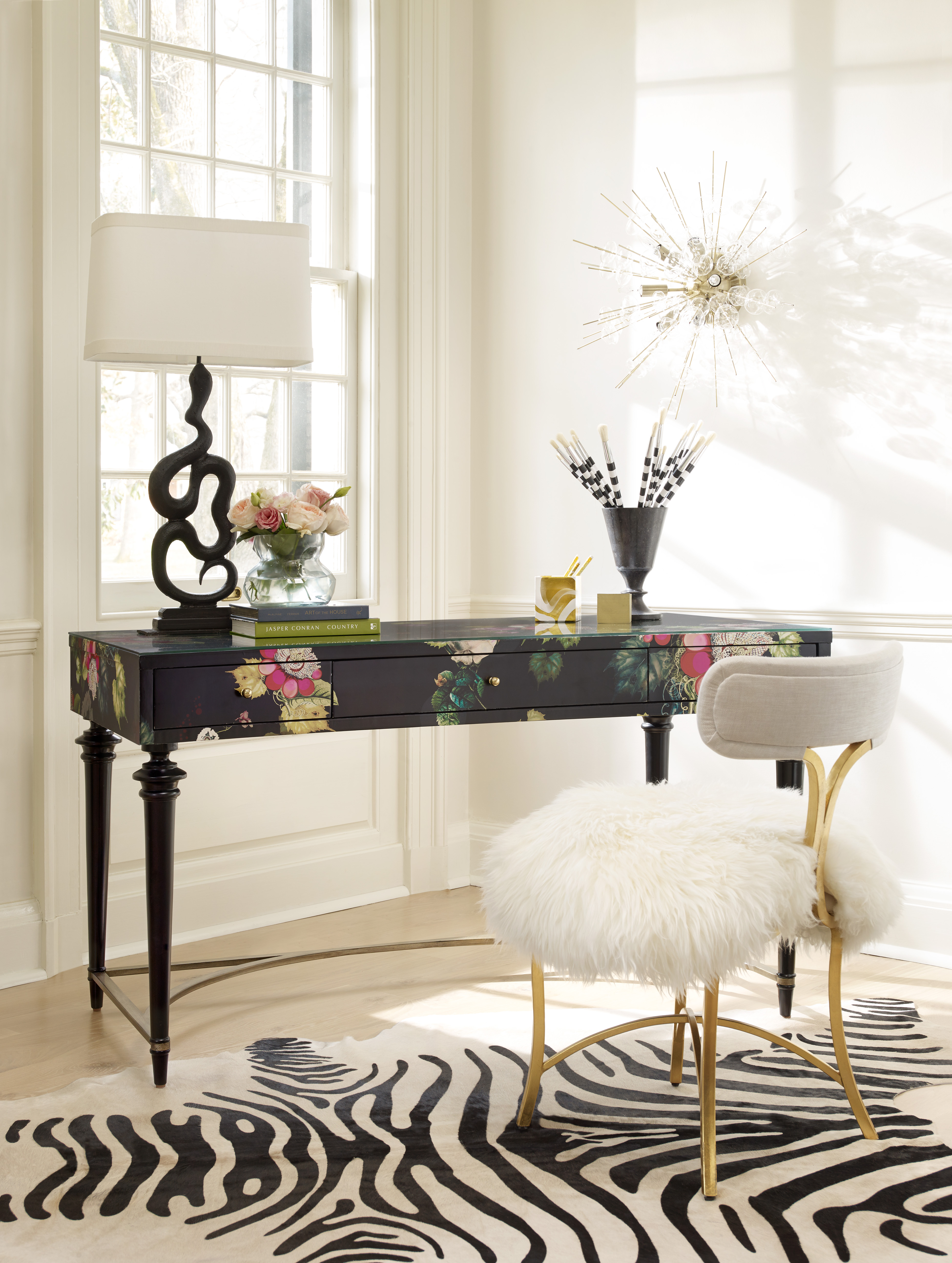
1586-10458A-MULTI2 Fleur de Glee Writing Desk 1586-75410D-GLD6 Swanson Upholstered Metal Side Chair
Did you really think that animal prints are limited to that bear rug on your floor? There is so much more to animal prints that can make your interiors more fabulous. What’s amazing about ‘em is that you don’t even have to alter the entire room. From textiles to furniture, even the simplest accessories, the most vibrant animal prints are sure to make them all leap to life. So it’s time to rethink your everyday, ho-hum décor and start using some animal prints.
Animal Print History
Animal skins and prints are known to convey power and confidence. Fabrics with colors and patterns that imitate the animal skin first became fashionable in the 18th century. The dresses during that time were intertwined with silk and lace in order to evoke wealth and luxury.
By the 1930s, fashion showed a lot of cheetah and leopard prints on coats, blouses and scarves mainly because the Tarzan and Jane sensation was ongoing then.
Animal motif is also considered erotic as it is a kind of fashion that attracts others. This is a kind of fashion that desires to be noticed. Just imagine the head-turning prints that you see on animal designs and you’d know why some people are hesitant to use them.
Animal Prints as the Focal Point
If you find joy in having big and bold décor, then you would surely like having animal prints. Use anything from large zebra stripes, giraffe prints to tiger area rugs. Just make sure that you keep them subdued else they would easily overpower the existing design or could make the eyes overly busy.
Marry the solids and contrasting colors in order to balance the bold nature of animal prints. A great place to start is the pillows, ottomans and side chairs.
Animal Prints and Sophistication
If you’re a bit worried that your living room would begin looking like an African safari, then learn to tie the furnishings with some kind of art. Take a cue from animal print photographs, paintings, even modern sculpture. Find time to visit décor stores that offer a wide selection of arts and craft.
Monochrome…Or Not
Monochrome often comes in boring white and black. If you want to veer away from the usual stark and boring monochromatic scheme, then use zebra prints to give the room a bit more of activity. You can also use cheetah or jaguar prints to envelop the area. These exciting prints can be used on the flooring, walls and also on the window treatments.
Fusion of Prints
Polka dots, stripes, and animal prints can be mixed, too. The trick behind their fusion is to unite them with a base color that’s common to all of them. Small prints are way better to use if you want to combine so as they won’t be too large to disrupt the eyes.
Mix the solids, patterns and prints then unite them on a single color anchor. If you are not that comfortable in matching or mixing many different patterns and colors, then get one piece at a time then grow the room accordingly.
Animal prints can be versatile, just don’t be afraid to use ‘em.
Animal Prints Are Chic
You can also design your home using beautiful touches of animal print styles. If you are a huge fan of zebra prints, then add it as an area rug in your living room. These prints are also now being used on curtains, chairs, bedding, and many others.
Zebra chairs are quite stylish as they pop in a room. Complete the look of your home with zebra cushions, zebra bedding, zebra runner, and many more.
With all these suggestions, aren’t you just aching to start using animal prints soon?
Tags: animal print, cheetah print, history, McCreerys, McCreerys Home Furnishings, patterns, tiger print, tips, zebra print
Posted in Accents, Interior Design 101, Interior Design Elements, Interior Design Themes | No Comments »
Saturday, June 25th, 2016
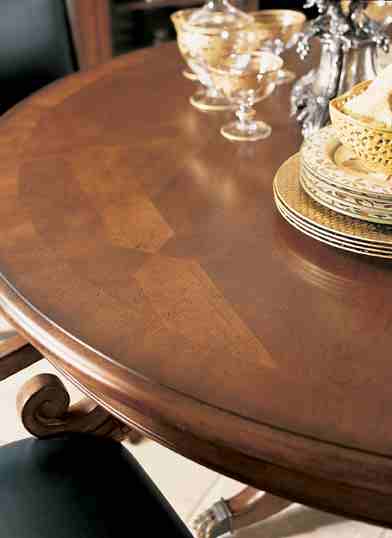
FFDM’s RayLen Vineyards
Do you agree that furniture and wooden things are very much a part of man’s everyday life? Some are used for functional reasons such as the dining table and the chairs that are paired with it. Others are used for aesthetic reasons like those antique carvings and sculptures. Still others are simply used for symbolic or sentimental reasons such as an heirloom chest and other collectibles. Speak of heirloom pieces, most of these – if you have keenly made observations – are made of wood. Whatever the purpose of each wooden furniture piece, one thing is certain about each one of them – they need to be properly cared for.
Damages Are Preventable
It is a total waste to see fine wooden pieces go to waste all because the owners did not care for them. There are many forms of damages or destruction that can actually be prevented. As the furniture owner, you have a huge amount of influence on how your furniture would eventually end up.
Misunderstanding the use or nature of wooden objects can sometimes lead to damage. Other causes could be the poorly-controlled environment specifically regarding humidity, temperature and lighting. Carelessness, of course, can also lead to furniture damage.
But all wooden things degrade, right? Sure. While this is so, the processes of destruction can be substantially slowed down. What you need to do is to apply certain principles of care as well as maintenance.
So what should you do? Keep in mind that there is no perfect environment for any furniture made of wood. There are different conditions under which a certain furniture can deteriorate over time. Just like other materials, there is a so-called optimal environment that can provide the best balance for wooden furniture. This optimal environment is at 40º Fahrenheit with about 50% relative humidity. It is also advisable that the furniture be free from constant contact and in a chamber that is not constantly exposed to light. Now, having read these conditions, do you think it’s feasible to have a wooden furniture used?
The least that a wooden furniture owner could do is to try to minimize the effects of temperature, humidity and light on his prized piece.
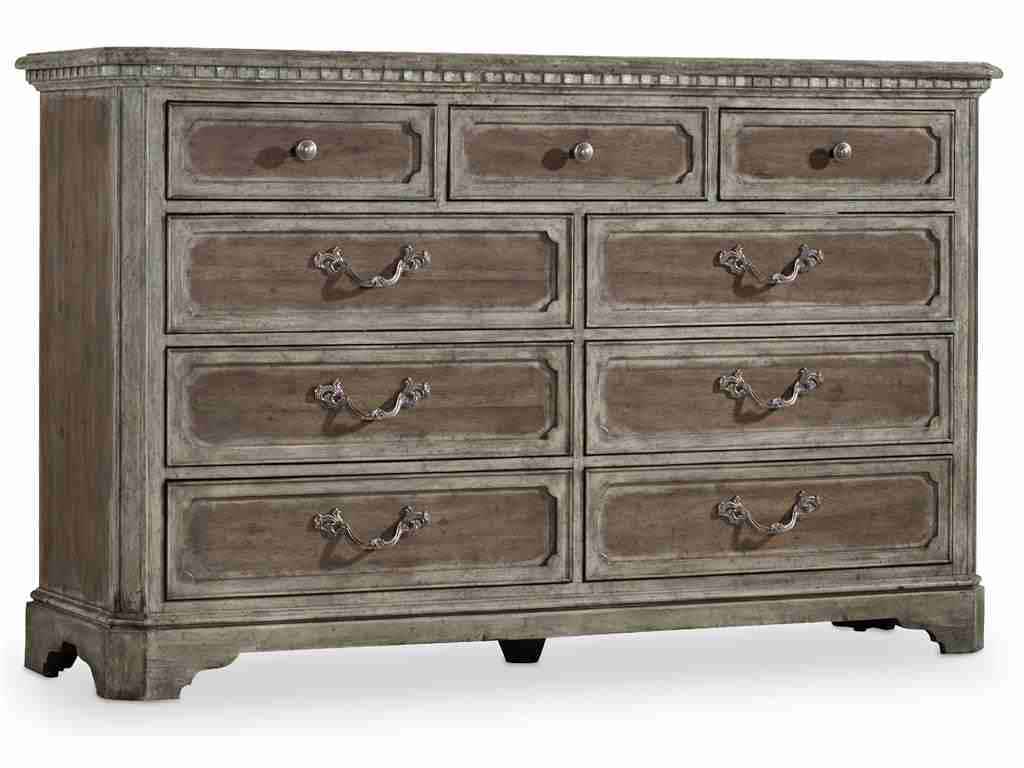
Hooker Furniture Bedroom True Vintage Dresser
Light
The easiest environmental problem that you can resolve with regard to furniture damage is that of light. Light interacts with anything that it illuminates, thus, it can damage furniture surfaces over time. The amount of damage is dependent on the color and intensity of the light used. The brighter the light, the more damage it could cause. Light damage often comes in the form of discolored surfaces. These, however, can be easily solved by installing screens, curtains and other types of window treatments.
Humidity
Humidity constantly changes, hence, it continually pushes and pulls on wooden objects. This issue can be solved by dehumidifying during summer and humidifying during the winter season. Raising temperature tends to lower the humidity and a lowered temperature does the opposite.
Use humidistat to keep your wooden furniture intact.
Biopredation
Microorganisms and small animals can also attack wood. Wood’s eternal enemies are rodents, insects, and fungi. Keep a close watch over your furniture and make sure that you and your family members do not leave food or anything that can lure these animals to your furniture.
If you see any exit holes on your wooden furniture, then it is probable that termites are starting to infest it. Fumigate if necessary. As for mold, fungi, and mildew, they can be kept at bay if you stain your wooden furniture. Make sure also that moisture is kept out.
Fire
Fire is something that may be accidental but it can cause the most damage in one instant. To avoid the occurrence of fire, be sure to keep hot items off the furniture or even near it. Steaming tureens, irons, even coffee mugs should be kept away.
Keep caring for wood furniture and you would enjoy it for a very long time. Who knows, your grandchildren might even get to inherit it from you?
Tags: caring for wood furniture, caring for wooden furniture, designing with wood, McCreerys, McCreerys Home Furnishings, wood, wood elements, wood furniture maintenance, wood furniture pieces, wooden elements, wooden furniture, wooden furniture care, wooden furniture maintenance, wooden furniture maintenance tips
Posted in Furniture, Interior Design Elements | No Comments »
Saturday, June 25th, 2016
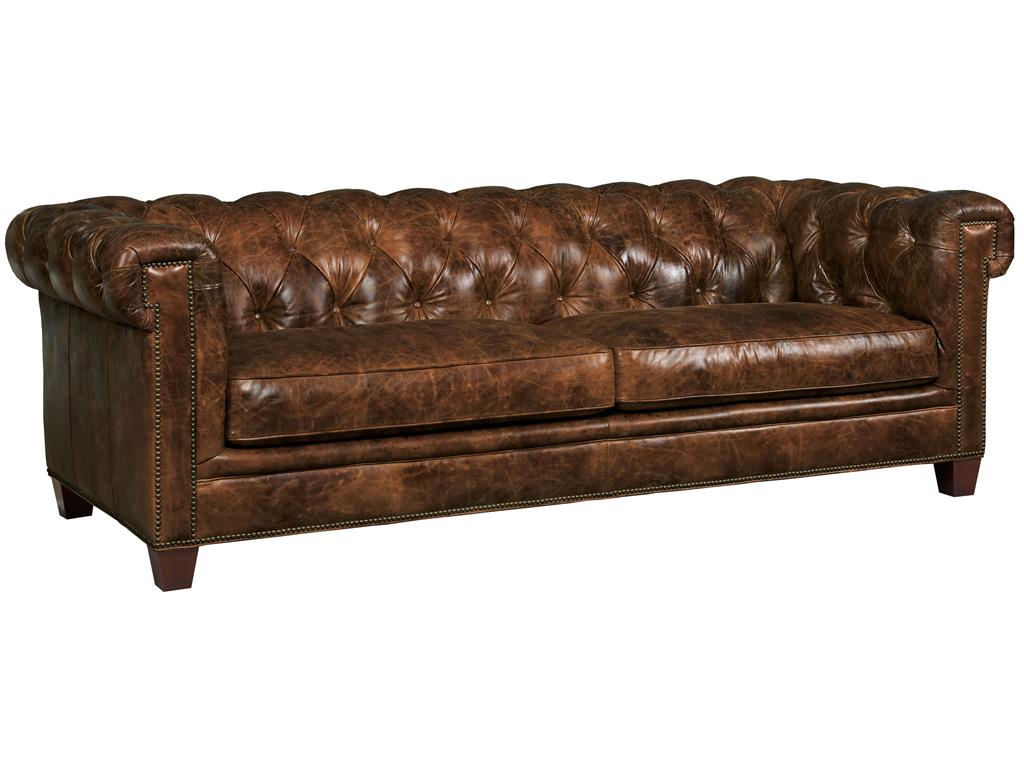
The Hooker Furniture Living Room Malawi Tonga Stationary Sofa will look great in an old home.
When you happen to live in an old home or are thinking of buying or remodeling an existing one, then prepare yourself to some old house issues. There are mere nuisances and there are also problems that could cause danger. Before you get down to business, you must prepare for the costs and issues that are associated with old home ownership.
What Is An Old Home?
Just what, exactly, is an old home? Do you know how to categorize one?
This can be a bit difficult to define but most designers classify this to be any home that is 30 years and older.
Old Home Issues
Homes often age slowly and majority of the problems that ensue occur gradually. It is important to have a continuous maintenance for every home. Of course, the older the structure, the more issues that would probably impact its safety as well as its livability; one of such issues is the problem on foundation.
An uneven floor is indicative of a serious problem that should be taken care of by a structural engineer. There are also less obvious signs that could manifest over time. For instance, doors or windows that no longer latch properly could also be indicative of foundation problems. Other signs include drywall cracks especially on windows and doors.
Quick exterior inspections should be done to look for bulges on walls or any other sections that do not appear too perfect.
You can also have the foundation inspected for flaking and chipping. A simple way to check is to use a screwdriver to know the current hardness of the concrete. Never ignore hairline cracks on concrete as they are often signs of a major problem. Just to be on the safe side, if you see such things in your old home, then have a structural engineer take a look.
Small foundation repairs could cost as little as $1,000 or it could be more depending on the case that needs to be checked and repaired.
Another old home problem is that of a leaking roof. Over time, this could slowly corrode your home, leaving the roof to a critical condition. If you see water spots on your ceiling, then these are signs of roof problems. Window and plumbing leaks can result in stains.
Water spots found on exterior walls are signs of flashing issues on your roof. Should these occur, make a thorough inspection of the roof tiles or shingles. Cupping, missing, cracking or flashing tiles or shingles all point to issues that could become worse over time. Look at the attic for any signs of moisture. See also if you can see through the roof boards during the day.
What about popcorn ceilings? These should be removed by professionals especially when there is asbestos to be addressed.
Other problems like fixture finishes, paint that is out of style, old countertops and cabinets all need one thing – modernization. Repainting is quite easy as is the replacement of fixtures. But if there are outdated countertops, cabinets and tiles to alter, you could look at a bigger project in your hands. What would make this project more complicated is if you also need to deal with electrical and plumbing problems.
If you’re thinking that these are all that you should look into, think again. You may also have a problem with poor drainage as well as waterproofing. If you smell something musty in the basement, then you definitely have mold there.
When the concern is old furnishings, then the solution is to redress your home with new pieces.
Remember that these problems did not happen in just a few years. So make a careful list of what needs to be repaired and take on these issues one day at a time. Again, if uncertain, always ask for the help of a professional.
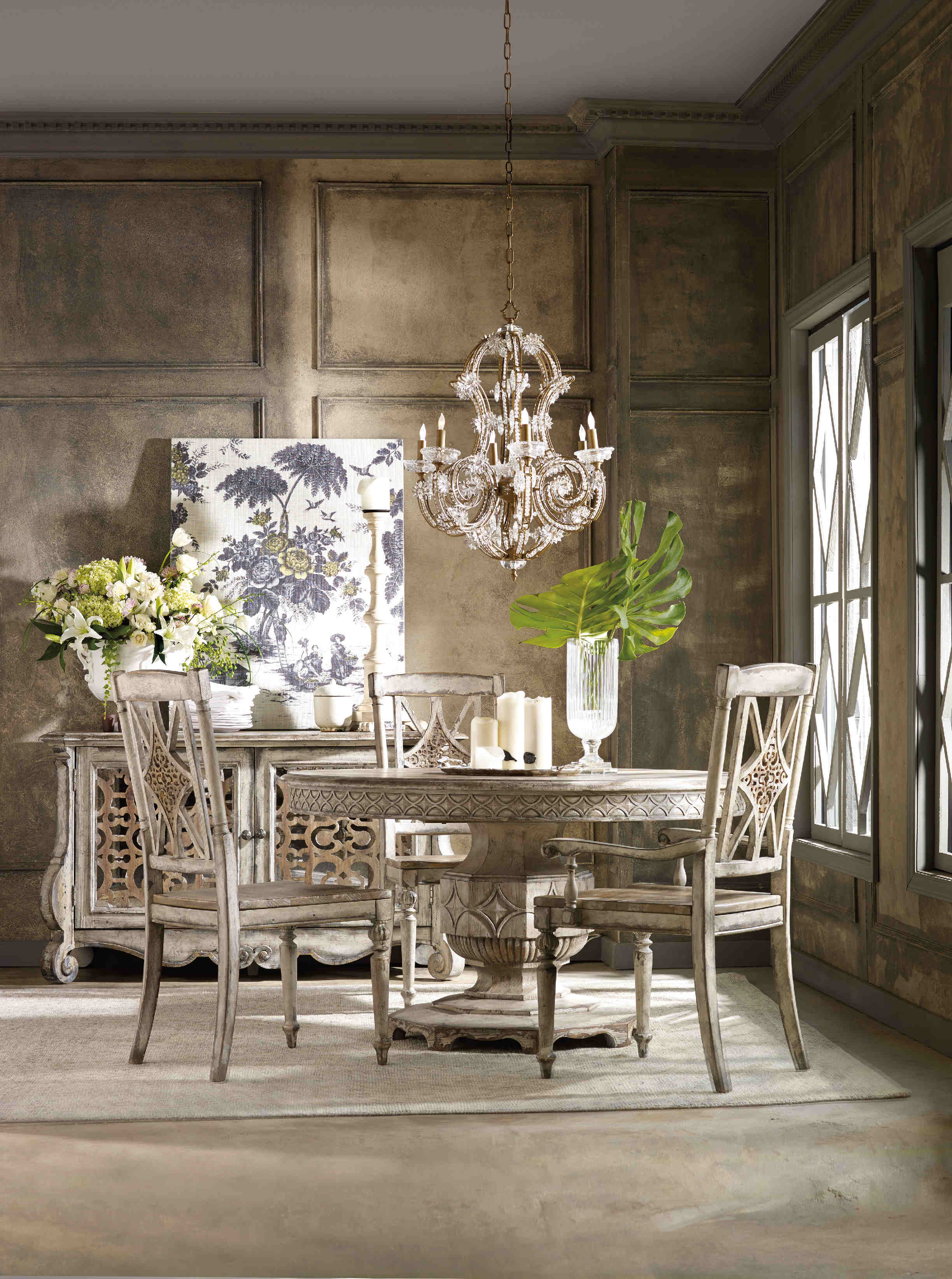
Hooker Furniture Dining Room Chatelet Round Dining Table with One 20in Leaf
Tags: decorating an old home, designing an old home, McCreerys, McCreerys Home Furnishings, old home, old home decor, old home design, old home remodeling, redesigning old homes, remodeling an old home
Posted in Interior Design 101, Interior Design Themes | No Comments »
Friday, June 24th, 2016
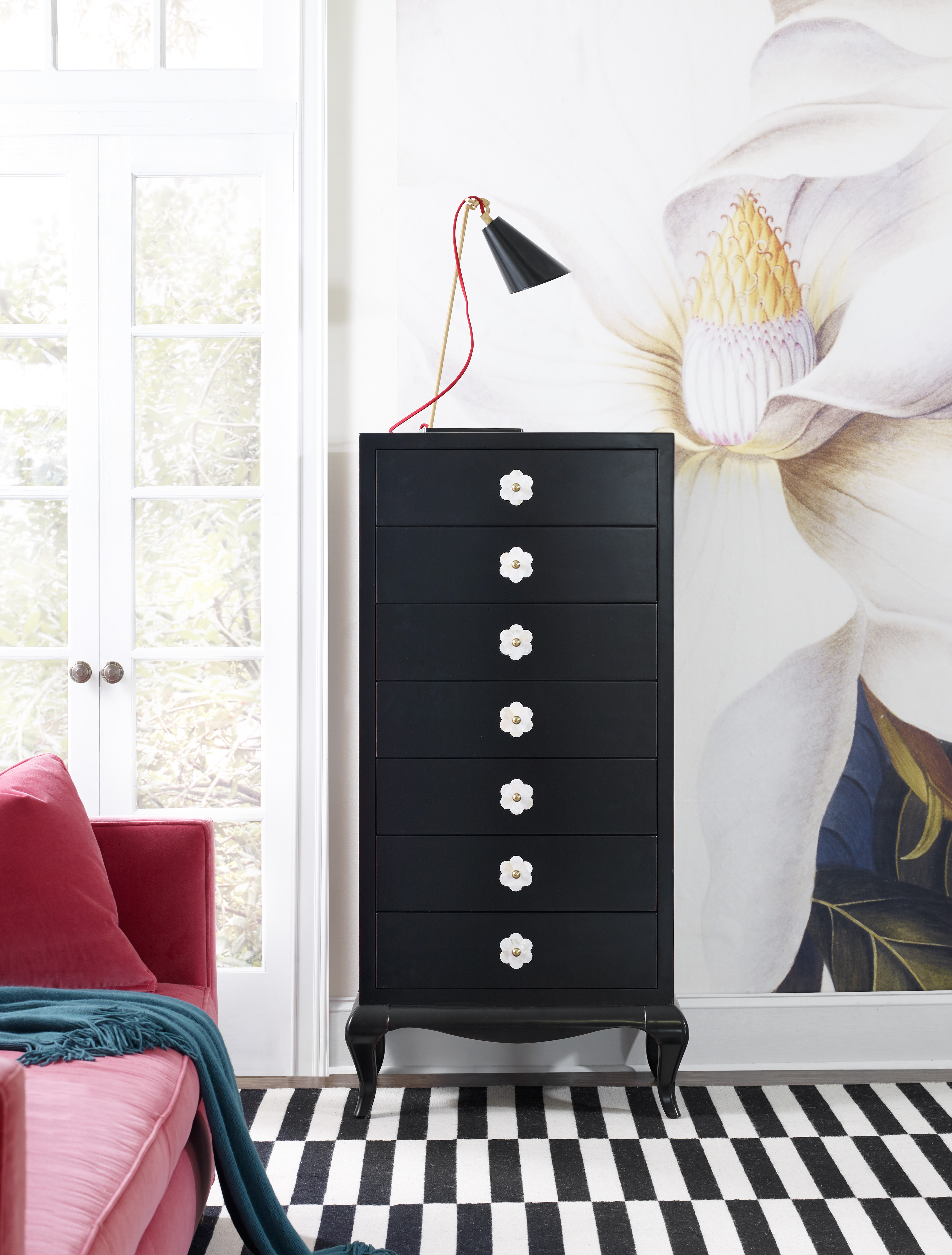
1586-90014-BLK1 Belle Semainier Chest is petite and vertically superb for any small apartment.
Small apartments may have their upside but they also come with some furnishing concerns. Sure, you love paying the lower rent and being close to your work, add the coziness and all, and what you get is a warm, easy-to-decorate place. But is it really that easy to furnish a tiny apartment?
One of the greatest misconceptions about decorating smaller apartments is that functionality should always come before design. While function is important, it is also just as crucial to create a design that describes who you are. An apartment might have limited space but this does not mean that you have to be short on style, too. You have to find the right balance between style and function or you won’t be comfortable in your apartment, eventually.
You Can Still Define Separate Areas
One advice that homeowners often get when it comes to style is to use an open space layout. This lack of definition on space could look cluttered if not given much attention.
As much as you can, try to define separate areas by giving each area a purpose. For instance, you can place a coat and shoe racks right by the entryway. Place the buffet between the kitchen and dining areas so serving and storage become easier. Back the sofa up to the foot of the bed so the beholder’s eyes are drawn to the living area.
If you have a hobby, go ahead and experiment in separating the area where you would display your collections and other living areas. Don’t be afraid to show who you are. If your hobby is biking, then install an indoor rack that will make your bike look like it’s been intentionally made into a décor. Plants may also be used to signify changes in space use.
Make Use of Dual-Purpose Furniture
Every inch counts when it comes to dealing with small space. Invest in smaller furniture that, preferably, can double into something else. Focus your energies on buying furniture pieces that work with your chosen theme.
Bedrooms are often the perfect rooms for dual-purpose furniture. It is best to buy furniture that has a dual purpose than to work the space around the furniture that you purchase.
Consider having a trundle bed that folds into a sofa when you want to watch the television. A hollow ottoman can also double as a storage case, or a dining table with built-in leaf to make guest entertainment a lot easier.
Whatever kind of dual-purpose piece you buy, just make sure that you buy the sizes that are appropriate to your available space. Overstuffed pieces will only make your space look a lot smaller than it already is. Now don’t worry too much about searching for sofas, there are many designs that will fit your micro-living space.
Assess Unused Spaces
Living in a small space means you also have to rethink unused areas now and then. If there are extra pots that lay around or candles that have not been used for so long, then what’s the point in keeping them around?
Now look around your apartment and find out if you have any dead spaces that serve very little to zero purpose. Find blank walls and unused corners then discover how you can make these spaces more useful. Use them to your advantage, create storage where there was none before.
Extend Vertically
Planning the best way to use space means you have to know how to use vertical storage. Narrow, tall storage systems work best in smaller spaces so shop for those kinds. An entertainment center that is narrower yet reaches from floor to ceiling is your perfect divider between the living and sleeping areas.
Decorating tiny apartments doesn’t need to be taxing. All you need is a little creativity and a tad of patience and you should be fine.
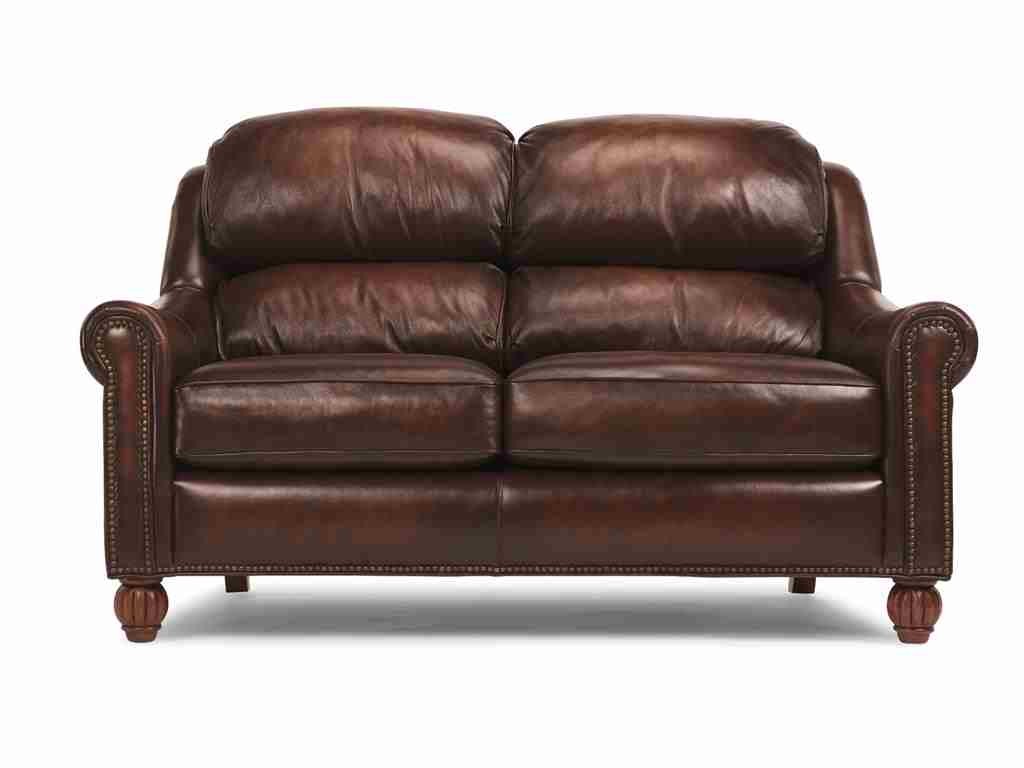
Flexsteel Living Room Love Seat 1139-20 is the right solution for small apartment seating needs.
Tags: decorating a small home, decorating a small space, designing a small apartment, designing an apartment, furnishing small apartments, furniture for small apartments, interior design for small spaces, living in a small space, McCreerys, McCreerys Home Furnishings, small apartment design, small apartment furniture, small space, small space organization, small space solutions, studio apartment living, styling an apartment
Posted in Apartment Living, Furniture, Interior Design 101, Tiny Homes | No Comments »
Friday, June 24th, 2016
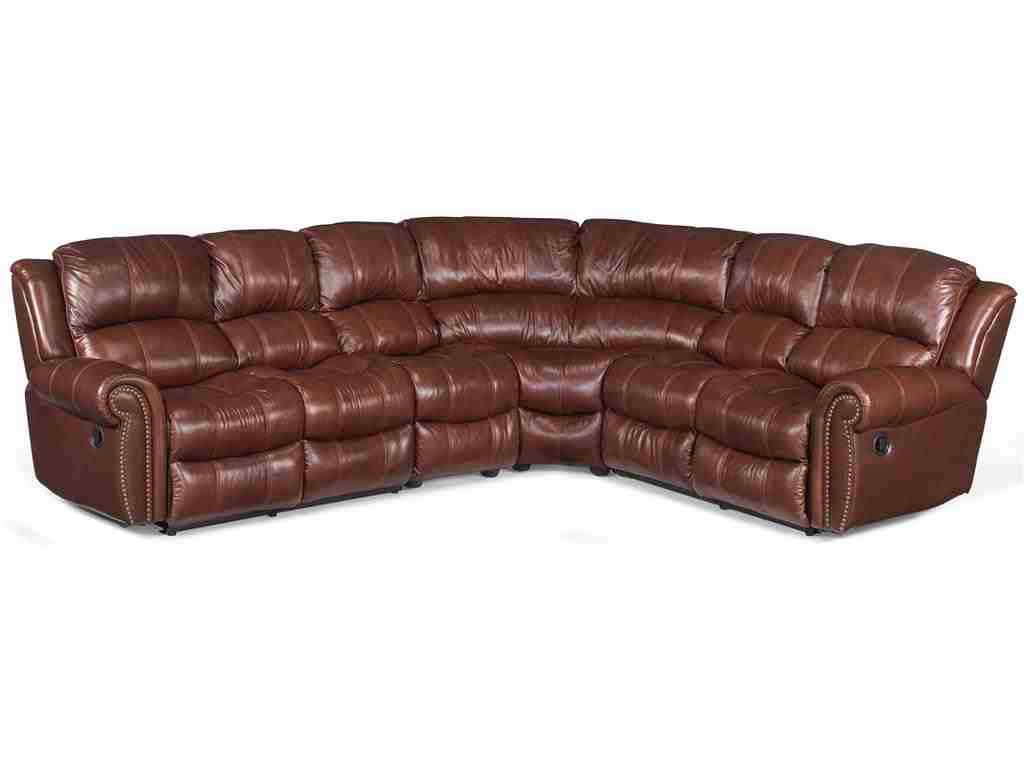
Hooker Furniture Living Room Cognac 4-Piece Sectional
You either love or hate a sectional. It can be the best seating unit for a family or it can be the worst living room obstruction. But don’t fret – just yet. You can have a sectional and love it for many, many, many years.
A Few Terminologies
You would need to learn a few terms when you want to get comfortable with a sectional. The term RAF means right arm facing, meaning, when you are facing the seating unit, the arm should be on your right. LAF, on the other hand, means left arm facing, thus, the arm should be on your left.
Knowing the RAF or LAF is crucial since you will be joining a number of pieces. The arm placement determines if the new sectional will provide its function in the room.
To have an idea how RAF and LAF can be useful, imagine having a LAF sectional with three cushions, a RAF loveseat and a square corner. If you used a RAF corner sofa rather than a RAF loveseat plus the corner seat, then you would have simply used two pieces instead of the beginning three. This would give you a good amount of savings.
Now let’s define what a sectional is. This is a seating unit that has two or more pieces. You have to know what options are available so that you can make a sound decision with regard to your final choice. A sectional made up of a LAF loveseat and a RAF chaise is the right solution to a small room.
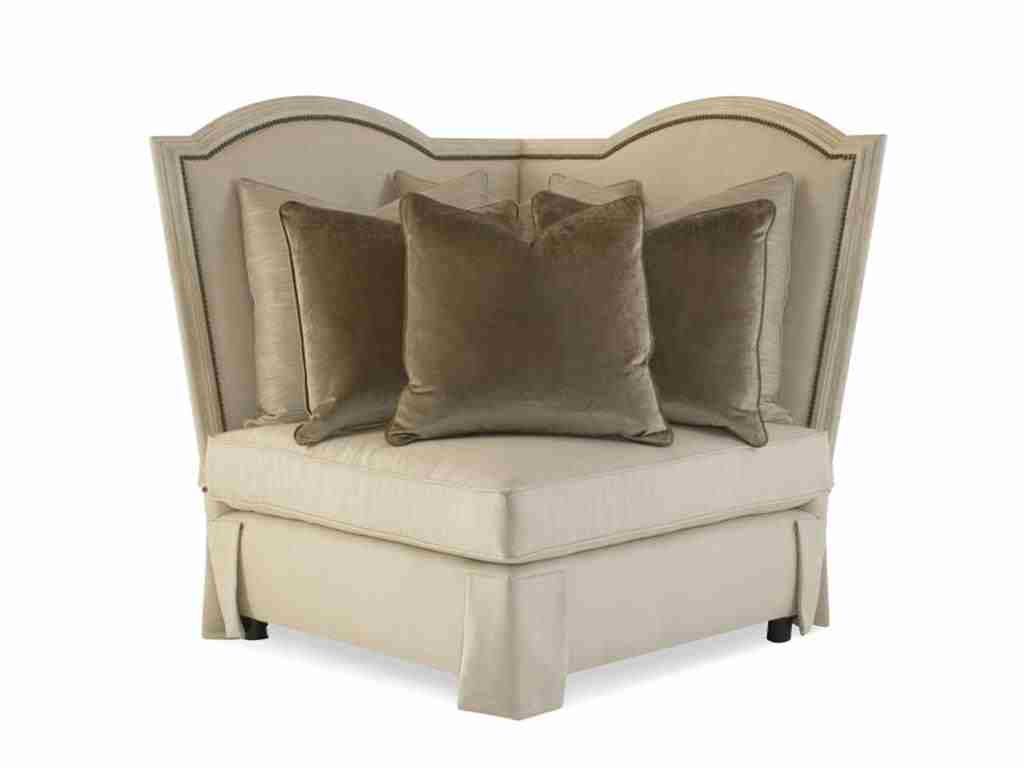
Century Furniture Living Room Carrington Corner Chair 55-995
Other Solutions
A space that allows a single-seat armless part in the middle should think twice about the use of a sectional. Just think about who would sit on the armless part. Sectionals are a wonderful solution when it comes to the lack of space but the lack of an armrest can make some people uncomfortable. A better solution to this is the fusion of a loveseat and a small chaise.
If you really want a sectional, think about aspects such as the level of comfort, how it will eventually fit the space, etc.
One perennial solution is the marriage of a loveseat with a chaise. This is especially useful when you want to watch TV. Using a conventional sectional during this situation means no one will want to sit on the section where the seat is directly perpendicular to the television. People will also have a tendency to crane their necks as they watch some shows so, yeah, prepare for a lot of cranky folks.
A TV that sits across a corner of any room is the right angle for a sectional. This is the case when the rounded corner offers ample seating and everyone gets to have a grand view of the TV screen.
Wedge corners, on the other hand, could have a downside – they tend to take up a lot of room. Measure the amount of space that is available and use the numbers that you get to look for the right sectional. You are already several steps ahead if you go to a shop and present the maximum lengths of every side that a sectional can take up. That advantage will greatly surpass merely eyeballing the measurements.
A room that asks for an L-shaped sectional instead of the rounded type will have the limitation of a one-cushion square corner. There is no surprise that this is the last seat that people would want to settle in after a tiresome day.
Having a square sectional as the only option that will fit your space can have a better alternative – the sofa and loveseat fusion. The usual unused corner seat will then be holding the end table with a decorative lamp.
Don’t be afraid to mix and match. This is the only way that you get to find out the best options.
Tags: couch, couch buying, couch shopping, McCreerys, McCreerys Home Furnishings, sectional, sectional couch, sectional sofa, sectional sofa buying tips, shopping for a couch, shopping for a sectional
Posted in Furniture, Interior Design 101, Interior Design Elements | No Comments »
Thursday, June 23rd, 2016
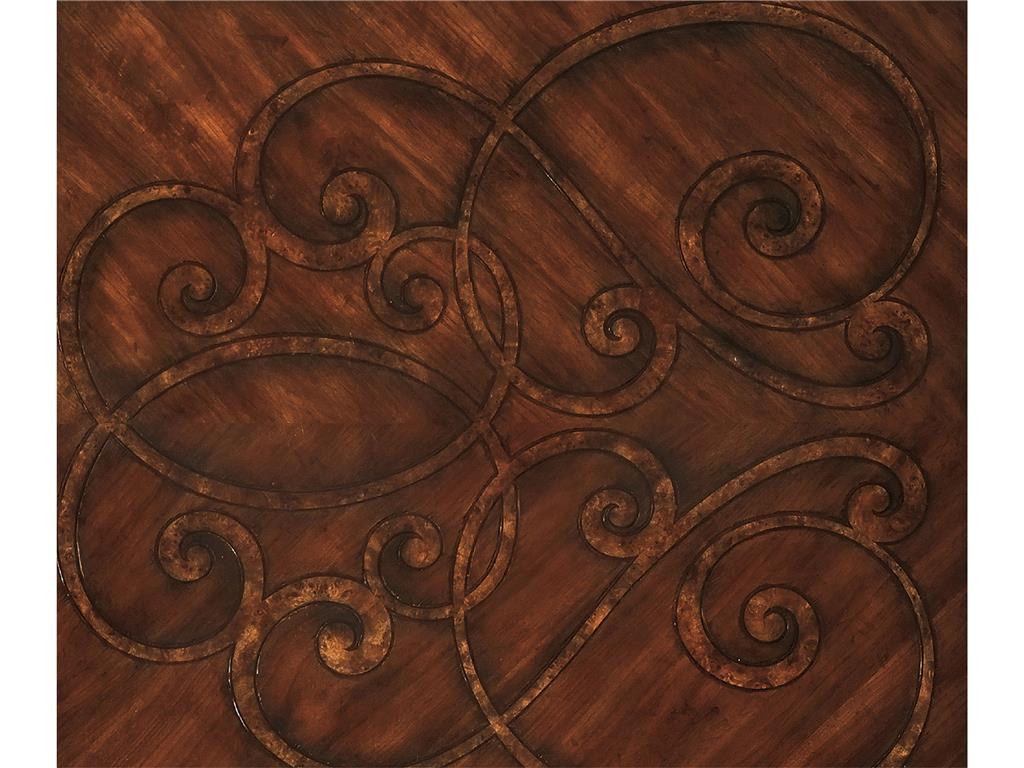
Hooker Furniture Dark Walnut and Mappa Burl
‘Starting furniture shopping? Consider not just the furniture’s appearance this time. Try to study how the piece was made by an artisan’s hands, why it is durable, and what method of finishing application was used to make it look awesome.
Woodworkers and Finishes
Finishing is one of the biggest concerns for a lot of woodworkers. They may be experts in joinery, machining, and other precision activities but woodworkers – a lot of them, in fact – still take a step back when they are about to apply the finishing.
Now you might ask what the best finish for your furniture is – and that’s one great question. Having the answer to this question will give you much more confidence in overcoming other hurdles in the coming days.
Finishing products may be grouped according to working qualities as well as the kind of protection that they offer ranging from oils, to waxes, shellacs to varnishes, water-based finishes and lacquers. No single finishing is considered the best as one that excels on one furniture may be a total failure in another.
Wood Finishing Classifications
All kinds of wood finishes may be classified into how they dry or how they cure. Finishes that evaporate such as shellac and lacquer become as a hard film once they dry and the solvents evaporate.
Reactive finishes like tung or linseed oil also have solvents that can evaporate yet they cure when they react with air. Such finishes undergo chemical change when they cure. This kind of finish tends to hold better when subjected to chemicals and heat (with the exception of pure oils).
Other Finishes
Wax may not be such a great idea for furniture finish. Carnauba wax or any paste wax can be used to polish furniture but it is advisable to use them over existing finishes like shellac or lacquer.
Varnish is comprised of tough synthetic resins that were modified using drying oils. If you take a look at the labels of varnishes, you would see a list of resins like phenolic, urethane, alkyd, and other oils such as tung or linseed.
Varnishes cure just like true oils through a process called polymerization. The resins heighten the durability. If you want durable finish for your wood furniture, then use any oil-based varnish. Even an average woodworker will be able to apply this finishing product for you. varnishes surpass a lot of finishes when it comes to heat, water, chemical and solvent resistance.
Long oil varnishes are varnishes that contain a huge amount of oil (e.g. spar, marine or exterior varnishes). These are more elastic because they are softer than the short to medium varnishes which contain just a limited amount of oil.
Another type of finish is the varnish and oil blend. This mixture contains a huge amount of oil plus some varnish. This is also an easy-to-apply product though they tend to dry a lot harder than true oil finishes.
Lastly, water-based finishes are often made with either an acrylic urethane blend or an acrylic resin. Adding urethane makes the product scratch-resistant.
Remember that choosing the kind of finish depends on a lot of factors such as temperature in your home, the level of dampness, and the overall environment. The least temperamental when it comes to cold environments are shellac and lacquer; in humid conditions, use oils and any oil-based product.
You would need a bigger budget if you would require spray equipment for your project. If it’s a DIY project that you’re after, then know that there’s a learning curve when it comes to spraying. It would require a lot of practice if you want to get decent results with sprayed on finishes.
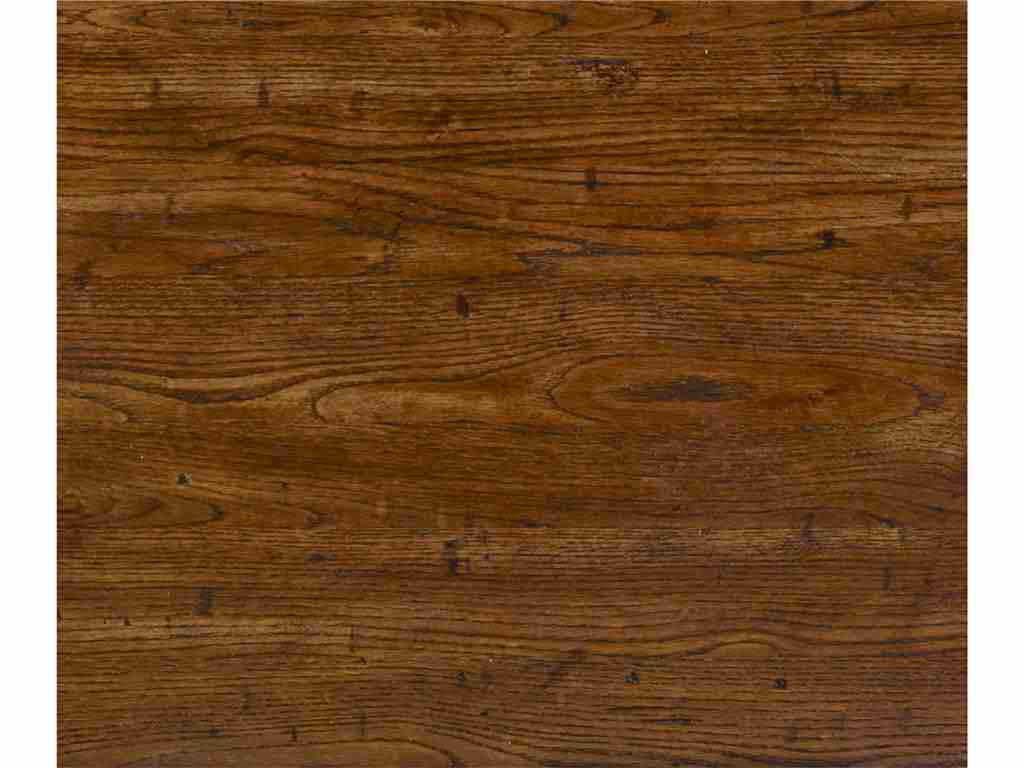
Hooker Furniture Clear Dark Oak
Tags: finish, finishes, finishes 101, furniture finish, McCreerys, McCreerys Home Furnishings
Posted in Furniture, Interior Design 101, Interior Design Elements | No Comments »
Wednesday, June 22nd, 2016
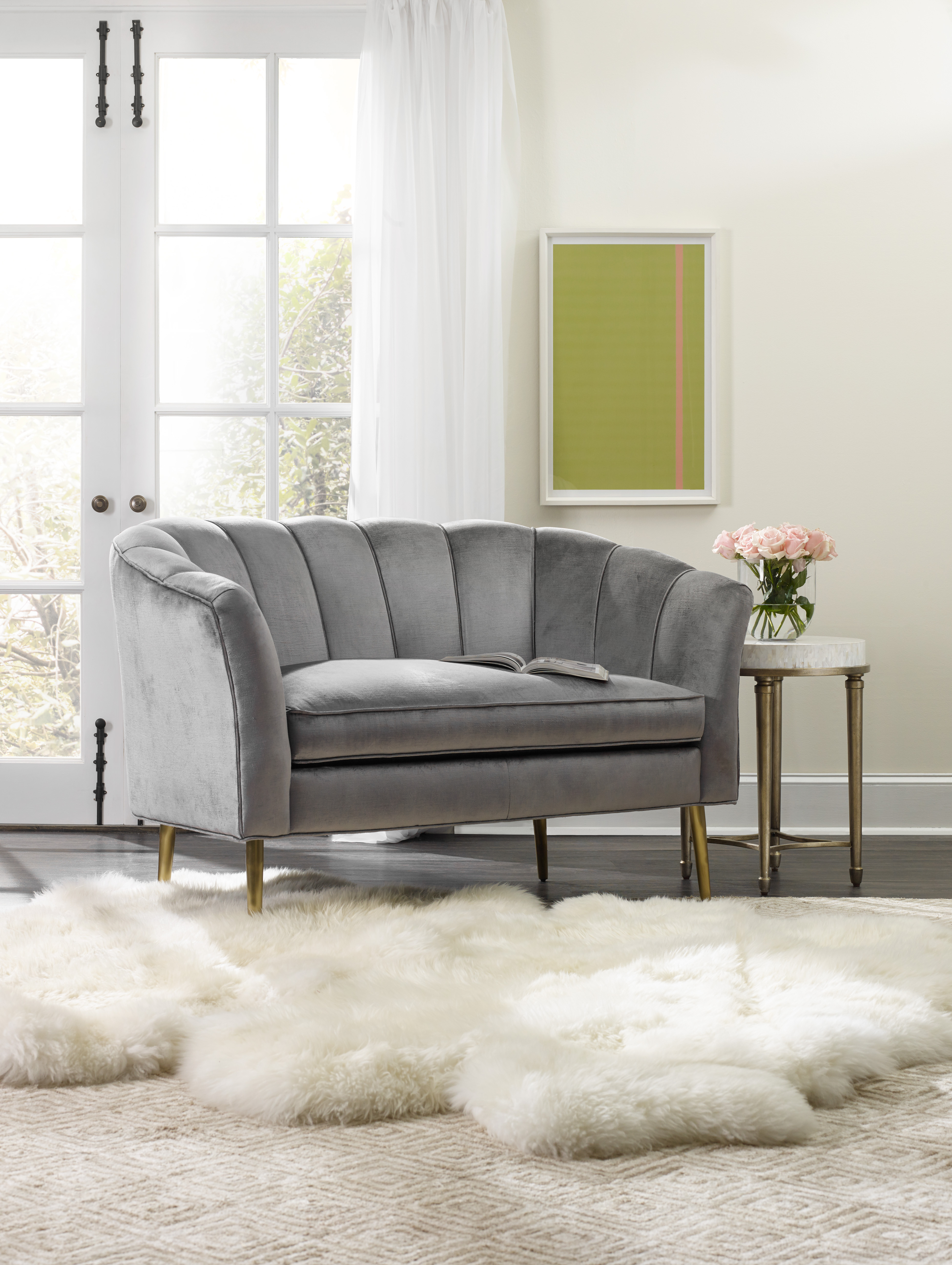
6002CR Gigi Settee 1586-80116-MULTI Aura Round Accent Table with Shell Top: The white, sheer curtains let natural light stream in, making the room appear airier and brighter.
Would you want to boost the look of your home? Most of the time, homeowners look into having walls torn down or painting an entire room but, at times, changing the look in your home is as easy as putting the right window treatments. Be inspired by beautiful drapes, valances, shades and curtains. Experiment also with other kinds of window treatments by learning about other terms such as Roman shades, balloon shade, box-pleat valance, and more.
Did you know that the kind of fabric used in a window treatment is just as crucial as the design of the treatment itself? Window treatments come in all sorts of materials from sheer, to bamboo panels, and silk. They also have different functions though, primarily, they are used to dress up the windows and provide a little (or a lot of) privacy.
Okay, now that you know the basics, your priority is to choose a window treatment that would provide the function that you require. Would you want to have some privacy but still have ample light during the day? Or would you want to have a decent shuteye and have the window treatments drawn while you take a rest?
Semi-Sheer Window Treatments
Family rooms and living rooms almost always require a good amount of privacy. The kind of window treatment that you use also hugely depends on the number of windows that a room has.
Natural light brightens a room during the day so you can make use of a semi-sheer curtain to allow the light into the room. Be sure to choose the thickness of the fabric well. Find one that allows light to pass. If semi-sheer still doesn’t work for you, then find an ultra-sheer one.
Draperies
A bedroom that is situated on the ground floor requires less privacy than the ones upstairs. Both types of bedroom require natural lighting, though. What you need to cover these rooms are draperies. This floor-to-ceiling window treatment offers ample privacy and enough shade if you don’t want the light streaming in.
‘Want some light again? Then just have the draperies drawn and – voila – you can enjoy the sunshine once more.
Use a track for floor-to-ceiling draperies or find a rod that suits the style of your bedroom.
Cellular Shades
A lot of bathrooms, especially the ones on the first floor, require utmost privacy. A cellular shade is a kind of shade that allows anyone to walk around unseen while still allowing a lot of light in. This kind of window treatment is manufactured with a honeycomb design so that heat stays in while the cold stays out.
Roller Shades
This kind of shade can give you the needed privacy from closely-situated neighbors. It is an easy-to-install type of window treatment that comes with perforation so that light is allowed to filter through.
Roller shades can also be hardwired so you can manipulate it using a remote control. This is most useful in hard to reach areas such as when you are in the tub.
Shutters
These are what you would want if you require a complete light block out. This is a window treatment that can blend seamlessly to the creative atmosphere that you have already set up. Have it installed with solid center panels so you can block out light. These will come in handy when your guests require total relaxation even after the sun comes up.
Stained Glass
Having a lot of windows around the front door can be an aesthetic blessing especially when you decide to install stained glass instead. This kind of window treatment will instantly become a focal point while keeping your home free from the prying eyes of passersby.
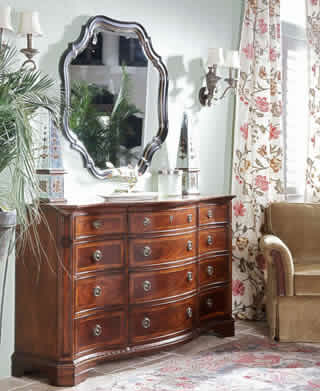
FFDM’s Antebellum Collection: The floral curtains give the perfect balance to the earthy, grounded look inside the room.
Tags: decorating windows, how to use window treatments, McCreerys, McCreerys Home Furnishings, types of window treatments, window treatment, window treatments
Posted in Accents, Interior Design 101, Interior Design Elements, Window Design | No Comments »
Follow us on our social media


© McCreery's Home Furnishings | All Rights Reserved | Privacy Policy
