- Follow us:


Wednesday, November 29th, 2017
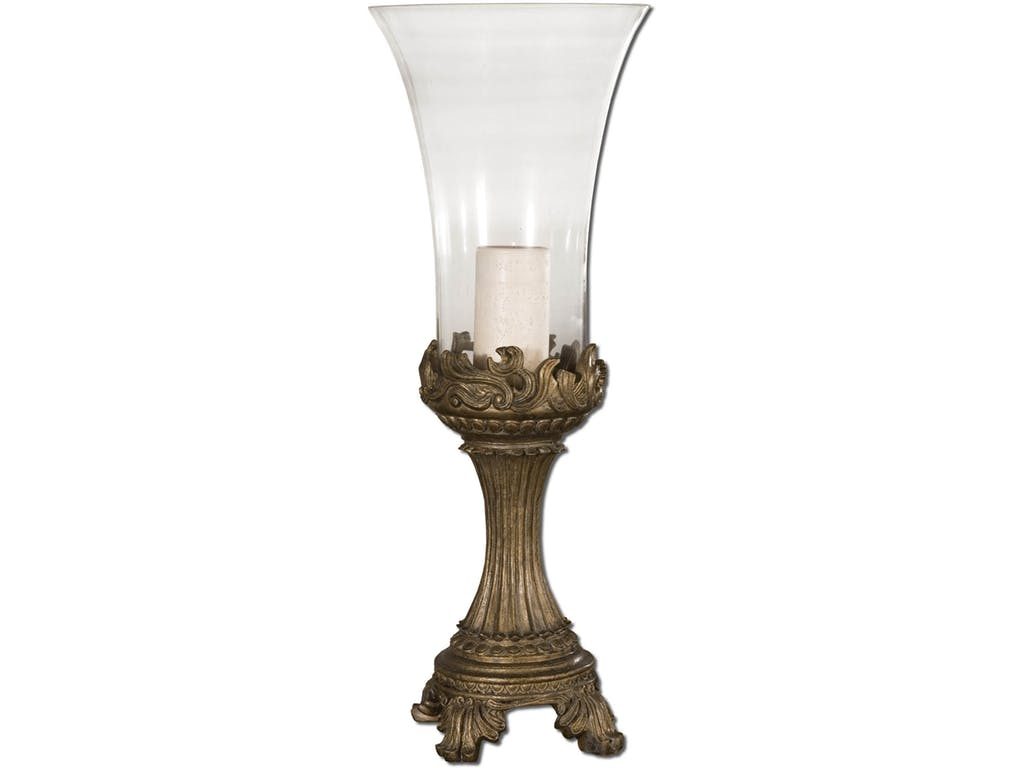
Uttermost Accessories Rococo Golden Hurricane Candleholder 19475
The Victorian Era or period was a time in Great Britain’s history when it had its longest living monarch, Queen Victoria (she reigned from 1837 to 1901). Her name became synonymous with the many positive events that happened during her reign such as political reforms, expansion of Britain’s borders, and social and religious improvements. Even the arts flourished during her era.
Life and lifestyle, in general, have also greatly improved during Queen Victoria’s time. Mortality rates significantly decreased and the population boomed and hit the 30 million mark. It was also during this time that Charles Darwin published his On The Origin of Species and Lewis Carroll penned the infamous Alice’s Adventures in Wonderland.
All in all, Britain became a wonderful place when Queen Victoria was the ruling monarch. Everything was lavish and stylish – remember these two adjectives because these are your guiding principles throughout your Victorian design project.
Victorian Hues
The Victorian period was dominated by three distinct styles – Gothic Revival, Romanticism, and Arts and Crafts. Many designers created frameworks for the elements brought by these three styles eventually bringing about cohesion and balance.
Detail and colors are two crucial elements of the earliest Victorian homes. There were color limitations back then due to technology and locations. Pigments were the hue sources with most of the palettes mainly muted and earthy because painters made use of plant pigments.
Darker shades were used in parlors and other public rooms while the lighter tones were reserved for the utilitarian spaces.
When industrialization quickly spread, paint became available so more elaborate color schemes were born. Multiple colors were already used indoors and outdoors with faux art and stenciling also born.
Flooring in Victorian homes was sponged, wood-grained, spattered or marbleized.
Since the end of the Victorian era signaled also the influx of the Arts and Crafts movement, woodwork became a favored design element, though most were still unpainted.
Victorian Patterns
Victorian design is all about diversity and decorative art. Make use of polychromy (multiple colors) and ornamentation. The color schemes and patterns are heavily influenced by Far Eastern fabrics and exotic tapestries. Even Pompeii and Japan have had their influence on the colorful Victorian homes. To use less than three colors was now a mortal sin since there were so many colors, textiles, ceramics, and wallpapers options to look at.
Now that wallpapers are mentioned, what is a Victorian home without them? The mass production of fabrics and wallpapers opened up a lot of choices to the world of design. Most of these got their inspiration from Gothic tapestries (with damask as a leading choice) and Medieval designs.
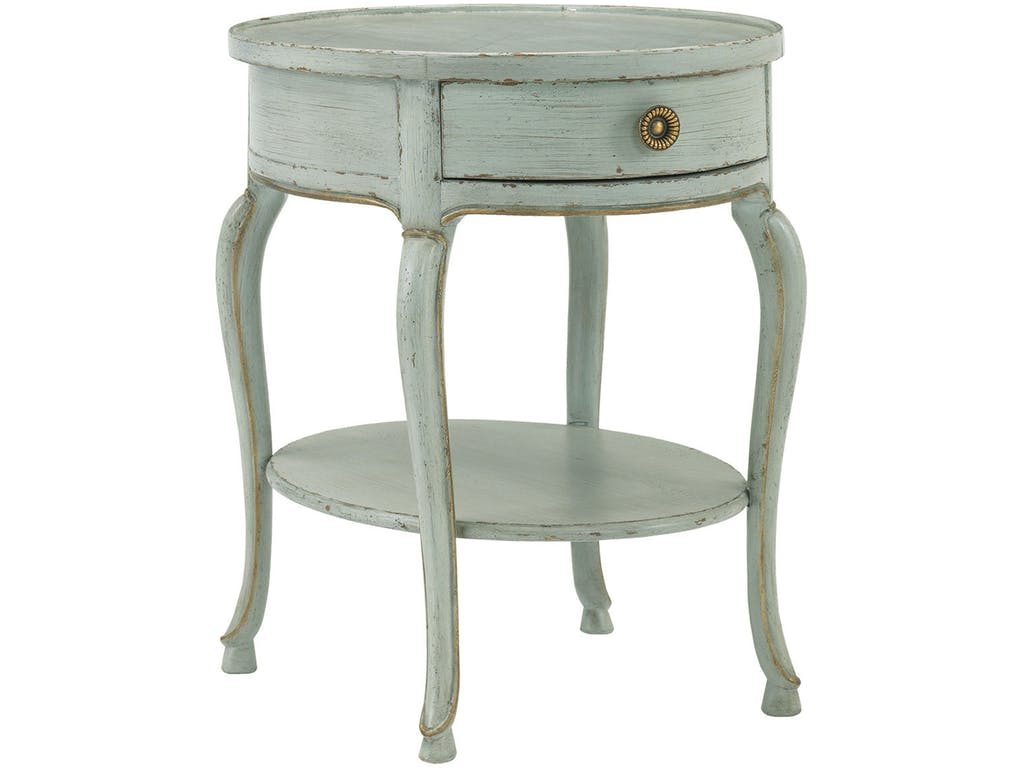
Drexel Living Room Table A La Louis XV – Louis XV Table 311-850
Victorian Architecture
If your home does not have these already, then it’s time to do a little remodeling –
Victorian Furniture
It is easy to see the romantic influences on Victorian pieces. They are sinewy, curvaceous, and the carvings are detailed. These pieces draw inspiration from Rococo, Gothic, and Louis XV pieces with gilding, dark finishes, heavy proportions, and embellishments.
Victorian furniture pieces were the first furniture to be manufactured since the period overlapped with the Industrial Revolution.
These days, the characteristics of Victorian furniture are still reminiscent of the old days but it tries to keep up with what’s current. You will see deep seats, balloon backs, low arms, and even easy chairs without arms.
Coiled springs underneath the seats are also pretty common. Woods used include walnut, oak, rosewood, and mahogany. You are also bound to see ornamentation with lots of Fleur de Lis.
Tags: McCreerys, McCreerys Home Furnishings, Victorian, Victorian fashion, Victorian furnishings, Victorian furniture, Victorian gothic, Victorian interior design, Victorian interiors, Victorian style
Posted in Interior Design 101, Interior Design Elements, Interior Design Themes | Comments Off on Victorian Drama – 4 Characteristics to Embrace This Vivid Style
Wednesday, November 30th, 2016
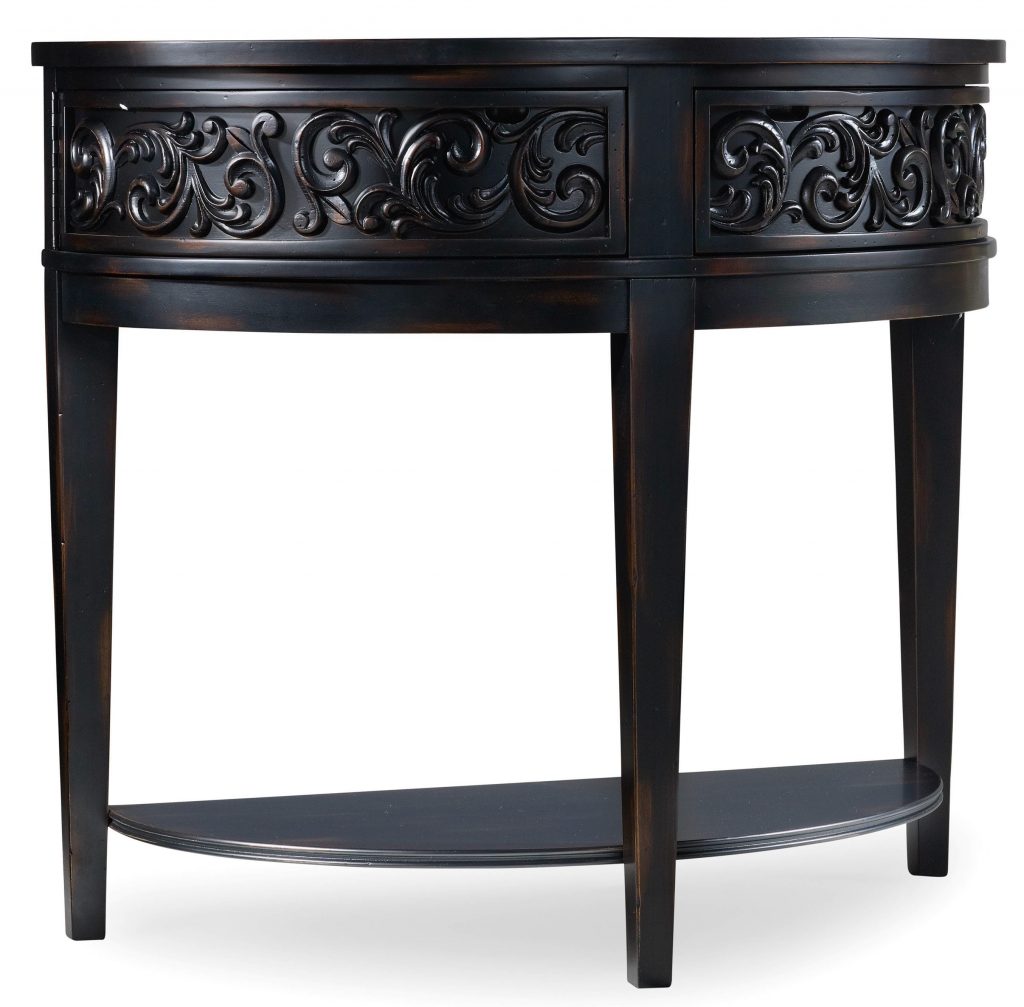
Hooker Furniture Living Room Melange Damasque Demi Console
This may or may not be the first time that you encounter Victorian interior design but, definitely, it is a style that catches attention. There isn’t an easy way to setting up such an interior but with this guide, you should be able to make a charming Victorian interior. There are four basic elements to remember in this kind of design – pattern, color, romance and opulence. You are not creating Victorian out of boring, dull stuff.
So what is Victorian style?
Queen Victoria’s Style
The Victorian interior design is a broad term that is used in reference to the fashion, architecture and home décor features from the late Queen Victoria period. This is approximately from the year 1837 till her demise in 1901.
Victorian style gets its inspiration from geometry, theory and nature. You are free to find from other resources, though. This encompasses other sub-style such as –
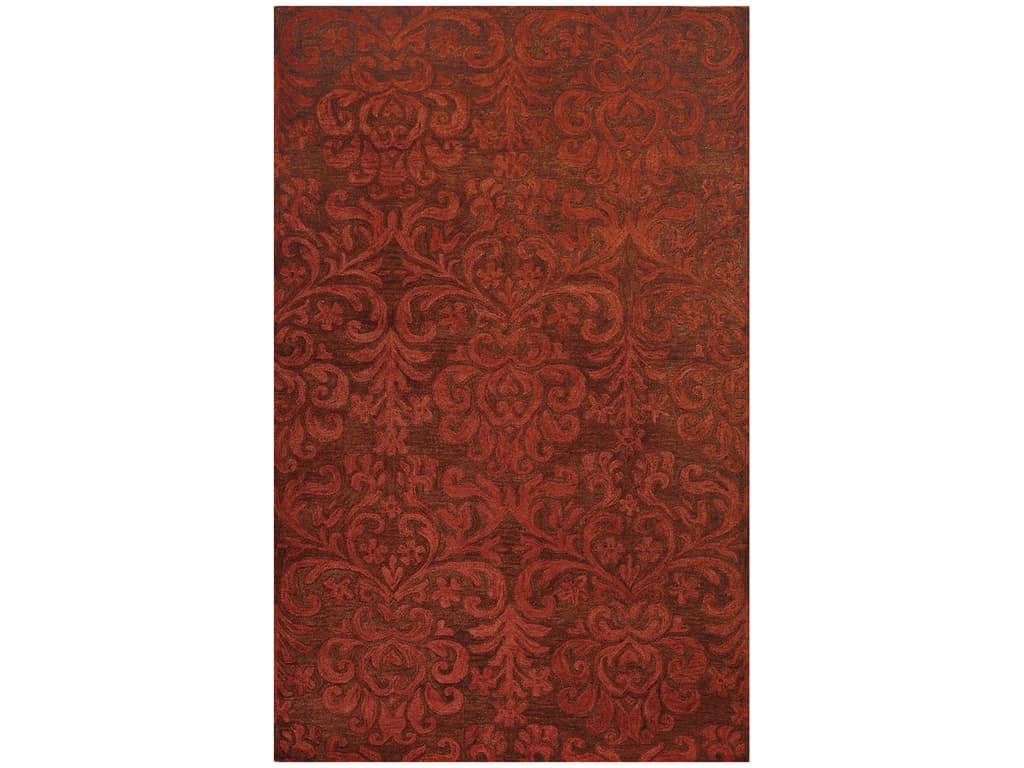
Capel Incorporated Floor Coverings Filigree Rug 9225RS Persimmon
Victorian Elements
Victorian home design means you should be ready to use a sophisticated palette. You must put emphasis on the tertiary colors. These hues are created by mixing primary and secondary colors. Dark colors are often associated with this style so you could go gothic and get away with it.
The earliest Victorian homes showed light-colored walls while the ambience came with rich colors. The libraries and dining rooms were elegant and had deeper tones. The dark, deep tones are used to emphasize the importance of certain rooms.
In urban areas, colors such as dark green, gray and grayish blue are used to minimize the grim effect of the dark surroundings. These hues soften the usual dark backdrop that is truly Victorian. Dark walls – back in the olden times – were used also to deviate the attention from soot and coal dust which come from oil and gas lamps.
In choosing other colors for your Victorian home, you can also look for any subdued and warm color such as cream, mahogany brown or deep, rich walnut. Shades of teal, plum, mustard yellow, aubergine, rust, green, blue and gold are also usable. Colors chosen by modern homeowners often reflect organic colors such as rose ash and subdued lavender.
Complex patterns often cover surfaces of Victorian homes. Use different wallpapers to cover your walls and to make them more fit for this style. Cover everything – from ceiling to walls – then be sure to use luxurious fabrics that have silk tassels, embroideries and trimming. Use rugs that come with intricate weaves such as Persian and Oriental rugs.
Victorian style may be posh but it isn’t supposed to be uncomfortable or excessive. Design with plush fabrics and with damask. Use them on your upholstered furniture and window treatment layering. Layer the rugs, too.
Remember that Victorian is tantamount to flaunting wealth. You can mimic that further by adding fine wood panels on your walls, marble fireplaces, and some mass-produced yet still elegant paintings. Use elaborate furniture and accessories ranging from subtle to massive. Find ornately-designed lace, china, stained glass, busts, flower vases, souvenirs, prints, and accessories.
Use replicas of electric lamps to perfectly accessorize your rooms. The results often vary per home but what are achieved – in the hands of a skillful designer – are complexity, sophistication, refined look, and a romantic setting.
Tags: McCreerys, McCreerys Home Furnishings, Victorian, Victorian gothic, Victorian interior design, Victorian interiors
Posted in Interior Design 101, Interior Design Themes | No Comments »
Wednesday, May 25th, 2016
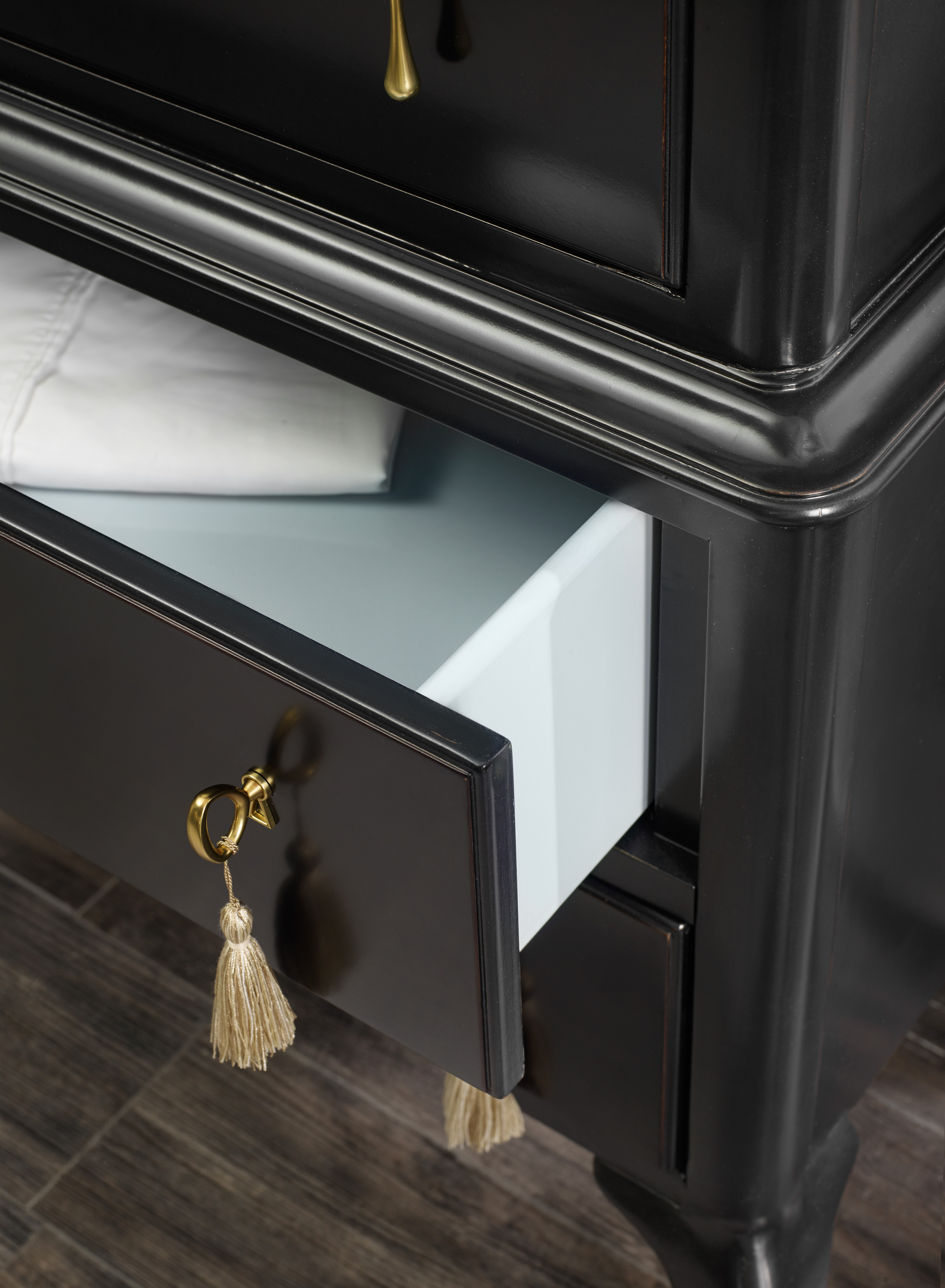
Cynthia Rowley: 1586-90010-BLK1 Twin Peak Six-Drawer Chest on Chest is sleek and uncomplicated.
When looking at the American gothic style nowadays, you might not picture how it actually came about. Its beginnings were quite humble, with artist Grant Wood taking a stroll around Eldon in Iowa. He was then just looking for inspiration when he came upon the gothic style farmhouse called the Dibble House. Being an Iowan, himself, Wood sketched this dwelling place at the back of a simple envelope. Wood’s biographer later added that the artist was struck at the thought of adding a pretentious (we’re using the biographer’s word here, not ours) gothic window on an otherwise flimsy wooden house (again, the biographer’s words). This painting resulted into what’s known today as American Gothic.
Grant Wood’s American Gothic
Using Nan Wood – Graham (Wood’s sister) and Byron McKeeby (their family dentist) as models, Wood started painting the house along with this willing pair. The Art Institute of Chicago recognized him by giving him a prize for the said painting. The masterpiece was even purchased by the Institute and hung it for everyone’s appreciation.
While Wood wanted to depict a positive image for the Americans, his painting was seen by a different pair of eyes among his critics. To them, it was a satire on the life spent in a farm. It took many years before the painting became a symbol for strength and steadfastness.
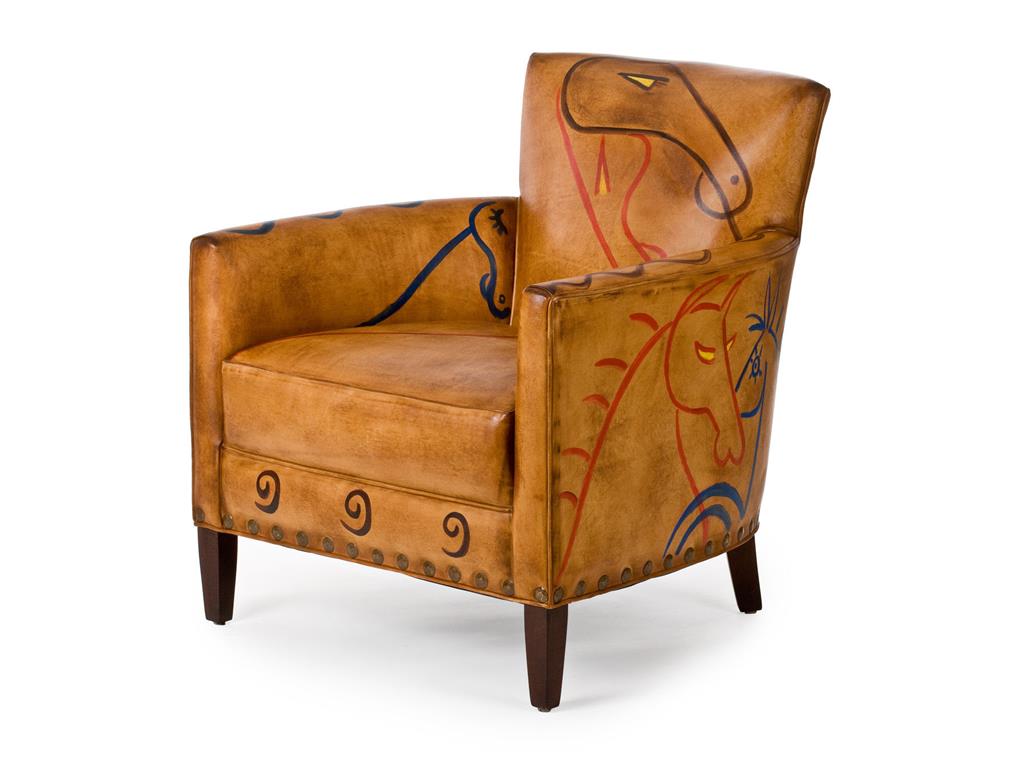
The Hancock and Moore Living Room Norvell Ancient Thunder Horse Painting Chair 4797-AT has an unpretentious farm appeal to it which is perfect for your American Gothic home.
What Is American Gothic?
This style is evident in many early American imagery and symbols. Just think of pitchforks, red-colored barns, aprons, gothic windows, blue, black and denim and you’re thinking American Gothic.
This style often works because it centers on farm life. Do you ever wonder why most children’s books feature farms and farm animals? It’s because farm life is uncomplicated and it shows a life that is easy or laidback. If you take a closer look at the industrial spirit brought about by farm structures of the past, then you would also realize that American gothic has an almost modern feel to it.
You will surely love American Gothic style if you prefer the unfussy sort of design. If the elaborate workings on furniture and architecture do not please you or if you consider apron to be an everyday wear, then you are embracing the Puritan way of life and would definitely feel comfortable in an American Gothic home.
Do not mistake American Gothic for Victorian gothic. The latter offers dark walls almost depicting haunted houses. Victorian Gothic also shows ornate architecture and the most gorgeous furniture. So, here are characteristics often associated with Victorian gothic that you must not link with American Gothic –
Drama
Victorian Gothic will always be dramatic and elegant. Say no to making dramatic statements whether in your choice of furniture, lighting fixture, or decorative details.
Wallpapers are also items that are associated with the Victorian gothic style. So keep your walls simple and nod not to patterned wallpapers, more so those that have a velvety texture. Use simple wall paint rather than the bold colors used in many Victorian homes.
Thick, Rich Textures
Draperies are both decorative and functional. The heavier, layered types of draperies are glamorous and elegant enough for a Victorian Gothic home. Should you choose the less opulent American Gothic style, be sure to go for simple draperies minus the tassels and fringes.
Opulence
Ornate furniture pieces are regal pieces of artwork. They are for homes that are rich and often dramatic. So, since you are embracing the American Gothic look, just look for straightforward designs. If you’re uncertain as to whether you can use black or not, well, you can. Just make sure that the black furniture you invest in has simple lines and a pretty uncomplicated design.
Tags: American Gothic, American Gothic design, American Gothic style, characteristics of luxury homes, designing luxury homes, elements of luxury homes, glamorous interior design, glamour, gothic, gothic interior design, gothic interiors, history, luxurious home, luxurious interiors, luxurious living, luxury home, McCreerys, McCreerys Home Furnishings, tips, Victorian gothic
Posted in Interior Design 101, Interior Design Elements, Interior Design Themes | No Comments »
Wednesday, February 17th, 2016
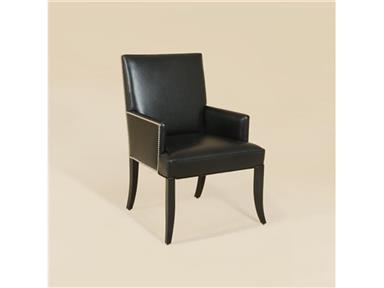
Maitland-Smith Dining Room Arm Chair 4130-812 is simply gothic.
Gothic interior design or those medieval interiors both represent like eras. But do not imagine creepy mansions and artwork when thinking about gothic style, instead, think of architectural beauty and intricate furniture pieces.
Victorian gothic is, in essence, an architectural design that started as early in the 1740s. Compared to modern gothic interiors, they are similar because they show opulence and elegance. Gothic architecture first took the spotlight around 1150 AD. This was during the Medieval Period and it immediately became a significant part of every building design. Back then, it was called the French Style.
Examples of the gorgeous Gothic style can be found in abundance in the U.K. and the rest of Europe, more so in Paris, France. Gothic cathedrals are the perfect examples of gothic architectural wonders that have endured centuries.
Gothic Design Today
These days, gothic structures stand as a testament to the unique ability and solid engineering that are used hand-in-hand in their creation.
Have you heard of the flying buttress? This is one of the most recognized gothic elements in the world today. This was created during the Medieval Era. One can be seen in the Notre Dame Cathedral of Paris.
Gothic’s got a pointy sort of style with ornate doorways, beautiful archways and perfect symmetry. Architects need to use balance in all aspects of a gothic home. This doesn’t mean that their brains have been hardwired to create everything that’s dark and gloomy, though. With the right set of eyes, you can appreciate the artistry that gothic design stresses. These great minds have been trained to value the beauty of old cathedrals and other majestic structures.
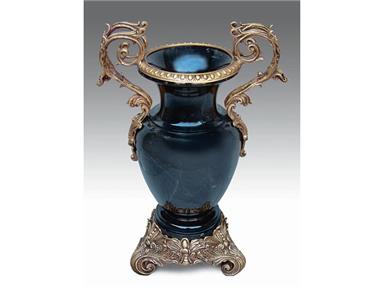
Maitland-Smith Accessories Black Marble Vase 2100-302 has all the elements of gothic style – a dark, rich color and its ornate metallic design.
A great way to wrap your mind around this unique interior design is to imagine intricate and ancient churches instead of dreary places. These are actually sanctuaries with stately windows complete with stained glass. Designs of roses or trefoils are also quite common as are majestic fireplaces situated below exposed beams and wooden rafters.
Beautiful candelabra should complete this divine style.
Gothic Interior Design: A Vertical Style
The gothic design is mainly a vertical style depicted by the looming peaks and arches, with windows growing larger and larger as you walk in each room. There is also an increased amount of lighting and ventilation as the years pass. The gloomy feel of the Romanesque churches are long gone.
Victorian gothic furniture pieces are usually made with sturdy and heavy oak wood adorned with the designs that are reminiscent of the Medieval Period. Headboards, chairs, cabinetry come with beautiful legs, arches and spirals. Heavy fabrics encase these heavy furniture pieces with every upholstery displaying the most majestic colors.
Including benches, pews and altar chairs is an effective way to show the kind of crafts that was featured during that time.
Gothic colors tend to be dark and rich with sombre hues of ruby, purple, forest green, ochre, and gold. You may use black but do so sparingly. It is not good to fall into the usual gothic notion where rooms are dark and even probably haunted. Vibrant colors like deep burgundy, emerald green, dark blue and ruby red are all acceptable.
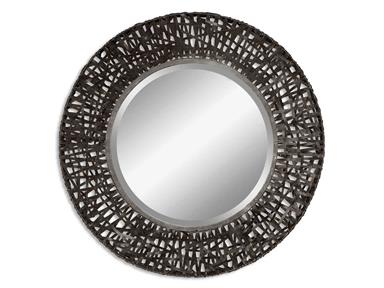
Uttermost Accessories Alita, Mirror 11587 B
Gothic walls are covered with greenery, flowers and heavy patterns. Homeowners also use stencil designs and heraldic symbols. Paint your walls with flat colors in order to replicate the stone surfaces.
Accentuate stained glass windows with full suits of armor, wrought iron, candles and pews. Cornices and carved ribbing are also common characteristics of gothic interior design.
Display wooden, carved sconces as well as pottery dishes. Wrought iron lamps should be able to cast that needed glow inside an otherwise dark room.
For the final touch, go full gothic by adding dramatic elements such as moldings, dark wallpaper and heavy curtains. Just like you would with any style that you choose, go all out in using the gothic interior design.
Tags: dark color scheme, dark colors, dark design, dark hues, dark-colored hues, French design, French design elements, French furnishings, gothic, gothic interior design, gothic interiors, McCreerys, McCreerys Home Furnishings, Victorian gothic
Posted in Interior Design 101, Interior Design Elements, Interior Design Themes | No Comments »
Follow us on our social media


© McCreery's Home Furnishings | All Rights Reserved | Privacy Policy
