- Follow us:


Saturday, December 17th, 2016
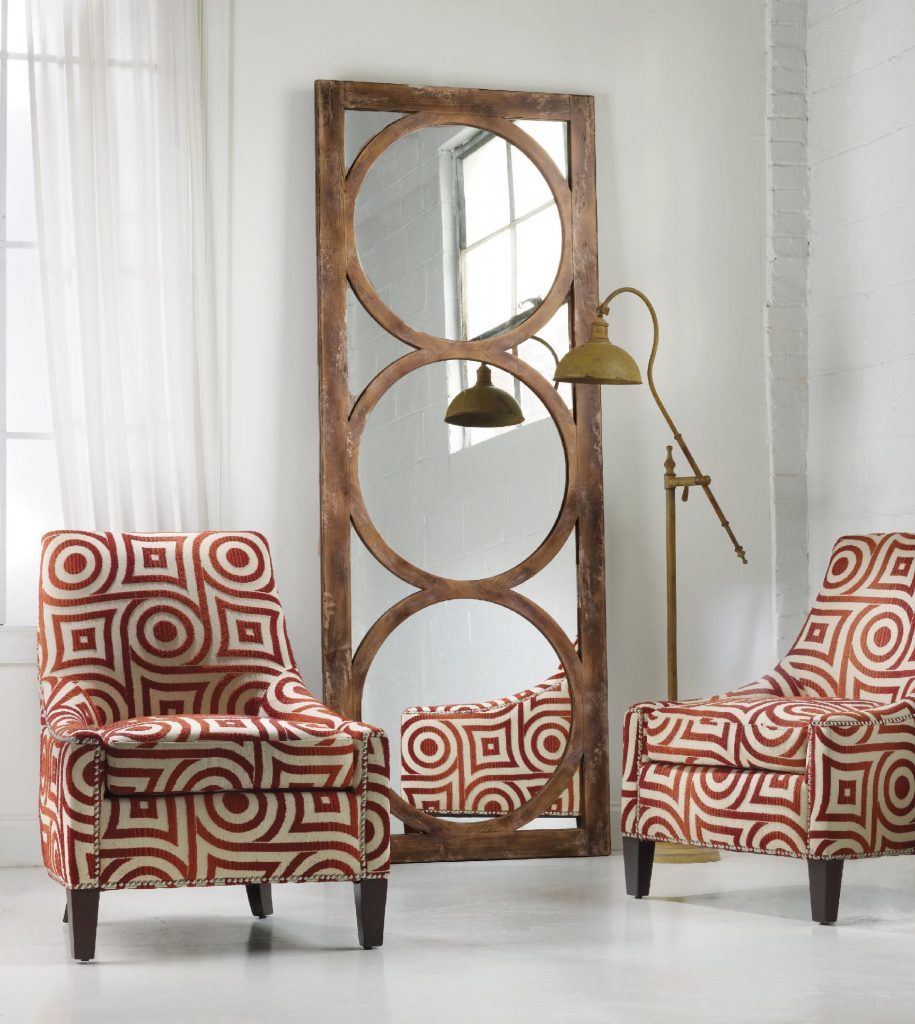
Hooker Furniture Accents Melange Encircle Floor Mirror will surely multiply the illumination provided by any floor lamp or overhead lighting fixture.
As a homeowner, you are a lot of things to your home. You could also be a lighting designer as you get to dictate the functions and qualities of lighting that you would use. You also need to set your home’s lighting goals and how you should go about in accomplishing them.
Control the Colors
Colors are one of the fundamental things that you learned in school. Red, yellow and blue, when mixed in any way, could produce a totally new color; mix all the colors together and what you achieve is black. Lighting also has its own primary colors.
The right lighting color could also enable you to perform your tasks more fully, make you feel more comfortable and safer and even allow you to enjoy your home’s full potential. Every room, however, comes with unique and specific lighting needs which you need to consider.
Light to Impress
When lighting your foyer, be sure to convey what the visitors would soon see in your home’s interiors. The hallway should at least have a modern pendant light, a classic chandelier, or a transitional lighting fixture that’s installed close to the ceiling.
Light to Decorate
Not every foyer is able to accommodate a huge chandelier, though, so be sure to get the right proportions for your lighting needs. A bigger space, likewise, needs a larger lighting fixture. Second story viewing becomes a lot more interesting if you’re going to look down on an interesting pendant or chandelier.
General Lighting for High Traffic Areas
Keep in mind that halls and stairways need general lighting for safety reasons. A well-lit hallway will prevent accidents. Be sure to illuminate from top to bottom of the stairs and check that there are switches upstairs and downstairs.
Lighting fixtures should be installed every 8-10 feet. Match the foyer chandelier to the hallway lighting fixtures. Foyer can be complemented with the right pair of wall sconces.
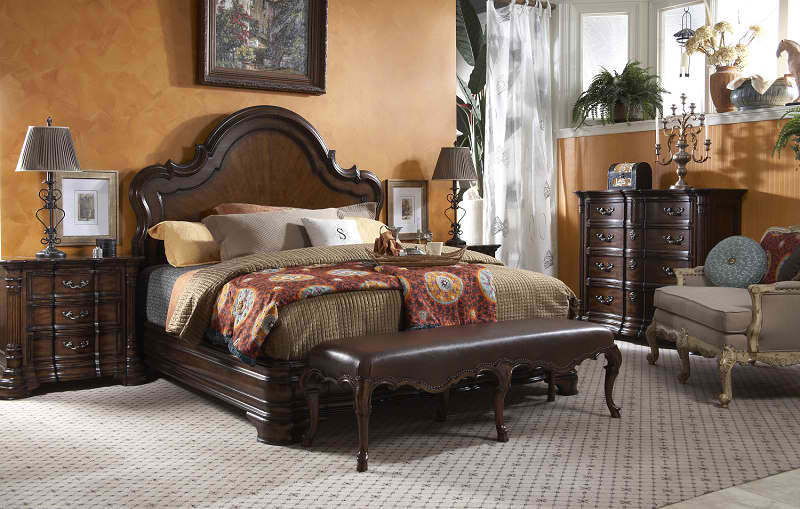
FFDM Villa Cascina: The side table lamps complete the classic look that’s achieved in this ensemble.
Highlight with Light
You can also use light to enhance the ambience in a room or to dramatize architectural features. So, go ahead, highlight the family room, master bedroom, playrooms and the living room. Find the type of light that doubles as a general light and an accent light.
Concealed Lighting for General Areas
General areas should have close-to-ceiling lighting fixtures, lamps or wall sconces. These provide ample lighting while being decorative at the same time.
Use recessed or track lighting to create a room that’s lively. Don’t forget to highlight artwork, grazing or wall washing.
Focal Point with Lighting
You can also make a focal point by correctly using light. An example is at the dining table where chairs are usually pushed in when the table is set. Your lighting fixture could become the centerpiece on this entire ensemble. It would automatically become the focal point of the room so be sure to express your personality on the lighting fixture that you use there. Your general lighting needs must still be met just as much as your entertaining and dining requirements are also met.
Find a lighting fixture that best describes who you are.
Lighting for Different Rooms
The use of pendant light or chandelier would surely set the dining room’s tone. Recessed wall washers are great sources of additional light while creating an illusion of a much larger space.
Chandeliers should be 6-12 inches smaller than the dining table’s narrowest side. Find one that has an integral downlight that would add more illumination to the dining area.
The kitchen is the heart of every home, hence, it is the busiest place there. It is the place where meals are prepared and where they could also be enjoyed.
Sketch a lighting placement plan for your kitchen. Decide which areas would get the accent, task, general or decorative lighting. Find higher watt lighting for task areas.
Tags: accent lighting, general lighting, interior lighting, light, lighting interiors, lights, McCreerys, McCreerys Home Furnishings, task lighting
Posted in Interior Design 101, Interior Design Elements, Lighting | No Comments »
Monday, October 31st, 2016
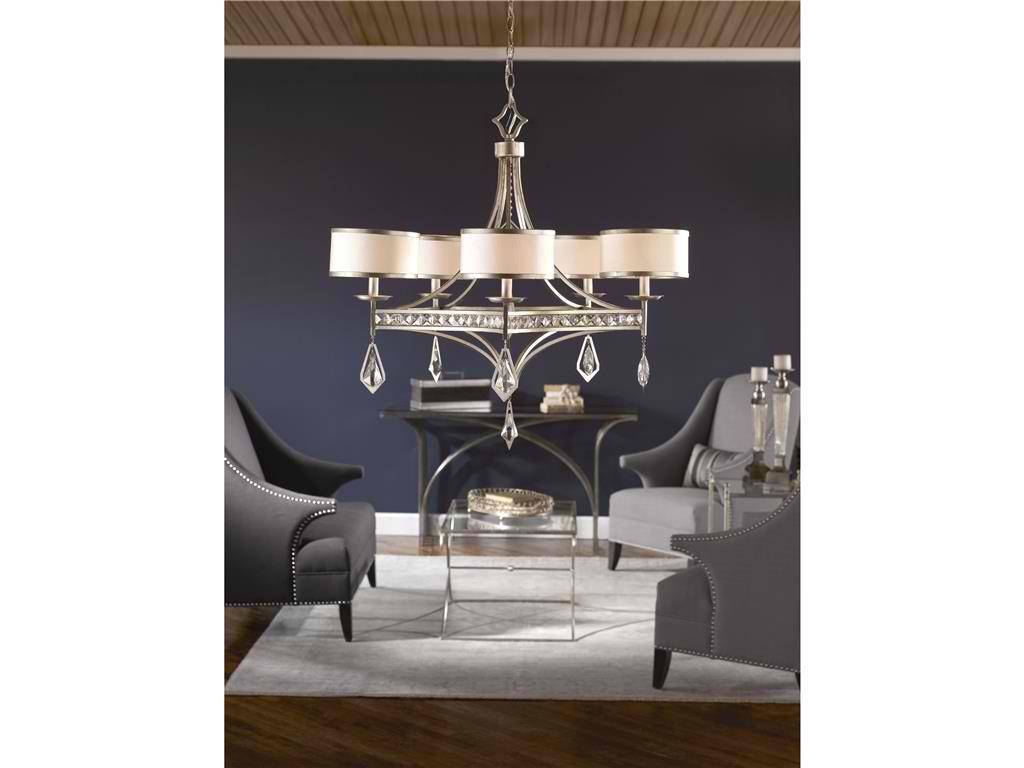
Lamps and Lighting Uttermost Tamworth 5 Light Silver Champagne Chandelier 21268
The chandelier is a lighting fixture that has two or more branches that bear lights. Gone are those days when it was a mere wooden cross beam complete with metal spikes to hold the lighted candles. Nowadays you won’t see chandeliers hoisted up with a rope or chains. These lovely lighting fixtures have evolved into charming pieces with different designs.
Chandeliers, these days, are not just used for lighting but also for aesthetic purposes.
Adding Ambience with Chandeliers
Needless to say, this lighting fixture that’s designed to float inside a room is a great design element. This can easily serve as a centerpiece in any space.
If you’ve seen the film What A Girl Wants, you would find one of the characters there boasting of his lovely chandelier to his guests. It’s not just a conversation catalyst but also something that he got accustomed to being arrogant about.
Chandeliers can also spell luxury in so many ways. They are unequalled when it comes to lighting elegance.
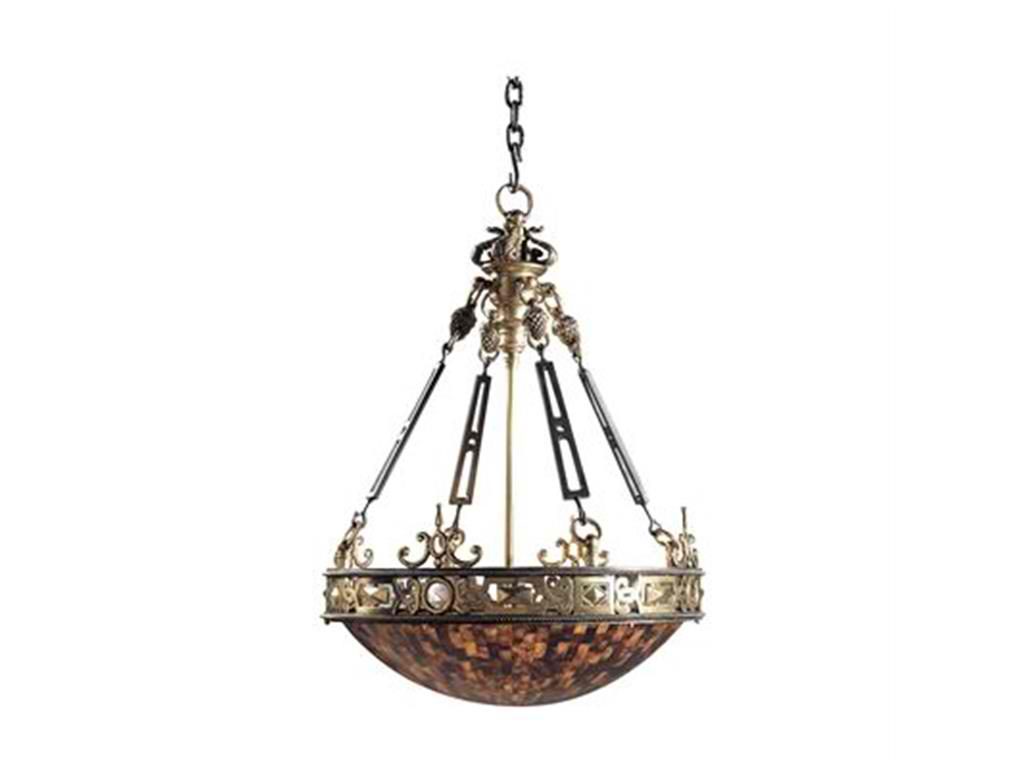
Maitland-Smith Lamps and Lighting Finely Cast Brass, Iron And Penshell Empire Chandelier 1954-010
Picking the Right Chandelier
There are many things that you need to consider when purchasing your first chandelier. Think of materials, different sizes, and light emission when you are out to determine the best chandelier for your room.
There are horizontal and vertical sizes. Know that buying a large fixture could mean an overwhelmed space. Purchasing one that’s too small, though, means it could look insignificant if not unremarkable.
The size and design of the chandelier will also eventually affect the way the fixture will be hung. If you want an elaborate chandelier that would be hung inside a spacious dining room, for instance, then be sure to take the time to do some measurements.
Hold a tape measure to a height that you think would work for your chosen chandelier. Here are some general guidelines –
The length by which a chandelier must hang is dependent on the height of the ceiling. The bottom part of the fixture must not hang more than seven inches from off the floor. If there are windows, then be sure to put the chandelier at the center where it can be seen from the outside.
The Correct Chandelier Materials
Since chandeliers easily become the focal points in room, then you must know what sort of materials would enhance the room. Candle and crystal combinations make the most nostalgic visions. Glass and crystal, on the other hand, are quite popular in the creation of romantic settings. They are also indicative of wealth and luxury.
The use of antler chandeliers brings to mind those days past when life was simple and lighting was as basic. The rustic design that these offer are perfect for log cabins and those rural lodges; they are also great for a more antiqued look.
You can also invest in metal chandeliers. These come in wrought iron, brass, steel and silver. Add some stones, shells, beads and Capiz and you’d have achieved a fancy lighting piece. Metal chandeliers often look great in modern and contemporary homes. The less ornaments used, the more fitting the lighting fixture is for a modern setting.
Be careful in choosing the colors of your chandeliers. The most famous finishes now are black, gold, silver and brushed bronze. There are also neutral-colored pieces that would easily suit your design scheme.
Tags: accent light, accent lighting, ambient light, ambient lighting, chandelier, chandeliers, designing with chandeliers, home lighting, lighting fixture, lighting interiors, McCreerys, McCreerys Home Furnishings, use of chandeliers
Posted in Interior Design 101, Interior Design Elements, Lighting | No Comments »
Friday, October 21st, 2016
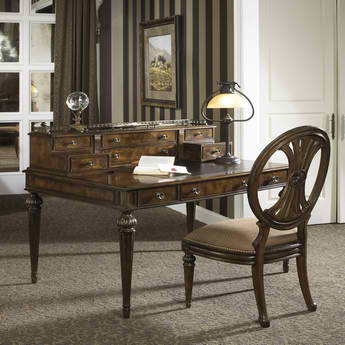
FFDM Belvedere Collection
One of the biggest problems that remote workers say about working in a home office is being less productive. If you happen to be working in one right now, what should you do to optimize productivity and not fall in the same dilemma as many others complain about?
Managers worry so much about work productivity but now that you’re your own boss, it’s your time to worry. With you, it becomes doubly difficult to be more productive because chores beckon and the kitchen always offers the aroma of your spouse’s home-cooked meals. These are distractions that you need to fight against – and fast.
So, if you want to have more work hours added to your current work routine, here’s what you should do –
Structure Your Work Day
Productivity is a huge concern for you now so you need to look on how you structure your time for work. If you have to use certain tools that will make your work routine more productive, then do so.
Syncing your work with your tablet and smart phone would do you good. Doing so will help you make good use of your time.
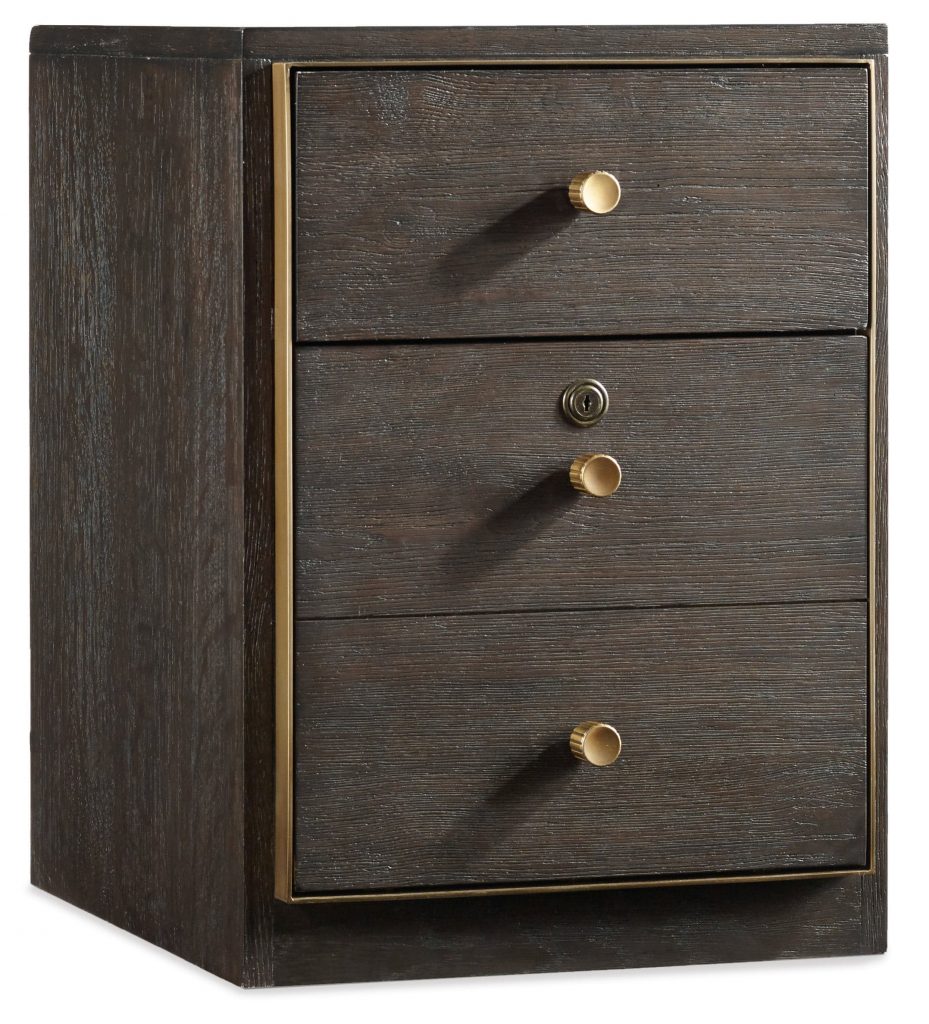
Hooker Furniture Home Office Curata Mobile File
Stylize Your Home Office
A wonderful way to create a place that would make you want to go to work is to stylize it. Don’t worry too much about rules and stuff that tell you which to put and which not to put inside your cubicle. Giving your home office a little character should prod you to go to work, hence, you spend more time in the office, and you end up being more productive.
Be sure to focus on the benefits of working from home. Decorate to inspire productivity. Remember, while decorating, that you will conduct business in that cubicle. Also, you would not want to hang any distracting photos or posters right on the area where you will hold your video conferences.
Design your home office smartly. Use wall art but make sure that they are there to be seen by prospective clients and not as distraction.
Pick a Practical Desk Size
Remember that the desk has to suit the job that you are going to do in your home office. If you believe that you are going to be doing a lot of paperwork, then you definitely need a larger desk. A big desk, though, invites distractions in many forms but it can also offer additional surface area for your picture frames. Your family photos should motivate you to become more productive.
Be sure to buy a basic desk that meets the ergonomic standards. An ergonomically-designed chair will help prevent injuries, making your back feel optimal all the time.
The right desk can also offer more storage solutions for that extra stack of papers.
Safety Is Key
Remember that you will be using a lot of electronic devices in your home office so it would be best to fuse safety with the décor. A lot of home offices are cozy spaces with a lot of cords that are exposed. These are tripping hazards that you need to get rid of. You can place these cords right behind the office cabinets or have them wrapped then attached to the legs of the desk or table.
Never, ever hide cables underneath an area rug or the carpeting. This is a fire hazard especially when the cords are already damaged or frayed.
Use Correct Lighting
Inspiring productivity in your office means you have to install proper lighting. Most people who work in home offices tend to spend more time working so it would be best to have correct lighting installed from the onset.
Your lighting needs should meet your comfort as well as productivity requirements. Use natural light as much as possible.
Tags: home office, home office desk, home office productivity, home office style, lighting interiors, McCreerys, McCreerys Home Furnishings, office furniture, office space layout, productivity in a home office
Posted in Home Office Design, Interior Design 101, Interior Design Themes | No Comments »
Monday, September 19th, 2016
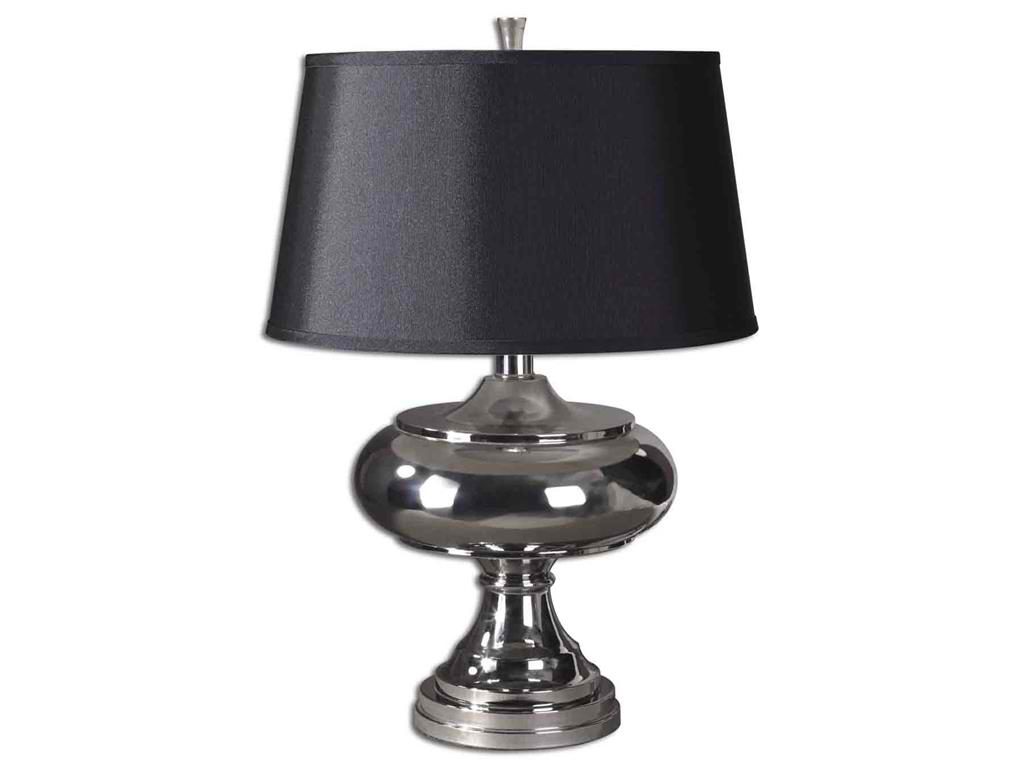
Uttermost Lamps and Lighting Jelani, Table Lamp 26987 provides accent lighting for your living room.
You may think that light is the least essential design element when the days are at their longest yet this is the best time to buy quality lighting and select fixtures that would properly light your home. The first step that you need to undertake is to know the three kinds of lighting.
Ambient Lighting
Ambient lighting can also be referred to as general lighting since it provides an overall glow. In essence, it does the role of sunlight during the night. Full ambient lighting can be achieved by properly spacing recessed downlights. This can also be achieved by a single central ceiling fixture.
Ambient lighting is often chosen for its decorative feature. Be sure to check the wattage when you want to know how much light the ambient fixture can offer.
One problem that you might have encountered in older homes is that homeowners only used task lighting. This gets the job done, sure, but it can leave a lot of dark corners or make rooms appear smaller.
Minus ambient lights, you are likelier to trip over stuff, this is why this kind of light is now the most common light used in many modern homes. The unfortunate news is that people tend to stop at ambient lighting, not even bothering to layer with another kind of lighting.
Accent Lighting
This kind of lighting, on the other hand, provides any room with a more polished look. Of course, it is important to make the room more visually interesting which is why you should carefully choose accent lights.
Just like any beautiful painting, accent light has the power to draw the eyes to it. This visual piece can be that attractive lighting fixture or some directional lights.
One of the most natural accent lights is the chandelier which can highlight the dining table. Downlights are able to illuminate a piece of art or an interesting decorative cabinet.
Task Lighting
The last type of light is task lighting. This is that focused light that can create a spotlight on a task. This is important in the prevention of eye strain, therefore, to eye health.
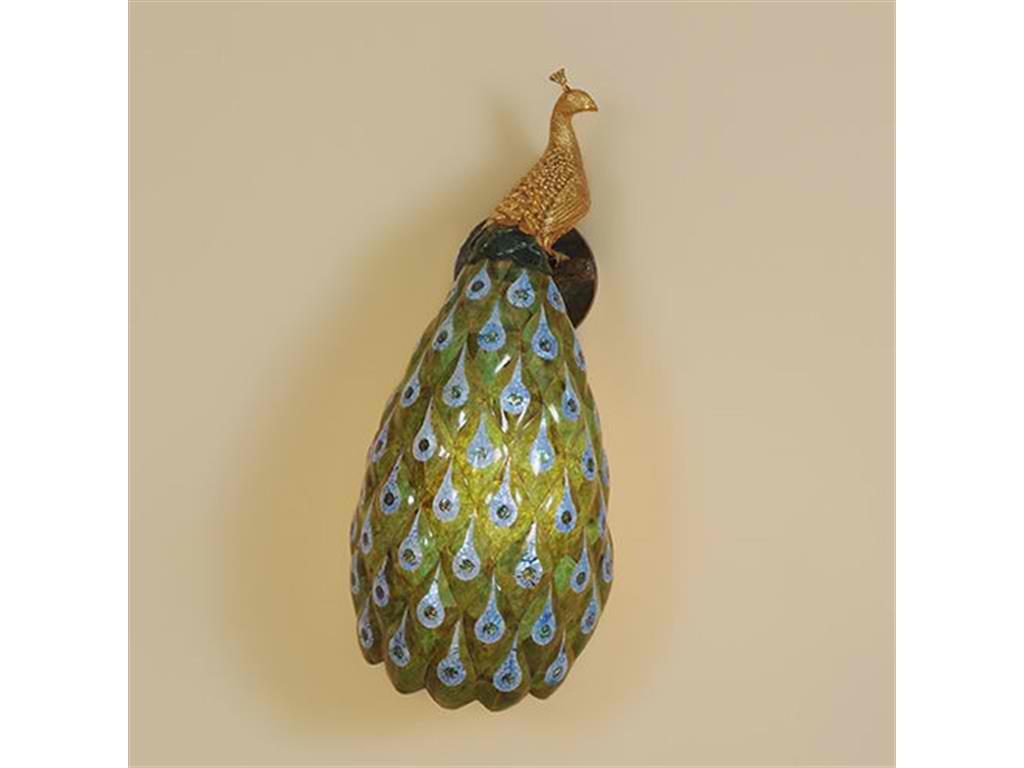
What could be more fun than a glowing peacock? Featured here is the Maitland-Smith Lamps and Lighting Cast Brass Peacock Wall Sconce 1900-111
Relax, Have Fun
A lot of designers rely on lighting designers when taking on a remodeling project. The latter make sure the rooms are properly lit for the crucial tasks. They also know that mood can be easily created with light. If you want to ascertain that your home is correctly lit, then you should begin by knowing the three kinds of lighting and to know how and where to use them.
Apply accent, ambient and task lighting – these are the three kinds of light. Don’t force them, though. It would be unwise to cram them into one space. Layered lighting is only considered successful if the entire room has a flattering glow to it. There shouldn’t be any daunting shadows anywhere. The most interesting parts of the home must also pop because of proper lighting.
The three kinds of light can be layered but don’t get confused by them. A family room, for instance, can have recessed lighting which could provide a casting glow. A ceiling chandelier can double as ambient and decorative lighting. A white table lamp (still in the same room) is a great decorative piece when placed against dark walls. While it is decorative, this lamp can also offer task lighting for anyone who wants to read a good book.
Alright, here’s the simple secret –
Begin with ambient light as the first layer. The task light follows as the second layer and the accent lights finish the job. If you can commit that to memory, then all you have to do now is to find the fixture styles that would match your home’s theme.
Tags: accent light, accent lighting, ambient light, ambient lighting, general lighting, interior lighting, layering, layering in interior design, layering lights, lighting fixture, lighting interiors, lighting layers, McCreerys, McCreerys Home Furnishings, task light, task lighting, tips, types of light, types of lighting
Posted in Accents, Interior Design 101, Interior Design Elements, Lighting | No Comments »
Sunday, January 31st, 2016
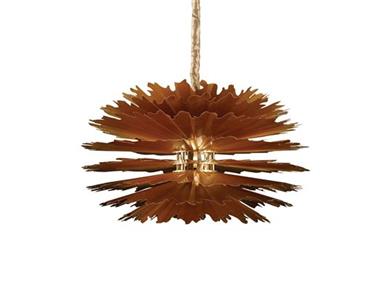
Did this Maitland-Smith Lamps and Lighting Chandelier 1954-355 catch your attention? Imagine what your friends would say!
As opposed to what is being propagated, there is no need to memorize lighting fundamentals or even to spend a lot of money just to make rooms look airy and lively. There is no need to commit to memory the basics of decorative or functional lighting just to plan and be able to buy the right kind of light. Illumination can be achieved in three ways – through general lighting, accent and task lighting. Any fusion of these three is what you would call a decorative light.
Don’t think that home lighting is an unimportant subject, though. This is a crucial element of interior design because it is the very vehicle that allows homeowners to carry out tasks while providing the home with a lovely appeal.
You should consider your lighting decisions based on your chosen interior design. Pay close attention to lighting when creating new environments or when redesigning old ones. This may seem like a technical topic at first but do not be intimidated by it.
To simplify matters of lighting, let’s cut down the basics into three – the purpose of light, how man perceives color, and the three kinds of lighting.
Lighting Purposes
Lighting in homes and offices are there for people to carry out their daily work. Also, light provides a level of comfort that cannot be felt when in a dark setting. Aesthetically, light can emphasize artwork, displays and define shadows.
Lighting is also there for safety reasons.
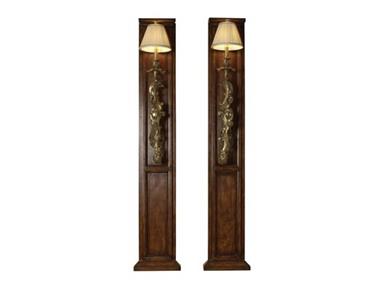
Maitland-Smith Lamps and Lighting Pair Of Aged Regency Solid Wooden Plaque Wall Lamps 1930-112
Color Perception
The human eye responds to different kinds of colors. It is most amenable to the green and yellow spectra and less to the red and blue violet ends. When you come to think about it, this is relative to the spectrum of moods that humans feel.
A well-lit room creates happiness and a sense of well being. Dark rooms, on the other hand, elicit serious moods, even depression.
Light that falls on an object will be absorbed by the surface of that object. The colors that it reflects will be the color that will be perceived. So, in essence, purple is every other color in the universe except purple.
‘Confused already? Don’t be.
Okay, you do know that black absorbs all light while all light that is reflected is done by the color white (which is not even a color!).
Decorative lighting pieces can create serenity or cheerfulness depending on the mood that it depicts. Functional lights – like the ones found in offices – make people more alert. Decorative lighting is different because it makes you feel texture, patterns, even shapes.
Decorative lighting also comes in different levels. Dimmers are used for bedrooms while bright lights are left inside playrooms and the kitchen. Sometimes, the lighting fixture can serve as the focal point of a room. Such is the role of chandeliers and pendant lights.
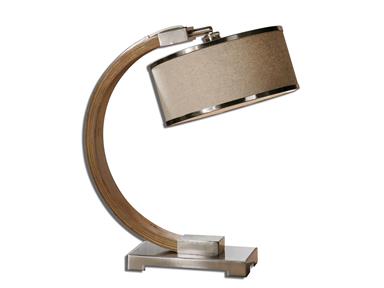
Lamps and Lighting Uttermost Metauro Wood Desk Lamp 26577-1 is both decorative and task lighting.
The dining room, for instance, can look more elegant when a chandelier hangs right above it. Attention will surely be drawn towards this set up. Pendant lighting over a table can provide a more concentrated light. Chandeliers spell traditional and classy while pendants are more contemporary.
Lighting Types
You already know the three types of lighting which is spearheaded by general lighting. Also known as ambient lighting, these are up-lights that illuminate from the ceiling. Wall sconces are also general lighting fixtures as are floor lamps, table lamps, recessed lights, and track lights.
Task lighting is for areas that are in need of intense lighting. This is technically 300% brighter than general lighting. Such lights are used in offices, kitchens and other busy areas.
Accent lighting can add a level of shimmer to paintings, objects, architectural features, and sculptures. Halogen is the best known accent lighting that can provide brilliance and intensity.
Tags: accent lighting, ambient lighting, floor lamp, floor lamps, general lighting, home lighting, improving home lighting, interior lighting, light, lighting architectural features, lighting fixture, lighting interiors, lighting plan, lighting types, McCreerys, McCreerys Home Furnishings, recessed light, recessed lighting, recessed lights, table lamp, table lamps, tips
Posted in Decorative Elements, Interior Design 101, Interior Design Elements, Lighting | No Comments »
Follow us on our social media


© McCreery's Home Furnishings | All Rights Reserved | Privacy Policy
