- Follow us:


Thursday, April 13th, 2017
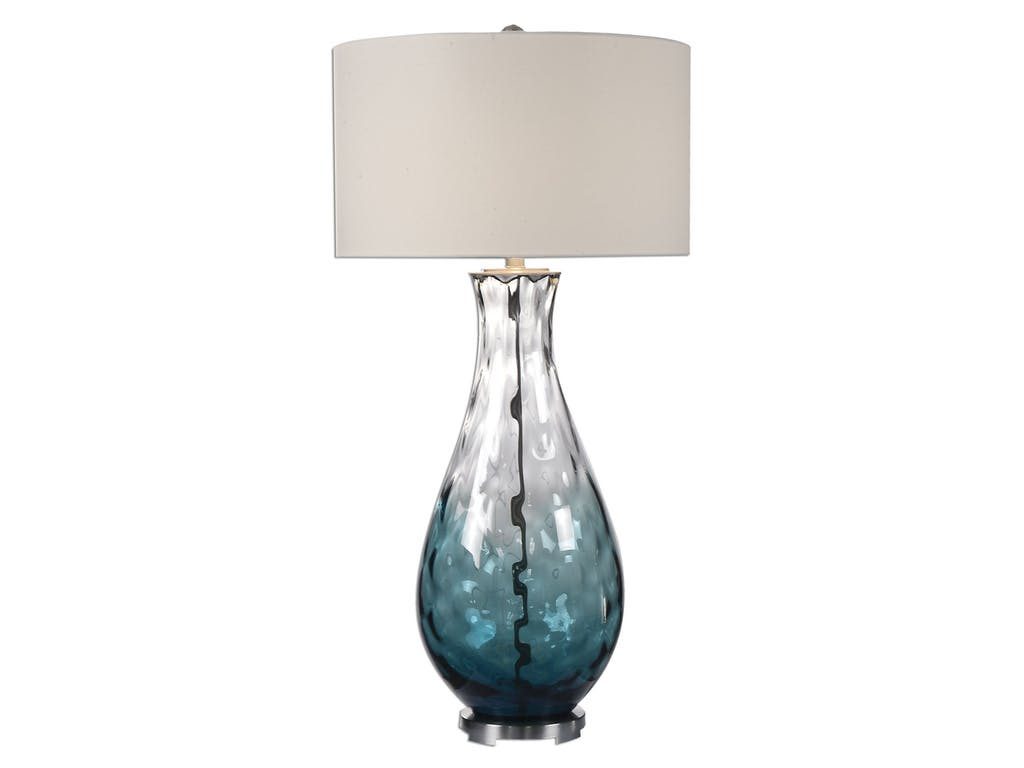
Uttermost Lamps and Lighting Vescovato Water Glass Lamp 27051-1
The creation of a Zen space in your home will make it possible for you to breathe, de-stress, and rejuvenate your mind and body, even your spirit. The home, after all, should be a haven where one can feel secure, safe and well-nurtured.
Everything Is Energy
Know that everything in your place is made up of energy. Where there is a great amount of paper or any kind of clutter, it is assured that the flow of energy will be hampered. It would be difficult to feel relaxed and calm in the middle of disorder.
Begin setting up your Zen space by, first, cleaning up even if it’s just one part of the home.
Understanding how energy flows and how it can affect everything around it makes the creation of Zen a lot easier.
Clear Out Clutter
As soon as you have cleaned up the clutter, you will feel that your breathing will improve and that everything seems to be lighter. You will then realize that Zen can sometimes be as easy as sweeping and throwing a few things.
Another way to bring down your stress levels is to open the windows and add some water features. The addition of a fountain is a huge step towards the right direction. If you’re unable to find a tabletop fountain then you can also place one outside the main door or by the window. The sounds of water flowing will surely relax you and your family.
Look Down
Yup, it’s time to look down and see what changes can be done on your flooring. If you are growing tired of your carpeting, wood or tile floors, then feel free to install some area rugs. These will help provide a cozier and warmer look.
Woven, rag or bamboo rugs are wonderful accents to any Zen space.
Add Ambience
Candles are an easy way to add a romantic ambience in your home. They are second to none when it comes to Zen lighting. Plants can also bring in a natural touch to your space. This will help feed anyone’s soul. Add some floor pillows or a Buddha to inspire you on your meditation corner.
Throw blankets can also be rolled up inside woven baskets. You can also do the same thing with your yoga mat.
Be sure to draw the curtains since light can effectively lift anyone’s mood.
Designate a Relaxation Room
It would be helpful if you define an area in your home as your relaxation chamber. This could be your porch, bedroom, or even a simple bathtub. If you have extended family members who are living with you, then be sure to inform everyone about your schedule for relaxation.
Since your relaxation time is your time, then you must be able to find a routine that will surely relax you. This isn’t the same as watching TV, okay? Fitting options include quiet time, yoga time and reading. Pick an activity that can help you contemplate and relax.
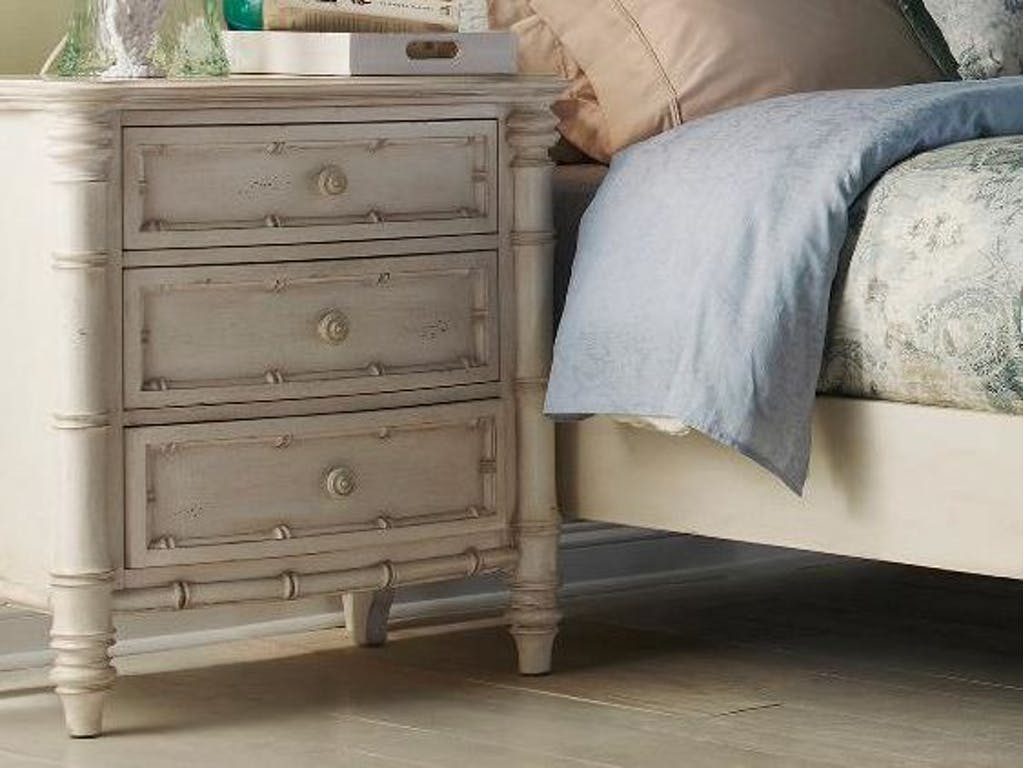
Fine Furniture Design Bedroom Bamboo Nightstand 1051-106
Go Earthy and Light
Zen is all about being natural. It includes the use of soft tones such as whites, light browns, and grays. The colors in the room should match the one dominant color that you pick.
Being Mother Nature’s advocate also means bringing in the outdoors. This means putting potted plants or flowers in vases inside your home.
Natural light must also be welcomed in. No place is Zen without natural light flowing in. The rays of the sun have a wonderful effect on the mood and spirit of the home’s dwellers.
Symmetry through Balance
Zen is also concurrent with the Yin-Yang philosophy. This means that symmetry must exist in your home. Have lamps on both sides of the bed or you can have flowers on one side of the dresser. Try this technique in your bedroom so that you will be able to relax more deeply.
Tags: McCreerys, McCreerys Home Furnishings, Zen, Zen design, Zen habitat, Zen home, Zen interiors, Zen-inspired home
Posted in Interior Design 101, Interior Design Elements, Interior Design Themes | Comments Off on Your Zen Home: 7 Elements in Creating a Serene Space
Tuesday, September 27th, 2016
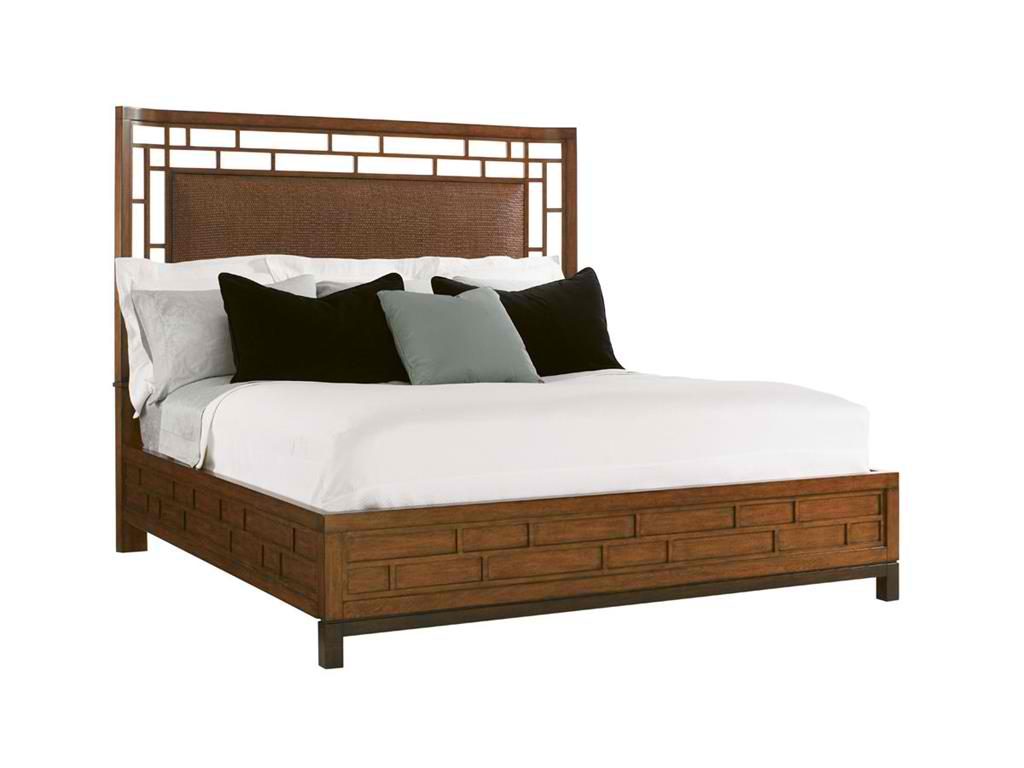
Tommy Bahama Home Bedroom Paradise Point 5.0 Queen Bed 536-133C
People these days live fast-paced lives with most living in an urban lifestyle. It helps when you do come home to a wonderfully peaceful place, doesn’t it? Not a lot of home designs can give you that feeling. If you want to feel unruffled, then you might want to look into Asian interior design.
Embracing the Asian theme is a lot more than adding distinct décor. It requires precision and care as well as a careful thought process that would allow you to do away with unnecessary additions.
Asian design, at its very core, is a melting pot of various styles coming from different Asian regions. This could be Chinese, Japanese, Indian, and many others. For many designers, though, the theme is dominated by a lot of Oriental influences originating from the Far East, centuries ago.
It’s time to incorporate the wonderfully Asian elements in your home while keeping the contemporary vibe –
The Asian Backdrop
Asian designs are greatly inspired by Mother Nature’s colors. The décor often mimics beautiful landscapes and natural outdoor elements. Since this is so, your best bet in achieving Asian interior design is to be as neutral as possible.
Having a neutral backdrop does not automatically mean that your only option is white. You can have the understated calmness of blue, or the elegance of gray, even the gentleness of cream. Just keep in mind that the backdrop has to be soothing and relaxed.
If you want to stage a more mystical look, then you can add some subtle blacks. Another wonderful option is to fuse a neutral backdrop with some golden tones that evoke a majestic flair. You’re in good hands with gold tones this season because they are absolutely hot. Very few colors can be classified as a fashionable hue.
Asian Textural and Visual Balance
When planning for Asian interiors, it would help if you keep the word balance in your head. This is a term that you will encounter many times yet there is not overstating the importance of this oriental design aspect.
Balance is the key to the definition of Asian interiors. You need to harmonize the textures and elements all around you. If you have a concrete home, it would pay to add glass partitions, some wooden floors, stone décor, and bamboo blinds.
Organic texture is also welcome.
Asian and Water Features
Equilibrium can be achieved with the use of a simple water feature. The mere sound of flowing water ushers in the simple, calming effect in every Asian style.
Water is an element that is considered positive. The Feng Shui makes good use of this element so it would be great to have a water feature right by your home’s entrance, the living area as well as the backyard. Reflecting pools are also amazing additions.
If you are looking into adding a more unique water feature, then why not try a koi pond? This still adds the needed fluidity while giving you a spectacular view of the school of koi fish each time that you go to your front or backyard.
Asian Style Means Chinese, Japanese, Indian, etc…
The fusion of different styles in Asian interior design could be tricky to realize if you want to have each element brought in. It is crucial to know every style as well as the distinct elements that go in each. Japanese design, for instance, is minimalist, always focusing on the essence of Zen.
Chinese, on the other hand, uses a lot of colors from jade, to purple, to reds, yellows and golds. Opulence is the keyword in Chinese interior design.
Indian design is even more colorful. Use deep reds, oranges, blues and greens, even lots of yellows.
Lastly, Asian interior design is all about being organic and sustainable in all of the elements. Replace the traditional lighting fixtures, window treatments, and such and you should be fine.
Tags: Asian furniture, Asian interior design, Asian interiors, Asian style, bamboo, Chinese design, Chinese style, decorating with bamboo, Indian, Indian interior design, Indian interiors, Japanese design elements, Japanese interior design, Japanese interiors, Japanese style, McCreerys, McCreerys Home Furnishings, water elements, water feature, Zen, Zen design, Zen home, Zen interiors, Zen living, Zen style, Zen-inspired home
Posted in Interior Design 101, Interior Design Elements | No Comments »
Friday, March 25th, 2016
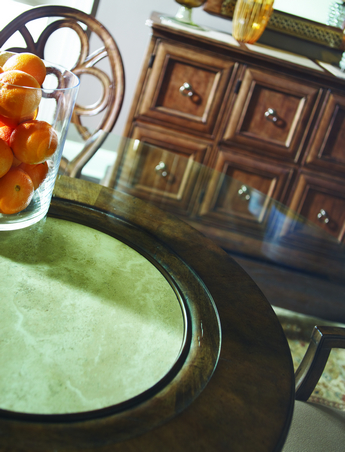
FFDM Sunset Canyon Collection: The colorful oranges provide a necessary deviation from the warmth of the wood and the neutral tabletop.
Using the Zen theme in your home means you have to understand the principles behind it. You can begin with shibumi which is an ideal. Its definition is not clear in Japanese but it can be used for experiences and objects that exemplify both everything and nothingness. Based on this, a Zen theme spells elegance and simplicity. It is an understatement and it is also excellent.
Shibumi, as spoken by James Michener in his novel Iberia, can be understood in the context of writing, art, or of any true work of art.
Shibumi has seven principles – austerity, simplicity, naturalness, subtlety, asymmetry, breaking from routine, and tranquility.
Austerity: Koko
This focuses on omission, exclusion or restraint. This means that you should not add any interior design aspect that was not necessary to begin with.
Simplicity: Kanso
This emphasizes the beauty and downplays utility or anything that is fanciful. The effects are neatness, freshness and cleanliness. The lesson here is that you should eliminate anything that does not have any use; instead, you should make room for ideas that work.
Naturalness: Shizen
This means you can use interior design concepts that are one with nature yet divergent from it. The essence of shizen can be captured in furniture that aims to recreate the sunset, light filtering through the beautiful trees, or the shadows of various passing clouds.
Use naturally occurring patterns in nature, as well as rhythms into your interior design.
Subtlety: Yugen
This principle explains that anything that’s finite is an enemy of nature. This implies the loss or stagnation of life. People’s curiosity is piqued when they see an interesting object just once. The world hypes everything from products to services yet when silence counters the usual hype, the former almost always wins.
Asymmetry: Fukinsei
The natural world is symmetrical but this symmetry can also be achieved in imperfect renderings. The viewer then tends to supply the absent symmetry then participates in the art of creation. This means that interior design does not have to depend on you all of the time. You can also seek the help of friends or relatives to co-create with you. You must be open for ideas that can produce necessary innovations.
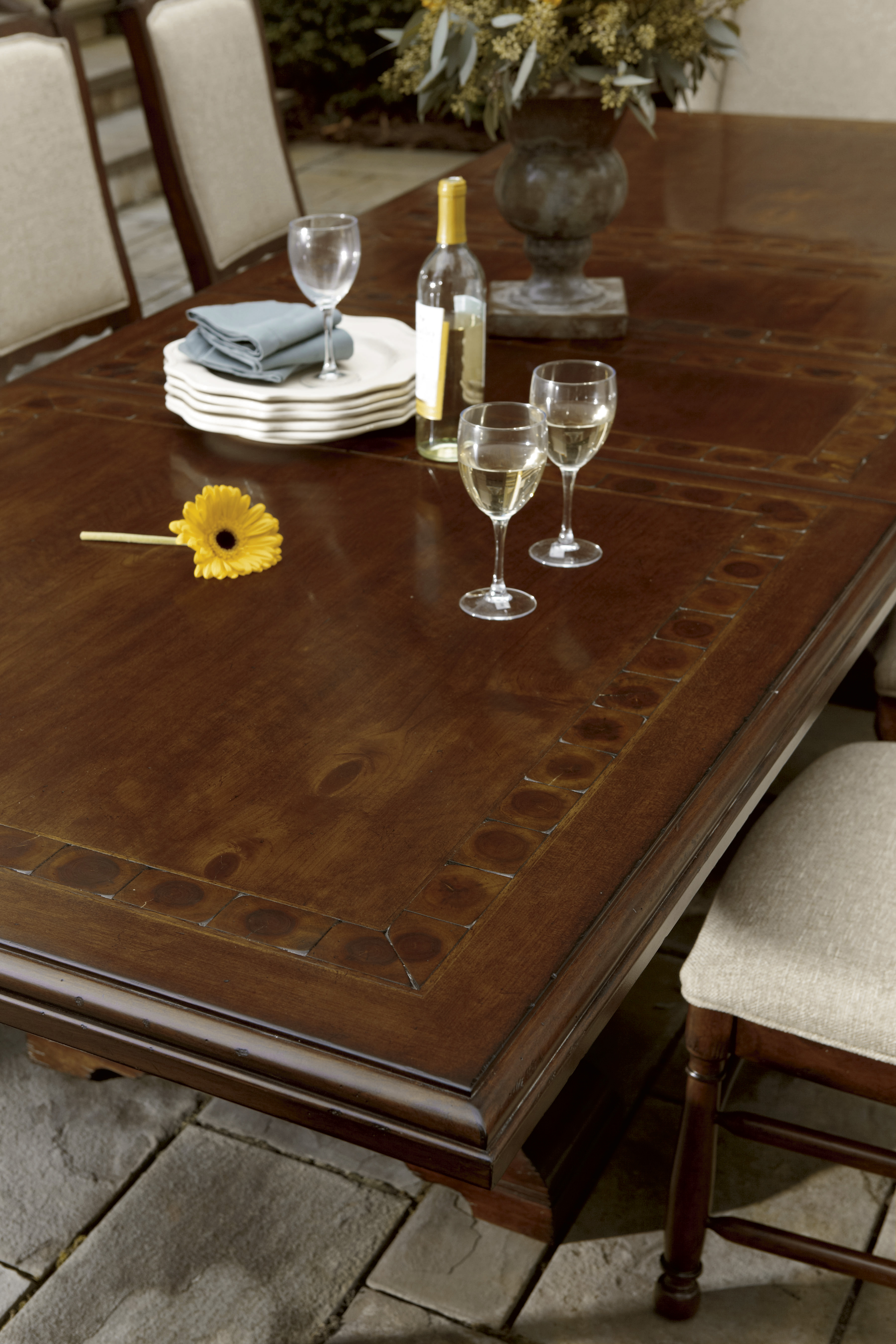
FFDM Harbor Spring Collection: Flower arrangements in vases give character and a sense of serenity in a traditional dining room.
Breaking from Routine: Datsuzoku
This principle implies rest from convention. Patterns that worked in the past that have been used by different designers can – and should – take a rest, too. This interruptive break can work well in your interior design if you give it a chance.
Tranquility: Seijaku
Lastly, there’s stillness or tranquility. Those who practice Zen living know that the state of calmness or quietude is the very state where energy is created. This is the meditation phase which can up one’s self-awareness and focus.
The lesson here is that you should do something than left doing nothing.
Your home should be the first place in the whole wide world where you feel most calm and peaceful. There is nothing better than a Zen-inspired home to promote these positive feelings of serenity. If you still have no idea how this looks like, just picture the Zen Gardens in Japanese websites, magazines or photos.
Going Zen does not automatically mean that you have to resort to traditional style, though. Zen could also be contemporary with the right elements. For instance, Zen is epitomized in a room where floor cushions are scattered all around a low table. This can serve as an Oriental dining area, a unique place to enjoy meals with your family. The dark contrast of a table against a warm cream setting should be enough to evoke feelings of balance and stillness.
Tags: asymmetry, balance, designing with nature, McCreerys, McCreerys Home Furnishings, nature, nature in interior design, nature-inspired design, nature-inspired home, Zen design, Zen home, Zen interior, Zen interiors, Zen living, Zen style, Zen-inspired home
Posted in Interior Design 101, Interior Design Elements, Interior Design Themes | No Comments »
Tuesday, February 23rd, 2016
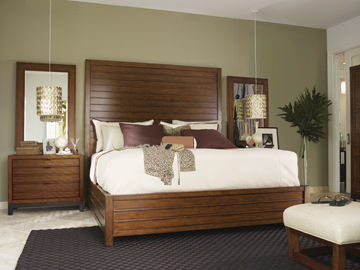
Tommy Bahama Home Bedroom Marquesa 6.0 California King Bed 536-175C
Picture this – a pair of Buddha greets you when you come home from work. Known as the welcoming Buddha, statues such as these are being collected all over the world. Build around these decorative elements by mixing and matching different Asian vibes throughout the rest of your urban home.
We may live in the West but it is common to find both Chinese and Japanese decor in many homes. As opposed to overstuffed rooms, Asian interiors showcase clean lines and a simplified look. Asian interior design has been around for many centuries but the increased use of this style in many Western homes may be attributed to western people travelling to the east. This global influence in design brings about a different level of visual impression upon the beholder.
Asian Interior Design Is All About Balance
Traditional Asian interiors focus on the philosophy of balance. Elements of nature are effectively balanced with deep, rich tones, all working in harmony to give you that positive flow and a feeling of calm.
While there are many Asian nations which have their own distinct design elements, there are general features that can be categorized as Asian. The shiny beauty of black and red lacquer is obviously Asian. This is achieved through layering of paints till a glossy finish is seen.
Bamboo furniture is also quite popular whether it is the real wood or another type that is carved to look like the real stuff. The Chinese are also known for their love for silk and flowers so go ahead and use floral patterns such as cherry blossoms in your decorative elements.
Add more decorative accessories like hand-painted silk screen or a lacquered jewelry box.
You wouldn’t want to go wrong with the Asian interior design. Without the needed balance, it can look forced and would not highlight an ethnic look.
Begin your Asian design by investing in a few pieces of furniture, garden accents, wall decor, and other accessories. Owning two or three items can already elevate the Eastern vibe inside your home. Remember that you need to be restrained as you design your home with Asian elements. Asian decor is easily recognizable so there is no need to overdo it. Your goal is not to set up an Asian museum right inside your home but a place where the Asian elements are woven carefully to the rest of the existing decor.
Alter the overall ambiance by hanging a simple Chinese scroll on the wall. Add some bold red pillows on your sofa, set up an Oriental rug, and connect the rest of the patterns and texture to your concocted design.
If you have a modern minimalist home, then you can resort to the Japanese interior design instead of the usual Chinese look.
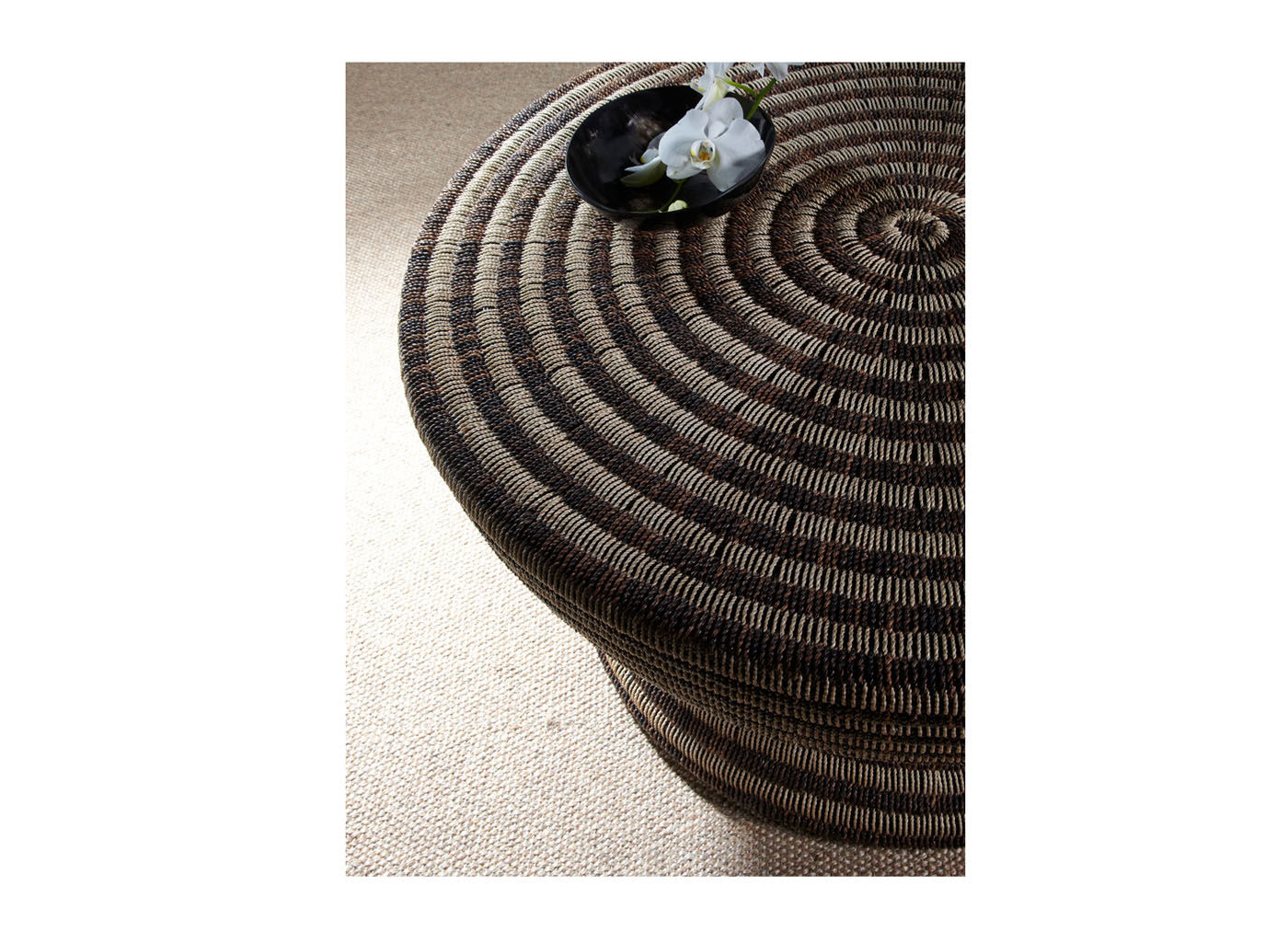
Artistica Living Room Bento Round Woven Cocktail 528-240 can increase the tribal feel in any room.
Asian Interior Design Means Zen
There are many words to describe the Japanese version of an Asian interior. The words peaceful, calm and serene all come to mind. Common characteristics in Japanese interior design include –
Asymmetry. Asymmetry and balance can never be separated. Achieve this element in your home by installing a vessel sink, pendant light and mirrors. Add an interesting flower arrangement to complete the look.
Nature-inspired. Expect to find flower arrangements, art scrolls made with wicker, falling water, and decorative pebbles. Blond wood planks are also quite common.
Clean Lines. Modern Asian bath features streamlining, block cabinets, and a generally uncluttered appearance. The circle is also a common motif as it represents the flag of Japan. Enso, meaning circle in Japanese is associated with enlightenment and Zen.
Since clean lines are encouraged, minimum furnishings is required. It’s right for a single light to illuminate the bathroom, for instance. Simplicity is key to setting up Asian interior design using the Japanese theme.
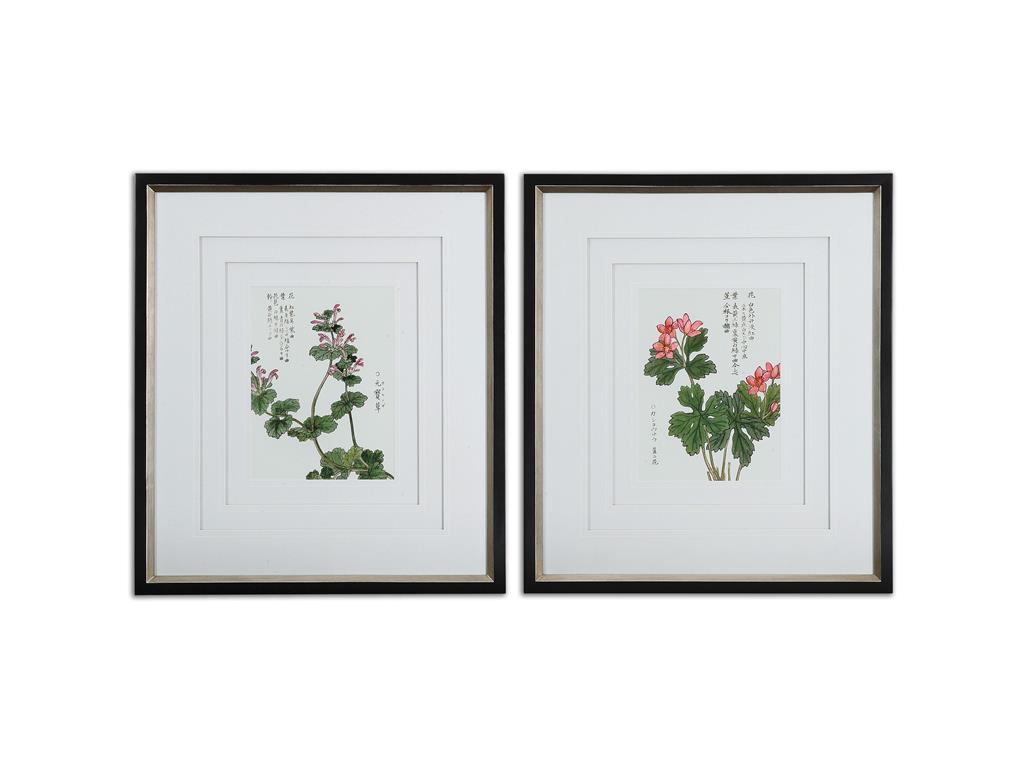
What is Asian interior design without a little art? This photo features the Accessories Uttermost Asian Flowers Framed Art Set2 41513
Tags: Asian interior design, Asian interiors, Chinese interior design, ethnic interior design, ethnic interiors, ethnic style, Japanese interior design, McCreerys, McCreerys Home Furnishings, traditional, traditional interior design, traditional interiors, traditional style, traditional theme, Zen, Zen design, Zen habitat, Zen interiors, Zen style, Zen-inspired home
Posted in Interior Design 101, Interior Design Themes | No Comments »
Follow us on our social media


© McCreery's Home Furnishings | All Rights Reserved | Privacy Policy
