- Follow us:


Thursday, June 1st, 2017
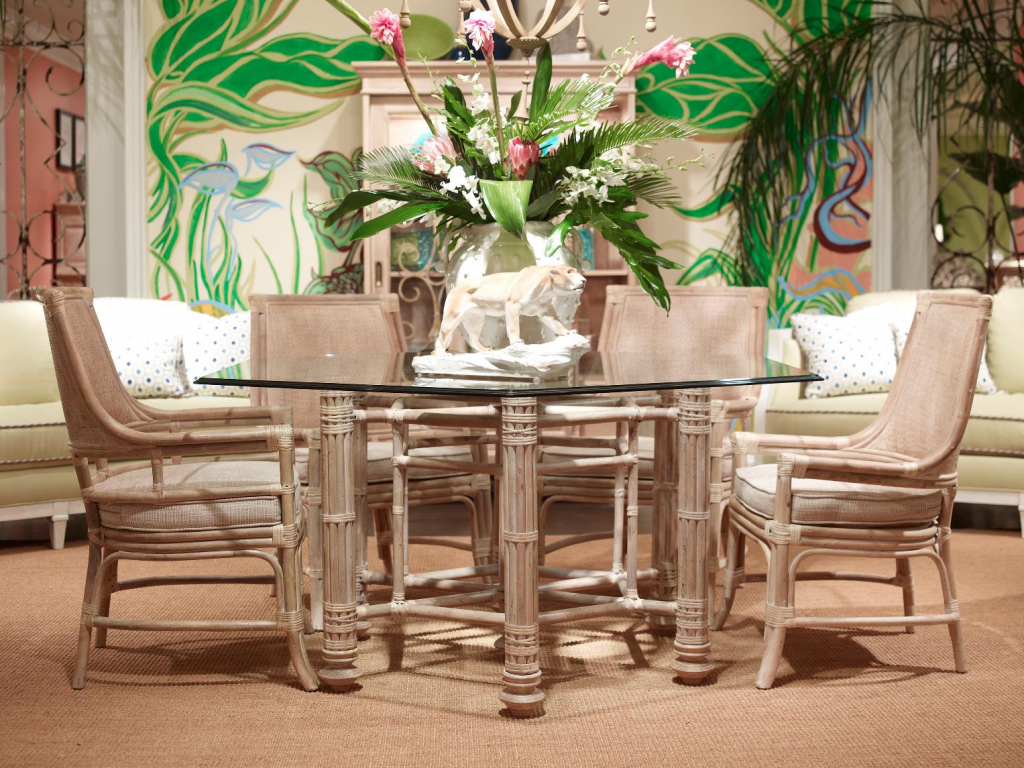
Palm Island’s Beachcomber Bamboo Dining Arm Chair
If you will ever travel to China, you will observe that the materials and crafts used in furniture making and the arts are made of endemic stuff such as porcelain, silk, stones, clay and bamboo. Bamboos, in fact, have an awesome amount of uses in the textile industry, art, calligraphy, paper making, and furniture manufacturing.
Bamboo grows in abundance in China especially in the eastern and southern parts of that country. This is no less than the largest type in the grass family. It is characterized by its woody, long stems.
These are the very properties that make bamboo a mainstay in Asian craftsmanship. For over a millennia now, bamboo has been known for its tensile strength. Compare it with steel and it automatically becomes a great competitor.
Bamboo is so limber that it will only split under a massive amount of force. Yet you can strip it and be woven to create the most beautiful furniture, bags, chopsticks, flutes, and just about any other work of art that you can think of.
Industrialized materials may become quite boring. If you’re one to feel that way, then the bamboo or Asian-inspired theme is a perfect getaway for you.
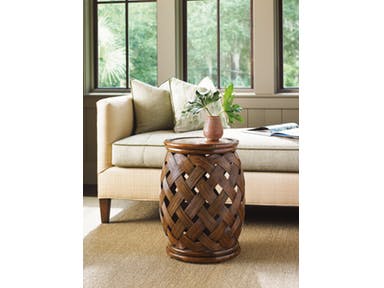
Tommy Bahama Home Living Room Hibiscus Round Accent Table 593-953 is an interesting addition in this summery living room.
Rediscover Bamboo
Since the late 1800s, the British have been using bamboo to manufacture bicycles because of its strength and tubular shape. It is no surprise, therefore, that the furniture industry also loves this material.
Furniture artisans and interior designers, these days, prove that bamboo still has a home even in a contemporary home. This material has been used in the creation of both large and small furniture. The great news is, it is also sustainable so you won’t have to worry about Mother Earth being hurt in the process.
Since it is eco-friendly, you won’t feel guilt in using it in abundance in your home. So go ahead and use it as a decorative panel or screen. These work wonderfully in any space that you can think of. They also come in different styles, shapes and sizes.
For the ultimate natural look, use mature bamboo canes as an assembled room divider. This floor to ceiling wonder will surely be the subject of many convos with your friends.
Bamboo may also be used as green blinds. These window shades will have a delicate and natural appearance. And since they are known for their durability and resilience, you won’t have to worry about replacing them anytime soon. Also, you get the added benefit of having light control.
Bamboo can also be a natural accent. A bamboo-framed mirror, for instance, is a surefire eye delight. How about a bamboo coffee table? These pieces are all that you would need to make the room more interesting. They are also the pieces that will totally revamp your interior design.
If you have light-colored walls, then you can effectively use bamboo flooring to frame this fresh look. This should open up the living areas further. Just be sure to consult with an eco-friendly interior designer so that you can ask about the right kind of treatment for such kind of flooring.
As for the kitchen countertops, who can stop you from using bamboo there? Whether you are trying to achieve a cozy farmhouse or a natural culinary space with stainless steel pieces, bamboo will find a home in your kitchen.
The goodness of bamboo does not end yet. Its sensational yet serene look can also give your bathroom the needed facelift. In 2015, bamboo was such a huge thing in bathroom design. It hasn’t stopped in being popular especially in homes that would want to infuse a spa-like serenity inside their bathrooms.
All these – and more – can be yours if you decide to redesign your home with bamboo this summer.
Tags: bamboo, bamboo furniture, bamboo interiors, decorating with bamboo, McCreerys, McCreerys Home Furnishings
Posted in Accents, Furniture, Interior Design 101, Interior Design Elements, Interior Design Themes | Comments Off on Why Designers Love Bamboo
Tuesday, September 27th, 2016
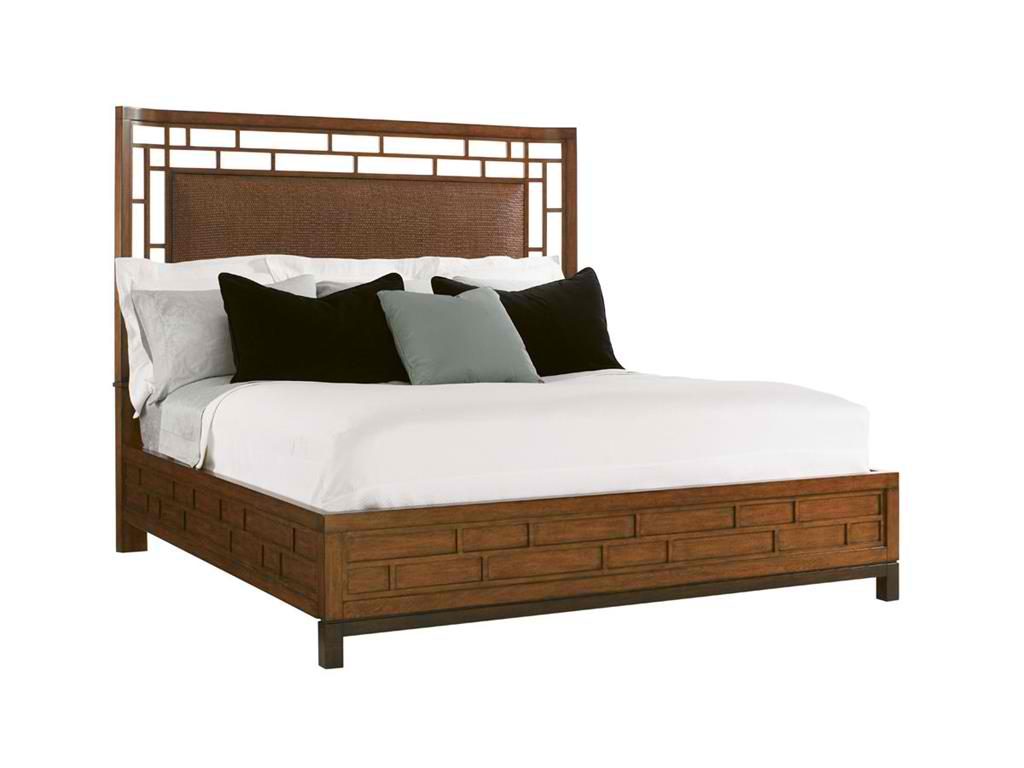
Tommy Bahama Home Bedroom Paradise Point 5.0 Queen Bed 536-133C
People these days live fast-paced lives with most living in an urban lifestyle. It helps when you do come home to a wonderfully peaceful place, doesn’t it? Not a lot of home designs can give you that feeling. If you want to feel unruffled, then you might want to look into Asian interior design.
Embracing the Asian theme is a lot more than adding distinct décor. It requires precision and care as well as a careful thought process that would allow you to do away with unnecessary additions.
Asian design, at its very core, is a melting pot of various styles coming from different Asian regions. This could be Chinese, Japanese, Indian, and many others. For many designers, though, the theme is dominated by a lot of Oriental influences originating from the Far East, centuries ago.
It’s time to incorporate the wonderfully Asian elements in your home while keeping the contemporary vibe –
The Asian Backdrop
Asian designs are greatly inspired by Mother Nature’s colors. The décor often mimics beautiful landscapes and natural outdoor elements. Since this is so, your best bet in achieving Asian interior design is to be as neutral as possible.
Having a neutral backdrop does not automatically mean that your only option is white. You can have the understated calmness of blue, or the elegance of gray, even the gentleness of cream. Just keep in mind that the backdrop has to be soothing and relaxed.
If you want to stage a more mystical look, then you can add some subtle blacks. Another wonderful option is to fuse a neutral backdrop with some golden tones that evoke a majestic flair. You’re in good hands with gold tones this season because they are absolutely hot. Very few colors can be classified as a fashionable hue.
Asian Textural and Visual Balance
When planning for Asian interiors, it would help if you keep the word balance in your head. This is a term that you will encounter many times yet there is not overstating the importance of this oriental design aspect.
Balance is the key to the definition of Asian interiors. You need to harmonize the textures and elements all around you. If you have a concrete home, it would pay to add glass partitions, some wooden floors, stone décor, and bamboo blinds.
Organic texture is also welcome.
Asian and Water Features
Equilibrium can be achieved with the use of a simple water feature. The mere sound of flowing water ushers in the simple, calming effect in every Asian style.
Water is an element that is considered positive. The Feng Shui makes good use of this element so it would be great to have a water feature right by your home’s entrance, the living area as well as the backyard. Reflecting pools are also amazing additions.
If you are looking into adding a more unique water feature, then why not try a koi pond? This still adds the needed fluidity while giving you a spectacular view of the school of koi fish each time that you go to your front or backyard.
Asian Style Means Chinese, Japanese, Indian, etc…
The fusion of different styles in Asian interior design could be tricky to realize if you want to have each element brought in. It is crucial to know every style as well as the distinct elements that go in each. Japanese design, for instance, is minimalist, always focusing on the essence of Zen.
Chinese, on the other hand, uses a lot of colors from jade, to purple, to reds, yellows and golds. Opulence is the keyword in Chinese interior design.
Indian design is even more colorful. Use deep reds, oranges, blues and greens, even lots of yellows.
Lastly, Asian interior design is all about being organic and sustainable in all of the elements. Replace the traditional lighting fixtures, window treatments, and such and you should be fine.
Tags: Asian furniture, Asian interior design, Asian interiors, Asian style, bamboo, Chinese design, Chinese style, decorating with bamboo, Indian, Indian interior design, Indian interiors, Japanese design elements, Japanese interior design, Japanese interiors, Japanese style, McCreerys, McCreerys Home Furnishings, water elements, water feature, Zen, Zen design, Zen home, Zen interiors, Zen living, Zen style, Zen-inspired home
Posted in Interior Design 101, Interior Design Elements | No Comments »
Follow us on our social media


© McCreery's Home Furnishings | All Rights Reserved | Privacy Policy
