- Follow us:


Monday, April 16th, 2018
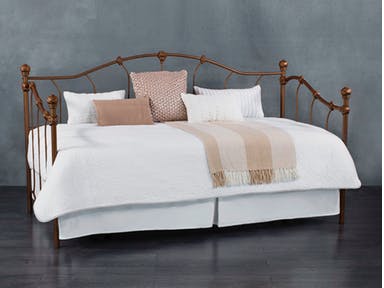
Wesley Allen Bedroom Woodley Day Bed 4185
If you’ve fallen in love with the red-brown metal with a shiny coat, then you probably have a few copper pieces in your home. The year 2017 was a huge year for this type of metal that’s mined in open pits. The world of interior design isn’t quite finished with this charming metal just yet. So don’t be surprised if you will see a glimmer or two of copper accents this year.
Copper has been used in home and building décor for thousands of years. This is an element that’s a known conductor of electricity. But it’s not just a piping or wiring material. It is so malleable and it offers a lovely red-orange shine when properly polished that it can transform interior design in a snap.
The Copper Kitchen
It is still fancy to decorate with farmhouse faucets as well as stove hood vent. The shiny rose finish is what makes this metal an awesome addition to your kitchen. And what’s a kitchen without the polished pots and pans, right? Have them all on full display.
These pots are no longer just functional, they also become decorative in the process. These pieces effortlessly give your kitchen a rustic look. Just make sure that you maintain the gleaming finish so that the style stays, too.
But don’t just limit your kitchen to just the copper pots, pans, and faucets, though. There is a lot more to copper than just these stuff. You can also go further with a copper-colored sink. You can also use copper-clad glasses, mugs, decanters, and corkscrews.
Copper kettle, anyone? Do away with the stainless steel and go for something more exceptional.
Remember that each piece is timeless but if you want copper to be the star of the show, then have a copper countertop installed. You will have the benefit of having a bacteria-free countertop since copper is biostatic. This unique countertop is sure to become a vivid complement to the décor in the kitchen (or even the bathroom if you’re using tiles).
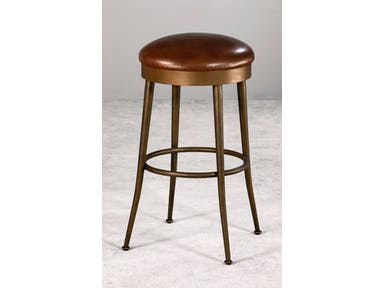
Wesley Allen Bar and Game Room Bar Stool B203H24B
The Copper Pendant
Quality lighting has the power to make or break a home’s design. The initial step in looking for the best lighting for a home is to decide which kind of lighting fixture to install. More and more homeowners are buying pendant lighting because of their beauty and versatility.
Pendant lighting can be used in either contemporary or traditional homes. This is the perfect accent to cap the look in a room. It can be hung high or low and it has a lot of options.
Copper pendant lighting is best in illuminating areas that need concentrated lighting. It is not harsh to the eyes because it is both decorative and easy to look at. Even the moodiest room will look attractive with any copper pendant.
If the pendant light is a little too decorative for you, then you can also opt for the glow of the bedside lamp. The copper-inspired table lamp can be placed on a dining room buffet, by the bedside, and the living area.
The Copper Accents
If you long to give your space a dose of style that is far from overpowering, then copper can be your go-to element. You can add some glossy, copper candelabra or some copper terrariums. What about a metal-inspired pillow?
Copper can make your room appear more stunning. Just incorporate a copper accent or two. A lot of copper pieces isn’t good, too, as they could make the room look like a metal shop. Use some copper wall décor such as pressed tiles, plaques or some copper-lined mirrors. These will surely bring out the warmth in the room.
Tags: copper, copper decor, copper elements, decorating with copper, McCreerys, McCreerys Home Furnishings
Posted in 2018 Trends, Accents, Color Schemes, Interior Design 101, Interior Design Elements, Interior Design Themes | Comments Off on Why Copper Still Works This 2018
Sunday, April 15th, 2018
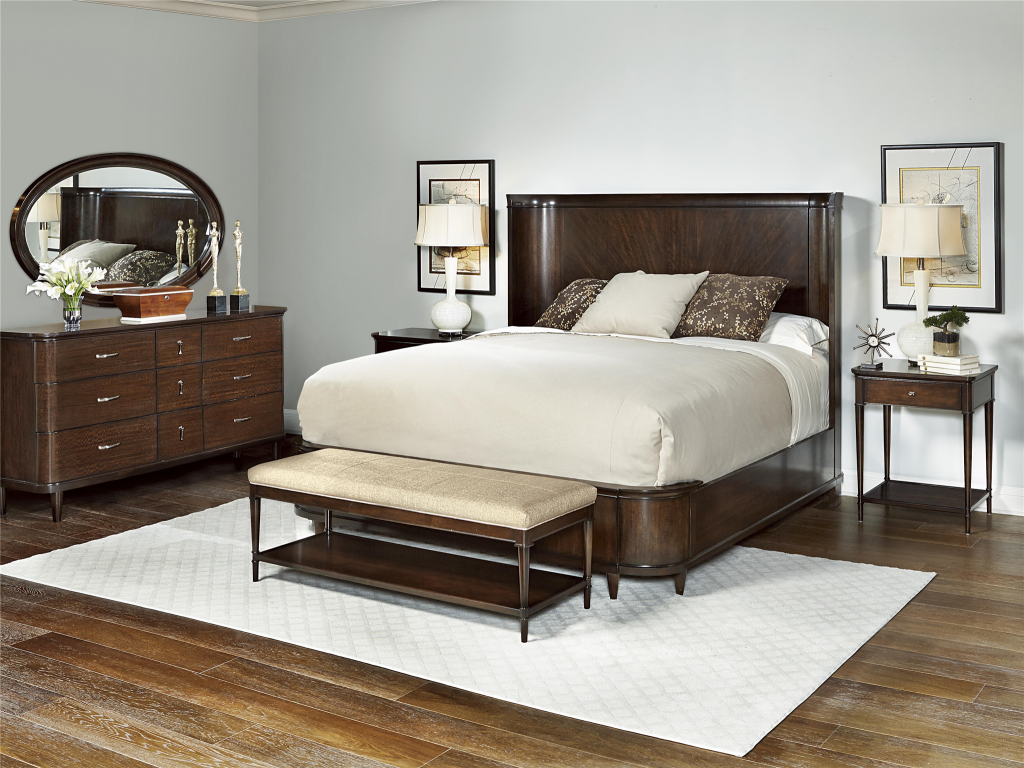
Featured here is the Cadence Collection’s Vivi King Panel Bed. Notice how this piece stands out because of the neutral paint shade that was used.
Face it – choosing the right color for the walls or ceilings of your home is important but it is a task that can be daunting. That shade which you eventually pick to paint your walls with is a huge part of the interior design. This is the color that can also become the anchor element throughout the design.
Choosing the right shade is not easy, though. There are many options to begin with and each one is unique. For a lot of homeowners, this dilemma on color choice is what hampers their design project.
No worries, your design problem is about to end. Here are some tips –
Begin with Textile Purchase
People often think of textiles as the finishing touch of an interior design. You may also think that it is counterintuitive to follow this tip but one of the best ways to ascertain that the paint will fuse with the rest of the design is to buy fabrics and use them as the design inspiration.
Just think of it this way, if you buy the paint first, you could end up with just a few fabric options in the end. Yet if you base the color palette on a fabric, then you are likelier to find coordinating shades to go with it. If you’d take the time, you could even ask home improvement shops to mix a distinctive shade especially for your home.
Begin your design project by building from one piece which can easily catch people’s attention. One of the best options is to use patterned items. These already use different shades which can also become the basis for your eventual color palette.
Anchor on Nearby Spaces
Have you ever walked into a house and felt that the wall color is simply out of place? And when you moved from one room to the next, did it feel like you’re still in the same house or it’s like going from one different dimension to another?
Be able to set up your home in such a way where there is a place where your eyes rest now and then. Don’t be overwhelmed with the need to design. Give every room a distinct look and color but do not forget the element of cohesion.
Paint is your unifying element so before you pick a specific shade, think of how it would look with the current interiors. Every hue must work in harmony but you must also remember how to effectively transition from one room to the next.
Use Correct Lighting
Whether you agree or not, lighting has a huge impact on the way a room generally looks. Every light temperature uses a color undertone, the very reason why rooms look different during the day than during the night.
Since light is so important, be sure to pick a fixture that can help illuminate the room at any time of the day. It would be more helpful if you can have windows or a skylight set up so that more natural light could come in during the day.
Test the color by having a sample made for you at an improvement store. As you go home, paint just some small sections on the walls. Be sure to check the color as the day progresses. If the color makes you happy on both natural and artificial lighting, then that’s the color that you must pick for your wall color.
Consider the Finish
Do not make the mistake of overlooking the finish. Just as important as picking the shade itself, you also need to think how the finished product would eventually look like. Take this into account as you decide.
Your options include eggshell finish, flat, stain, semi-gloss, and high-gloss finish.
Tags: choosing paint, McCreerys, McCreerys Home Furnishings, paint, picking paint color, shopping for paint
Posted in Color Schemes, Interior Design 101, Interior Design Elements | Comments Off on Perfecting Paint Shopping
Saturday, April 14th, 2018
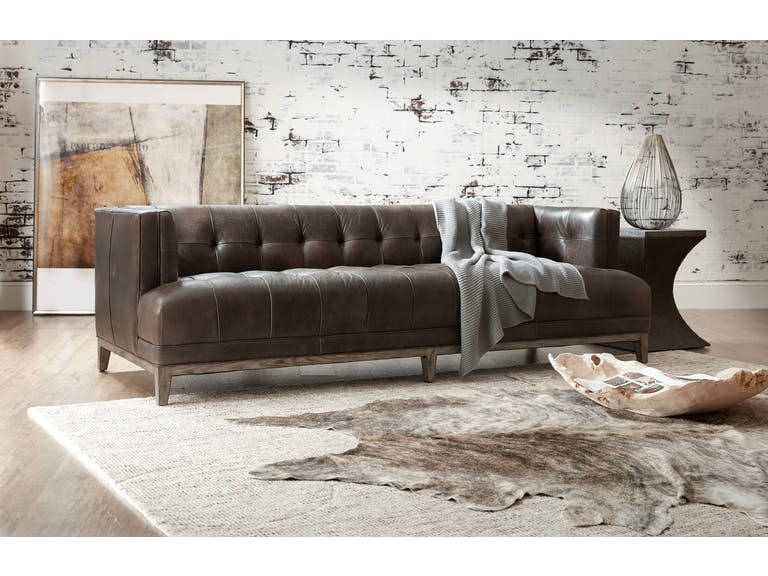
Hooker Furniture Living Room Citizen Stationary Sofa: Can you identify the layered elements in this room?
The success of interior design is all about getting every element right. Each piece must be able to work with the other pieces while still being able to stand on its own. This entire process is what’s known in the design world as layering. You might wonder why it is not included in the principles of design since it plays a huge role in making a room stand out.
Bringing your home to the next level in terms of design is all about incorporating the correct layers. This is a process that can be learned and followed.
It’s Not All About Clothing
People have a tendency to think about clothing when the word layering is brought up. The world of fashion design considers layering as a dynamic step. The mere addition of a scarf or a necklace can make a huge difference in the ensemble. Clothing is no longer merely utilitarian.
Interior design is no different. Make time to consider the different elements that are used to pull a room together. Each of these design elements plays a distinctive role but altogether, they also need to work to establish harmony.
Layering is the very act of building a room from the flooring all the way up to the ceiling. It is all about taking every design element and putting them to form cohesion. Layering is no less than the secret ingredient to adding depth to spaces.
Design Elements to be Layered
Now that you know what layering means, your next step is to use it to your advantage. To layer effectively means you need to know the function and value of every component that is placed in every room.
The wall covering, for instance, has the wallpaper or the paint as a means to layer. Flooring options include vinyl, wood, and carpet. Tables, chairs, and beds are examples of furniture that can be layered (e.g. the bed can be dressed up using bedding, pillows, pillowcases, duvet, etc.
You can also layer with textiles such as area rugs, blankets, bedding, and pillows. Go ahead and layer the table lamps, overhead lights, and ambient features. As for decorative items, use coffee table books, photos, mirrors, artwork, and flowers.
Consider each of these elements as a separate layer. Every single one of them is a crucial part of the design and, thus, must be taken as a part of the room. Remember to build the room by carefully adding layers at a time.
Use Contrast
Layering is seen to be more effective when it is accomplished with different materials. The beholder must be able to differentiate the key pieces. To effectively separate each piece, you have to learn to use contrast.
Contrasting helps in making your design stand out. This is not a one-size-fits-all type of thing, though. There are also several elements that you need to use to make it happen.
First, you can use colors. Pick opposite shades using your color wheel. As for patterns, be sure to pair the bold designs with a block color. You can also contrast metals with some natural materials. Also be able to juxtapose soft and hard stuff or rough and smooth ones. As for the size, group the small and big items together.
Use Common Threads
Contrast is important but it is only successful when you know the common elements that tie them. Without these things, the room would feel cluttered rather than busy. Layers should be similar enough so that they feel purposeful and deliberate.
As you create each unique layer, think about contrast and commonality. All the others elements should be harmonized. That’s all there is to it.
Tags: layering, layering in interior design, layers, McCreerys, McCreerys Home Furnishings
Posted in Interior Design 101, Interior Design Elements | Comments Off on What Is Interior Design Layering?
Friday, April 13th, 2018
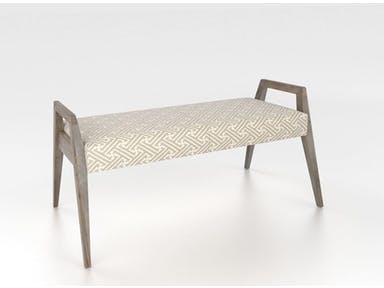
Can you imagine how this Canadel Living Room Upholstered Seat Bench can make your porch look more welcoming?
Porches are well-known in American history. These are structures in homes that are often associated with outdoor fun and spending time with family. Back in the day, though, the porch is a physical structure that’s literally attached in front of a residence.
The porch is a roofed, low structure that is located at the entrance of a building or a house. This does not have windows but is actually an outdoor encasement. This can also be screened depending on the homeowner’s preference and the area’s extreme weather conditions.
Purposes of a Porch
Porches were built in the early 1900s. Its purposes include –
The porch is also known as the sun portch, balcony or patio.
The front porch is one of the few elements that welcome your visitors to your home. This is pretty much the first impression that you can give so you would want to give it much thought. This can be your family’s next DIY project or you could hire an expert to do it for you.
A porch project must never be short-changed. You can begin by knowing how this part of your home will be used. A few porches are like small portals to the house so people don’t even give it a double-look. Don’t get into this same notion or, worse, ignore this space and turn it into a storage area.
The porch must echo the overall theme. Since this is technically the transitional spot, it must help create harmony. Simply put, you should not decorate your porch with beach accents if you have a traditional home.
The High-Gloss Front Door
Paint your front door with a new coat of high-gloss color. Choose a hue that pops from the foreground. A white house would do well to have a welcoming red door. If you have a mainly gray home, then the door would be a perfect shade of UltraViolet (the Pantone Color of the Year).
The Hardware Change
Change the welcoming look of your home. If the house numbers are already falling off, then have them replaced. Add a beautiful door knocker especially when you opted for the classic look.
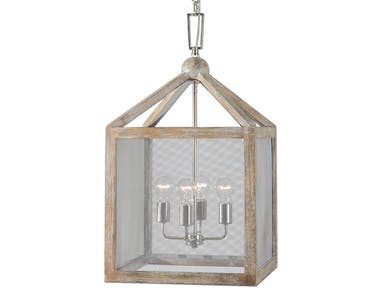
Uttermost Lamps and Lighting Nashua 4 Light Wooden Lantern Pendant: Lighting is also an indispensable element of any porch design.
Furniture Placement
It would be nice if you would buy furniture pieces that would transform the overall look of your front porch. Be able to arrange these pieces right where they make the most sense. Even small and seemingly useless pieces can have a huge impact. Keep everything cozy.
Choose a loveseat with upholstery that’s suitable for the outdoors instead of the usual plump piece. You can add two comfortable chairs on each side and a coffee table in the middle to complete the look.
Adding smaller pieces to your seating arrangement can make your porch look like an appealing living space. You can also add an accent piece such as a colorful ottoman or a unique accent table. Just be careful with your furniture additions or you would be adding too many unnecessary pieces.
If the porch is huge enough, still, do not give in to overstuffing it. A workaround to this is to break down the area into small zones. Find a long piece like a counter or an outdoor table as a divider of sorts. Face the couch away from the dining area so that it becomes an obvious section for conversations while the dining set has a zone of its own.
Tags: decorating the porch, designing the porch, McCreerys, McCreerys Home Furnishings, porch, porch design elements, porch style
Posted in Outdoors Style | Comments Off on Sprucing Up Your Porch in 3 Easy Steps
Thursday, April 12th, 2018
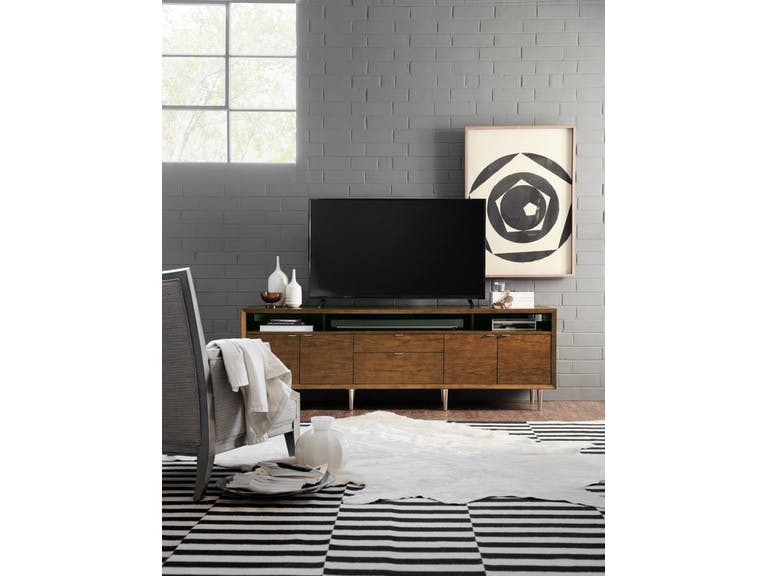
Hooker Furniture Home Entertainment Entertainment Console 84in
Have you ever wondered how minimalism actually began? Visually, it is a simple theme but it can also still be charming and full of personality. If you want to learn how minimalism actually began, you would be surprised to know that there are many versions. One of these versions is during the 20th century Modernist movement. This movement brought about the use of new materials like steel, concrete, and glass.
There are others who believe that the roots of minimalism started much later in the ‘60s and ‘70s. These were the decades when Ellsworth Kelly and Donald Judd ruled with regard to painting. These revolutionary painters deviated from the Abstract Expressionism to embrace an even more extreme use of geometric shapes.
The timeline for this style may be blurry but it is a theme that continues to charm many homeowners. It has become influential in the fashion industry, architecture, art, interior design, and even music. It is fairly common for people to go gaga over Zen-like spaces nowadays. These spaces are light-filled and airy.
Do not think of minimalism as an era such as Midcentury or Modernism. Modernism is reductive but minimalism is a lot more than this. This is all about creating a precise moment, experience or feeling.
If you want to pull off this look in your own home, then consider these five keys –
Neutral Hues
Minimalist interiors are clean and simple. Your color palette of choice must carry through to your theme. This is the perfect time to use a monochromatic palette. If you don’t want your home to be too stark, then consider the warmer colors.
You have to learn to use variety when you’re designing a space using neutral hues. It is important to add just enough so that there’s variation. You wouldn’t want to have a homogenous-looking space or, worse, a house that’s too boring it can’t even be called a home.
Pick a single shade and establish this as the dominant base color for a room. You can then pick the coordinating secondary hue and then the third color as accent.
Central Furniture
Furniture pieces are the most important elements in a minimalist space. These rooms should be built having function in mind. Make your furniture the focal point. Do this by including a lot of negative space. The fewer pieces to draw the beholder’s attention from the furniture, the more prominent this piece becomes.
Since the furniture is a key piece, you should choose the one that’s worth looking at. Do not be afraid to invest in quality items. While you’re considering both quality and aesthetics, you should also remember that minimalism is also all about streamlining and natural materials.
Fuse Textures
With only a few elements to work with, you need to know which pieces can do a double-duty (pieces that are both functional and visually pleasing). As far as the look of the room, you should consider adding enough variety and your secret weapon here is texture.
Texture is all about visual weight. This is also how space feels and looks. It’s not all about the patterns of the rug that’s considered texture, it is its plushness or softness. The texture is the contrasting point in your space.
The Inconspicuous Storage
Minimalism is also about keeping clutter away and stuff out of sight. If your home now has this lived-in appeal, then it is also probable that you’ve accumulated plenty of stuff. The minimalist space could also become such – but this is one thing that you have to be careful about.
Let hidden storage units become your best friend. Experiment with a few pieces of storage units such as a drawer or some shelves. Set up an organizational system for your entire home.
Pick Accents with Care
Lastly, choose your accent pieces wisely. Don’t be fooled into thinking that minimalist spaces have no need for accessories. The key here is to master the placement of each piece. The best pieces to begin with are the nightstands, bookshelves, and dining tables.
Tags: McCreerys, McCreerys Home Furnishings, minimalism, minimalist design, minimalist interiors, minimalist space
Posted in Interior Design 101, Interior Design Elements, Interior Design Themes | Comments Off on Functionally Minimalist
Wednesday, April 11th, 2018
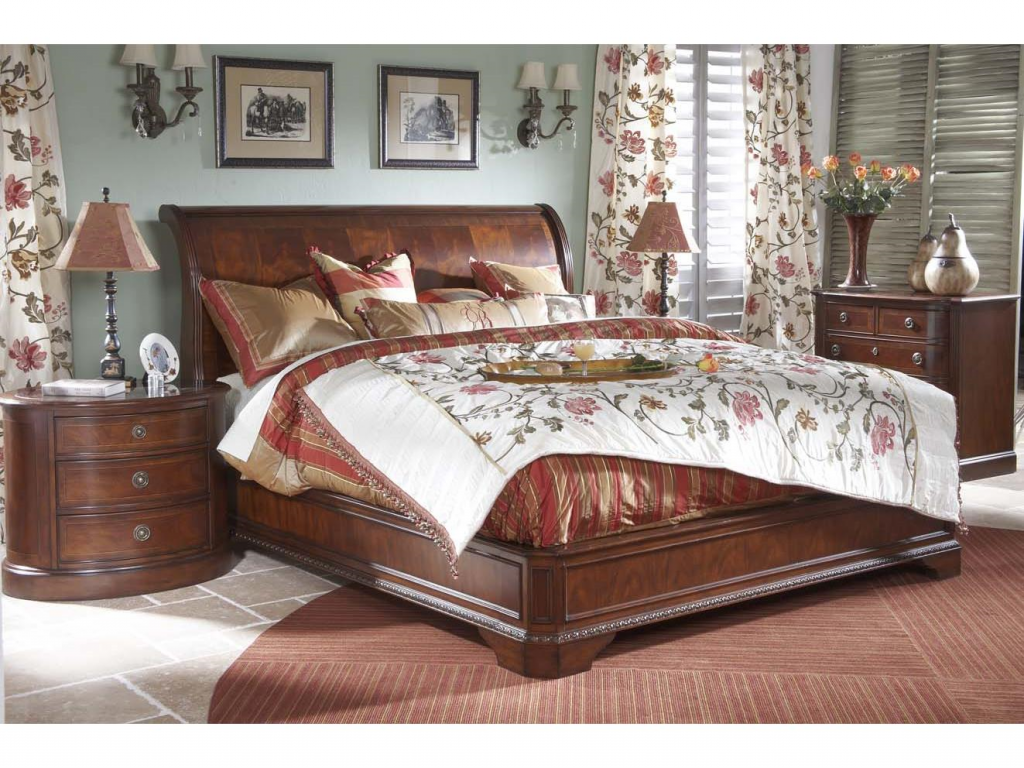
Queen Sleigh Bed from the Fine Furniture Design’s Antebellum Collection: Notice how the area rug is cleverly placed on the stone tile flooring. A combination of two materials is often seen on the most beautiful floors.
Picking the right flooring material to use for your home is a great decision. You see, you have to consider the cost of materials, the schedule on which the project will be finished, and how it will be maintained in the long run. These are the factors that make homeowners reluctant in taking the plunge.
You might have found yourself in a similar situation and so you’re now anxious on how to begin. Here are some guidelines to help you get started –
Consider the Function
You need to consider where and how the flooring will be. Knowing these in advance will help you determine which materials are most suitable for high-traffic areas and which ones are not reliable when it comes to wear and tear.
Let’s begin with vinyl. This is made of synthetic polymers and the color is later added. It is a material that you would want if you want a low-maintenance sort of flooring. This is the natural pick for functional spaces like laundry rooms, kitchens, and mud rooms (a casual space that serves as a place to store footwear).
The tile, on the other hand, is either porcelain or ceramic. It is water-resistant and also easy to clean. This is the typical choice for those who are not enamored with vinyl. Tiles are more aesthetically pleasing, hence, it is used to improve the looks in bathrooms and the kitchen. Stone and wood finishes can also be used in the living area.
Composite or engineered wood is another type of flooring material that often sits under a thin hardwood layer. This can be installed over any kind of subfloor. This is a wonderful material to use in any room that is moisture-free.
Hardwood is no less than the gold standard when it comes to flooring materials. This is as durable as durability could get. If you love traditional and classic themes, then this is the go-to flooring material.
When all else fails, then you can have carpeting installed. This is often made of polypropylene, polyester or nylon. This is the default material for living areas and bedrooms.
Think About Maintenance
There are many homes that have more than one flooring material. Since this is so, you need to know how to take care of the materials that you ended up picking. It is easy to clean up vinyl and tiles. As for wood, you need to be able to sweep away the dirt. As for mold and stains, you need to mop the floor now and then.
Replace the wood every 5-10 years depending on how you maintained the floor. As for carpets, you should know what your manufacturer suggests. Other than this occasional professional cleanup, regular vacuuming would be good enough.
Establish a Budget
Of course, any interior design project must have a set budget. Pick the material that would be suitable for your budget. Vinyl ranges from about $2 to $4 each square foot. This can also be bought in large sheets. As for tiles, they are generally pricier. These can be bought at $12-19 a square foot.
Composite or engineered wood is your alternative to hardwood. Every square foot is priced at $7 to $11. If you want the real deal, then install hardwood. Real hardwood is priced at $10-15 each square foot not including the installation costs.
If you decide to go with carpeting, then be ready to shell out $4-$6 for every square foot. Usually, you would also need to pay for professional installation.
Conclusion
Don’t let shopping for flooring become a stressful event for you. This is a huge investment, sure, so you would want your project to be perfect. Just follow the considerations and simple guidelines and you should be fine.
Tags: flooring choices, flooring options, McCreerys, McCreerys Home Furnishings, shopping for flooring
Posted in Flooring Design, Interior Design 101, Interior Design Elements | Comments Off on The Only Flooring Guideline You’ll Ever Need
Friday, April 6th, 2018
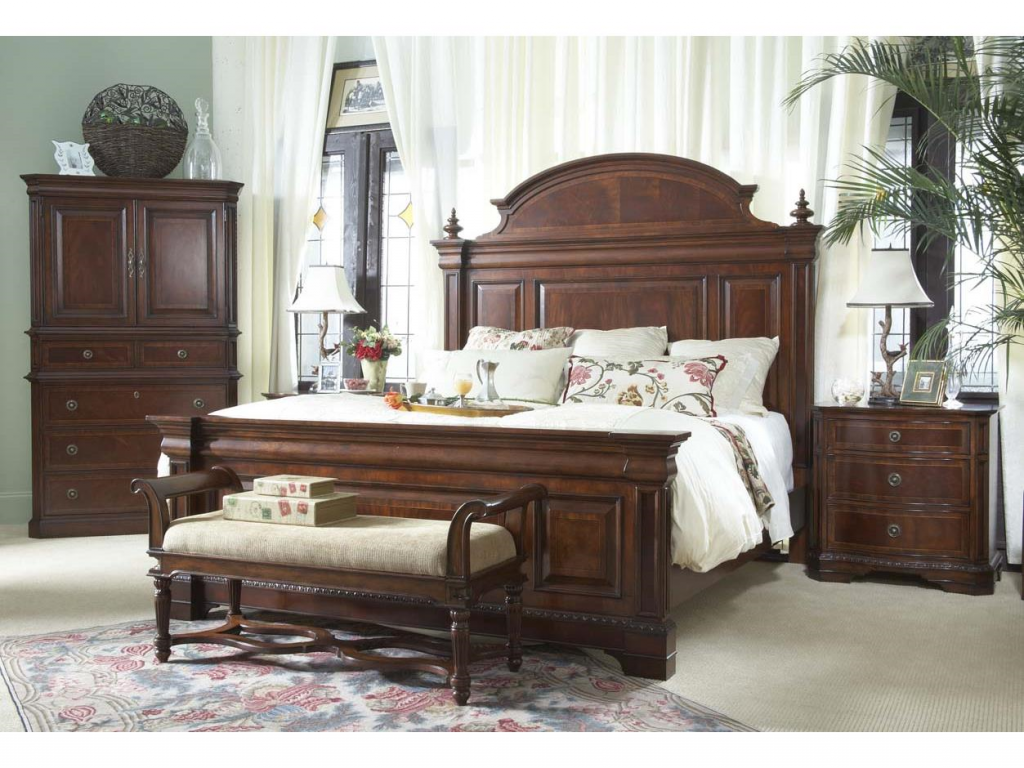
It’s hard to miss in terms of design when you choose classic pieces such as this King Mansion Bed from the Antebellum Collection of Fine Furniture Design.
You have probably heard people complain about having hired interior designers that cost them a lot of money. When you take the time to scour the price tags, then you’d realize why design can cost quite a lot. However, this doesn’t need to become your reality. Don’t fear that design or remodeling projects can never be done with a cap on your budget. Your project’s success rests wholly on you making smart decisions.
Splurge on Remodeling Projects
Whether you’re trying to flip a zombie home or would just want to increase the value of your property, then you need to understand that you should curb your desires to cut some corners. The bottom line here is, the more you skimp on this kind of project, the more that your home might not end up the way you envisioned it to be.
Always remember that cheap remodels end up wearing and tearing much faster. You could end up with the laminate floors bowing, the walls chipping or the tiles falling off. Undertaking a remodeling project means you have to do it right and doing it right requires that you shell a little budget.
Splurge on Classic Furniture
There’s simply no way around this. If you want your home to look classic, then you have to fill it with classic pieces. The greatest furniture can be costly but they are the right pieces plus they are not expenses – these are actually investments that can increase the value of your home aesthetically and commercially.
Splurge on Artwork
Art, especially wall art, is a thing that represents who you are. Don’t just be enthralled by a piece because it was created by artist so-and-so. Splurge on artwork that truly titillates.
Wall arts add the wow factor to your design. Just imagine if you’re just going to live in a house with nothing but bare walls. Ho-hum…the boring and bland ambiance is simply hard to ignore.
Now, it’s time to spice up your design by adding well-chosen black and white framed photos. Use the photos with black edges and sleek designs. Play with the different sizes and shapes, of course, not forgetting balance.
You want to be more inspired by your displayed art? Then display a portrait or a bust of a beloved family member. You can also use trophies atop the mantel of your living room fireplace. Hang paintings where they come as a surprise such as the entryway. The possibilities are actually endless.
Save on Accent Hues
While color does play a huge role in coordinating other design elements and in visually uplifting the style, it does not have to be used forever. Remember that each year, another color becomes the color of the year. This year it’s UltraViolet, next year, it could be something that’s completely the opposite of this hue.
Use accent colors that are trendy if you want to play with different colors as seasons progress. Changing your accent colors can happen yearly especially if you decide to use bold accents. Switching your hues now and then could prevent your design from becoming very last Tuesday.
Save on Textiles
Take a careful look at your throw pillows, blankets, bedding, and area rugs. These can effortlessly create the most stunning rooms. These are the pieces used in layering and creating a visual complexity in any space.
Remember that patterns and colors do change. Unless you invest in a neutral, well-made piece, then you’re good for a number of years. It is highly recommended that you use textiles that are affordable so that you can easily switch to another style, pattern, texture, and color anytime that you feel like doing so.
Tags: interior design budget, McCreerys, McCreerys Home Furnishings
Posted in Interior Design 101, Interior Design Elements | Comments Off on To Splurge or To Save – What Path Should You Take In Interior Design?
Thursday, April 5th, 2018
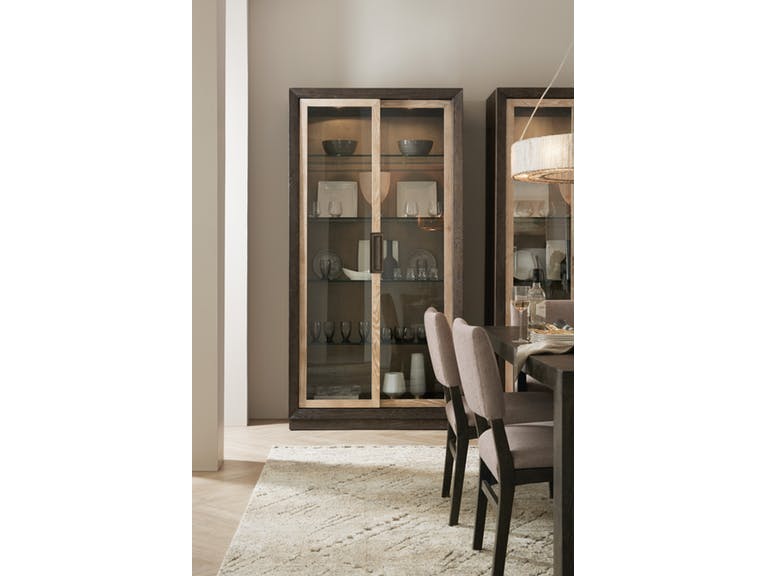
Coming very soon: Hooker Furniture Dining Room Miramar Point Reyes Voltaire Display Cabinet.
You have probably heard many horror stories from your friends who have hired interior designers. Working with experts can be a real pain in the @#$ sometimes but you actually have the power to change the game. If this is your first time to become the client of an interior designer, then you need to know a few expectations and concerns that could come your way.
Be Realistic with Your Expectations
With that said, don’t expect your home to look like the posh home of a Hollywood celebrity with limited budget and time. Those reality TV shows have hurt many designers because, now, they are expected to deliver quality despite the tight schedules that are given to them. In the real world, those techniques just might not work.
Remember that those house flipping shows that you see on TV often have a team of designers and laborers who work hard behind the scenes. The salaries of these people are paid for by the show, hence, the recipients of the homes that they create just need to pay for the cost of the materials plus some labor costs. Of course, adding more people to help you with the project can help expedite the schedule.
Remember that each project is diverse. Your best shot at having a lovely home according to your liking is to anticipate your budget as well as the project duration. You also need to sit down and be upfront with the designer about what you want from the outset. Of course, you also need to listen to their advice as some of the things that you want might not work aesthetically.
Shop for the Right Expert
Just as not all homes are created equal, not all designers are also the same. Every designer has his or her own quirkiness, personal preferences, and business practices. To ensure the success of your project, it is crucial that you and the designer agree on what will be done. It is important to interview the candidates before you sign anything.
In the world of interior design, this interview is what’s referred to as a consultation. As you consult with the experts, try your best to meet with them in person. Know also if their visit is paid or unpaid. Use this consultation to ask them about their past projects, business practices, as for as for their preferred billing and communication methods.
This is also the right moment to tell the designer about what you prefer. Feel free to show them a few photos of your preferred styles. Ask them to use these as inspiration for the project. Don’t be shy to admit a few quirks of your own. By the end of the consultation, you and the designer should have already arrived at an agreement.
Discuss the Bill
This is a necessary part of every interior designer-client consultation. Most of the interior designers work with a contracting company while there are also those who manage their own businesses. With the latter, they are free to create their own business structures, hence, you have to know if they charge hourly or by project.
This needs to be clarified before the first nail is driven in, so to speak. You just have to be aware of the services that you are going to pay for.
Talk of Communication
Another aspect that you need to clarify is how you can establish good communication. Let your designer know that you might not know a lot about design but your preferences should be considered highly during the project completion.
The best designers are not afraid of decisive clients. They, in fact, feel that their jobs become tons easier because they have someone to help set the tone for them. Also, designers who are willing to listen to their clients tend to end up with happier clients.
Tags: hiring an interior designer, McCreerys, McCreerys Home Furnishings, searching for interior designer, working with interior designers
Posted in Interior Design 101, The Interior Designer | Comments Off on To the First-Time Interior Design Client (Here’s A Guide)
Wednesday, April 4th, 2018
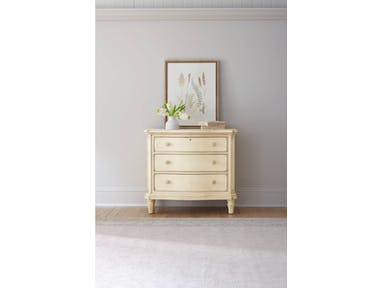
The Stanley Furniture Bedroom Bachelor’s Chest is beautifully accessorized with a flower vase and a lovely wooden box.
Every interior designer on the planet knows that the sum of their design only becomes beautiful if each piece placed into its conceptualization plays its part well. Every element used in a room, whether the wall paint or the furniture, plays a crucial role in making the overall theme work. Even the smallest knickknack displayed conspicuously can also make a difference.
What’s A Décor?
More often than not, when you are asked to evaluate how a design element works in a room, you stop to consider its value in both aesthetics and function. Décor pieces, however, are only placed into a design to improve the aesthetic needs of a room. These are pieces that add to the stylistic value of that room.
Since this is so, décor, thus, plays a huge role in making a design work (or not). These small pieces keep the space from looking too functional, therefore, making the room appear three-dimensional. These are the very things that tie and balance all the other design elements to the declared theme.
Décor or décor pieces are often called accessories, trinkets, knickknacks, etc. They exist for the sole purpose of bringing a visually pleasing environment. Usually, these small items are bold and dramatic.
As you’re thinking on to add décor pieces to your own home, just keep in mind this one important rule – every piece must be eye-catching and should be connected with the rest of the design elements.
With that said, here are the tips that can level up your home’s style –
Experiment, Mix, Match, Heterogenize
So what are your options for adding visual interest? First, remember to be free yourself. Do not limit your perspective to what’s obvious. In choosing textiles, don’t just go for the usual area rugs. Go an extra mile by adding colorful throw pillows and blankets where needed.
Feature your memorabilia, collections, and your figurines. Fill an accent wall with artwork or lovely tapestries. Don’t forget to place the coffee table and fill it with flowers in vase or fruits in a bowl. Candles are great for creating a romantic and warm ambiance.
Instead of just matching items, try to mix different style. Be heterogeneous in terms of stylizing.
It’s All About the Placement
Buying the décor pieces is just the first step to creating a lovely home. You also have to consider how each piece should be displayed. On top of that, you need to find anchor pieces that will tie your decorative pieces to the design.
Here, you need to have a sense of proportion. This is an artist’s innate gut feel for certain designs. This is also you trying to learn how design elements should blend.
Always begin by gathering the textiles and wall art. You can then move on to the styled surfaces. Remember that coffee tables, buffet tops, and walls are all ready for your accessories. These are the natural homes of many decorative pieces.
As soon as you have all the accessories in place, never be afraid to edit your work. Just take a moment to step back and perceive the room as a whole unit. If you feel that something seems to be out of place, then, chances are, you are correct. Just make the necessary adjustments as you progress.
Second Fiddle No More
Too many times, the décor pieces take the backseat when it comes to planning. Don’t brush them aside anymore. These are not optional pieces that you can just add as an extra step once everything is done. Just like the major furnishings in the room, you need to carefully think through the décor pieces that you will use.
Remember, décor pieces have the power to make or break your home’s theme.
Tags: decor, decor pieces, decorative pieces, McCreerys, McCreerys Home Furnishings
Posted in Accents, Accessories, Decorative Elements, Interior Design 101, Interior Design Elements | Comments Off on Small Décor, Larger-than-Life Style
Tuesday, April 3rd, 2018
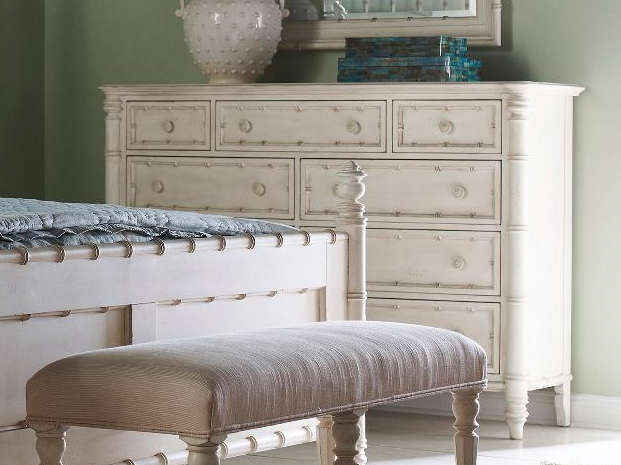
Here’s a Bamboo Dresser from the Summer Home Collection of Fine Furniture Design.
Living in an eco-friendly home may be the hottest lifestyle to hit the world these days but there’s a lot more to this than just being cool. Through an eco-friendly home, you can actually make a huge contribution to Mother Nature’s preservation. With more and more people wanting to help, don’t you think it’s time that you consider changing your lifestyle, too?
Just imagine if more homes would sign up to become a green habitat, with everyone signing up to cut down on their power consumption, manage their wastes, and conserve water, and such. What a peaceful planet we would have.
Set Up a Working Water Management System
Your journey could begin with a water recycling unit. This can take a huge amount of time to plan but it’s going to be worth it once it’s up and running. A reed bed system works in countries such as India. There are many DIY water recycling units on the Internet, here’s one – http://www.ashwidea.in/2013/07/our-diy-grey-water-recycling-system.html
Don’t Cut Down Trees
People usually cut down trees when they build homes. Instead of wasting a grown tree, why not build around it? Your apartment can be nestled in the beauty of a lovely tree, just ask your architect or your builder to retain this lovely natural art. You don’t just get to save a tree as you do this, you also find yourself a uniquely-designed home.
Choose Solar
What can be more renewable than the power of the sun, right? So go ahead and tap this renewable energy source. In the process, you get to reduce your electric bills while improving your grid security. And since you have chosen to go green, then you also reduce your impact on the environment.
The greater news is that solar fixtures are now more affordable. More and more organizations are now enabling homes to install solar panels.
Pick LED
While choosing solar panels to gather energy is already energy-efficient, you could take a few more steps further when you make the right choices on your lighting fixtures, too. LED lighting or solar-powered ones are more energy-efficient. Buy only the cost-effective electronic appliances and be sure to maintain each one of them.
Other options for artificial lighting that can still help you save are fluorescent lights and halogen lights. These tend to last longer plus they are great in conserving energy.
Segregate Wastes
This nation is a nation of increased landfills and mountainous trash. But just like any habit or learning, everything begins at home. Tell every family member to segregate the dry from the sanitary wastes. Be sure to separate the bins and have them color-coded as much as possible.
Bring In the Greenery
The greenery will not just improve the air circulation in your home, it can also visually improve your habitat’s aesthetics. Having potted plants and flowers indoors is also useful especially during the summer.
If you live in an urban jungle where homes do not have the luxury of terraces, then you have to learn to construct vertical gardens or just bring in a potted plant or two.
Use Space and Architecture Efficiently
The efficient use of interior spaces can keep construction materials to a bare minimum. You can ask the interior designers to work on doors and windows that can optimize energy efficiency. Use wood flooring from renewable sources such as bamboo. Install water-saving toilet and other such environment-friendly materials.
Smaller houses are also known to be more energy-efficient. So if you’re not a huge fan of expansive houses, then you might as well do tiny house hunting. Here’s a bonus – smaller homes are a lot more affordable, too.
Tags: green home, McCreerys, McCreerys Home Furnishings, sustainable home, sustainable living
Posted in Interior Design 101 | Comments Off on The Green Home – Why Sustainability Is Hot
Follow us on our social media


© McCreery's Home Furnishings | All Rights Reserved | Privacy Policy
