- Follow us:


Wednesday, August 17th, 2016
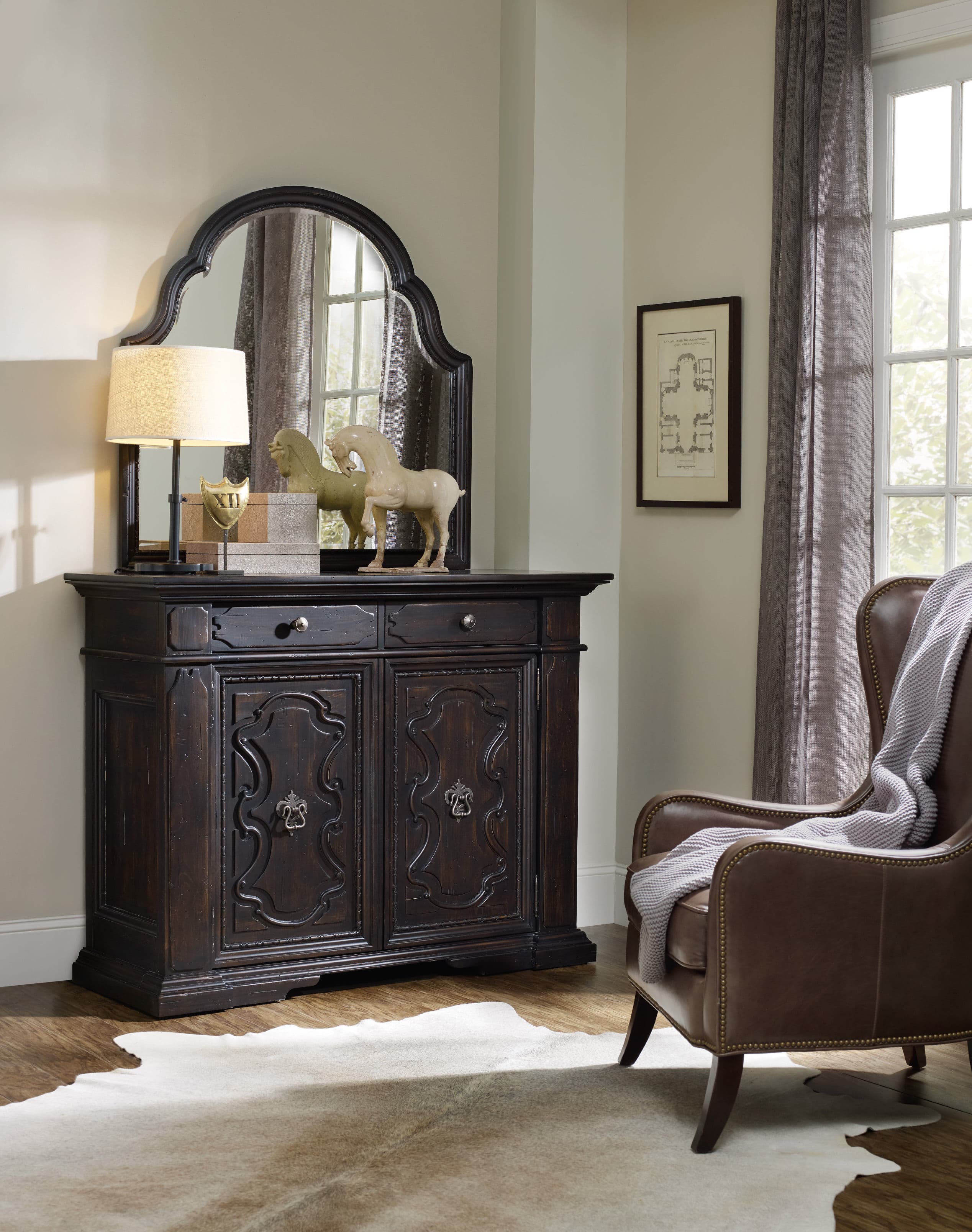
Hooker Furniture Bedroom Treviso Bureau
Wood carving has been around long enough to be considered as old as man. Man has always been fascinated in carving wood. There are records of wooden tools being used by some of the earliest known men.
Wood has been used as a walking stick and even as a club. A rock tied to a wooden stick can already be used as a hammer. Woodcarving probably began as a pastime and so the history of furniture woodcarving was finally born.
Woodcarving – A Glimpse at History
Wood is one of the materials that are guaranteed to withstand the test of time so long as you know how to take care of them. Woodcarvings should be protected if you want them to endure.
When compared with sculptures or stone carvings, woodcarvings need more protection and care. Wood must be protected against insects and the harsh elements. There are regions where conditions are more favorable to furniture with woodcarving. An example of this perfect weather condition is in Egypt.
Wood is plentiful in Egypt. Acacia and Sycamore were both scarcely available there yet the people used them for woodcarving. These two are the most suitable wood that they could use and are even considered sacred. Almost every nation in the world practices woodcarving yet the beauty of preserved carvings were explicitly preserved in Egypt.
The Bible – the most read book in the world – even records woodcarving in many of its accounts.
The Dark Ages recorded woodcarving being both popular and unpopular. European nations confined woodcarving to monasteries. It was believed that the monasteries were the only safe places to practice this work of art.
Barbaric acts have been widely practiced during these times. From 700-900 A.D., the creation of images were forbidden in a few parts of Europe. Such images included paintings and woodcarvings.
Woodcarving was done by artists who copied Roman pagan emblems, symbols and sculptures. Majority of these artists went to other parts of Europe so that they could be employed by monasteries that were looking for craftsmen.
Woodcarving done in monasteries composed of relief carvings found on wooden panels and doors. These were quite similar from one monastery to the next. This only means that the carvers traveled from one monastery to the next as they practiced their trade.
After the Dark Ages, thousands of artists were freed and they began to create more carvings. Woodcarvers were highly influenced by the stone carvings. This was also the case with English carvings though theirs were more on decorative carvings rather than statues. Carvings were also found in Norway and Denmark.
Hundreds of years later, Scandinavian woodcarving artists were also influenced by the stone carvings from England. Visit Old English churches and you would surely find carvings done between 1000-1200 A.D. The carvings were protected from harsh elements which was why they were able to survive to this day.
A lot of wood carvings have been destroyed because of neglect, some intentionally and some by acts against churches and wars. The replacement of old carvings eventually erased what were originally found in those chapels. These improvements now conceal the beauty of the original works.
Centuries have since passed and woodcarvings have undergone a lot of changes. Man is no longer just carving with a single knife but has full access to the best carving tools. While changes have occurred through the centuries, woodcarving hasn’t died. For as long as there is wood, there would always be wood carvings.
Many other records from different nations show how woodcarvings have developed through the years. Look around you; there are also woodcarvings in furniture. Bring home one today!
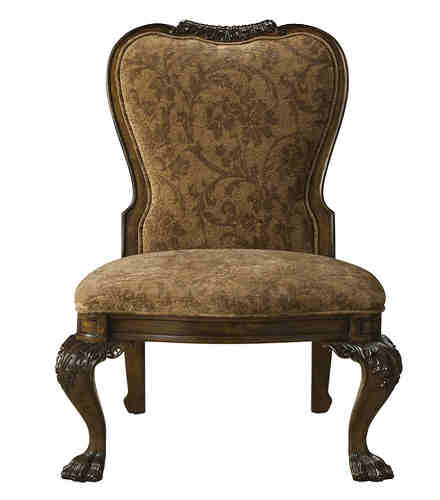
This lovely piece comes from FFDM’s Belvedere Collection.
Tags: carving, furniture woodcarving, history, history of wood carvings, McCreerys, McCreerys Home Furnishings, wood, wood elements, woodcarving, woodcarving on furniture, wooden, wooden elements
Posted in Furniture, Interior Design 101, Interior Design Elements | No Comments »
Wednesday, August 17th, 2016
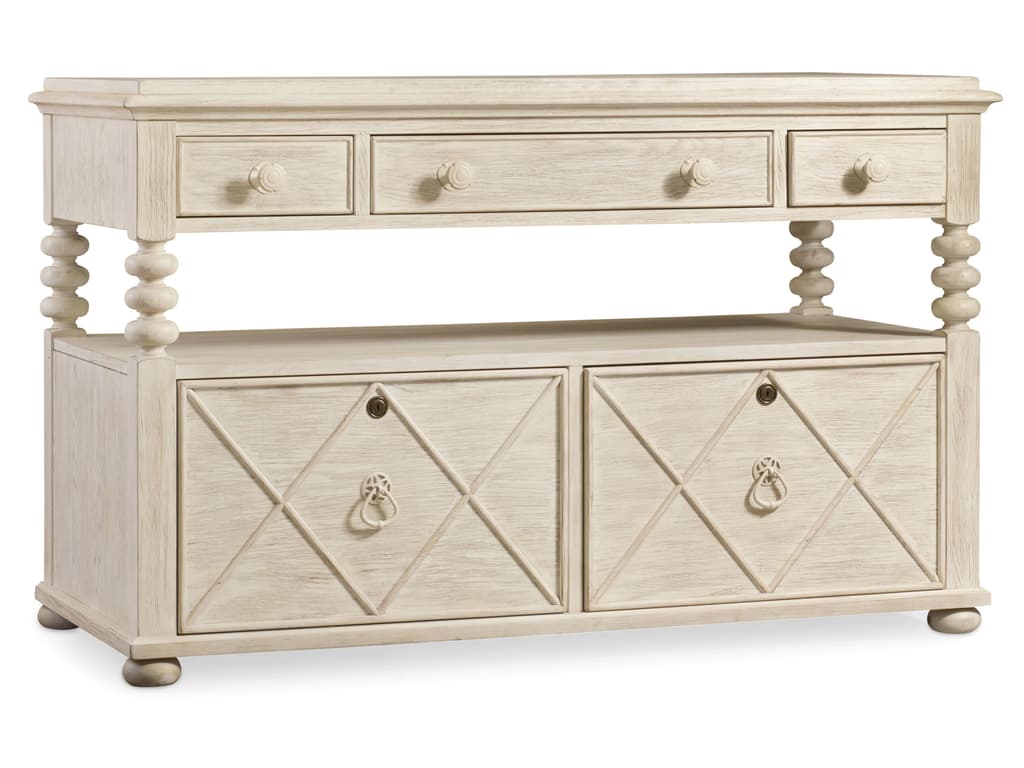
Hooker Furniture Home Office Sunset Point Utility File Cabinet can sit right in the same conference room as a long table and some chairs. It’s rustic, unique, it’s not your usual contemporary piece but it will definitely work.
For many small businesses, a conference room offers multiple uses. This can be a formal setting for those board meetings and client presentations. This could also be the same room where brainstorming sessions are held as well as strategic planning is drafted.
A conference room may also be used during social functions such as an employee’s birthday party and other celebratory events. This is also increasingly becoming the leading site for video conferences which link companies with their partners and customers, even their own employees.
Design Basics
Determining the actual size, furnishings and lighting for a conference room depends hugely on the number of people that would use it. Designing a space for 32 people requires bout 32 by 14 feet.
If you know the feeling of being cramped in a meeting room in the past, then you know how badly you wanted the meeting to end. That claustrophobic feeling should be eliminated if you ever want people to feel at ease inside the conference room.
There could be moments when it is more beneficial to break up the group into smaller packs during a meeting. Remember not to cramp too many chairs all around the table so that the attendees would be elbow to elbow. Comfort should still be a priority. Chairs, in particular, should be cushioned and upholstered with nothing but quality materials.
People who come from outside your company would eventually attend conferences. Some could be invited electronically to attend videoconferencing. Whichever of these events would push through first, always think about the image that your company would convey. A petite yet trendy company should embrace a more modern method. Make use of bolder colors; this is also true for bigger firms. For smaller conference rooms, make use of traditional tables and chairs as these are the more popular choice.
Table Options
Choices for the conference room table include the basic boardroom table. This is that oval or rectangular table. Chairs should be placed all around this piece of furniture.
Table variations include the V and U-shaped varieties. There are also companies that prefer the classroom type of conference room where the podium sit in front. This is the common setup for business conferences in hotels.
Added Features
An amenity that could be included in a conference room is a buffet table and some cabinets. These are needful in serving food and beverages. A small fridge can also be placed right by the corner so that the refreshments are readily available.
Technology Hub
If you were ever assigned to give an important presentation, then you know how important technology is. Modules that do not show up on the overhead screen or a video conference call that doesn’t work is the last thing that you need to happen during an important correspondence with a client.
It is needful, therefore, to have technology integrated into the conference room. Building credibility means being on top of technical matters as well. The great news is that there are now technology elements such as the one-touch panel control that can be used just as easily as you would a TV remote.
Conference Room Furnishings
Essential furniture for this room includes conference chairs and table. The chairs should be comfortable so that the attendees will feel relaxed. Make sure these are aesthetically and ergonomically designed. The seat must be padded and preferably installed with an adjustable support system.
The conference table, on the other hand, should have a design and shape according to your taste. Designer tables are available and are now known to withstand electronic gadgets and other office stuff. There are also conference tables that come with drawers where laptops and other office essentials can be stored.
Tags: conference room furniture, conference room setup, conference room style, designing the conference room, McCreerys, McCreerys Home Furnishings, office desk, office furniture, office space layout, tips
Posted in Interior Design 101, Interior Design Elements, Office Design | No Comments »
Tuesday, August 16th, 2016
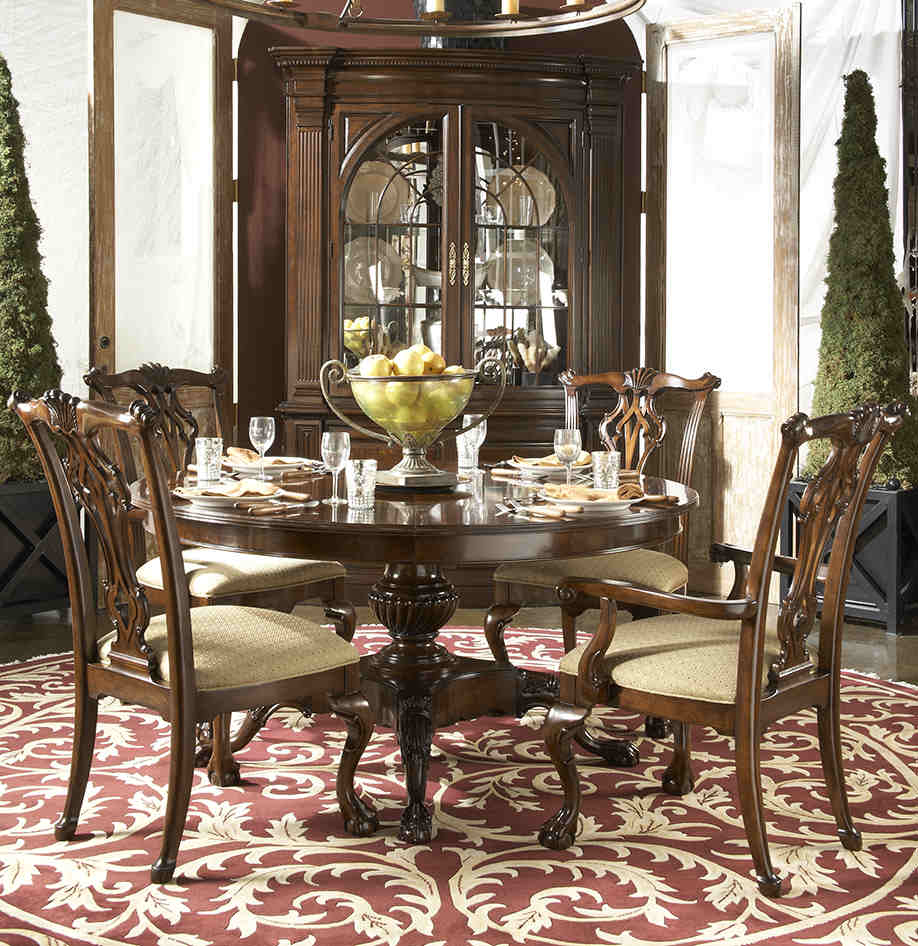
FFDM American Cherry
If this is something that you still haven’t considered, then it’s time that you seriously give it much thought – hiring an interior designer is the smartest decision that you can make when it comes to beautifying your home.
Interior designers serve a lot of purpose for current and would-be homeowners. Whether the homeowner knows where to begin or not, these experts can help conjure design ideas where there were none and can execute a long-desired plan.
If you’re too busy to take on a DIY interior design project, then know that there are a lot of benefits if you hire a professional to do the task instead.
Much Savings
You might find it unbelievable that hiring a designer could help save you money yet there are costly mistakes that can add to the ever-growing expense. Hiring a pro becomes much more crucial when you’re prepping your home that’s about to be sold. This move can help you boost buyer appeal and could potentially make your home stand out from competition.
An Expert Assessment
An interior designer can offer professional assessment. This initial assessment would eventually lead to a workable plan. An interior designer will know what order to follow during the entire project duration. In essence, you are hiring an extra pair of eyes that is well-trained to notice stuff that you won’t even imagine being there.
An interior designer is also trained to keep the project within budget. You get to save time and effort since this expert knows suppliers and other contacts that will make your home project more successful.
A Willing Middle Man
An interior designer would be better able to act as a liaison officer between you and the contractor or architect. This is important in time and money management. Every interior designer has been trained to scrutinize all the things that you might overlook. Furnishing and lighting needs should be addressed prior to the beginning of the project. Furniture placement can affect the eventual locations of the floor outlet; this is an example of professional assessments that are missed by DIY enthusiasts.
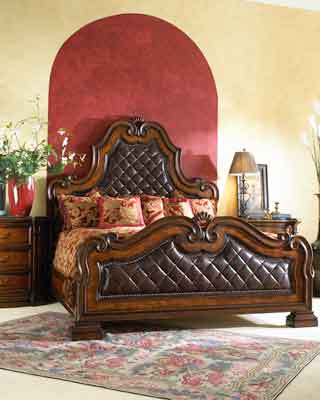
FFDM Viniterra Collection
Numerous Resources
There are many things that are readily available to interior designers that the public are not even familiar with. In short, they have connections that not a lot of people have. Making use of these resources and merchandise can help make the place look more collected and pulled together. Apart from the vendor resources, designers also have a lot of industry contacts. They can save you from headaches caused by problematic contractors, plumbers, electricians, etc.
Interviewing the right interior designer also means you should ask the right questions. Here are some of the most asked interview questions –
Tags: benefits of having an interior designer, benefits of hiring a contractor, finding an interior designer, how to find an interior designer, interior designer benefits, interior designer interview, interviewing an interior designer, McCreerys, McCreerys Home Furnishings
Posted in The Interior Designer | No Comments »
Monday, August 15th, 2016
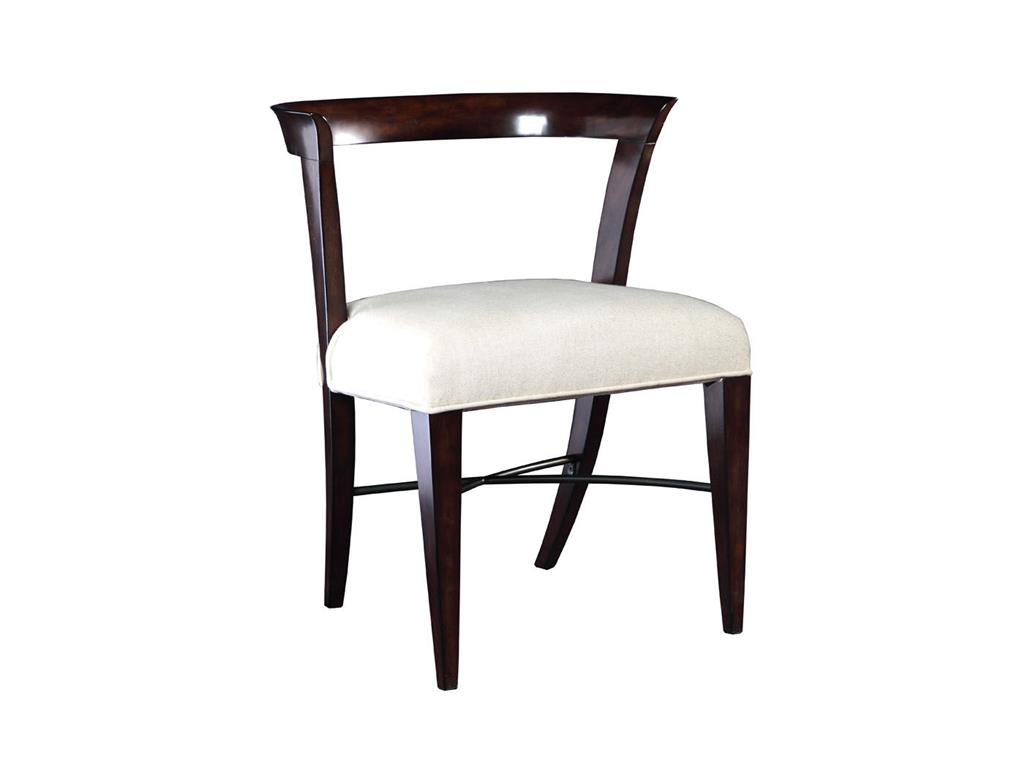
Artistica Dining Room Delilah Side Chair 470-020
An uncluttered home with but a few functional furnishings is often referred to as a minimalist space. The removal of unnecessary stuff is necessitated by this theme or, more so, a way of life.
An example of minimalism is exhibited where the kitchen and dining areas contain just the essentials – a dining table (that’s free from clutter), appropriate chairs, counter stools, step stool for children, and appliances such as a coffeemaker and a microwave.
This kind of setting may be easily devoid of fun, life and character if you lose the important elements that would make it stand out. If you’re ready to take the plunge and live with just the bare essentials then, first, learn the benefits of a minimalist setting –
Minimal Stress
Did it ever occur to you that clutter is a kind of visual distraction? Anything that presents in your line of vision can potentially catch your attention so you might as well set up a clutter-free environment.
A home with minimal to zero clutter has a calming effect, thus, you would feel less stress.
Upped Appeal
Just imagine the look of a cluttered home compared to a minimalist space. The homes with just the necessary furniture and nice artwork are the ones that are more appealing. If you want to increase the value of your home – visually at the very least – then have a minimalist theme.
Easier to Maintain
Of course, it is a lot more difficult to clean up if you have more stuff. You need to vacuum and sweep and polish more often. Just imagine how much easier your life would be if you have less furniture and appliances to clean each day.
You don’t have to be an extreme minimalist. You can have a couch, loveseat, coffee table, a TV, and some lamps in a minimalist living room. There could even be less, say, a couch, a chair or two and a coffee table to complete the setup. The bedroom, on the other hand, can have a bed, dresser and a nightstand.
Rid of Knickknacks
A minimalist home has clean surfaces to boost. Don’t expect to find stacks of books or a collection of knickknacks in such a home. What you’d be able to find are accent decorations such as a simple flower vase. Should you ever find a desk, all you’d see there is a framed family photo and nothing else. A tasteful artwork could also hang on one wall to complete the minimalist look.
Quality Is Emphasized
A minimalist home is all about having just a few good things that you use often and also love. Keep that nice table and other essential furniture pieces such as a sofa, a pair of chairs, and a small cabinet.
Conquer One Room at a Time
It would be difficult to transition from a different theme and immediately embrace minimalism. You can begin with just one room initially then move on to the next, and so forth till you are able to conquer your entire home.
Now, more often than not, the biggest contents of a room are the furniture piece so you should always begin simplifying by checking your current furniture. The fewer large pieces you own, the more potential you have of setting up a minimalist home.
Look Up
Instead of looking for more stuff that would occupy floor space, look upwards. There is plenty of space up there to accommodate additional shelves and hanging racks.
Since you’re clearing away stuff, make sure that the ones you don’t use go inside tall, narrow cabinets and drawers. A bookshelf can double as a DVD rack.
Tags: declutter, decluttering, decluttering advice, McCreerys, McCreerys Home Furnishings, minimalism, minimalist design, minimalist elements, minimalist interior design, minimalist interiors, minimalist lifestyle, minimalist living, minimalist space, tips
Posted in Interior Design 101, Interior Design Themes | No Comments »
Monday, August 15th, 2016
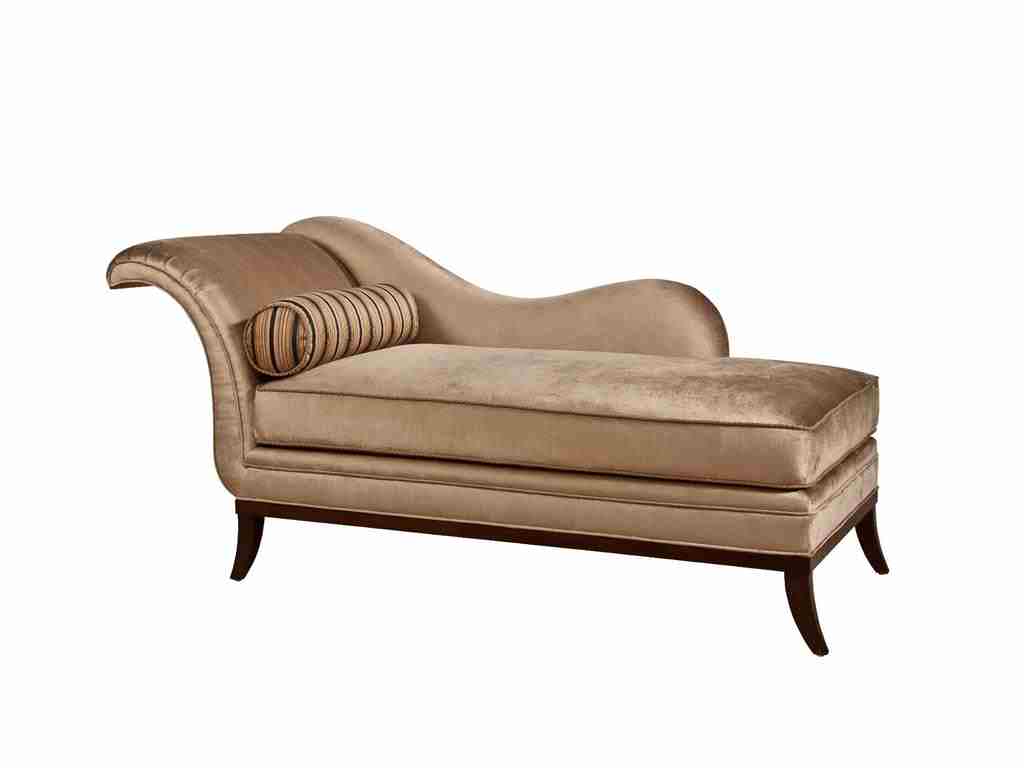
Fine Furniture Design Living Room Chaise 3101-06 offers restful lounging and sitting.
There are various upsides to small apartment living. First, there’s lower rent, also, it is at a closer proximity of many downtown areas. Small is also cozy depending on how you design the space so it’s all a matter of how you would beautify you place.
One of the sad mistakes that apartment owners make when decorating their small apartments is that they focus only on functionality instead of coupling it with design. Don’t go through the same errors – it’s time to learn some small apartment styling tips.
Delineate Different Areas
Living in a tiny space shouldn’t automatically mean embracing the open space layout. In fact, there are so many other designs that you can look into. There’s just one thing that you need to keep in mind – that you must keep yourself from overwhelming the space with unnecessary stuff.
Define the different areas by giving each a function. Shoe and coat racks can be placed by the door and that’ll define your entryway. A simple buffet should divide our dining and kitchen areas. This provides easier food service and ample storage. Backing your sofa right by the foot of your bed can draw the beholder’s eye towards the living area.
Be sure to highlight your hobby or interest as this will cap the look of your home. A bike rack will tell everyone that you are a fitness enthusiast or maybe just a lover of the outdoors. Make who you are become an integral part of your design project.
Use Dual-Purpose Furniture
When you are dealing with a tiny space, know that every inch counts. Maximize the space by buying only the kinds of furniture that have a double purpose. Find pieces that will work with the limited space that you have.
The space where you’ll set up your bedroom can have a foldable sofa. An ottoman can be a seating and storage unit at the same time. A foldable dining table can be hidden from view when no longer in use.
Find dual-purpose pieces that are the appropriate size to your tiny space. Those overstuffed furnishings will only make a small place look a lot smaller.
Look for Unused Spaces
Having moved into your cute space for months, it’s easy to be stuck with the design that you initially came up with. There are many spaces that you can free up and repurpose. If you’ve been storing old magazines in huge boxes for the longest time then this just means that it’s time to unclutter.
Nooks and crannies could also have their purpose. They can be used as a corner library or as a small corner office.
Grow Vertically
It is crucial that you think vertically when you have a small space to work with. The tall, narrow storage units can help solve clutter issues. You can begin by placing two bookshelves of the same height on both sides of the doorway. A single entertainment center can also be used, one that reaches from the floor all the way up to the ceiling.
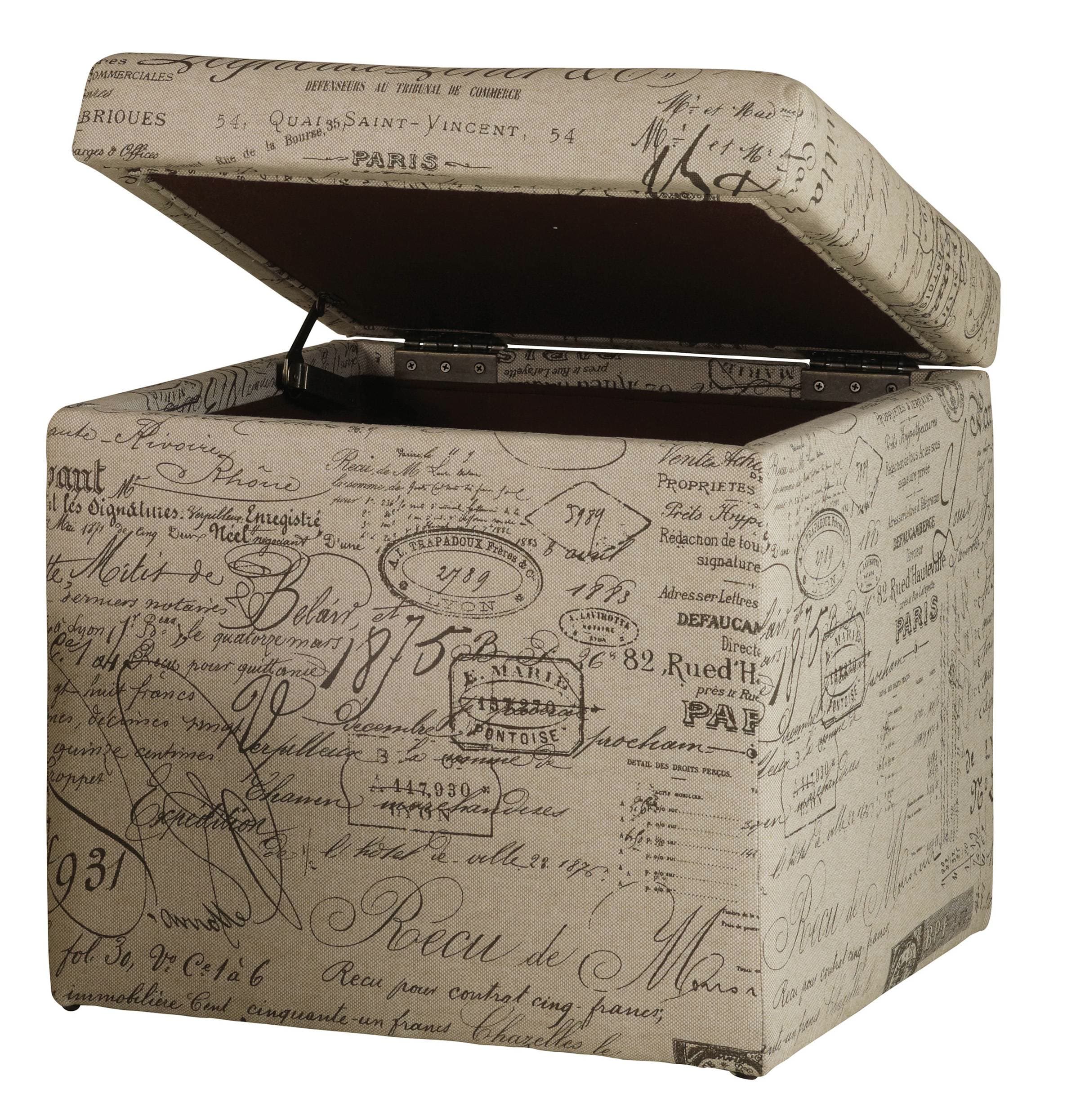
Hooker Furniture Living Room Melange Joli Nesting Ottomans offer dual purposes – they can be used as a seating as well as a storage unit.
Make Organization Your New Best Friend
Storage is your best pal when you have a small apartment. This is your tool in hiding stuff that you don’t need at the moment. Practically speaking, though, you have to learn to find and keep just the things that you need.
Make good use of back-of-door hangers and hanging organizers. Line your shelves and drawers with extra bins or baskets.
As soon as your organization tools are set, you would soon realize how much space can actually be freed up. Just cap your design project with a light paint palette and you’re done.
Tags: decorating a small home, decorating a small space, furnishing small apartments, interior design for small spaces, living in a small space, McCreerys, McCreerys Home Furnishings, small apartment furniture, small space, small space design, small space interior design, small space organization, small space solutions, tips
Posted in Apartment Living, Interior Design 101, Tiny Homes | No Comments »
Sunday, August 14th, 2016
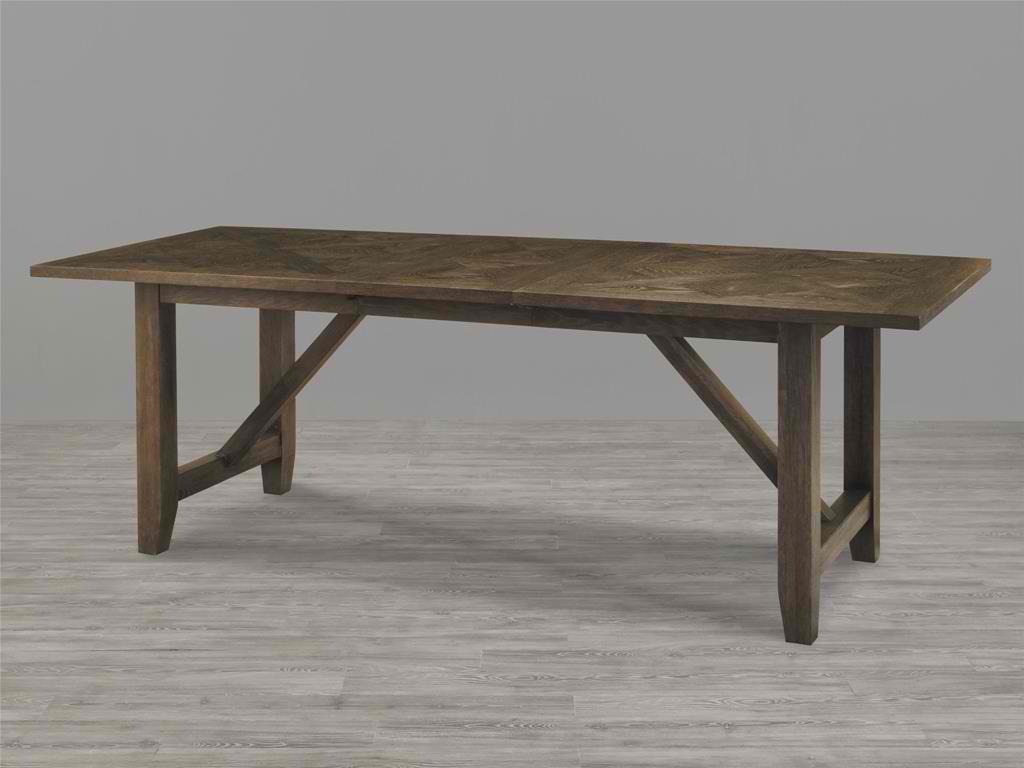
Universal Furniture Dining Room Chelsea Kitchen Table 311751
Floors take the most beating compared to any other parts of your home. This case is most true inside the kitchen. The kitchen is no less than the hub for homework, parties, family get-togethers, and the command central for prepping food and cooking. This is why it is vital to look for a kitchen floor that will be able to withstand rigorous foot traffic. While it does show sturdiness, make sure that you won’t sacrifice the look in the process.
Polished concrete looks great on kitchen floors though it can take its toll on your joints. Walking on such floors for longer periods could result in hip or joint pains which are common complaints among homeowners who installed hard floor surfaces. Other examples of such flooring material are stone, porcelain and ceramic tiles.
The good news is, there are softer yet equally resilient flooring materials that can be used for your kitchen. The list below, however, provides the most common kitchen flooring options and the pros and cons.
Ceramic Tile
This is no less than the model kitchen flooring as this is your fail-safe option in terms of budget and style. Your choices for size, shape and color are almost limitless so this means that you can create the look that you want whether it is contemporary or traditional.
The advantages of ceramic tiles include being able to stand up to constant wear and tear. This means you can easily clean splashes and spills. You also have some low-priced tile options and one that are modular. This means that you can come up with a customized pattern according to your budget.
The downside to using ceramic is that there could be cracks as the floor begins to settle. A glass or dish that is dropped could easily shatter ceramic tiles. This kind of tile could also be hard and cold underfoot so be sure to use an area rug to offset any discomfort.
Natural Stone
Whether it is made from slate, limestone, travertine or granite, natural stone flooring has one great asset – variety. No two pieces look alike since every piece has a different pattern, color and texture. Stone can also offer an elegant look. It has been around for centuries so what could be more classic?
Natural stone also requires less maintenance while offering natural beauty to your kitchen.
The downside? Natural stone can get expensive. It is also not a material for DIY enthusiasts. There are tiny crannies in stone that can trap dirt. It is also prone to chips and scratches especially in the case of softer stones like travertine. Slate is known to peel over time.
Rubber
This may be an unusual choice for your kitchen but this kind of flooring is actually becoming more common in many homes. Rubber is springy, soft and durable and it is a wonderful choice if you spend a lot of hours standing inside the kitchen.
Rubber flooring comes in tile and sheets. It should be sealed upon installation and again after each year or two. Another great thing about rubber is that it only costs $6-12 per square foot.
Linoleum
This should not be confused with vinyl flooring as it is made from an all-natural, renewable material like pine rosin, linseed oil and powdered cork. This feels soft underfoot though it is still quite durable. It also comes in various colors and patterns.
Cork
Another soft kitchen flooring is cork harvested from the cork oak tree. This may be soft but it is resilient and it comes in a variety of patterns, colors and textures. This is available in plank or tile formats. It can get dented or scratched but you can prevent this by applying a protective wax layer.
Tags: flooring, flooring choices, flooring finishes, flooring materials, flooring options, flooring types, kitchen, kitchen flooring, kitchen flooring materials, McCreerys, McCreerys Home Furnishings, tile flooring, tips
Posted in Interior Design 101, Kitchen Design | No Comments »
Saturday, August 13th, 2016
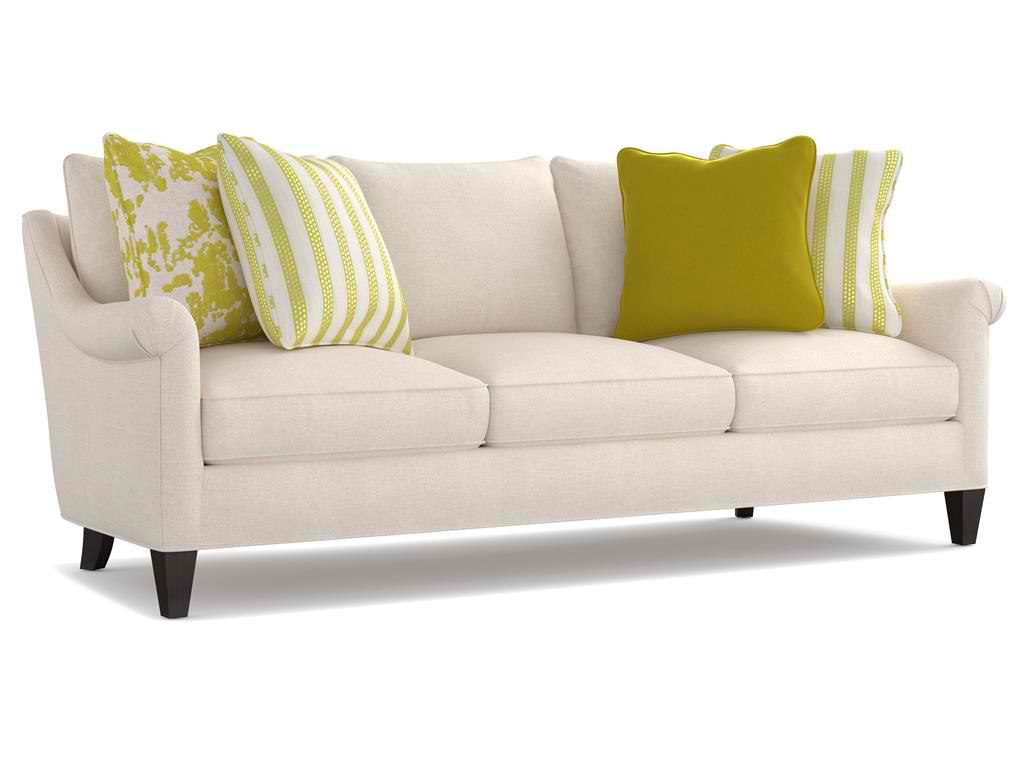
CYNTHIA ROWLEY FOR HOOKER FURNITURE RIVINGTON 3 OVER 3 SOFA’s beautiful, bright colors will surely give your sunroom a lively yet relaxing vibe.
Everyone loves a great sunroom. This is that bright, inviting and open space that allows you to bask in natural light while securing that pesky bugs don’t disturb. The sunroom is one home addition that most homeowners would love to have. This dream world comes with heated flooring, the most comfortable furniture, casual décor, and beautiful windows and walls. This is one room that most homeowners love to frequent.
Sunroom is equated to leisurely living where every square footage offers relaxation and serenity. If you have been contemplating of adding a sunroom in your home, then think of any space that you are not using too often. Consider that this part of your home will be a sunny retreat so it has to be where the sun shines warmly during the day.
Consider these elements as you set up your lovely sunroom –
Comfy Seats
The best sunrooms often act as a second living room. It shouldn’t always have wicker chairs. You could also put upholstered seats there, plush throws, and colorful pillows. Even outdoor-indoor rugs and a table could be brought in there.
Be sure to install electrical outlets if you are going to use the sunroom as an alternative living room. Don’t forget the table lamps to light your evening reads.
Ambient Setting
A lot of sunrooms are built minus the heating or air conditioning systems. This does not mean that you have to suffer each time that you go there, after all, this should be a place for relaxation. It would be nice if you could install a ceiling fan in the middle of the room. This is great to use when the air gets too hot. As for chilly nights, see if you could have a fireplace installed, too.
Privacy Features
The sunroom can get really sunny so it is often installed with high-end doors and windows. These do not guarantee a hundred-percent privacy, though. Shades and curtains are the perfect solutions to such a scenario. They don’t just offer insulation, they can also effectively guard your privacy.
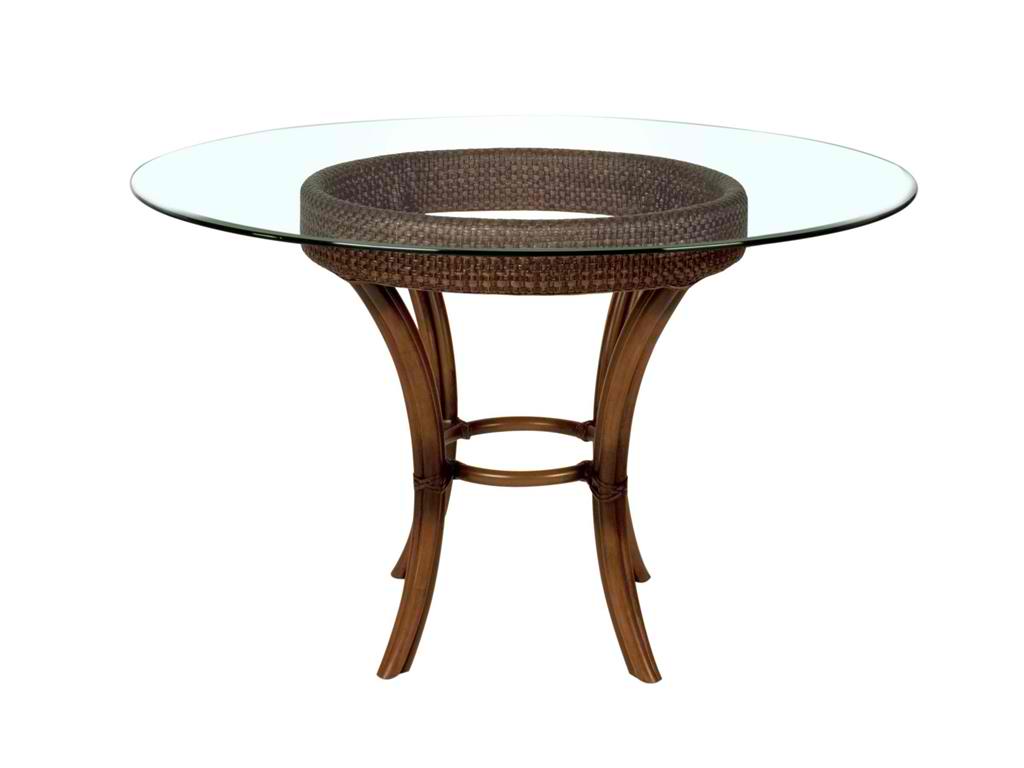
Orient Express Furniture Dining Room Mexico Dining Base 6830
Multi-Function
A sunroom can also accommodate a dining area. Ideally, the seating arrangement should be done so that it could still give ample space for the dining table and a pair or more of chairs.
The sunroom can also be an added space if you have set up a large dinner date with friends or colleagues. The dining and living areas might not have ample space to accommodate all of your guests so you could also open the sunroom for them. Just have ample table space, lighting, and make sure that air circulation is great so that what you’d have is an unforgettable event.
During those days when you just want to laze around and relax, this zone could also serve as your entertainment area. Be sure to protect your sunroom from the harsh elements so that you could bring your stereos, TV and lamps in there. Family and friends are welcome to outdoor-focused activities during the night while the day could offer a maximized sunroom enjoyment when you can just read books or magazines.
Typical furniture that you could use for sunroom corners is a table and a chair.
Tags: brightening up rooms, brightening up your home, decorating the sunroom, designing the sunroom, McCreerys, McCreerys Home Furnishings, sunroom, sunroom design, sunroom features, sunroom style
Posted in Interior Design 101, Special Rooms In Your Home | Comments Off on Creating the Dream Sunroom: A Sun-Drenched World of Fantasy
Friday, August 12th, 2016
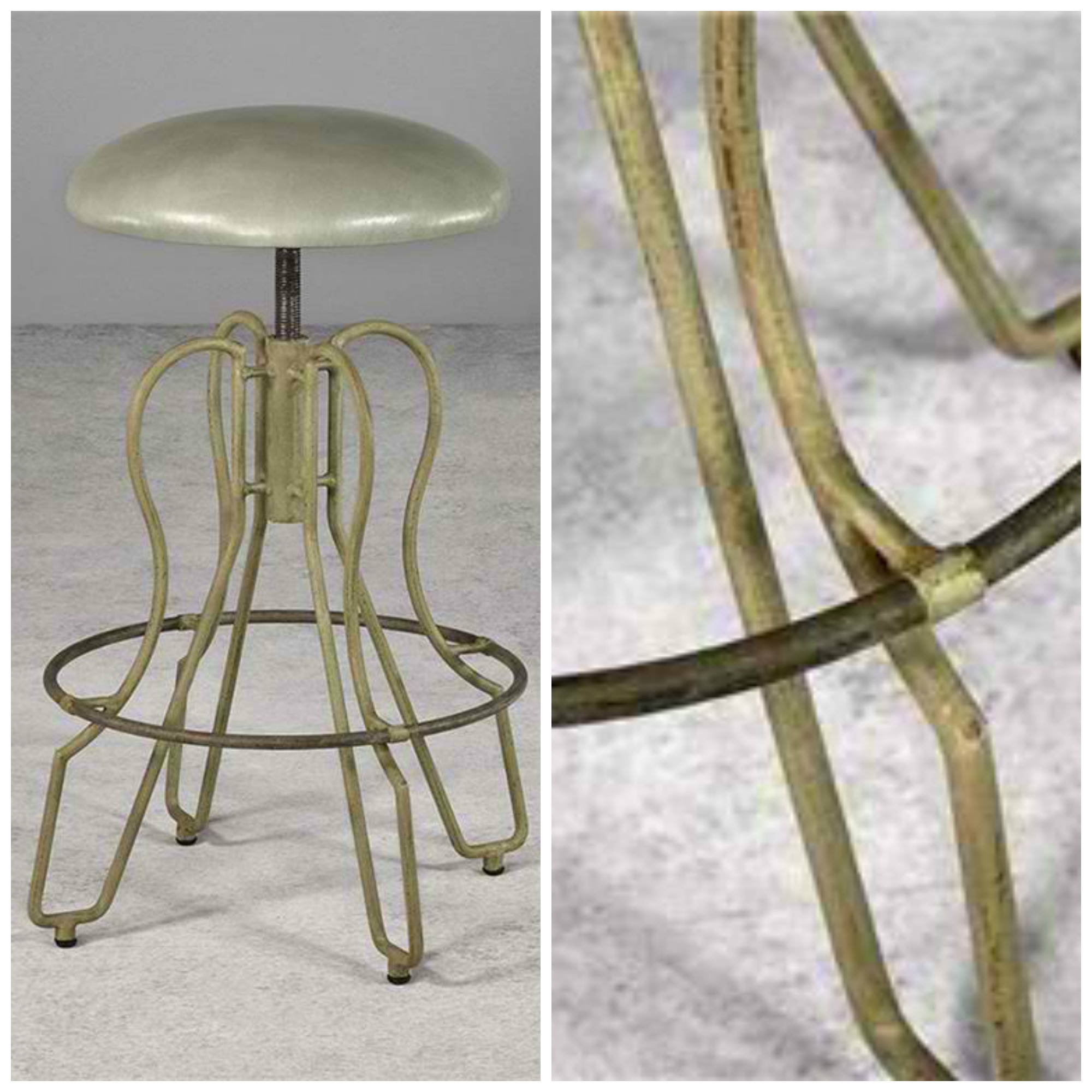
Wesley Allen Bar and Game Room Bar Stool 209
Galley kitchens are kitchens that have two parallel units that run to form a central corridor where you can cook and move about. The galley layout is a great design for any kitchen style. A lot of professional chefs also prefer this kind of kitchen because it fosters safety and efficiency especially when prepping food and eventually cooking.
Galley kitchens are comparable to the compact galley on most ships. This is why they are named after this ingenious design. Galley kitchens optimize space as they come with an abundant work area as well as storage. This is why they are ideal for smaller kitchens.
If you are thinking of a galley layout for your first kitchen, then here are some simple guidelines that could inspire you –
Measure, Measure, Measure
Galley kitchens do work well in smaller spaces but they can also be great in medium-sized ones. Just make sure that the opposing runs are not too far apart as this would contribute to the inefficiency of your kitchen.
Know also that the galley layout may work on a professional level but it is still an enclosed space minus the usual adjacent dining area. This may not be the most sociable option if you are planning to – not just cook but also – dine with your guests. If you love both galley kitchen and a sociable dining environment, then you might as well have the former installed in an open space layout. This way, the enclosure sits in the middle as the rest of the area is allocated for dining and entertaining.
Pick Your Galley Look
There are two layout choices for the galley kitchen. The first is symmetrical where the length and look of the runs mirror each other. It can also be asymmetrical where you are given the freedom to design according to your preference. You could have the tall cabinets installed one just one side of the room while the wall and base units are located right across them. You can also mix tall with wall units right along one side if you want the open-space concept.
If you have to put tall cabinets on one side of the wall, then it would be good to have no less than 12 feet of wall length. This is so the cooktop and sink can be placed away from each other. The safest distance between these two is at least one foot. This may not leave ample work space so if you still have some space available, then have the sink and the cooktop positioned three feet apart. A 12-foot run allows for maximum sink capacity with drawers or cabinets right beneath the range. Also, this setup allows the fridge, pantry storage and oven housing to be installed on the opposite run.
Use the Galley Corridor
Whether you will be able to set this up or not depends entirely on the layout of your home. A galley kitchen may not always be closed at one end. One end could lead to another room or even the garden. This kind of setup could invite chaos and foot traffic, though, so be careful in setting it up.
Keep in mind the number of people in your household including small kids and your pets. A relatively small family with no young kids could make use of this setup.
Enhance the layout’s safety by having the cooktop and sink right on the same run. This may be less efficient but it works well when the corridor is quite narrow.

Maitland-Smith Accessories Brass Monkey Wine Holder 1254-239
The Closed-Off Kitchen Wall
A galley kitchen that is closed-off on one end is a safe layout. This means that there is only one entrance so the chef is aware of who is coming and going. It would be preferable that the closed end would have a window so that more natural light is allowed in. Putting a stool at the far end will also allow you to sit there while you plan your grocery list or while you speak with someone over the phone.
Tags: galley kitchen, galley kitchens, kitchen, kitchen concepts, kitchen essentials, McCreerys, McCreerys Home Furnishings, tips
Posted in Interior Design 101, Interior Design Themes, Kitchen Design | No Comments »
Thursday, August 11th, 2016
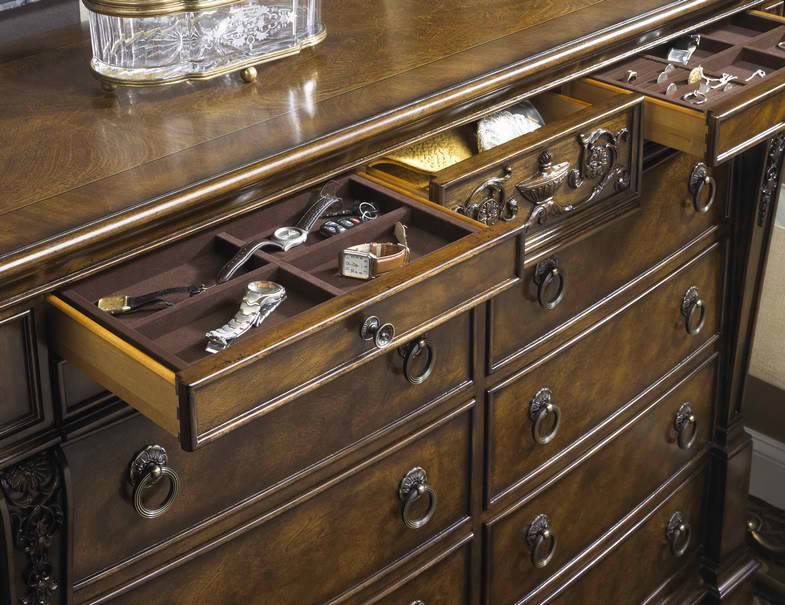
FFDM Belvedere Collection offers a lot of drawer space for your storage needs.
Your closet is a reflection of who you are – do you agree? A poorly-designed closet then requires an immediate redesigning task. If you are just starting, then allow this guide to get you through storing and getting the most out of your new wardrobe.
Get Only What You Need
If you haven’t already bought your cabinet, decide how big or small your closet space would be. Think also about the kind of design that you would want to build on. It could be tempting to provide one whole, blank wall to your cabinet without first considering what you would place inside it. So, yes, it is important to consider what the contents are going to be.
Build your closet based on the amount of hanging space that you actually need. Even small spaces can retain their look of spaciousness if you plan your closet space thoroughly. Planning ahead could also allow you to spend less or work within your budget.
Get Organized
Do not waste an inch of closet space – ever. Be sure to maximize space by grouping clothes according to their size. A group of clothing that spans 20 inches when hung should have a separate section. You need to be specific with regard to closet management. The top rod should be high enough so that you would have ample space between the hanging clothes and the second rod beneath them.
Consider Ergonomics
Of course, you wouldn’t want to be crawling on all fours looking for a pair of socks. You should learn to design your closet space ergonomically so you won’t have to bend down and hurt your back just to get a scarf or a hanky. Keeping your closet tidy will also add to the ergonomic feature of your bedroom.
Position the shelves in a more ergonomic manner by hanging them above your closet. Plus, make sure that they are no more than 14 inches deep or you would potentially lose your stuff at the back. Have no less than 10 inches of space between shelves. Stack right to the top of the shelf since you won’t have to reach to the back anymore.
Set up your shelves correctly and you won’t have to reorganize too often.
Get Ample Storage
This is especially true if you have a small space. The secret here is to use every bit of storage to its full potential. Hang clothes in the closet. Some homeowners find it better to hang their favorite clothes as folding them in deep shelves only spells mess in the end. Use deep space, instead, for hanging your clothes and the folded stuff can be placed elsewhere.
Deep drawers can be the home for sports gears and shoes. This allows easy dumping of stuff and finding them when you need them again. This is a better option than having the shoes stored at the bottom of the closet or directly underneath the bed.
Smart Shoe Storage
If you are dealing with a tight space, then storing your shoes inside the closet becomes a problem. You can have regular shelves or drawers house your shoe collection. The drawer method allows you to see your shoes immediately and you even have easy access to them.
If the shoes won’t fit inside the closet, then have some storage boxes brought in especially for them.
No Need for Closet Accessories
Closet accessories may be useful on some instances but be very selective in buying them. Most closet accessories are just a waste of money as well as space inside a small closet. What you should invest in are racks for ties, belts and scarves which would allow you to slide them in or out.
Don’t forget storing elsewhere. It would be unwise to clog your bedroom closet with all your stuff so be sure to use other shelving systems in your home.
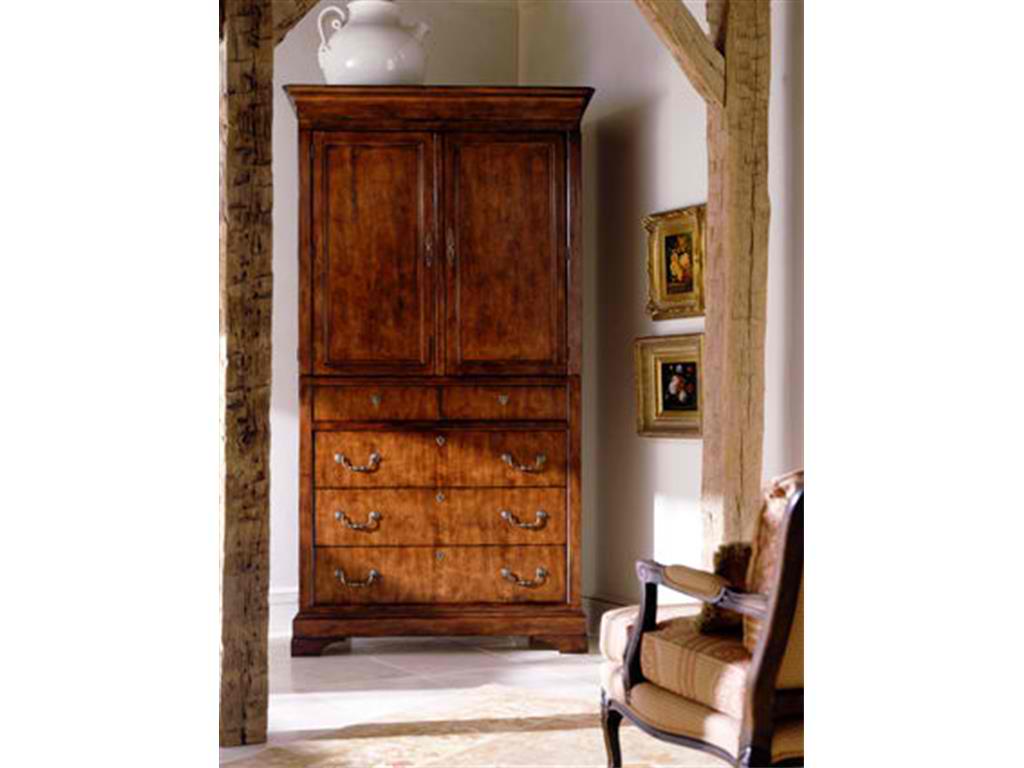
Henredon Living Room Armoire 6200-05-93
Tags: cabinet, cabinets, closet, closet organization, dressing up a cabinet, McCreerys, McCreerys Home Furnishings, organizing the closet, storage, storage advice, storage systems, storage techniques, tips
Posted in Furniture, Interior Design 101, Interior Design Elements | No Comments »
Wednesday, August 10th, 2016
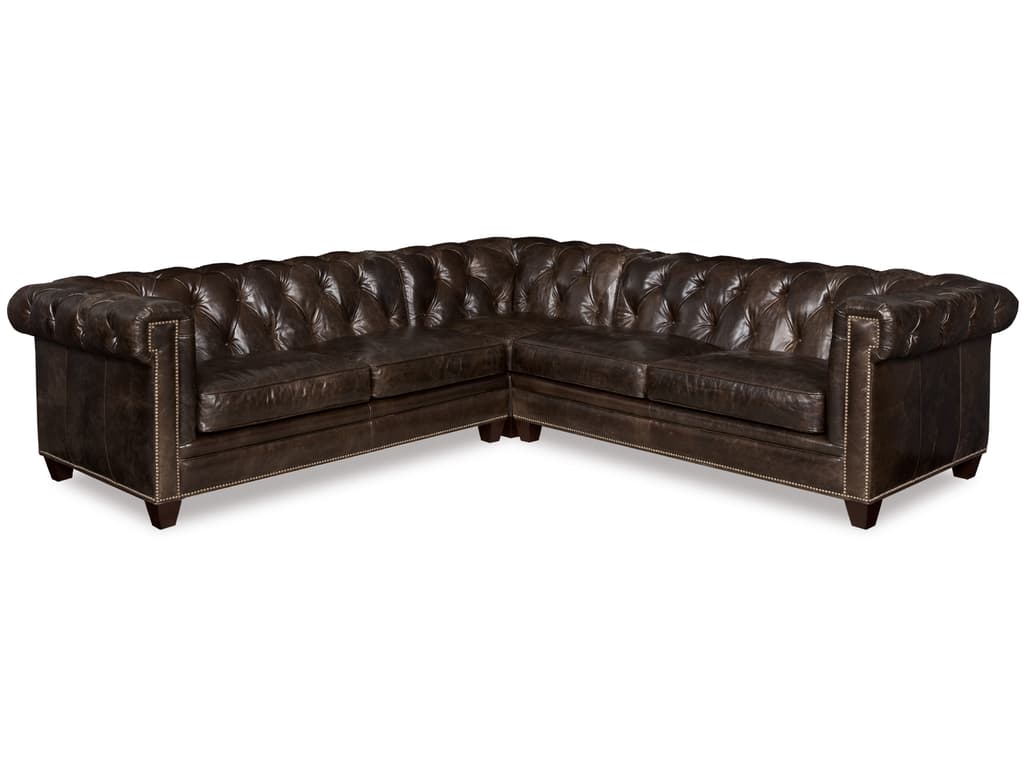
This Hooker Furniture Living Room Imperial Regal 3-Piece Stationary Sectional will look great in any old home.
There are two ways that you can be saddled with an old home issue; first, if you inherited one or if you bought one and are about to remodel it. Whichever scenario brought you this dilemma, you have to know that old home issues are sure to come up sooner or later so you might as well know what you’re about to face.
But what can be considered an old home?
This is going to be a subjective definition. Some would say that it is any house that’s been standing for 30 years or longer. This is why it is common for old house problems to materialize. Yet homes are supposed to age slowly and the problems that homeowners encounter often accrue gradually.
Religious maintenance can make a huge difference as can the quality of construction. Do accept, though, that the older the home gets, the likelier that you are going to encounter issues that would impact its livability as well as its safety.
Foundation Problems
You would require an inspection by a competent structural engineer if the floor that you’re walking on feels uneven. There are also less obvious signs that could manifest inside your home such as windows and doors that no longer latch properly. Such issues could also be spurred by foundation issues. Drywall cracks that are seen over windows and doors are also signs of a weakening foundation. Hairline cracks may appear harmless but a certified structural engineer would say otherwise.
A quick exterior inspection must be done right away. Check for any bulges inside foundation walls or any part of your home that no longer appears vertical. See also if there are chipping and flaking and if you do see any get a screwdriver to check the concrete’s hardness.
The cost for foundation repair could be as low as $1,000 or it could go a lot higher depending on the damage.
The Leaky Roof
The intrusion of water in your home is a sure death to the structure. The soundness of your roofing system is crucial to the overall health of every structure therein.
So how do you spot if you have a leaky roof?
If you spot staining on the ceiling, then this could be a sign of roof leaks. There could also be other issues that could cause this such as plumbing or window leaks, no matter, some repairs need to be done.
Water spots on the exterior walls can also be a sign of flashing issues. If you see these, you need to inspect the roof tiles or shingles to see if there are any problems like cracks, unsecured flashing, missing parts or cupping. Taking a quick look at the attic insulation should also reveal signs of moisture. Looking for daylight underneath the roof boards is also an effective way of seeing if the roof is still in perfect shape.
Roof repair costs vary so it is best to get an estimate from a contractor or a local roofer.
Old Features
Popcorn ceilings are removable though it could cost anywhere from $2,000 and up. The job becomes more hazardous if the ceiling contains asbestos (which is a probability). Allow a contractor to do the testing and the ceiling removal.
Old countertops and cabinets should also be replaced eventually. Painting jobs are relatively easy as would the replacement of fixtures but outdated furnishings need to be addressed right away. That heirloom cabinet might be housing not just your great grandma’s antique pieces but also some termites so watch out.
Waterproofing Issues
If there is a musty smell in your home then, chances are, you have waterproofing problems. It could be mold or mildew that has built up in the walls, the attic or even your under floor framing. Once you smell this, be sure to ask for a professional inspection. This is a potential major issue as it could require a new drainage or waterproofing.
Tags: designing an old home, McCreerys, McCreerys Home Furnishings, old home, old home design, old home remodeling, old house care, old house problems, redesigning old homes, remodeling an old home, taking care of an old house
Posted in Home Maintenance, Interior Design 101 | No Comments »
Follow us on our social media


© McCreery's Home Furnishings | All Rights Reserved | Privacy Policy
