- Follow us:


Sunday, August 14th, 2016
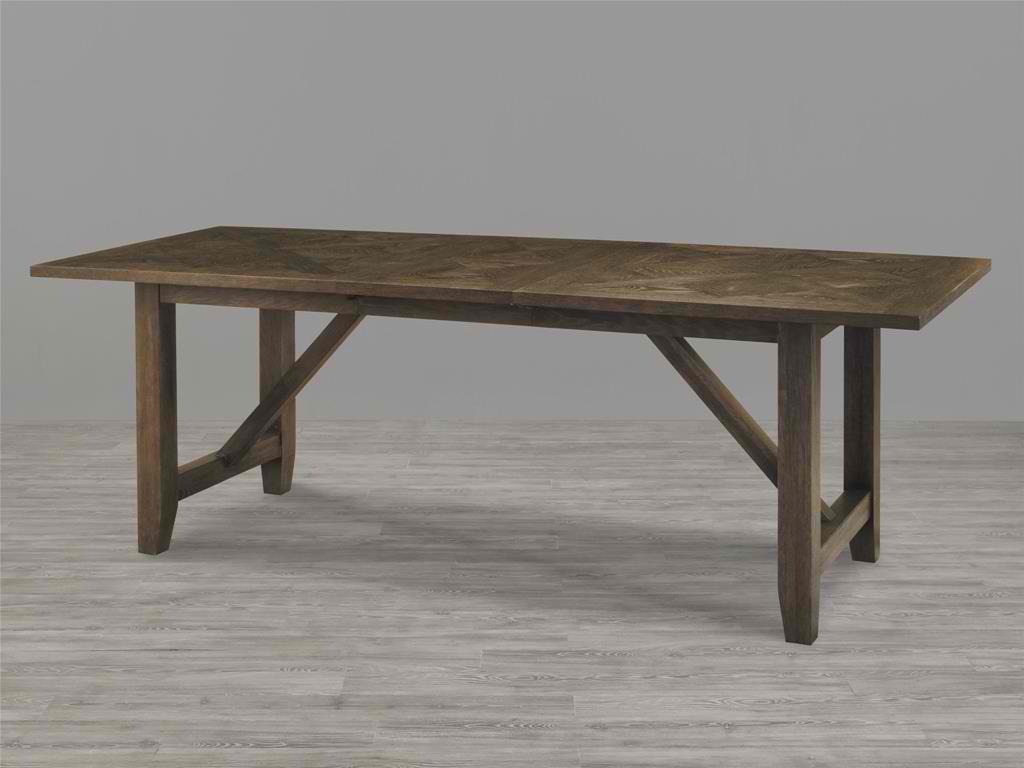
Universal Furniture Dining Room Chelsea Kitchen Table 311751
Floors take the most beating compared to any other parts of your home. This case is most true inside the kitchen. The kitchen is no less than the hub for homework, parties, family get-togethers, and the command central for prepping food and cooking. This is why it is vital to look for a kitchen floor that will be able to withstand rigorous foot traffic. While it does show sturdiness, make sure that you won’t sacrifice the look in the process.
Polished concrete looks great on kitchen floors though it can take its toll on your joints. Walking on such floors for longer periods could result in hip or joint pains which are common complaints among homeowners who installed hard floor surfaces. Other examples of such flooring material are stone, porcelain and ceramic tiles.
The good news is, there are softer yet equally resilient flooring materials that can be used for your kitchen. The list below, however, provides the most common kitchen flooring options and the pros and cons.
Ceramic Tile
This is no less than the model kitchen flooring as this is your fail-safe option in terms of budget and style. Your choices for size, shape and color are almost limitless so this means that you can create the look that you want whether it is contemporary or traditional.
The advantages of ceramic tiles include being able to stand up to constant wear and tear. This means you can easily clean splashes and spills. You also have some low-priced tile options and one that are modular. This means that you can come up with a customized pattern according to your budget.
The downside to using ceramic is that there could be cracks as the floor begins to settle. A glass or dish that is dropped could easily shatter ceramic tiles. This kind of tile could also be hard and cold underfoot so be sure to use an area rug to offset any discomfort.
Natural Stone
Whether it is made from slate, limestone, travertine or granite, natural stone flooring has one great asset – variety. No two pieces look alike since every piece has a different pattern, color and texture. Stone can also offer an elegant look. It has been around for centuries so what could be more classic?
Natural stone also requires less maintenance while offering natural beauty to your kitchen.
The downside? Natural stone can get expensive. It is also not a material for DIY enthusiasts. There are tiny crannies in stone that can trap dirt. It is also prone to chips and scratches especially in the case of softer stones like travertine. Slate is known to peel over time.
Rubber
This may be an unusual choice for your kitchen but this kind of flooring is actually becoming more common in many homes. Rubber is springy, soft and durable and it is a wonderful choice if you spend a lot of hours standing inside the kitchen.
Rubber flooring comes in tile and sheets. It should be sealed upon installation and again after each year or two. Another great thing about rubber is that it only costs $6-12 per square foot.
Linoleum
This should not be confused with vinyl flooring as it is made from an all-natural, renewable material like pine rosin, linseed oil and powdered cork. This feels soft underfoot though it is still quite durable. It also comes in various colors and patterns.
Cork
Another soft kitchen flooring is cork harvested from the cork oak tree. This may be soft but it is resilient and it comes in a variety of patterns, colors and textures. This is available in plank or tile formats. It can get dented or scratched but you can prevent this by applying a protective wax layer.
Tags: flooring, flooring choices, flooring finishes, flooring materials, flooring options, flooring types, kitchen, kitchen flooring, kitchen flooring materials, McCreerys, McCreerys Home Furnishings, tile flooring, tips
Posted in Interior Design 101, Kitchen Design | No Comments »
Follow us on our social media


© McCreery's Home Furnishings | All Rights Reserved | Privacy Policy
