- Follow us:


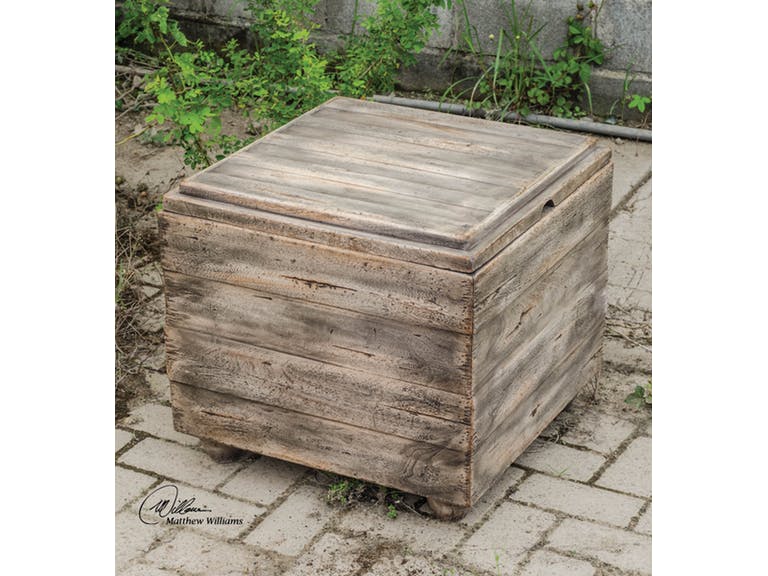
Uttermost Living Room Avner Wooden Cube Table 25603
There is a reason behind the popularity of low-impact homes these days. Apart from energy costs saved, there are health and ecological reasons as well that drive homeowners to choose to live green.
If you’ve just signed up to live an eco-friendly lifestyle, then it would be good to have a few guiding principles to help you on your new journey –
Purchase Responsibly
Green living means you purchase only from businesses that are serious about natural resource conservation. As a homeowner, you should also use energy optimally. Do this as well with your water consumption and other material use.
Buy only the products that have been certified to meet the strictest environmental standards. Always prioritize your environmental and social responsibilities as you make each and every purchase.
Buy Locally
If you have neighbors with local businesses, then support them. But make sure that they also know how to conserve energy and preserve Mother Earth.
You might think that buying locally has nothing to do with the well-being of the planet but think again.
First, food that you buy from the farmers market is fresher. You don’t just get to support the local farmers, you even improve your health and the local economy.
Compared to store-bought food, too, local foods have less transportation time. You can even drive to the nearest farmers market to pick your own peaches, strawberries, blueberries, etc.
Another upside to local purchase is the amount of packaging involved. You can bring your own reusable bags when you buy from the farmers market. As you can see, saying no to plastic is a major decision that you have to make when you want to live a green lifestyle.
Assess a Product’s Environmental Impact
If you want to be truly sustainable, product suitability and longevity must also be balanced with sources and materials that are sustainable. Be involved in the life cycle analyses (cradle-to-grave concept) of the environmental impacts of products that you buy.
Say no to products that harm animals such as alligator or snakeskin products, ivory from elephant tusks, etc.
Reduce, Reuse, Recycle
Just buy products that make use of recycled materials like salvaged timber, reclaimed tiles, recycled pet bottles, etc.
You can help protect the environment by remembering these 3Rs. Reducing means you’re willing to decrease the amount of waste that you and your household produce.
In reusing, you can think of ways that you can use something more than once. For instance, you can shred paper for your pet hamster or you can use glass jars for multiple uses.
Recycling, on the other hand, means you imagine ways to use the product again without having to buy new products. You can compost food wastes and recycle those UPS boxes after you empty them.
Be Energy-Efficient
There are simple ways to begin your energy-efficient lifestyle.
First, you can begin lowering your thermostat especially when you’re away from home. You can also seal your windows and limit your use of space heater.
Be sure to unplug appliances that are not in use and to replace the incandescent bulbs with LED lighting. You can also ask an electrician about the installation of a lighting control system. This should reduce your electrical consumption by 40%.
The 3Rs in Interior Design
And now that you know what the 3Rs are in green living, you can also apply these to your interior design.
If you have to remodel or renovate a part of your home, see if you can find materials that come from recycled sources. There is now recycled construction debris that you can use for your own construction projects.
Ask your interior designer about how to get your hands on such materials.
Follow us on our social media


© McCreery's Home Furnishings | All Rights Reserved | Privacy Policy
