- Follow us:


Monday, April 8th, 2019
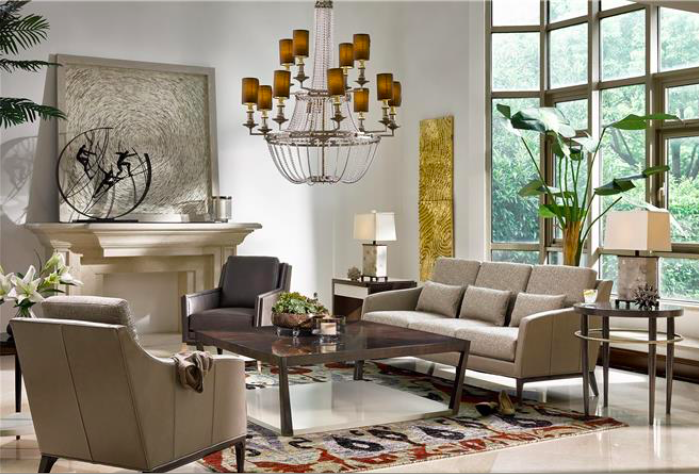
Fine Furniture Design Art Deco Collection.
There are many factors that affect the odds of a person winning the lottery but, statistically, a person’s chances of hitting the jackpot (picking the right six numbers from a pool of 49 choices) is at 1 in 13,983,816 or, approximately, 1 in 14 million.
That’s an awful lot of numbers with just one shot at winning but, hey, what if you really do become a winner, have you ever thought of how you’ll spend your money? Most people think of building their own house but what style do you have in mind?
Traditional Style
This is the interior design for people who want the classic details in their home. These are the dark, finished woods, different textures, exciting color palettes, and curvy lines. The ornate details include velvet, brocade and silk.
An exciting way to dress up your home with traditional style is to add depth, use layers, and to add a sense of dimensionality to whole ensemble. Both rustic and French country styles could fall under this style with the first being focused on stone and wood features while the other uses warmer tones of red, yellow and gold.
Modern Style
Modern is not an exact term actually but it often refers to a house that has clean lines and a basic color palette. Materials that are commonly used in such a home are metal, steel, and glass.
The furnishings in this home are also simple yet sleek. Don’t try looking for clutter here because you won’t find any (well, at least that’s the general notion).
Contemporary Style
A lot of people interchange modern and contemporary styles. But if you look more closely, you will find a lot of differences.
Contemporary interior design, in a nutshell, is a style that’s based on what’s hot right now. Modern design, on the other hand, strictly implements interpretations of the styles beginning from the 20th century.
Contemporary design is also more fluid, thus, you can be more creative on this realm. It could include curvy lines in one home whereas the next home could be more simplistic.
Scandinavian Style
This is the interior design that pays homage to the simplistic approach to life that the Nordic peoples do. The furniture pieces here are simple but all works of art. There is function for each piece, although, they remain aesthetically interesting.
A lovely offshoot of this style is the shabby chic style where white and neutral elements are also given emphasis.
Minimalist Style
This concept is getting more and more popular each year. It has elements of modern interior design with its color palettes being airy and neutral. The furnishings are also streamlined with nothing being excessive or flamboyant.
Minimalism can be defined in two words – clean lines.
Mid-Century Modern Style
If you’d like a throwback sort of look, sometime in the mid-1900s specifically the 50s till the 60s, then you could go nostalgic. Add a fuss-free look with pared down forms, egg-shaped chairs, and organic shapes.
This is a style that can easily complement any house structure.
Industrial Style
As this style’s name implies, it is a design that’s inspired by warehouses and urban lofts. You will see a lot of unfinished elements. There’s a kind of rawness that gives emphasis to wood, bricks, even the ductwork. Think of metal fixture pendants, high ceilings and old timber and you’re right at home with the industrial style.
If you’re feeling up for burst of color somewhere, then you could use abstract art or flamboyant photography to complete the look.
Transitional Style
This is getting to be more popular each year, too, because it can work for any house. This suits the homeowners who are still unsure about the eventual interior design that they would use for their place.
Transitional design could use modern elements like glass or steel while still using plush furnishings. This style also makes use of neutral colors to create a relaxed space that’s inviting and warm.
There are other styles that can make you happy when you finally win the lottery. There’s Bohemian, eccentric, Hollywood glam, Art Deco, Victorian, and many more.
Just be sure to choose whichever style speaks to you.
Tags: industrial interiors, industrial style, McCreerys, McCreerys Home Furnishings, Mid-century modern, Mid-century modern design, minimalism, minimalist interiors, minimalist style, modern interior design, modern interiors, modern style, traditional interior design, traditional style, transitional, transitional design, transitional interiors, transitional style
Posted in Interior Design 101, Interior Design Elements, Interior Design Themes | Comments Off on What House Will You Build If You Bag the Lottery?
Friday, April 20th, 2018
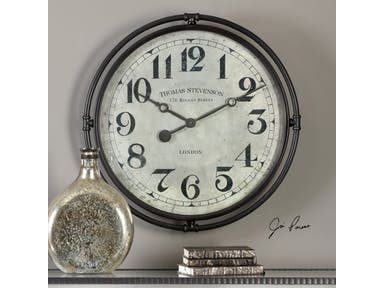
Accessorize with this industrial Uttermost Accessories Nakul Industrial Wall Clock 06449.
Industrial design rooted from the need to have safety and efficiency in terms of architecture. Just recently, this style has become iconic insomuch that people rushed to search for old buildings such as warehouses and factories. This sudden demand for industrial spaces welcomed the trend for industrial chic.
The first industrial structures, these days, are many sought-after locations for weddings, company events, and other such occasions. These structures were, of course, originally meant to protect workers and house machines. Yet people are not deterred by the aging columns, distressed walls, and old pipes; each buyer seems to be able to see the stories that are represented by the imperfect buildings.
A Short History
The late 1700s were the years when the first industrial structures were built. These were meant to be utilized as working structures. But with the advances in electricity, engineering, and architecture, these have long since been used for more than their utilitarian value.
Industrial structures originally have zero frills. These were, after all, buildings that are supposed to facilitate work. Fear of fire became prevalent during those years, too, that flat roofs were recommended and owners were discouraged from constructing attics.
This unfinished, raw look is what now characterizes the beautiful industrial chic homes of our time. Exposed bricks, ductwork, and pipes are all but common features in industrial chic homes.
By the 1900s, bigger spaces were needed because of the advent of new energy sources. Steel and concrete then became the new go-to materials for industrial buildings. These structures are now more in line with what you see as an industrial home today.
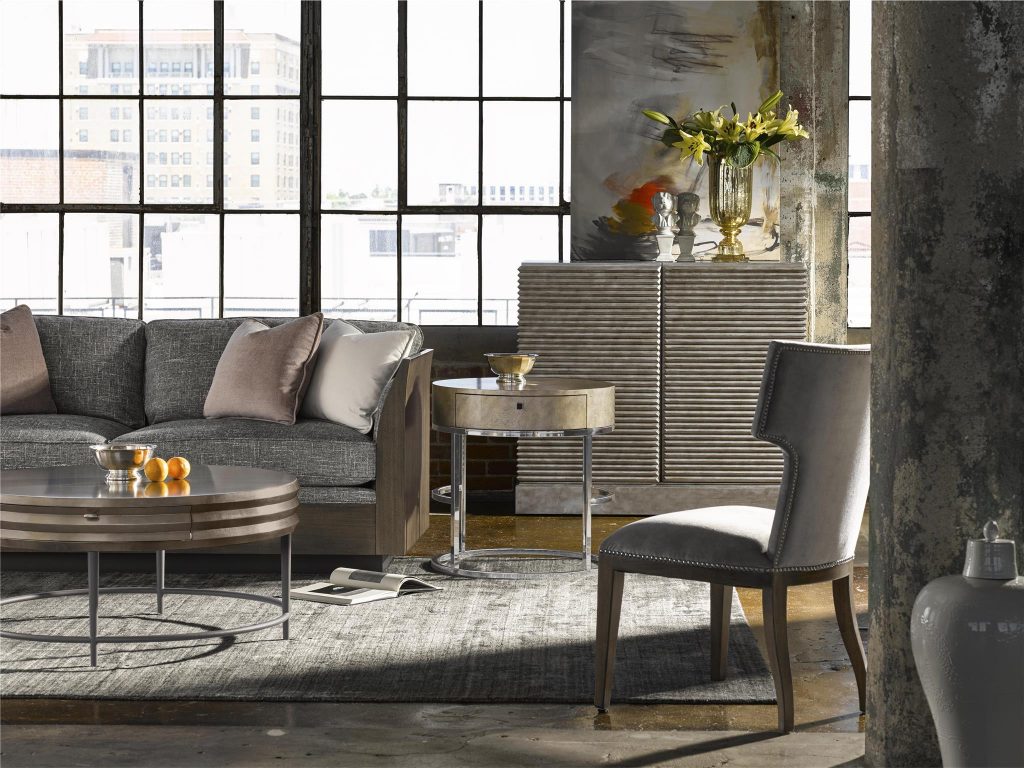
Fine Furniture Design’s Cachet Collection sits perfectly in this industrial building.
Old Factories, New Homes
Majority of industrial buildings have no walls to block natural light. These are, therefore, easily repurposed as Lower Manhattan and New England homes. It was during the late ‘60s and ‘70s when these spaces were renewed and were reclaimed by artists due to their abundant lighting.
Interior designers have long since caught up. They have successfully glamorized industrial chic because of its renewing and reusing characteristics. The defining features of such homes are now the open lofts as well as the exposed structural details.
Industrial chic is one of the few designs that can perfectly blend with any style. It can be traditional, modern, rustic or elegant. Industrial chic is not cold but neither is it too warm. This is the right style that effortlessly strikes a balance.
Remember to include elements such as metal, bricks, and reclaimed wood in your industrial chic home. The very building which your home is was made to celebrate perfect lighting, open floor layout, and accommodate large social hubs.
Industrial chic can also be masculine once the steel, concrete, and bricks are not softened. The steady rise in industrial chic space demands has risen up with the ever-rising concerns for gender neutrality. It is now easy to see neutral elements such as Edison bulbs, reclaimed wood flooring, ceremony altars, factory windows, and doors.
Other Industrial Chic Key Traits
Industrial chic is all about proudly displaying the building materials that were used to construct the building. Loft apartments, commercial spaces, and modern homes make use of these past utilitarian spaces.
The warehouse look proudly shows the exposed ducts and pipes and other such raw elements. It is also common to see metals on walls as a feature of an industrial chic home. Those who long for this look may also incorporate metallic furnishings. Polished metals as shelves, as well as feature metal brackets, are features that you can also use.
It is also okay to combine metal with wood surfaces. You can see a plethora of this fusion throughout the more subtle industrial chic homes.
Tags: industrial, industrial chic, industrial design, industrial interior design, industrial structures, industrial style, McCreerys, McCreerys Home Furnishings
Posted in Interior Design 101, Interior Design Elements, Interior Design Themes | Comments Off on From Building to Industrial Chic Home
Friday, October 27th, 2017

Hooker Furniture Home Office Arabella Mirrored Writing Desk
Industrial interior design is all about displaying the raw building materials, it’s about the non-concealment of pipes, wood beams, trusses, rough concrete, and metallic surfaces. It is also being proud of the unfinished look that is offered by this functional yet still stylish design.
What you achieve is a warehouse look of sorts though this can also be polished into a more sophisticated space.
If you have been perusing interior design magazines lately, you would be able to see that there are many designers who are now incorporating the industrial look to their other designs. Many stylish homes now have stainless steel features, vintage-looking furniture pieces, and metal lighting fixtures. If you want to get the look, too, here are some tips –
Expose ‘Em
A signature element of any industrial space is its ducts and pipes. Warehouse apartments are now the in thing to beat. They are everywhere and everyone seems to want to live in one. In fact, old factories and office spaces are being converted into residential living spaces.
Of course, the alteration can be challenging but the homeowners who eventually move into these spaces find great joy with their decision.
All white spaces are the perfect backdrop for exposed pipes. The brightness of those white walls and ceilings provide the needed contrast to the piping system.
Use Metals Everywhere
Apart from the ducts and pipes that remain exposed, another feature of industrial homes is the presence of metal paint on doors or metallic sheets on walls or vice versa. Industrial kitchens look amazing with their glimmering metallic surfaces from the stoves to the refrigerator, even down to the handles of cabinets.
The best way to approach designing with metal is to do it subtly. You could begin with the simple elements such as metal bowls or vases. You can even group these together to form a more dramatic statement.
Metal frames also bring in positive Feng Shui. Find frames that have the same finishes and not contrasting ones.
And Then There’s Wood
Industrial interiors also offer a wonderful vision of wood combined with metal. Earth tones or neutrals are common color schemes for industrial homes. The textural fusion of smooth, shiny metals plus the grainy and earthy look of wood is just an amazing thing to behold. This is the perfect juxtaposition of the raw plus the refined, respectively.
Many even choose glossy metals or chrome accents in their kitchens as well as lighting fixtures. If you began with chrome, then go for chrome throughout. Know how to mix metals and the number one rule is to find a dominant metal to use. While you can still mix cool with warm metal tones, having gold as the dominant hue, then let gold prevail.
Use the Open Concept
Industrial interior design takes the open space concept to a whole new level. The furnishings are the defining pieces for most spaces. Since the pieces are limited, the homeowner has to take time to think of even the tiniest details.
Those who are thinking of renovating to turn their home into an industrial space should create a mood board. Pin as many inspirations as you can on this board before actually embarking on this change.
Pick Industrial Colors
Are there really colors that do not agree with the industrial design?
Typically, the hues that are used are neutral, warm colors because they help bring out warmth into the already cold space. Remember that the ducts and pipes are cool elements so it pays to balance them by putting in lots and lots of brown, taupe, and certain shades of red.
Tags: industrial design, industrial design elements, industrial interior design, industrial interiors, industrial lighting, industrial look, industrial style, McCreerys, McCreerys Home Furnishings
Posted in Interior Design 101, Interior Design Elements, Interior Design Themes | Comments Off on Lovin’ the Raw Appeal of Industrial Interiors
Friday, June 23rd, 2017
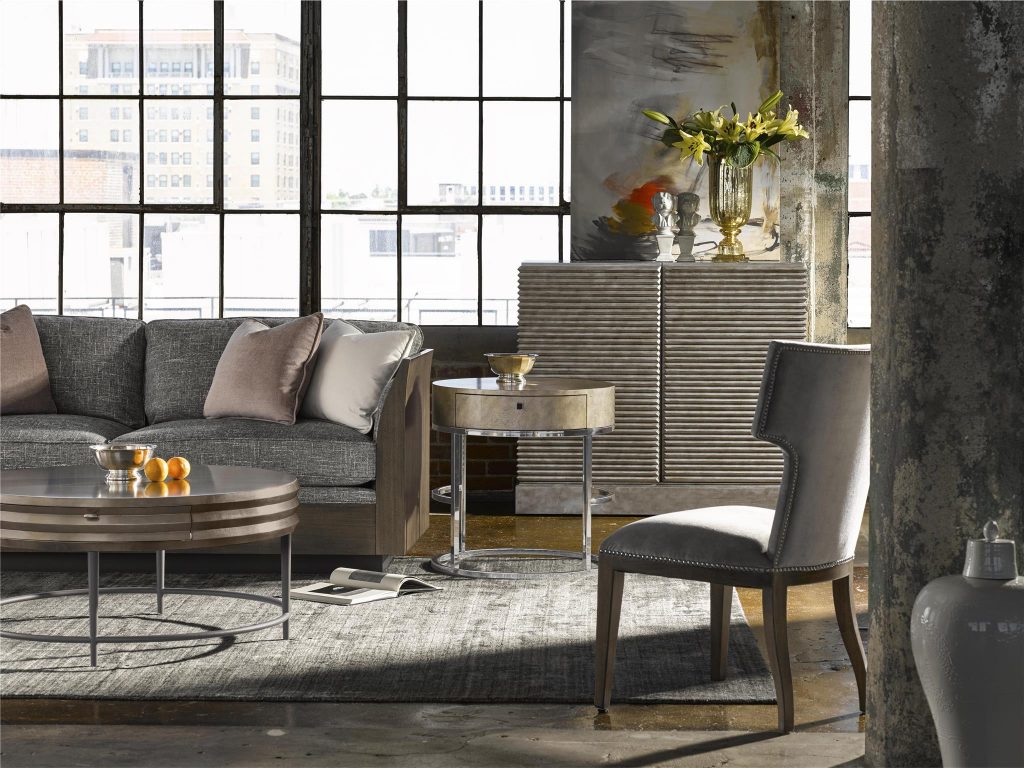
You just gotta love the modern industrial appeal of this room featuring Cachet Collection pieces.
Recently, homeowners have been resorting to giving life to old barns, warehouses and commercial buildings. The world was taken by storm as this design highlighting exposed finishes has taken center stage. There isn’t any doubt that the industrial elements are staying for good.
The very appeal of bringing the look of manufacturing or mechanical ingenuity means you have to have an eye for unfinished and raw interiors but are good enough to be considered visually pleasing. Believe it or not, there is a way that modern industrial look can become gorgeous. The most beautiful urban lofts these days are actually barn or warehouse conversions.
History Is Your Best Friend
Before you can set what sort of industrial look you will use, you need to go and take a look at old buildings. Find out about these buildings’ rich historic pasts. You’ll be surprised that once you learn these, you will finally concoct creative ideas that you can use for your own modern industrial habitat.
You can also travel downtown at the city to view some older buildings. A lot of cities across the world have restored warehouses and manufacturing structures that have been turned to newer office buildings or condos.
Rustic is Your Next Best Friend
In the era of iron and steel manufacturing in the U.S., using industrial products as well as metals was quite ordinary in lighting fixtures, plumbing, cabinetry, even doorknob hardware.
These days, wrought-iron has become a must-have industrial element. It would look wonderful inside a contemporary setting. You can also look for copper, brushed nickel and cast iron to bring that industrial yet organic appeal to your home.
Expose ‘Em All
If you love anything that looks like it’s been given a chance at being reborn, then find inspiration in the unusual. For instance, you can create lighting that’s controlled by a mechanical pulley. You can also have lighting that looks like a scissor accordion.
Your imagination is the only limit there. Find mechanical workings and have them exposed so that you achieve an industrial look. An island in your kitchen could be repurposed with casters and legs.
Modern mixed with Industrial Beauty
What’s great with adding industrial design elements in your home is that you get the chance to mix and match the old with the contemporary concepts. The best room to begin in is the kitchen.
Use modern appliances with your traditional cabinets. Match these with panel on your appliances that look like they came straight out of the Industrialist era.
Find lighting that looks like the bulbs during Thomas Alba Edison’s time. Retro industrial look is easy to achieve with rustic details and metals.
Express with Art
One other way to bring a modern industrial appeal to your home is to make good use of artwork in expressing your creativity. Use murals, bold graphics, even your own paintings. Those exposed brick walls are also a type of art in their own right. One bricked wall can be used as the accent wall in a living room or the bedroom.
You can also make your own art by getting inspiration from your travels downtown. You can do abstract painting and paint according to your feelings or you can literally paint what you saw.
Renovate Now
If you have a home and you are just considering to renovate it, then you have to say yes to accent walls and fireplaces. Concrete is also an element that you need to include in your raw design. You can have it polished so that it would glow beautifully or you can just leave it at its matte state for a more unfinished, rustic appeal.
Tags: industrial, industrial design, industrial interior design. modern industrial, industrial style, McCreerys, McCreerys Home Furnishings
Posted in Interior Design 101, Interior Design Elements, Interior Design Themes | Comments Off on The Raw Beauty That Is Modern Industrial
Tuesday, April 18th, 2017
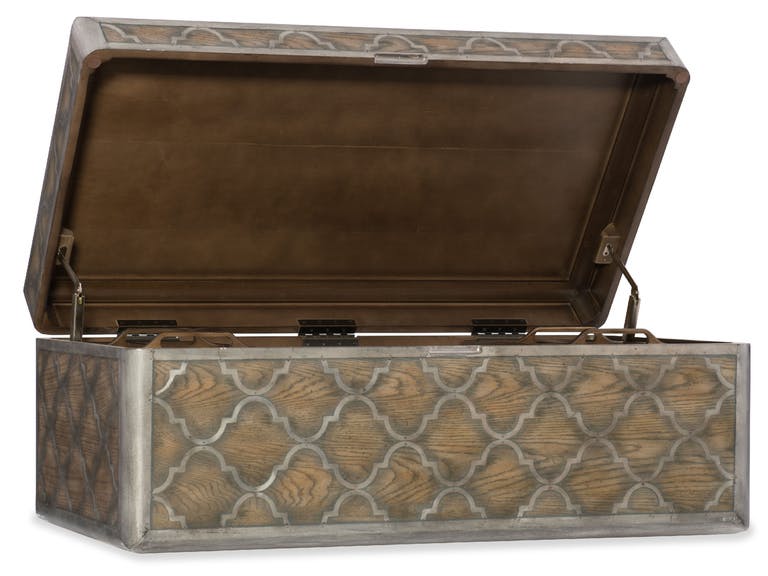
Hooker Furniture Living Room Arabella Trunk Cocktail Table
Industrial architecture is known for its safety and efficiency. Industrial style is always functional, even iconic. Industrial homes were once factories abandoned warehouses and huge open structures. Since these buildings were originally meant to house many people and huge machineries, they are tough and secure.
These industrial structures have a rich history to offer even with their distressed walls, worn flooring, and aged pipes. These may appear like scars to the eyes of their beholder but they can be highlighted to stress the industrialist appeal of the structure.
Industrial Architecture History
The primary industrial buildings were constructed in the late 1700s. These were supposed to be utilitarian and since there was no electricity then, narrow structures were built with large windows so that natural light could stream in.
Minus the common frills of homes of today, these structures were built to facilitate production. The manufacturing process was housed in a single place which led to faster processing and production streamlining.
Still in the 1700’s, safety issues began to be noticed. Mill factories were especially problematic. The fear of fire was widespread insomuch that buildings were built to reduce such dangers. It was also because of this that industrial architecture was starting to be influenced by insurance companies. Attics were discouraged and, in their place, flat roofs were made.
Flat roofs became the staple features. Along with these, plain facades, isolated stairwells, open spaces, ornamental pieces, pipes, and exposed bricks have become the iconic looks of industrial design.
In the 1900s, manufacturing became more robust because of the advent of fuel from regular coal. Mechanical power became available inside these factories, hence, there was a demand for more adaptable spaces and more modern construction.
Steel and concrete also entered the picture during these times. Albert Khan was the visionary architect who worked with these durable materials in his architectural designs.
Industrial design changed for the better and the looks of buildings have become the structures that we know them today. Steel and reinforced concrete made sturdier structures. The bigger, newer buildings then required bigger parcels of land. This led to the factories being built outside of cities and the metropolitan zones, hence, more and more structures were being uninhabited.
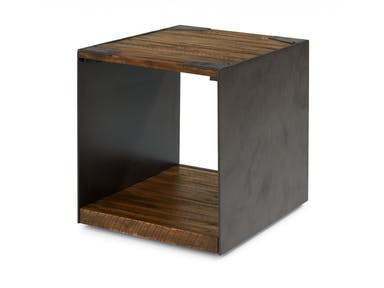
Flexsteel Living Room End Table W1404-01
Resurrecting Old Factories
With very few to zero walls, blocking natural lighting, these abandoned factories were viewed as the perfect structures that can be repurposed. The late ‘60s and ‘70s brought about the renewal of these spaces. The changes began in Lower Manhattan and in New England.
Initially, these structures became the home and studios for artists and their masterpieces. These people received a different kind of inspiration inside these buildings. Magazines even began to glamorize industrial chic. Recycling and renewal also became the in things to do.
Industrial Design Today
It is no surprise that weddings and other such celebrations are now being held in old industrial spaces. With huge windows allowing natural light to stream in, it is the perfect lighting for such lovely events. Even the huge, spacious walls seem like canvas to any work of art.
Industrial design is brimming with masculinity, what with the presence of brick, steel and concrete. Since this is so, they are the perfect elements to contrast the femininity of weddings.
It isn’t just the events industry that has opened its doors for the use of these industrial spaces. There are more and more homeowners who are signing up for these probable homes.
Industrial design, in a nutshell, is all about using etched glass, worn wood, rough metal and everything utilitarian. It is a traditional style that is simple and comfortable, in essence, the archenemy of slick.
So, are you ready to own or build one of these industrial structures?
Tags: industrial design, industrial interior design, industrial style, McCreerys, McCreerys Home Furnishings
Posted in Interior Design 101, Interior Design Themes | Comments Off on Industrial Design: Its Roots, Characteristics and Why It’s For You
Tuesday, December 13th, 2016
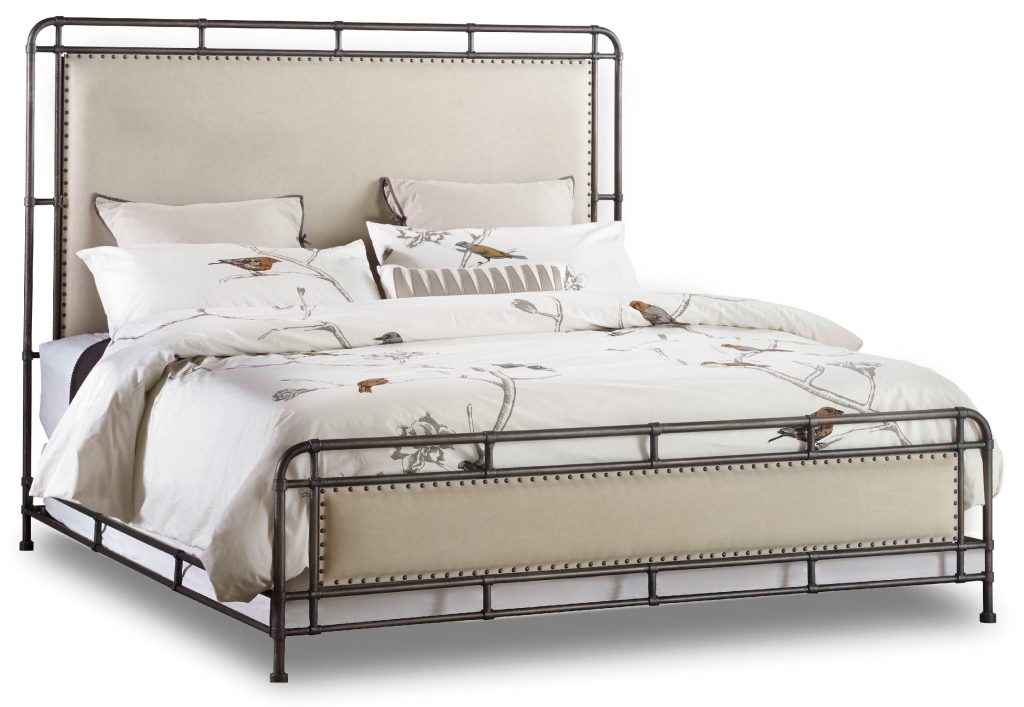
Hooker Furniture Bedroom Studio 7H Slumbr Queen Metal Upholstered Bed
Industrial design is one of those home styles that require you to be brave. It is not common, it displays the building materials which many homeowners try their best to conceal. It is also about adding unfinished and raw design elements to add a different kind of style.
Industrial design is a growing trend. It showcases utilitarian stuff, neutral tones, wooden and metal surfaces. What you achieve at the end of the day is a warehouse look that fuses an industrial feel with some earthy, polished elements.
Don’t get the idea that industrial design is just for unfinished spaces. Many design enthusiasts, these days, even incorporate industrial design to their upscale habitats by showcasing metal light fixtures, stainless steel surface, and vintage-looking furniture pieces. McCreery’s Home Furnishings offers excellent, thoughtfully-designed industrial pieces – http://www.mccreerys.com/itembrowser.aspx?action=attributes&ItemType=Furniture&event=reset&wcsearch=INDUSTRIAL.
Industrial Design Signature Elements
One of the leading signature elements of industrial design are exposed ducts and pipes. Warehouse apartments became quite popular in the past few years that many homeowners followed suit. Even former factories and other industrial spaces have been converted to residences.
Another element of industrial design is wood and its usual partner – metallic surfaces. It’s a small wonder that neutrals and earth tones are the most common color options for such homes. You can find an abundance of metal on staircases, ceilings and windows. Note also the wooden panels on ceilings.
Industrial design also means you have to draw some inspiration from anything that’s unconventional. Mix different rules and looks of interior design. This means it’s normal to find Boho or Mid-Century modern elements inside an industrial modern home.
Check out also the furnishings meant for rugged steam punk or contemporary chic styles. If these don’t tickle your fancy, then pick rustic colors to play safe. Select the color palette that connects your furniture, rugs, lighting and accents.
If your industrial home happens to have brick walls – whether painted or unpainted – cement flooring or wood, then you have practically achieved half of the look that’s required for this style. Rustic elements in industrial design feature a lot of beiges and browns. Remember that your chairs, sofas, tables and accessories would likely be made of raw wood and leather.
Burnt orange is also a typical color.
Industrial furniture pieces rely heavily on unfinished wood, so, if you’re planning on investing in a dining table, end table or a coffee table, it is best to find those made of raw wood. This should help you achieve that genuine industrial look. While the tables can be made of wood, you can also make use of exposed steel legs and such features.
Another trend that’s gaining popularity lately is reinforced concrete in industrial homes. This looks amazing even on furnishings. Just imagine how a concrete table would make your patio come to life.
Industrial chairs and sofas generally have a leather finish. The materials might be similar but the styles of each are unique. You can choose a traditional-looking piece or opt for the low-profile look offered by modern pieces.
If you happen to not like leather, then you can also choose from among the upholstered chairs and sofas. Find tufted seats that are lined with steel nailheads.
Industrial design also uses a lot of rugs. Just shy away from rugs that are too abstract or vibrant; lattices and chevron patterns would also look awkward inside an industrial setting. Instead of these elements, pick something that’s generally dark or faded such as burnt orange, blue, gray or crimson. See also if you could get your hands on a distressed Oriental rug which is also a traditional and ethnic element that’s associated with both Southwestern and industrial designs.
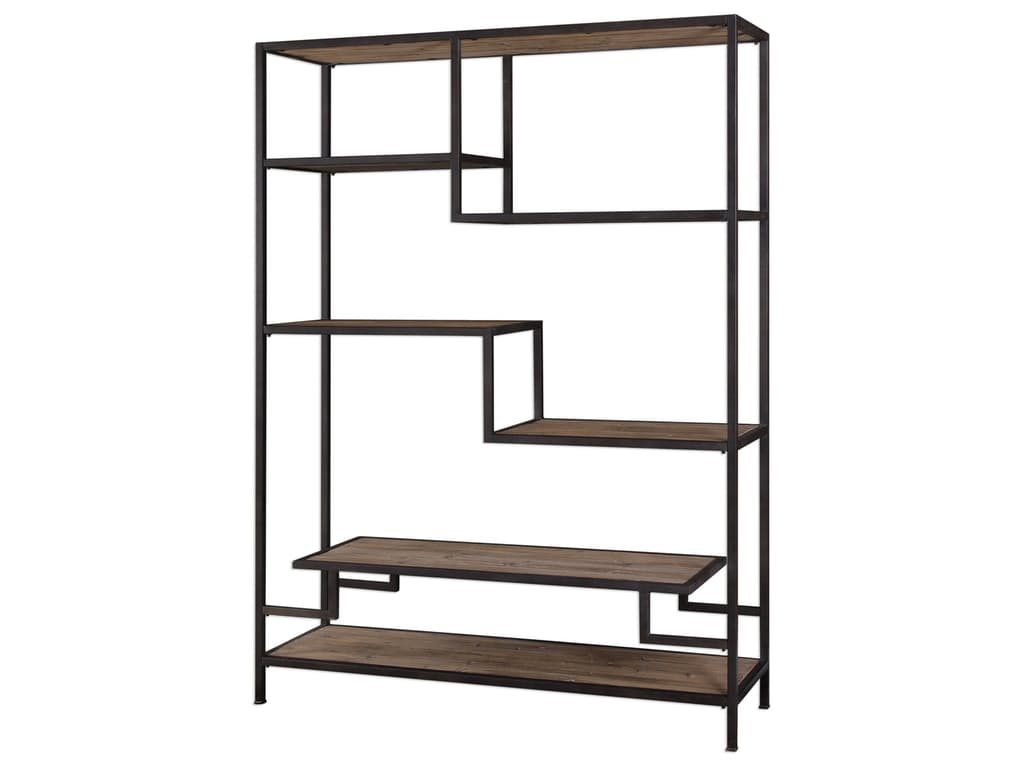
Uttermost Living Room Sherwin Industrial Etagere 24682
Tags: industrial design, industrial interior design, industrial interiors, industrial style, McCreerys, McCreerys Home Furnishings, modern industrial
Posted in Interior Design 101, Interior Design Themes | No Comments »
Follow us on our social media


© McCreery's Home Furnishings | All Rights Reserved | Privacy Policy
