- Follow us:


Friday, March 17th, 2017
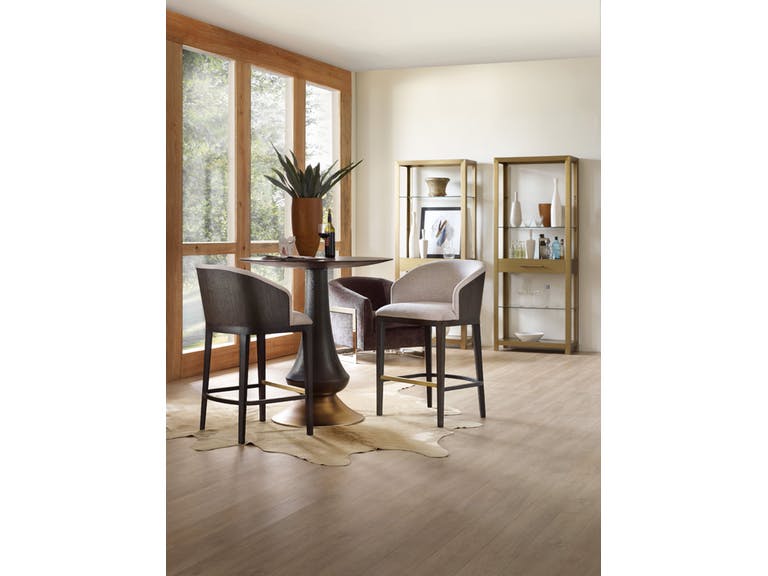
Featured in this lovely room is the Hooker Furniture Dining Room Curata Pub Table.
Making a profession out of interior design means being able to process design, understand it, explain the design to the client, and even be aware of its rich histories. There are also techniques and processes to remember if you want to become skilled in this job.
Analyzing Interiors
There are many factors that make interior analysis difficult. First, houses are rarely designed by a single person. There are also a lot of design elements to work with. Both the objects and the interiors are subjected to ongoing modifications with very, very few exceptions.
Finding Design History
It is not easy to find a definite history for a lot of designs. In fact, most of the histories that are shared to the world today – at least when it comes to interior design – aren’t completely accurate. There are even different versions at times. With so many related disciplines to this industry, there is just so much to record.
Recognizing This Profession
Making a profession out of interior design means you have to prove that you can meet design standards and that you are ready to be recognized because of your designs. Amateurs show haphazard work but as a professional, you should be able to show a different level of work based on the portfolio that you have organized.
An interior designer offers services to both residential and commercial space owners. The job includes space planning, designing structures, even decorating. Many employers as well as clients look for a fusion of experience and ample schooling. Those who are able to show certification or a degree in interior design are often the ones that are favored.
Becoming an interior designer in the U.S. means you must first find an accredited program. This has to be accredited by the Interior Design Accreditation so that the courses taught are definitely bound by standards.
Council members are educators and interior designers.
As you submit yourself to serious study of this profession, be sure to understand the technicalities. Having the talent and interest aren’t enough to create an interior designer of you. Beyond the basics, there are technical aspects to consider and learn. You must know code compliance, designing structures, even the installation of lighting systems.
If you belong to a state that requires a license for you to practice your profession, then learn how to obtain one. The licensing standards vary so check with NCIDQ or the National Council of Interior Design Qualification so you will know how to move forward.
Learn AutoCAD. CAD programs are now widely used in this profession so be able to discuss this, more so, use it to produce the best designs results. General computer knowledge is a must while operating relevant software programs is also a technical skill that is now a requirement for any interior designer.
While studying, make sure that you develop your interior and visual decorating skills. The space that you create must not just be functional but also appealing to the eyes. These two characteristics must always go hand-in-hand if you ever want to become a famous interior designer in the future.
Look beyond the home. See what is wrong (if there is any) and figure out how to solve that concern. Hone your designing skills by studying homes as well as commercial spaces, what styles work for certain architecture, what elements to use to please the homeowners, etc.
As you get better at what you do, don’t forget to compile and slowly build your portfolio. This has to show your best skills, your major projects, and just about anything that proves how well you can take on an interior designing job.
Tags: interior design as profession, interior designer skills, McCreerys, McCreerys Home Furnishings, professional interior designer
Posted in Interior Design 101, The Interior Designer | Comments Off on Interior Design as a Profession: The Steps to Becoming a Master of Home Styling
Friday, March 17th, 2017
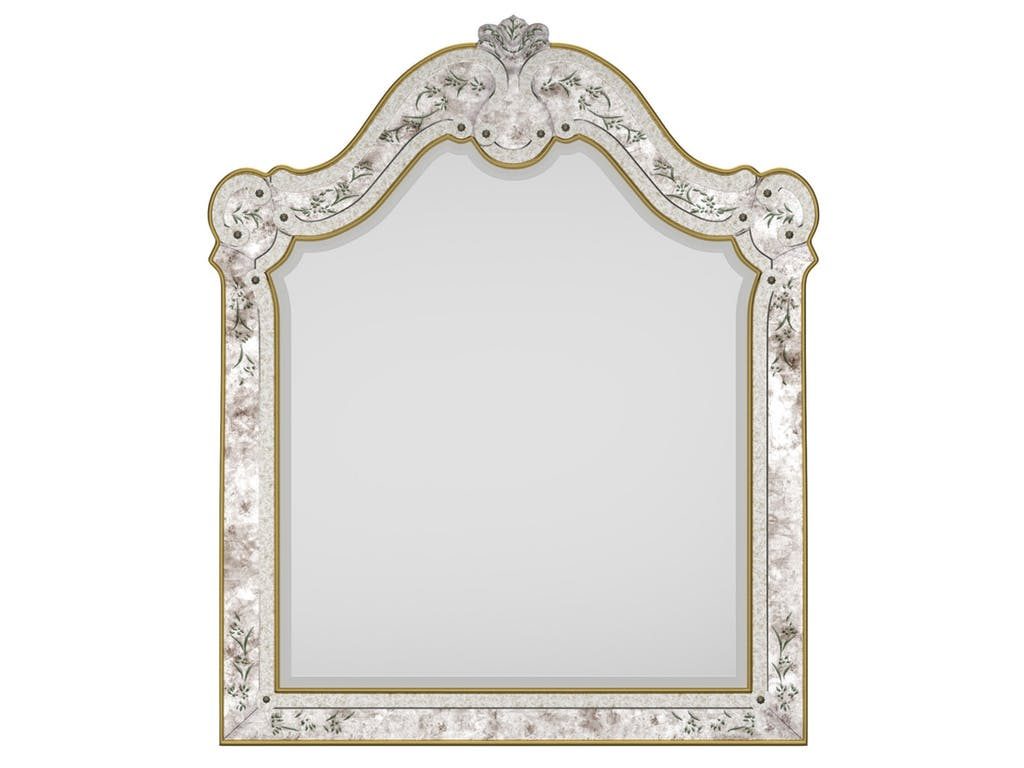
Cynthia Rowley for Hooker Furniture Swirl Venetian Mirror
Silver glass mirrors weren’t always silvery. Those that reflect our faces and bodies today were designed just 200 years ago in Germany. If you chanced upon the film Snow White and the Huntsman, then you’d know what the ancient mirrors looked like.
Justus von Liebig was the first to develop the process of applying a metallic silver on a pane of clear glass. This has to be applied thinly and on just one side. This has long since improved but the concept is still practically the same.
Modern mirrors may have begun to appear during the 19th century. Different cultures came up with their own adaptation of the ancient mirror but nothing beats the designs that we see in the world today and add the fact that they are much safer and you have a design element that is not just easy to use but could also add visual interest to your home.
Where to Effectively Use Mirrors
Now it’s time to notice the mirrors in our homes and how they improve the overall design. For example, installing mirrors in the master or guest bathrooms and extending them well beyond the sinks and the counter could give the bathroom a visual lift. This simple design technique does wonders.
A long, narrow room can also be visually improved if you add a mirror right on the walls. When positioned correctly, it can totally remove the claustrophobic feeling that you have when you walk through that space. It does this by making the room appear brighter and more spacious.
Owning a small condo could also mean installing ceiling to floor mirrors on one accent wall. You can also use mirrors to reflect the scenic views outdoors. You can also combine a sleek mirror with soft, upholstered panels. Together, these create dramatic interest especially when they reflect the skies.
When you have large closets in your bedroom, you can also make good use of mirrors to add to their charm (if they don’t already have one). An oversized mirror can also be the reflective background for a lovely collage of accessories.
Use a long mirror and lean it against a wall to make it appear more casual. You can even change the angle from time to time so that the accessories appear differently each time. The mirror, therefore, becomes an extension of your arrangement more than merely doubling what you see in a room.
Open Up Space with Mirrors
Did you notice how mirrors become standby elements in bedrooms and bathrooms? They very rarely become the stars of the show but they do play a significant role in making a room appear more expansive than it actually is.
Mirrors create the most exciting optical illusions by expanding any cramped area or even a seemingly hopeless nook. A narrow galley kitchen, for instance, can still have a dimensions to show.
A freestanding mirror can boost the living room by adding a reflection interest as it shows the furniture.
Fill up alcoves using mirror tiles. These can be placed on either side of the fireplace, too. Doing so will give any compact space with an elegant gloss and a roomier appearance. Add more to this visual interest by aligning symmetrical seats. This symmetrical alignment will reflect beautifully on your mirror tiles.
Expand closets with the use of mirrors. You don’t just get to check how you look in the morning, it also adds to opening up the appearance of the room.
These are just simple guidelines to start using mirrors in your home. See how your home starts opening up the moment you use this interesting, reflective design element.
Tags: decorating with mirrors, McCreerys, McCreerys Home Furnishings, mirror, mirrors
Posted in Accents, Accessories, Interior Design 101, Interior Design Elements | Comments Off on The Mirrored Wall
Thursday, March 16th, 2017
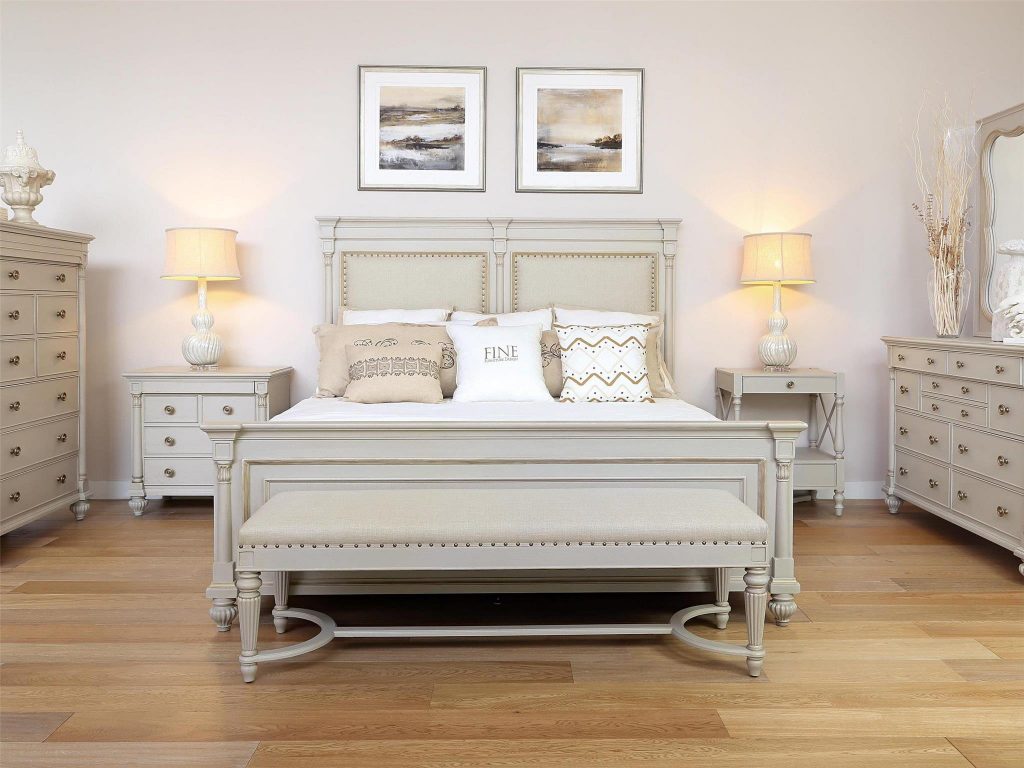
FFDM Camden-Brookhaven Collection: The Braemore bed bench is featured here as it helps complete the look in this neutral setting.
Students who end up studying interior design in college can be categorized as experts with regard to trends and design elements. As opposed to their counterparts who do not have a degree, they are taught a wide range of information and skills which they can later use once they finish schooling. If you’re tempted to let go of formal schooling but would rather go directly to working as a professional interior designer, think again.
Choosing to Attend Interior Design School
Students of interior design learn more things while they are also building their foundation. Their skills are more vast as they also learn about interior architecture, production design, and designing commercial or retail spaces. Such skills are the very ones that employers are looking for when they are out to hire the best designer.
Interior design learners also have more chances of building a more professional looking portfolio. Interior design companies ask portfolios as a part of their interview process. This includes the assignments which students completed in their classes as well as the experiences that they might already have included.
Schools that offer specialization in interior design can also offer external internships for their students. This means that the students can gain practical know-how and experience. They just don’t learn inside the classroom, they also learn in real life settings.
Internship also teaches students about the system that’s interior design. Most of these programs allow the students to become gophers but even so, they are able to look up close.
Schools also teach students to present their skills to a wider audience. They present projects to their fellow students and teachers. Such experiences even prepare them to handle speaking engagements in the near future. There are also classes on working with clients so that the students will know how to handle interpersonal relations with their future clients.
Interior design schools also give students a chance to meet people and to establish their initial network. This should be there initial source of clients in the future. There are also societies for interior designers which allow students to join. Sure, there’s a little charge for joining but such organizations can help the students in establishing their names in their chosen profession.
One other benefit in attending interior design school is the chance for students to learn the best and latest technologies that are used in the industry. AutoCad is widely used and is especially useful in this ever-changing business. Just imagine those who studied decades ago – they no longer have any idea on how to handle clients who prefer to communicate online or who want to see computer-generated designs of their dream home.
Gone are those days when just showing a few paint samples in front of a client could qualify you as an interior designer. These days, interior design schools elaborate on computer-aided designs, color theory, space planning, etc.
Budding designers now seek to earn a degree since they know that employers prefer graduates of interior design. And since this is an art and science at the same time, future interior designer should understand how to shape the spaces where people live, play or work in.
Professional interior designers must also learn about building codes, safety systems and working with contractors. Design for seniors and environmental design can be areas of specialization for some interior designers. This could also become your path if you choose to concentrate in a particular field.
Being creative is no longer enough to become an interior designer. These days, you simply have to show the world that you are serious enough in improving your skills so that they can take you more seriously.
Tags: interior design degree, interior design school, McCreerys, McCreerys Home Furnishings, studying interior design in school
Posted in Interior Design 101, The Interior Designer | Comments Off on Should You Attend Interior Design School?
Thursday, March 16th, 2017
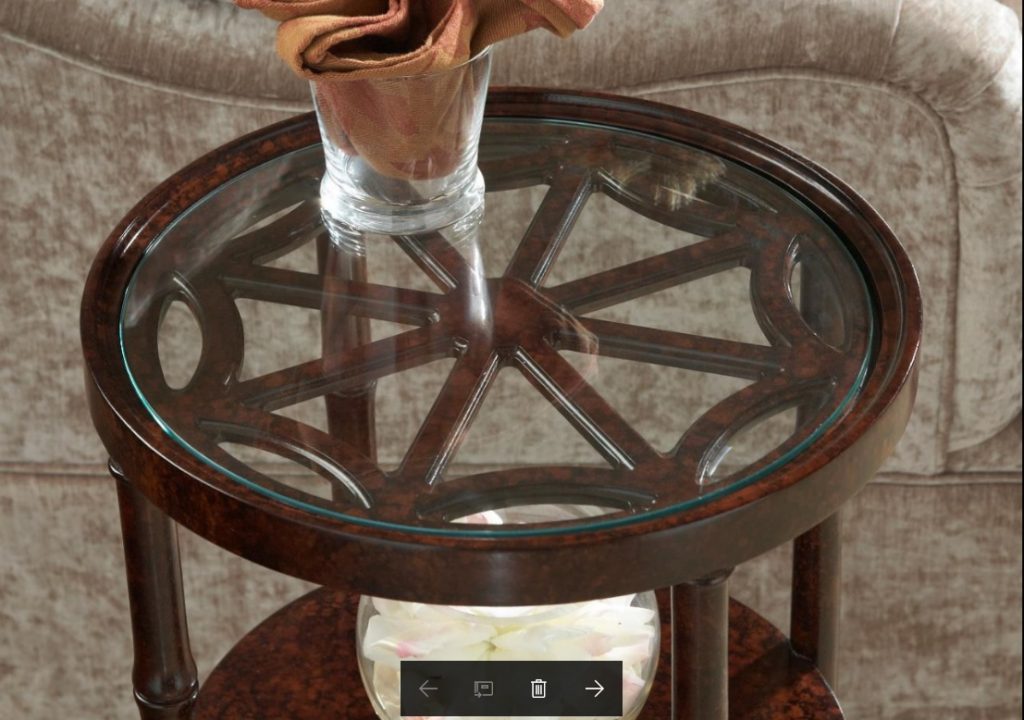
Accessory Table from the FFDM Hyde Collection.
If you want to add a bit of flair to your current home design but do not know how to begin, then there are some tips on accessorizing your home that could make a world of difference. Here are some of them –
Display What You Love/Love What You Display
Begin by using objects that you truly enjoy or give you joy. Pick accessories that inspire you or ones that complement your existing design. You are likelier to feel happy with the end result if display your loved items to begin with.
Embrace a Theme
Accessories will help create a more exciting theme for your room. If you like to stage a marine design then you need to emphasize sea glass, shells and art works that show the beauty of beach life. For a more modern design, pick streamlined pieces that will jive with the contemporary furniture. Keep the theme in mind so you would achieve a balanced look.
Be Mindful of Symmetry
Speaking of balance, it is important that you be mindful of this when you are creating a formal design. Symmetry should be present in formal rooms and you can achieve this, for instance, by flanking a fireplace with matching chairs or settees. Or you can match items at both ends of the mantel. Be sure to pick art with the same scale on opposite walls.
A room with an informal design can make do with an asymmetrical accessory placement.
Size and Number Grouping
When you need to group various objects together, be sure to vary their height and size. This is applicable to framed photographs, candles, and apothecary jars. Mix the height and sizes so you add visual interest.
It is crucial that you remember to use odd numbers only when placing accessories as a group.
Impact Lighting
Lighting is also an easy way to add visual impact in a room. Pick lighting fixtures that would complement the style that you chose. If you want your home to look visually inviting, then be sure to blend different lighting from chandeliers to recessed lighting to wall sconces.
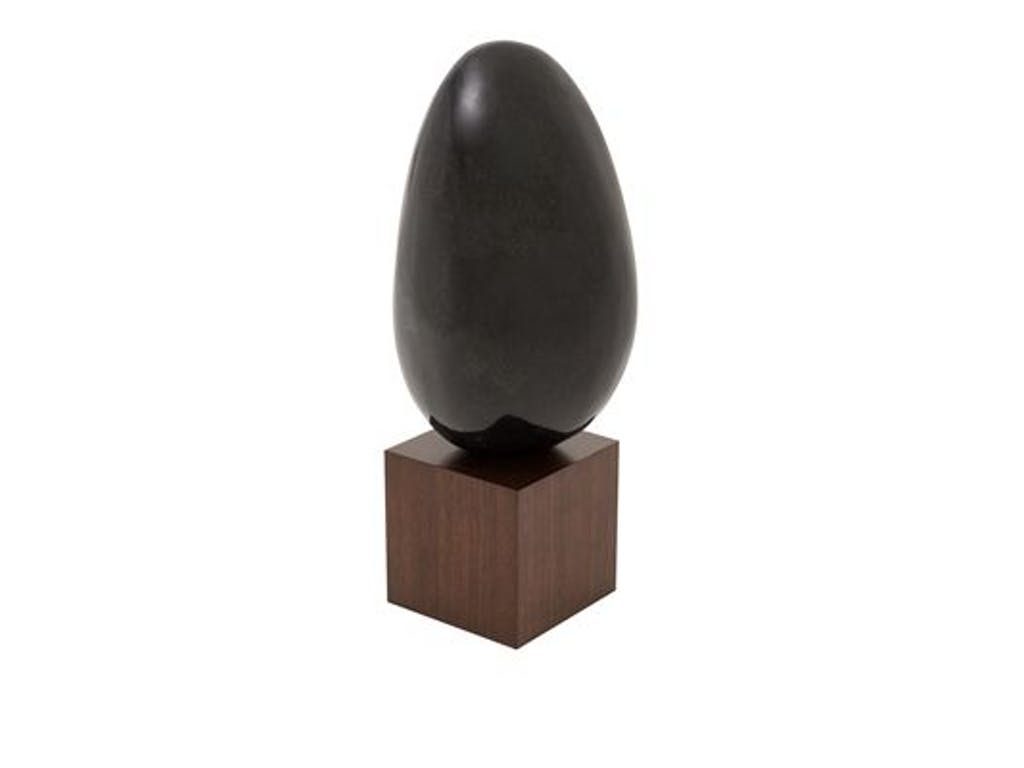
Maitland-Smith Accessories Green Waxstone Inlaid Sculpture 1000-550
Walls as Canvas
What could be a better way to beautify your home than to make the canvas (your walls) more appealing? Paint an accent wall, group framed photos, install decals or mount a ceiling to floor mirror. An alternative is to hang a group of mirrors. These options could provide the most eye-pleasing designs that your home needs.
Floors as the Second Canvas
As soon as you’re done with the walls, look down. There, you will find another blank canvas to accessorize. Area rugs are one of the best and most flexible elements to use on a bare floor. This can add texture and colors without even trying really hard.
Amazing Accessory in Family Photos
An entire wall can be covered with your family’s travel photos. If you don’t have those, then snap some great photos while your family is doing something spontaneous. Print these photos in black and white to create more drama. These new photos can be framed to sit on the shelves or they can be used as wall art.
Amazing Accessory in Large Pieces of Art
Art is something that a lot of people love. This is also something that can tell everyone about who you are. So go ahead and buy large pieces of art whether you would use painting to depict your personality or choose to display a bust, what matters is that you create an unforgettable impact through art.
Say It with Fresh Flowers
Flowers don’t have to be expensive for them to look great. On special occasions, you may display vases of fresh flowers to freshen up your home. These also have an added benefit of adding a nice scent so you’re hitting two birds with one stone there.
Tags: accessorizing, effective use of accessories, McCreerys, McCreerys Home Furnishings
Posted in Accessories, Interior Design 101, Interior Design Elements | Comments Off on Home Accessories: Adding Style to Your Habitat
Wednesday, March 15th, 2017
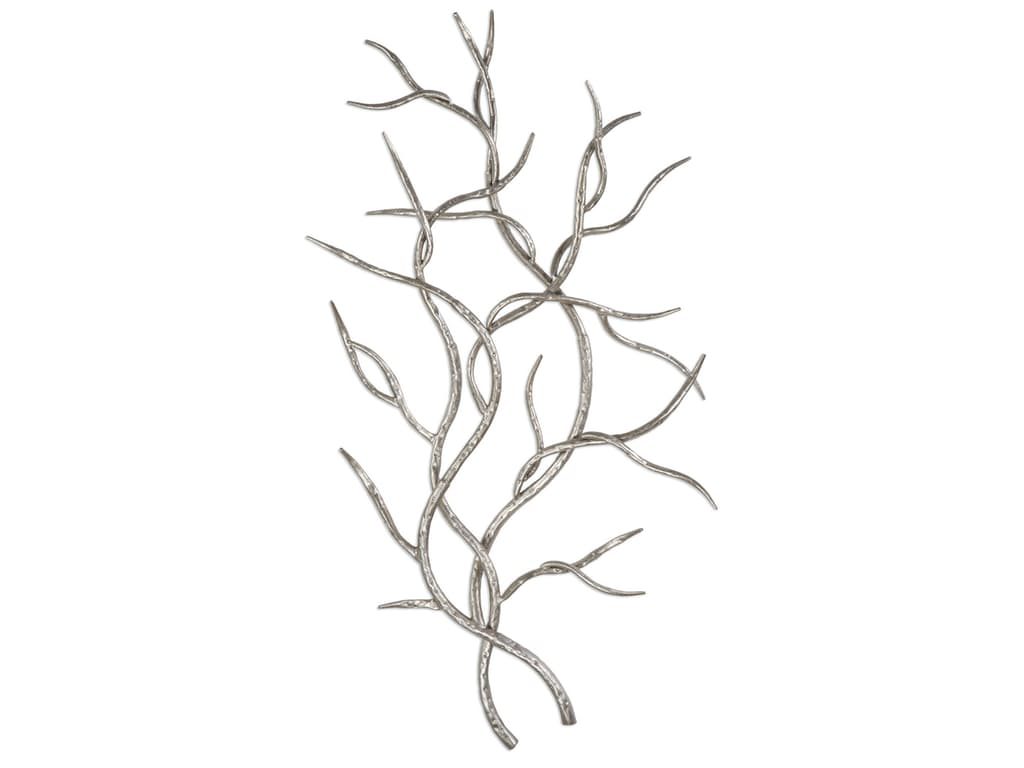
Uttermost Accessories Silver Branches Wall Art S2 04053
In interior design, we see oftentimes that wall art is treated as mere afterthought. This is the element that gets the least and last attention. This is even bought long after the final paint coat has dried on the walls of homes.
Doing this to your home is simply wrong. Wall art – when thought of last – will mean that you missed out on a lot of design opportunities. When this is chosen thoughtfully, it can provide visual interest that’s hard to match.
Wall art is crucial in any interior design.
If you’re not comfortable in choosing wall art, then don’t fret. Here are a few guidelines to help you get started –
Wall Art = Instant Color Palette
Picking a color palette is a difficult yet important phase in interior design. The various shades of paint that are being sold in home improvement shops are almost limitless so it is a daunting task for most homeowners to choose the color to use in their home.
Leave those paint chips and put your energies in picking wall art instead. As soon as you find a wall art or painting that suits your taste, then you would realize that it becomes a lot easier to pick the color palette that you would use in your home.
You can pick two or three shades from the wall art that you could incorporate into your home. Pick the dominant hue then add some shades that will be used as accents. After this, you can search for colors in these items that you would use to decorate. Should you still need help, look for apps that can help you match colors.
Wall Art = Focal Point
Another difficult interior design principle to satisfy is the creation of a focal point. This is that design element that will draw the eyes of the visitors towards a given space. This also gives the beholder a sense of expectation. A great piece of wall art, therefore, could fulfill this requirement.
Just imagine your artwork already hanging above the mantel of your living room fireplace. It could also be displayed prominently above the headboard of your bed in the master suite. A charming alternative solution is to create a gallery that could spice up the visual texture of a dining area or the kitchen.
Wall Art = Texture
Not every kind of wall art is usable. There are pieces that are two-dimensional, there are those that appear 3D while some are simply not suitable to your home. They may work in other homes with different architecture so make it a point to find that ones that you could really use.
Apart from prints and paintings, you can also use other art works such as shadow boxes or sculptures that can balance the art that you hung on the walls.
Digital art and some screens could also make a huge difference to those whose art style is more Avant garde.

Maitland-Smith Lamps and Lighting Inlaid Yellow And White Mother Of Pearl, Penshell And Brass Butterfly Wall Lamp 1900-078
Wall Art = A Finished Look
Try thinking about those homes that you visited in the past that you did not like. Odds are, these spaces look a little rough around the edges or they simply do not look like their designs have been given much thought.
Wall art can be the initial or finishing element in your home. More often than not, it pulls a space together to make it look more complete. This is that extra touch after you have given your home the functional elements.
The key to picking the right kind of wall art is to make it enhance or even spur the design of the room. Again, this does not have to be the last design element that you should pick. Instead, from now on, give it much thought for it can actually make or break your overall design.
Tags: choosing wall art, McCreerys, McCreerys Home Furnishings, wall art
Posted in Accessories, Interior Design 101, Interior Design Elements, Wall Design | Comments Off on Wall Art – Why It Shouldn’t Be Placed on the Sidelines
Wednesday, March 15th, 2017
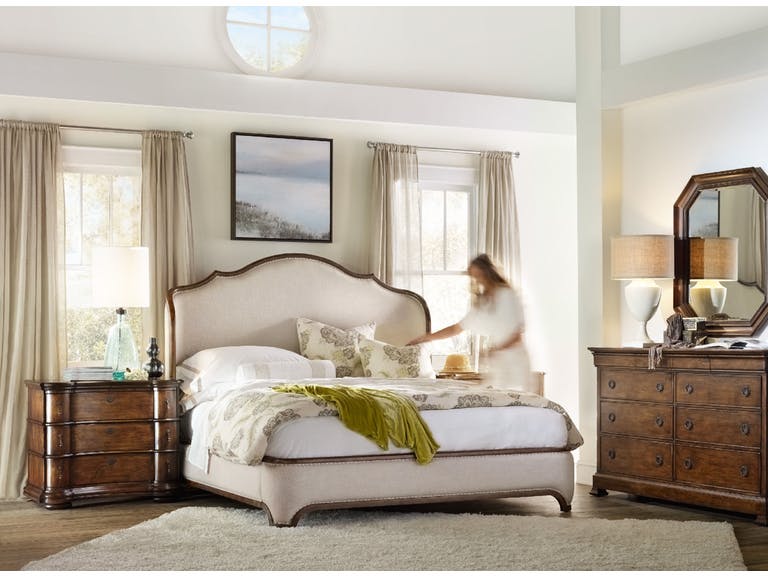
Hooker Furniture Bedroom Archivist King Upholstered Platform Shelter Bed: Large pieces are found in this spacious bedroom. The designer clearly has mastery of spatial awareness.
Have you ever seen a house that is simple yet it made you look twice? It might be because it is clutter-free or because even with the minimalist features of that house, you subconsciously appreciate the design. Less is definitely more for a lot of homes nowadays as more and more people are becoming spatially aware.
Understanding Spatial Awareness
Now let’s define spatial awareness. This is being able to comprehend and utilize space in the most effective way. This may sound like a basic skill but it actually requires mastery. To get this correctly, you need to take advantage of white space or being able to group elements that will not create confusion.
Designers who are able to utilize space will realize that elements can be used in many different sorts of ways. Those designers who base their designs on what looks or feels right but this should not be the case. Spatial awareness dictates that space must be used accurately and consistently.
Spatial awareness also means having an understanding of the space dimension. The size of the room, for instance, determines the furniture size as well as its placement. An example is this – a 16” x 20” room should be first determined according to function. A large room, on the other hand, also dictates the sort of furniture that you place in it.
Based on these, you need to buy furniture according to the scale of the rooms in your home.
The way you express yourself in terms of furnishings becomes greater when you have larger rooms to design. Large rooms can have as many textures and patterns at any given time. If you don’t want your home to look festive, then be able to work with the principles of tones and shades. These originate from the same color palette.
Smaller rooms need greater introspection. Here are ways to maximize your small space –
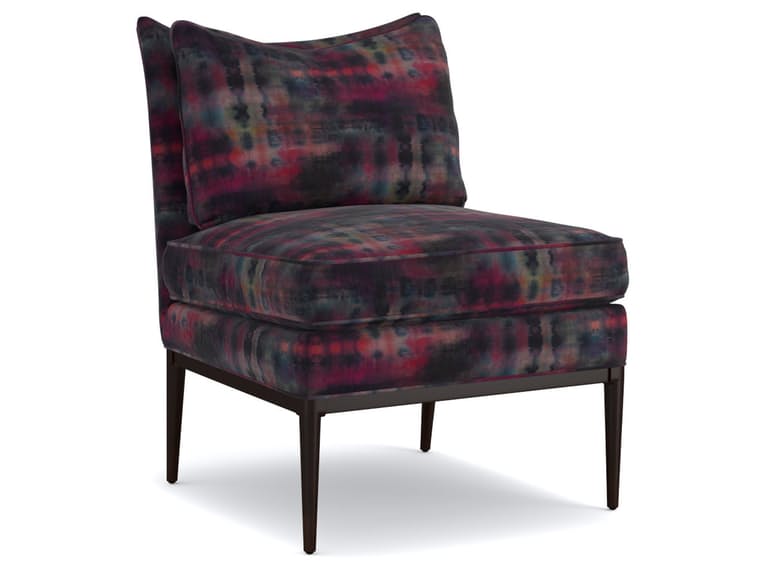
Use texture to add interest in any space. This Cynthia Rowley Walker Exposed Wood Chair is the perfect addition to a neutral surrounding.
How to Use Spatial Awareness
The initial step to spatial awareness in interior design is to develop grid system. This grid divides the canvas (your space) to smaller sections that also consist of columns, margins, flow lines, modules and spatial zones. A single canvas can look like a series of boxes and columns.
The grid can help you place design elements in their proper places. These will then activate the space because you are using a consistent mathematical solution to the composition of your interior design.
Tags: McCreerys, McCreerys Home Furnishings, spatial awareness
Posted in Interior Design 101, Interior Design Elements | Comments Off on Spatial Awareness in Interior Design
Tuesday, March 14th, 2017
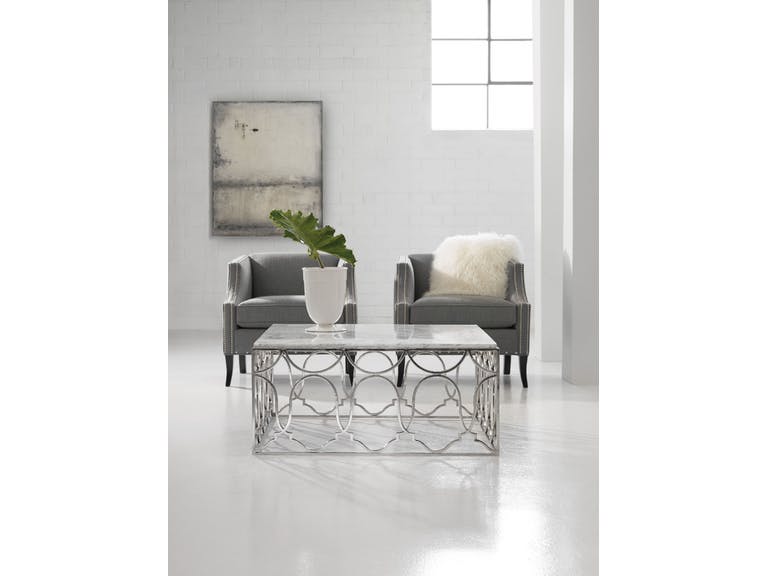
Hooker Furniture Living Room Melange Mara Square Cocktail Table
Stainless steel is an alloy that contains some iron. This is a substance that’s made with two or even more chemical elements. It is known to resist rust and stain because of its chromium content which comprises approximately 12 to 20-percent of the whole alloy.
As of date, there are approximately 57 stainless steels that are recognized as standard alloy. These are in addition to the proprietary alloys that are produced by stainless steel manufacturers. These various types of stainless steel are the ones that are used at an infinite number of applications.
Stainless steel comes in various types depending upon its microstructure. The Austenitic type, for instance, contains no less than 6-percent of nickel and austenite. It also contains carbon and iron and it has a high resistance to corrosion. It is also highly ductile (the ability of metals to bend without being broken).
Stainless Steel Raw Materials
Stainless steel is often made with basic elements such as chromium, iron ore, nickel, carbon, silicon, manganese and nitrogen. These are all found in the earth. The final stainless steel alloy’s properties are concocted by varying these elements’ amounts. Nitrogen, for example, can improve the tensile property of the alloy.
Stainless Steel Furniture
Stainless steel furniture is being used more often in every level of society. This material brings a lot of advantages to homes, offices and commercial areas, hence, it is widely used these days.
Stainless steel is a reactive metal which is why it is often used in many furniture applications. It won’t corrode and it can react with just a few chemicals that are found in households. It is this very characteristic that makes stainless steel pieces less or non-reactive to cleaners. It is safest to test first, though, so that you’re ascertained that your furniture will not have a visible blemish.
Another advantage to non-reactive stainless steel is its ability to remain stainless (hence its name) even after numerous spills. It is also free of the usual chemicals that are used in plastic furniture.
Stainless Steel Durability
Among the decorative metals such as chrome, stainless steel is the sole one that is both strong and beautiful. In fact, there is but one metal that is strong and shiny as stainless steel and this is titanium. The downside to titanium, though, is that it would cost a lot more than stainless steel.
Many kitchens all over the world use stainless steel, too, because of its ability to withstand the rigors of daily activity.
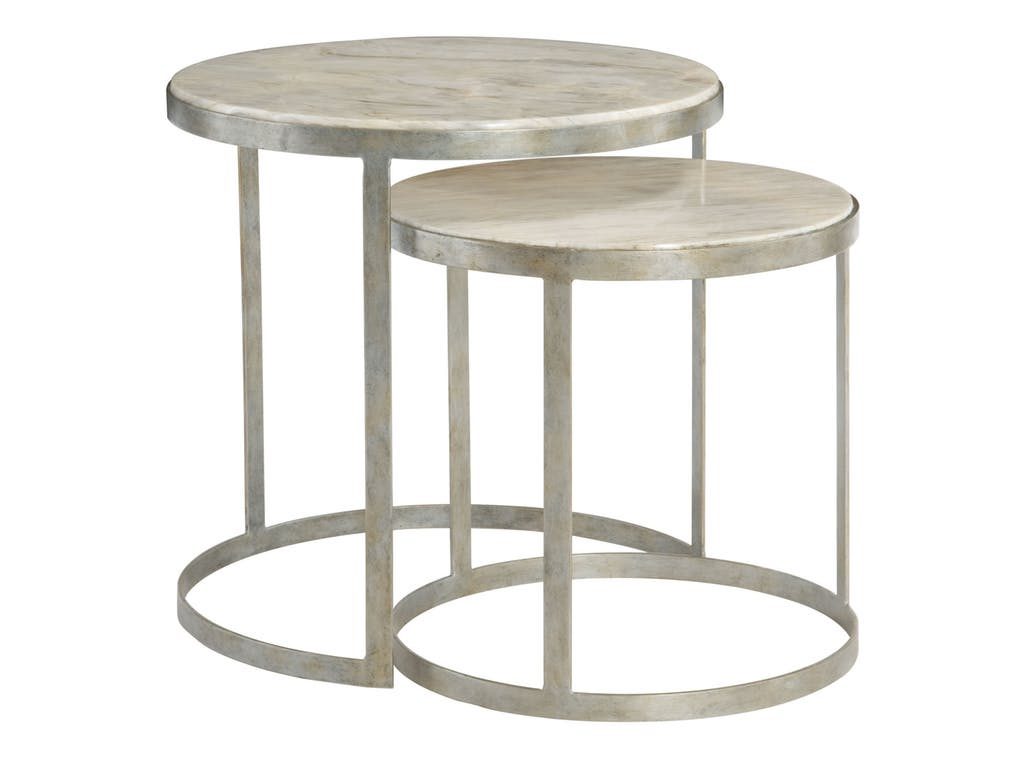
Bernhardt Interiors Living Room Nesting Tables 362-031
Stainless Steel Neutrality
The beautiful silver gray hue of stainless steel will never clash with other colors. Stainless steel is also a versatile raw material. Even the most high end living rooms will look great with a contemporary stainless steel coffee table.
A more rugged style of stainless steel table is suitable in a log cabin that is filled with dark wood pieces. The charm of stainless steel is its ability to remain neutral so there is no trouble of obscuring the more important design elements. It can serve as the backdrop or it can be the star of the show.
Stainless steel is also recyclable, meaning, decades from now, your children or grandchildren will still be able to enjoy your furniture. So, yes, you save money – lots of it – in the long run.
Stainless steel has a lot of advantages to offer especially in the creation of beautiful furniture pieces. In fact, it comes next to wood when it comes to the most used material in high end kitchens. For applications that need both beauty and strength, what else should you look for?
Stainless steel is the perfect material to meet both requirements.
Tags: McCreerys, McCreerys Home Furnishings, stainless steel, stainless steel furnishings, stainless steel furniture
Posted in Furniture, Interior Design 101, Interior Design Elements | Comments Off on Why Stainless Steel Furniture?
Tuesday, March 14th, 2017
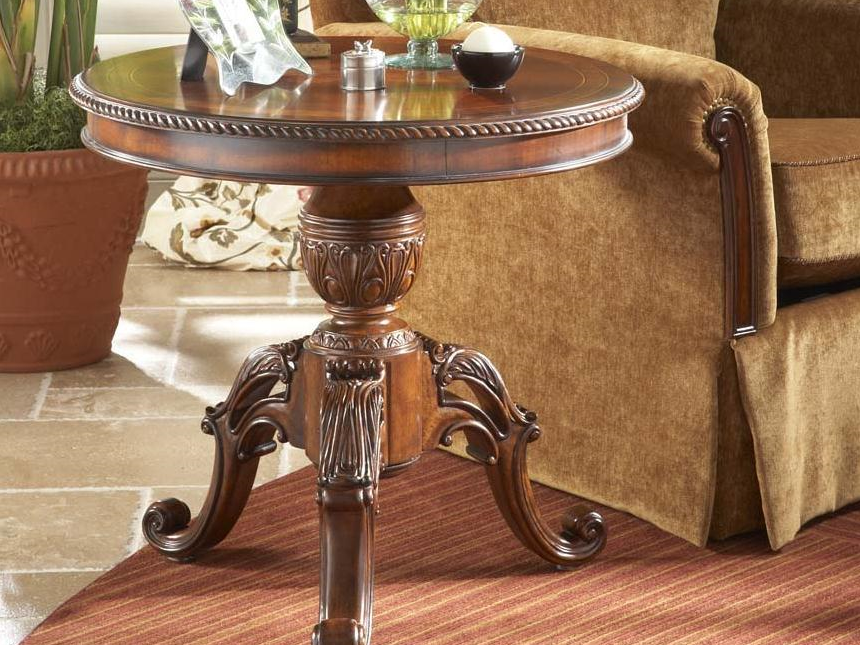
This round end table from FFDM’s Antebellum Collection shows the traditional beauty of Tudor style.
You have probably heard this architectural style in the past but you might not have paid much attention to it. Tudor, more accurately referred to as Tudor Revival, is a style that makes use of asymmetrical elements of architecture.
In the United States, this kind of home became popular during the late 19th century till the first half of the twentieth century. This appeared once again on the late 20th century. Tudor homes feature elements that are largely inspired by medieval architecture in Tudor, England. This style highlights the 16th century architecture showing the key elements like steep roofs, embellished doorways, half timbering, and more.
Multi-Gabled Roof
Tudor style often has steeply-pitched roofing. This is so because this is the kind of roofing that is suitable to certain regions in England. This can best endure slate, rain and snow.
Tudor roofs include side gables and some dormer windows that allow natural light to flow in. These are also graced with huge stone or brick chimneys capped with chimney pots.
Noble Materials
Notice the exterior of Tudor homes and you’d see a lot of noble cladding materials. These were specifically designed to last for many, many years.
A material that is often chosen is brick. This is often installed in an elaborate pattern at the first level of the home. The second story features stucco fusion with half-timbering.
A few Tudor homes were also built with stone walls that have been enhanced with a stone trim as a decorative element. These traditional materials are complemented by hues such as buff, brown, white and cream.
Window Grouping
Tudor style homes also feature narrow yet tall multi-paned windows often in groupings. The groups could be in twos, threes, or even up to four. At times, the glass panes come in diamond shape instead of the usual rectilinear types. These are also framed with lead instead of the usual wood.
Windows come in casement style which open outward to the right or left. These were designed as such so fresh air can freely flow inside the house and the residents could even have a view of the lovely garden or the landscape outside.
At times, Tudor homes come with double-hung windows complete with dual sashes that slide upward then down to provide ample ventilation.
Chic Entryways
Tudor features are often decorative in nature but there are some that protect the residents from the outdoor elements. Tudor entryways, for instance, can do both. The recessed door is framed by a slab of masonry wall or paired with a roof over the door. Embellishments come with peaked or arched board and batten door. A single, small window is added to this door. These protect the homeowners from the elements while giving the home a lovely curb appeal.
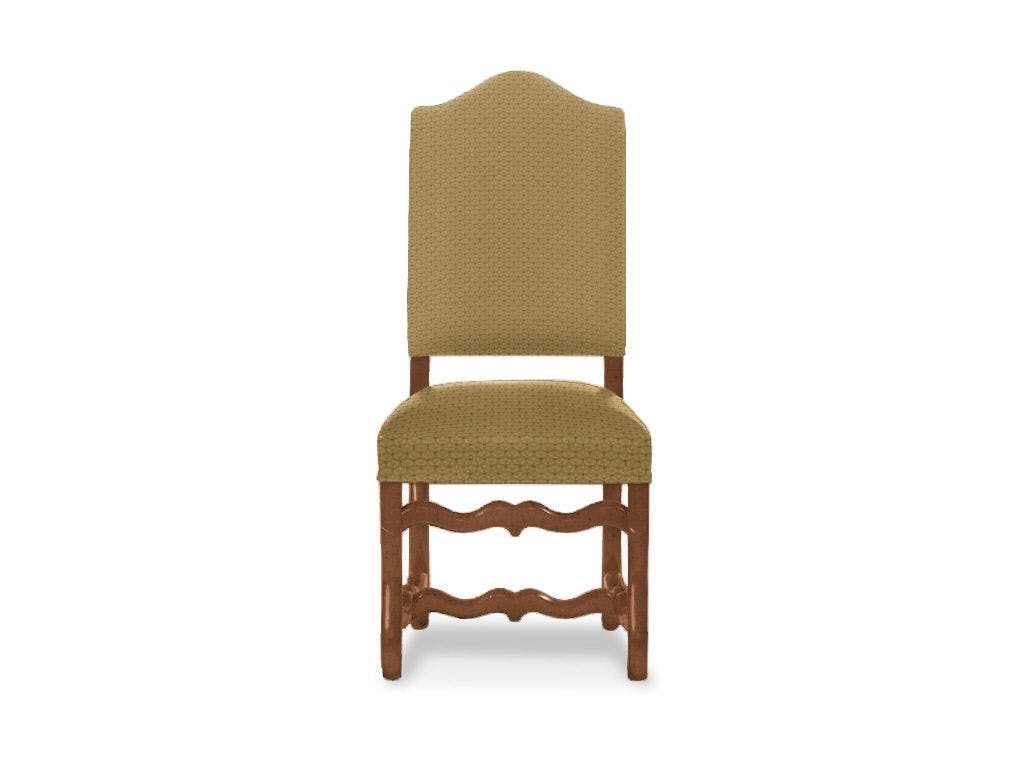
The Drexel Heritage Dining Room Francois Side Chair 500-751 offers a modern twist to Tudor style.
Updating Tudor Style
Of course, there is a need to catch up with time. Today’s designers, architects and homeowners know that Tudor homes of old offer a sturdy framework but they insist on having an updated look to suit contemporary living.
The red brick of the ‘20s is now diluted with taupe paint to set a more harmonious palette.
If you want to retain the traditional look that a Tudor home offers, then just restrict your redesigning efforts to surface alterations. Add Tudor style furniture, paint, repair and add some window treatments and rugs.
The dark-stained interiors of Tudor homes in the past has led designers to come up with a non-overwhelming style. Paint the woodworks with white, leaving only the tread, handrail and floor to their dark-colored state.
One last update that you can do is to update your foyer. Traditional Tudor foyers come with dark-stained board-and-batten wall panels. You can have these brightened with a settee in an interesting print.
Tags: McCreerys, McCreerys Home Furnishings, Tudor, Tudor architecture, Tudor design, Tudor furniture, Tudor interiors
Posted in Furniture, Interior Design 101, Interior Design Themes | Comments Off on The Modern Traditional Look of Tudor
Monday, March 13th, 2017
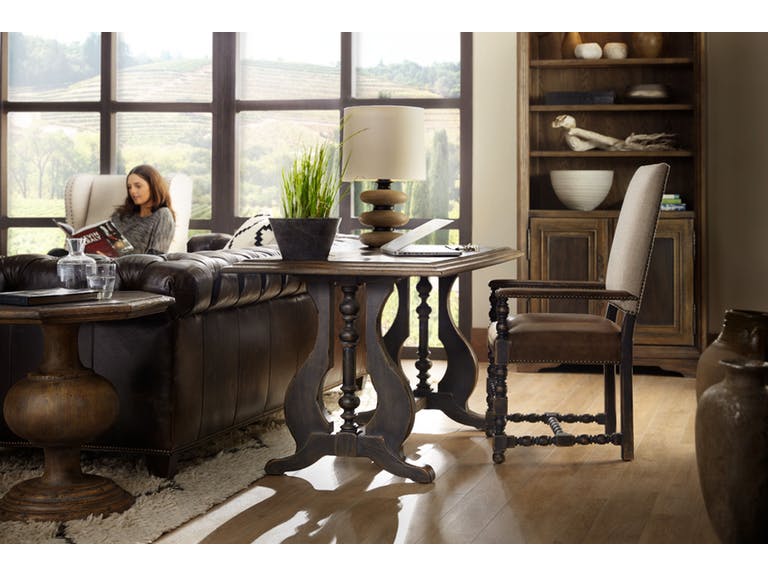
This Hooker Furniture Living Room Mason End Table features a lighter finish compared to the other pieces surrounding it.
These days, it would seem that the interior design theme for many homes is anything goes. Different furniture styles can now co-exist in one room, giving the space a fresh and unique look. Mixing and matching is also still definitely in but you have to make sure that you give mixing a lot of thought and introspection.
Similar But Not Exact
You might be tempted to match wood furniture but don’t do an exact finish sort of match. A light room can have green accents and a textured wallpaper right on the side where the headboard is. Adding a darker wood furniture near the bed can also help ground the room.
Keep It Simple
The furniture in the room could have different finishes and patterns and the textiles could have different shades but as long as they are set in a pretty straightforward manner, then what you achieve is beauty.
Use Motif
Do not be afraid to use motif even when you have a small space to decorate. A common design that is used in smaller spaces is the repetition of patterns. If you chose a mainly yellow palette, you can use blue in small dashes.
Fuse Design Elements
When you use several finishes and colors like birches, white and dark wood, remember to link each hue with a common design element. Having too many standalone elements will not give uniqueness in a room, what they do is give the room a cluttered look.
Fusing different design elements does not mean that you ignore the beauty of variance. You can also assemble a mixture of different furniture just as long as they have an anchor color. An array of blue and yellow, for instance, will create a beautiful variety without demanding for attention.
Become a Minimalist
Use raw elements in giving a room a more natural and simple feel. Any room can be tied together by using a light wood finish, for instance in a group of armoire, table and bookshelf. To add a simple pop, use a red chair to complete the look.
Use White
Welcome a limitless conglomeration using the color white. With this simple hue comes myriad opportunities to add layers and textures.
Add Shapes and Patterns
Mixing and matching furniture also means using the same color everywhere but in different tones or shades. But more than just repeating the colors throughout the different rooms, you can also add visual variety by putting interesting shapes and patterns.
Mix Traditional with Modern Pieces
The perfect matching of traditional with modern pieces is a difficult technique to master but one that’s possible to try. There are foolproof pairings, though, that you can begin to use in your home –
Tags: fusion of design themes, McCreerys, McCreerys Home Furnishings, mixing and matching furniture, modern and traditional, traditional and modern
Posted in Furniture, Interior Design 101, Interior Design Elements, Interior Design Themes | Comments Off on Mixing and Matching Furniture: Achieving a Look That’s Fresh and Chic
Monday, March 13th, 2017
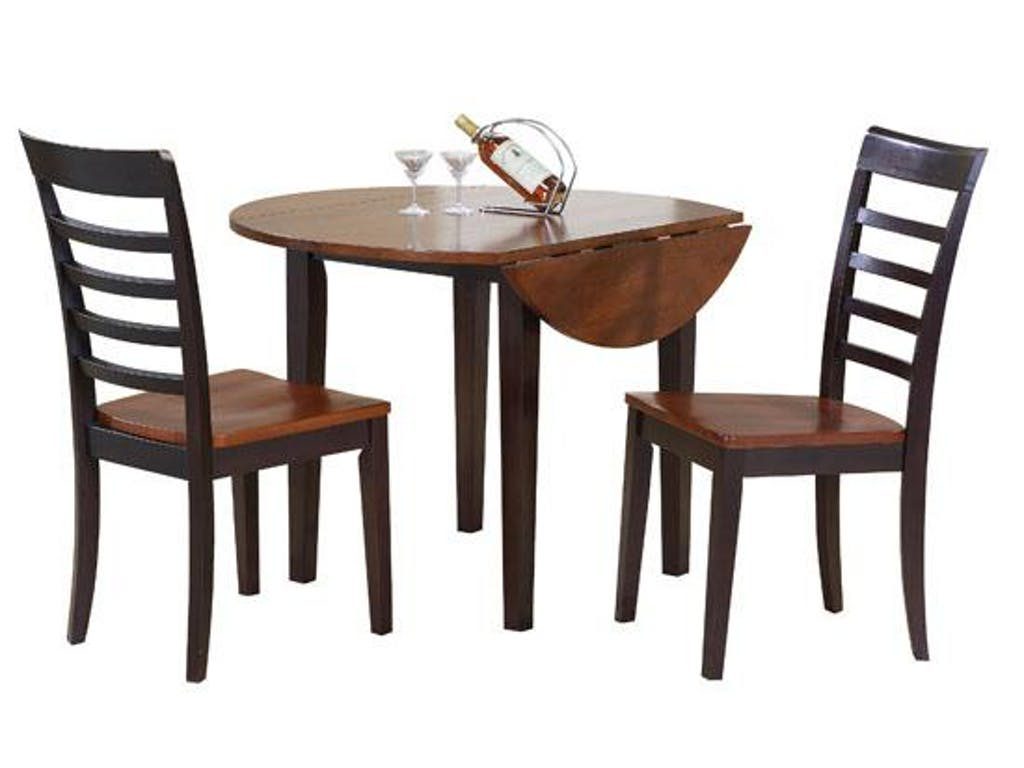
The Winners Only Dining Room 42 Inches Contemporary Leg Table DF24242CX is cozy enough to share with your roommate.
College students look at a dormitory as their temporary residence. To most, though, this is often mere physical structure that provides a place for them to sleep. Various colleges and universities have solo or multi-occupancy rooms. While these are provided for by these educational institutions, they are not free and it is up to the occupants to decorate the said areas.
So how do you make a small area appear fabulous?
Rearrange Furniture Layout
Moving furniture from one side of the dorm room to the next can make a lot of difference. Rearrange the room as soon as you set foot in it. Begin by assessing the layout then experimenting on the possible furniture placements.
An example is to place two desks back-to-back. You would never know how lovely this would look in your space if you don’t try. You can also set up a daybed so you can have more seating for your new friends. You can sleep here during the night; place throws during the day and you’d have an instant couch.
Compact Is Great
The more mobile and compact the furniture is, the better. When buying furniture for your dorm room, a smart thing that you can do is to find multifunctional furniture pieces. Ottomans can serve as a seat as well as a secret storage unit. A small buffet can serve as a china ware storage unit as well as a serving counter.
Coordinate
What if your roommate hates purple but you happen to love it? Then you have to find ways to compromise. After all, you will be spending a lot of moments with this person so you also have to understand that it is difficult to go to a room that’s painted in a color that you detest.
Speak with your new roommate and ask if he or she is willing to coordinate. This doesn’t mean that you have to match furniture and accessories. Just decide on a color palette that won’t clash (e.g. a coral and navy palette is as neutral as it could get so that each girl will be able to express her uniqueness.
Cold Floors Made Warm
If you arrived at a dorm that has dull flooring, then it’s time to warm it up, well, at least on your area. Find an area rug that fits your side of the dorm room. Create a unique look at your corner; make sure that you check the area rug that you buy. It has to be durable to sustain heavy foot traffic.
Decorate with Decals
Of course, the downside to dorm room decorating is that you cannot use anything permanent. Since this is so, just add decals where you want some personality. Decals can instantly make the room appear more charming.
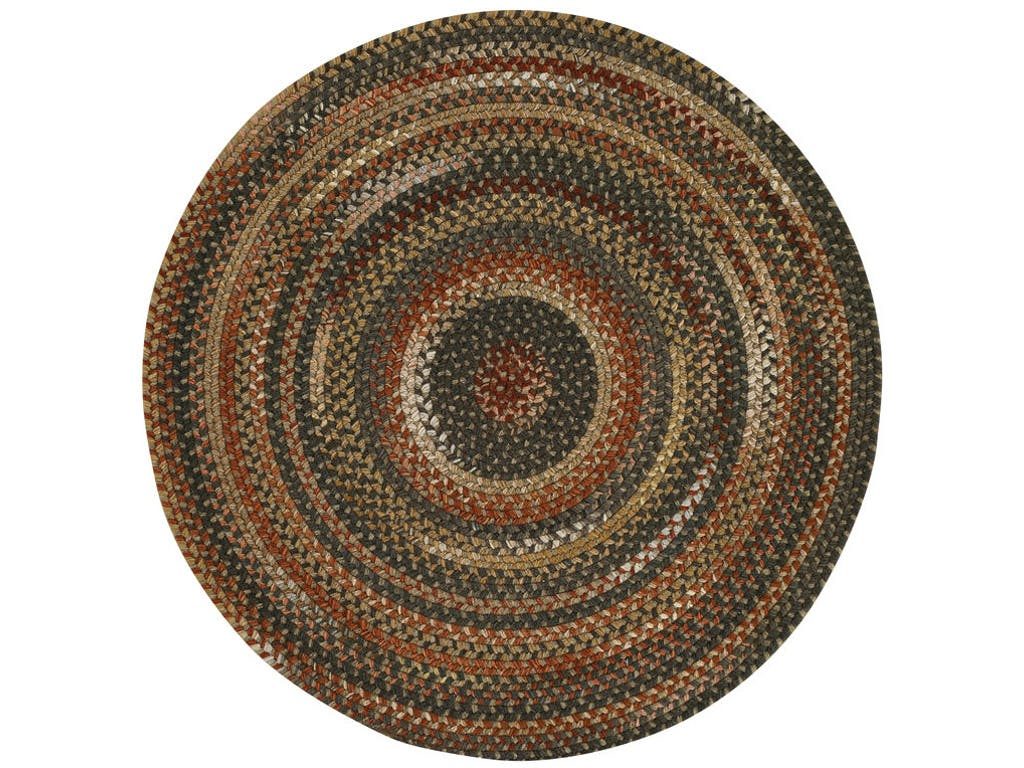
Capel Incorporated Floor Coverings Homecoming Rug 0048CS Chestnut Brown
Display Artwork
Infuse your personality into your dorm room by adding trendy prints or hanging some wall art. You can set up gorgeous and colorful accessories, too.
Dare and Bare with Bold Colors
Adding colors is the most basic way that you can add life into any room. Temp wallpaper one wall for that beautiful accent wall. This can be in the super in lime green or anything bold such as red or black to add a dash of drama.
Say No to Bare
Don’t just accept what’s given to you. Beige walls?
Boring. Unless you do something to make the dorm room more exciting. Use wallpaper in your favorite color or texture. Add a lovely mural which is the ideal alternative to wallpapering.
Store and Hang
Most dorm rooms already have an armoire or cabinet. If you want to add more storage space, you can set up some clothes rack by the side of your bed or woven baskets that you can put on top of the cabinet.
Tags: decorating dorms, decorating the dorm room, designing the dorm room, dormitory design, McCreerys, McCreerys Home Furnishings
Posted in Dorm Design, Interior Design 101, Interior Design Elements | Comments Off on Your College Dorm – It’s More Than Just a Sleeping Quarter
Follow us on our social media


© McCreery's Home Furnishings | All Rights Reserved | Privacy Policy
