- Follow us:


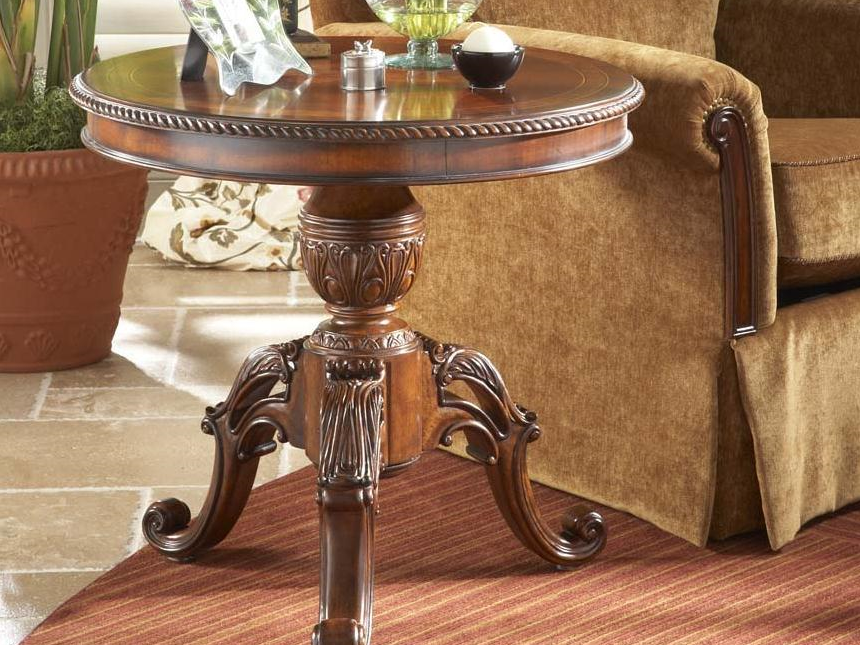
This round end table from FFDM’s Antebellum Collection shows the traditional beauty of Tudor style.
You have probably heard this architectural style in the past but you might not have paid much attention to it. Tudor, more accurately referred to as Tudor Revival, is a style that makes use of asymmetrical elements of architecture.
In the United States, this kind of home became popular during the late 19th century till the first half of the twentieth century. This appeared once again on the late 20th century. Tudor homes feature elements that are largely inspired by medieval architecture in Tudor, England. This style highlights the 16th century architecture showing the key elements like steep roofs, embellished doorways, half timbering, and more.
Multi-Gabled Roof
Tudor style often has steeply-pitched roofing. This is so because this is the kind of roofing that is suitable to certain regions in England. This can best endure slate, rain and snow.
Tudor roofs include side gables and some dormer windows that allow natural light to flow in. These are also graced with huge stone or brick chimneys capped with chimney pots.
Noble Materials
Notice the exterior of Tudor homes and you’d see a lot of noble cladding materials. These were specifically designed to last for many, many years.
A material that is often chosen is brick. This is often installed in an elaborate pattern at the first level of the home. The second story features stucco fusion with half-timbering.
A few Tudor homes were also built with stone walls that have been enhanced with a stone trim as a decorative element. These traditional materials are complemented by hues such as buff, brown, white and cream.
Window Grouping
Tudor style homes also feature narrow yet tall multi-paned windows often in groupings. The groups could be in twos, threes, or even up to four. At times, the glass panes come in diamond shape instead of the usual rectilinear types. These are also framed with lead instead of the usual wood.
Windows come in casement style which open outward to the right or left. These were designed as such so fresh air can freely flow inside the house and the residents could even have a view of the lovely garden or the landscape outside.
At times, Tudor homes come with double-hung windows complete with dual sashes that slide upward then down to provide ample ventilation.
Chic Entryways
Tudor features are often decorative in nature but there are some that protect the residents from the outdoor elements. Tudor entryways, for instance, can do both. The recessed door is framed by a slab of masonry wall or paired with a roof over the door. Embellishments come with peaked or arched board and batten door. A single, small window is added to this door. These protect the homeowners from the elements while giving the home a lovely curb appeal.
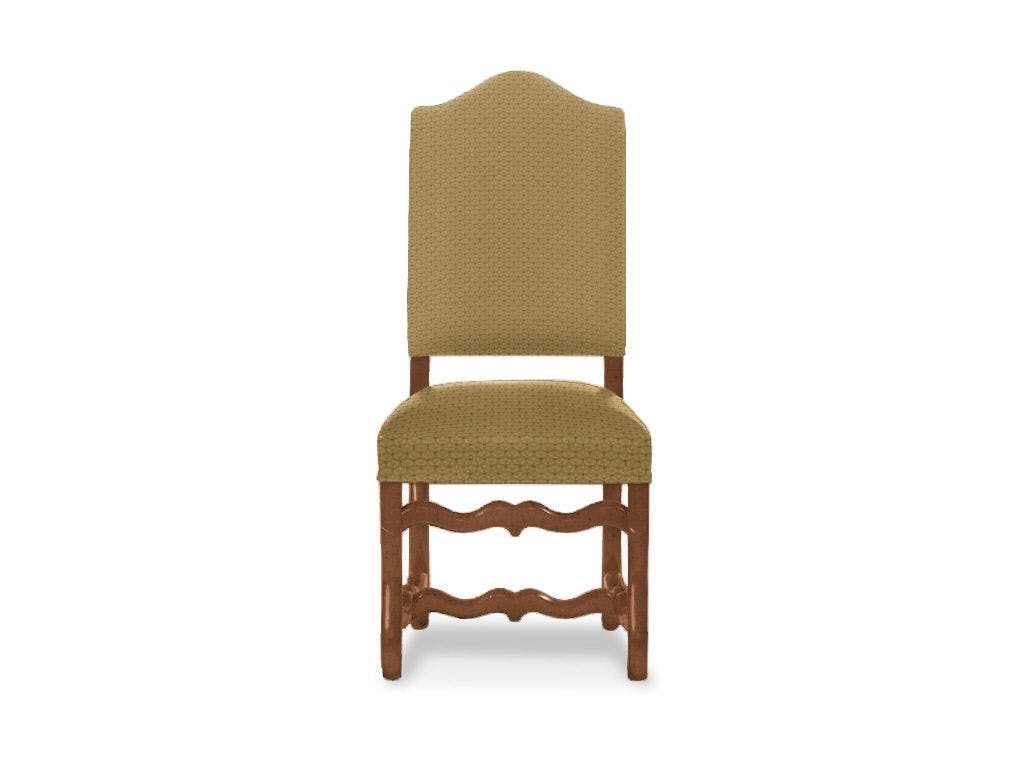
The Drexel Heritage Dining Room Francois Side Chair 500-751 offers a modern twist to Tudor style.
Updating Tudor Style
Of course, there is a need to catch up with time. Today’s designers, architects and homeowners know that Tudor homes of old offer a sturdy framework but they insist on having an updated look to suit contemporary living.
The red brick of the ‘20s is now diluted with taupe paint to set a more harmonious palette.
If you want to retain the traditional look that a Tudor home offers, then just restrict your redesigning efforts to surface alterations. Add Tudor style furniture, paint, repair and add some window treatments and rugs.
The dark-stained interiors of Tudor homes in the past has led designers to come up with a non-overwhelming style. Paint the woodworks with white, leaving only the tread, handrail and floor to their dark-colored state.
One last update that you can do is to update your foyer. Traditional Tudor foyers come with dark-stained board-and-batten wall panels. You can have these brightened with a settee in an interesting print.
Follow us on our social media


© McCreery's Home Furnishings | All Rights Reserved | Privacy Policy
