- Follow us:


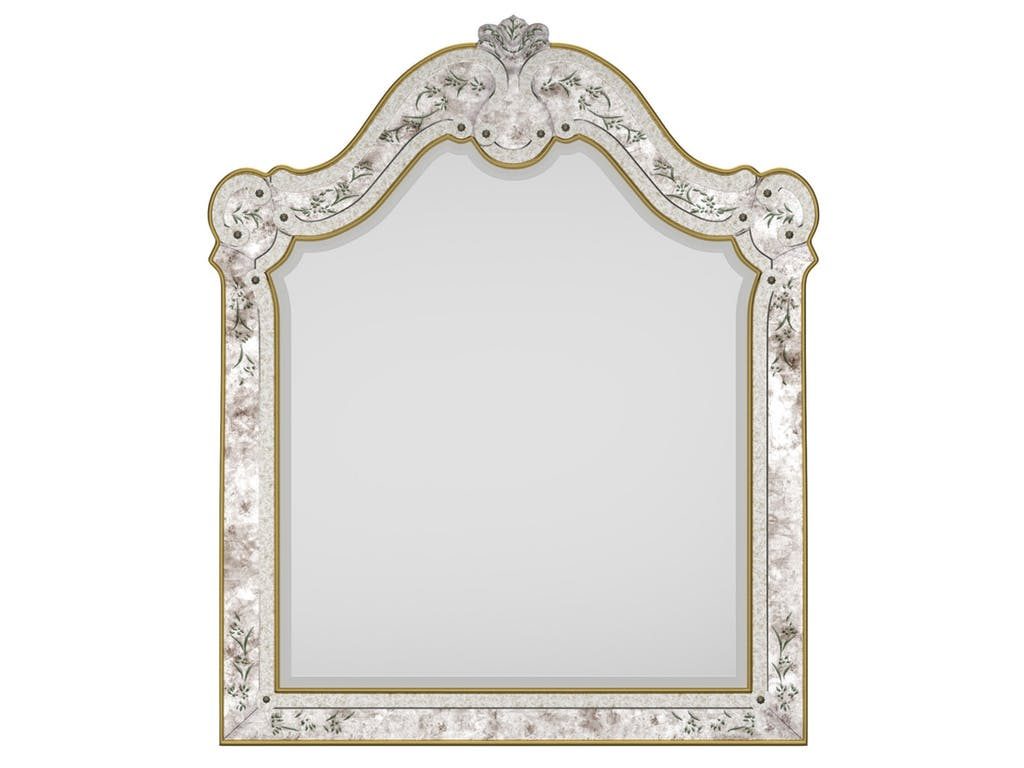
Cynthia Rowley for Hooker Furniture Swirl Venetian Mirror
Silver glass mirrors weren’t always silvery. Those that reflect our faces and bodies today were designed just 200 years ago in Germany. If you chanced upon the film Snow White and the Huntsman, then you’d know what the ancient mirrors looked like.
Justus von Liebig was the first to develop the process of applying a metallic silver on a pane of clear glass. This has to be applied thinly and on just one side. This has long since improved but the concept is still practically the same.
Modern mirrors may have begun to appear during the 19th century. Different cultures came up with their own adaptation of the ancient mirror but nothing beats the designs that we see in the world today and add the fact that they are much safer and you have a design element that is not just easy to use but could also add visual interest to your home.
Where to Effectively Use Mirrors
Now it’s time to notice the mirrors in our homes and how they improve the overall design. For example, installing mirrors in the master or guest bathrooms and extending them well beyond the sinks and the counter could give the bathroom a visual lift. This simple design technique does wonders.
A long, narrow room can also be visually improved if you add a mirror right on the walls. When positioned correctly, it can totally remove the claustrophobic feeling that you have when you walk through that space. It does this by making the room appear brighter and more spacious.
Owning a small condo could also mean installing ceiling to floor mirrors on one accent wall. You can also use mirrors to reflect the scenic views outdoors. You can also combine a sleek mirror with soft, upholstered panels. Together, these create dramatic interest especially when they reflect the skies.
When you have large closets in your bedroom, you can also make good use of mirrors to add to their charm (if they don’t already have one). An oversized mirror can also be the reflective background for a lovely collage of accessories.
Use a long mirror and lean it against a wall to make it appear more casual. You can even change the angle from time to time so that the accessories appear differently each time. The mirror, therefore, becomes an extension of your arrangement more than merely doubling what you see in a room.
Open Up Space with Mirrors
Did you notice how mirrors become standby elements in bedrooms and bathrooms? They very rarely become the stars of the show but they do play a significant role in making a room appear more expansive than it actually is.
Mirrors create the most exciting optical illusions by expanding any cramped area or even a seemingly hopeless nook. A narrow galley kitchen, for instance, can still have a dimensions to show.
A freestanding mirror can boost the living room by adding a reflection interest as it shows the furniture.
Fill up alcoves using mirror tiles. These can be placed on either side of the fireplace, too. Doing so will give any compact space with an elegant gloss and a roomier appearance. Add more to this visual interest by aligning symmetrical seats. This symmetrical alignment will reflect beautifully on your mirror tiles.
Expand closets with the use of mirrors. You don’t just get to check how you look in the morning, it also adds to opening up the appearance of the room.
These are just simple guidelines to start using mirrors in your home. See how your home starts opening up the moment you use this interesting, reflective design element.
Follow us on our social media


© McCreery's Home Furnishings | All Rights Reserved | Privacy Policy
