- Follow us:


Thursday, April 18th, 2019
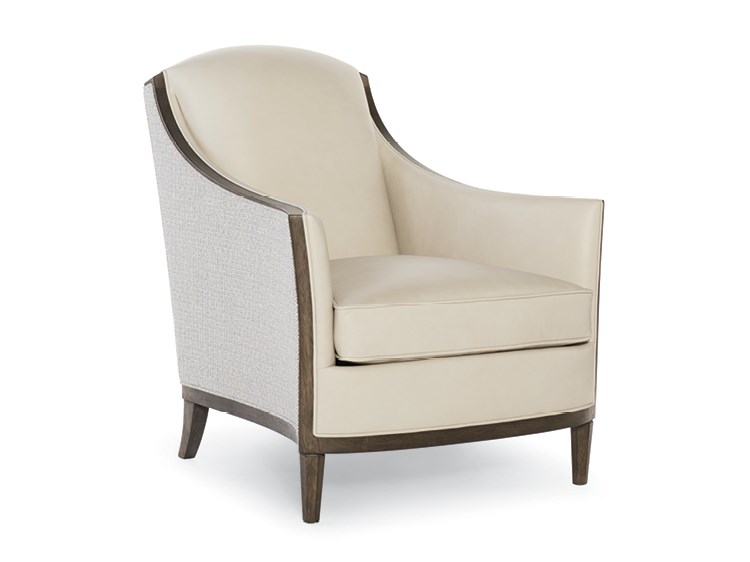
The Bliss Leather Chair from Protégé Upholstery is simple yet stylish.
Even since man started valuing commodities, leather has become one of the most sought-after materials. The simplest and earliest furniture pieces were probably made of animal skins so that man would be kept warm and comfortable.
Leather is a big testament to the resourcefulness as well as the ingenuity of man. And whether it did play an important part in the development of civilization, it is still a valued material even to this day. Leather has become an enduring piece of fashion and design.
So, is it a must to have leather in your home?
A Little Leather History
Let’s walk down memory lane for a bit. The benefits of using dried animal skins in the prehistoric times are still the same benefits that man enjoys today. Leather has been used for shelter and clothing and all these are there to keep harsh conditions from harming man.
The earliest known leather artifacts were crafted in 1300 BC. This was the time that man began to appreciate and use animal hides for their protection. Suddenly, leather is born and animal skins are no longer just a food by-product.
Ancient Greeks also crafted leather garments and sandals in 1200 BC and during the Homeric era. Leather prevailed and even spread all the way to Egypt where royalty almost revered it.
And as we now live in a society that’s increasingly developing and becoming more sophisticated with each year, innovations keep coming even for an enduring material such as leather.
Leather craftsmen and tanners are still in demand even as they were during the Middle Ages. What’s better today is that, there is now an alternative method that’s been invented for vegetable tanning.
Chrome tanning makes use of chemicals which make leather manufacturing a lot easier. About 80-90% of leather tanning worldwide is now done in this manner.
Leather is not just associated with clothing and bags nowadays but also in the bookbinding industry. The Victorian era began this with novels such as those of Charles Dickens being preserved because of the durability of leather.
Leather Today
These days, leather is still highly valued and renowned. While there are now more options on synthetic fabrics and materials, leather remains one of the leading choices for furniture and accessories.
There are many reasons why leather endures even till these days. First, very few materials can beat leather when it comes to quality. Furniture made of leather are believed to be top-of-the-line and, therefore, premier pieces.
Have you ever been invited to a spacious office where you were welcomed to a lobby filled with leather furniture pieces? What was your impression of that office? Surely, you thought of the adjectives classy or sophisticated. And with modern tanning process now available, leather is now more resistant to sagging, cracking or even peeling.
Leather is also a material that offers comfort. And compared to fabric couches which tend to fade, leather is more enduring. They are less likely to lose their shape. In fact, as true leather becomes more worn out, it becomes even more inviting to one’s sight.
Leather is breathable so it allows heat to dissipate more quickly. No matter what the weather, you are sure to feel comfort as you sit each time in your leather couch.
Speak of durability, leather is also known to last four more times compared to fabric upholstery. It is a tough material although it is also flexible. Because it is all-natural, it is also resistant to dirt and spills. Just wipe it with a clean cloth and you’re done cleaning.
Lastly, leather is so stylish more so when it is dyed. Its unique grain, markings and look shows just how refined you are with your furniture choices
Tags: history of leather, leather, leather furniture, leather history, McCreerys, McCreerys Home Furnishings
Posted in Furniture, Home Office Design, Interior Design 101, Interior Design Elements, Living Room Design | Comments Off on Leather: From Then Till Now
Friday, June 2nd, 2017
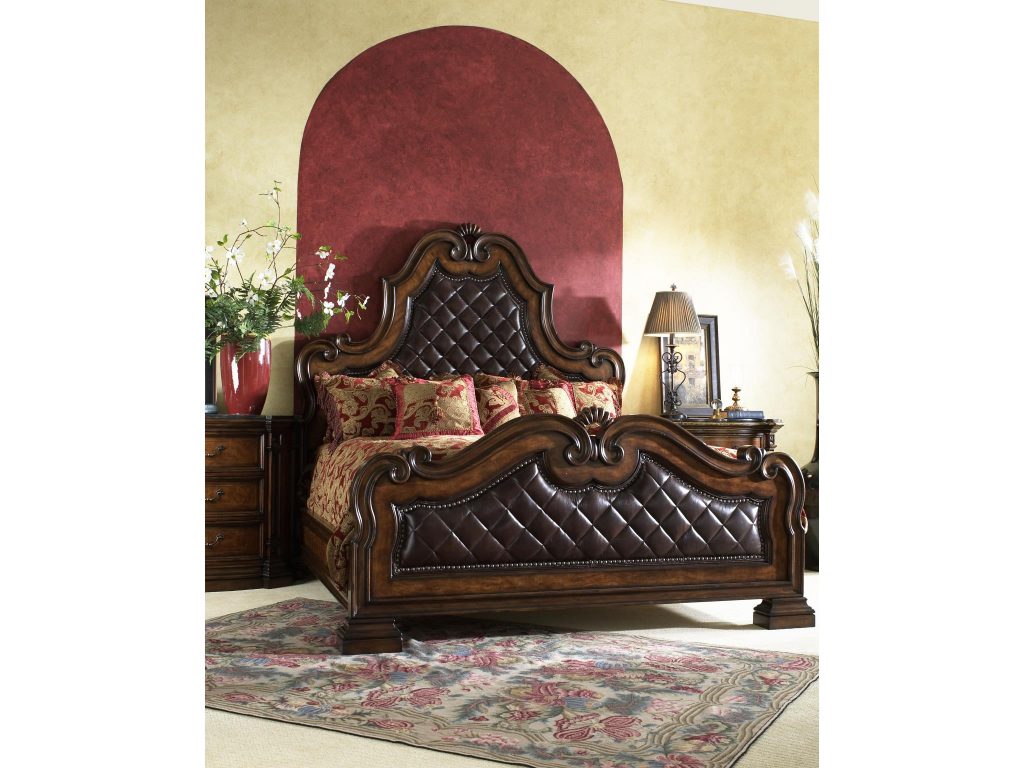
Viniterra Collection’s King Leather Panel Bed represents both sensuality and sturdy charm.
Have you ever given the history of leather a deep thought? Leather-making is such an interesting process that it deserves to be told and retold to people especially those that have a good many pieces of the said stuff.
The Leather Story
A long, long time ago, primitive man hunted food by going after animals. He then removed the skins and hides from the dead animals and used them as clothing, footwear, even tents. The earliest recorded use of leather was in the Paleolithic period where cave paintings showed the primitive man’s use of leather clothing.
The Paleolithic sites also showed a lot of bones that were used in scraping skins and hides for the removal of hair.
Not long after, man discovered leather preservation through smoke. He also discovered leather treatment when he infused tannin in leaves, barks, twigs and fruits of a few plants and trees.
Much later, earth salts and alum were finally used as tanning agents. These then produced softer and white leather. These were also dyed using different plant dyes.
Leather manufacturing was introduced in Britain by the religious and Roman invaders. Most of the monks from these places were leather experts especially in using it for writing. The Britons had a lot of uses for leather from clothing, shoes, bags and even some warfare articles.
Throughout the centuries, leather creation expanded and grew steadily over the medieval times. So it’s no surprise that you would see period films featuring leather tanneries during the medieval era.
Real or Faux?
So, do you really have to smell or touch leather in order to recognize its authenticity?
Genuine leather, keep in mind, is made from animal skin. These are skins of cattle, pigs, sheep and goats. There are various kinds of leather. The three types are aniline, semi-aniline and the pigmented kind.
When picking the type of leather that you would use, consider how it would eventually look and the foot traffic in the room where it is going to be placed.
Aniline leather is the top-grain, quality leather that does not come with any protective treatment. It is a natural-looking leather because it comes complete with markings. It is susceptible to surface scratches, though.
Semi-aniline, on the other hand, is still pure aniline but it comes with a coating of clear finish or pigment. This makes the leather more durable as it protects it from spills and stains. The coating also gives the assurance that the color will be consistent throughout the entire surface.
Lastly, the pigmented kind is still a top-grain leather but this one is coated with a clear top pigment or layer. The pigments are either shiny or bright-colored. It appears less natural, of course, as the colors are often used to hide the imperfections on the leather.
This is the kind of leather that is often found in many auto upholstery and furniture shops.
The leading differences between real and fake lather are the following –
Smelling also will help you tell that the leather is real. There is a distinct smell to a leather object that can never be replicated by furniture makers.
Tags: faux leather, genuine leather, history of leather, leather, leather history, McCreerys, story of leather
Posted in Furniture, Interior Design 101, Interior Design Elements | Comments Off on The Story of Leather (Both Real and Faux)
Follow us on our social media


© McCreery's Home Furnishings | All Rights Reserved | Privacy Policy
