- Follow us:


Wednesday, June 27th, 2018
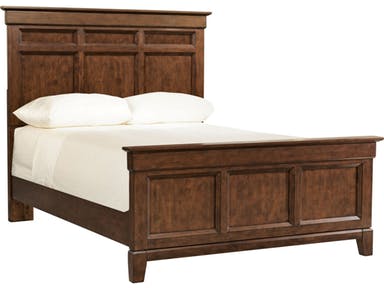
Thomasville Bedroom Panel Footboard (King) 85211-426
Timber, as defined in Collins dictionary, is wood that is used for building houses and making furniture. Ships showcase the largest timbers that are used as planks, boards or beams.
Harvesting Timber
Do you have an idea how timber is harvested and eventually processed? There are two ways to harvest timber. First, through the commercial clear cutting approach. Of the two approaches, this is the one that runs after economic gain. Here, the trees are cut down to a stump in heavily forested areas. Of course, this is not a sustainable kind of forestry.
In the silviculture approach, trees are grown specifically to be harvested. This is a sustainable approach compared to the previous one. A method used under this approach is shelterwood cutting. Here, the trees are just partially cut in a gradual manner. As the last trees are hewn down, the trees would have already grown again, so forth, and so on. This is a process that can last for as long as 20 years.
As the trees are cut down, the limbs or branches are removed and then moved from the forest to the sawmill. The routes used in doing this have to be carefully planned so that there would be minimal damage to the logs.
Processing Timber
As for the processing, this really depends on the eventual use of the timber. The debarked ones can be sent to the chipper where they will eventually become paper. The higher grade logs don’t go to the chipper but taken to the sawmill.
These can then be processed as plants, boards or beams. The main mill saw or what’s referred to as the head rig separates the logs to different sections. Sapwood and timber with fewer knots normally become boards or planks while heartwood is created to beams and heavy planks.
Once the head rig is done, every piece of wood is then edged and removed. A trimmer will be used to square off the edges. These are then sorted and stacked, eventually dried.
Uses and Benefits of Timber
Timber uses include fuel for homes, tools, homes, and furniture. It is versatile that it can also be used in log cabins, artificial limbs, decks, balconies, terraces, cladding, sculptures, carvings, flooring, fencing, paints, perfumes, varnish, scaffolding, shingles, windows, and even musical instruments.
Timber also comes with many benefits including –
When you have chosen timber to fulfill a certain job, then you should ascertain what species you are going to select. There are a lot of things to consider prior to your investment. First, how long would the timber species, you end up choosing, last? Here are other basic questions to ask –
Tags: McCreerys, McCreerys Home Furnishings, timber, timber benefits, timber furniture, timber interiors, timber uses, wood
Posted in Color Schemes, Interior Design 101, Interior Design Elements, Interior Design Themes | Comments Off on Why Use Timber?
Friday, December 16th, 2016
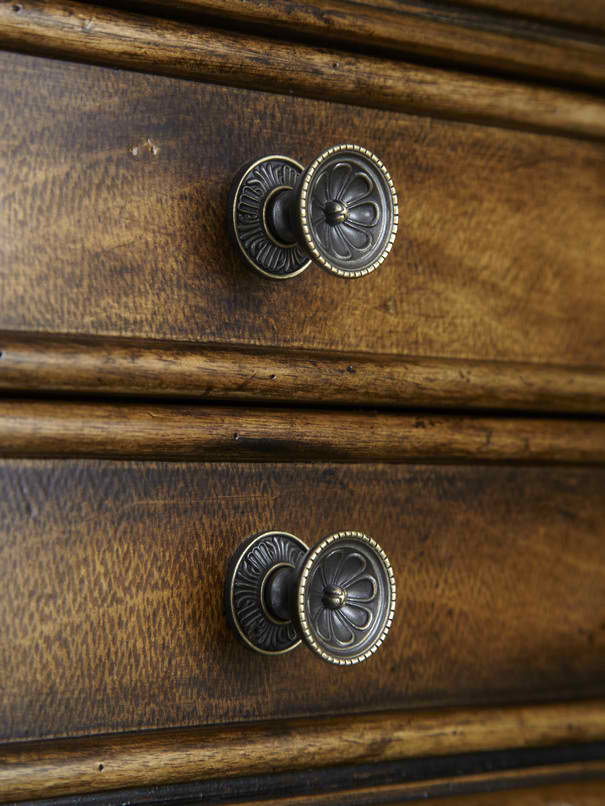
This delicious rustic ensemble is from FFDM’s Belvedere Collection.
Have you ever considered what properties of timber and wood you could use to beautify your home? Timber offers many qualities that you’d surely love – good insulation, natural beauty, light, safe, durable and strong. It also comes with a variety of engineered solutions. Timber is also a high-performance raw material that dense and with great thermal properties.
Timber Qualities That Rock
It is common for people to refer to timber as something that tough. Toughness is one of the leading abilities of timber that makes it almost unbreakable. Timber that comes with straight grains is a lot tougher than those with wavy or cross grains so be sure to look for knots, decays, cracks and other such defects when assessing the toughness of timber.
The hardness of timber can be measured in a lot of ways. The simplest is to gauge its resistance to nails, how easy or difficult it is to saw and work with it, and how well it can resist wear and tear. Both softwoods and hardwoods are mostly durable.
Timber also has thick cell walls while having small cell cavities. This only means that it is comprised of more wood than air. Balsa is a great example of light timber which has thinner cell walls and bigger air cavities.
The denser types of timber are more resistant to fire so they are partially fire resistant. Choosing to use lighter timber means you have to apply some chemical treatments that would add to its fire resistance. Be sure to look also for fire resistant paints.
Another quality of timber that is solely its own is its distinctive smell. There are certain oils that are present in timber that give off this woodsy scent. There are some people who are able to recognize timber by merely smelling its scent. Some of the scents are useful such as that of cedar and camphorwood which are insect-repellent. These kinds of wood, therefore, are best used in making cabinets, chests and wardrobes.
Be sure to steer clear from timbers that have unpleasant odors such as the Stinkwood and Australian walnut.
Timber also has interesting colors. The freshly-cut ones have a consistent color. The only way to seal this is to apply a coat of polish or wax as air exposure tends to alter the wood’s color. Depending on the kind of wood that you’re dealing with, it could either lighten or darken due to chemical change.
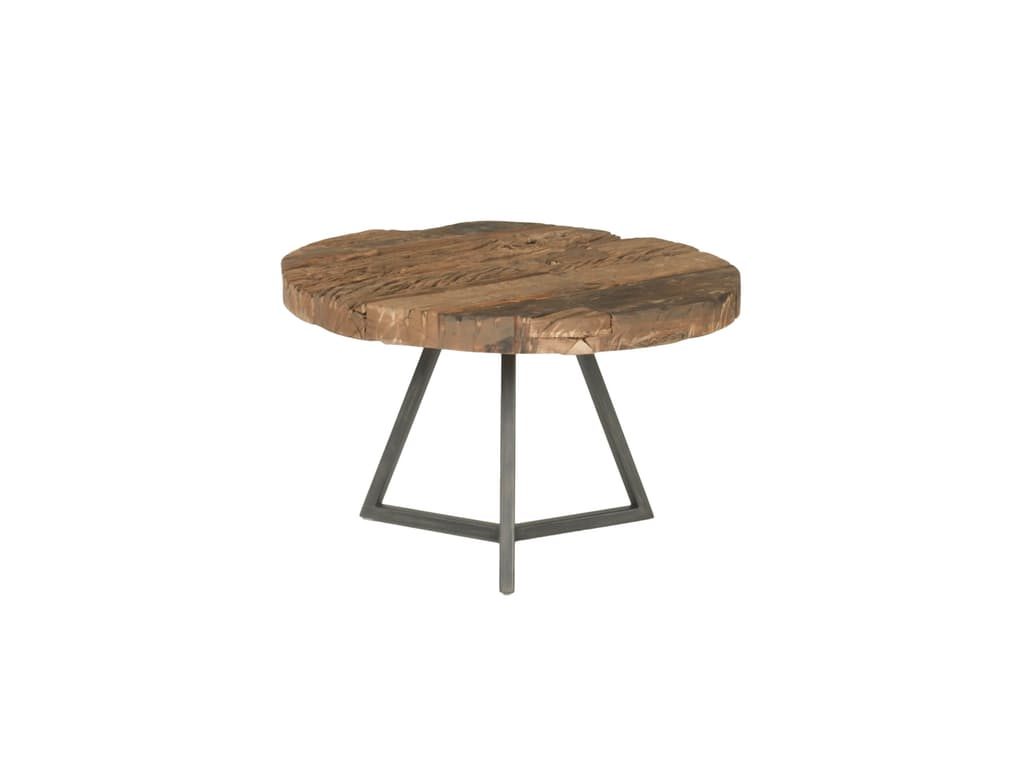
Orient Express Furniture Living Room Timber Small Round Coffee Table – Raw Metal 7721-S.RM.RWY
Timber In Your Home
Timber is surely one of the best materials that you can use for your interiors. There are many textures, colors, and combinations to choose from. For other people, this could be a cause for some headaches since they have many options to look at.
So you won’t be confused on what you really want, it’s important to remember a few fundamental principles in timber design –
Tags: McCreerys, McCreerys Home Furnishings, timber, timber furniture, timber interiors
Posted in Interior Design 101, Interior Design Elements, Interior Design Themes | No Comments »
Follow us on our social media


© McCreery's Home Furnishings | All Rights Reserved | Privacy Policy
