- Follow us:


Tuesday, July 18th, 2017
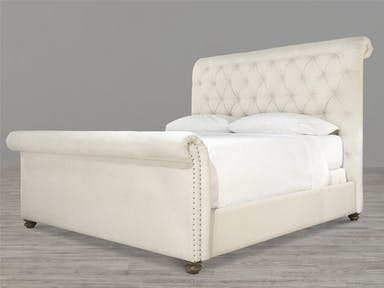
Universal Furniture Bedroom The Boho Chic Bed Rails 6_0 45077R
During the first few years of the new millennium, more specifically during the 1990s, it was observed that ethnic style took center stage. This style got its influence from fashion designers, the likes of Dries van Noten, Kenzo, Christian Lacroix, Vivienne Tam, to name a few. These designers, in turn, were inspired by a variety of styles namely African, Asian, Arctic, and Native American. They were not afraid to use unique styles from far away lands.
Ethnic fashion also found sources of its own inside the Western hemisphere. Northern and Eastern European nations also gave their own share of the ethnic style.
Ethnic Aesthetics
For a lot of Western designers, Eastern aesthetics have become a rich source of subjects. Their creativity was easily spurred by the colorful cultures that reside within the Eastern hemisphere. Here, breaking conventions is perceived as a way of finally seeing or being freed from something that has kept one shackled.
Simply defined, ethnic fashion is eclectic and eclectic fashion is ethnic. This is also applicable to interior design.
Exoticism is more often associated with the faraway nations and is, therefore, broader than the common eclectic term. Here, you are rerouted from being a Westerner to being appreciative of other cultures.
Ethnic Design – The Beginning
Back in the day, luxury is linked with anything that’s foreign. Since this is so, it becomes difficult to actually trace where and when ethnic design was born in the West. One has to take into consideration the trade routes that passed through the West which include Egypt, Persia, and Central Asia. Later, other nations were added to these including China, India, Japan, Mexico, Colombia and many more.
French and Italian silk productions were soon founded, still catering for much more demand for ethnic look.
By the 1800s, cashmere and silk became quite popular and fully used in many aspects of fashion.
Diverse Style
Ethnic style is crucial in fashion though somewhat ignored. As the world of fashion moves ever forward to adjust to the existence of diverse cultures, naturally, interior design follows suit. With these culturally diverse styles, we can now have a clearer definition of what ethnic interior design is all about.
There are various types of designs for ethnic styles depending on who is using them and what ideas are being utilized. All people have a rough idea on what their ultimate dream house would actually look like. Some homeowners opt for a Western style while others prefer the unique ethnic features that Eastern designs offer.
In essence, Chinese or Japanese interior design can be considered ethnic, as are Indian, Filipino or Thai interiors.
The Ethnic Bedroom
It is always safest to begin with the bedroom when it comes to designing projects. Find out what kind of ethnic bed you would want and what materials will be used – gold metal? How about wicker? Or bamboo perhaps?
The shape, patterns, and colors will also define if you are embracing an ethnic interior design. Japanese style beds would have you sleeping closer to the floor or on the floor. Chinese beds have hints or splashes of gold. The choices are almost limitless.
As to window treatments, there is also a huge difference between the blinds that you could use with Japanese interiors and the heavy drapes that often decorate Chinese bedrooms.
When specifically embracing the Boho style or the Bohemian look or Boho-Chic, think of the hippie or gypsy fashion statements. Who you are pretty much dictates what your home’s design elements would contain.
So, will ethnic style suit you well? Also, consider if your family members are also amenable to this style. Once you have come to a concession, then go ahead and alter the style of your habitat.
Tags: Boho, Boho-Chic, Boho-ethnic, ethnic interior design, ethnic interiors, ethnic style, McCreerys, McCreerys Home Furnishings
Posted in Interior Design 101, Interior Design Themes | Comments Off on Recognizing the Boho-Ethnic Look
Monday, July 17th, 2017
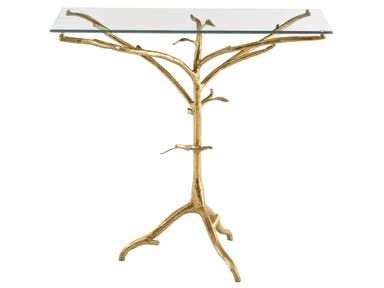
Bernhardt Interiors Bedroom Bedside Table Glass Top and Metal Base 366-163G. 366-163 shows how subtle yet catchy gold can be.
Liking the color of gold means you have a charming personality, at least this is what color psychology has to say about this glamorous hue. It also means that you are friendly, outgoing, and pretty discriminating. If you’re thinking of using gold in your home, then be ready to glamorize.
Using gold in interior design should not be confined to Christmases or other holidays. Any time is the perfect time for a home to look gorgeous and glamorous, even well-decorated for guests.
Gold accents are quite hot in the interior design industry at the moment, so are other metallic hues such as copper, silver and brass. The great news is that there are a few easy and fun ways that you can use gold in your home.
So where should you begin?
Gold Chandeliers
And why not? You don’t have to be a princess just to own a home that has a lovely golden chandelier hanging in the middle of the dining room or the living room. Pick an elegant type of chandelier that can also add a tad of whimsy to your home.
Find one that is not too heavy on the metals, instead, find one that focuses on the crystals or glass. The gold should be limited to the arms. This should give the living room, the den, dining room or even the bedroom a sophisticated look.
If you want to make a place look more formal, then a golden chandelier can nail this look without even trying. Be sure to match other gold pieces on the mirrors, curtains, and trinkets.
Gold Fabrics, Furnishings and Paint Colors
Who says gold furniture is gaudy? Gold is hot, remember, so interior designers are decorating – frenzily – with gold. Add glitz and glamour by strategically placing gold pieces inside different rooms.
Now, to pull of this look without looking tacky, be sure to swap the linens, curtains, pillows and fabrics with just those that have hints of gold. A neutral colored wall can also be switched with a gold accent wall. If an entire wall is too bold for you, then consider buying a golden accent piece such as a coffee table.
Adding some throw pillows with specks or even small swirls of gold trim could also make a huge difference.
Gold Tables
Gold is not limited to coffee tables and accessories. Go even bolder by adding a gold runner on your 12-seater wooden dining table. Pair this with the right centerpiece such as oranges or lemons. This gold statement should be able to attract attention effortlessly.
When you are about to host a special dinner, be sure to decorate the dining table with gold napkins, some gold china or even gold spoons and forks.
Even the simplest gold decorative balls placed on a gold-rimmed tray or bowl can add the right amount of glamour.
How about some gold side tables which are also trendy right now? Your bedroom will never be the same again as you add a touch of gold in it.
Gold Accessories
Sparkle with candles but these don’t have to be literal wax candles. Add a touch of gold, yet again, in your home by putting in some glittery gold candles on top of the end tables. Place these in the living room and watch the shiny lights flicker as you entertain some guests during an intimate affair.
If intimate candle lights aren’t your thing, then you can still accessorize with a gold table runner. Top this interesting runner with a glass vase filled to halfway with golden decorative balls.
Gold Hardware
Look inside your kitchen and see which faucets can be replaced with golden faucets. If shiny golds are too much, then consider the brass or copper faucets.
Tags: decorating with gold, gold in interior design, gold interior design, gold interiors, McCreerys, McCreerys Home Furnishings
Posted in 2017 Trends, Accents, Accessories, Color Schemes, Furniture, Interior Design 101, Interior Design Elements, Interior Design Themes | Comments Off on Glitz and Glamour: How to Make the Luster of Gold Work for You
Friday, July 14th, 2017
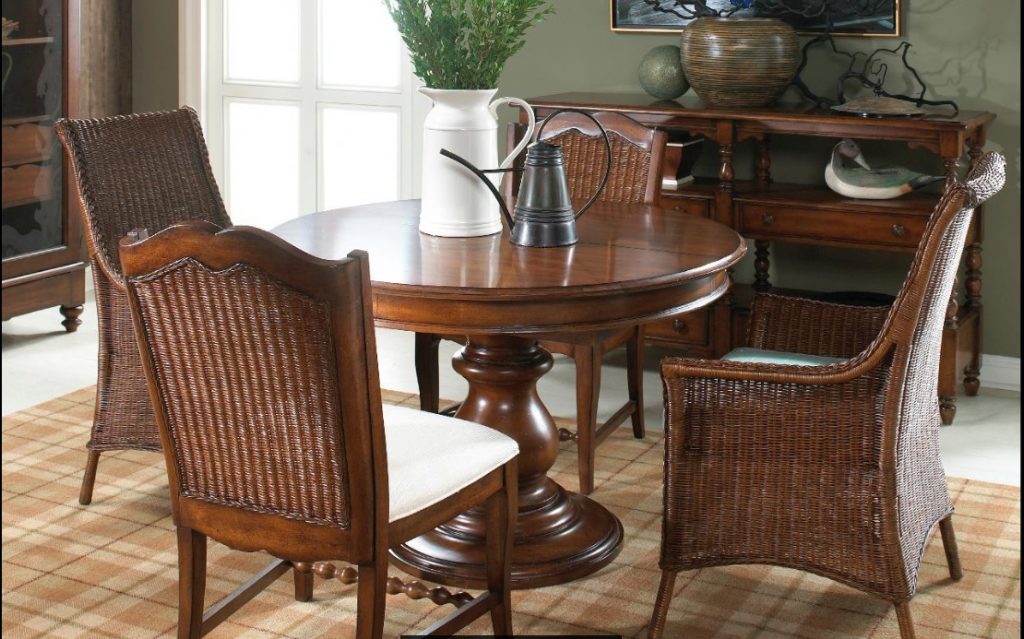
Summer Home Cottage Wicker Arm Chairs are perfect for any Asian inspired home.
Oriental design or more often called Asian interior design showcases many different cultures – from Japanese, to Vietnam, Chinese to Thai, Korean and Indian. All these interesting Eastern societies are colorful, bold and bright, each with its own distinct look. The most distinct, though, are Chinese and Japanese.
Following Feng Shui
Feng Shui is being practiced in China and many other Asian countries. This is becoming more and more popular in many Western nations, too. These are guidelines in object and structure placement.
Feng Shui focuses on chi or everything that has energy whether positive or negative. These energies are carefully balanced in the observance of Feng Shui.
Choosing Chinese
Homes that get their inspiration from Chinese style show a lot of bold colors from gold, reds to greens. Their living spaces also display ornate furnishings and the most interesting accessories. Furniture in Chinese-inspired homes show a lot of carvings, ornate wood and hand-painted, lacquered surfaces.
The dramatic styling that is seen throughout the Chinese ambiance is also consistent with the accessories. You can see a lot of porcelain jars, huge vases, animal motifs (think of dragons, turtles, cats, horses and frogs).
There are also a lot of complex patterns in different hues or in the usual white and blue. Other stylish stuff include plaques, wall murals and folding paper screens. All these depict legends and historical characters. In essence, you’re not going Chinese if you don’t like striking and vibrant hues.
You should also love red since this is a prominent hue in Chinese design. To the Chinese, this color spells good luck. Accents can be yellow or green which can be used on paper lanterns.
Chinoiserie is also abundant. This is the art form where furnishings are patterned after Chinese décor. It first became popular back in the 1800s in Europe. One can also observe the influence of the Chinese in terms of architecture in many garden pagodas and pavilions.
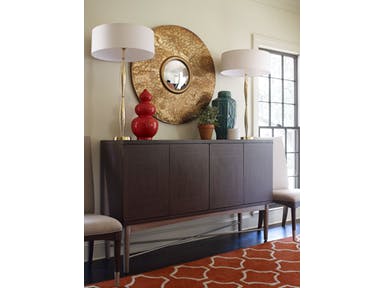
Rachael Ray Home by Legacy Classic Furniture Dining Room Credenza 6020-151 is the home for the Asian elements in this living room.
Just Japanese
Prepare to feel a different level of calmness when you choose Japanese-inspired interior design. Think of Zen and all the natural elements that would entail this level of serenity.
Japanese indoors include a lot of water fountains, floor covering and tatami mats. Tatami is a straw mat that has cloth edges.
To complete the Japanese look of your home, use natural elements like stone, bamboo, flowers and greeneries. Use decorative pottery as well as embellished textiles.
Furnishings often have clean lines. Most of the stuff are near the floor although everything still appears to be clean.
Natural fibers such as silk are also a must. Remember that the beautiful kimono is made from this wonderful fabric. The translucent shoji screens are also one of the most popular pieces to own as are fusuma (another kind of screen).
Cherry blossoms as wall art can be painted straight on a wall (which serves as your blank canvas) or hung as an artwork.
Asian Principles in Styling
Now that you know the prime style sources for Asian interior design, here are additional principles in Asian styling – asymmetry, altars, natural elements, simplicity, circles and clean motifs.
Asymmetry means having something that demands attention be framed with something that does not seek attention. An example is when you have a fireplace (a major architectural element) which needs to be decorated by a non-competing artwork placed on the mantel.
Both Chinese and Japanese designs pay a huge respect for the altar. This is where they worship, hence, having it in your home means paying the same level of respect and reverence in that area.
Achieving zero clutter in Asian interior design is also a necessity. Have you ever seen a chaotic Japanese home? No? Well that’s because simplicity and cleanliness are also principles of Asian interior design.
Tags: Asian interior design, Asian interiors, Asian style, Chinese interior design, Japanese interior design, McCreerys, McCreerys Home Furnishings
Posted in Interior Design 101, Interior Design Elements, Interior Design Themes | Comments Off on East Meets West: Asian Designs in an American Home
Friday, July 14th, 2017
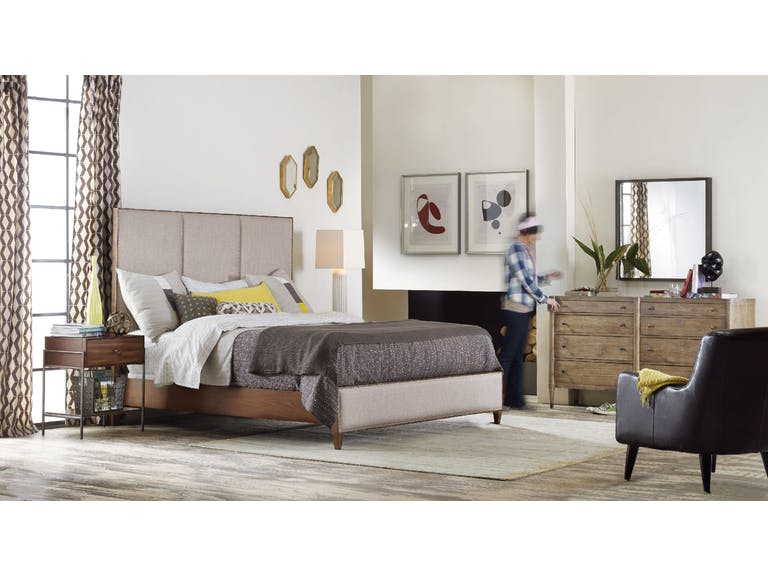
The Hooker Furniture Bedroom Studio 7H Aon King Upholstered Panel Bed satisfies both functionality and style in this perfect timeless ensemble.
What do you think makes a timeless interior design? Have you ever seen a photograph from a different era and you realize that the furnishings there are no different from the ones that you see in your living room today? And then you end up wondering, how could you replicate this look so that your home will not appear tired or worn out?
Timeless Design Has Staying Power
Timeless design must, understandably, have staying power. This style is not temporary so you must not go for something that’s just trendy or one that appears to be a fad.
If you want a home that’s timeless, then you need to find elements that may have appeared in the past but are still relevant till today and will still be so tomorrow. You need designs that are classic, with materials and hues that were meant to last.
Timeless Design Is Definitive
Classic or timeless design must be enduring. Classic designs are those that make good use of architecture and fuses it with style. Greek architecture is one such style. Just take a look at their statues, stripes, columns, moldings and busts and you would suddenly be able to define enduring style.
A timeless design must also effectively play with details. The decorative elements must complement the existing architecture. Just imagine a mannequin and how you would dress it up. The dress must complement the shape and color of the mannequin or you would be left with an ugly looking dummy.
Your home, therefore, must have frames that will make the design elements pop – and vice versa.
Timeless Design Is Non-Fad
Don’t expect timeless design to get inspiration from trends. It is also not ornate, fussy, avant-garde or opulent. Timeless design is all about sophistication even when the elements are understated. This is a style that is also functional yet not boring or bland.
Timeless style is all about subtlety and adaptability. It is a design that belongs to the environment and space. It can also infuse other design elements from the yesteryears or even from the future.
Timelessness can also mean experimentation where you mix contemporary with modern. No matter what styles you pick to make traditional, make sure that function is always prioritized.
Timeless Design Is Practical
Picking up from the fact timeless designs are functional, it also suggests that your timeless home must be confidently stylish no matter how many years have already passed. It is never boring neither is it over the top.
Timeless homes are proportioned and perfectly scaled. These are, of course, necessary in the creation of a functional space. The furnishings are never wrong since they fit in the space perfectly. The furniture pieces and other design elements bond to create rooms that look sublime.
Timelessness also means veering away from puffy or overstuffed couches and such. This does not mean that you only go for the overly streamlined pieces. Say no also to busy patterns and lines, spaces and shapes.
Timeless Design Has Traditional Hues
You will see a lot of neutral colors in timeless homes. These accentuate an interesting piece often at the center of the room. Grays, beiges and off-whites are ever present and these are often highlighted by bright architectural moldings on doorways, arches or ceilings.
The colors that you pick must form the right backdrop for your furnishings, statues, busts and artworks. Don’t be imprisoned in neutrals, though, as you can also choose from classic colors such as dark green, navy blue or jet black.
Timeless Design Can Also Be Bold
Achieving a timeless look also means veering away from anything that’s busy. You should learn to emphasize shapes and clean lines. Natural materials are also welcome like stone, wood and natural fibers.
Tags: classic design, classic interior design, McCreerys, McCreerys Home Furnishings, timeless interior design, timeless interiors
Posted in Interior Design 101, Interior Design Elements, Interior Design Themes | Comments Off on Interior Design for All Seasons: Guidelines in Achieving the Timeless Look
Thursday, July 13th, 2017
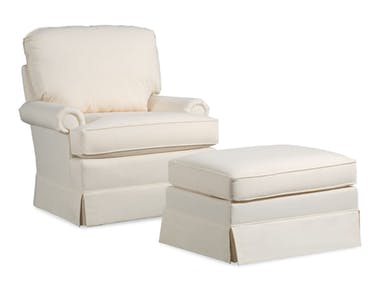
Breastfeeding, burping or simply lulling the baby to sleep becomes easy with the Thomasville Living Room Atlantis Swivel Rocker 1052 15SR.
The nursery is your baby’s first room so you have to make it look and feel special. Adding something personal such as colorful framed photographs and artworks will also make the room more unique. Babies need something to stimulate their learning minds, hence, put something that they can look at and appreciate.
Decorating the nursery can be tricky but it becomes more so when you need to make do with a tiny space. When you’re faced with such a project, then have a little faith. With a little creativity and some interior design know-how, you should do fine.
Begin Light
The first commandment in designing a small nursery is to pick a light color palette. Dark colors tend to absorb light and could overwhelm a tiny space. Lighter colors, on the other hand, can make a room feel brighter and bigger.
Choosing a monochromatic color scheme would also help. This will also work even with darker colors. The continuation of colors is what diminishes the visual breaks in the nursery, thus, making the space still appear larger than it seems.
Paint the Ceiling
Whether you end up painting the ceiling with a dark or light color, just make sure that the ceiling is always lighter than the paint on your walls. This is what’s known in the design world as the vaulted effect where the room feels more spacious because of the darker hue up top.
Create Visual Interest
Thinking that you’re just designing a nursery and pink or blue are the only colors available to you is wrong. Do paint the moldings and trim with lighter colors, again, compared to the walls. The light-colored trim can make the walls recede which would appear to be seemingly farther than they seem.
Do you notice how smaller rooms tend to have less interesting architectural features? You will have to be the one to create visual interest through an accent wall, focal point or adding some flair. Windows and shelves can also be painted just to add a dash of color where everything else is monochrome.
Use Patterns
Who says baby rooms cannot have interesting patterns? On the contrary, you can actually make a room appear bigger by adding the right patterns (e.g. vertical stripes, horizontal stripes for a room-widening illusion).
The good ol’ cartoon characters are reliable patterns that you can use throughout the nursery. Plus these can also be the same patterns that your little baby would soon grow into so they had better be interesting.
Never allow patterns to overwhelm the space, though. Use large scale patterns at a bare minimum. Smaller scale patterns are the perfect options. Pick a repetitive pattern in just one or two colors.
Let In Some Light – Or a Lot of It
Natural light must be in abundance in your baby’s nursery. This can do a lot of wonders for the small space. Sunlight can make a space appear airier, lighter and a lot brighter. Consider investing in some sheer drapes so that you can still keep a certain level of privacy inside this room.
Yes to Flashy Designs
Shiny accessories such mirrors can reflect light so, yes, these are very much welcome inside the nursery. Again, the more light that you let into the room, the bigger the space would appear.
Never Overdo Furnishings
While there are necessities such as the crib, drawers, changing table, rocking chair and such, you must never go to the point where you overdo your furnishings. Your goal is always to create space no matter how minute this can be.
This doesn’t mean that you should rule out big furnishings, though. The key is to choose one focal piece then to decorate around that necessary piece which is often the crib.
Tags: decorating the nursery, designing the nursery, McCreerys, McCreerys Home Furnishings, nursery, small nurseries, tiny nurseries
Posted in Interior Design 101, Interior Design Elements, Special Rooms In Your Home | Comments Off on Making Small Nurseries Work
Thursday, July 13th, 2017
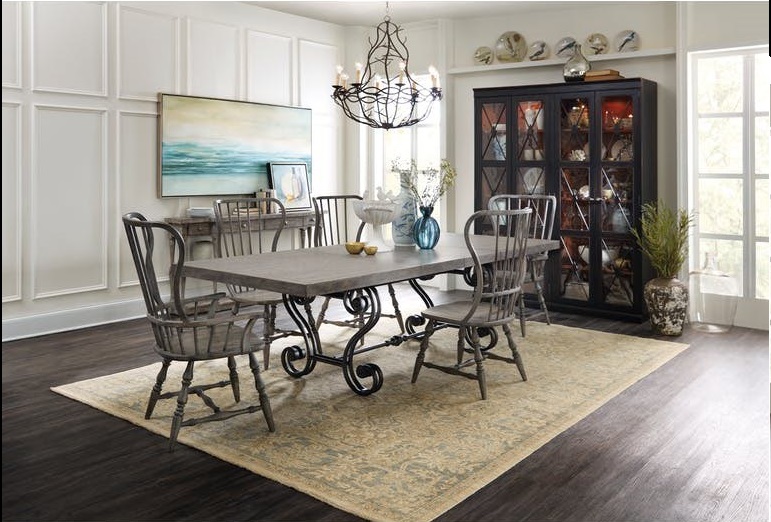
The artwork hung above the beautiful Console table is hard to ignore. Also featured are the Hooker Furniture Dining Room Sanctuary Spindle Back Side Chairs.
Have you ever tried to define art? The reference-book definition of this simple term is far from simple. Merriam and Webster defines this as the conscious use of skill and creative imagination especially in the production of aesthetic objects. Now that you know the meaning of the word, how then would you use this in the context of interior design?
Art is diverse, hence, there are various ways to interpret it. Scholars define it differently as do mathematicians. Leo Tolstoy, a famous author, defined this as an activity by which emotion is experienced and the person would willfully transmit it to other people.
Meanings of Art
The above definitions are common notions about art yet there is so much more to this term that a lot of people fail to see.
Art – or artworks – can elicit the most powerful sentiments, hence, it is used in music, film, theatre and even pop culture. All these are supposed to entertain people but when art is used for a specific purpose other than entertainment, then it takes on a diversified meaning.
Films, for instance, can be a powerful tool in spreading cultural awareness. Songs can be used to inspire others to action.
Art has linked human experiences to the media used in its creation. Both ancient and modern peoples have mixed art with their artifacts and lifestyles.
Do’s and Don’ts of Art Selection
Do not think that art always has to be expensive. An art gallery could be as simple as a wall full of your family’s most memorable photographs. Even a beautiful wallpaper could serve as an interesting wall design, again, this is considered art.
Do not hang artworks (paintings, photographs, or sculptures) too high. Make sure that all artworks are at eye level. The center point – whether this is a single photo or a group of paintings – must always be at eye level.
Do not hang a small piece of art on a huge wall. If you really have to display a small piece of art, then at least have it framed on a large mat.
Do not hang any artwork on your own. It would be best to have someone else do this project with you. You can hold the artwork in place while your companion sees to it that your art placement is correct. The agreement of both should be the sign for the artwork’s perfect installation.
Never hang art pieces too far apart. About two inches should be left between each piece, on either side as well as below.
Now here are the do’s; first, do showcase your family’s photographs – especially the beautifully framed ones – on the walls. Have these photos blown up then hang them on foam cores. These should also serve as interesting conversation pieces when you invite some friends over.
Do hang or display art in every room inside your home. Do not forget the bathroom, the dining room, even the sunroom. Every room is a wonderful place to display your artwork.
Be sure to use picture frame hooks instead of the usual screws or nails. These can take a heavier amount of weight (about up to a hundred pounds). For every piece of artwork, be sure to use two hooks so that it remains secure and at level.
Do plan your photo wall from the outset. Place the artworks right on the ground in front of the very wall where the arrangement will be made.
Do think of balance (whether formal or informal) but never group the large ones altogether (this is also applicable with the smaller art pieces). Even similar frames must also be visually balanced.
Lastly, do lean a painting against a wall. This can be stylish as would an art piece that is sitting on a mantel or a console table.
Tags: art in interior design, designing with art, displaying artwork, McCreerys, McCreerys Home Furnishings
Posted in Accents, Interior Design 101 | Comments Off on Art Decoration: The Do’s and Don’ts
Wednesday, July 12th, 2017
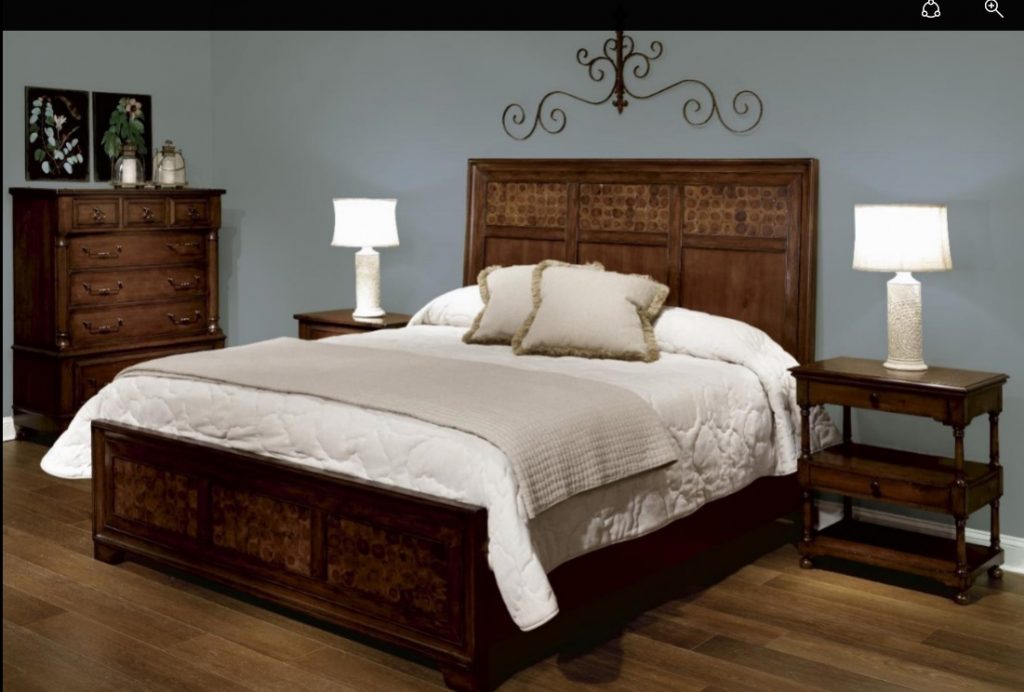
Harbor Springs Collection by FFDM presents this would-be heirloom piece, the Port Panel King Bed.
Are you at a stage in your life when you are considering passing on your favorite furniture pieces to your loved ones? But how sure are you that the ones you have now would last enough for your loved ones to enjoy? Picking potential heirloom pieces is not an easy task. There are some things that you need to keep in mind.
Not All Amish
Amish furniture are wonderful heirloom pieces but these are not the only pieces that you can pick from. There are many other styles and pieces that you can choose from, what you just need to do is to know what features to look for.
Wood is one material that is often considered when buying potential heirloom pieces. Each type of wood has its own awesome characteristics. Back in the day, the only types of wood furniture are made from cherry, oak, rustic cherry, white oak and brown maple.
Nowadays, there are so much more. Pick from the different stains and wood types. A formal, classic look means investing in a cherry wood piece with a beautiful cherry stain.
If you’re feeling a little artsy, then go for quarter sawn white oak. Whichever style you would settle for, just make sure that it defines you.
There are two types of solid woods – softwood and hardwood. The former comes from evergreen trees like spruce, pine, cedar, fir and redwood. Those that are made from birch, oak, maple or walnut, even exotic woods such as elm, cherry and rosewood are all categorized as hardwoods.
The latter are more appropriate for cabinetry while softwoods are often used in the creation of fine furniture. If you have to know, the most coveted piece of hardwood furniture is the one that’s made with rosewood. As for softwoods, the furniture would have to be made with cedar.
Timeless Color
If you would like to have an heirloom piece, then see how the pieces you would invest in would match the theme that you have in your home. Check out how well the wall paint would match the furniture pieces that you would choose. Rustic pieces are as timeless as timelessness could get.
Consider Other Materials
Wood is beautiful, no doubt about this, but there are also other materials that can provide the heirloom piece that you need.
Think of glass top tables, ceramic benches, mirrored chests and such. These man-made materials can also make you fall in love. Just check the overall construction of every furniture piece so that it is sure to last for a long time.
Visit Our Showroom
Our craftsmen produced the most beautiful pieces that we would like you to see and feel. These pieces come with the best wood types, construction and finishes. You will surely appreciate the furniture more if you can visually check what you’re about to buy.
Pay attention to the types of wood used, the construction as well as the fabrics. Find which pieces will not dent, rip, or damage easily. Look at the joint construction. Those that were manufactured with nails, glue, or staples are far from sturdy so stay away from such pieces.
Look for dowels or the wooden pegs used as screws between two opposing holes as well as dovetails. Mortise-and-tenon as well as corners must be checked as well.
Take a careful look at the wood composition, then try sitting in a couch or chair. This piece should not squeak.
Commit to Clean
When you’re bent on owning an heirloom piece, then be sure to sign up for proper maintenance – years and years of them. Use a damp cloth in cleaning valuable pieces. Never use silicone-based polishes since these will damage the furniture finish over time.
Tags: heirloom, heirloom furniture, McCreerys, McCreerys Home Furnishings, potential heirloom, potential heirloom pieces, shopping for heirloom
Posted in Furniture, Interior Design 101 | Comments Off on Through the Years: Picking Potential Heirloom Pieces
Wednesday, July 12th, 2017
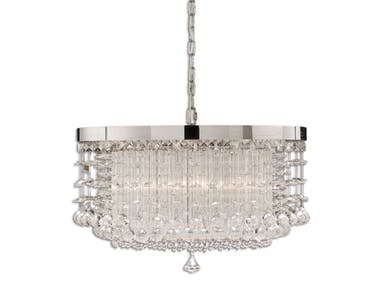
Uttermost Lamps and Lighting Fascination 3 Light Crystal Chandelier 21138
Crystal chandeliers. These are the ultimate pieces of luxury in homes, hotels, and other commercial establishments. What would you give to have it in your home?
You might want to know the benefits of owning a crystal chandelier.
Chandeliers Spell Elegance
Chandeliers are often hung in dining rooms or living rooms, even the bedroom, all because we want to achieve elegance. A home that has a chandelier is also a home that has an interesting conversation piece.
Iron, brass and other lustrous lamps can easily bring joy to a home. Though this is the case, still, nothing can compare to the beauty and glamour that only crystal chandeliers are able to provide. It is for this reason that many homeowners want to have their own chandelier to display.
Chandeliers Are Timeless
Wood, metal and other forms of candelabra can stay put long enough on the ceiling but it is a crystal chandelier that can hold longer. The chandelier’s glass and frame – when given great care – can last through many, many years. You would see a lot of vintage crystal chandeliers because they can stay in their perfect condition for decades.
Materials used in creating chandeliers are also durable so you could expect to have a lighting source for a long time. With the best manufacturer, you won’t have to worry about glass or crystals being suspended in the air as the best artisans provide the best craftsmanship.
Chandeliers Save Electricity
You might find this hard to believe but the use of chandeliers can help save you money.
How?
First, you would need fewer bulbs since you only have to depend on one lighting source. Just make sure that you dust the chandelier occasionally so that its light will remain bright. Keeping the crystals free from dirt could be a DIY (do-it-yourself) project for you and your family or you could ask the help of a professional.
Chandelier Do’s and Don’ts
Owning a chandelier is no small task so be sure to know the key elements that will make your chandelier ownership more meaningful.
Lighting is not just a functional piece in a home anymore. This can also be a design element nowadays. Chandeliers can be the best decorative, pendant lights. They can also be the finishing touches to any design theme.
Here’s the first DO – do make sure that you invest in the right size of chandelier. Add the room dimensions in feet then convert the measurements to inches.
Do buy big chandeliers for the dining room. If you don’t want the lighting piece to appear overwhelming, then hang it much closer to the ceiling.
Another basic DO is to hang a chandelier at 30-36 inches from the tabletop. The lower you hang it, the more area it will be able to light. The rule of thumb is to not hang it too low or it would hit your head.
Do hang your entryway chandelier at about seven feet from the floor. You can also use chandeliers in different rooms so go ahead and experiment – hang one in the kitchen, home office, even your bathroom.
As for the don’ts, make sure that you don’t hang the chandelier at less than four feet from any of the walls. Also, don’t hang ornate chandeliers to close to any type of table. Never hang a fixture to a point where it goes below the second story in any two-story entryway.
Another don’t is to not limit your chandelier ownership to just one piece. A large room could have more than one chandelier. Two small chandeliers should be able to amply light a huge room.
Lastly, do not be afraid to experiment in terms of chandelier styles. Show your personality by hanging the chandelier piece that best describes who you are.
Tags: chandelier, chandeliers, crystal chandeliers, McCreerys, McCreerys Home Furnishings
Posted in Interior Design 101, Interior Design Elements, Lighting | Comments Off on It’s Crystal Clear: The Benefits, the Do’s and Don’ts of Using Crystal Chandelier
Tuesday, July 11th, 2017
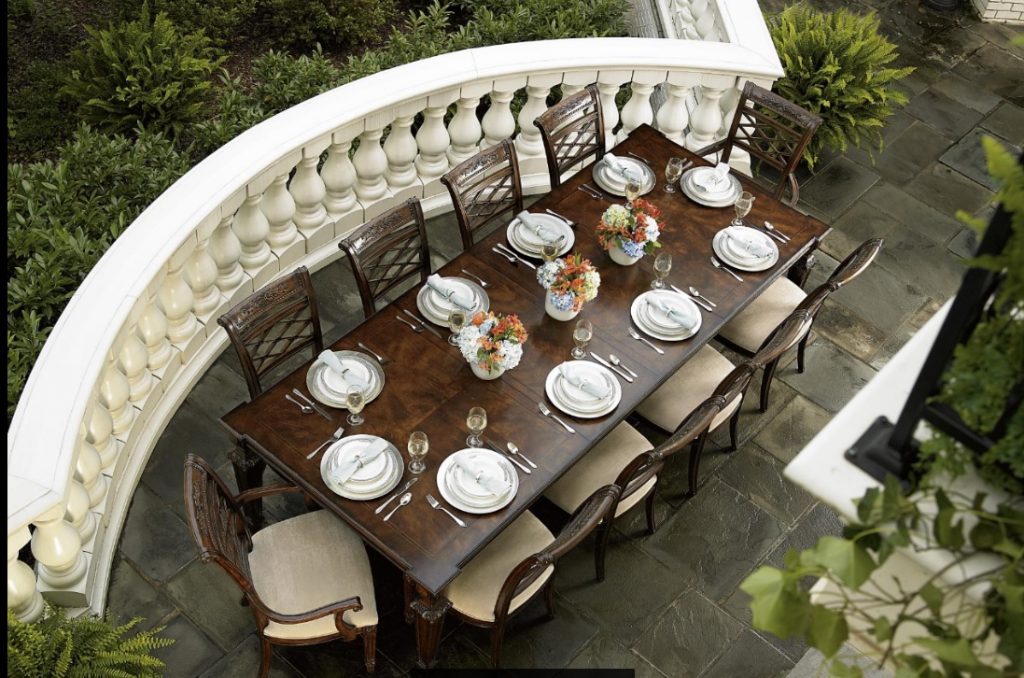
And who says the dining area has to be indoors all the time? Featured here are the lovely Louis Dining Pieces from FFDM’s Biltmore Collection.
Have you ever been asked how you can make the dining room a more inviting place? Sure, having a few friends over and decorating your dining room in a jiff could be possible once in a while but what if you want to have a comfy room to eat in each and every day?
It is but natural that you would focus your attention on the living room and other such rooms that are used more often but this does not mean that you have to neglect the dining room all together.
You can begin with what you have on hand. Do you have matching dining room pieces that you could use to finish the rest of the design elements in the room? Or do you have dinnerware and glassware that you have long been keeping for that perfect dining experience?
As you reassess the pieces that you already have, you are also bound to realize that there are some things that you would need to invest in. As you assemble these pieces together, you will soon create a look that you would admire, one that you would even be proud to show off to your friends.
The Cozy Rug Does the Trick
A modern dining room set can be easily softened with the right rug. The rug will work as the balancing element.
Warm Colors on Walls
A huge dining room could sound good at first but it can be quite chilly if you don’t decorate it properly. Dark brown walls will bring out the rustic beauty of a dining room. If brown doesn’t work for you, any other hue that creates depth would do well to fill up any cavernous space.
Pick an English Couch
If you want the highest level of coziness, then you might as well pick upholstered pieces. Place armchairs at both ends of the long table. Have a banquette or an upholstered dining bench perched over to the side.
Be sure to adjust the seat heights accordingly.
Place Window Seats by a Sunny Area
If your dining room absorbs a lot of natural light during the day, then it would be wrong to waste it. Place a comfortable cushioned seat right by the window that gets the most sunlight. This can be your reading nook during the day. This can also be the perfect spot for your kids to create their projects during their study time.
Use Lots of Yellows and Greens
Since you’re advised to use brown or any dark-colored paint on your walls, then you should think of ways to make the rest of the room appear sunnier. Use yellow seat cushions or curtains. Greeneries can also be brought in.
Hot Hues All Year Round
Apart from the yellows and greens, you can also use a bright hue such as red on your chairs, the buffet or china hutch. Salmon and tomato red would also be great options.
The Curiosity Cabinet
Another way to set up a cozy dining room is to fill the china cabinet with your interesting collectibles. These can be books, dinnerware, pretty stones, etc.
Or Stripes It Is
Apart from browns and other dark hues, you can also use painted-on stripes. These should create the needed architectural interest in the dining room. To complete the look, have some symmetrical artworks placed on the said walls.
Hang a Pin Board
Who says dining rooms have to be formal all the time? Break free from this notion by personalizing the room. Use a pin board to hold your most recent snapshots or notes. These photos could also serve as conversation pieces during dinner.
Set Up a Fireplace
What could create more warmth in the dining room than this?
Tags: decorating the dining room, dressing up the dining room, McCreerys, McCreerys Home Furnishings
Posted in Dining Room Design, Interior Design 101 | Comments Off on Dining Delight: 10 Tips in Setting Up the Comfy Dining Room
Tuesday, July 11th, 2017
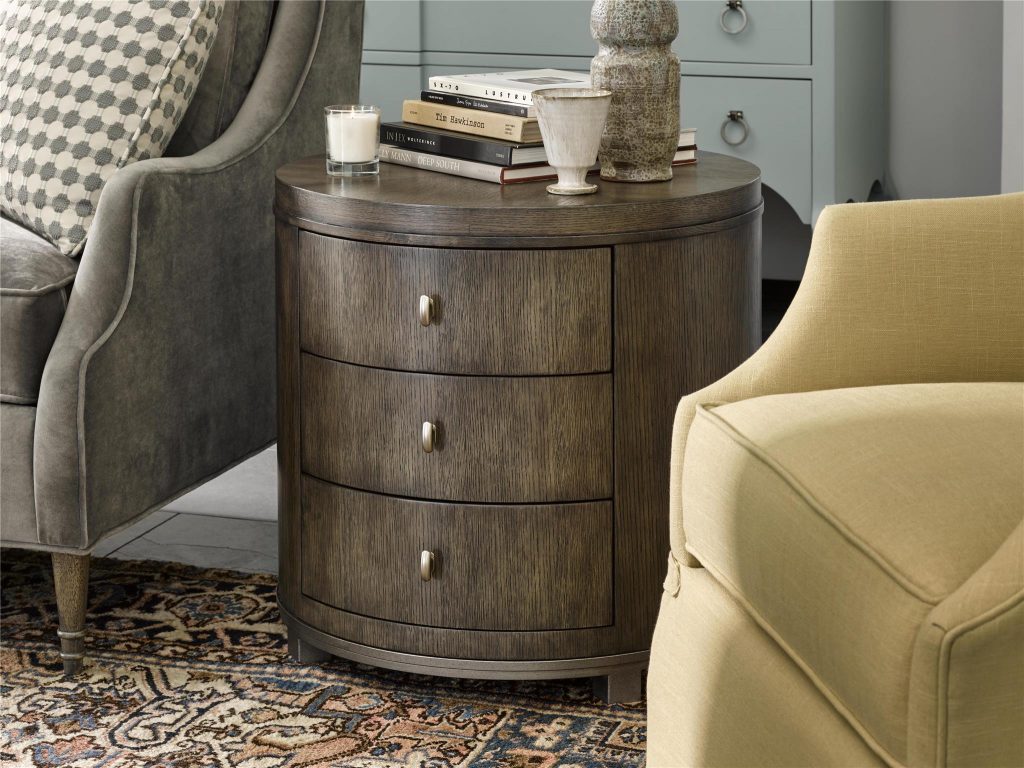
The best interior designers don’t have to show a garish display as proven here in this living room featuring the Brentwood Byron Drum Table.
Being the best at what you do isn’t all about education or talent. Success in one’s chosen profession often synchronizes what you learned in school (a.k.a. a good education), awesome talent and most importantly, your personality. All three comprise the factors needed to achieve the perfect interior design.
Interior designers work on both residential and commercial spaces. They draw upon their stock knowledge of function, aesthetics, and space enhancement. Many are educated with a design specialty.
So, education matters and so does your sparkling personality. It should reflect on what you do, it should define who you are. But do you have what it takes to become an interior designer? Let’s see some of the leading characteristics – and some requirements – that you need to master –
Strong Communication Skills
Being an interior designer means you are artistic and creative, however, these aren’t all that you are. You should be able to express or even relate your interior design ideas with others.
The best interior designers know how to clearly express what needs to be done while also knowing how to listen. When you truly listen, then will you be able to convey your own ideas. Admit it, not all of the customers’ ideas are actually feasible, design-wise. You just have to be able to tell – in the nicest possible manner – that their idea might not work.
Once you’re able to do this without any altercation, then you have an amazing gift of empowering others with your design vision.
Remember that an interior designer also has to work with a contracting team. This also means you have to know how to deal with a variety of personality types. Should there be clashes of opinion, then the interior designer must know how to act as a mediator or a negotiator who will be able to help in finding the resolution to an issue.
Relevant Education and Training
A few states need their interior designers to have a professional license. This should come from no less than the National Council for Interior Design Qualification (NCIDQ). If you’re interested in holding your own license, make sure that you have two years of interior design college education. You must also have four years of professional and relevant work experience.
If you don’t have these just yet, then you must have at least four years of post-secondary design education as well as two years of relevant work.
If you live in a state that does not require professional license for their interior designers, then at least aim to become a member of the National Society or Council for Interior Designers. This should be able to back up your experience and education. The requirements in becoming a member is just the same as those that are asked on the state licensing exam.
Awesome Planning Skills
Planning a space is one of the leading qualities of an interior designer. Also, a designer must be able to visually render what being concocted in his mind. Through drawings, scale models and computer-aided designs, the interior designer will be able to convey what’s best for a given space.
Management Expertise
Interior designers work with deadlines – like all the time, so, you need to know how to work with clients during these trying moments. There are also moments when you would need to work on multiple projects all at once. Here are where the management skills you gained in school and in your work experiences would be needed.
An interior designer who decides to run her own business will also need to market her services to clients while also still working on other existing projects. This also entails having a good relationship with clients and employees. With management skills, the designer will be able to meet everyone’s design needs without looking unprofessional or unkempt.
Conclusion
As you can see, being an interior designer is no longer all about know-how on fabric choices, furniture styles, lighting fixtures, and such. It also means being up to your toes and meeting state, client, supplier, contractor, and employee expectations.
Tags: career in interior design, interior design career, interior design jobs, McCreerys, McCreerys Home Furnishings
Posted in Interior Design 101, The Interior Designer | Comments Off on Interior Design Geniuses: Getting to Know the Minds Behind the Creation of Homes
Follow us on our social media


© McCreery's Home Furnishings | All Rights Reserved | Privacy Policy
