- Follow us:


Friday, February 10th, 2017
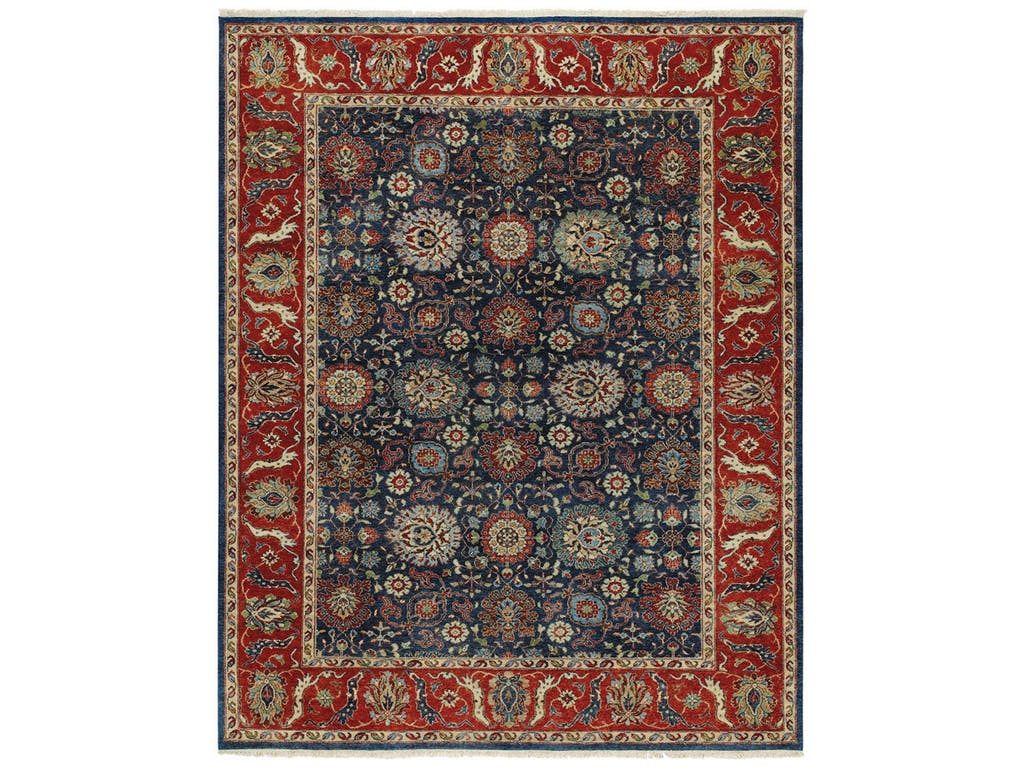
Capel Incorporated Floor Coverings Biltmore Select Bidjar Rug 1773RS Regal Blue
When you have finally decided to purchase a new carpet, you might want to do this procedure smartly. You probably already know how carpets are made as well as the different styles but what should you know prior to buying?
Here are some carpet buying guidelines to help you think on your feet –
Carpet Seams
You are certainly going to have seams on your carpet unless your room is tighter than 15 feet. Majority of carpets that are being sold in the market come in 12 to 15 feet. There are, at times, 13-foot carpets. The degree upon which the seams are available depend on the color as well as the texture that you pick. Other factors that can affect the seam that you see is how well the lighting system has been installed and how expertly the furnishings have been placed.
Carpet Bending
Be ready for bending when you use the carpet on your stairs. If you have a looped carpet, you could even see snags especially at the transition or seams. Find out how to properly care for looped carpets.
Pile Shading
Also called the carpet’s nap, this is the shading that runs in one direction. This creates the pile reversal or pile shading. This is what’s evident on a vacuum trail. This actually normal for a lot of cut pile designs. If you’re not a huge fan of this, then minimize the effect by using interesting window treatments and properly placing the furniture in the room.
Carpet Color
Remember that the carpet will be covering a huge part of the room so it is crucial that you learn the basic rules as you select the perfect hue. Begin by knowing that the carpet color you saw in the store won’t be as colorful when you bring it home with you. That is a common fact so you need to recognize the color that will look exactly beautiful in your room.
Keep in mind, too, that the color will definitely affect the visual size of the room. This is what’s known as visual or optical illusion. Use some lighting tricks, add a dash of an adventurous spirit and you will have a room that will look huge when you want it to. Add darker colors and you make this same room appear more intimate and compact.
Carpet Stains
Carpet stains are realities of life. They will eventually happen whether you like it or not. Those late night wine sips and TV chips and salsa moments will surely stain the carpet sooner or later.
Stain protection is also an important consideration that you need to worry about during carpet buying. Different products require different levels of warranties and protection. As carpet quality increases, so does the amount of stain protection as well as the warranty coverage.
Carpet Cushion
Cushion or padding is that layer of spongy material that’s sandwiched between the floor and the carpet surface. This is the material that will determine how the carpet feels under your feet.
Quality padding is also the factor that will preserve the carpet’s look. This will also help extend the life of your carpet. The level of comfort that you and your loved ones feel also depends hugely on this feature.
Only the best kind of padding can keep your carpet from easy wear and tear. This is sold by quality specs and not color specs. Remember how color becomes lighter as you finally install it in your home? Well, padding won’t so the way it feels under your feet when you were in the store will be the same when you take it home with you.
Carpet Cost
This is the last factor because you should not make this the primary deciding factor. Check for the cost per square foot. Remember that the overall cost will include furniture removal and replacement, demolition, delivery, sub-floor prepping, installation and materials used.
Tags: buying a carpet, carpet, carpet buying, carpet shopping, McCreerys, McCreerys Home Furnishings, shopping for a carpet
Posted in Accents, Accessories, Flooring Design, Interior Design 101, Interior Design Elements | Comments Off on Carpet Buying – 7 Factors to Check When Shopping
Thursday, February 9th, 2017
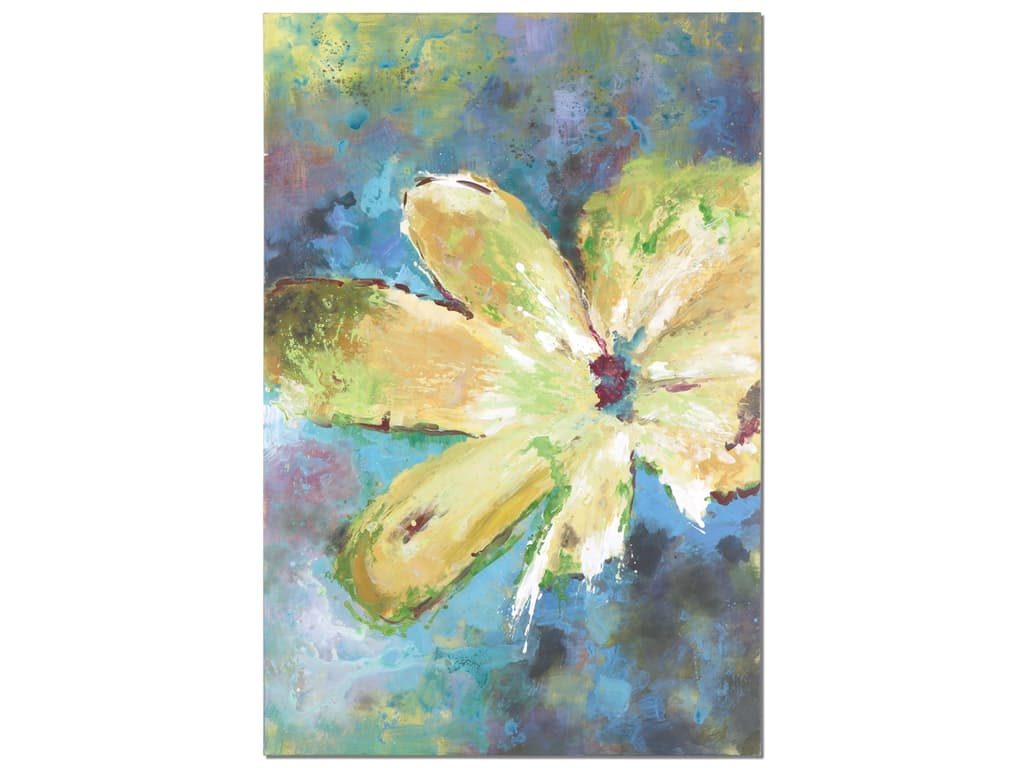
Accessories Uttermost Blossom In Yellow Hand Painted Art 34350
Picking a color scheme is a crucial decision that every homeowner is supposed to make. This year, 2017 is all about people’s love of nature and how Mother Nature’s hues can be used to create a palette that’s nourishing and uplifting.
One’s perception of nature is always beautiful. This is a universal observation. If you have observed – throughout the ages – poetry and paintings have always given importance to the natural world. Paying homage to nature is also human nature. Just picture the majestic mountains, the beauty of lakes and rivers and the greeneries of the forests and you will immediately feel a calming wave.
Nature can be your inspiration for colors because Mother Nature is the chief colorist. You, too can fuse textures, colors and light to create the most breathtaking palettes. Go for a walk during fall and you are likely to see a lot of orange hues and greens and browns.
Use nature’s wisdom and use that to colorize your habitat.
Light and Nature
Nature’s colors also change as the light changes. Natural light during the morning is warm and soft and it contrasts beautifully with many colors. As midday comes, natural light shows a full spectrum. It then contrasts everything that’s paired with it. It also becomes more intense and strong.
By the late afternoon, the light casts a softened glow. It then bows out with a golden glow which deepens as the twilight offers the warmest reds complete with purple overtones.
As you pick colors, be sure to consider the functions of each room. The amount of natural lighting as well as the direction from which it would come from must be well-thought. Create 12-inch square samples of potential colors then move them from one room to the next.
Learn about the effects of light on different colors and during specific times of the day. If the colors look too dark during the evening, see how artificial lighting could change that. Keep sampling till you get the right hues that work under the right amount of light.
Create Visual Interest
Nature offers a lot of surface variations. There are many patterns, textures, and gradation that can enrich colors. Being subtle is the key but be careful that your home doesn’t become dull because you don’t want to become too adventurous. For instance, a grassy meadow is monochromatic but using different shapes and textures and interplaying them with light can create visual interest.
A monochromatic room can also achieve visual interest when it makes effective use of different shades of the same hue so this means you could go from cool to warm and vice versa. You could also go from intense to muted then light to dark.
Mimic the natural look of forests and its paint effects. Use color washing, ragging, glazing, the choices are numerous.
Take note also of color proximity. Think of the colors that can be used together and also as solo hue. Neutral gray, for instance, can appear warm or cool depending on the color that’s placed right next to it. Use cool blue for a cooler hue and pair it with warm rust to make it look cozy.
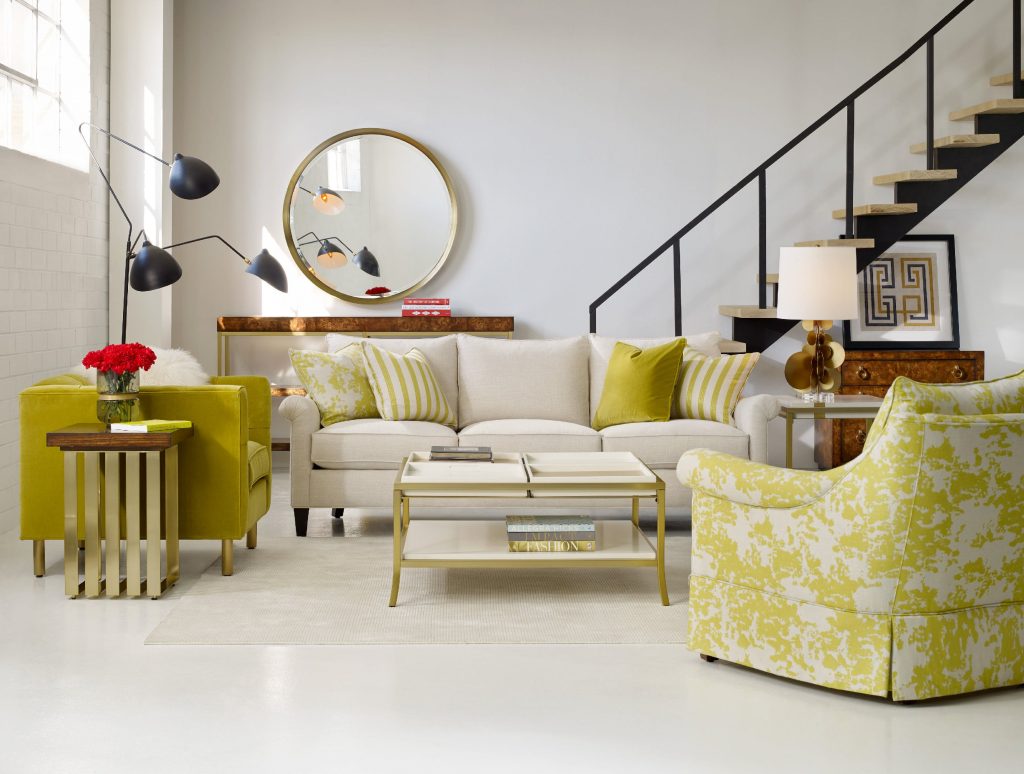
Cynthia Rowley captured the greeneries of nature in her Hooker Furniture Rivington 3 over 3 Sofa.
Layer the Colors
When you look at Nature’s scenes, observe how the colors are majestically layered. The desert, for instance, offers sandy tones which are perfect base colors for a neutral frame. If you are willing to use desert colors, you could choose to use these hues for the walls in your home. Against this neutral background, you are sure to see more interesting colors such as cactus green and reddish browns.
Nature also offers the most interesting accent colors. See how you can use them to stimulate a lively ambience in your home.
Tags: McCreerys, McCreerys Home Furnishings, nature's colors, using nature's colors in interior design
Posted in Interior Design 101, Interior Design Themes | Comments Off on Nature as Your Color Palette
Thursday, February 9th, 2017
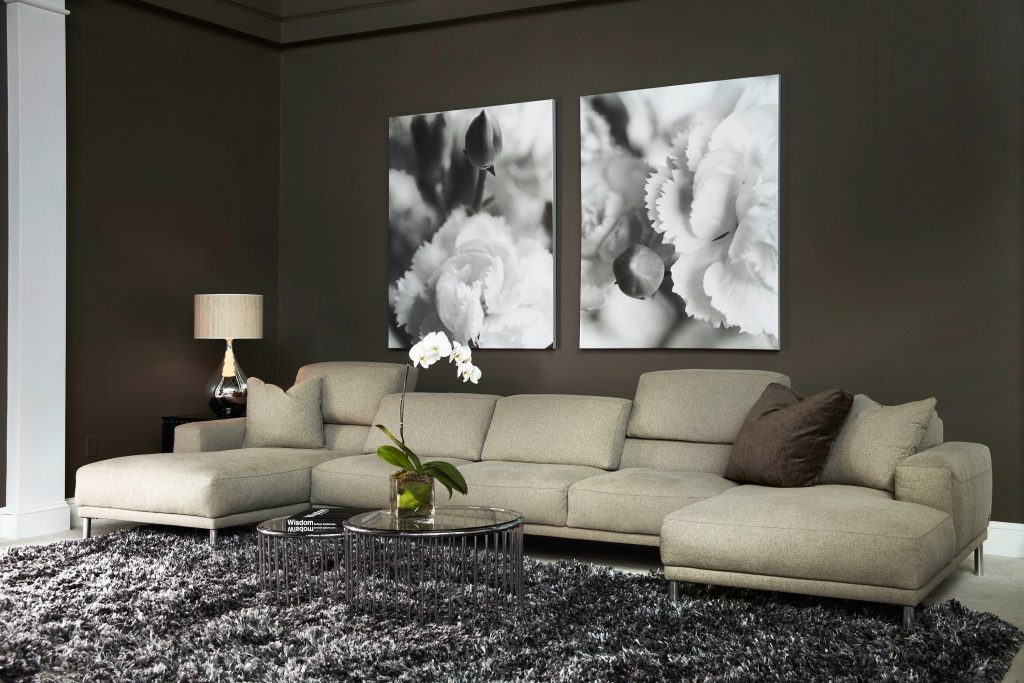
American Leather Living Room Right Arm Chaise MYR-SCH-RA is minimalist with clean and crisp lines.
Being a minimalist is not a way of life for everyone. This is a design that’s meant for people who want to spend less, own less and who want to do less. When you’re contemplating a life of minimalism, then you get on the path to simpler lifestyle. No single practice can make you a minimalist in an instant. There are those who actually made a dramatic leap to the extreme by giving way most of what they own and moving into an open space home. If you can imagine a life where you just have a sofa, a mattress and a notepad, then hop on to the world of minimalism.
Set a Minimalist Goal
This timeline should be able to define your minimalist life and home. You can’t have a minimalist home without altering your lifestyle. So, does minimalism automatically default to having a minimal amount of objects? Well, yes.
This means that you must learn to declutter the entire home and you must learn to live with less stuff. This also means you have to commit to no longer buy stuff that you don’t need.
There isn’t a single, correct way to being a minimalist. Every person has his or her own definition of what’s fundamental and stress-free. Take the time to define minimalism for yourself. Focus on what you need and what you’re more passionate about. As you do this, you will soon feel that you’re ready to let go of most things that you don’t actually need.
Have a clear goal, one that’s broken down to attainable steps. As much as possible, create alerts on your online calendar. These days, it’s not enough to just write down goals anymore, you have to create an alarm that will nudge you in the right direction.
It’s a Must to Declutter
This is quite obvious but it is also one of the most painful steps in truly achieving a minimalist lifestyle. Begin slow but with real intent. Donate or throw out stuff that you obviously no longer need. Next, hide every little thing that you haven’t used for months to give yourself ample time to decide whether to throw them away or not.
Keep reminding yourself that stripping yourself of things that you don’t need is the right path to a minimalist life. If you can live with just a bed and a laptop in your apartment, then go for it. You are the boss and you get to decide which minimal things give you happiness.
Reduce, Reuse, Recycle
Minimalism also means being able to recycle most of the things that you have. You learn to segregate wastes, buy only things that are organic and use renewable materials only. Educate your home members to recycle so that it becomes a family effort.
If you have been blessed with wooden flooring, do not be pressured to cover it right away with beautiful rugs. Go minimal by showing off the bare look of your wooden floors. If cold toes worry you, then consider installing an electric heating system instead.
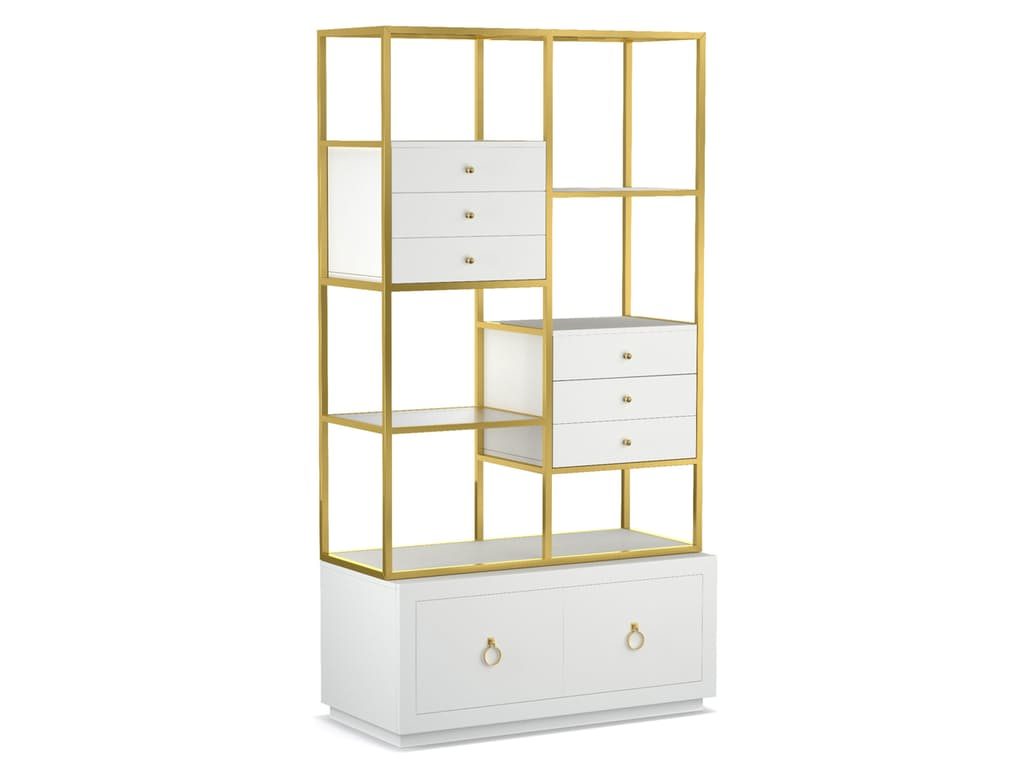
Minimalism needs a lot of storage and the Cynthia Rowley for Hooker Furniture Swan Room Divider w File Storage fills this need to a T.
The Go-To Furnishings
Couches pretty much are the pieces to own in a living space. If this space is going to be used for lively activities, then you should consider investing in individual chairs. If the space, however, comes with a breathtaking view, then your minimalist setting is the perfect frame for the scenery outside.
A sectional couch can be the go-to piece when you have a large space to fill. You can create a functional space using only a sectional, coffee table, one ottoman and a pair of side tables.
Do you have a rug that’s a star in its own right? Then allow this to be the focal point in your home. Keep the furniture around it all clean and simple.
Tags: McCreerys, McCreerys Home Furnishings, minimalism, minimalist interior design, minimalist interiors, minimalist living, minimalist style
Posted in Interior Design 101, Interior Design Themes | Comments Off on Attractive Minimalism: The Beginner’s Roadmap
Wednesday, February 8th, 2017

Drexel Heritage Accessories Delia Tri-Fold Mirror 588-400: What’s a bathroom without a vanity?
At first glance, the bathroom may not be the most interesting or fashionable part in your home. While this is the case for most homeowners, it remains true that it is one of the most functional spaces and that it is actually a place where you spend more time in. Since this is so, why not spend enough time planning to make this space look extra fabulous? Why not jump in and study the trends that will make 2017 the year for that lovely bathroom transition?
Fusion of Natural Materials
Remember that 2017 is a year for organic materials. This must be a year spent on finding natural and renewable sources of design elements and materials. When it comes to bathroom style, your goal should be to find seamless lines, clean hues, and the most practical space arrangement.
This means that you can let your imagination take flight. Let your artistic side take over so that you can create a contemporary style.
The biggest creator of the perfect look for any home is Mother Nature itself. It offers a wide array of organic materials with hundreds of possibilities for one-of-a-kind designs and feelings. No two items are alike especially when they were naturally created. If you want to have a unique look for your bathroom this year, then you must be ready to embrace organics and the role that this plays in your bathroom design.
Achieve Continuity
Make life more pleasant by finding materials that are easier to maintain while having a playful look. Ensure that you don’t stray from the classiness that is supposed to remain in any bathroom. Use clean lines as well as masonry aesthetics. This should prod you to use but one material for your wall cladding and the floors.
This whole group should create continuity inside your bathroom and this is the way to go this 2017.
Bold Fusions
Be able to create a dynamic dimension that’s both organic and modern. This is a style that evokes stylishness and cleanliness – both characteristics that must be included in every bathroom setup. There must be juxtaposition where it’s needed which means you can actually combine stone and wood yet still make them work for added variety on your design.
Be Precise
It is not easy to create an easy-looking design. When you go for minimalism, you must still be able to balance the open space layout with a warm atmosphere. Going stark isn’t the way to do it. Balance the design elements by making use of natural colors while achieving an edgy look.
Old and Rediscovered
The trendiest bathroom designs this year come not with new materials but with the timeless classics. For instance, water and clay have been used for centuries to create various vessels. Even till today, clay is used to create zincs and other pieces that can be fashionable enough to use inside modern bathrooms.
Use clay without borders. Have it installed as a water-dispensing unit that can also serve as a decorative element in your home.
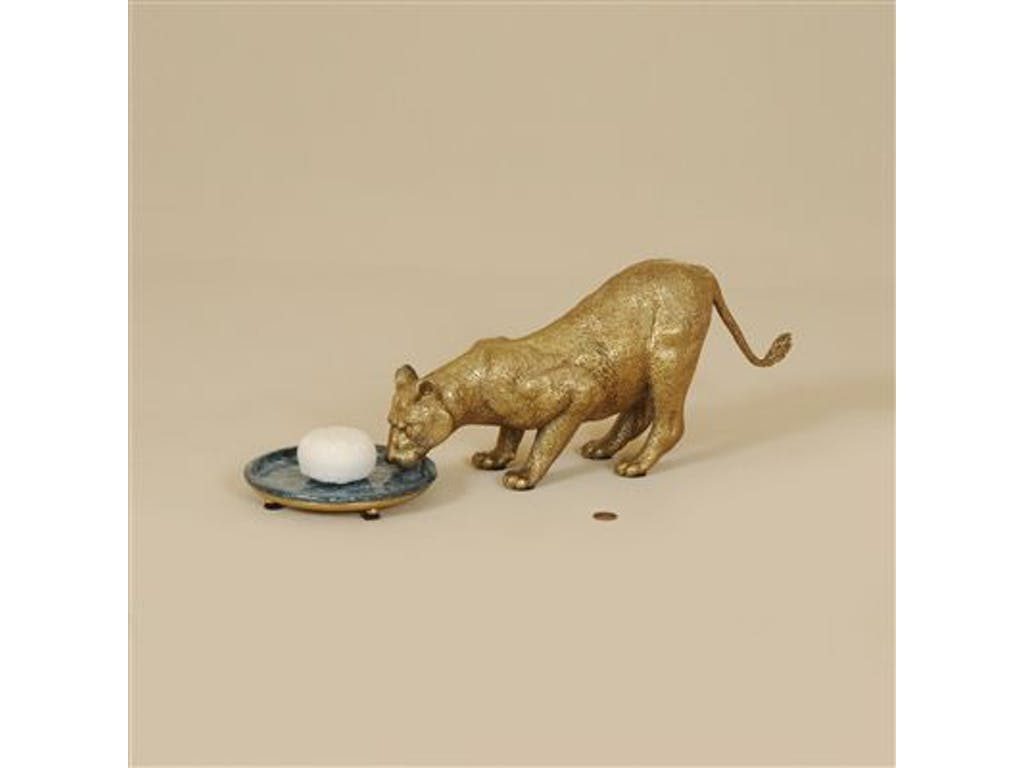
Maitland-Smith Bathroom Cast Brass Lion Soap Dish 1254-339
Be Timeless
One other natural material that can bring back the look of natural beauty in your bathroom is wood. If you want to embrace class and timelessness, then this is an indispensable material. A lot of people think that wood is problematic when placed in the bathroom and they are quite right. To achieve wooden beauty inside the bathroom, you must be ready to use it as an accent wall right where there is very little to zero water splashes.
A pallet floor can have cedar, pine or Douglas fir as material. Combine a variety of timber with metal, stones or ceramics to create a lovely ambience that’s not too bathroomy.
Tags: bathroom interiors, bathroom remodel, bathroom remodeling, bathroom renovation, McCreerys, McCreerys Home Furnishings
Posted in Bathroom Design, Interior Design 101, Interior Design Elements | Comments Off on 2017 Bathroom Trends – Be One of the First to Embrace Them
Wednesday, February 8th, 2017
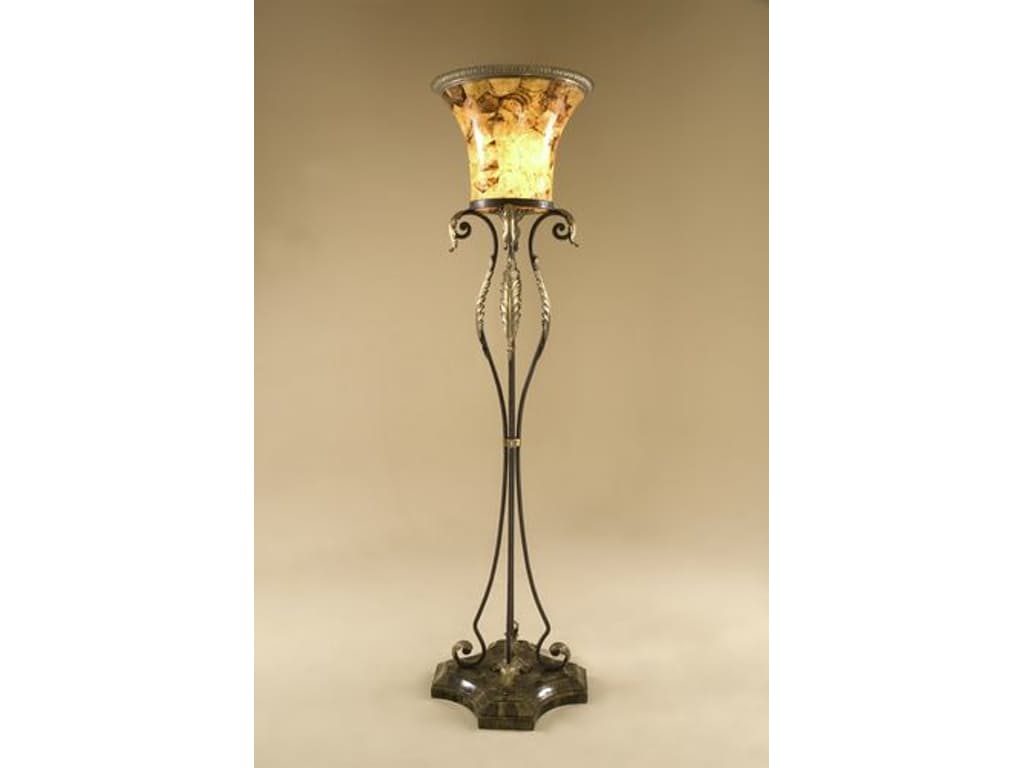
Maitland-Smith Lamps and Lighting Iron, Antique Brass Acanthus Leaves Tiger Penshell Inlay Shade 1851-490
Did you know that a huge percentage of business budget is spent on architectural photography? Making use of ambient lighting, some camera flash and tungsten lights could help blend – and even mask – images that work together for a photo-shoot. Professionals are always on the lookout for resources and techniques that can be incorporated in balancing great images. One such technique is proper architectural lighting.
Architectural photographers can create clean, crisp and attractive images that are not easy to achieve. Others may just mimic the look of others but to be able to stand out, one must come up with solutions that will make architectural features take center stage if not serve as a frame for the rest of the design elements.
Ambient framing is crucial in making an architectural feature stand out. Theses frames can be used for the ceilings as well as for the overall exposure. Find out what the brightest part in the room is and where you need to retain detail. This is usually a window or a lighting fixture.
Photographers can then use speed lights and combine them with shoot-through and bounce umbrella.
Elements to Highlight
There are practically a lot of interesting elements to highlight. For instance, it would be a waste to not highlight the beauty of bamboo flooring. What is Asian design anyway without this feature? Wall art, shelves and other interesting furniture can also be highlighted to create interest in your home.
Proper lighting is the crucial element to add when requiring for special and sufficient illumination. Decorative and architectural features are able to set the mood only with the correct kind of lighting.
Never overlook the role of lighting in making architectural features stand out.
Define the Types of Lighting
To know which kind of lighting to use, you must learn the basics of lighting. Also, you will only be able to combine different sets of lighting if you already know the fundamentals.
Ambient lighting, to begin with, is a kind of lighting that’s also referred to as general lighting but it could cast a bright yet comfortable light throughout a room. This should be your primary source of light for any space.
Know the different types of lighting
Combining different types of lighting throughout a space can help to create the perfect glow to highlight various decor items.
Next, there’s task lighting. This kind of light has specific functions such as track lighting under those cabinets or the more focused lights for reading or grooming nooks. Lastly, accent lighting is artistic and decorative. This is the type that you would use to highlight those bamboo wall panels, sculptures, paintings and other interesting features.
Natural light is, of course, the kind that streams from your skylights and windows. Know where to situate certain rooms so that you don’t get soaked in daylight when you’re about to rest or you might not get ample lighting when there are activities to be held.
Rooms that face the west receive strong natural light during the evening and this can offer a warm, orange glow. East-facing rooms, on the other hand, have brighter light during the morning which can offer a white shade.
Decorative Blend
There are different light fixtures to choose from but make sure to use the ones that complement your chosen design and, more so, the architectural features of your home. How about those lovely pieces of furniture that you just bought? A great way to highlight them is to use ambient lighting with a subdued color palette. You can also hang industrial pendants right from the ceiling.
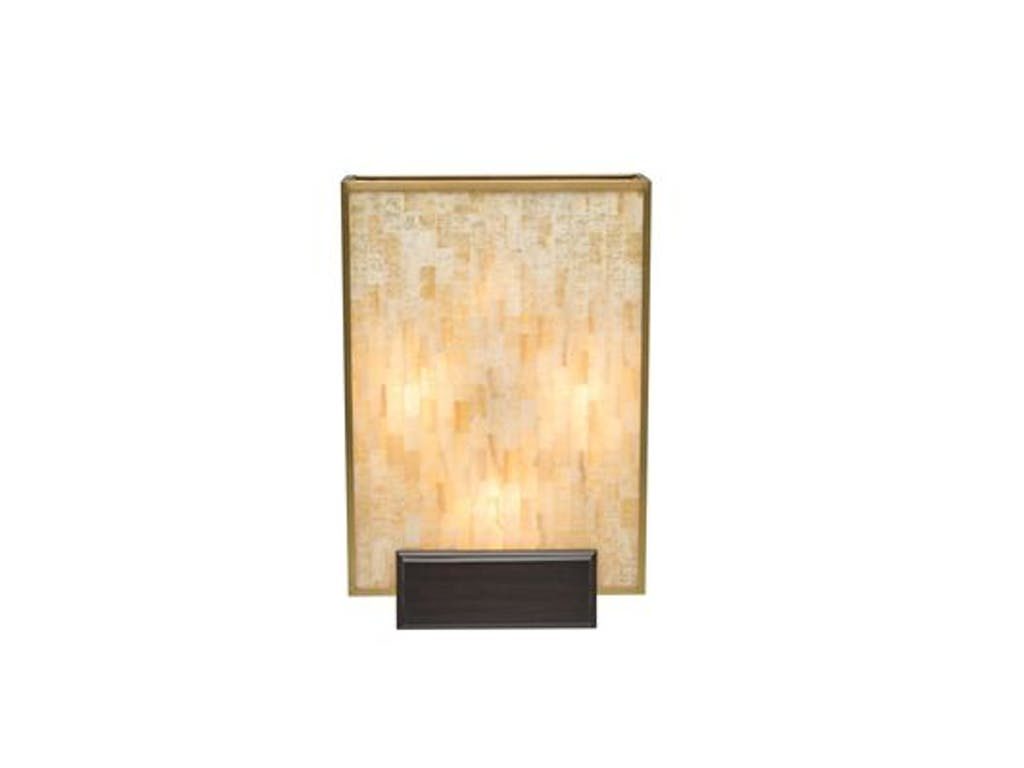
Maitland-Smith Lamps and Lighting Crystal Stone Inlaid Wall Sconce 1900-112
Install Enough Light
Never forget to use ample lighting. It would be a shame to have shadows lurking in corners when you can actually have a lively-looking home with the correct set of lighting. As you renovate space, you must use three to five sources of light.
Learn to layer and you’re good to go.
Tags: lighting architectural features, McCreerys, McCreerys Home Furnishings
Posted in Architectural Elements, Interior Design Elements, Interior Design Themes, Lighting | Comments Off on The Necessity That’s Architectural Lighting
Tuesday, February 7th, 2017
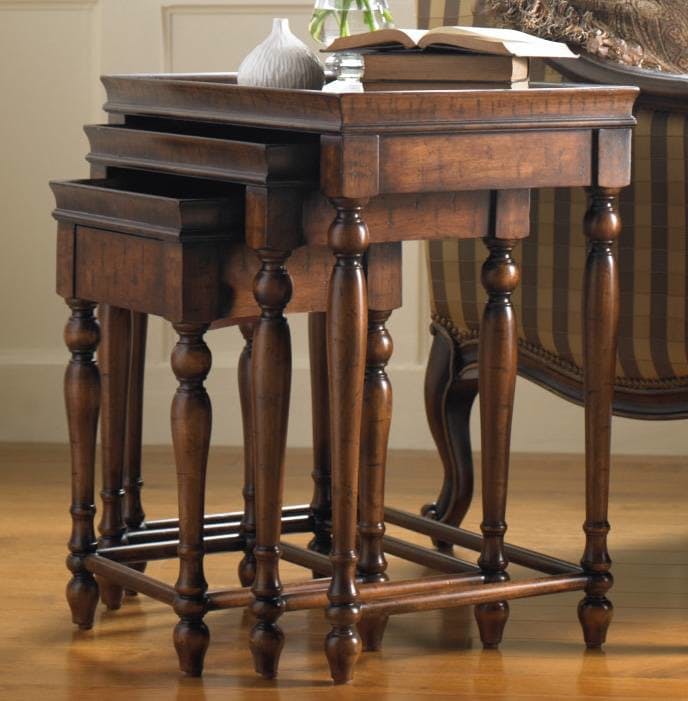
Hooker Furniture Living Room Nest of (3) Tables are perfect and convenient for small apartment settings.
An apartment is a wonderful habitat option for people who have just gotten married, graduated from college or who have just moved in to the big city. When you’re trying to decide between getting an apartment or investing in a house, it is crucial to take certain things to consideration. In essence, you have to look at the pros and cons from all angles.
Another option is for you to rent while earning ample finance for your real estate property. There are rental spaces that could give you a fair share of comfort and beauty. There are design dilemmas to worry about, though, but they can be overcome.
Up the look of your new apartment by stylizing. Don’t be fearful about screwing things up a bit. Just be smart as you create the design that actually works for you.
Liven Up the Walls
Use removable wallpaper to make your walls more exciting. This is a less permanent way of beautifying your walls initially. Pick a vibrant pattern that could offer an exciting statement wall or just stick to the neutral style that could easily make larger spaces look more colorful.
You don’t have to go gaga over the pattern. Just focus on what color you really want and what is the right one that would set the right mood. You can also create a lovely wall right behind your headboard or that charming loveseat. The right pattern could also make the bathroom walls more interesting (just make sure that you get the waterproof type, though).
Spotlight on the Details
Invest in some Japanese masking tape. This will help you spruce up any plain edge of a desk or dresser. What’s great about this is that it’s also easy to remove.
Lighting can also be effectively used to transform any part of your home. A simple LED lighting system can make any rental home look chic. Define any room using the correct kind of lighting. Have some ambient lighting right in your living room and some dimmers installed for your bedroom lights.
It’s All About Location
If you still don’t have a car then it matters that you choose the correct location for your apartment; more so if you’re just starting on a new job.
It is also a lot easier to invest in an apartment when you want to live in a prime city location. Houses that are built in such areas tend to be more expensive and more difficult to acquire especially for a single homeowner. Living in an apartment is the beneficial alternative that can make walking to work possible and enjoying the nightlife without hassle.
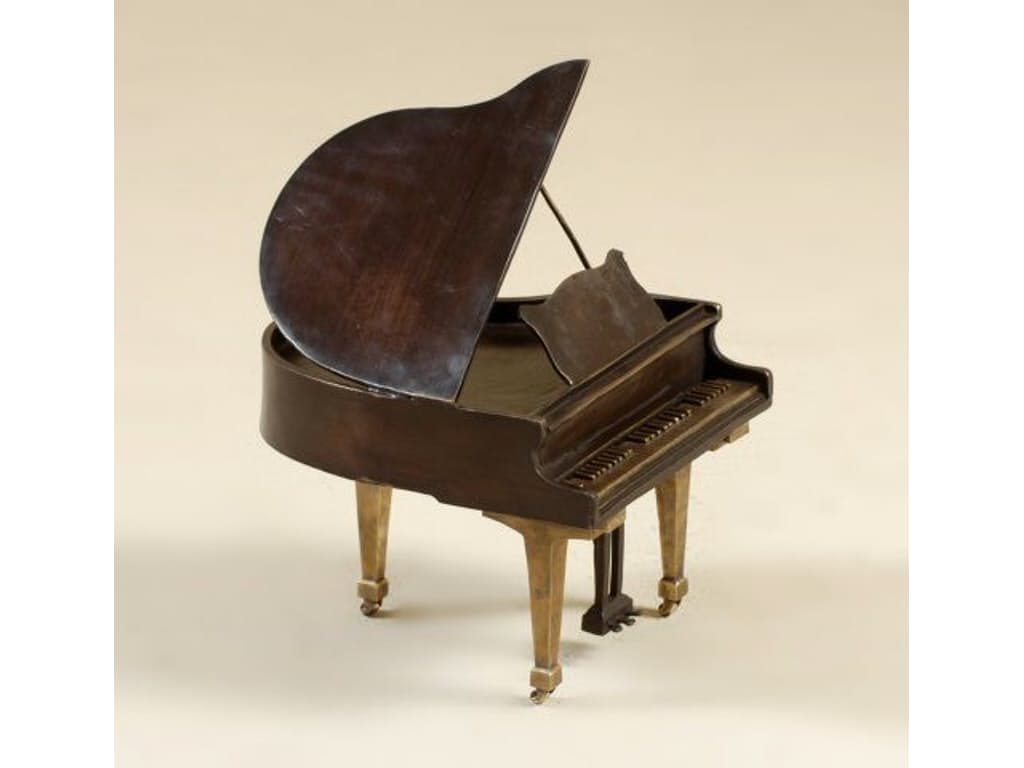
If it’s impossible to have a grand piano placed in your living room, then the best alternative is the Maitland-Smith Accessories Patina Piano 1054-922.
Think of the Amenities
Many homeowners would love to live in a home with complete amenities such as a swimming pool, tennis court and a gym. Unless you’re ready to invest in those at the moment, then your next best alternative is to rent a unit in an apartment complex and enjoy these amenities in your small community. Yes, you will have to share with a few people for now but what’s social life without connecting with your neighbors?
Security Is Crucial
When you’re moving to a new property, it is also vital that you and your loved one would feel secure. A huge advantage of living in apartments is that you have layers of security especially when you’re going to live in a gated complex.
There are codes before anyone can get to the apartment building, there are also CCTV cameras installed, and there are even some that have a lock and an alarm clock right on the front doors.
Less Cost
On top of it all, the cost of living in an apartment is a lot less than when you’re maintaining a huge home. With the above factors checked, see if you’re ready to commit to apartment living soon.
Tags: designing small space, living in a small space, McCreerys, McCreerys Home Furnishings
Posted in Apartment Living, Interior Design 101 | Comments Off on You and Your First Apartment: Factors to Consider When Moving to a Tiny Habitat
Tuesday, February 7th, 2017
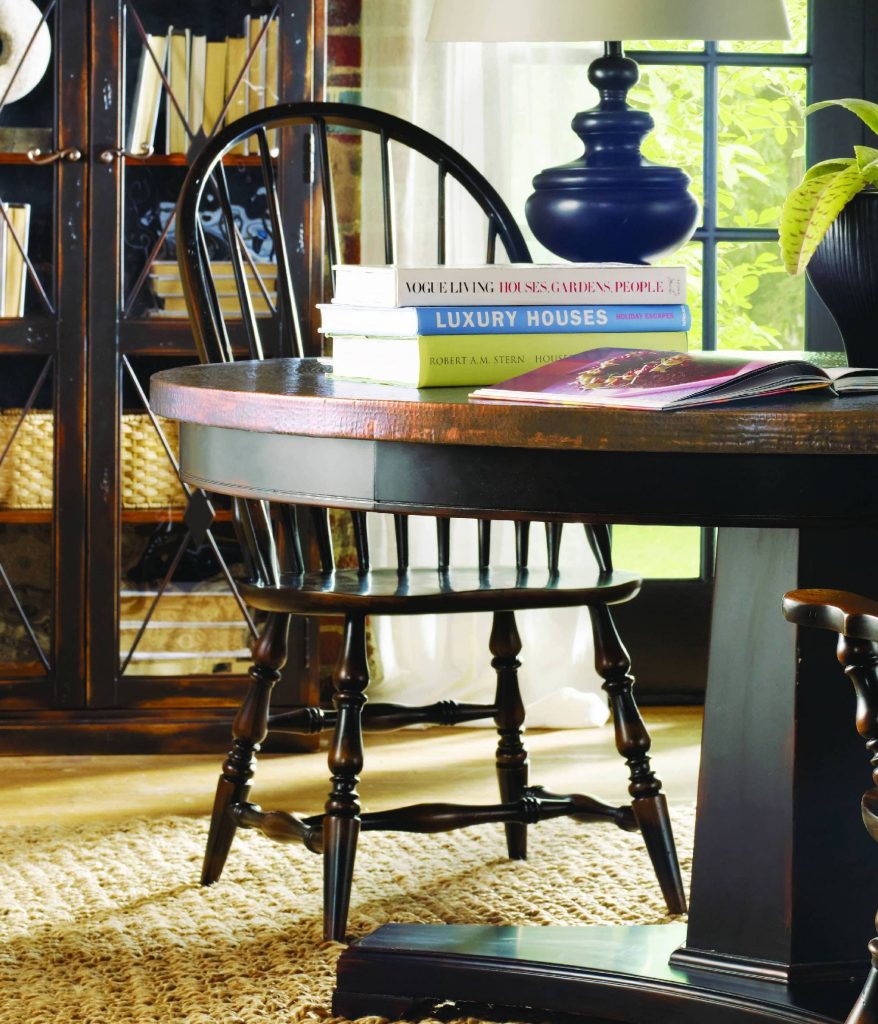
Hooker Furniture Dining Room Sanctuary Windsor Side Chair-Ebony 3005-75330: Wood is timeless, period.
Traditional – also known as classic style – is a timeless design for a lot of reasons. It is always symmetrical, it is conservative, comfortable and charming.
A Little History
French design played a huge role in the creation of the traditional style. The furniture styles, to begin with, became unique and quite popular during the reign of Kings Louie XIII till the XVI. The open-arm chair, for instance, was then paired with the console table. This duo became the predecessor to the Neo Classical style.
The fluted legs were a clear stray from the curvy legs that Louis XV loved. The design then hearkened to the ancient yet classic looks that the Romans and Greeks popularized. The extensive appeal of parquet flooring made Louis XIV use it for the rest of Versailles.
Use Period Pieces
What’s the bedroom without the traditional four-poster bed? This lovely piece was introduced during the 15th century with an original purpose of merely supporting fabric hangings. These, when closed, can reduce drafts while keeping the sleeper warm.
Minus the draperies, the homeowners are still charmed with the look that’s offered by the four-poster bed.
Establish Symmetry
French doors offer space that create balance. Use period chairs in a formal look and have them surround the equally classic table. A hutch complete with plate railing is the best way to highlight your collection of chinaware.
Endless Charm
Create a look that’s simple, one that’s airy and light. Begin with using white balusters and pair them with polished black railing. This is a fundamental yet always trendy look for any traditional design. Arrange your family photos using lovely frames and have the line the hardwood steps on your stairs.
Wool can be chosen for its timeless and durable appeal.
The English Impact
White and black toile wallpaper can set the classic tone to an open entryway as well as in the dining room. Use a drop-leaf table and pair it with classic chairs such as a Windsor chair. This kind of chair is portable and lightweight, thus, it can be used either indoors or outdoors.
English expats were the ones that brought the classic chair to the American continent where the look has become popular till this day.
The classic style may look predictable but in a good way. For the dining room, you can use upholstered chairs with painted frame and durable fabric. Pair this with a glossy wood table, add a matching buffet and this should be the best ensemble for your dining area.
The Patterned Paper
This is a useful element in any traditional home. Use patterned wall covers which became quite popular, first in Europe, then the rest of the world. These are referred to as tapestries. The thick fabrics acted as insulators as well as artwork. Add more timeless look by backing colorful fabrics with sizing. Apply these to the walls right above the dining area’s wainscot with white trimming.
It’s All About the Details
Ornamentation is the key to using the traditional design. An element that you can use is a white piece of furniture that features curved legs, leaf as molding, ornate rosettes and motifs. The classic touch can be completed with a gray and white marble backsplash with an S-shaped edge.
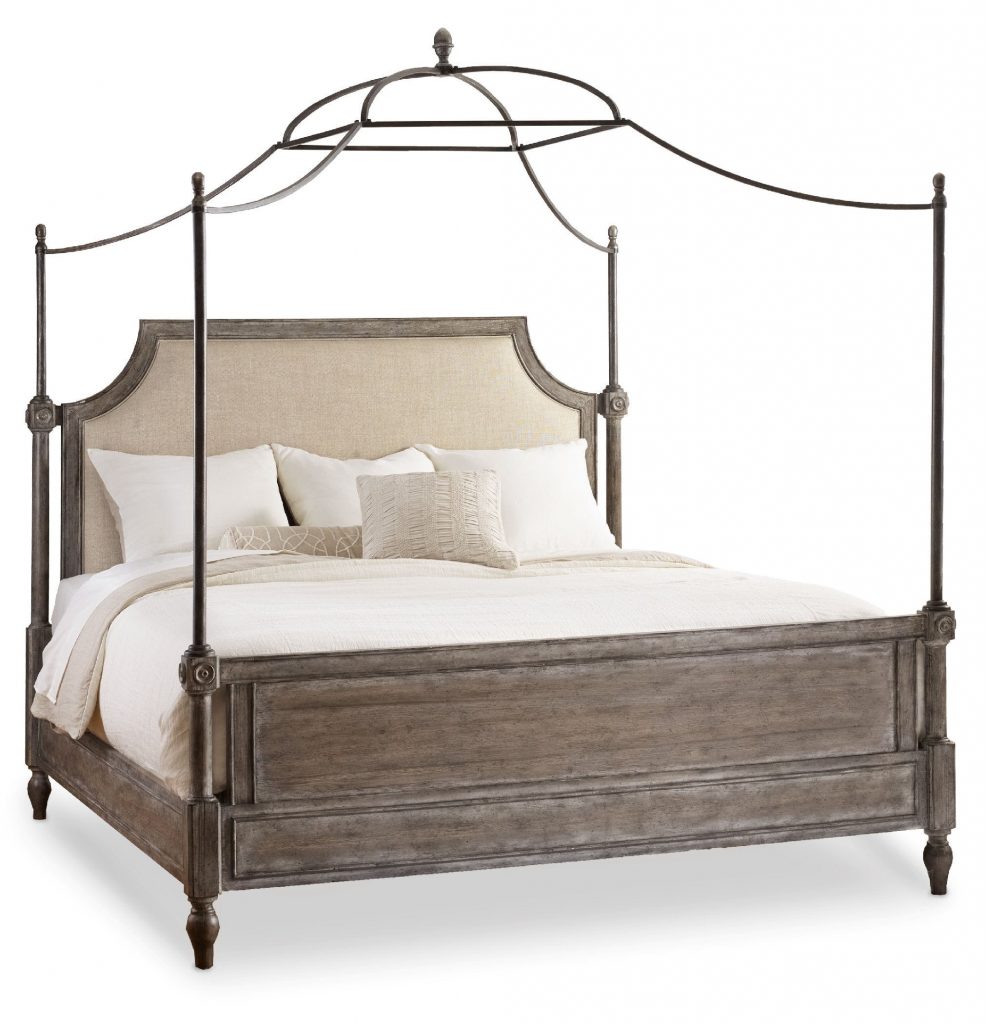
Hooker Furniture Bedroom True Vintage King Fabric Upholstered Canopy Bed
Architectural Drama
Moldings and wood carvings are the hallmarks of classic style. Whether streamlined or ornate, these are the best ways to provide a small space with a more upscale design. No traditional home, of course, is complete without the classic beauty offered by a crystal chandelier.
Show Your Collections
Collections are meant to be displayed and not enjoyed by just one person. So go ahead and have the lively living room become the gallery to your artwork. If you love collecting porcelain ware, then have a china cabinet placed in your dining room.
Tags: classic design, classical design, McCreerys, McCreerys Home Furnishings, timeless design
Posted in Interior Design 101, Interior Design Themes | Comments Off on Your Home and Its Timeless Appeal
Monday, February 6th, 2017
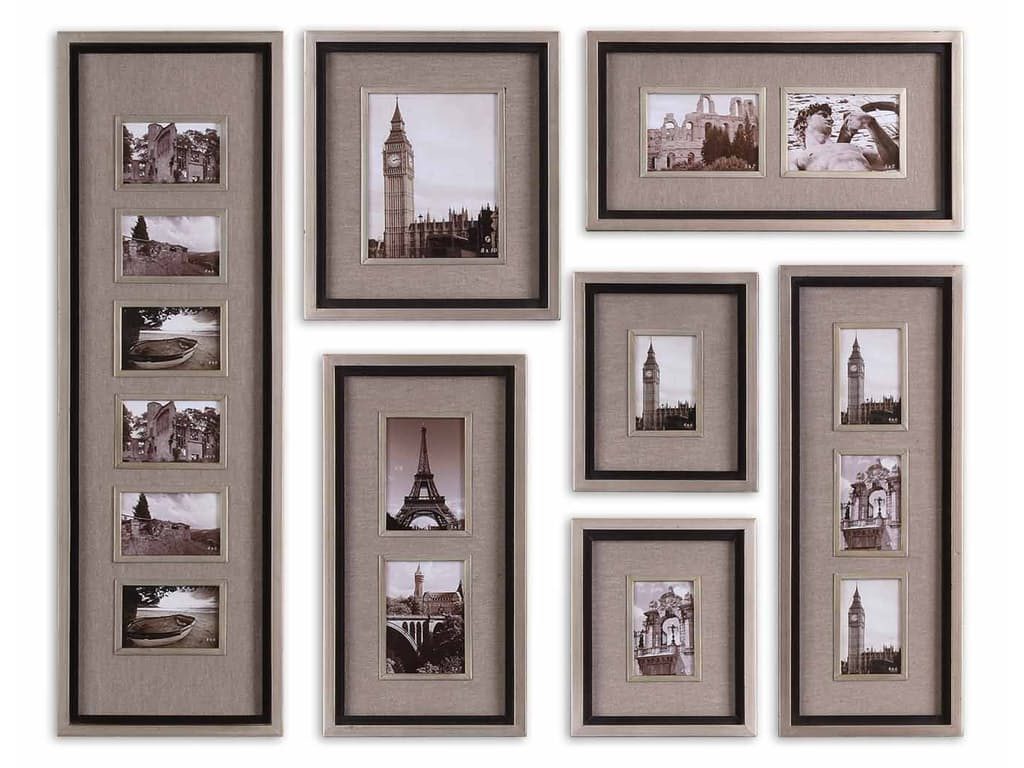
Uttermost Accessories Massena, Photo Collage, S7 Metal Wall Art 14458 can make memory preservation a lot more chic and fun.
Stairs are a lot like bridges. They are able to link different locations and enable people to go from one place to the next. Stairs make two ends meet as they are a series of steps from the bottom level to the top. But how important are stairs really? While you do live each day using this wonderful architectural part, still, you might not have realized its importance till this day.
Stairs aid in the construction of multi-level homes and skyscrapers. They become aids in saving space for real estate while creating enormous rooms from the ground up. Elevators could take the place of stairs but they will never be able to replace the former’s utility and purpose. Emergency stairs, for example, are a requirement for building codes throughout the world. These are necessary during electrical power outage, earthquakes, fires and other emergencies and natural calamities.
Stairs come with different forms and designs depending on their fundamental purpose. The wealthy and luxurious homes often come with rare woods and exotic lumbers. To have the most out of a stairway, the homeowner must be able to visualize and come up with a design that’s both functional and aesthetically pleasant.
Let’s Go Vertical
One other type of stairs come with vertical shafts. These contain stairways that spiral to the highest floor. This is generally used in structures that need to conserve space (e.g. the stairs inside a lighthouse). There are also stairs that take on the weirdest shapes and forms just so they are suitable to modern living.
Stairs might be designed as a single-flight structure or it could be a series of flight but for as long as they serve their function, then whatever materials they come in is just another factor.
If you’re planning to build some stairs in your home, then find out what factors you have to seriously consider.
The Faux Planked Walls
If you want to create the look of dual planked walls, then it’s as easy as drawing horizontal lines using a pencil.
Use Durable Materials
In picking building materials, be sure to find the hardy types. These are the ones that can take a beating. Don’t forget about aesthetics, though. Be sure to establish a striking contrast under the staircase.
Go Nautical
Another way to decorate the staircase is to set it up as a beach front. This nautical vibe should mainly have colors of blue, white and other seaside colors. Use a hammock, hats, and some seashells, add a lovely trunk and you’ve completed your charming coastal look.
Polished with Black
You can have the banisters painted with slick black. You could also have touches of black on other design elements. This is also an effective way to control other colors from becoming too loud or tasteless. Such is the case when blue, red or white tend to takeover.
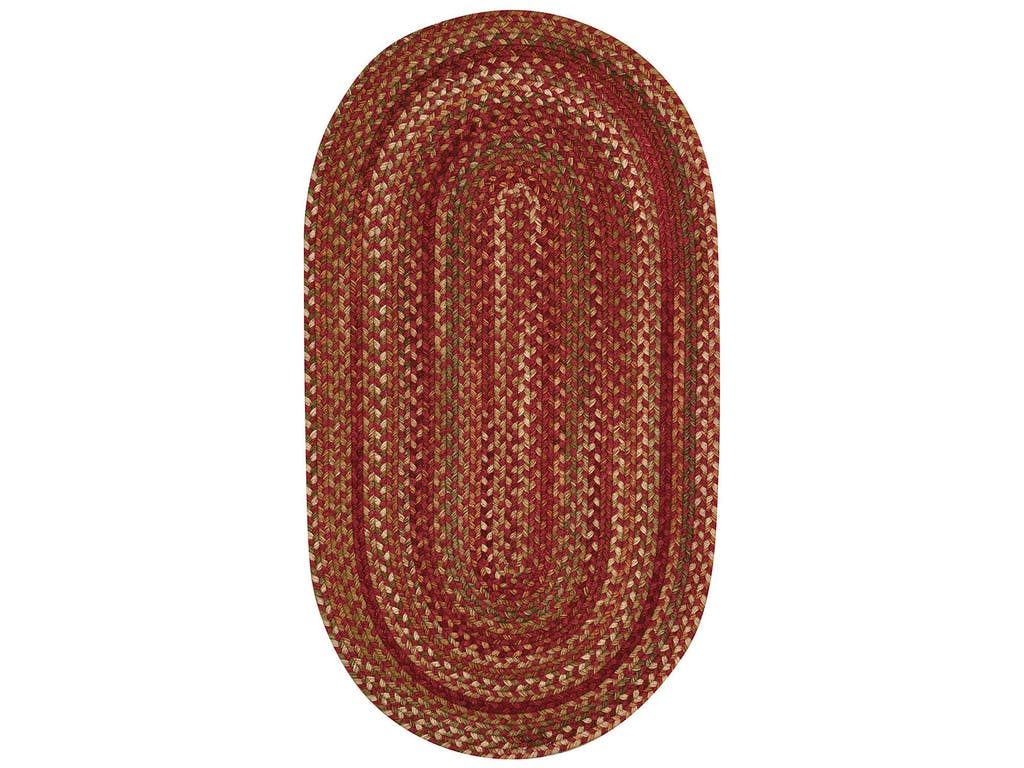
Capel Incorporated Floor Coverings Homecoming Rug 0048VS Rosewood: Runners and rugs make the perfect addition to any stairs.
Numbered Steps
You can also stencil some numbers on the steps of your stairs. These can give the person a little activity to do while going up the stairs.
Lined with Souvenirs
What better way is there to design stairways than to have memories displayed all over? You can have a group of interesting photographs framed and displayed for everyone to enjoy. Do you have a noteworthy collection? Then have it set up for viewing.
Use Powerful Accents
Be bold. Use contrasting colors or have loud hues become the dominant color. Use bright patterns on your stair runner or add some plain colors to an already vibrant stairs. If these aren’t enough, try geometric patterns that take center stage where all other designs and looks fail.
Tags: decorating the stairs, McCreerys, McCreerys Home Furnishings, stair decor, stairway decoration
Posted in Architectural Elements, Interior Design 101, Interior Design Elements | Comments Off on Staircase Decoration Made Simple
Monday, February 6th, 2017
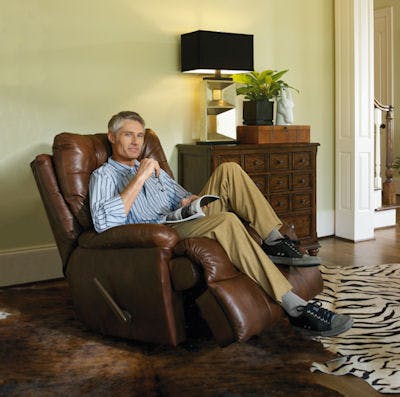
The Flexsteel Living Room Leather Or Fabric Rocking Recliner 1218-510 is perfect for the elderly and their seating needs.
According to The State of Aging and Health in America, it is expected that the population of people older than 65 years is expected to double in the next 25 years. This is roughly 20% of the American population and it comes with certain consequences.
There are, of course, many outcomes to an increase in the population of the elderly. First, there’s going to be an adjustment in the cost of health care. Also, the senior people’s mobility should also be taken care of. And the most important aspect of all – safety – must be given priority.
Architect’s Roles
The architects come with crucial roles when it comes to designing for this specific demographics. Seniors come with unique needs and living standards so the architects are faced with design challenges. They have to be more innovative in creating fresh blueprints that are ingenious and, at the same time, modern.
Mobility Aids
The elderly encounter living struggles each day. One of these struggles is mobility, thus, the home design has to be more accessible. Architects need to create designs that don’t have stairs, with bigger hallways, and more spacious floor plans.
The doorways also have to be considered. These have to be wider than usual. Also, the sinks have to be lower and the safety showers and bathtubs are supposed to be carefully set up. Relatives must also be able to view their elderly relatives with the use of wireless video monitors.
These all mean that architects must practice ingenuity. Those who embrace new ideas and designs are the ones who will surely succeed in upping their home design niche.
Remodeling for the Elderly
Getting older doesn’t always equate to having limited independence. The aging population must not give up in living a normal life. For this to happen, it would mean architects and designers working within the current design yet thinking of ways to make the place more accessible to the elderly. They must be able to devise ways to create a more functional and safe place.
Remodeling could require tearing down walls just to set up the new open space layout. There must be as little obstruction as possible. The home would also require improved lighting systems and bigger windows.
Lighting for the Elderly
Poor lighting equals accidents. Aging means having vision problems due to macular degeneration and reduced retina functions.
It may also require new lighting systems and new, larger windows in order to optimize the homes lighting.
There are functional and attractive lighting systems for the elderly. These must have protection from glaring. Quality lighting means LED lighting in most aspects or fluorescent lamps at the very least.
Color for Seniors
Colors could actually help improve the elderly’s visibility. For instance, dark colors on your bathroom walls could easily indicate the location of the toilet seat as well as the light-colored porcelain sink.
Colors are also known to affect mood and seniors have a tendency to be depressed so the right hues could actually keep them from being shut-off from the world. Greens and pinks could make anyone feel more at peace while orange and shades of red could up people’s energy levels.
Changing the colors in seniors’ homes could have a profound effect on their overall wellbeing. This single step could increase the joy that older people feel within their homes.
Modified designs for homes could improve people’s quality of life on so many ways. Architects have to design for the aging population and must come with inventive ways to make life easier for them.
Only through proper lighting, correct color choice and the right layout can the seniors live a safer and more blissful lives.
Tags: home for seniors, home for the elderly, McCreerys, McCreerys Home Furnishings
Posted in Architectural Elements, Interior Design 101, Interior Design Elements | Comments Off on Designing the Elderly-friendly Home: Importance of Design, Mobility Structures, Lighting and Color
Friday, February 3rd, 2017
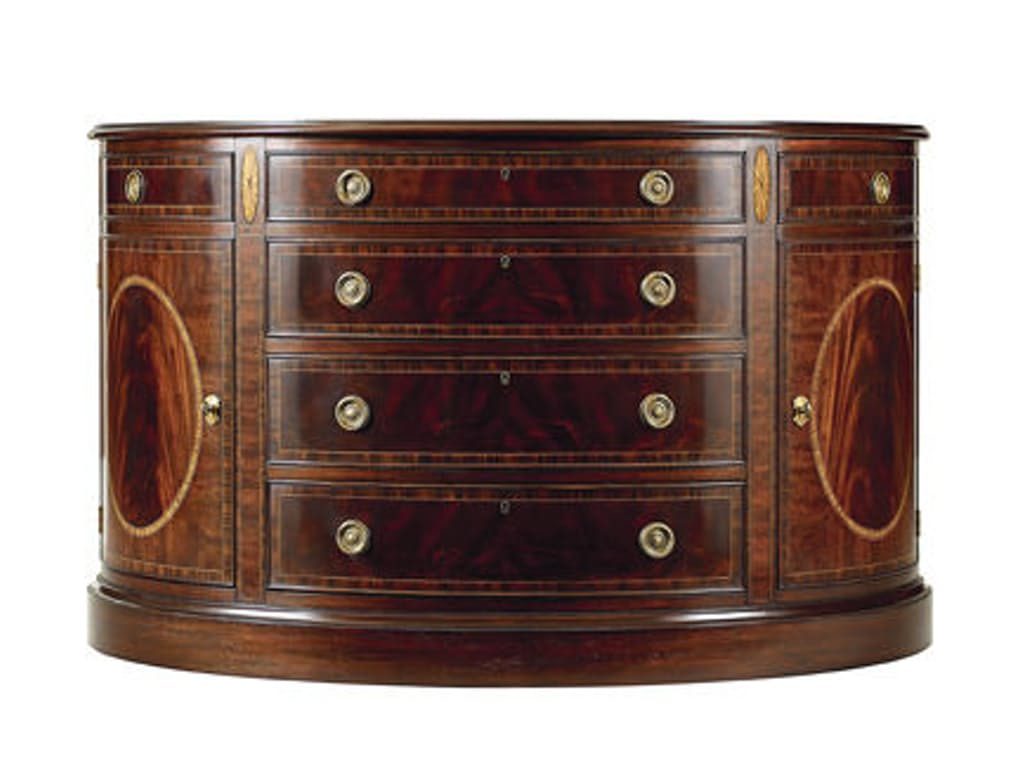
Henredon Living Room Buffet 9401-21
Classicism is a kind of design that’s evident in European art during the 17th to the 18th centuries. This is reflected in architecture, art, literature and music. Also simply called as the classic style, it has been utilized as a style for nobles’ homes.
Classic homes are attractive because of their tranquil colors. They also evoke a high sense of dignity. These days, classic homes are being picked by the well-to-do. They are the ones who have a settled preference as well as an appreciation for longstanding cultural values. They are the ones who know what’s enduring and why it will always win against fleeting fashion.
Classicism and Its History
Classicism began in France during the 17th century. This soon spread to the rest of Europe and became a leading style for two centuries. The artists of those centuries were largely inspired by the arts of Rome and Greece. These evoked rigor, simplicity and clarity.
Despite having strict rules, classic style was embraced by many other nations. It was France, though, that showed the full luster and splendor of this design. When compared to English classicism which is more rigorous and rational, the French version was more straightforward.
It was during the reign of Catherine the Great that a reasonable restraint was placed on Classicism. This was shown when classic style invaded Russia. Petersburg and other such buildings are the living proofs of this enduring design. Other noble estates throughout the Russian Empire also reflected this design.
Russian classicism brought about a brand new trend during the 18th to the 19th centuries. This design now allowed the fusion of classics with other designs.
Mimicking Classicism
So now you’ve realized the beauty of classicism. It is not too difficult to set up in your home. You just need to recognize the features that will make your interiors more classic.
First, be wary of your home’s architecture. Your place must have discreet columns, cornices, windows and doors. These must also have clear outlines. Marble fireplaces are welcome. Creating a rectangular form for these elements will surely pay off.
Next, don’t go gaga over your color palette. Use light pastels for your color scheme.
Classical ornaments include laurel or oak leaves and Greek meander. These must be arranged at a certain order as well as symmetry. Make sure that the stuccos, arches, columns and half-columns are emphasized.
One good interior design practice is to be orderly in all things. The design elements must also be respectable and predictable. They must show a level of solidarity that’s difficult to match.
This may not be your cheapest choice when it comes to interior design but you and your family will surely love the outcome. Know that your home will be forever independent from the trends that most homes default to.
Nothing’s Cheap
Classicism will never embrace cheap finish. Every material used must be unique or at least natural, therefore, its price tag is steep. Plasters and columns are often made of marble while stuccos are handmade.
Walls are covered with panels of natural wood or cloth. Used parquet is a common flooring material though kitchens, bathrooms and living room could have stone or marble tiles.
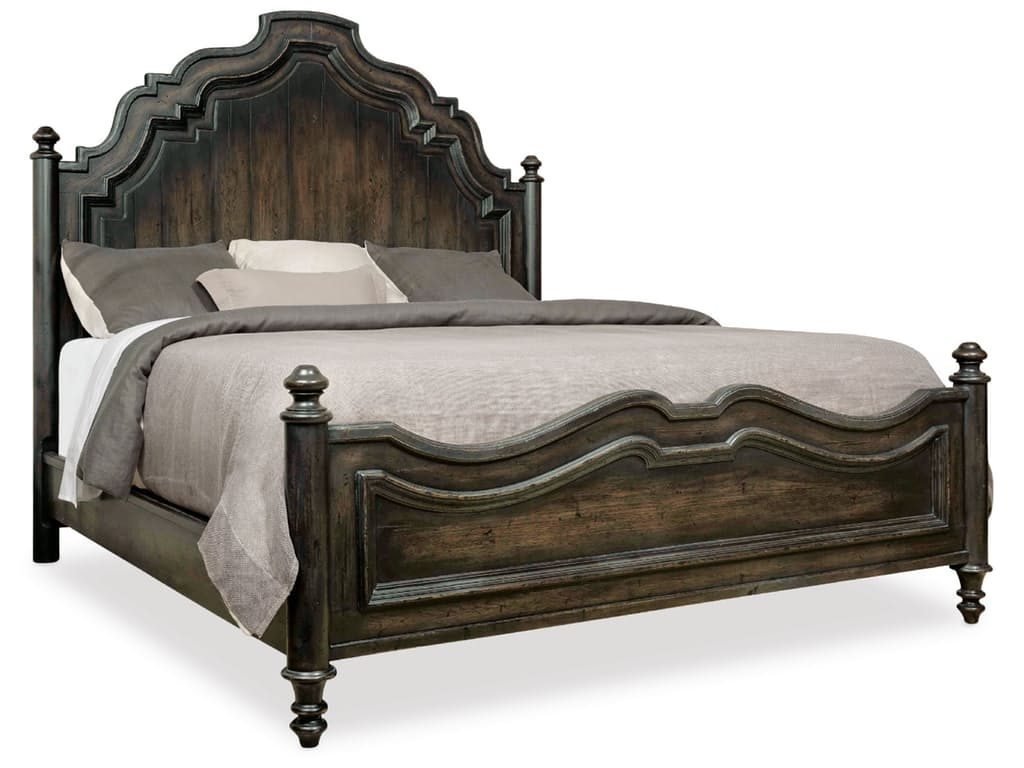
Hooker Furniture Bedroom Auberose King Panel Bed
Classic Colors
Colors and contrasts in classicism do not show bright hues. The shades are neutral and calm. Often used are beige, olive green, cream, gold and light green. These are reflected on furnishings and textiles. It is also okay to use different shades of brown (which is why wood is a welcome element).
Don’t forget, though, that the room must not look dark or gloomy. Textiles and upholstery must use blue green, blue or sandy colors.
Tags: classic home, classic interior design, classic interiors, classicism, McCreerys, McCreerys Home Furnishings
Posted in Interior Design 101, Interior Design Themes | Comments Off on Classicism: Why Old Is Still In
Follow us on our social media


© McCreery's Home Furnishings | All Rights Reserved | Privacy Policy
