- Follow us:


Tuesday, March 26th, 2019
Have you noticed how even when a home is traditional or contemporary, subdued or bold, the living room is always the place that looks and feels comfortable? This is, after all, the very room where the family convenes and where you and your friends relax.
But there is both a science and art in decorating this room since it is that special. Here are some tips –
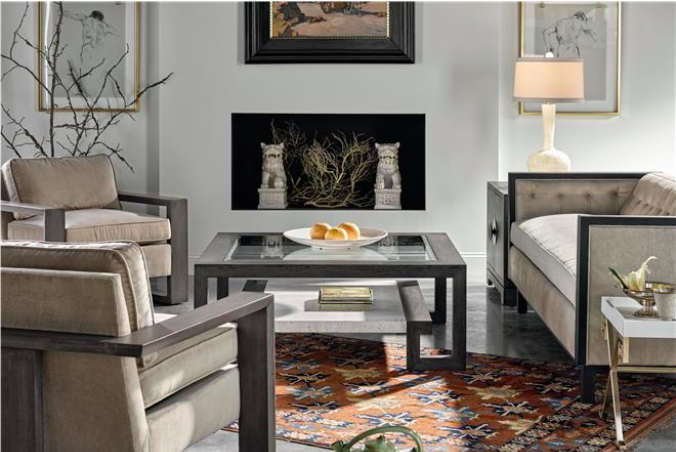
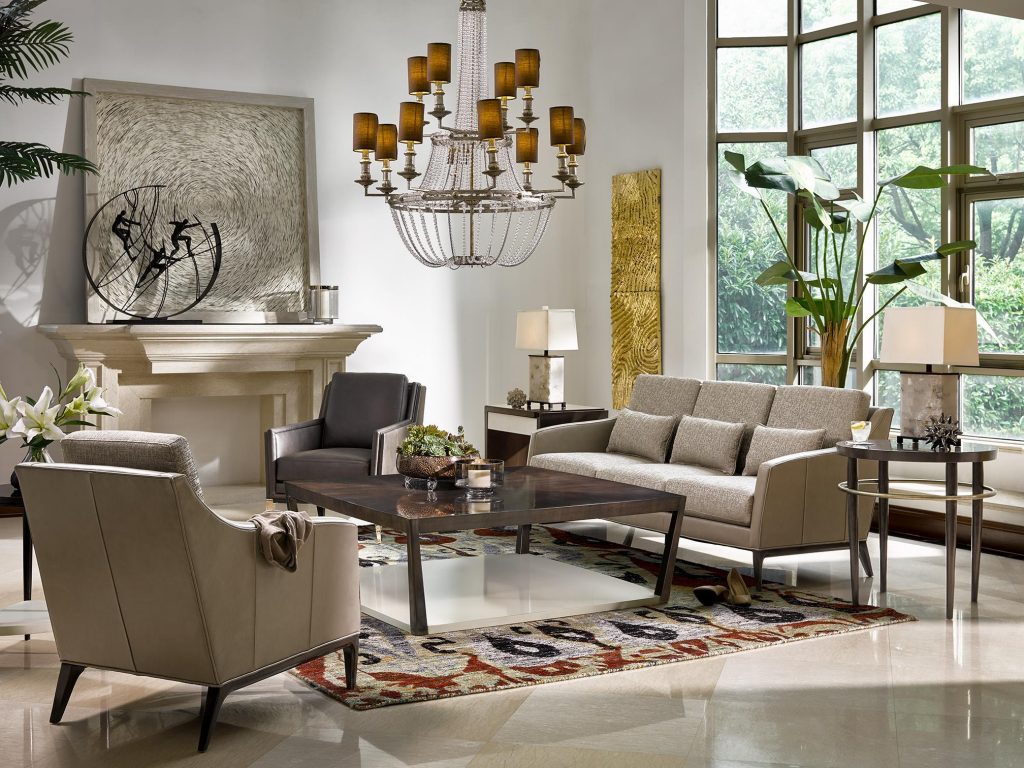
Fusion by Fine Furniture. You would surely love the stark contrast between the light furnishings with that of the dark-colored fireplace.
Figure 1. Fusion by Fine Furniture. You would surely love the stark contrast between the light furnishings with that of the dark-colored fireplace.
Use the Forces of Light and Dark
A room that’s too bright and light tends to look antiseptic. This is okay in a hospital but when you’re decorating a living room, it’s just wrong. Too much light could make a place look cold.
On the other hand, when the place looks dark, it could look like a cave more than a room in a house.
To optimize both dark and light hues, be sure to fuse them in a dynamic way. If you were able to, then you’d create the right kind of depth and balance in your home.
Neutrals Need Contrast
Go beyond the use of white and black. There are more dark and light hues that you could actually play with. If you want to have a living room that’s rich yet welcoming, then be able to contrast the right colors with neutrals. For instance, white walls need to be contrasted with brass hardware or the density of leather.
Make use of different finishes as well as undertones. This is the only way to make a palette richer and textured.
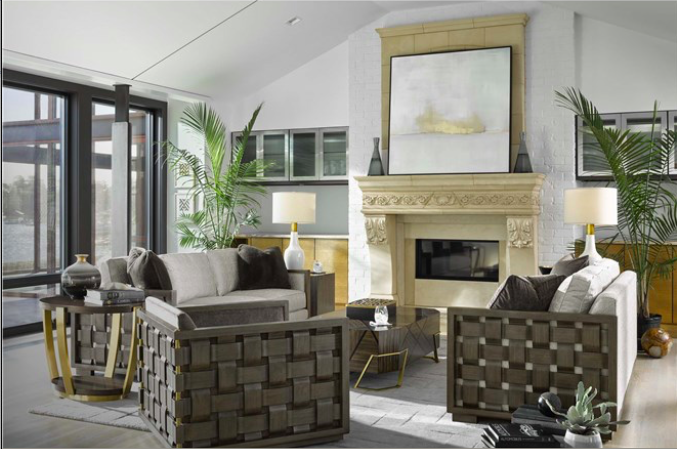
Runway Collection by Fine Furniture Design
Don’t Overlook the Textures
Speak of texture, this is an element that you must never overlook especially when you’re decorating your living room. Texture can’t only be felt but also seen. This is crucial in making a room feel cozier.
Adding plush textures will increase the tactile experience while using harder textures could add to the contrast. Use a lot of cotton, leather, stone, metal, wool, glass, and even plant life to add contrast.
Pillows are also a great way to decorate and add texture especially when you’re not ready to commit yet, design-wise. Even the smallest doses of furnishings and accessories can already add to the richness of the living room palette.
Figure 3. Wood perfectly framed this setting. Featured is Fine Furniture Design’s Summer Home Collection.
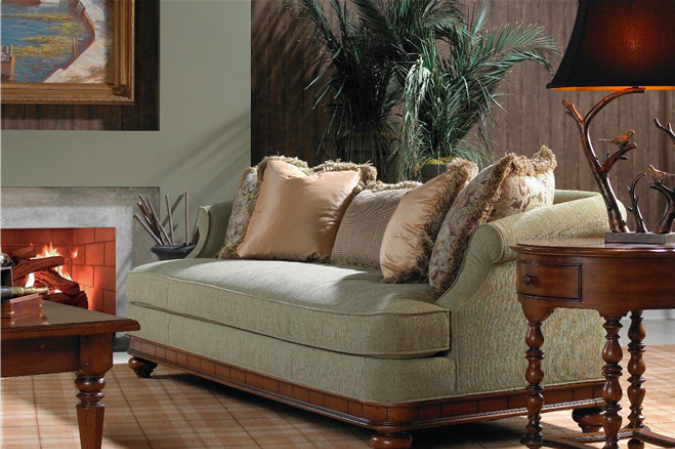
Wood perfectly framed this setting. Featured is Fine Furniture Design’s Summer Home Collection.
Warm Up with Wood
Of course, texture cannot be discussed in its entirety without wood being added to the topic. You can add wood as wall paneling, mobile stools, side tables, as sofa legs, picture frames, and even carved pieces of art.
Figure 4. Veranda Collection by Fine Furniture Design: The fabrics are delicate yet they are the stars of this show.
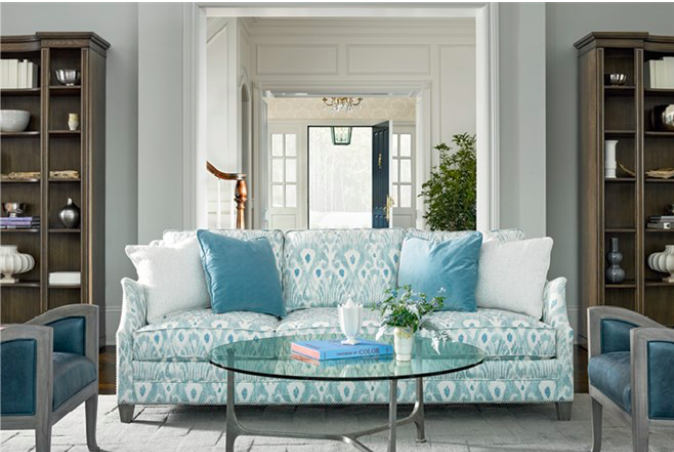
Veranda Collection by Fine Furniture Design: The fabrics are delicate yet they are the stars of this show.
Add Personality with Fabrics
There are furniture sets that come in matching upholstery but this does not mean that you should use this set, too, in your living room. You could experiment by mixing and matching instead of relying on organization and order at all times.
Gamble with the colors and textures that you use on your fabrics. These upholstered pieces can add character easily. If you’re still uncertain where to begin, you can get a few leather chairs then mix those with a fabric couch or vice versa.
This intentionality to diversify the style will make the living room a lot more interesting.
Still on upholstery, while you’re looking for stylish and comfortable fabrics, you also must not forget about durability. Fabrics have to last especially when you have small children in the family or furry friends as companions.
Corduroy and denims are both amazing materials that feel and look inviting while also being durable. They are also an amazing twist to the usual wool or cotton upholstery that people expect.
Power Patterns with Rugs
Pattern is yet another design element that’s powerful enough to energize a room. Use some area rugs to add character to the living room. You even get the added benefit of minimizing wear and stains as you anchor your seats on these alternatives to carpeting.
Tags: decorating the living room, designing the living room, living room accents, living room color palette, living room colors, living room designs, McCreerys, McCreerys Home Furnishings
Posted in Decorative Elements, Interior Design 101, Interior Design Elements, Living Room Design | Comments Off on 6 Designer Tips in Living Room Decoration
Tuesday, October 24th, 2017
Featured in this clean, predominantly white living room, is the Deco Reflets Cocktail Table from Fine Furniture Design.
Dictionary.com defines living room as a room in a home, used, especially by a family, for leisure activities, entertaining guests, etc. Another term for it is a parlor.
The history of the term living room dates back to the late nineteenth century. Decorative literature, back then, pointed out how this room should be the reflection of the person who designed it. This was a direct opposition to the prevailing style during the Victorian era when formal rooms were set up to receive guests.
The advent of the living room signaled the end for the more formal gathering spaces at the time.
And the Living Room Was Born
Since there is a name given to each room in a house (e.g. bathroom, bedroom, and the kitchen), it just follows that there must also be a name given to the liveliest portion of the home.
But did you know that before the living room was referred to in this term that it was actually called the Death Room?
Yes, believe it or not, the front room of houses during the Second World War, became the room where bodies were kept prior to their funeral. Influenza was widespread back then so many homes experienced deaths of loved ones.
When the conditions improved after the war, though, the Ladies Home Journal made a suggestion that the name be changed to living room. Prior to this, it was a room commonly referred to as the parlor, it being a French term parle, meaning, to speak.
This new term soon became more popular than parlor. Pretty soon, the living room became the center of parties, gatherings, and other social events. Even less formal setups for family members were done here.
The Living Room in the U.S.
In larger U.S. and Canadian homes, the living room can be reserved for quieter and more formal events. There are separate rooms for family activities and these are often referred to as the family room, den or the recreation room.
Breathing Life Into the Living Room
Remember that the living room is supposed to be a representation of who you are as the owner of that home so decorating this place means you should know what styles and colors attract you the most.
Begin by taking note of your current furniture and accessories. Get rid of outdated, damaged, and furniture pieces that are too small or too big for your home.
If you are blessed to have heirloom pieces, then find out how you can emphasize these treasures. If they don’t fit your living room, then find a new spot where they can be transferred to.
Next, pick a color palette. The colors that you choose will set the tone for your living room. A blue room will have a relaxing effect while orange or bright yellow living rooms will surely be energizing.
Be sure to build the color palette around an art piece that you need to emphasize in your living room. Choosing a color scheme means knowing which colors are warm and welcoming and which ones are calm and soothing to the eyes.
Know your style. Know the design principles for each style, for instance, traditional interior design tends to be more predictable, orderly, and classic. You won’t find any outdated furnishings in such a style. Accessories and furniture also usually come in pairs.
If these are not appealing to you, then, perhaps, you could go for contemporary or the eclectic styles. There are many designs to choose from, check our blog for them.
After determining your style, you will now have more fun designing your living room. This is the time to purchase new furniture such as the sofa, rug, as well as the entertainment center. Remember that these biggest pieces must reinforce your decorating style.
Tags: colors for the living room, decorating the living room, designing the living room, history of the living room, living room color palette, living room color scheme, living room color schemes, living room colors, living room concepts, living room design elements, living room designs, living room history, living room style, living room styles, McCreerys, McCreerys Home Furnishings
Posted in Interior Design 101, Interior Design Elements, Interior Design Themes, Living Room Design | Comments Off on The Living Room: Turning This Space Box to a Breathing, Living Space
Thursday, March 31st, 2016
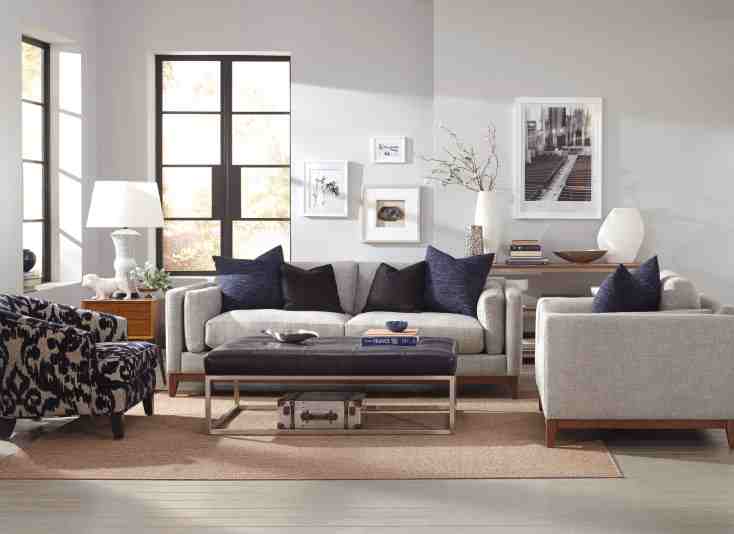
This Kelsey Living Room Collection by Jonathan Louis depicts the exquisiteness of Nordic design.
Everyone knows that white is a reliable shade that can deliver astounding interior design results. It can make any space feel and look brighter, bigger and lighter. What’s great about white paint is that you don’t even have to waste time looking through piles of paint samples before you make your decision. Pulling off a white living room can be a tad more difficult to do, though.
What to Do with a White Living Room
Okay, so you’ve got a sort of blank canvas to work with. Let’s face it – those white walls would eventually look and feel boring if you don’t do something about them. A lot of white can look sterile or it is just too dull.
To get the best look with the color white, you need to consider bringing in some greenery. Green potted plants will stand out against the white walls and could even up the level of warmth and welcoming feel in your living room.
Add accessories that are equally interesting if not colorful.
Another way to go is to embrace the Nordic style. The Scandinavians are a huge success in making white work in their homes. They all know the value of white when it comes to boosting light and making a space appear airier.
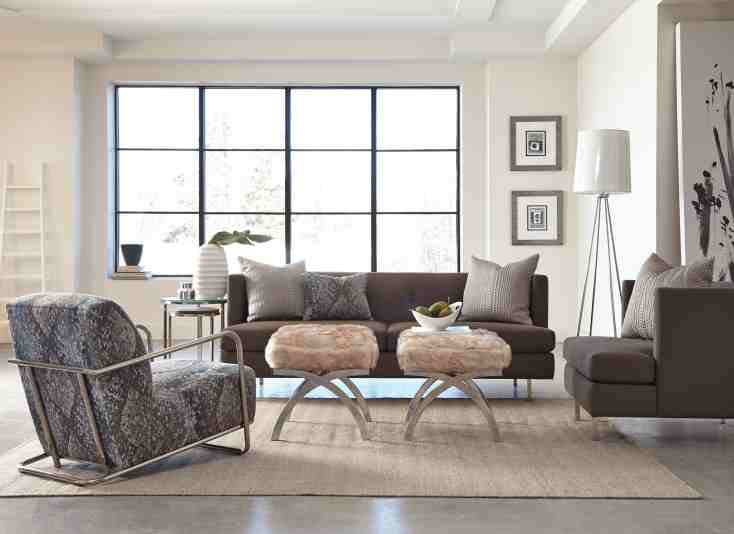
Pierce Living Room Collection by Jonathan Louis
Again, white walls are overly predictable so you have to do something to create an element of surprise. Try to incorporate panelling such as a horizontal design that will create lines all around the living room. The extra movements created will keep observers’ eyes away from the white walls. Those dark shadows and gaps between every board is a color theme that you can work on and even reproduce on the furniture and accessories.Nordic design is great at punctuating the edge of a white room. It can have wood, black or gray elements to make the living room look more exciting.
While it is necessary to deviate the attention of your visitors and friends from the white walls, it is also equally important to keep the freshness of white. To achieve this, you need to look for colors that would stand out against the sterility of white.
Teak sideboards can add a different kind of warmth while yellow or blue accents are sure to pop out from the white backdrop. When you do these color combinations, you get to keep the sharpness of white while using it as a canvas for interesting furniture and accessories as well.
Remember Scaling
One important aspect that you need to remember when using white for your living room is playing with scale. Introduce large pieces so that your all white living room won’t feel bland. While color is an important element, you also need to realize the role of scale.
When you don’t even stop to think about scale, particularly human scale, it would be difficult to design the entire living room. Scale is that relationship between two or more objects that share a common size. More often than not, the size is compared to the human scale (e.g. standardized heights for chairs and countertops).
The term proportion is also often used interchangeably with scale. The only difference between the two is that proportion related to two or more objects’ general size while scale compares two objects with the actual size being known for at least one object. Scale, therefore, is more absolute while proportion is just relative.
To use scaling in a white living room means you control the details of the elements that you put in. This means you don’t just cram large furniture pieces inside a small room. Your white space should be rich in detail not drowning in shapes or forms.
Personalize your white living room, otherwise, it will just be one other white room inside your home.
Tags: colors for the living room, decorating the living room, designing the living room, living room color palette, living room color scheme, living room concepts, living room design elements, McCreerys, McCreerys Home Furnishings, white interiors, white living room, white paint for living room
Posted in Interior Design 101, Interior Design Elements, Living Room Design | No Comments »
Follow us on our social media


© McCreery's Home Furnishings | All Rights Reserved | Privacy Policy
