- Follow us:


Saturday, December 31st, 2016
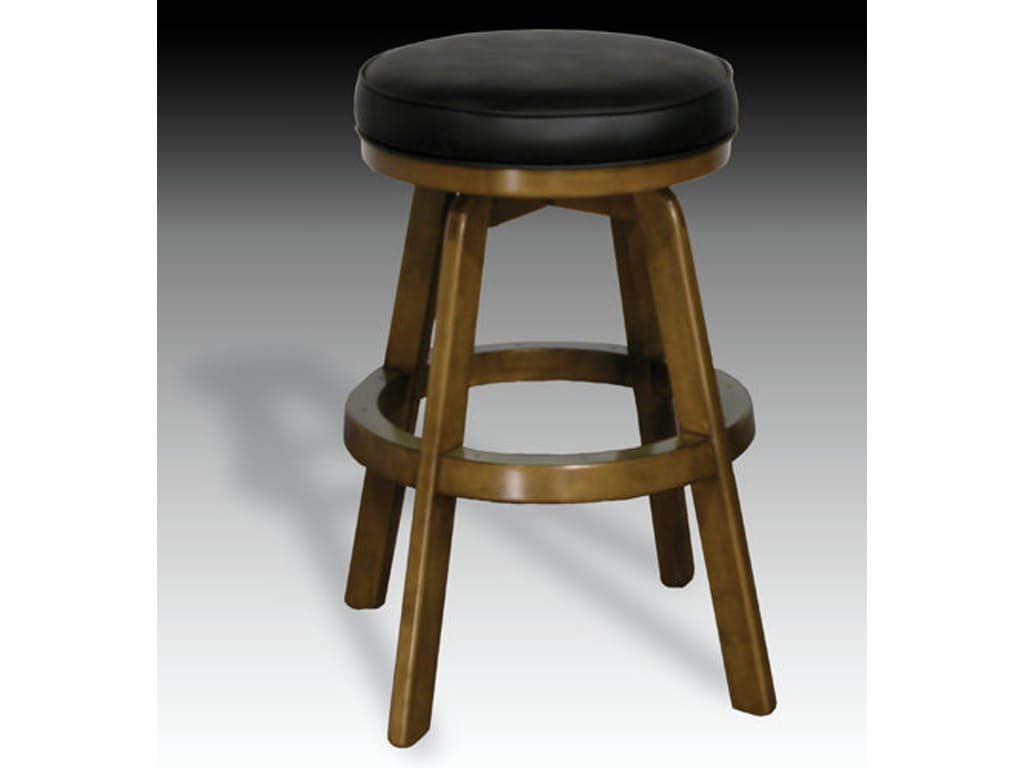
I.M. David Bar and Game Room Backless Barstool 3509
Have you ever experienced gathering people in the kitchen and you ended up bringing them to the living room or the dining room instead? No matter how your kitchen is configured, it is crucial to give yourself as well as your guests a comfy place where they can be entertained as they sit and relax. Seating units are necessary if you have to accomplish this. The stool is one furniture that can help you sit these guests.
The Stool History
The stool is a seat with no arms or back and is intended for just one person. Since this is so, it was a fundamental seating unit for various centuries and was, in fact, reserved as the seat for the most important people.
The earliest stools had three splayed legs that were created and attached to the seat as is done in benches. The more developed type was the one that was created as a small trestle table. This then had two solid sides that were connected by a sturdy stretcher. The stretchers and the sides were often pierced in Medieval times and given opulent curves. These carved surfaces were highly sought.
During the Roman times, X-shaped stools were quite common and was used by prominent people. These were sometimes folded and, at times, upholstered.
Eventually, the stool became the four-legged and jointed type. Its distinguishing features were the turned legs which were often a bit splayed for increased stability. Low stretchers connected these legs and all together, they formed what looked like miniature tables. The turned legs also made use of basic joinery where joiners were the only ones constructing stools with joineries of mortise-and-tenon.
Richer household stools were often upholstered and they reflected the quick-changing tastes of the owners. The stools were either ornate and luxurious or basic but nevertheless sturdy.
The term stool also implied another piece of furniture that’s basically a footstool.
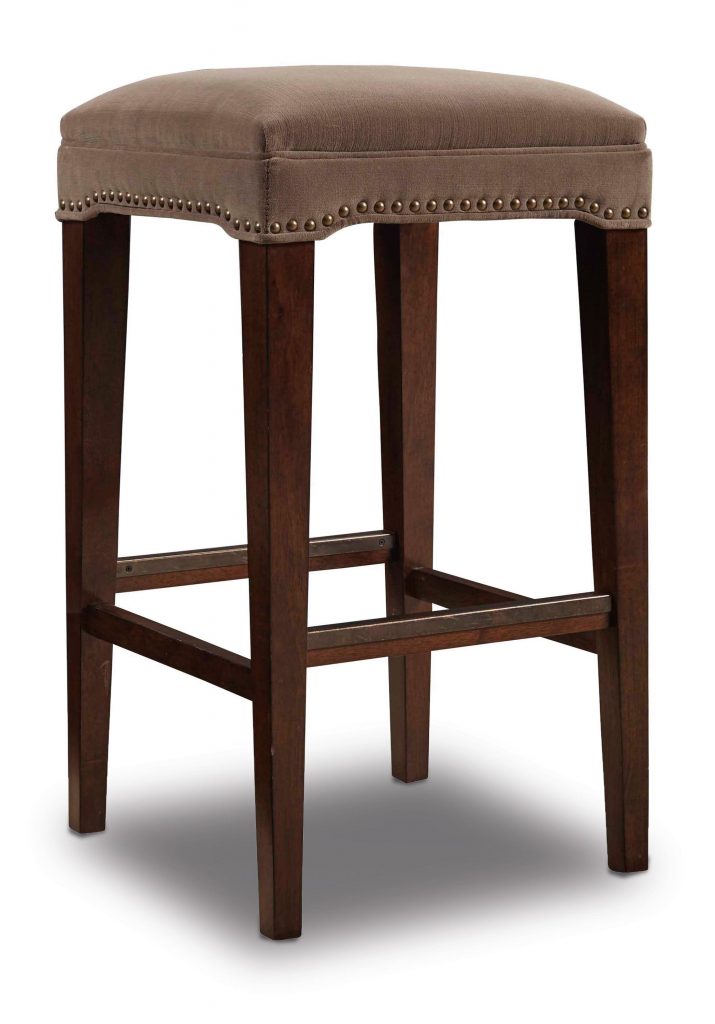
Hooker Furniture Dining Room Chabli Barstool
Stool Shopping
Looking for the right kitchen stools can be challenging since there are various factors to look at such as spacing, height and the level of comfort that you want. Here’s a simple guide for you if you’re looking to shop for stools for your breakfast nook, kitchen island or the kitchen in general –
Don’t worry and don’t get confused. Measure the height of your kitchen table or island where the stools will be placed. This way, you can adjust the maximum or minimum height for your stools.
Bar stools are often paired with pub tables.
Tags: history of stools, kitchen stool, McCreerys, McCreerys Home Furnishings, stool, stool history, stools
Posted in Furniture, Interior Design 101, Interior Design Elements, Kitchen Design | Comments Off on The Kitchen Stool: Its History and Shopping Guide
Follow us on our social media


© McCreery's Home Furnishings | All Rights Reserved | Privacy Policy
