- Follow us:


Tuesday, August 21st, 2018
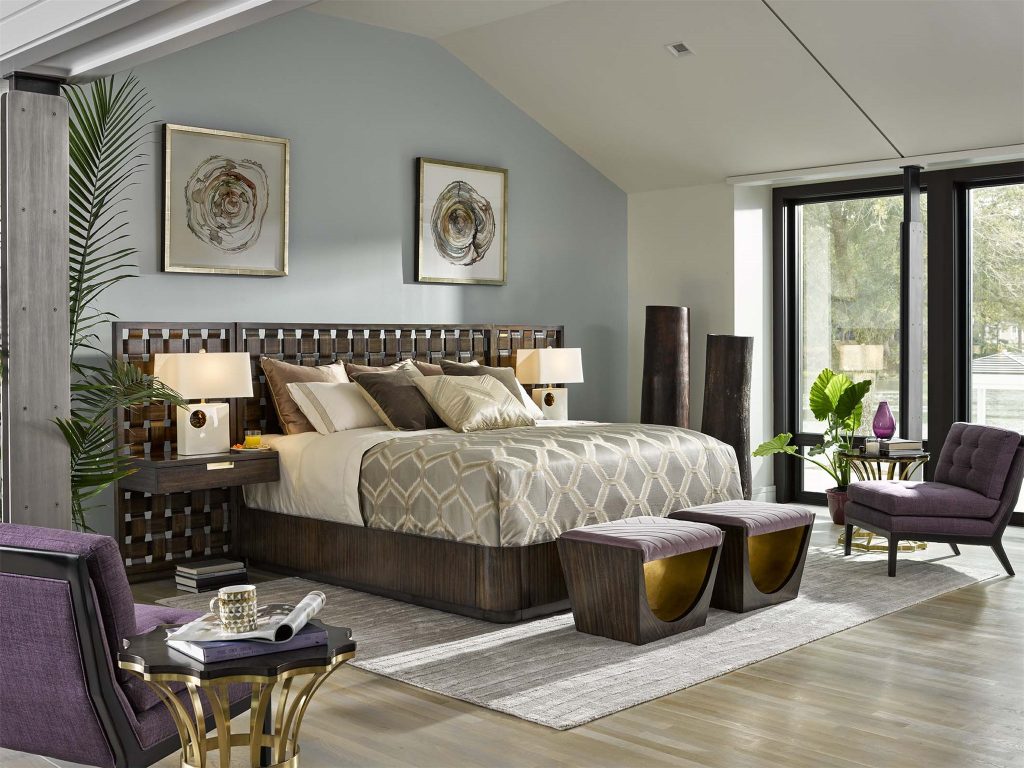
Fine Furniture Design’s Runway Collection has this Gilded Quilted Leather Bench for your bedroom.
Have you noticed that many furniture pieces inside royal people’s homes have gilding?
Gilding is a basic term that’s sometimes misleading for a lot of people. There are different styles and methods of gilding and just as many are the factors that are in need of gilding. The location, surface and the item’s condition are all factors that point to the application that is going to be used. Generally, though, gilding is what’s known as the application of beaten, thin gold (or any other type of metal) sheet.
The three known gilding disciplines are oil gilding, water gilding, and verre eglomise. The first type is the easiest to do which means it is the cheaper alternative. The finish for this type can’t be burnished and also does not appear to be brilliant.
Oil gilding must be used when the furniture that needs gilding is going to be exposed to moisture. The next type of gilding is water gilding which offers the highest quality. There are many processes that are involved in this discipline such as gesso and bole, sanding, also polishing. This is only suitable, though, for pieces that will not be used outdoors.
The last discipline or verre eglomise is what’s also known as glass gilding. This is a process wherein the gold sheets are placed on the glass’ reverse side. This results in the most beautiful reflective surface that’s best used on art pieces and glassware.
The Gilding History
For many centuries, artisans and artists have already used the gold leaf as a way to make their masterpieces shine and shimmer. Just research the ancient artifacts and you are likely to find glistening pieces in just the first few that you find. Just imagine all the Pharaohs’ glistening properties and you’d know exactly what we mean.
These days, the contemporary pieces in homes, architecture, and art are still making good use of gold leaves. There is, apparently, no better way to accentuate sophistication and style than gold.
The gold leaf is a fine sheet that has been hammered through a pounding process called goldbeating. It is the act of putting these sheets onto surfaces that is known as gilding.
Now have you ever wondered what it would be like to gild your own pieces of furniture or wall paintings?
Experimenting with Gilding
If you want to experience the joys of gilding, first hand, then you could experiment with your own painting. You will only need a few steps to have your own gilded masterpiece soon. Here are the materials that you will work on –
As soon as you have gathered the materials, you can then prepare the surface by, first, wearing your pair of gloves then using a regular paintbrush, cover the surfaces that are about to be gilded with leaf adhesive. This is to make sure that no bubbles will remain.
After the adhesive already feels sticky, put the gold leaf sheets by using tweezers or, better yet, fondant balling tools. You can then use the gilding brush in buffing the gold leaf sheets. This process should help you remove excess gold sheets from your painting. Smoothen the leaves over the gilded areas.
If you see remnants, don’t throw those away. Save those for your next masterpiece. To finish your project, apply the sealer.
You can repeat this same procedure whether you are designing a nightstand, a rack, coffee table edges, or even a simple decorative jars and vases.
Tags: gilded furniture, gilded painting, gilding, gilding process, McCreerys, McCreerys Home Furnishings
Posted in Accents, Color Schemes, Furniture, Interior Design 101, Interior Design Elements | Comments Off on Gilding Explained
Follow us on our social media


© McCreery's Home Furnishings | All Rights Reserved | Privacy Policy
