- Follow us:


Saturday, May 21st, 2016
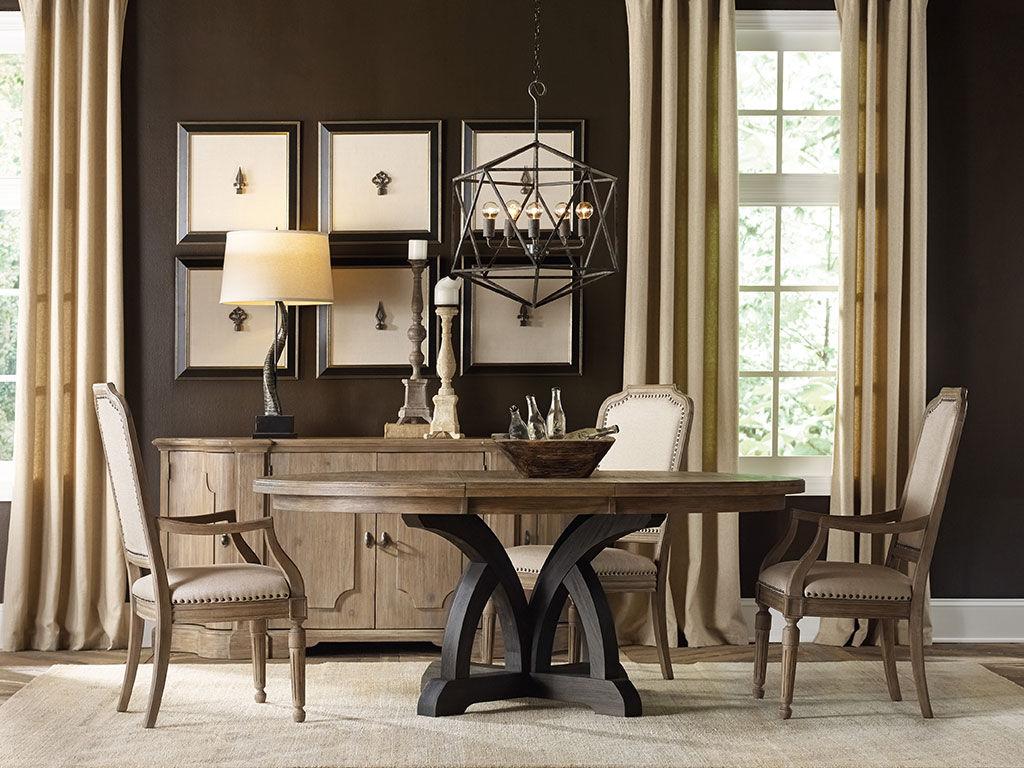
Hooker Furniture Corsica Collection will look great inside a dining room with an exposed concrete finish.
It is not always deliberately done but there are times when an unfinished part of a home becomes one of the stunning features of the entire place. This may not be entirely the work of Michelangelo but you, too, can make an unfinished, exposed part of your dwelling become an architectural wonder.
So, did you want the exposed part to look that way or did you leave it with an exposed finish? That unfinished masterpiece may look bare to some but it can be the stage for an interesting interior design theme that is about to be born.
Exposed Wood: Why Raw Is Beautiful
The unfinished or raw look of that room can be your aesthetic choice. Given this unique decision, you’ve got the leeway to leave the exposed concrete walls, structural steel framework, or hanging light bulb as they are.
Exposed structural wood is also a thing of beauty. This is a more common sight compared to all the other materials used in constructing your home. Displaying wood framework stages a sense of warmth if not a strong connection with the natural world outside.
Oak beams, for instance, can bring a lot of homey feeling. Dark woods provide a great framing effect especially when they are paired with stark white ceilings and walls. The wood can then be used as a line of demarcation when you want to use the open space layout. Lighter types of wood can play well with other interior design elements. Use these kinds of wood on your flooring, staircases and your furniture.
Exposed (Yet Safe) Electrical Accessories
Wiring systems are often not used as a design element since safety is a major concern in this area. If you want to use this concept, then prepare to hang lighting cables instead. This style is the best sort that you can use for art studios or a home that wants to convey an industrial setting.
Going beyond hanging light bulbs means you already need the expertise of a licensed electrician.
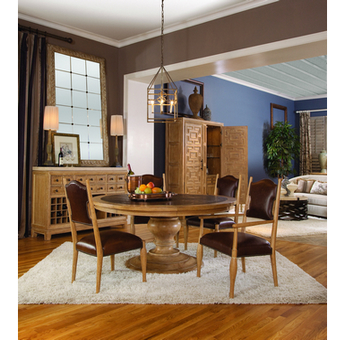
FFDM Ancestry Collection offers these wood pieces which will harmonize well inside a dining room with exposed wood beams.
The Sturdiness of Bricks
Brick and mortar buildings can be cold and rough to behold but with the right design elements brought in, they can become the framing properties of a cozy room. To use exposed bricks could mean having one wall as a feature wall or it can be the design of all four walls in a room.
Enjoy seeing the irregularities of brick which contribute to the beautiful color and texture in your home. Bricks can effortlessly contribute to the warm glow of your warehouse style home.
If you happen to live in an old home with a brick inner wall, then all you have to do is to topple down the less sturdy wall and make way for the exposure of the beautiful, not-so-new-but-still-great-looking walls. If you don’t have such walls in your home, then invest in faux brick panels.
Exposed Pipes
Whoever thought that exposed pipes could ever become anything else but a plumber’s major job? The pipe is an awesome material to use if you want to get creative. If others can create sculptures with copper pipes, then you can also make good use of fittings and fixings.
The pipes can both be functional as well as decorative. If you’re in doubt on how to use them as a design element, then have an engineer help you.
Exposed Concrete
Unfinished concrete has long been used as a design element in many industrial-themed homes. Just like in brick, it is the concrete’s irregularities that make it an imperfect yet beautiful interior design material and aesthetic element.
Choose from these exposed finishes and find out which works best for you.
Tags: brick design, brick interior design, brick interiors, concrete, concrete interiors, designing with concrete, exposed bricks, exposed concrete, exposed finish, exposed finishes, finishes 101, tips
Posted in Interior Design 101, Interior Design Elements, Interior Design Themes, Interior Design Trends | No Comments »
Friday, April 1st, 2016
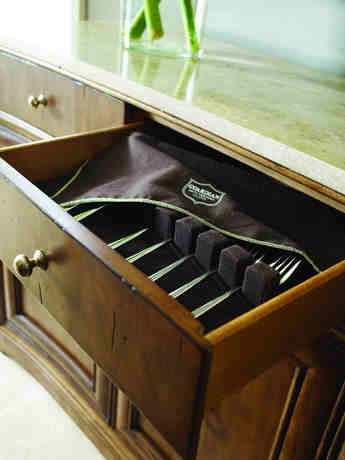
FFDM’s Sunset Canyon Collection has this hardwood cabinet that will make the perfect subject to the canvas that is the brickwork in your kitchen.
Brick. This can either be a boring or an exciting part of your home. Mostly, brick lends a warm, historic look, makes one wonder why many homeowners are afraid to use it especially in their kitchens. One reason could be because it could become a stack of greasy masonry behind a stove. Be afraid no more – you can even make brick veneer look so authentic that your relatives and friends would go gaga about it.
The most basic and easiest way to get real brick look is to purchase the right thickness of brick veneer. This has to be ¾ of an inch thick. Find the concrete-based products so that you won’t have to use sealants. If you still want to use sealant, then be sure to find silane-based sealants because they are breathable.
Sealant use could darken the color and could slow down the movement of moisture out for the brick veneer.
Texas homes use bricks in their homes because it can easily withstand the harshest climates. Reclaimed brick can be used to age the look of a kitchen. This automatically adds texture and warmth as the intricate brickwork bring special details into focus.
The secret to using brick, whether it is the real deal or the brick veneer type, is balance. This is especially true when you need to use it in the kitchen.
Bricks can pack in the most punch on the range wall and the floor. Don’t be limited to traditional or transitional looks, though. There is so much more to bricks that can define features inside your kitchen.
Brick Veneer Care
Do you know what you would do if spaghetti sauce suddenly splatters on your unsealed brick veneer? The cleaning part is easy but there are some guidelines to follow.
Use granulated soap with water then scrub using a stiff-bristled brush only. You can also use vinegar with water in 1:5 ratio.First, make sure that you do not use an acid-based cleaner. Throw all your wire brushes and say no to sandblasting and power washing from now on. All these items can erase the base color on the brick veneer.
Check the manufacturer’s installation as well as cleaning guides. These are information that is often posted on their websites or you can simply talk to their customer service departments.
If you want to add an authentic feel to your brick veneer, then you can hire a mason to apply grout. There are also transparent, no-sheen masonry sealers that you can consider when sealing stones and bricks.
Using brick for a kitchen backsplash is also a unique way to catch the attention of your visitors. This can be made of a thick, brick veneer. This can give your kitchen an industrial warehouse feel. You can have this sealed annually.
Remove the outlets from the brick veneer backsplash to improve the overall look. Move the outlets at a higher, horizontal position. Make sure that you still comply with the safety codes. To be sure, hire a professional electrician to do the installation for you.
Use the brick veneer from the inside corner through to the inside corner and then from the countertop then down the bottom of the ceiling or cabinet. A convincing authentic brick look only comes in where you conceal any part that tells the material is veneer. This can be achieved through ending the brick layout with the inside corner – all of the time.
If your dining area is adjacent to the kitchen, then you can effectively use bricks to tie both rooms. Embrace the industrial look while accentuating any steel or brick patterns. You might feel nervous to use brick at first but you will soon see how it can provide a look that no other material can offer.
Tags: brick, brick in the kitchen, brick interior design, brick interiors, brick veneer, brick wall, brick wall design, designing with brick, exposed bricks, McCreerys, McCreerys Home Furnishings
Posted in Architectural Elements, Interior Design 101, Interior Design Elements, Kitchen Design | No Comments »
Follow us on our social media


© McCreery's Home Furnishings | All Rights Reserved | Privacy Policy
