- Follow us:


Tuesday, June 13th, 2017
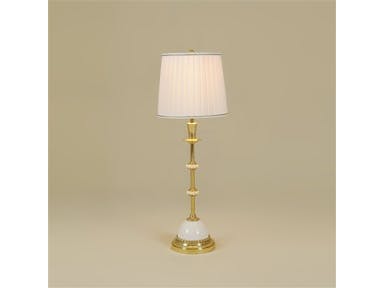
Maitland-Smith Lamps and Lighting Brass Candlestick Lamp 1754-817
Would you believe that the first lamp – ever – was created in 7,000 BC? Of course, this is not your stylish, decorative lamp but rather a shell, hollow rock or a natural object that’s been filled with moss soaked with animal fat. Humans ignited this kind of lamp a long, long time ago and most of the styles were imitated from alabaster, man-made pottery, and metal lamps.
The wick was added later in order to control the lamp’s burning rate. By the 7 BC, the Greeks began to make terra cotta lamps which easily replaced the handheld torches. In fact, lamp came from the Greek word lampas which means torch.
Now let’s jump to the 18th century when the central burner was finally added. By then, the fuel source was an enclosed metal along with an adjustable metal tubing that controlled the intensity of the light.
Little glass chimneys were also added in order to keep the breeze from blowing out the flame. It was a Swiss chemist, Ami Argand, who developed this idea.
The earliest lighting fuels for these glass chimney types were either beeswax, olive oil, whale oil, fish oil or nut oil. These were the renowned fuels during the late 18th century, however, the Chinese were able to collect natural gas from animal skins.
In the mid-1800s, petroleum was already being drilled so kerosene (a derivative of this oil) became a popular choice for lamp lighting.
Hello, Electric Lamps
Sir Humphrey Davy, an English man, was the inventor of the first electric lamp. This worked by hooking dual carbon rods to an electric power source. Electric current then flows through the arc creating vaporizing carbon which emitted a bright white light.
Thomas Alba Edison and Sir Joseph Swann were the ones who invented incandescent lamps in the late 1800s. These electric incandescent light bulbs worked in pretty much the same way as Sir Davy’s invention. This time, the electricity passes through the filament that’s inside the bulb. The heat then generates high temperature which radiates light.
Still later, Friedrich Meyer, Edmund Germer and Hans Spanner came up with the fluorescent lamp. It was in 1927 that fluorescent lighting became available for lamp users.
Lamp Lighting Implications
Here’s another trivia – did you know that almost all religious events in India start with the lighting of a lamp? To them, lamp lighting is an invitation to the divine to join their ceremonies. You see, there’s much more to using a lamp than mere ambient lighting.
Lamps do not just provide a light source for your home, it can also be an effective decorative element. It can easily complement your chosen décor which can up the experience of your visitors. Decorative lighting can evoke different moods.
When a warm glow is set up in the bedroom, then you’re evoking romantic and relaxing feelings. A brighter lamp in the dining area signifies that you want a more animated meal with your loved ones and visitors. Just adjust the dimmer on this same lamp and you can have a more intimate dining experience.
The right task lamp can also help you accomplish your work in your home office. Couple this with blue walls and you are sure to become more productive.
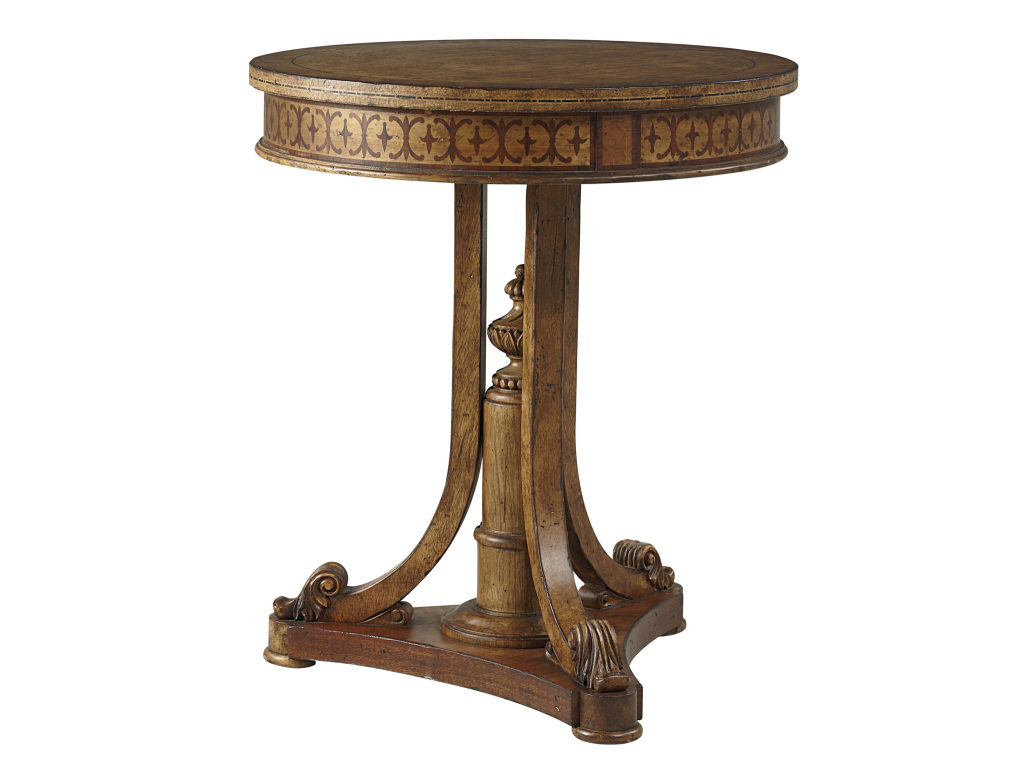
Biltmore Linguist Lamp Table
Table or Desk?
Buy table lamps for home office, bedroom or living room setups. At least this is the general idea. Add femininity or masculinity in a room as you choose crystal for the former and lamps with sturdier bases for the latter.
For book reading and other such activities, use a table lamp. Be sure to invest in a lovely lamp table such as this lovely piece from the Biltmore collection of FFDM. For task lighting or a unique decorative strategy, use floor lamps. For both, be sure to get the scale right. Do not be afraid to mix and match hues and styles.
Tags: decorating with lamps, decorative lamps, lamp, lamps, McCreerys, McCreerys Home Furnishings, task lamps
Posted in Accents, Interior Design 101, Interior Design Elements, Lighting | Comments Off on Glam Up with Lamps
Monday, August 1st, 2016
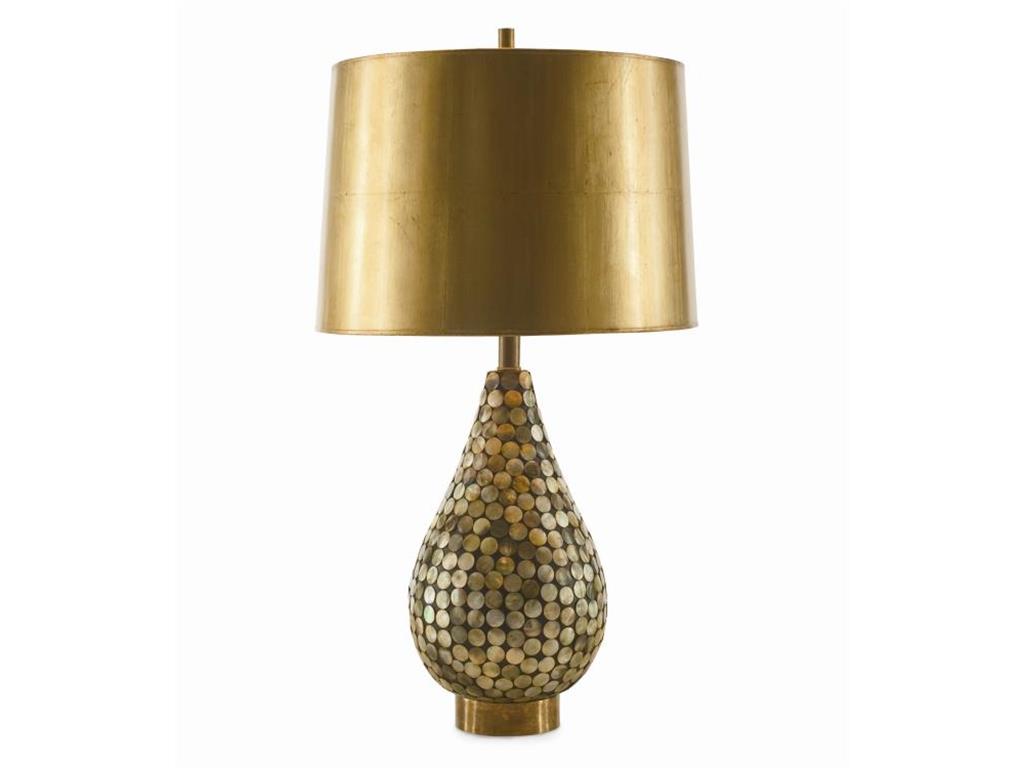
Century Furniture Lamps and Lighting Table Lamp SA8221
Do you have issues with off-white or white lampshades? These work in almost any kind of setting since they are considered to be the right lighting fixtures. You are wrong to think that they are the only ones that you could use, though.
Dramatic Black
White may not be the greatest lampshade color to use when the upholstery and accessories are all colorful. White could be a jarring element in this kind of scenario. This is one setting where you definitely won’t need a white lampshade.
Colors Everywhere
If a colored lampshade is not something that you would want to jump into straightaway, then black would be a better shade that’s more daring than white but safer than the colorful choices. Just imagine an entryway where a black lampshade rests – while white could work, it is black that would add the drama and richness.
Red can be added as a safe color to use. This is a hue that offers an upbeat vibe without appearing too impetuous. Red, believe it or not, can be as neutral as cream, white or black.
Adding tangerine lampshades inside the kitchen is an interesting twist that could make you think of mangoes, citrus fruits and persimmons.
‘Tangerine too loud for you? Then use a bright shade of green and use it with the other green accents in the room. Dashes of green throughout the room will offer an eccentric look. This hue will almost always draw your eyes towards the landscape outdoors – which is a great thing, right?
Deep turquoise lampshades also work a lot better than cream or white. This color is more noteworthy than any other neutral color elsewhere.
Unique Hues and Textures
A pewter shade is a textural base that would work well to tone down any bright-colored desk, credenza or chest. Don’t automatically default to cream or white if bright shades don’t work for you from the onset.
Bronze could also be an elegant neutral. The shades on a bronze chandelier would surely add depth to a room.
If other shades have previously inspired you, then try fusing the colors that caught your eye. You can concoct pastels to create a unique chandelier. You might also want to experiment with other hues that are not block colors. Think of zebra prints or any African safari motif. These could add a great touch to a room that is begging for variety.
You might also want to pick a patterned lampshade. This does not have to be loud all the time. You can use neutral-hued one and have it completed with a layered appeal. Using this kind of lampshade in the bedroom would not diminish the serenity.
African-woven fabrics in neutral can be repurposed when used as a shade. It has an eye-catching shape and size. Do you have any fabric that you go gaga over? Then why not ask us about it and see if it is available on a lampshade?
The next time you want to up the level of excitement in a room, think of letting go of the white lampshade. This is a small investment of money and your time which can have a huge impact on your home.
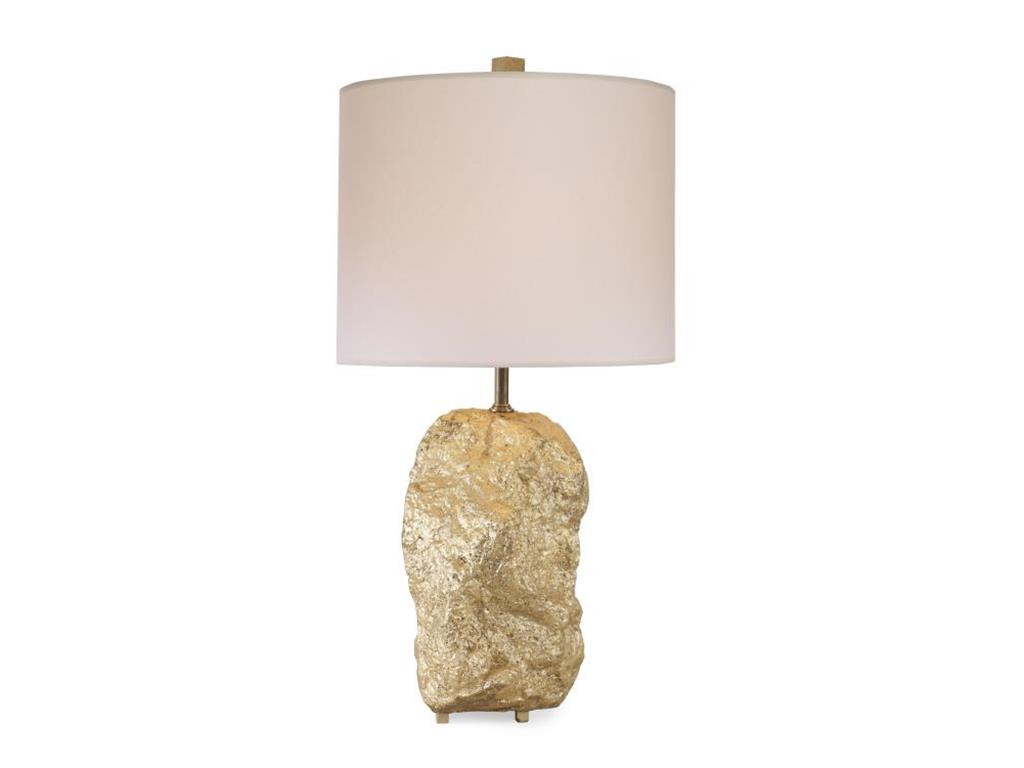
Century Furniture Lamps and Lighting Momentus Table Lamp SA8308
Shopping for Lampshades (In a Nutshell)
Here are some rules of thumb that you need to remember –
Tags: decorating with lamps, lamp, lampshade, McCreerys, McCreerys Home Furnishings, shopping for table lamp, table lamp shopping, tips
Posted in Accents, Accessories, Interior Design 101, Interior Design Elements, Lighting | No Comments »
Wednesday, May 18th, 2016
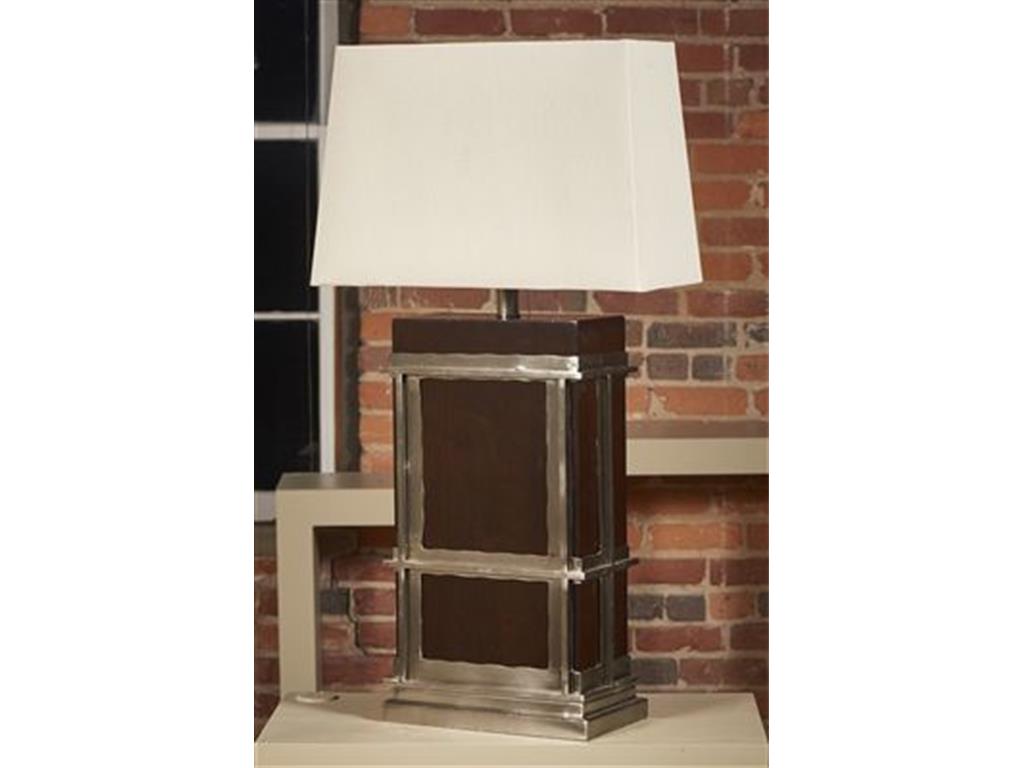
Maitland-Smith Lamps and Lighting Table Lamp 1700-428 blends perfectly with the brick background.
The right kind of table lamp has the power to make a room appear and feel cozier. Yet figuring out what sort of lamp to buy can be a bit tricky. Before you learn how to pair the right table lamp with the best table or desk, here are a few tips in shopping for the right decorative lighting –
Take a Seat
A big or small lamp could function as a source of light but if you don’t consider certain design elements, then it could look like it was not originally a part of the room. Consider both form and function when choosing the correct table lamp. Be sure to set the function first then have the size follow suit.
To measure the correct size of table lamp, be sure to take a seat on the sofa or chair right next to the table where the lamp will be situated. Measure the distance from your eye level right to the table surface.
Find a shade that comes with a diameter which is no more than two inches smaller than the base length. For instance, a fixture with 16” base should have a shade width that is no more than 14”.
Buy a fixture that has a bottom to base shade length which will not exceed your eye-level-to-table measurement. Shade length should have 65-80% of the length of the base. If the lamp is going to be used on the bedside table, then the length should still be sitting at your eye level coming from the bedside table.
The guidelines are still applicable even if you’re setting up a tiny table that comes with a reading light. It could be difficult to shop for a small scale lamp which is still tall enough for this kind of setup but there are options out there. Should you have trouble looking for the correct size of table lamp, then just settle for a floor fixture.
A Useful Tip
Here’s a useful method of estimating your eye level for those impromptu shopping. This is an age-old florist’s trick in doing this estimation.
Put your elbow on the nightstand or desk and have your arm perpendicular to the surface with your fingers extended. Begin measuring from the table surface to the tip of your middle finger. This measurement should serve as your guide for eye level when looking for the right table lamp.
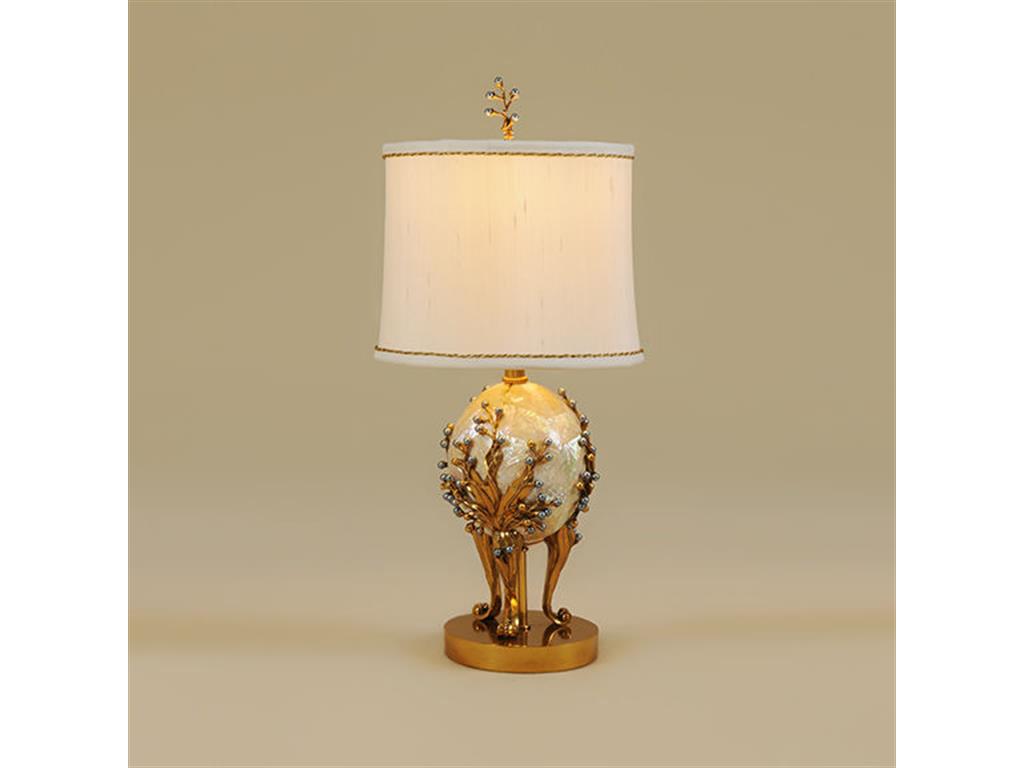
Maitland-Smith Lamps and Lighting Table Lamp 1700-428 blends perfectly with the brick background.
Credenza + Pottery Lamps
Here’s a table and lamp combination that will surely excite people who want to embrace the midcentury look. Make good use of proportions. Use a petite credenza with a chunky sort of pottery lamp. You can also look for a statement lamp to balance the miniscule look of the credenza.
Hang a huge piece of painting slightly off-center beside the lamp to complete the look.
Bamboo Table + Small Ceramic Lamp
The bamboo table can be an elegant nightstand yet a big lamp will crowd it out. To avoid this, or the use of a task lamp, use a small-scale lamp complete with an empire-shape shade. This ceramic lamp should cast ample light according to your needs.
Media Center + Tall Glass Lamp
Place a tall glass lamp on one end of the media center. This placement takes the eye away from the center of the TV screen (and reduces glare) when it is not being used.
Lovely Sofa + Glass Lamp
If you situated your sofa at the center of the living room, it would be aesthetically great to have glass lamps roundabout. This sort of lamp will not obstruct the sight lines.
Make these glass lamps more interesting during the summer by filling them up with fine sand.
Find out which among these table and lamp combos would work best in your home. Have fun doing this project.
Tags: decorating with lamps, decorative lamps, lamps, McCreerys, McCreerys Home Furnishings, shopping for table lamp, shopping for table lamps, table lamp, table lamp combos, table lamp shopping
Posted in Accents, Interior Design 101, Interior Design Elements | No Comments »
Follow us on our social media


© McCreery's Home Furnishings | All Rights Reserved | Privacy Policy
